

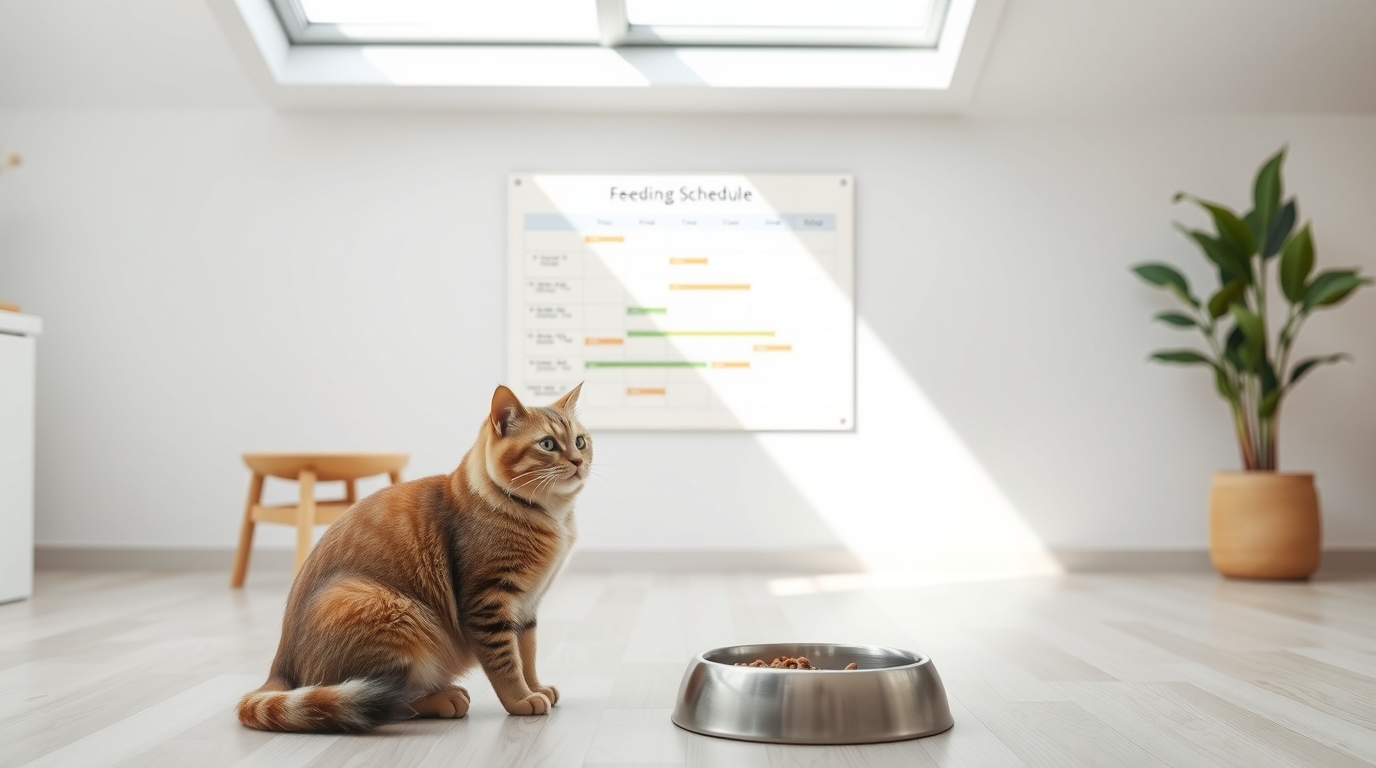
Feeding your cat at the right time and in the right quantity is one of the most important parts of responsible pet care. Cats thrive on routine, and inconsistent feeding can lead to behavioral issues, digestive problems, obesity, or excessive begging. That’s why many pet parents look for a printable cat feeding schedule—something simple, visual, and easy to follow every day.
In this guide, you’ll learn how to create the perfect daily feeding routine for your cat, how much to feed based on age and weight, whether cats can go long hours without food, and how to use a printable feeding chart to stay consistent. This article is ideal for first-time cat owners, busy professionals, and families with multiple cats.

Why a Printable Cat Feeding Schedule Matters
Cats are creatures of habit. Unlike dogs, they prefer predictable routines and may become stressed or anxious if meals are late or irregular. A printable cat feeding schedule helps you maintain consistency, especially if multiple people feed the cat or if you have kittens, senior cats, or cats with medical needs.
Benefits of using a printable feeding schedule include better portion control, reduced overeating, fewer behavioral problems, improved digestion, and easier tracking of your cat’s daily routine. It also helps prevent accidental double-feeding, which is a common cause of feline obesity.
Understanding a Cat’s Natural Feeding Behavior
In the wild, cats eat multiple small meals throughout the day. Domesticated cats still have this instinct, even though they rely on humans for food. Ideally, cats should eat 2 to 4 small meals per day, depending on age, health, and lifestyle.
A structured feeding schedule mimics natural hunting behavior and supports stable energy levels throughout the day.
Printable Cat Feeding Schedule (General Example)
Here’s a simple daily feeding routine that works well for most healthy adult cats. This can be printed and placed on your fridge or feeding area.
Morning (7:00–8:00 AM): Main meal
Midday (12:00–1:00 PM): Small meal or snack (optional)
Evening (6:00–7:00 PM): Main meal
Night (Optional): Very small snack or automatic feeder portion
This schedule works especially well for indoor cats and helps prevent nighttime hunger and early-morning wake-ups.
Printable Cat Feeding Schedule by Age
Kittens (0–6 Months)
Kittens grow rapidly and need frequent meals.
Meals per day: 4–5
Best routine: Early morning, late morning, afternoon, evening, bedtime
Notes: Always use kitten-specific food with higher calories and protein.
Adult Cats (1–7 Years)
Most adult cats do best on a consistent schedule.
Meals per day: 2–3
Best routine: Morning and evening, with optional midday snack
Notes: Avoid free-feeding dry food to prevent weight gain.
Senior Cats (7+ Years)
Senior cats benefit from smaller, more frequent meals.
Meals per day: 2–3 small meals
Best routine: Morning, early evening, late evening
Notes: Wet food helps with hydration and kidney health.
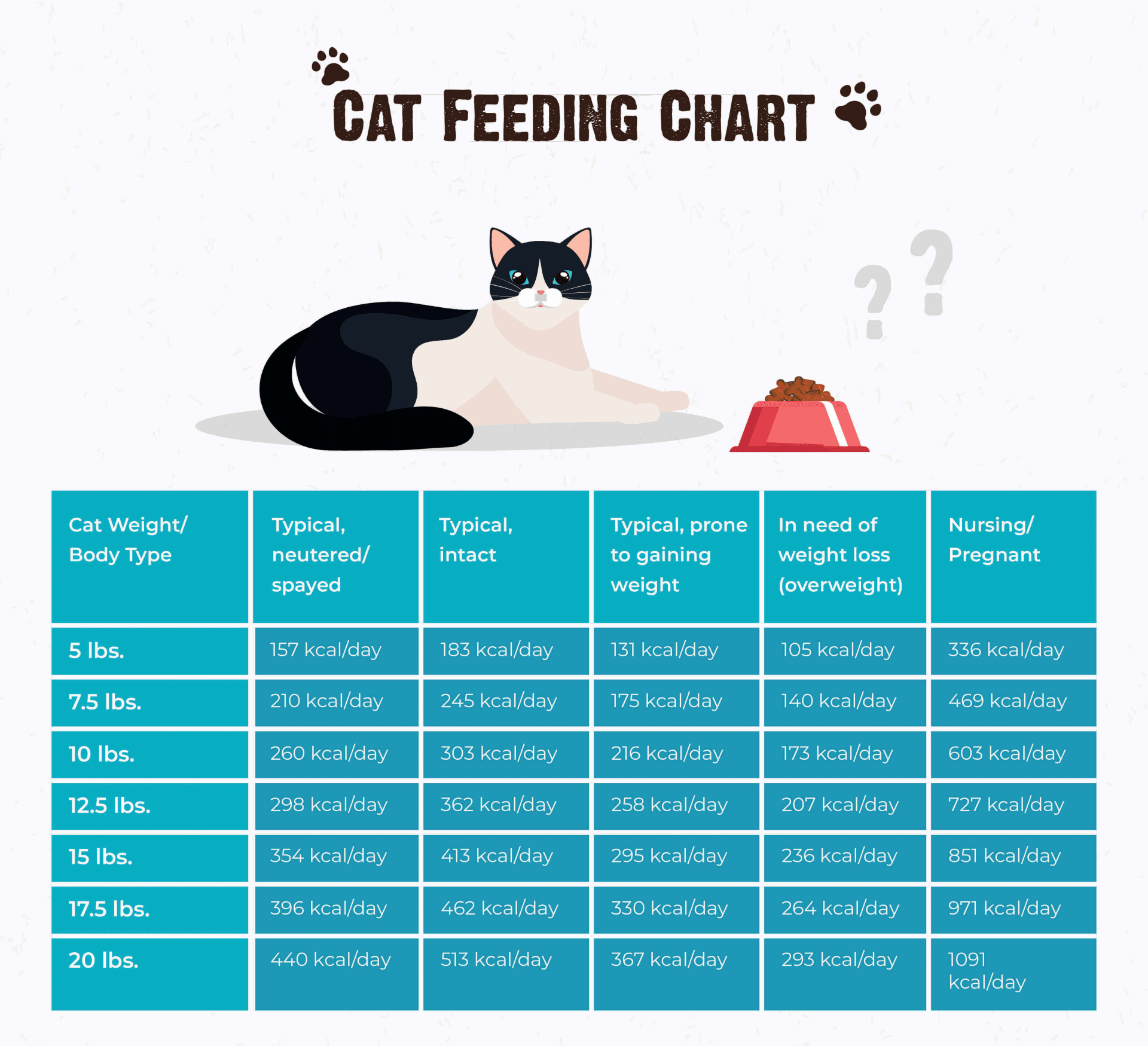
How Much to Feed a Cat Per Day Chart
One of the most common questions cat owners ask is how much to feed a cat per day. The answer depends on weight, age, and activity level.
Daily Feeding Chart (Average Adult Cat)
| Cat Weight | Daily Calories | Dry Food | Wet Food |
|---|---|---|---|
| 6–7 lbs | 170–200 kcal | ¼ cup | 4–5 oz |
| 8–9 lbs | 200–230 kcal | ⅓ cup | 5–6 oz |
| 10–11 lbs | 230–260 kcal | ½ cup | 6–7 oz |
| 12+ lbs | 260–300 kcal | ½–¾ cup | 7–8 oz |
This chart can be included in a printable cat feeding schedule PDF for easy reference.
Wet Food vs Dry Food in a Feeding Schedule
A good feeding schedule considers the type of food you’re using.
Wet food provides hydration and helps prevent urinary issues.
Dry food is convenient and supports dental health.
The best approach for most cats is combination feeding:
- Wet food in the morning and evening
- Small measured dry food portion during the day
Never leave large amounts of dry food out all day unless advised by a vet.
What Is a Good Feeding Schedule for Cats?
A good feeding schedule for cats is one that is consistent, balanced, and appropriate for the cat’s age and health. Most cats do best with meals served at the same times every day, ideally spaced 8–12 hours apart for main meals.
A good schedule:
- Matches your daily routine
- Avoids long gaps between meals
- Prevents overeating
- Reduces stress and begging behavior
Consistency matters more than the exact time.
What Is a Good Daily Routine for a Cat?
Cats thrive when feeding is part of a predictable daily routine. A healthy daily routine looks like this:
Wake up → Eat → Groom → Sleep
Play → Snack → Rest
Play → Eat → Relax → Sleep
Feeding should ideally follow playtime, as it mimics hunting behavior. This routine supports mental stimulation, weight control, and emotional well-being.
Can Cats Go 8 Hours Without Food?
Yes, healthy adult cats can safely go 8 hours without food, especially overnight. In fact, many cats naturally eat breakfast and dinner with an 8–12 hour gap in between.
However, kittens, senior cats, diabetic cats, and cats with medical conditions may require more frequent meals. Extended fasting (over 12–24 hours) is not recommended and can lead to health issues such as hepatic lipidosis.
Printable Cat Feeding Schedule for Busy Owners

If you work long hours or travel frequently, a printable schedule combined with tools like automatic feeders can help maintain consistency.
Tips:
- Use an automatic feeder for midday meals
- Measure portions in advance
- Keep the printed schedule visible
- Share the schedule with family members or pet sitters
Common Feeding Mistakes to Avoid
Free-feeding unlimited dry food
Inconsistent meal times
Overfeeding treats
Ignoring calorie counts
Sudden food changes
A printable feeding schedule helps avoid all of these issues.
How to Transition to a New Feeding Schedule
Change routines gradually over 7–10 days. Shift meal times by 15–30 minutes each day until you reach the desired schedule. This prevents stress and digestive upset.
Why a Printable Cat Feeding Schedule Is Ideal for Multi-Cat Homes
In homes with more than one cat, feeding schedules prevent food stealing, overeating, and dominance issues. Individual schedules help track how much each cat eats and identify appetite changes early.
Conclusion
A printable cat feeding schedule is one of the simplest yet most effective tools for improving your cat’s health and behavior. By feeding the right amount at consistent times and aligning meals with your cat’s natural routine, you support better digestion, weight management, and emotional stability. Whether you’re caring for a kitten, an adult cat, or a senior companion, a clear feeding schedule makes daily care easier and more reliable.
FAQ’s
How much to feed a cat per day chart?
Most adult cats need 200–250 calories per day, depending on weight and activity level. Portion sizes vary based on wet or dry food.
What is a good feeding schedule for cats?
Two main meals per day—morning and evening—with optional small snacks is ideal for most cats.
What is a good daily routine for a cat?
Eat, groom, sleep, play, eat again, relax, and sleep. Cats thrive on predictable routines.
Can cats go 8 hours without food?
Yes, healthy adult cats can safely go 8 hours without food, especially overnight.
Also Read:
- Best Dog Food for Vizslas – Complete Nutrition & Feeding Guide 2026
- Best Homemade Shampoo for Dogs – Safe, Natural & Vet-Approved DIY Guide (2026)
- Dog Christmas Decorations Outdoor – Eye-Catching Ideas for 2026