Know More About Your Pets & Share Time
Recent Posts

List of bad Food for Dogs

How to choose Best dog food for cane corso: A 2024 Ultimate Guide
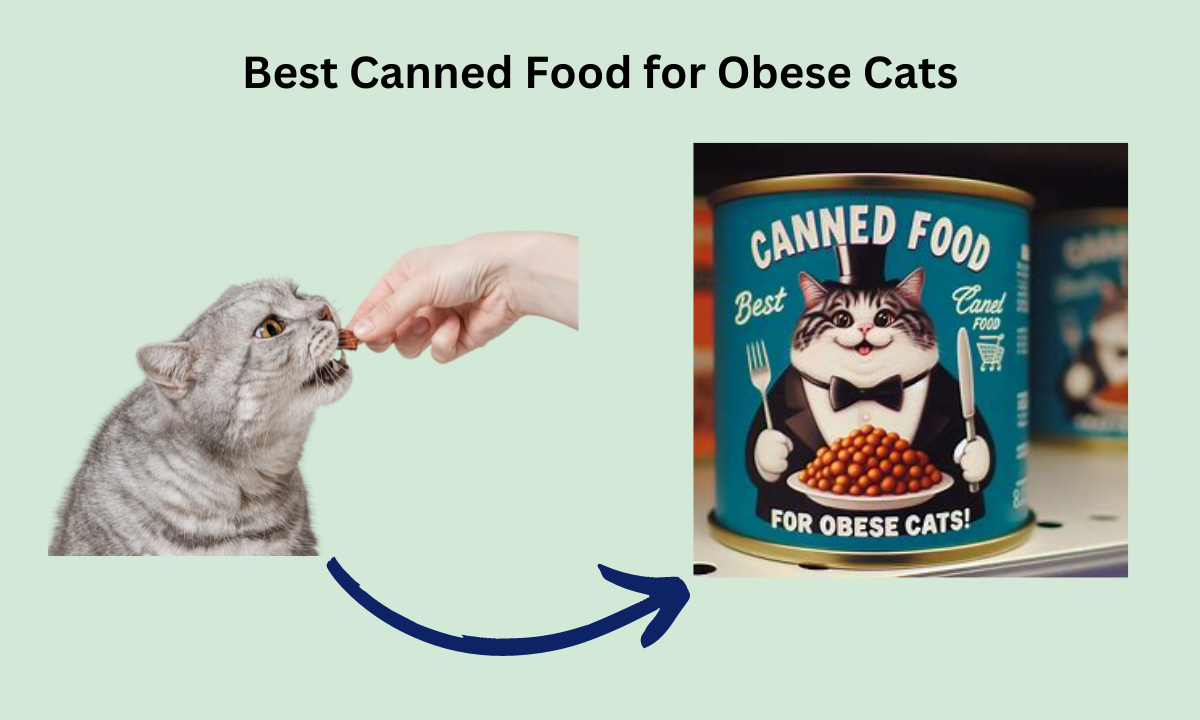
Best Canned Food for Obese Cats
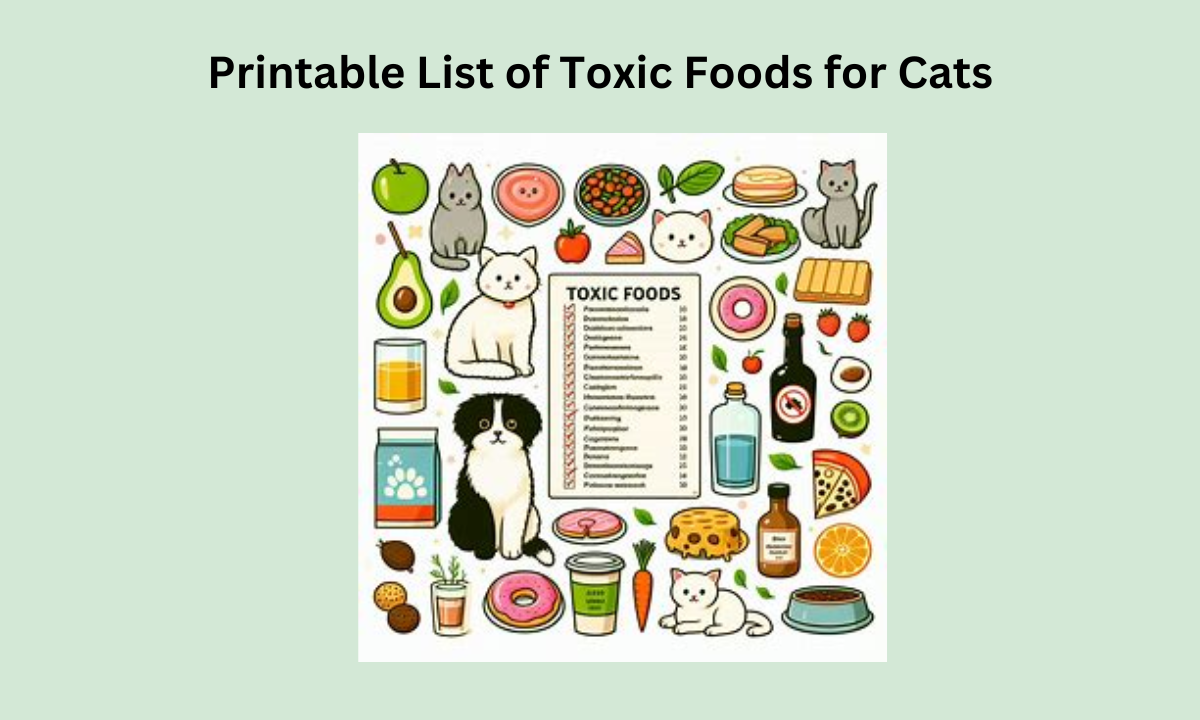
Printable List of Toxic Foods for Cats: Keep Your Cat Friend Safe in 2024!
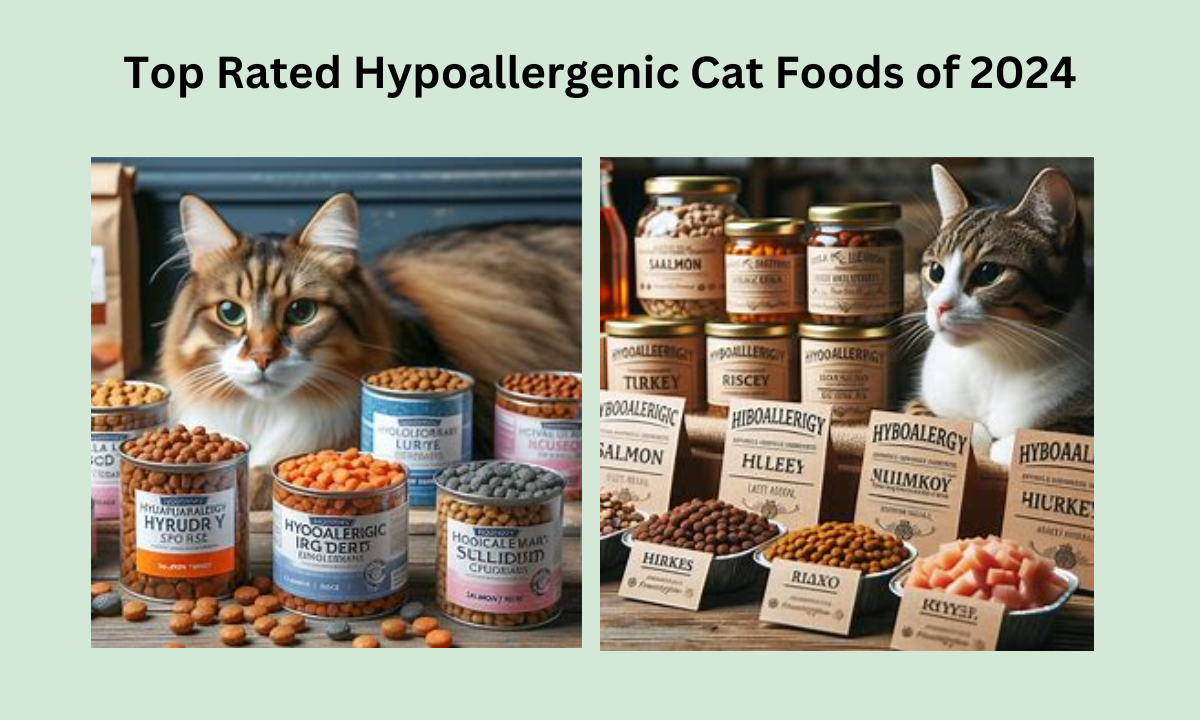
Top Rated Hypoallergenic Cat Foods of 2024

Best Cat Food For Gassy Kitten


Subscribe To Get Amazing Updates
Subscribe to our newsletter and stay updated.
Clear examples turn abstract ideas into practical knowledge by showing how a principle works under defined conditions. In education, a well-built example usually presents the starting information, the method, and the result, allowing readers to distinguish essential steps from incidental detail. A controlled test separates correlation from causation by changing one relevant variable while keeping the surrounding conditions stable. That structure is especially valuable in science, policy, and business, where a convincing outcome must be supported by evidence rather than by an appealing anecdote. Comparisons also become more informative when examples use the same measures, time frame, and assumptions, since otherwise apparent differences may reflect inconsistent standards. The strongest examples therefore do more than illustrate an answer: they reveal the reasoning behind it and make its limits clear.