

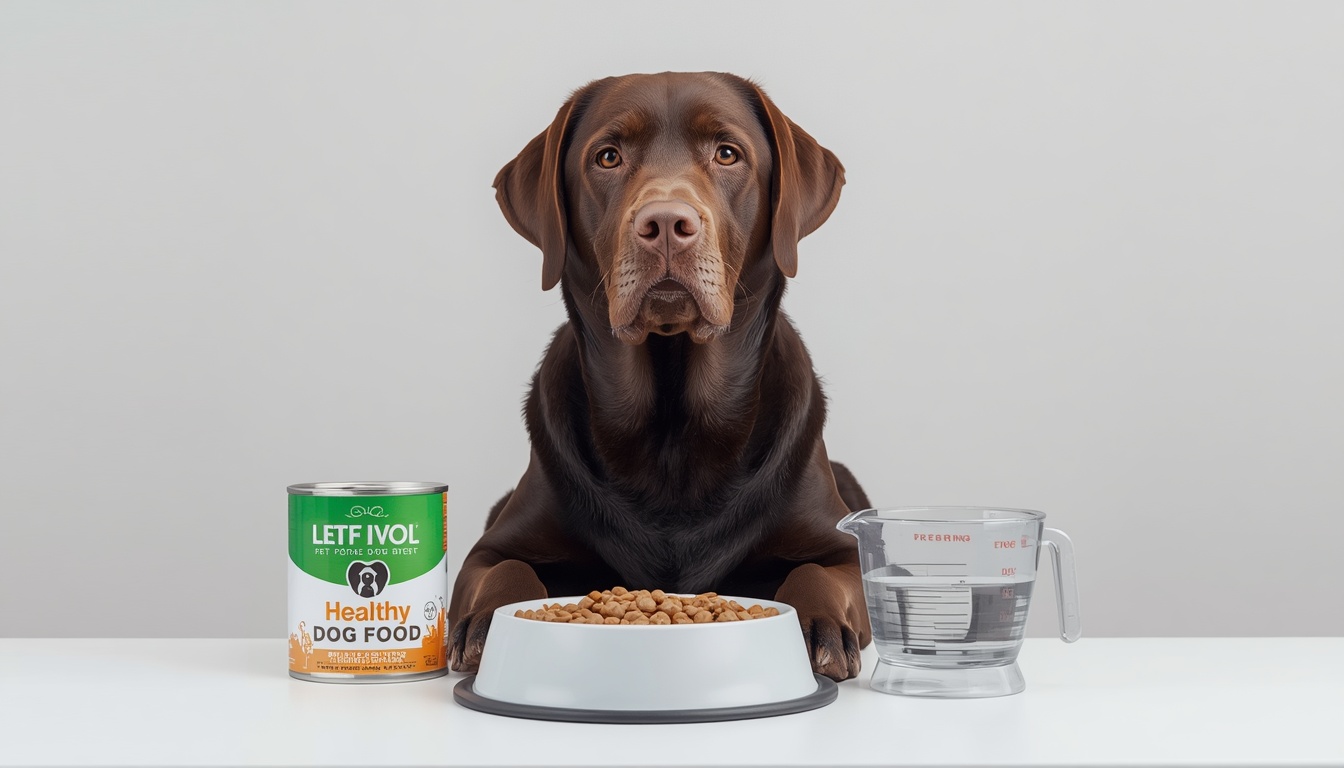
Feeding your dog the right amount of food is one of the most important parts of keeping them healthy. However, many dog owners struggle with a common question:
How much wet food and dry food should I feed my dog?
Because wet food and dry food contain different amounts of calories, simply replacing one cup of kibble with one cup of wet food is not accurate. A proper dog food calculator for wet and dry food helps determine the correct portions based on your dog’s calorie needs and the calorie content of each food.
This guide explains how to calculate wet and dry food portions, understand calorie requirements, and create a balanced feeding plan for puppies, adult dogs, and senior dogs.
Why Use Dog Food Calculator Wet and Dry?
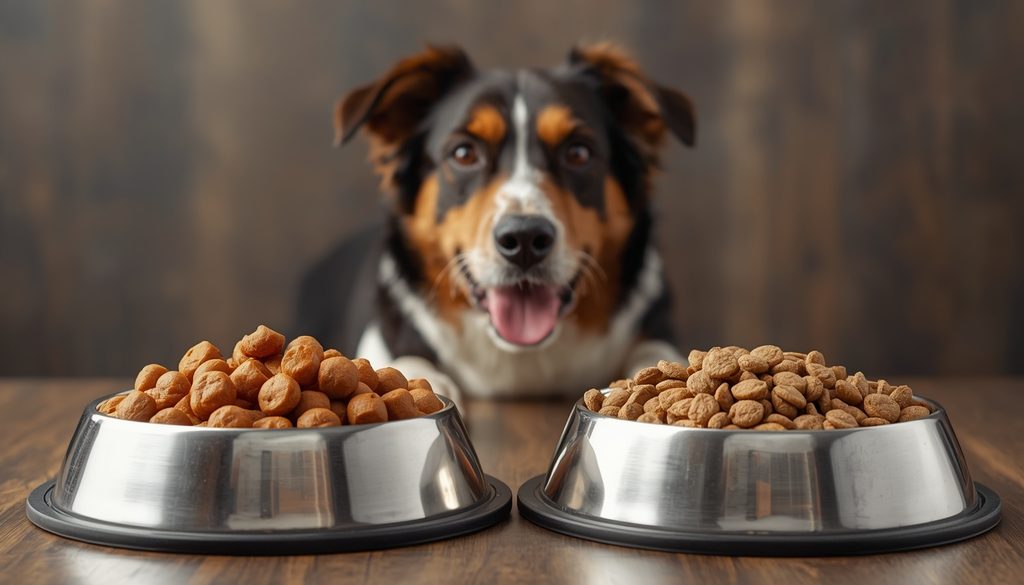
Wet food and dry food differ significantly in moisture content and calorie density.
Dry Food
Typically contains:
- 8–12% moisture
- Higher calorie concentration
- Smaller serving sizes
Wet Food
Typically contains:
- 70–85% moisture
- Lower calorie concentration
- Larger serving sizes
As a result, one cup of dry food often contains substantially more calories than one cup of wet food.
A feeding calculator helps:
- Prevent overfeeding
- Avoid underfeeding
- Maintain healthy weight
- Create balanced mixed-feeding plans
- Improve portion accuracy
Understanding Dog Calorie Needs
Every dog has unique energy requirements.
Factors affecting calorie needs include:
- Weight
- Age
- Activity level
- Breed
- Neuter status
- Health conditions
- Pregnancy or nursing
Typical Daily Calorie Estimates
| Dog Weight | Approximate Daily Calories |
|---|---|
| 5 kg (11 lbs) | 250–400 kcal |
| 10 kg (22 lbs) | 400–700 kcal |
| 20 kg (44 lbs) | 700–1,100 kcal |
| 30 kg (66 lbs) | 900–1,600 kcal |
| 40 kg (88 lbs) | 1,100–2,000 kcal |
These values are estimates and should be adjusted based on body condition and veterinary advice.
Dog Food Calculator Formula

Step 1: Determine Daily Calorie Requirement
Example:
Dog weight: 20 kg
Estimated daily calories:
900 kcal/day
Step 2: Check Food Calories
Example:
Dry food:
- 400 kcal per cup
Wet food:
- 350 kcal per can
Step 3: Calculate Portions
Dry Food Only
900 ÷ 400 = 2.25 cups daily
Wet Food Only
900 ÷ 350 = 2.57 cans daily
Mixed Feeding Calculator
Many owners combine wet and dry food.
Example
Daily calorie target:
900 kcal
Desired split:
- 50% dry food
- 50% wet food
Dry calories:
450 kcal
Wet calories:
450 kcal
Dry Food Amount
450 ÷ 400 = 1.13 cups
Wet Food Amount
450 ÷ 350 = 1.29 cans
Daily feeding plan:
- 1.1 cups dry food
- 1.3 cans wet food
Wet and Dry Food Calculator Chart
Small Dogs
| Weight | Calories | Dry Food | Wet Food |
|---|---|---|---|
| 5 kg | 300 kcal | ¾ cup | 1 can |
| 7 kg | 400 kcal | 1 cup | 1¼ cans |
Medium Dogs
| Weight | Calories | Dry Food | Wet Food |
|---|---|---|---|
| 10 kg | 550 kcal | 1⅓ cups | 1½ cans |
| 15 kg | 750 kcal | 2 cups | 2 cans |
Large Dogs
| Weight | Calories | Dry Food | Wet Food |
|---|---|---|---|
| 20 kg | 900 kcal | 2¼ cups | 2½ cans |
| 30 kg | 1,300 kcal | 3¼ cups | 3¾ cans |
Examples assume approximately 400 kcal/cup dry food and 350 kcal/can wet food. Actual products vary.
Puppy Wet and Dry Food Calculator
Puppies generally require more calories relative to body weight than adult dogs.
Puppy Feeding Example
Weight:
5 kg
Age:
4 months
Estimated calories:
450–600 kcal/day
Possible mixed feeding:
- ½ can wet food
- 1 cup puppy kibble
Always choose foods formulated specifically for puppies.
Adult Dog Mixed Feeding Guide
Many adult dogs do well on a combination of wet and dry food.
Benefits include:
- Improved hydration
- Better palatability
- Variety in texture
- Portion flexibility
Example Schedule
Morning:
- ½ can wet food
- ½ cup dry food
Evening:
- ½ can wet food
- ½ cup dry food
Adjust according to calorie needs.
Senior Dog Wet and Dry Food Calculator
Senior dogs may benefit from wet food because it can be easier to chew.
Benefits include:
- Higher moisture content
- Improved palatability
- Easier digestion for some dogs
Always monitor weight and appetite changes.
How to Read Dog Food Labels
Look for:
Calories per Cup
Example:
400 kcal/cup
Calories per Can
Example:
350 kcal/can
Calories per Kilogram
Example:
3,600 kcal/kg
Knowing the calorie content is essential for accurate calculations.
Common Mixed Feeding Ratios
75% Dry / 25% Wet
Advantages:
- Cost-effective
- Easier storage
50% Dry / 50% Wet
Advantages:
- Balanced approach
- Increased hydration
25% Dry / 75% Wet
Advantages:
- Higher moisture
- Often preferred by picky eaters
Any ratio can work if total calories remain appropriate.
Benefits of Wet Food
Increased Hydration
Wet food contains significantly more moisture than kibble.
Enhanced Flavor
Many dogs find wet food more appealing.
Easier Chewing
Helpful for:
- Puppies
- Senior dogs
- Dogs with dental issues
Benefits of Dry Food
Convenience
Easy to store and measure.
Cost Efficiency
Usually less expensive per calorie.
Longer Shelf Life
Unopened dry food generally stores well.
Common Feeding Mistakes
Not Adjusting Portions
Adding wet food without reducing kibble often leads to overfeeding.
Ignoring Treat Calories
Treats contribute to daily calorie intake.
Using Volume Instead of Calories
Always compare calories rather than cup size.
Guessing Portions
Measure food accurately whenever possible.
Printable Wet and Dry Food Calculator Template

Dog Information
Name: ____________________
Breed: ____________________
Age: ____________________
Weight: ____________________
Daily Calorie Goal: ____________________
Food Information
Dry Food Calories per Cup: __________
Wet Food Calories per Can: __________
Daily Feeding Plan
| Food Type | Amount |
|---|---|
| Dry Food | ______ |
| Wet Food | ______ |
Daily Checklist
□ Breakfast Given
□ Dinner Given
□ Water Refilled
□ Treats Recorded
□ Exercise Completed
Frequently Asked Questions
Is wet food better than dry food?
Neither is inherently better. Both can provide complete and balanced nutrition when chosen appropriately.
Can I mix wet and dry food?
Yes. Many dogs thrive on mixed feeding.
How do I calculate mixed feeding?
Determine your dog’s calorie needs and divide those calories between wet and dry food based on the calorie content of each product.
Does wet food help hydration?
Yes. Wet food contains significantly more water than dry kibble.
How often should I feed my dog?
- Puppies: 3–4 meals daily
- Adults: 2 meals daily
- Seniors: 2 meals daily
Final Thoughts
A dog food calculator for wet and dry food helps ensure your dog receives the right amount of calories regardless of the feeding method you choose. By understanding your dog’s calorie needs and the calorie density of wet and dry foods, you can create a balanced feeding plan that supports healthy weight, proper nutrition, and overall well-being.
The most accurate approach is to calculate calories first, then determine the appropriate amount of wet food, dry food, or a combination of both. Regular weight monitoring and veterinary checkups can help fine-tune your dog’s feeding plan over time.
Also Read:
- Dog Food Calorie Calculator: Calculate Your Dog’s Daily Calorie Needs Safely
- Labrador Feeding Chart by Age: Complete Guide From Puppy to Senior