OURPETTAILS

Dog Food Calculator Wet and Dry: How Much Wet and Dry Food Should You Feed Your Dog?
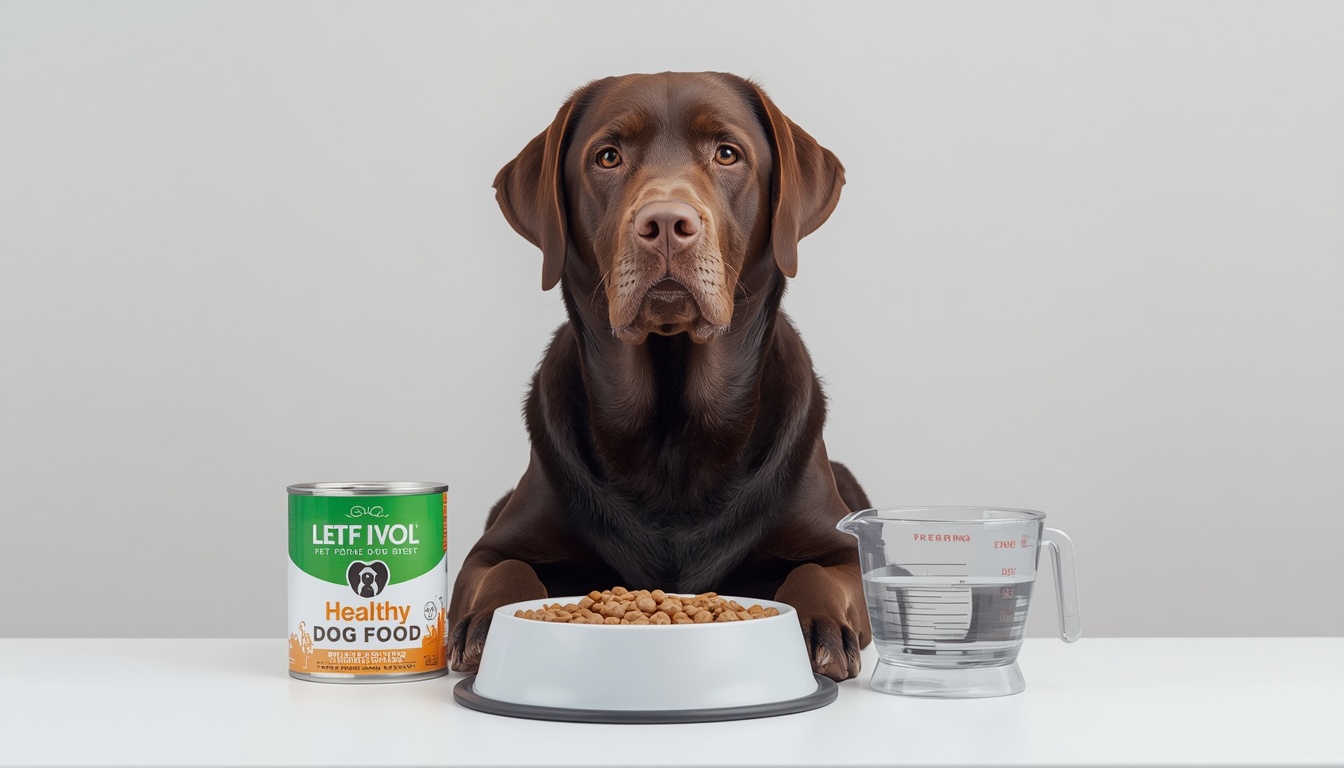
Dog Food Calculator Wet and Dry

Feeding your dog the right amount of food is one of the most important parts of keeping them healthy. However, many dog owners struggle with a common question: How much wet food and dry food should I feed my dog? Because wet food and dry food contain different amounts of calories, simply replacing one cup of kibble with one cup of wet food is not accurate. A proper dog food calculator for wet and dry food helps determine the correct portions based on your dog’s calorie needs and the calorie content of each food. This guide explains how to calculate wet and dry food portions, understand calorie requirements, and create a balanced feeding plan for puppies, adult dogs, and senior dogs. Why Use Dog Food Calculator Wet and Dry? Wet food and dry food differ significantly in moisture content and calorie density. Dry Food Typically contains: Wet Food Typically contains: As a result, one cup of dry food often contains substantially more calories than one cup of wet food. A feeding calculator helps: Understanding Dog Calorie Needs Every dog has unique energy requirements. Factors affecting calorie needs include: Typical Daily Calorie Estimates Dog Weight Approximate Daily Calories 5 kg (11 lbs) 250–400 kcal 10 kg (22 lbs) 400–700 kcal 20 kg (44 lbs) 700–1,100 kcal 30 kg (66 lbs) 900–1,600 kcal 40 kg (88 lbs) 1,100–2,000 kcal These values are estimates and should be adjusted based on body condition and veterinary advice. Dog Food Calculator Formula Step 1: Determine Daily Calorie Requirement Example: Dog weight: 20 kg Estimated daily calories: 900 kcal/day Step 2: Check Food Calories Example: Dry food: Wet food: Step 3: Calculate Portions Dry Food Only 900 ÷ 400 = 2.25 cups daily Wet Food Only 900 ÷ 350 = 2.57 cans daily Mixed Feeding Calculator Many owners combine wet and dry food. Example Daily calorie target: 900 kcal Desired split: Dry calories: 450 kcal Wet calories: 450 kcal Dry Food Amount 450 ÷ 400 = 1.13 cups Wet Food Amount 450 ÷ 350 = 1.29 cans Daily feeding plan: Wet and Dry Food Calculator Chart Small Dogs Weight Calories Dry Food Wet Food 5 kg 300 kcal ¾ cup 1 can 7 kg 400 kcal 1 cup 1¼ cans Medium Dogs Weight Calories Dry Food Wet Food 10 kg 550 kcal 1⅓ cups 1½ cans 15 kg 750 kcal 2 cups 2 cans Large Dogs Weight Calories Dry Food Wet Food 20 kg 900 kcal 2¼ cups 2½ cans 30 kg 1,300 kcal 3¼ cups 3¾ cans Examples assume approximately 400 kcal/cup dry food and 350 kcal/can wet food. Actual products vary. Puppy Wet and Dry Food Calculator Puppies generally require more calories relative to body weight than adult dogs. Puppy Feeding Example Weight: 5 kg Age: 4 months Estimated calories: 450–600 kcal/day Possible mixed feeding: Always choose foods formulated specifically for puppies. Adult Dog Mixed Feeding Guide Many adult dogs do well on a combination of wet and dry food. Benefits include: Example Schedule Morning: Evening: Adjust according to calorie needs. Senior Dog Wet and Dry Food Calculator Senior dogs may benefit from wet food because it can be easier to chew. Benefits include: Always monitor weight and appetite changes. How to Read Dog Food Labels Look for: Calories per Cup Example: 400 kcal/cup Calories per Can Example: 350 kcal/can Calories per Kilogram Example: 3,600 kcal/kg Knowing the calorie content is essential for accurate calculations. Common Mixed Feeding Ratios 75% Dry / 25% Wet Advantages: 50% Dry / 50% Wet Advantages: 25% Dry / 75% Wet Advantages: Any ratio can work if total calories remain appropriate. Benefits of Wet Food Increased Hydration Wet food contains significantly more moisture than kibble. Enhanced Flavor Many dogs find wet food more appealing. Easier Chewing Helpful for: Benefits of Dry Food Convenience Easy to store and measure. Cost Efficiency Usually less expensive per calorie. Longer Shelf Life Unopened dry food generally stores well. Common Feeding Mistakes Not Adjusting Portions Adding wet food without reducing kibble often leads to overfeeding. Ignoring Treat Calories Treats contribute to daily calorie intake. Using Volume Instead of Calories Always compare calories rather than cup size. Guessing Portions Measure food accurately whenever possible. Printable Wet and Dry Food Calculator Template Dog Information Name: ____________________ Breed: ____________________ Age: ____________________ Weight: ____________________ Daily Calorie Goal: ____________________ Food Information Dry Food Calories per Cup: __________ Wet Food Calories per Can: __________ Daily Feeding Plan Food Type Amount Dry Food ______ Wet Food ______ Daily Checklist □ Breakfast Given □ Dinner Given □ Water Refilled □ Treats Recorded □ Exercise Completed Frequently Asked Questions Is wet food better than dry food? Neither is inherently better. Both can provide complete and balanced nutrition when chosen appropriately. Can I mix wet and dry food? Yes. Many dogs thrive on mixed feeding. How do I calculate mixed feeding? Determine your dog’s calorie needs and divide those calories between wet and dry food based on the calorie content of each product. Does wet food help hydration? Yes. Wet food contains significantly more water than dry kibble. How often should I feed my dog? Final Thoughts A dog food calculator for wet and dry food helps ensure your dog receives the right amount of calories regardless of the feeding method you choose. By understanding your dog’s calorie needs and the calorie density of wet and dry foods, you can create a balanced feeding plan that supports healthy weight, proper nutrition, and overall well-being. The most accurate approach is to calculate calories first, then determine the appropriate amount of wet food, dry food, or a combination of both. Regular weight monitoring and veterinary checkups can help fine-tune your dog’s feeding plan over time. Also Read:

Dog Food Calorie Calculator: Calculate Your Dog’s Daily Calorie Needs Safely

Dog Food Calorie Calculator

How many calories does your dog actually need each day? It is an important question because feeding too much can contribute to unhealthy weight gain, while feeding too little can prevent a dog from getting enough energy and nutrients. A dog food calorie calculator can provide a useful starting estimate, but it should never be treated as an exact prescription. Dogs of the same breed and weight can have very different calorie requirements depending on age, body condition, activity level, reproductive status, health, and the calorie density of their food. This guide explains how to calculate your dog’s estimated daily calorie requirement using commonly used veterinary nutrition formulas and, just as importantly, how to turn that number into an appropriate amount of dog food. Important: The calculations in this article are estimates for healthy dogs. Dogs with medical conditions, unusual growth patterns, pregnancy or lactation needs, or significant weight problems may require individualized feeding recommendations from a veterinarian or veterinary nutrition professional. What Is a Dog Food Calorie Calculator? A dog food calorie calculator estimates how much energy a dog may need in a day. The calculation generally starts with the dog’s Resting Energy Requirement (RER) and then applies an appropriate factor to estimate its Maintenance Energy Requirement (MER). A commonly used veterinary formula for RER is: RER = 70 × (body weight in kg)^0.75 This is not the same as saying every dog needs exactly that number of calories. RER is a starting point. The dog’s lifestyle and physiological needs must then be considered. For example, two 20 kg dogs may have different daily calorie requirements: Therefore, body weight alone cannot determine the perfect amount of food. How to Calculate Your Dog’s Daily Calories There are three basic steps. Step 1: Convert Your Dog’s Weight to Kilograms If your dog’s weight is in pounds, divide it by 2.2. Weight in kg = weight in lb ÷ 2.2 For example: A 44-pound dog weighs approximately: 44 ÷ 2.2 = 20 kg Step 2: Calculate RER Use: RER = 70 × kg^0.75 For a 20 kg dog: RER ≈ 662 kcal/day This is an energy requirement estimate used as a foundation for further calculations. Step 3: Apply an Appropriate Energy Factor A dog’s estimated maintenance requirement can be calculated by multiplying RER by a factor appropriate to the dog’s circumstances. However, there is an important caveat: there is no single universal factor that accurately predicts the needs of every dog. Published veterinary nutrition guidance uses different starting factors for different physiological states, and individual dogs can require substantially more or less than the calculated estimate. That is why a calorie calculator should be treated as a starting point rather than a final answer. Dog Calorie Calculator Table The following examples demonstrate the RER calculation only. They are not recommended daily feeding amounts. Dog Weight Approx. RER 2 kg 118 kcal 5 kg 234 kcal 10 kg 393 kcal 15 kg 534 kcal 20 kg 662 kcal 25 kg 784 kcal 30 kg 899 kcal 35 kg 1,011 kcal 40 kg 1,119 kcal 45 kg 1,223 kcal 50 kg 1,317 kcal These numbers are calculated from the RER equation and should not be interpreted as the amount of food an adult dog should automatically receive. Why RER Is Not the Same as Daily Food Calories This distinction is extremely important. RER is not your dog’s complete daily calorie requirement. RER represents an estimate of the energy needed at rest under standardized conditions. A real dog’s energy requirement can be higher or lower depending on its circumstances. For example, growing puppies generally have higher energy needs relative to their size than many adult dogs. Dogs that are physically active may also require more energy than sedentary dogs. Conversely, a dog with a tendency to gain weight may need carefully controlled calorie intake. This is why simply searching for: “How many calories should a 20 kg dog eat?” does not necessarily produce a safe answer. The dog’s body condition and actual response to feeding matter. How Many Calories Does a Dog Need Per Day? There is no single calorie number that applies to all dogs. A useful calorie estimate considers factors such as: For this reason, two dogs weighing exactly the same amount may legitimately have different calorie requirements. Puppy Calorie Needs Puppies have different nutritional requirements from adult dogs because they are growing. Their food needs to provide sufficient energy and essential nutrients for growth without encouraging excessive energy intake. This is particularly important for large- and giant-breed puppies, where excessive energy intake can contribute to inappropriate growth and skeletal problems. Instead of simply multiplying an adult dog’s calorie requirement, puppy feeding should be based on: A complete and balanced puppy diet formulated for the appropriate growth stage is generally preferable to trying to construct a puppy diet solely from calorie calculations. Calories for Adult Dogs Adult dogs vary considerably in their energy requirements. An adult dog that takes long walks, participates in agility, or performs working activities may require substantially more energy than an adult dog that spends most of the day sleeping indoors. Even within the same breed, individual calorie requirements can differ. Therefore, the calorie calculator should be combined with regular body-condition monitoring. If your dog’s weight is steadily increasing, the current calorie intake may be excessive for its activity level. If the dog is losing weight unexpectedly, the food intake may be inadequate—or there may be an underlying medical issue. Calories for Senior Dogs Senior dogs do not automatically need a fixed percentage reduction in calories simply because they are older. Some older dogs become less active and therefore need fewer calories. Others may maintain activity levels or develop health conditions that change their nutritional requirements. For senior dogs, calorie intake should therefore be evaluated together with: A veterinarian can help determine whether a senior dog needs a specific therapeutic or nutritional approach. How to Convert Calories Into Dog Food Amount Knowing your dog’s calorie requirement is only … Read more

Homemade Veg Dog Food Recipes: Healthy, Nutritious, and Easy Meals for Your Dog

Homemade Veg Dog Food Recipes

Many dog owners are looking for healthy homemade vegetarian meals to add variety to their dog’s diet. Whether you’re following a vegetarian lifestyle, managing food sensitivities, or simply want to prepare fresh meals at home, homemade veg dog food can be a nutritious option when properly balanced. Dogs are omnivores, which means they can digest and benefit from a variety of plant-based foods. However, it’s important to ensure that homemade meals provide adequate protein, healthy fats, vitamins, and minerals to support your dog’s overall health. This guide includes some of the best homemade vegetarian dog food recipes, feeding tips, and ingredients that are safe and beneficial for dogs. Benefits of Homemade Vegetarian Dog Food Homemade meals offer several advantages: Always consult your veterinarian before making major dietary changes, especially for puppies, senior dogs, or dogs with medical conditions. Safe Vegetarian Ingredients for Dogs Protein Sources Healthy Carbohydrates Vegetables Healthy Fats Recipe 1: Rice, Lentil, and Vegetable Dog Meal Ingredients Instructions Benefits Recipe 2: Sweet Potato and Cottage Cheese Bowl Ingredients Instructions Benefits Recipe 3: Quinoa Power Bowl Ingredients Instructions Benefits Recipe 4: Oatmeal and Yogurt Breakfast Ingredients Instructions Benefits Recipe 5: Chickpea and Vegetable Stew Ingredients Instructions Benefits Recipe 6: Paneer and Rice Delight Ingredients Instructions Benefits Recipe 7: Pumpkin and Oat Veg Mix Ingredients Instructions Benefits Recipe 8: Vegetable Quinoa Medley Ingredients Instructions Benefits Weekly Homemade Vegetarian Dog Meal Plan Day Breakfast Dinner Monday Oatmeal & Yogurt Rice & Lentil Meal Tuesday Sweet Potato Bowl Chickpea Stew Wednesday Quinoa Bowl Paneer & Rice Delight Thursday Oatmeal & Yogurt Vegetable Quinoa Medley Friday Sweet Potato Bowl Rice & Lentil Meal Saturday Pumpkin Oat Mix Chickpea Stew Sunday Quinoa Bowl Paneer & Rice Delight Portion Guide by Dog Size Small Dogs (5–10 kg) Medium Dogs (10–25 kg) Large Dogs (25–40 kg) Adjust portions based on activity level, age, and metabolism. Foods to Avoid Never include: These foods can be harmful or toxic to dogs. Tips for Homemade Vegetarian Feeding Frequently Asked Questions Can dogs eat vegetarian food every day? Yes, many dogs can eat balanced vegetarian meals daily if nutritional requirements are met. Is paneer safe for dogs? Yes, plain paneer in moderation can be an excellent protein source for dogs that tolerate dairy. Can dogs eat lentils? Yes, cooked lentils are safe and provide protein and fiber. Is quinoa safe for dogs? Yes, cooked quinoa is safe and offers complete plant-based protein. Do vegetarian dogs need supplements? Some dogs may benefit from supplements depending on their overall diet. Consult your veterinarian for personalized guidance. Final Thoughts Homemade vegetarian dog food can be a healthy and rewarding option when prepared correctly. By using nutritious ingredients such as lentils, chickpeas, quinoa, sweet potatoes, pumpkin, paneer, and vegetables, you can create balanced meals that support your dog’s health and energy levels. The key to success is variety, proper nutrient balance, and regular monitoring of your dog’s condition. With thoughtful planning, homemade vegetarian recipes can become a valuable part of your dog’s nutrition routine while providing fresh, wholesome ingredients you can feel good about serving. Also Read: