OURPETTAILS

Dog Food Calculator for Weight Loss: Calculate Daily Calories and Food Portions Safely
Dog Food Calculator for Weight Loss

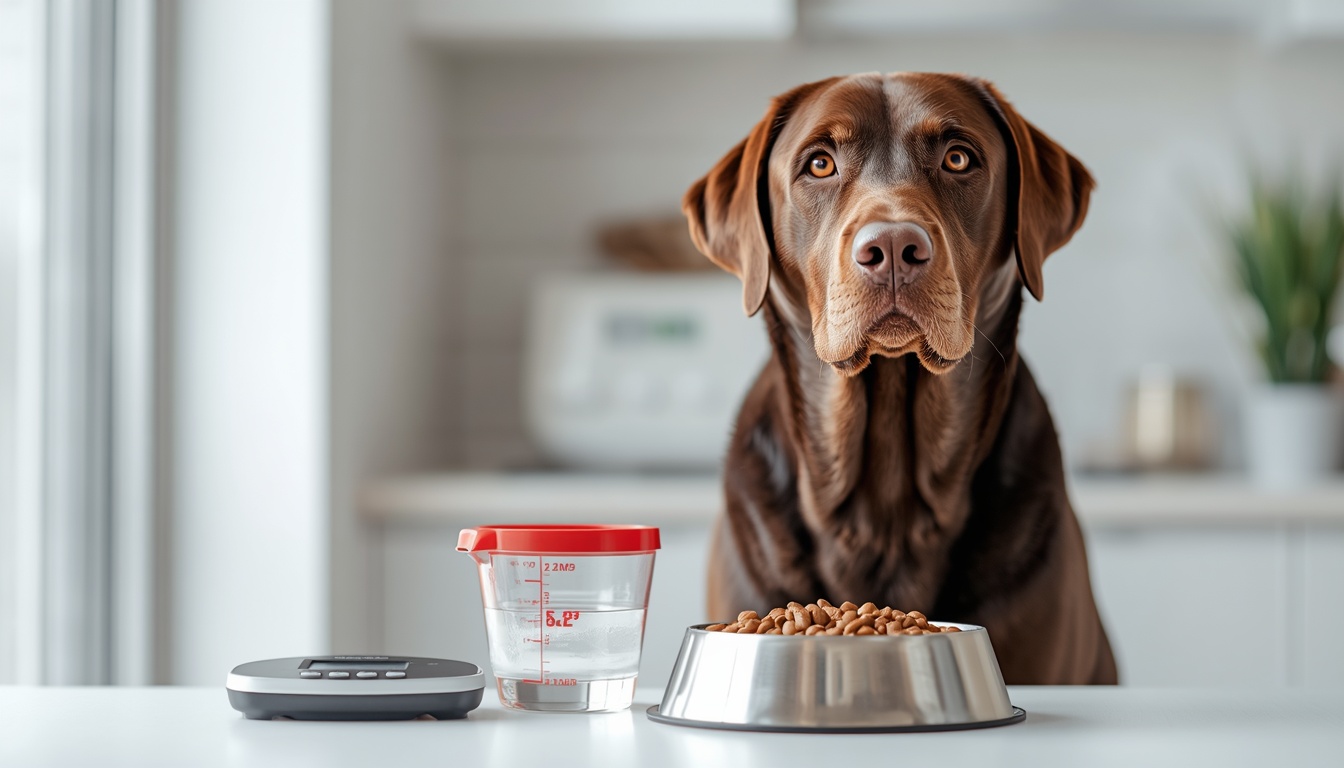
Helping an overweight dog lose weight is not simply about putting less food in the bowl. It is about finding the right balance between calories, essential nutrients, physical activity, and your dog’s individual health needs. If your dog is gaining weight despite eating what seems like a normal amount, you may be wondering: How many calories should my dog eat to lose weight? Should I reduce kibble, switch to weight-management food, or cut out treats? A dog food calculator for weight loss can help you estimate daily calorie needs and work out appropriate food portions. However, the calculation needs to be used carefully. Feeding too much can prevent weight loss, while excessive calorie restriction can lead to nutrient deficiencies and muscle loss. This guide explains the calorie formula, provides practical examples, shows you how to convert calories into food portions, and outlines safer ways to help your dog reach a healthier weight. Important: This article provides general educational guidance. Have your veterinarian assess your dog’s body condition and agree on an appropriate weight-loss target, especially if your dog is significantly overweight, has a medical condition, or takes medication. Quick Answer: How Does a Dog Weight-Loss Calculator Work? A dog food calculator for weight loss estimates the number of calories your dog may need each day to lose excess body fat while maintaining adequate nutrition. The basic process is: What Is a Dog Food Calculator for Weight Loss? A dog weight-loss calculator is a tool for estimating how much energy a dog needs each day while working toward a healthier body condition. It considers factors such as: The result can help you plan meals more consistently. It cannot diagnose obesity or determine an ideal weight accurately from body weight alone. For example, a muscular Labrador and an overweight Labrador may weigh the same amount but need different feeding plans. A veterinarian can assess their body condition and help establish an appropriate target. Dog Calorie Calculator for Weight Loss: The Basic Formula One commonly used veterinary formula is the Resting Energy Requirement (RER) equation: RER = 70 × body weight in kilograms^0.75 RER is an estimate of resting energy needs. It is not automatically the correct calorie allowance for weight loss. Veterinary professionals use additional information to determine an appropriate feeding target. Some established weight-management methods calculate energy requirements from estimated ideal weight; other monitored protocols use a different starting approach. The appropriate method depends on the dog and the clinical plan. For this reason, do not automatically feed your dog the RER calculated from its current weight—or assume that a fixed percentage reduction is suitable for every dog. Example: Calculating RER for a 20 kg Dog Suppose your dog weighs 20 kg. Using the formula: RER = 70 × 20^0.75 The result is approximately 662 kcal per day. This is the dog’s estimated RER, not a personalized weight-loss prescription. If the dog is overweight, your veterinarian can determine the appropriate target weight and calorie allowance, taking into account its health, current intake, body condition, and nutritional requirements. Dog Weight-Loss Calorie Reference Table The following table shows approximate RER values at different body weights. These figures are included to explain the calculation, not to prescribe daily weight-loss calories. Body Weight Approximate RER 5 kg 234 kcal/day 10 kg 393 kcal/day 15 kg 534 kcal/day 20 kg 662 kcal/day 25 kg 784 kcal/day 30 kg 899 kcal/day 35 kg 1,011 kcal/day 40 kg 1,119 kcal/day 45 kg 1,223 kcal/day 50 kg 1,317 kcal/day Actual weight-loss targets may differ. Use a veterinarian-approved plan rather than treating these numbers as feeding instructions. Should You Calculate Calories Using Current Weight or Ideal Weight? This is one of the most important questions in canine weight management. When a dog is overweight, calculating its energy needs from current weight alone can produce a target that is too high for weight loss. Many established veterinary approaches use the dog’s estimated ideal body weight when calculating an initial weight-loss allowance. Other newer, step-based clinical protocols use the weight recorded at the beginning of a monitored treatment phase and reassess regularly. These methods are not interchangeable. Your veterinarian should select the approach that best suits your dog. How Do You Estimate a Dog’s Ideal Weight? A veterinarian may assess: Body Condition Score (BCS) is commonly used to assess body fat. Muscle Condition Score (MCS) helps identify muscle loss that may otherwise be overlooked. Do not choose a target weight solely from a generic breed-weight chart. Dogs of the same breed can have different healthy weights. How to Calculate Dog Food Portions for Weight Loss After your veterinarian establishes a daily calorie target, you can convert it into the amount of food your dog should receive. You will need: Formula for Dry Dog Food Daily food in grams = calories allocated to dry food ÷ calories per gram For example, suppose your veterinarian approves a daily total of 700 kcal, and the chosen dry food contains 3.5 kcal per gram. 700 ÷ 3.5 = 200 grams. That means 200 grams would supply 700 kcal, before accounting for any treats or other foods. If some calories are reserved for treats, the amount of regular food must be reduced accordingly. Formula for Food Measured by Cups If the food provides 400 kcal per cup and the entire daily allowance for that food is 700 kcal: 700 ÷ 400 = 1.75 cups per day. This example assumes the full allowance is allocated to that food. It is not a recommendation that every overweight dog should eat 1.75 cups. Because kibble density varies between brands, weighing food in grams is often more consistent than relying on a household measuring cup. Formula for Wet Dog Food If a can contains 300 kcal and the daily calorie allowance allocated to wet food is 600 kcal: 600 ÷ 300 = 2 cans per day. Check whether the label gives calories per can, per 100 grams, or per kilogram. Use the correct unit when calculating portions. Dog Weight-Loss Calculator … Read more
Dog Food Calculator Wet and Dry: How Much Wet and Dry Food Should You Feed Your Dog?

Dog Food Calculator Wet and Dry

Feeding your dog the right amount of food is one of the most important parts of keeping them healthy. However, many dog owners struggle with a common question: How much wet food and dry food should I feed my dog? Because wet food and dry food contain different amounts of calories, simply replacing one cup of kibble with one cup of wet food is not accurate. A proper dog food calculator for wet and dry food helps determine the correct portions based on your dog’s calorie needs and the calorie content of each food. This guide explains how to calculate wet and dry food portions, understand calorie requirements, and create a balanced feeding plan for puppies, adult dogs, and senior dogs. Why Use Dog Food Calculator Wet and Dry? Wet food and dry food differ significantly in moisture content and calorie density. Dry Food Typically contains: Wet Food Typically contains: As a result, one cup of dry food often contains substantially more calories than one cup of wet food. A feeding calculator helps: Understanding Dog Calorie Needs Every dog has unique energy requirements. Factors affecting calorie needs include: Typical Daily Calorie Estimates Dog Weight Approximate Daily Calories 5 kg (11 lbs) 250–400 kcal 10 kg (22 lbs) 400–700 kcal 20 kg (44 lbs) 700–1,100 kcal 30 kg (66 lbs) 900–1,600 kcal 40 kg (88 lbs) 1,100–2,000 kcal These values are estimates and should be adjusted based on body condition and veterinary advice. Dog Food Calculator Formula Step 1: Determine Daily Calorie Requirement Example: Dog weight: 20 kg Estimated daily calories: 900 kcal/day Step 2: Check Food Calories Example: Dry food: Wet food: Step 3: Calculate Portions Dry Food Only 900 ÷ 400 = 2.25 cups daily Wet Food Only 900 ÷ 350 = 2.57 cans daily Mixed Feeding Calculator Many owners combine wet and dry food. Example Daily calorie target: 900 kcal Desired split: Dry calories: 450 kcal Wet calories: 450 kcal Dry Food Amount 450 ÷ 400 = 1.13 cups Wet Food Amount 450 ÷ 350 = 1.29 cans Daily feeding plan: Wet and Dry Food Calculator Chart Small Dogs Weight Calories Dry Food Wet Food 5 kg 300 kcal ¾ cup 1 can 7 kg 400 kcal 1 cup 1¼ cans Medium Dogs Weight Calories Dry Food Wet Food 10 kg 550 kcal 1⅓ cups 1½ cans 15 kg 750 kcal 2 cups 2 cans Large Dogs Weight Calories Dry Food Wet Food 20 kg 900 kcal 2¼ cups 2½ cans 30 kg 1,300 kcal 3¼ cups 3¾ cans Examples assume approximately 400 kcal/cup dry food and 350 kcal/can wet food. Actual products vary. Puppy Wet and Dry Food Calculator Puppies generally require more calories relative to body weight than adult dogs. Puppy Feeding Example Weight: 5 kg Age: 4 months Estimated calories: 450–600 kcal/day Possible mixed feeding: Always choose foods formulated specifically for puppies. Adult Dog Mixed Feeding Guide Many adult dogs do well on a combination of wet and dry food. Benefits include: Example Schedule Morning: Evening: Adjust according to calorie needs. Senior Dog Wet and Dry Food Calculator Senior dogs may benefit from wet food because it can be easier to chew. Benefits include: Always monitor weight and appetite changes. How to Read Dog Food Labels Look for: Calories per Cup Example: 400 kcal/cup Calories per Can Example: 350 kcal/can Calories per Kilogram Example: 3,600 kcal/kg Knowing the calorie content is essential for accurate calculations. Common Mixed Feeding Ratios 75% Dry / 25% Wet Advantages: 50% Dry / 50% Wet Advantages: 25% Dry / 75% Wet Advantages: Any ratio can work if total calories remain appropriate. Benefits of Wet Food Increased Hydration Wet food contains significantly more moisture than kibble. Enhanced Flavor Many dogs find wet food more appealing. Easier Chewing Helpful for: Benefits of Dry Food Convenience Easy to store and measure. Cost Efficiency Usually less expensive per calorie. Longer Shelf Life Unopened dry food generally stores well. Common Feeding Mistakes Not Adjusting Portions Adding wet food without reducing kibble often leads to overfeeding. Ignoring Treat Calories Treats contribute to daily calorie intake. Using Volume Instead of Calories Always compare calories rather than cup size. Guessing Portions Measure food accurately whenever possible. Printable Wet and Dry Food Calculator Template Dog Information Name: ____________________ Breed: ____________________ Age: ____________________ Weight: ____________________ Daily Calorie Goal: ____________________ Food Information Dry Food Calories per Cup: __________ Wet Food Calories per Can: __________ Daily Feeding Plan Food Type Amount Dry Food ______ Wet Food ______ Daily Checklist □ Breakfast Given □ Dinner Given □ Water Refilled □ Treats Recorded □ Exercise Completed Frequently Asked Questions Is wet food better than dry food? Neither is inherently better. Both can provide complete and balanced nutrition when chosen appropriately. Can I mix wet and dry food? Yes. Many dogs thrive on mixed feeding. How do I calculate mixed feeding? Determine your dog’s calorie needs and divide those calories between wet and dry food based on the calorie content of each product. Does wet food help hydration? Yes. Wet food contains significantly more water than dry kibble. How often should I feed my dog? Final Thoughts A dog food calculator for wet and dry food helps ensure your dog receives the right amount of calories regardless of the feeding method you choose. By understanding your dog’s calorie needs and the calorie density of wet and dry foods, you can create a balanced feeding plan that supports healthy weight, proper nutrition, and overall well-being. The most accurate approach is to calculate calories first, then determine the appropriate amount of wet food, dry food, or a combination of both. Regular weight monitoring and veterinary checkups can help fine-tune your dog’s feeding plan over time. Also Read:

Dog Food Calorie Calculator: Calculate Your Dog’s Daily Calorie Needs Safely

Dog Food Calorie Calculator

How many calories does your dog actually need each day? It is an important question because feeding too much can contribute to unhealthy weight gain, while feeding too little can prevent a dog from getting enough energy and nutrients. A dog food calorie calculator can provide a useful starting estimate, but it should never be treated as an exact prescription. Dogs of the same breed and weight can have very different calorie requirements depending on age, body condition, activity level, reproductive status, health, and the calorie density of their food. This guide explains how to calculate your dog’s estimated daily calorie requirement using commonly used veterinary nutrition formulas and, just as importantly, how to turn that number into an appropriate amount of dog food. Important: The calculations in this article are estimates for healthy dogs. Dogs with medical conditions, unusual growth patterns, pregnancy or lactation needs, or significant weight problems may require individualized feeding recommendations from a veterinarian or veterinary nutrition professional. What Is a Dog Food Calorie Calculator? A dog food calorie calculator estimates how much energy a dog may need in a day. The calculation generally starts with the dog’s Resting Energy Requirement (RER) and then applies an appropriate factor to estimate its Maintenance Energy Requirement (MER). A commonly used veterinary formula for RER is: RER = 70 × (body weight in kg)^0.75 This is not the same as saying every dog needs exactly that number of calories. RER is a starting point. The dog’s lifestyle and physiological needs must then be considered. For example, two 20 kg dogs may have different daily calorie requirements: Therefore, body weight alone cannot determine the perfect amount of food. How to Calculate Your Dog’s Daily Calories There are three basic steps. Step 1: Convert Your Dog’s Weight to Kilograms If your dog’s weight is in pounds, divide it by 2.2. Weight in kg = weight in lb ÷ 2.2 For example: A 44-pound dog weighs approximately: 44 ÷ 2.2 = 20 kg Step 2: Calculate RER Use: RER = 70 × kg^0.75 For a 20 kg dog: RER ≈ 662 kcal/day This is an energy requirement estimate used as a foundation for further calculations. Step 3: Apply an Appropriate Energy Factor A dog’s estimated maintenance requirement can be calculated by multiplying RER by a factor appropriate to the dog’s circumstances. However, there is an important caveat: there is no single universal factor that accurately predicts the needs of every dog. Published veterinary nutrition guidance uses different starting factors for different physiological states, and individual dogs can require substantially more or less than the calculated estimate. That is why a calorie calculator should be treated as a starting point rather than a final answer. Dog Calorie Calculator Table The following examples demonstrate the RER calculation only. They are not recommended daily feeding amounts. Dog Weight Approx. RER 2 kg 118 kcal 5 kg 234 kcal 10 kg 393 kcal 15 kg 534 kcal 20 kg 662 kcal 25 kg 784 kcal 30 kg 899 kcal 35 kg 1,011 kcal 40 kg 1,119 kcal 45 kg 1,223 kcal 50 kg 1,317 kcal These numbers are calculated from the RER equation and should not be interpreted as the amount of food an adult dog should automatically receive. Why RER Is Not the Same as Daily Food Calories This distinction is extremely important. RER is not your dog’s complete daily calorie requirement. RER represents an estimate of the energy needed at rest under standardized conditions. A real dog’s energy requirement can be higher or lower depending on its circumstances. For example, growing puppies generally have higher energy needs relative to their size than many adult dogs. Dogs that are physically active may also require more energy than sedentary dogs. Conversely, a dog with a tendency to gain weight may need carefully controlled calorie intake. This is why simply searching for: “How many calories should a 20 kg dog eat?” does not necessarily produce a safe answer. The dog’s body condition and actual response to feeding matter. How Many Calories Does a Dog Need Per Day? There is no single calorie number that applies to all dogs. A useful calorie estimate considers factors such as: For this reason, two dogs weighing exactly the same amount may legitimately have different calorie requirements. Puppy Calorie Needs Puppies have different nutritional requirements from adult dogs because they are growing. Their food needs to provide sufficient energy and essential nutrients for growth without encouraging excessive energy intake. This is particularly important for large- and giant-breed puppies, where excessive energy intake can contribute to inappropriate growth and skeletal problems. Instead of simply multiplying an adult dog’s calorie requirement, puppy feeding should be based on: A complete and balanced puppy diet formulated for the appropriate growth stage is generally preferable to trying to construct a puppy diet solely from calorie calculations. Calories for Adult Dogs Adult dogs vary considerably in their energy requirements. An adult dog that takes long walks, participates in agility, or performs working activities may require substantially more energy than an adult dog that spends most of the day sleeping indoors. Even within the same breed, individual calorie requirements can differ. Therefore, the calorie calculator should be combined with regular body-condition monitoring. If your dog’s weight is steadily increasing, the current calorie intake may be excessive for its activity level. If the dog is losing weight unexpectedly, the food intake may be inadequate—or there may be an underlying medical issue. Calories for Senior Dogs Senior dogs do not automatically need a fixed percentage reduction in calories simply because they are older. Some older dogs become less active and therefore need fewer calories. Others may maintain activity levels or develop health conditions that change their nutritional requirements. For senior dogs, calorie intake should therefore be evaluated together with: A veterinarian can help determine whether a senior dog needs a specific therapeutic or nutritional approach. How to Convert Calories Into Dog Food Amount Knowing your dog’s calorie requirement is only … Read more

Labrador Feeding Chart by Age: Complete Guide From Puppy to Senior

Labrador Feeding Chart by Age

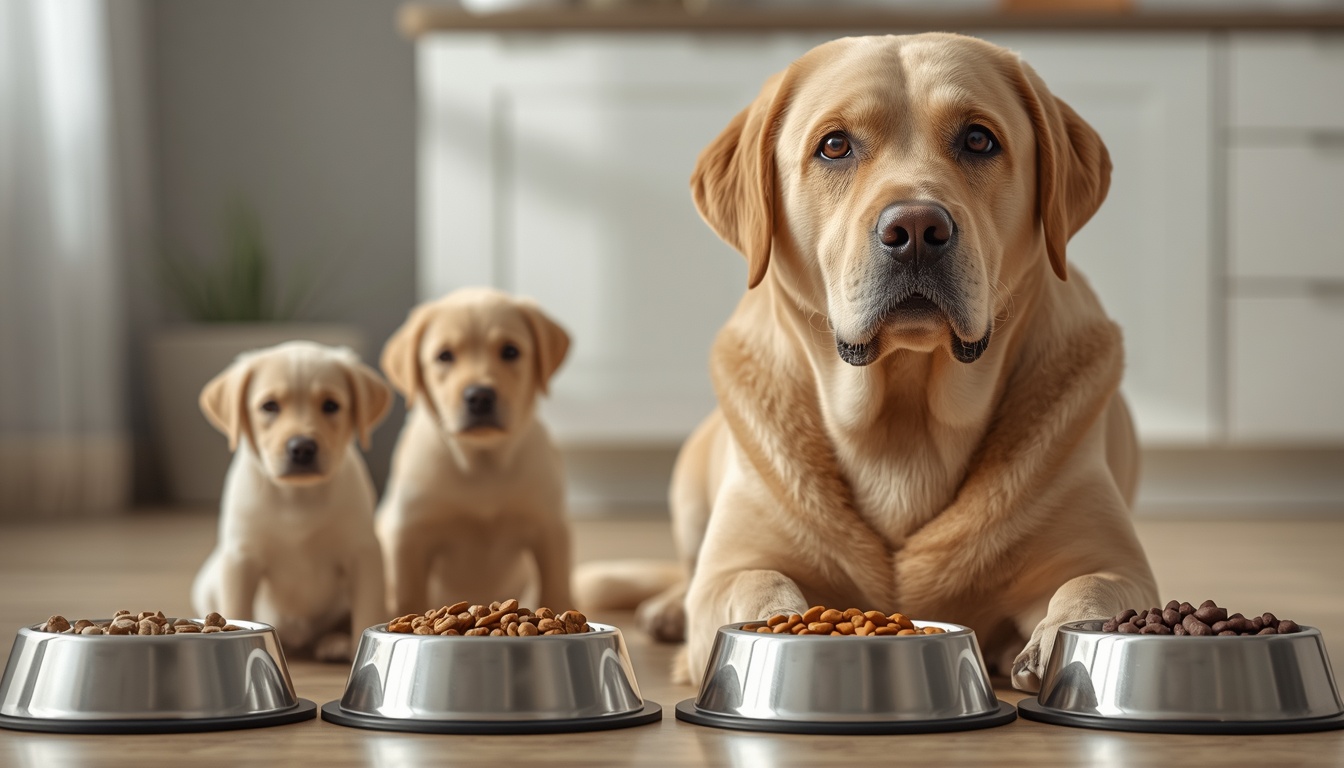
Labrador Retrievers are energetic, food-loving dogs that need a carefully managed diet throughout their lives. Because Labradors can gain weight easily, knowing how much to feed a Labrador by age is especially important. The right amount depends on your Labrador’s age, current weight, activity level, body condition, and the calorie density of the food. A feeding chart is a useful starting point, but it should be adjusted as your dog grows. Labrador Feeding Chart by Age Age Meals Per Day General Daily Food Guide* 8–12 weeks 4 1½–2½ cups 3–6 months 3 2–3½ cups 6–9 months 2–3 2½–4 cups 9–12 months 2 2½–4 cups 1–2 years 2 2½–4 cups 2–7 years 2 2½–4 cups 7+ years 2 2–3½ cups These are broad starting ranges, not exact prescriptions. Different foods contain very different amounts of calories per cup, so always check the food’s feeding instructions and adjust according to your dog’s body condition. Labrador Puppy Feeding Chart Labrador puppies grow rapidly, so their nutritional needs are different from those of adult dogs. A puppy food formulated for growth should provide appropriate levels of protein, fat, calcium, phosphorus, and other essential nutrients. 8–12 Weeks At this age, your Labrador puppy is usually best fed four small meals per day. Example schedule: Divide the puppy’s total daily allowance between these meals rather than giving the entire amount at once. 3–6 Months Most puppies can gradually move to three meals per day. Example: Time Meal 7:00 AM Breakfast 1:00 PM Lunch 7:00 PM Dinner Your puppy’s food requirement may increase as their body size and activity level increase. 6–9 Months Many Labrador puppies can transition to two meals per day, although some may still do better with three meals. At this stage, monitoring body condition becomes particularly important because Labradors are prone to becoming overweight. 9–12 Months Two meals per day is generally appropriate. Continue using a nutritionally complete puppy or growth diet until your veterinarian recommends transitioning to an adult formula. Large-breed puppies may need growth diets for longer than smaller breeds. Labrador Feeding Chart From 1 Year Once your Labrador reaches adulthood, feeding generally becomes simpler. Labrador Weight Approximate Daily Food* 22 kg 2–3 cups 25 kg 2½–3½ cups 30 kg 2½–4 cups 32 kg 3–4 cups 35 kg 3–4½ cups The actual amount can differ substantially depending on the food’s calorie density and your dog’s activity level. An active working Labrador may require more calories than a mostly sedentary household dog. Labrador Feeding Chart by Age and Meals Age Meals Main Goal 8–12 weeks 4 Support rapid growth 3–6 months 3 Maintain steady development 6–12 months 2–3 Control growth and body condition 1–7 years 2 Maintain healthy adult weight 7+ years 2 Support healthy aging and weight control How Much Should a Labrador Puppy Eat? There isn’t one universal amount that works for every Labrador puppy. Two puppies of the same age and weight can require different amounts because of differences in: Instead of increasing food automatically as your puppy gets older, monitor their growth and body condition. You should generally be able to feel your puppy’s ribs without them being prominently visible, and your puppy should have a visible waist when viewed from above. What Is the Best Food for a Labrador? Choose a food that is complete and balanced for your dog’s life stage. For Labrador puppies, look for a formula designed for growth, particularly one appropriate for large-breed puppies when recommended by your veterinarian. For adult Labradors, choose an adult maintenance formula that provides adequate protein and calories without encouraging excessive weight gain. Important nutritional features include: Why Labrador Weight Management Matters Labradors are famously enthusiastic eaters. Unfortunately, that enthusiasm can make them particularly vulnerable to overeating. Excess weight puts additional stress on: Keeping your Labrador lean throughout life can support mobility and overall health. How Many Treats Can a Labrador Have? Treats should be included in your dog’s overall calorie intake. A useful general guideline is to keep treats to no more than about 10% of daily calories. Healthy lower-calorie options may include small portions of: Remember that even small treats add calories over the course of a day. Labrador Feeding Schedule Example Puppy 7:00 AM: Puppy food11:00 AM: Puppy food3:00 PM: Puppy food7:00 PM: Puppy food Adult 7:00 AM: Breakfast6:00 PM: Dinner Two evenly spaced meals can make portion control easier for adult Labradors. Should Labradors Eat Wet or Dry Food? Both wet and dry food can be appropriate when they provide complete and balanced nutrition. Dry Food Advantages include: Wet Food Advantages include: Some owners combine wet and dry food. If you do this, remember that both contribute calories to the daily total. How Much Water Does a Labrador Need? Your Labrador should have access to fresh, clean water throughout the day. Water requirements vary depending on: A noticeable and persistent increase or decrease in drinking should be discussed with your veterinarian. Signs Your Labrador Is Getting the Right Amount of Food Look for: Signs Your Labrador May Be Overfed Possible signs include: If your Labrador is gaining weight, don’t simply make a major food reduction. Discuss an appropriate calorie target with your veterinarian. Signs Your Labrador May Be Underfed Possible signs include: Persistent weight loss should be evaluated by a veterinarian because it can have causes other than insufficient food. How to Change Your Labrador’s Food Avoid suddenly changing your dog’s diet unless your veterinarian specifically tells you to do so. A gradual transition over approximately a week can help reduce digestive upset. For example: Days Old Food New Food 1–2 75% 25% 3–4 50% 50% 5–6 25% 75% 7+ 0% 100% If your dog develops persistent vomiting, diarrhea, refuses food, or becomes lethargic, contact your veterinarian. Printable Labrador Feeding Chart You can copy this section into a document and print it for your refrigerator or pet-care folder. Labrador Daily Food Tracker Dog’s Name: ______________________ Age: ______________________ Current Weight: ______________________ Food Brand/Formula: ______________________ Daily Food Amount: ______________________ Meal Time Amount Completed Breakfast ______ … Read more

Puppy Feeding Calculator by Weight: How Much Should You Feed Your Puppy?

Puppy Feeding Calculator by Weight

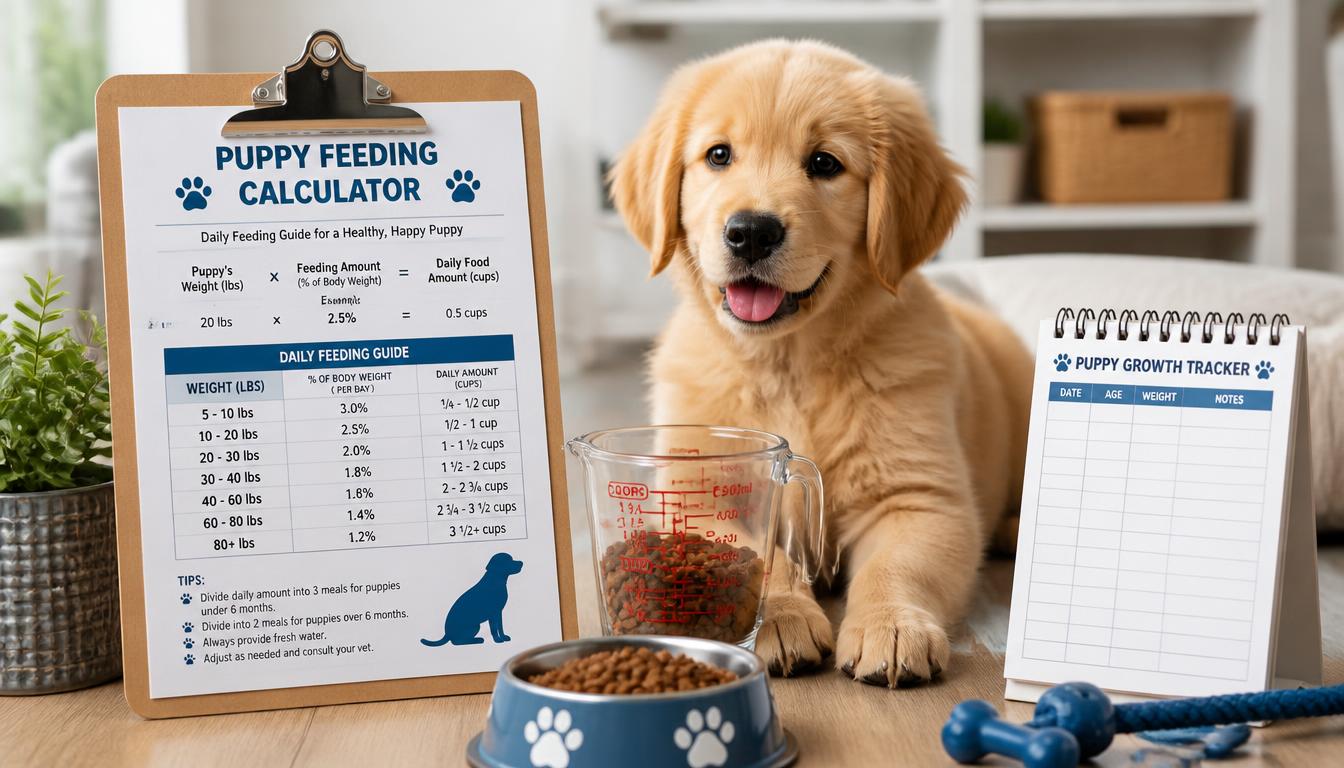
Feeding a puppy the right amount is essential for healthy growth, strong bones, muscle development, and overall well-being. While every puppy is unique, a puppy feeding calculator by weight can help estimate how much food your puppy needs each day based on its current weight, age, activity level, and the calorie content of the food. This guide explains how to calculate puppy food portions, provides feeding charts by weight, and offers practical tips to keep your growing pup healthy. Why Use a Puppy Feeding Calculator? Puppies grow rapidly during their first year and require more calories per pound than adult dogs. A feeding calculator helps: Factors That Affect How Much a Puppy Should Eat Before using a feeding calculator, consider: Puppy Weight Heavier puppies generally need more food than lighter puppies. Age Young puppies require more meals and calories than older puppies. Breed Size Activity Level Highly active puppies burn more calories. Food Type Wet food, dry food, homemade meals, and raw diets all contain different calorie levels. Puppy Feeding Calculator Formula A simplified daily feeding estimate: Small Breed Puppies (Under 10 kg Adult Weight) Current Weight Daily Food Amount 1 kg ¼ – ½ cup 2 kg ½ – ¾ cup 3 kg ¾ – 1 cup 4 kg 1 – 1¼ cups 5 kg 1¼ – 1½ cups Medium Breed Puppies (10–25 kg Adult Weight) Current Weight Daily Food Amount 5 kg 1 – 1½ cups 7 kg 1½ – 2 cups 10 kg 2 – 2½ cups 12 kg 2½ – 3 cups 15 kg 3 – 3½ cups Large Breed Puppies (25+ kg Adult Weight) Current Weight Daily Food Amount 10 kg 2½ – 3 cups 15 kg 3 – 4 cups 20 kg 4 – 5 cups 25 kg 5 – 6 cups 30 kg 6 – 7 cups These are general estimates and should be adjusted based on your puppy food’s calorie content. Puppy Feeding Schedule by Age 8–12 Weeks Feed 4 meals daily Time Meal 7:00 AM Breakfast 11:00 AM Meal 3:00 PM Meal 7:00 PM Dinner 3–6 Months Feed 3 meals daily Time Meal 7:00 AM Breakfast 1:00 PM Lunch 7:00 PM Dinner 6–12 Months Feed 2 meals daily Time Meal 7:00 AM Breakfast 6:00 PM Dinner Quick Puppy Feeding Calculator Chart Puppy Weight Approximate Daily Food 1 kg ¼ – ½ cup 2 kg ½ – ¾ cup 3 kg ¾ – 1 cup 5 kg 1 – 1½ cups 7 kg 1½ – 2 cups 10 kg 2 – 2½ cups 15 kg 3 – 3½ cups 20 kg 4 – 5 cups 25 kg 5 – 6 cups 30 kg 6 – 7 cups Example Calculation Puppy Details Estimated daily requirement: 2 to 2.5 cups of puppy food per day Split into: Signs You’re Feeding the Right Amount Healthy indicators include: Signs of Overfeeding Watch for: Signs of Underfeeding Watch for: Puppy Weight Tracking Sheet Month Weight 2 Months _____ 3 Months _____ 4 Months _____ 5 Months _____ 6 Months _____ 7 Months _____ 8 Months _____ 9 Months _____ 10 Months _____ 11 Months _____ 12 Months _____ Tracking growth helps you adjust food portions as needed. Printable Puppy Feeding Calculator Template Puppy Information Name: ___________________ Breed: ___________________ Age: ___________________ Current Weight: ___________________ Daily Feeding Log Meal Portion Completed Breakfast ______ □ Lunch ______ □ Dinner ______ □ Water Intake □ Fresh Water Refilled Treats Given Notes Common Puppy Feeding Mistakes Feeding Too Many Treats Treats should make up less than 10% of daily calories. Switching Foods Too Quickly Gradually transition over 7–10 days. Free Feeding Scheduled meals help monitor appetite and growth. Ignoring Weight Changes Weigh your puppy regularly. Frequently Asked Questions How much food should a puppy eat per kilogram? Most puppies eat approximately 30–55 grams of dry food per kilogram of body weight daily, depending on age and breed. How many times a day should a puppy eat? Can I use an adult dog food calculator? No. Puppies have different nutritional and calorie requirements. When should I switch to adult food? Most breeds transition between 10 and 18 months, depending on size and growth rate. Final Thoughts A puppy feeding calculator by weight is one of the easiest ways to ensure your puppy receives the right amount of nutrition for healthy growth. By monitoring weight, adjusting portions as your puppy develops, and maintaining a consistent feeding schedule, you can support strong bones, healthy muscles, and lifelong wellness. Remember that feeding charts are only guidelines. Your puppy’s ideal food intake depends on breed, activity level, metabolism, and the specific food you choose. Regular veterinary checkups and weight monitoring will help you fine-tune your puppy’s diet as they grow. Also Read:

Lhasa Apso Food Chart: Complete Feeding Guide for Puppies

Lhasa Apso Food Chart

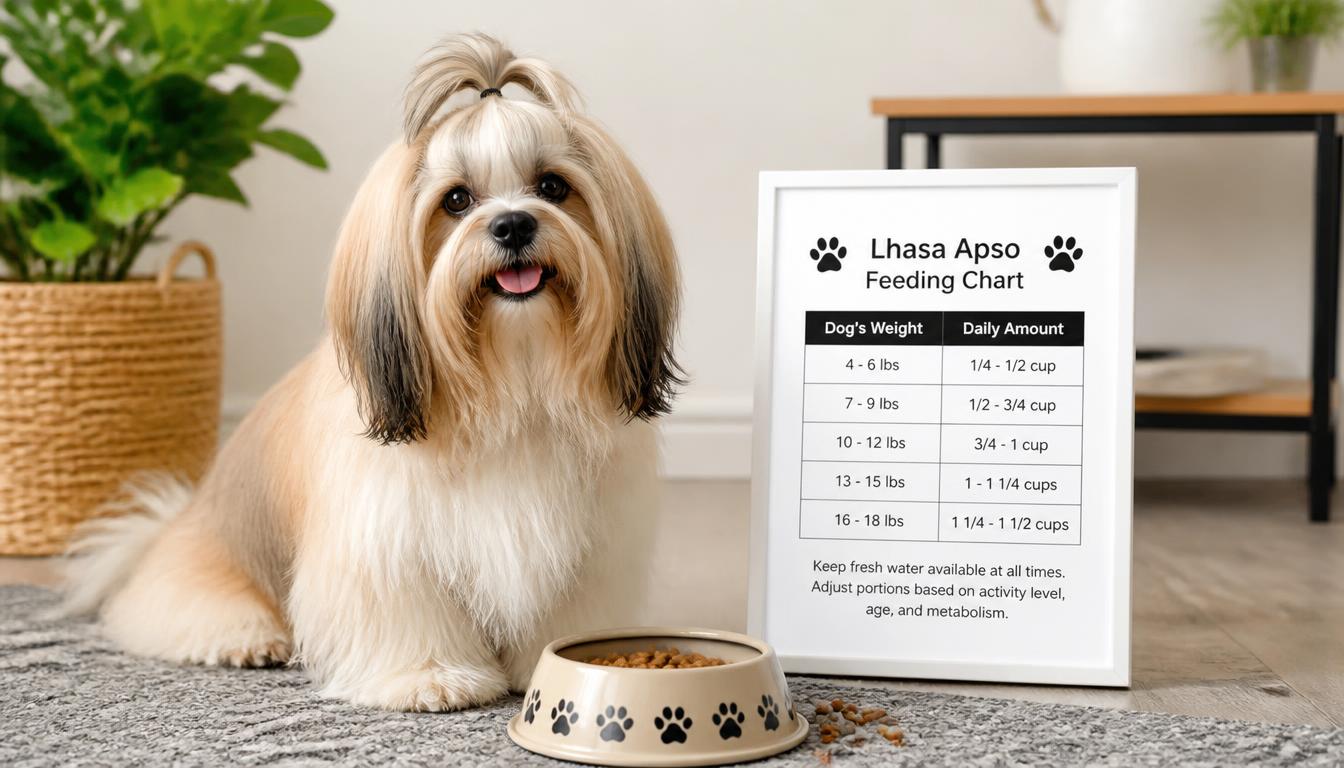
The Lhasa Apso is a small but sturdy dog breed known for its long flowing coat, loyal personality, and playful nature. Despite their compact size, Lhasa Apsos require balanced nutrition to maintain healthy skin, a beautiful coat, strong muscles, and an ideal body weight. If you’re wondering how much to feed your Lhasa Apso, this complete Lhasa Apso food chart will help you understand feeding amounts, schedules, nutritional requirements, and tips for keeping your furry companion healthy at every stage of life. Understanding Lhasa Apso Nutritional Needs Lhasa Apsos typically weigh between 12 and 18 pounds (5.5–8 kg) and have moderate energy levels. Their diet should contain: A balanced diet helps support: Lhasa Apso Puppy Food Chart (2–12 Months) Puppies grow rapidly and need more calories per pound than adult dogs. 2–3 Months Old Weight Daily Food Amount Meals Per Day 2–3 kg ½ – ¾ cup 4 meals 3–6 Months Old Weight Daily Food Amount Meals Per Day 3–5 kg ¾ – 1 cup 3 meals 6–12 Months Old Weight Daily Food Amount Meals Per Day 5–7 kg 1 – 1¼ cups 2–3 meals Puppy Feeding Schedule Example Time Meal 7:00 AM Breakfast 11:00 AM Meal 3:00 PM Meal 7:00 PM Dinner Adult Lhasa Apso Food Chart (1–7 Years) Most adult Lhasa Apsos thrive on two meals per day. Weight Daily Food Amount 5 kg ¾ – 1 cup 6 kg 1 – 1¼ cups 7 kg 1¼ cups 8 kg 1¼ – 1½ cups Adult Feeding Schedule Time Meal 7:00 AM Breakfast 6:00 PM Dinner Fresh water should always be available. Senior Lhasa Apso Food Chart (7+ Years) Senior dogs may require fewer calories because of reduced activity. Weight Daily Food Amount 5–6 kg ¾ – 1 cup 7–8 kg 1 – 1¼ cups Look for foods containing: Best Foods for Lhasa Apso High-Quality Protein Sources Choose foods containing: Protein supports muscle maintenance and coat health. Healthy Fat Sources Look for: These help maintain the breed’s luxurious coat. Healthy Carbohydrates Good options include: These provide energy and fiber. Homemade Food for Lhasa Apso Many owners enjoy preparing homemade meals. Healthy ingredients include: Avoid excessive seasoning, salt, and oils. Foods Lhasa Apsos Should Avoid Never feed: These foods can be toxic to dogs. Weight Management Tips Lhasa Apsos can gain weight easily if overfed. Maintain a Healthy Weight By: Water Requirements Lhasa Apsos should always have access to fresh water. Most dogs drink approximately: 50–70 ml of water per kilogram of body weight daily. More may be needed during hot weather. Printable Lhasa Apso Feeding Chart Daily Checklist Task Completed Breakfast Given □ Dinner Given □ Fresh Water Refilled □ Treats Recorded □ Exercise Completed □ Grooming Checked □ Sample Weekly Feeding Tracker Day Breakfast Dinner Treats Monday □ □ □ Tuesday □ □ □ Wednesday □ □ □ Thursday □ □ □ Friday □ □ □ Saturday □ □ □ Sunday □ □ □ Signs Your Lhasa Apso Is Eating the Right Amount Healthy signs include: Signs of Overfeeding Watch for: Signs of Underfeeding Watch for: Frequently Asked Questions How much food should a Lhasa Apso eat per day? Most adult Lhasa Apsos require approximately ¾ to 1½ cups of quality dog food daily, depending on weight and activity level. How many times should a Lhasa Apso eat? Can Lhasa Apsos eat homemade food? Yes, as long as meals are balanced and provide complete nutrition. Is wet food or dry food better? Both can be suitable. Many owners combine wet and dry food for variety and hydration. Final Thoughts A proper Lhasa Apso food chart helps ensure your dog receives the right amount of nutrition throughout every stage of life. Whether you have a growing puppy, an active adult, or a senior companion, providing balanced meals, monitoring portions, and maintaining a consistent feeding schedule can help your Lhasa Apso stay healthy, energetic, and happy for many years. Also Read:

Printable Dog Food Sheet PDF: The Best Guide to Tracking Your Dog’s Feeding Schedule

Printable Dog Food Sheet PDF

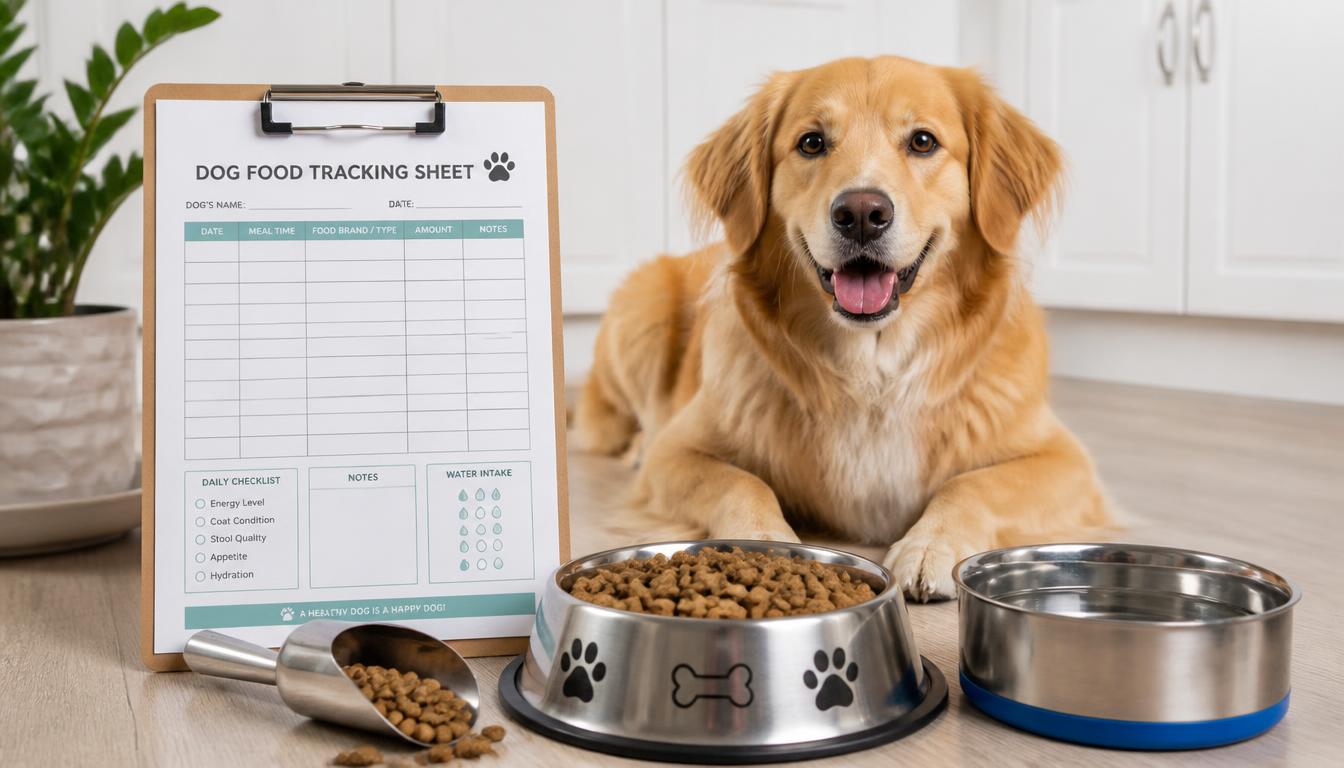
Keeping your dog healthy starts with proper nutrition, but remembering every meal, treat, supplement, and feeding time can become challenging—especially in busy households or homes with multiple pets. That’s where a Printable Dog Food Sheet PDF becomes an incredibly useful tool. Whether you have a playful puppy, an active adult dog, or a senior companion with special dietary needs, a printable dog food sheet helps you stay organized, prevent overfeeding, monitor eating habits, and maintain a consistent feeding routine. In this comprehensive guide, you’ll learn everything about printable dog food sheets, how to use them effectively, what information to include, and why they can improve your dog’s overall health and well-being. What Is a Printable Dog Food Sheet? A printable dog food sheet is a tracking document designed to record and monitor your dog’s daily nutrition and feeding habits. Most dog food sheets include: Many pet owners print these sheets weekly or monthly and keep them near the feeding station, refrigerator, or pet care binder. Why Use a Printable Dog Food Sheet? A feeding schedule may seem easy to remember, but mistakes can happen. Common situations include: A dog food sheet provides a clear record of your dog’s daily nutrition. Benefits of a Printable Dog Food Sheet Prevents Overfeeding Obesity is one of the most common health problems in dogs. A feeding sheet helps ensure your dog receives the correct amount of food. Maintains Consistent Feeding Times Dogs thrive on routine. Consistent meal schedules can improve digestion and behavior. Helps Monitor Health Changes in appetite often signal health issues. A feeding log can help identify problems early. Supports Weight Management Whether your dog needs to lose, gain, or maintain weight, tracking food intake is essential. Useful for Multiple Caregivers If several family members care for your dog, a feeding sheet prevents confusion. Information to Include on a Dog Food Sheet Dog Profile Section Record basic information. Information Details Dog Name __________ Breed __________ Age __________ Weight __________ Veterinarian __________ This section provides a quick health reference. Daily Feeding Tracker Track each meal throughout the day. Time Food Type Portion Size Completed Morning __________ __________ □ Afternoon __________ __________ □ Evening __________ __________ □ This helps maintain consistency. Water Intake Tracker Hydration is critical for overall health. Date Water Refills Notes Monday _____ _____ Tuesday _____ _____ Wednesday _____ _____ Monitoring water intake may help identify health concerns. Treat Tracker Many owners underestimate how many treats they provide. Date Treat Type Quantity Monday __________ _____ Tuesday __________ _____ Wednesday __________ _____ This section helps manage calorie intake. Weight Tracking Section Monitoring weight can help prevent obesity. Month Weight January _____ February _____ March _____ April _____ Small changes often reveal important trends. Medication Tracker For dogs taking supplements or medication. Medication Time Completed __________ AM □ __________ PM □ This reduces missed doses. Printable Weekly Dog Food Sheet Template Monday Breakfast: ___________________ Lunch: ___________________ Dinner: ___________________ Treats: ___________________ Water Intake: ___________________ Notes: ___________________ Tuesday Breakfast: ___________________ Lunch: ___________________ Dinner: ___________________ Treats: ___________________ Water Intake: ___________________ Notes: ___________________ Wednesday Breakfast: ___________________ Lunch: ___________________ Dinner: ___________________ Treats: ___________________ Water Intake: ___________________ Notes: ___________________ Thursday Breakfast: ___________________ Lunch: ___________________ Dinner: ___________________ Treats: ___________________ Water Intake: ___________________ Notes: ___________________ Friday Breakfast: ___________________ Lunch: ___________________ Dinner: ___________________ Treats: ___________________ Water Intake: ___________________ Notes: ___________________ Saturday Breakfast: ___________________ Lunch: ___________________ Dinner: ___________________ Treats: ___________________ Water Intake: ___________________ Notes: ___________________ Sunday Breakfast: ___________________ Lunch: ___________________ Dinner: ___________________ Treats: ___________________ Water Intake: ___________________ Notes: ___________________ How a Dog Food Sheet Supports Better Health Improves Portion Control Overfeeding can lead to: A feeding tracker encourages proper portion management. Helps Identify Appetite Changes A sudden loss of appetite can indicate: Recording meals helps spot these changes quickly. Encourages Better Hydration Water intake is just as important as food intake. Tracking hydration can be especially useful during hot weather or illness. Supports Special Diet Plans Dogs on: benefit from detailed feeding records. Printable Dog Food Sheet for Puppies Puppies require more frequent meals than adult dogs. Example Puppy Feeding Schedule Time Meal 7:00 AM Breakfast 11:00 AM Meal 3:00 PM Meal 7:00 PM Dinner A feeding sheet helps ensure proper growth and development. Printable Dog Food Sheet for Adult Dogs Most adult dogs thrive on: Tracking meals helps maintain healthy body weight. Printable Dog Food Sheet for Senior Dogs Senior dogs often require: A printable sheet simplifies management. Multi-Dog Feeding Sheet For households with multiple dogs: Dog Name Breakfast Dinner Treats Dog 1 □ □ □ Dog 2 □ □ □ Dog 3 □ □ □ This prevents accidental double feeding. Dog Feeding Tips Follow Recommended Portions Use your veterinarian’s advice and food packaging guidelines. Measure Food Accurately A measuring cup ensures consistency. Avoid Free Feeding Scheduled meals help monitor appetite and prevent overeating. Track Treat Calories Treats should only make up a small portion of daily calories. Provide Fresh Water Daily Clean water should always be available. Common Mistakes Dog Owners Make Feeding by Guesswork Inconsistent portions often lead to weight issues. Too Many Treats Excess treats can quickly increase calorie intake. Ignoring Weight Changes Small weight changes can indicate bigger health concerns. Inconsistent Feeding Schedules Dogs generally do best with routine. Frequently Asked Questions Why use a printable dog food sheet? It helps track feeding schedules, prevent overfeeding, monitor health, and maintain consistency. Can I use it for multiple dogs? Yes. Many owners create separate sections for each dog. How often should I update the sheet? Daily updates provide the most accurate information. Is a feeding sheet useful for healthy dogs? Absolutely. Preventive monitoring helps maintain long-term health. Can it help with weight loss? Yes. Tracking portions and treats is one of the best ways to support healthy weight management. Free Printable Dog Food Sheet Layout Daily Checklist □ Breakfast Given □ Lunch Given □ Dinner Given □ Fresh Water Refilled □ Treats Recorded □ Medication Given □ Exercise Completed □ Notes Updated This simple format works well for busy pet owners. Final Thoughts A Printable Dog Food Sheet … Read more

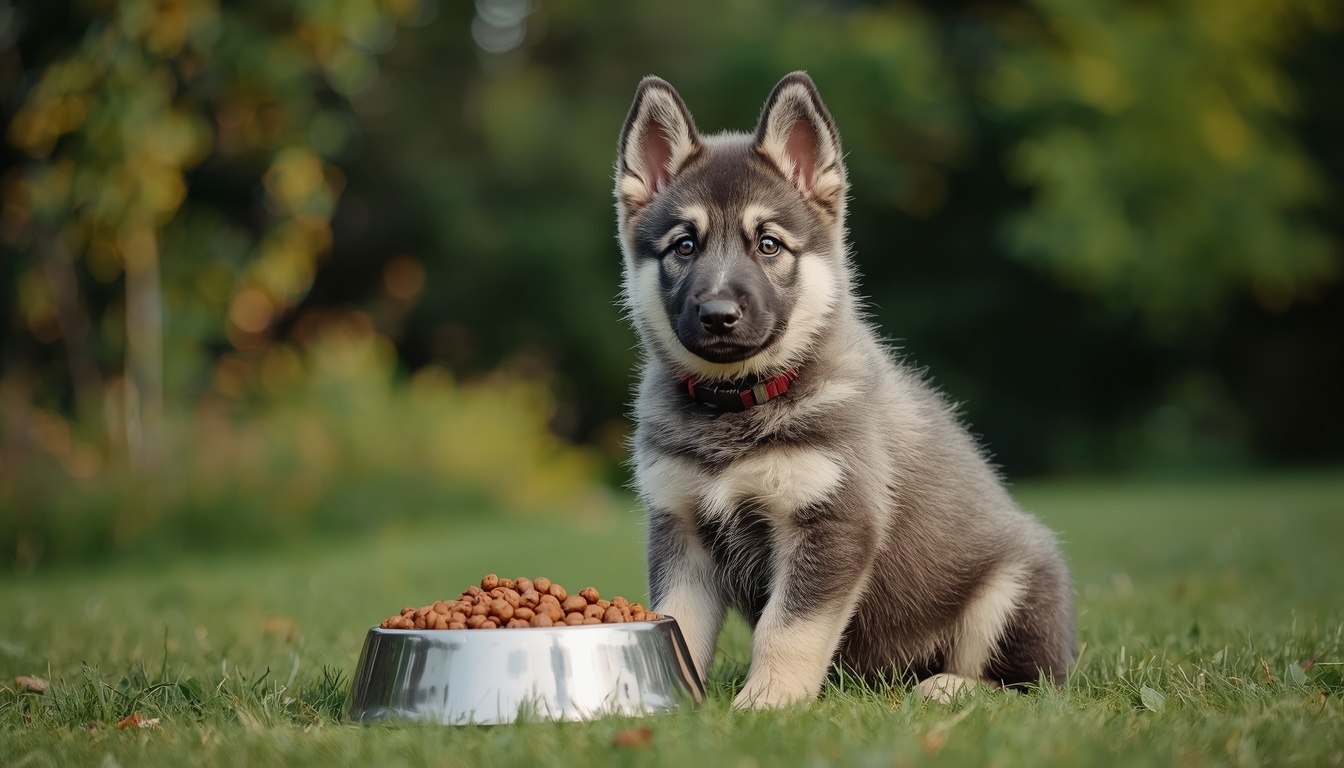
Best Dog Food for Norwegian Elkhound Puppies: Complete Nutrition Guide

Best Dog Food for Norwegian Elkhound Puppies

Bringing home a Norwegian Elkhound puppy is an exciting experience. Known for their wolf-like appearance, intelligence, loyalty, and energetic nature, Norwegian Elkhounds are a beloved breed among dog enthusiasts. However, raising a healthy Elkhound starts with one of the most important decisions you’ll make as a pet owner: choosing the best dog food for Norwegian Elkhound puppies. Puppies experience rapid growth during their first year of life, and proper nutrition plays a crucial role in supporting healthy bones, strong muscles, brain development, immune function, and overall well-being. Feeding the wrong food or providing an unbalanced diet can affect growth and long-term health. This comprehensive guide covers everything you need to know about feeding a Norwegian Elkhound puppy, including nutritional requirements, feeding schedules, ingredients to look for, common health concerns, and tips for choosing the best puppy food. Understanding the Norwegian Elkhound Breed The Norwegian Elkhound is an ancient Spitz-type breed originally developed in Norway for hunting large game such as moose and elk. Breed characteristics include: Because Norwegian Elkhounds are naturally athletic and energetic, their nutritional needs differ from those of more sedentary breeds. Why Puppy Nutrition Matters The first year of life is a critical period for development. Proper nutrition supports: A balanced puppy diet helps build the foundation for a healthy adult dog. Nutritional Requirements of Norwegian Elkhound Puppies High-Quality Protein Protein is the most important nutrient for growing puppies. Benefits include: Excellent protein sources include: Look for puppy foods where real animal protein is listed as the first ingredient. Healthy Fats Fats provide concentrated energy and support development. Benefits include: Healthy fat sources include: Growing puppies require higher fat levels than most adult dogs. DHA for Brain Development DHA (Docosahexaenoic Acid) is an omega-3 fatty acid that supports: Many premium puppy foods include DHA from fish oil sources. Calcium and Phosphorus These minerals are essential for: Balanced levels are particularly important during puppyhood. Digestible Carbohydrates Healthy carbohydrate sources provide energy for active puppies. Examples include: These ingredients also contribute fiber for digestive health. Vitamins and Minerals A complete puppy food should provide: These nutrients support overall development and immunity. Common Health Considerations for Norwegian Elkhound Puppies Understanding breed-specific concerns can help guide food choices. Hip Dysplasia Like many medium-sized breeds, Norwegian Elkhounds can be prone to hip issues. Supporting healthy growth rates is important. Obesity Elkhounds love food and can gain weight easily. Avoid excessive calorie intake and monitor body condition. Joint Health Because they are active dogs, proper nutrition helps support long-term joint health. Skin and Coat Health The breed’s thick double coat benefits from omega fatty acids and quality protein. What to Look for in the Best Dog Food for Norwegian Elkhound Puppies Real Animal Protein Prioritize foods containing: as primary ingredients. Puppy-Specific Formula Choose foods formulated specifically for puppies. These provide: DHA Content Look for fish oil or DHA supplementation. Digestible Ingredients Highly digestible foods improve nutrient absorption. No Excessive Fillers Avoid foods overloaded with: Best Ingredients for Norwegian Elkhound Puppies Chicken Provides: Salmon Offers: Sweet Potatoes Provide: Pumpkin Supports healthy digestion. Fish Oil Promotes: Oats Offer gentle, digestible carbohydrates. Ingredients to Avoid Avoid foods containing excessive amounts of: Higher-quality ingredients generally support better growth and health. Dry Food vs Wet Food for Norwegian Elkhound Puppies Dry Food Benefits Wet Food Benefits Mixed Feeding Many owners combine both options to provide variety and hydration. Grain-Free vs Grain-Inclusive Puppy Food Grain-Free Diets Typically contain: May be suitable for puppies with specific sensitivities. Grain-Inclusive Diets Provide: Most healthy Norwegian Elkhound puppies do well with quality grain-inclusive foods. Feeding Schedule for Norwegian Elkhound Puppies 8–12 Weeks Old Feed: Example Schedule: 3–6 Months Old Feed: Example Schedule: 6–12 Months Old Feed: Example Schedule: Consistency helps establish healthy feeding habits. How Much Should a Norwegian Elkhound Puppy Eat? Food requirements vary based on: General Feeding Guide Age Daily Amount 8–12 weeks 1–2 cups 3–6 months 2–3 cups 6–12 months 3–4 cups Always follow feeding guidelines provided by the manufacturer and adjust as needed. Sample Daily Feeding Plan Morning Midday Evening Avoid overfeeding between meals. Training Treats and Snacks Treats can be useful during training. Choose: Treats should represent only a small percentage of daily calories. Signs Your Puppy Is Eating the Right Food Healthy indicators include: These signs suggest nutritional needs are being met. Signs the Diet Needs Adjustment Watch for: Consult your veterinarian if these symptoms occur. Homemade Food for Norwegian Elkhound Puppies Some owners prefer homemade diets. Common ingredients include: Homemade meals should be carefully balanced to meet puppy nutritional requirements. Transitioning to a New Puppy Food Switch foods gradually. Transition Schedule Day Old Food New Food 1–2 75% 25% 3–4 50% 50% 5–6 25% 75% 7+ 0% 100% Gradual transitions help prevent digestive upset. Frequently Asked Questions What is the best dog food for Norwegian Elkhound puppies? The best puppy food contains high-quality protein, DHA, healthy fats, balanced minerals, and complete nutrition formulated specifically for growing puppies. Do Norwegian Elkhound puppies need high-protein food? Yes. Protein supports muscle growth, tissue development, and overall health during puppyhood. How often should I feed my Norwegian Elkhound puppy? Young puppies generally require four meals daily, gradually reducing to two meals as they mature. Is grain-free food better? Not necessarily. Many puppies thrive on grain-inclusive diets unless they have specific sensitivities. Can Norwegian Elkhound puppies eat homemade food? Yes, but homemade diets must be nutritionally balanced to support healthy growth. Best Feeding Practices for Norwegian Elkhound Puppies To help your puppy thrive: These practices support healthy development and long-term wellness. Final Thoughts Choosing the best dog food for Norwegian Elkhound puppies is one of the most important steps in raising a healthy, happy companion. These intelligent and energetic dogs require nutrient-rich diets that support growth, muscle development, brain function, and overall well-being. Focus on high-quality protein sources, healthy fats, DHA, balanced minerals, and digestible ingredients. Combined with proper exercise, training, and veterinary care, the right nutrition helps your Norwegian Elkhound puppy develop into a strong, active, and thriving adult … Read more

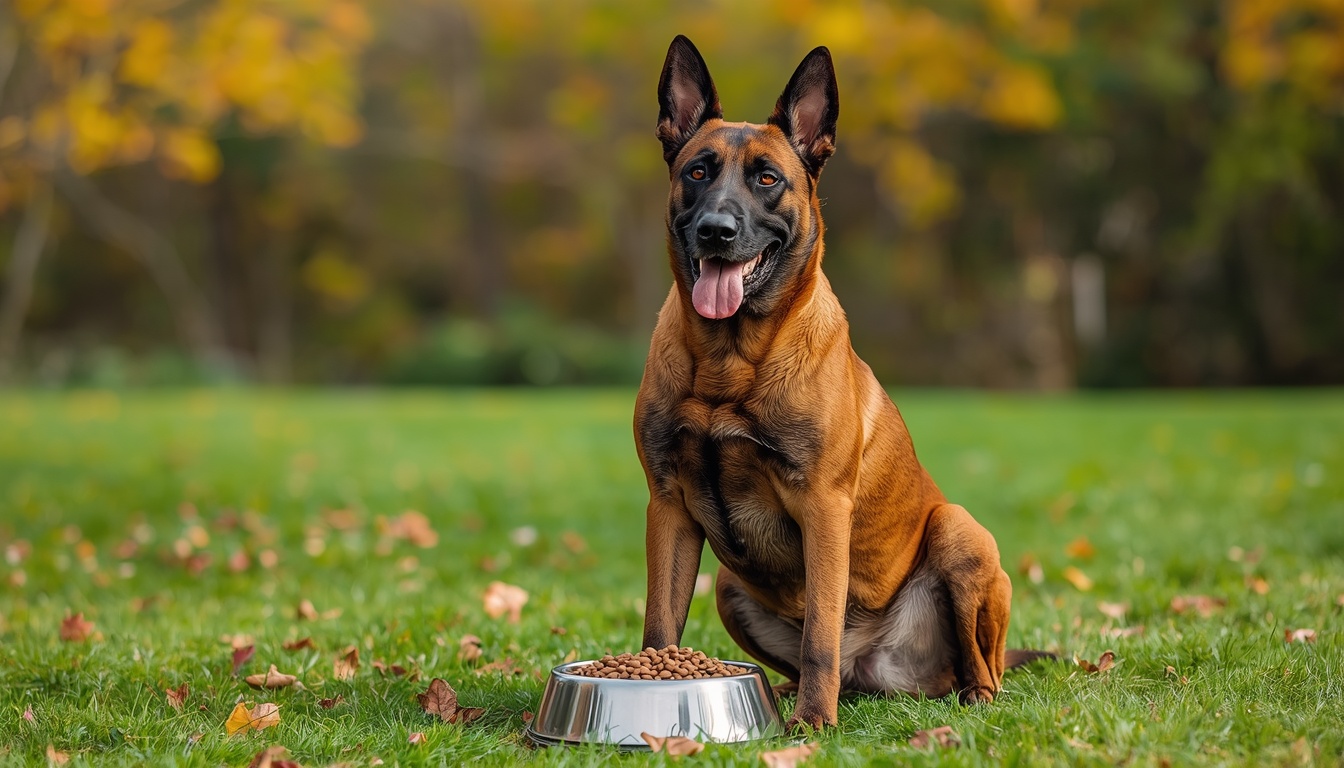
Best Dog Food for Belgian Malinois: A Complete Nutrition Guide

Best Dog Food for Belgian Malinois

The Belgian Malinois is one of the most intelligent, athletic, and hardworking dog breeds in the world. Known for their roles in military, police, search-and-rescue, and protection work, these dogs require exceptional nutrition to support their high energy levels, lean muscle mass, and overall health. Choosing the best dog food for Belgian Malinois isn’t simply about picking a premium brand. It involves understanding the breed’s unique nutritional needs, activity level, age, and health considerations. Whether you own a working Malinois, a family companion, or a growing puppy, providing the right diet can significantly impact performance, longevity, and quality of life. In this comprehensive guide, we’ll cover everything you need to know about feeding a Belgian Malinois, including nutritional requirements, feeding schedules, ingredients to look for, and how to select the best food for your dog’s lifestyle. Understanding the Belgian Malinois The Belgian Malinois is a medium-to-large herding breed originally developed in Belgium. These dogs are famous for their: Unlike many breeds that are content with moderate activity, Belgian Malinois often require several hours of physical and mental stimulation daily. Their food must support this demanding lifestyle. Why Nutrition Is Critical for Belgian Malinois? A poor-quality diet can affect: A properly balanced diet helps maintain: Because Belgian Malinois are naturally active, they often burn significantly more calories than average household dogs. Nutritional Requirements of a Belgian Malinois High-Quality Protein Protein is the most important nutrient for Belgian Malinois. Benefits include: Excellent protein sources include: Look for foods where real animal protein appears as the first ingredient. Healthy Fats Fats provide concentrated energy. Benefits include: Good fat sources include: Highly active Belgian Malinois generally benefit from moderate to high-fat diets. Omega-3 and Omega-6 Fatty Acids These nutrients help support: Omega fatty acids are particularly important for working and sporting dogs. Carbohydrates While protein and fat are essential, carbohydrates also play an important role. Healthy carbohydrate sources include: These provide sustained energy throughout the day. Vitamins and Minerals A complete diet should provide: These nutrients support overall health and immune function. Common Health Concerns in Belgian Malinois Understanding breed-specific issues can help guide dietary choices. Hip Dysplasia Although generally healthy, Belgian Malinois can develop hip dysplasia. Helpful nutrients include: Joint Wear and Tear Working dogs place tremendous stress on their joints. Joint-support ingredients can be beneficial throughout life. Digestive Sensitivities Some Belgian Malinois have sensitive stomachs. Digestible ingredients and limited-ingredient formulas may help. Weight Loss During Heavy Activity Extremely active dogs can burn calories rapidly. Performance dogs may require higher-calorie diets than household pets. What to Look for in the Best Dog Food for Belgian Malinois Real Meat as the First Ingredient Choose foods containing: High Protein Levels Protein supports: Joint Support Look for: Digestible Ingredients Easy digestion improves nutrient absorption. No Excessive Fillers Avoid foods heavily dependent on: Best Food for Belgian Malinois Puppies Puppies require specialized nutrition. Puppy Nutritional Needs Puppy Feeding Schedule 8–12 Weeks 4 meals daily 3–6 Months 3 meals daily 6–12 Months 2–3 meals daily Proper nutrition during puppyhood supports healthy growth and development. Best Food for Adult Belgian Malinois Adult Malinois need nutrition that supports: Active dogs often require higher-calorie diets than sedentary pets. Best Food for Senior Belgian Malinois Senior dogs benefit from: These nutrients help support healthy aging and mobility. Dry Food vs Wet Food Dry Food Benefits Wet Food Benefits Mixed Feeding Many owners combine both formats for variety and hydration support. Grain-Free vs Grain-Inclusive Diets Grain-Free Diets Often contain: May help dogs with specific sensitivities. Grain-Inclusive Diets Can provide: Most healthy Belgian Malinois tolerate grains well. Best Ingredients for Belgian Malinois Chicken Supports: Salmon Provides: Sweet Potatoes Offer: Pumpkin Supports digestive health. Fish Oil Promotes: Ingredients to Avoid Avoid foods containing excessive amounts of: High-quality ingredients generally provide better nutritional value. Feeding Guidelines for Belgian Malinois Food requirements depend on: General Feeding Chart Weight Daily Food Amount 20–25 kg 2.5–3.5 cups 25–30 kg 3–4 cups 30–35 kg 4–5 cups Always adjust according to your dog’s body condition and energy expenditure. Sample Feeding Schedule Adult Belgian Malinois Time Meal 7:00 AM Breakfast 6:00 PM Dinner Working Belgian Malinois Time Meal 7:00 AM Breakfast 1:00 PM Light Meal 7:00 PM Dinner Working dogs may require additional calories throughout the day. Signs Your Belgian Malinois Is Eating the Right Food Healthy indicators include: Signs the Diet Needs Improvement Watch for: These signs may indicate nutritional imbalances. Homemade Diets for Belgian Malinois Some owners prefer homemade meals. Common ingredients include: Homemade diets should be balanced carefully to avoid nutrient deficiencies. How to Transition to a New Dog Food Switch foods gradually. Recommended Schedule Day Old Food New Food 1–2 75% 25% 3–4 50% 50% 5–6 25% 75% 7+ 0% 100% This helps minimize digestive upset. Frequently Asked Questions What is the best dog food for Belgian Malinois? The best food contains high-quality protein, healthy fats, omega fatty acids, and balanced nutrition appropriate for the dog’s age and activity level. Do Belgian Malinois need high-protein food? Yes. Their athletic lifestyle generally benefits from protein-rich diets that support muscle maintenance and recovery. Is grain-free food better for Belgian Malinois? Not necessarily. Many dogs thrive on grain-inclusive diets unless they have specific sensitivities. How often should I feed my Belgian Malinois? Most adults do well with two meals daily, while puppies require more frequent feeding. Can Belgian Malinois eat homemade food? Yes, provided the meals are nutritionally complete and properly balanced. Final Thoughts Choosing the best dog food for Belgian Malinois is one of the most important investments you can make in your dog’s health. These highly active, intelligent, and athletic dogs require nutrient-dense diets rich in quality protein, healthy fats, and essential vitamins and minerals. Whether you have a growing puppy, an active family companion, or a working protection dog, proper nutrition helps support energy, muscle development, joint health, and overall well-being. Combined with regular exercise, training, and veterinary care, the right food can help your Belgian Malinois thrive for years to come. Also Read:

Homemade Veg Dog Food Recipes: Healthy, Nutritious, and Easy Meals for Your Dog

Homemade Veg Dog Food Recipes

Many dog owners are looking for healthy homemade vegetarian meals to add variety to their dog’s diet. Whether you’re following a vegetarian lifestyle, managing food sensitivities, or simply want to prepare fresh meals at home, homemade veg dog food can be a nutritious option when properly balanced. Dogs are omnivores, which means they can digest and benefit from a variety of plant-based foods. However, it’s important to ensure that homemade meals provide adequate protein, healthy fats, vitamins, and minerals to support your dog’s overall health. This guide includes some of the best homemade vegetarian dog food recipes, feeding tips, and ingredients that are safe and beneficial for dogs. Benefits of Homemade Vegetarian Dog Food Homemade meals offer several advantages: Always consult your veterinarian before making major dietary changes, especially for puppies, senior dogs, or dogs with medical conditions. Safe Vegetarian Ingredients for Dogs Protein Sources Healthy Carbohydrates Vegetables Healthy Fats Recipe 1: Rice, Lentil, and Vegetable Dog Meal Ingredients Instructions Benefits Recipe 2: Sweet Potato and Cottage Cheese Bowl Ingredients Instructions Benefits Recipe 3: Quinoa Power Bowl Ingredients Instructions Benefits Recipe 4: Oatmeal and Yogurt Breakfast Ingredients Instructions Benefits Recipe 5: Chickpea and Vegetable Stew Ingredients Instructions Benefits Recipe 6: Paneer and Rice Delight Ingredients Instructions Benefits Recipe 7: Pumpkin and Oat Veg Mix Ingredients Instructions Benefits Recipe 8: Vegetable Quinoa Medley Ingredients Instructions Benefits Weekly Homemade Vegetarian Dog Meal Plan Day Breakfast Dinner Monday Oatmeal & Yogurt Rice & Lentil Meal Tuesday Sweet Potato Bowl Chickpea Stew Wednesday Quinoa Bowl Paneer & Rice Delight Thursday Oatmeal & Yogurt Vegetable Quinoa Medley Friday Sweet Potato Bowl Rice & Lentil Meal Saturday Pumpkin Oat Mix Chickpea Stew Sunday Quinoa Bowl Paneer & Rice Delight Portion Guide by Dog Size Small Dogs (5–10 kg) Medium Dogs (10–25 kg) Large Dogs (25–40 kg) Adjust portions based on activity level, age, and metabolism. Foods to Avoid Never include: These foods can be harmful or toxic to dogs. Tips for Homemade Vegetarian Feeding Frequently Asked Questions Can dogs eat vegetarian food every day? Yes, many dogs can eat balanced vegetarian meals daily if nutritional requirements are met. Is paneer safe for dogs? Yes, plain paneer in moderation can be an excellent protein source for dogs that tolerate dairy. Can dogs eat lentils? Yes, cooked lentils are safe and provide protein and fiber. Is quinoa safe for dogs? Yes, cooked quinoa is safe and offers complete plant-based protein. Do vegetarian dogs need supplements? Some dogs may benefit from supplements depending on their overall diet. Consult your veterinarian for personalized guidance. Final Thoughts Homemade vegetarian dog food can be a healthy and rewarding option when prepared correctly. By using nutritious ingredients such as lentils, chickpeas, quinoa, sweet potatoes, pumpkin, paneer, and vegetables, you can create balanced meals that support your dog’s health and energy levels. The key to success is variety, proper nutrient balance, and regular monitoring of your dog’s condition. With thoughtful planning, homemade vegetarian recipes can become a valuable part of your dog’s nutrition routine while providing fresh, wholesome ingredients you can feel good about serving. Also Read: