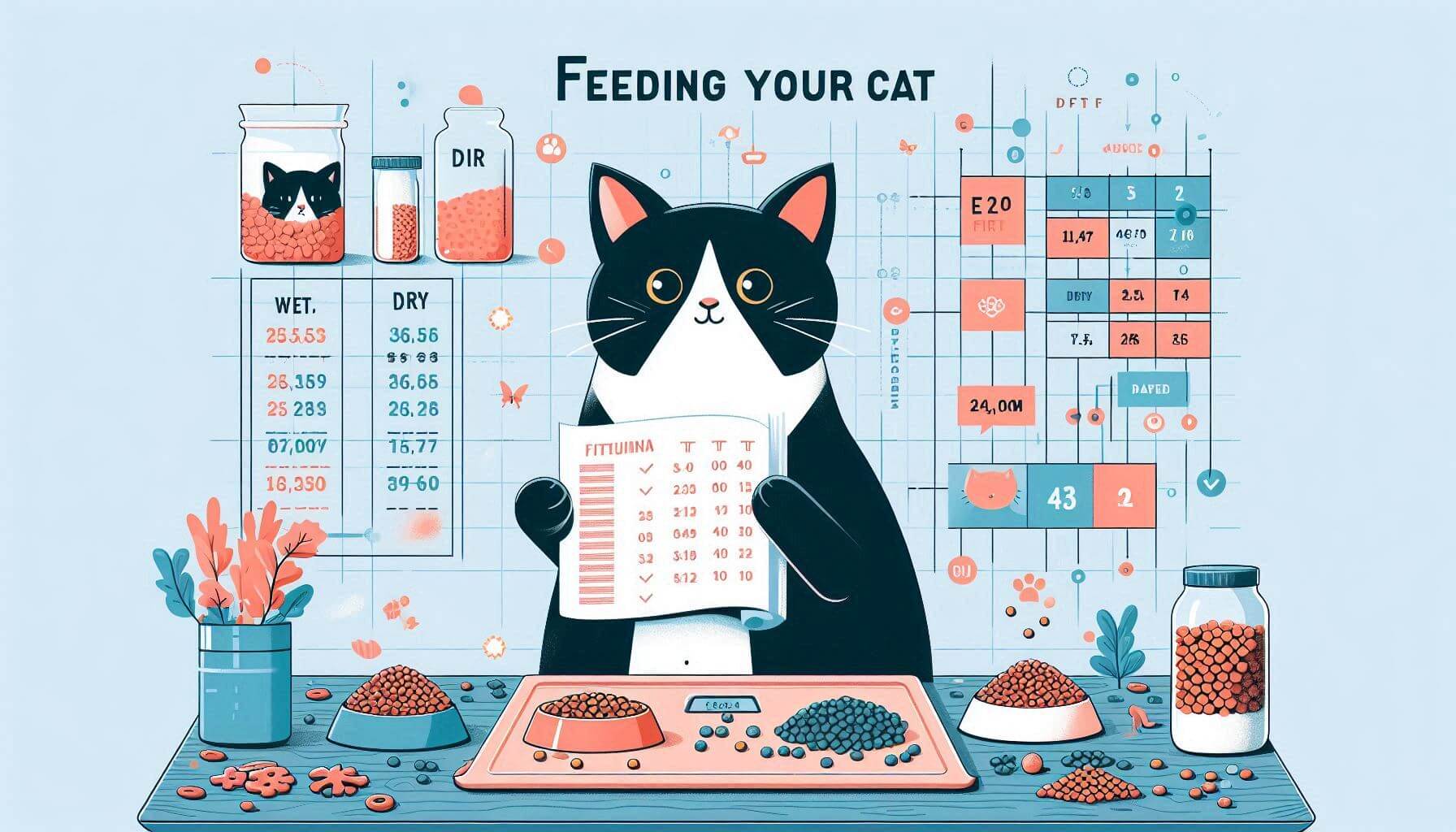
Optimal Cat Feeding Guide by Weight & Age
As a pet parent, finding the right food amount for your cat is key. Nutrition is vital for your cat’s health. Weight and age greatly affect their diet needs. Getting the right balance is essential for your pet’s health and happiness. A cat feeding chart is a great tool. It helps you adjust your pet’s diet to their needs. It’s important to understand the need for a personalized diet for your pet. This guide will explain what affects your pet’s diet. It will also give you useful charts and guidelines. Key Takeaways Understanding Your Cat’s Nutritional Needs Cats need a special mix of nutrients to stay healthy. Their needs change based on their age, size, how active they are, if they’re breeding, and their body shape. It’s key to give your cat the right nutrients for their health. They need proteins, fats, carbs, vitamins, and minerals. Proteins are very important for cats because they are meat-eaters and need lots of animal proteins. Essential Nutrients for Feline Health Cats need a balanced diet to be healthy. The main nutrients are: Nutrient Function Sources Protein Builds and repairs tissues Meat, fish, eggs Fatty Acids Energy source, skin health Fish oil, flaxseed Vitamin A Vision, immune function Liver, fish, eggs How Metabolism Affects Feeding Requirements A cat’s metabolism is key in figuring out how much food they need. Things like age, size, and how active they are can change their metabolic rate. For instance, kittens and very active cats need more calories than older or less active cats. Metabolic rate also affects how well a cat uses nutrients. Cats with fast metabolisms might need to eat more often or have higher-calorie food to get enough energy. Cat Feeding Chart by Weight and Age Cats need different foods at different life stages. A feeding chart by weight and age is key. It helps keep your cat healthy and long-lived. When figuring out how much to feed, weight and age matter. We’ll show you how to read food labels, calculate calories, and adjust for activity. Interpreting Commercial Food Labels Food labels tell you what’s in the food and how much to feed. Look for feeding guidelines on the label. For example, a 10-pound cat might need 1/3 to 1/2 cup of food per meal. But, these are just starting points and can change based on your cat’s age, activity, and health. Always check the label for the serving size recommendation and adjust according to your cat’s specific needs. Calculating Daily Caloric Needs Figuring out your cat’s daily calories is important. The resting energy requirement (RER) is a good starting point. It’s 70 times your cat’s weight in kilograms raised to the power of 0.75. For a 10-pound cat, that’s about 250 calories a day. But, it can change based on age, size, and activity. For a more accurate calculation, talk to your vet. They can help figure out the best calories for your cat. Adjusting Portions Based on Activity Level A cat’s activity level affects their calorie needs. Indoor cats need fewer calories than outdoor cats. Adjusting food portions helps keep your cat at a healthy weight. For example, an indoor cat might need 20% fewer calories than an outdoor cat of the same weight and age. Age Weight (lbs) Daily Caloric Needs Recommended Serving Size Kitten (0-6 months) 5-10 200-400 calories 1/4 to 1/2 cup Adult (1-7 years) 8-12 250-350 calories 1/3 to 3/4 cup Senior (7+ years) 8-12 200-300 calories 1/4 to 1/2 cup By considering these factors and adjusting the feeding regimen, you can ensure your cat gets the right nutrition for their weight and age. Kitten Feeding Guidelines: Birth to 12 Months Feeding your kitten the right food at the right time is key for their health. Kittens need more energy and nutrients because they grow fast. Their nutritional needs change as they grow, so it’s important to adjust their feeding schedule. Nursing and Weaning Period (0-8 weeks) Kittens get all they need from their mother’s milk at first. If the mother is not there, use a high-quality kitten formula. Start introducing a gruel made from kitten food and formula or water when they’re about 4-6 weeks old. By 8 weeks, they should be eating solid food. Growth Spurt Phase (2-6 months) After weaning, kittens grow fast. They need a diet full of protein and calories. High-quality kitten food is a must. Feed them 3-4 times a day. Watch their weight and adjust their food to avoid overfeeding or underfeeding. Transitioning to Adult Food (6-12 months) As kittens get older, their growth slows, and their nutritional needs change. Start introducing adult cat food around 6-12 months. Mix a small amount of adult food with their kitten food and gradually increase it over 7-10 days. By following these guidelines, you can make sure your kitten gets the best nutrition for a healthy start. An optimal cat feeding schedule tailored to their age and growth stage is essential for their development. Adult Cat Feeding Recommendations Feeding adult cats means knowing their nutritional needs and adjusting their diet. As cats grow older, their energy and dietary needs change. Adult cats, aged 1-7 years, need a balanced diet to stay healthy and at the right weight. Feeding Cats 1-7 Years Old Cats aged 1-7 are considered adults and have different feeding needs than kittens. Their growth rate slows down, and their diet focuses on maintenance. The adult cat feeding chart helps determine the right food amount based on their weight. An adult cat weighing about 10 pounds needs a certain number of calories daily. The exact amount depends on their activity level and health. Talking to a vet can help find the best feeding plan. Maintaining Ideal Weight in Adult Cats Keeping adult cats at the right weight is key to prevent obesity-related health problems. The cat feeding recommendations by weight suggest feeding based on their body weight. This prevents overfeeding or underfeeding. Weight (lbs) Daily Caloric Needs Recommended Food Amount 8-10 200-250 calories … Read more