OURPETTAILS

Why Is My Cat Pooping on the Bed? Important Causes, Solutions, and When to Worry

Why Is My Cat Pooping on the Bed

Finding cat poop on your bed can be frustrating and confusing, especially if your cat is normally litter-trained. While it may seem like bad behavior, cats usually poop outside the litter box for a reason. Understanding on the question of Why Is My Cat Pooping on the Bed the underlying cause is the first step toward solving the problem. Few things are more frustrating for a cat owner than waking up to find that their cat has pooped on the bed. If your normally litter-trained feline suddenly starts using your bed as a bathroom, you’re probably wondering what went wrong and how to stop it. The good news is that this behavior is rarely random. Cats often poop outside the litter box because of medical issues, stress, litter box problems, or environmental changes. Understanding the root cause is the key to solving the issue and helping your cat return to healthy litter box habits. In this guide, we’ll explore the most common reasons cats poop on beds and the practical steps you can take to fix the problem. Common Reasons Why Cats Poop on the Bed 1. Medical Problems Health issues are one of the most important causes to rule out. Possible medical conditions include: If the behavior starts suddenly, schedule a veterinary visit to check for underlying health issues. 2. Litter Box Problems Cats can be very particular about their litter boxes. Common issues include: Many cats will seek alternative locations if they dislike their litter box setup. 3. Stress and Anxiety Stress is one of the most common behavioral causes. Triggers may include: Your bed smells strongly like you, which may make it feel like a safe place when your cat is anxious. 4. Territorial Marking Although spraying is more common, some cats may defecate in prominent locations when they feel their territory is threatened. Possible triggers include: 5. Multiple Cat Household Issues If you have more than one cat, litter box competition may be the problem. Experts often recommend: One litter box per cat, plus one extra. For example: This helps reduce territorial disputes and litter box avoidance. 6. Negative Litter Box Experiences A cat may avoid the litter box if they associate it with pain or fear. Examples include: Once a negative association develops, some cats choose alternative locations. 7. Aging and Senior Cat Issues Older cats may develop: These conditions can make reaching the litter box difficult. Why the Bed Specifically? Many owners wonder why their cat chooses the bed. Possible reasons include: Comfort Beds are soft and comfortable. Familiar Scent Your bed carries your scent, which may comfort a stressed cat. Attention-Seeking Behavior Some cats learn that inappropriate elimination gets a strong reaction from owners. Safety Cats may feel safer on a bed than in a noisy or stressful litter box area. How to Stop Your Cat From Pooping on the Bed? Schedule a Veterinary Checkup Rule out medical causes first. Clean Thoroughly Use an enzymatic pet cleaner designed to remove odors completely. Regular cleaners may leave scent traces that encourage repeat incidents. Improve Litter Box Hygiene Add More Litter Boxes Provide enough boxes throughout the home. Try Different Litters Experiment with: Many cats prefer unscented options. Reduce Stress Help your cat feel secure by: Restrict Bedroom Access Temporarily While addressing the issue, you may need to limit access to the bed. Signs You Should See a Vet Immediately Seek veterinary care if your cat has: These symptoms may indicate a medical condition requiring treatment. Frequently Asked Questions Is my cat pooping on the bed out of spite? No. Cats generally do not eliminate outside the litter box out of revenge or spite. There is usually a medical, environmental, or behavioral reason. Why does my cat poop on my bed but pee in the litter box? This can happen when a cat associates the litter box with discomfort during bowel movements or has a specific aversion related to defecation. Will punishment stop the behavior? No. Punishment often increases stress and can make the problem worse. Can stress really cause this? Yes. Stress and anxiety are among the most common reasons cats eliminate outside the litter box. Final Thoughts If your cat is pooping on the bed, don’t assume it’s a behavioral problem or an act of defiance. Medical issues, litter box dissatisfaction, stress, territorial concerns, and age-related changes are all common causes. The best approach is to: Once the underlying cause is identified, most cats can successfully return to using their litter box consistently. Also Read:
Printable Cat Food Care PDF: The Ultimate Guide to Feeding Your Cat the Right Way

Printable Cat Food Care

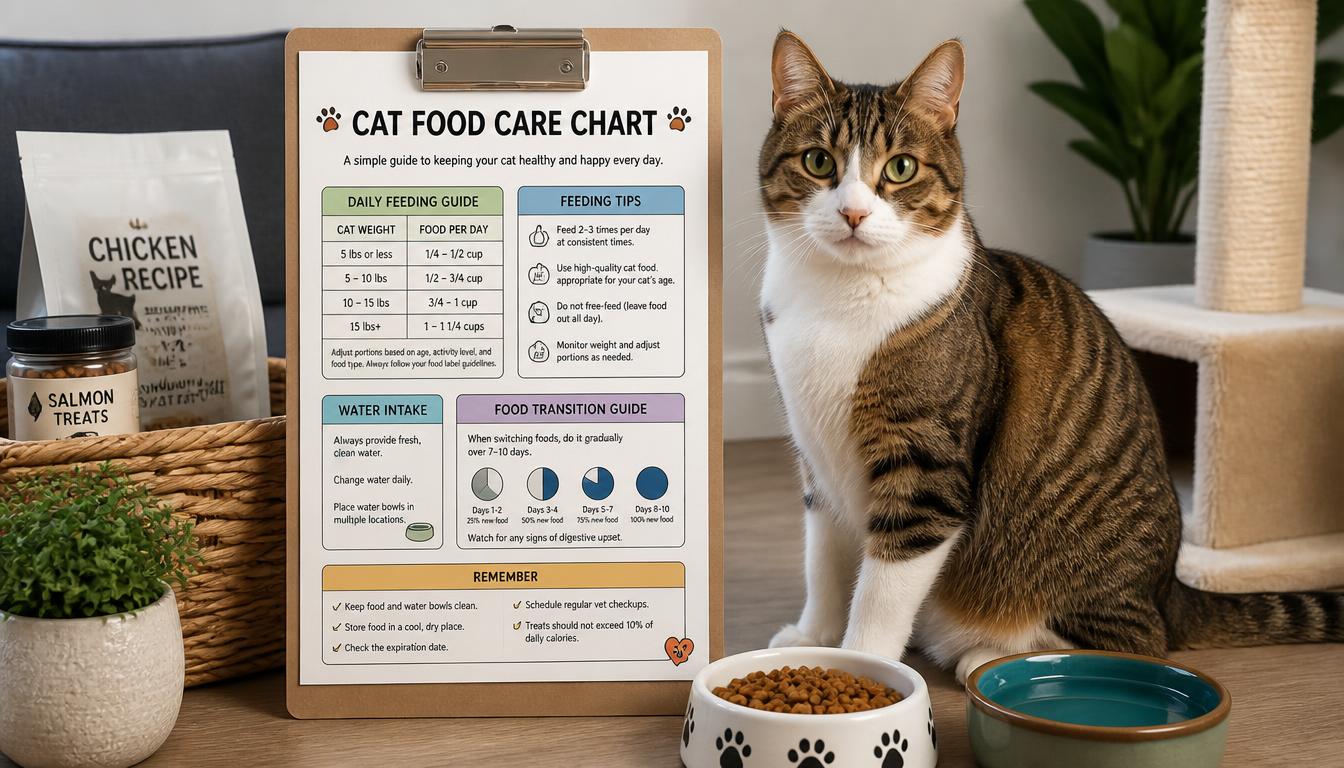
Caring for a cat involves much more than simply filling a food bowl every day. Proper nutrition is one of the most important factors in maintaining your cat’s health, energy levels, weight, and overall well-being. Whether you’re a first-time cat owner or have shared your home with felines for years, having a printable cat food care PDF can make feeding routines easier, more organized, and more effective. A cat food care chart helps track feeding schedules, portion sizes, water intake, treats, weight management goals, and dietary changes. Many pet owners use printable feeding logs to stay consistent and ensure their cats receive the proper nutrition throughout every life stage. In this comprehensive guide, you’ll learn everything you need to know about creating and using a printable cat food care chart, understanding feline nutritional needs, establishing feeding routines, and keeping your cat healthy through proper diet management. Why Cat Nutrition Matters Nutrition directly impacts every aspect of your cat’s health. A balanced diet supports: Cats are obligate carnivores, which means they require nutrients found primarily in animal-based proteins. Unlike humans and some other animals, cats cannot thrive on a plant-based diet alone. Providing complete and balanced nutrition helps your cat live a healthier and longer life. What Is a Printable Cat Food Care PDF? A printable cat food care PDF is a structured feeding and care document that helps pet owners monitor and organize their cat’s daily nutritional routine. It typically includes: The purpose is to make cat care more organized and consistent. Benefits of Using a Cat Food Care Chart Improves Feeding Consistency Cats often thrive on predictable routines. A feeding chart helps ensure meals are served at the same times each day. Prevents Overfeeding Many indoor cats struggle with weight gain. Tracking portions helps avoid excessive calorie intake. Helps Monitor Health Changes in appetite are often one of the first signs of illness. A feeding log allows owners to notice unusual eating patterns quickly. Supports Weight Management Weight tracking is especially helpful for overweight or senior cats. Useful for Multi-Cat Homes A care chart helps track each cat’s feeding needs separately. Understanding Cat Nutritional Requirements Before creating a feeding chart, it’s important to understand what cats need nutritionally. Protein Protein is the foundation of a healthy feline diet. Benefits include: Excellent protein sources include: Cats require significantly more protein than many other pets. Healthy Fats Fats provide concentrated energy and support: Common fat sources include: Taurine Taurine is an essential amino acid for cats. It supports: Cats cannot produce sufficient taurine on their own and must obtain it through their diet. Vitamins and Minerals Cats require various vitamins and minerals, including: Balanced commercial cat foods are formulated to provide these nutrients. Wet Food vs Dry Food Many cat owners wonder which option is best. Wet Food Benefits Wet food offers: Dry Food Benefits Dry food provides: Mixed Feeding Many veterinarians recommend combining wet and dry food to achieve the benefits of both. Feeding Cats by Life Stage Kittens Kittens require: Recommended Feeding Schedule 8–12 weeks: 3–6 months: 6–12 months: Adult Cats Adult cats generally do well with: Consistency is important. Senior Cats Senior cats may require: Regular monitoring becomes increasingly important with age. Sample Printable Cat Food Care Chart Daily Feeding Tracker Time Food Type Portion Water Refilled Notes Morning Wet Food 1 Portion Yes Ate well Afternoon Treats Small Amount Yes Normal Evening Dry Food 1 Portion Yes Finished meal This simple chart helps track feeding habits. Weekly Weight Monitoring Chart Week Weight Notes Week 1 ____ ______ Week 2 ____ ______ Week 3 ____ ______ Week 4 ____ ______ Weight tracking helps identify changes early. Water Intake Monitoring Sheet Hydration is essential for feline health. Daily Water Tracker Day Water Bowl Refilled Drinking Normally Monday Yes Yes Tuesday Yes Yes Wednesday Yes Yes Thursday Yes Yes Friday Yes Yes Saturday Yes Yes Sunday Yes Yes Treat Tracking Chart Many owners unknowingly overfeed treats. Weekly Treat Log Day Treat Type Quantity Monday ______ ______ Tuesday ______ ______ Wednesday ______ ______ Thursday ______ ______ Friday ______ ______ Saturday ______ ______ Sunday ______ ______ Treats should generally represent a small portion of total calorie intake. Signs Your Cat Is Eating Properly Healthy eating habits often result in: Monitoring these indicators helps confirm that your feeding plan is working. Signs Your Cat’s Diet May Need Adjustment Watch for: Consult your veterinarian if these symptoms persist. Common Feeding Mistakes Cat Owners Make Free Feeding Excessively Leaving food out all day can contribute to obesity. Overfeeding Treats Treat calories add up quickly. Ignoring Portion Sizes Measuring food helps maintain a healthy weight. Not Monitoring Water Intake Hydration is critical for kidney and urinary health. Frequent Diet Changes Sudden food changes may cause digestive upset. How to Transition to a New Cat Food Switch gradually over 7–10 days. Transition Schedule Day Old Food New Food 1–2 75% 25% 3–4 50% 50% 5–6 25% 75% 7+ 0% 100% Gradual transitions help minimize stomach issues. Creating Your Own Printable Cat Food Care PDF Your custom PDF should include: Feeding Schedule Section Track: Weight Log Monitor monthly weight changes. Water Intake Log Ensure proper hydration. Health Notes Section Record: Medication Tracker Useful for cats requiring ongoing treatment. Printable Monthly Cat Food Care Template Cat Information Feeding Schedule Time Food Portion Morning ______ ______ Afternoon ______ ______ Evening ______ ______ Daily Checklist Frequently Asked Questions What is a printable cat food care PDF? A printable feeding and health tracking document that helps organize feeding schedules, portion sizes, hydration, and overall cat care. Why should I track my cat’s meals? Tracking helps maintain consistency, prevent overfeeding, and identify health concerns early. How often should adult cats eat? Most adult cats do well with two meals daily. Can a feeding chart help with weight loss? Yes. Portion monitoring and weight tracking are useful tools for healthy weight management. Should I include water intake on my chart? Absolutely. Hydration is an important indicator of overall health. Final Thoughts A printable … Read more

Printable Cat Care Chart: The Ultimate Guide

Printable Cat Care Chart

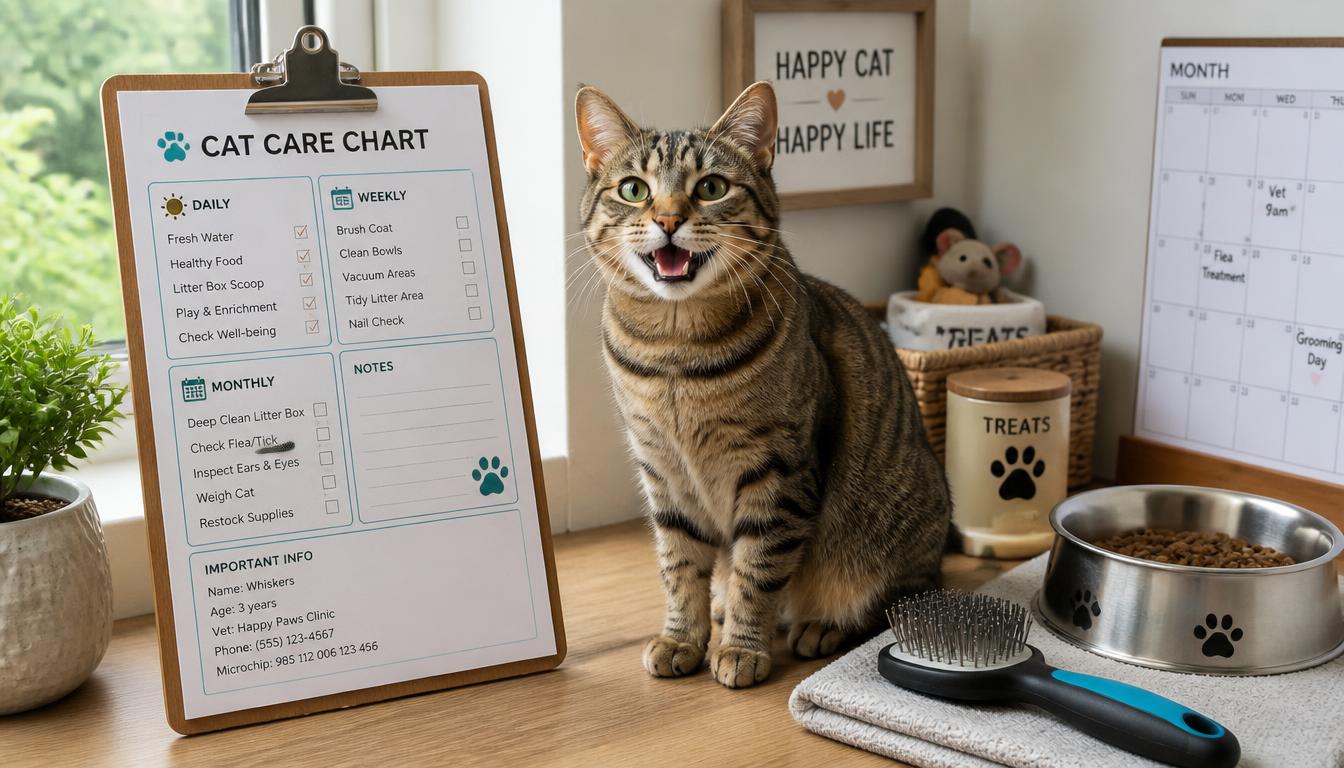
Caring for a cat is one of life’s most rewarding experiences. Whether you’re a first-time cat owner or have shared your home with felines for years, keeping track of your cat’s daily needs can sometimes feel overwhelming. From feeding schedules and grooming routines to vet appointments and medication reminders, there are many details to remember. That’s where a printable cat care chart becomes incredibly useful. A cat care chart helps pet owners stay organized while ensuring their furry companions receive consistent care. It serves as a simple yet effective tool for tracking essential tasks, monitoring health changes, and maintaining healthy routines. Whether you have a playful kitten, an active adult cat, or a senior feline with special needs, a printable care chart can make daily pet management much easier. In this comprehensive guide, you’ll learn everything about printable cat care charts, including their benefits, what information to include, how to create one, and free templates you can use at home. What Is a Printable Cat Care Chart? A printable cat care chart is a structured document designed to help cat owners track and manage their pet’s daily, weekly, and monthly care activities. Typically, a cat care chart includes sections for: The chart can be printed and displayed in a visible location such as a refrigerator, pet station, or family command center. Why Every Cat Owner Should Use a Cat Care Chart Cats thrive on consistency. Regular routines help them feel secure and can contribute to better overall health. A printable cat care chart provides several important benefits. Better Organization When multiple family members help care for a cat, it’s easy to forget who completed a particular task. A chart eliminates confusion and ensures nothing is overlooked. Consistent Feeding Maintaining a regular feeding schedule is important for weight management and digestive health. A chart helps ensure meals are provided on time. Easier Health Monitoring Tracking changes in eating habits, water consumption, litter box usage, or behavior can help identify health issues early. Improved Medication Management If your cat requires medication, a care chart can help prevent missed doses. Helpful for Pet Sitters When traveling, a detailed care chart makes it easier for pet sitters or family members to maintain your cat’s routine. Essential Sections to Include in a Printable Cat Care Chart Every cat has unique needs, but most care charts should include the following categories. Cat Information Section Start by recording basic information about your cat. Cat Profile Having this information readily available can be extremely helpful during emergencies. Daily Feeding Schedule One of the most important parts of any cat care chart is meal tracking. Example Feeding Chart Time Food Type Portion Size Completed 7:00 AM Dry Food ½ Cup ☐ 1:00 PM Wet Food ½ Can ☐ 7:00 PM Dry Food ½ Cup ☐ This section ensures your cat receives consistent nutrition every day. Water Intake Tracking Hydration plays a critical role in feline health. Cats are often prone to dehydration because they naturally have a low thirst drive. Water Monitoring Chart Date Water Bowl Refilled Notes Monday ☐ Tuesday ☐ Wednesday ☐ Monitoring water consumption can help identify health issues such as kidney disease or diabetes. Litter Box Maintenance Chart A clean litter box encourages healthy bathroom habits. Litter Box Checklist Task Morning Evening Scoop Waste ☐ ☐ Check Odor ☐ ☐ Add Fresh Litter ☐ ☐ Keeping this section updated helps maintain a hygienic environment. Grooming Schedule Although cats groom themselves, regular maintenance is still important. Grooming Tasks Weekly Grooming Tracker Task Monday Tuesday Wednesday Thursday Friday Saturday Sunday Brushing ☐ ☐ ☐ ☐ ☐ ☐ ☐ Long-haired breeds may require more frequent grooming than short-haired cats. Medication Tracking Section For cats with health conditions, medication management is essential. Medication Chart Medication Dosage Time Given Example Medication 1 Tablet 8:00 AM ☐ This section helps ensure every dose is administered correctly. Weight Monitoring Chart Maintaining a healthy weight is crucial for preventing obesity and other health problems. Weight Tracker Date Weight January February March Regular weight checks can reveal gradual changes that may require veterinary attention. Activity and Playtime Tracker Cats need physical activity and mental stimulation. Daily Activity Chart Activity Completed Interactive Play ☐ Puzzle Toy Time ☐ Climbing Activity ☐ Window Observation ☐ Regular play helps prevent boredom and obesity. Veterinary Appointment Tracker Routine veterinary visits are important for maintaining your cat’s health. Vet Care Schedule Appointment Type Due Date Completed Annual Checkup ☐ Vaccinations ☐ Dental Cleaning ☐ Wellness Exam ☐ This section helps ensure important healthcare appointments are not missed. Printable Weekly Cat Care Chart Template Monday to Sunday Care Checklist Task Mon Tue Wed Thu Fri Sat Sun Morning Feeding ☐ ☐ ☐ ☐ ☐ ☐ ☐ Water Refilled ☐ ☐ ☐ ☐ ☐ ☐ ☐ Litter Scooped ☐ ☐ ☐ ☐ ☐ ☐ ☐ Playtime ☐ ☐ ☐ ☐ ☐ ☐ ☐ Evening Feeding ☐ ☐ ☐ ☐ ☐ ☐ ☐ This simple chart works well for most households. Printable Monthly Cat Care Chart Template Monthly Maintenance Tasks Task Week 1 Week 2 Week 3 Week 4 Deep Litter Cleaning ☐ ☐ ☐ ☐ Nail Trimming ☐ ☐ ☐ ☐ Weigh Cat ☐ ☐ ☐ ☐ Grooming Session ☐ ☐ ☐ ☐ Monthly tracking helps maintain long-term health. Cat Care Chart for Kittens Kittens require additional monitoring during their first year. Important sections include: Young kittens often eat three to four meals daily, making feeding records particularly important. Cat Care Chart for Senior Cats Senior cats may have additional health needs. Useful tracking categories include: Older cats benefit greatly from detailed monitoring. Cat Care Chart for Multiple Cats Households with multiple cats often face unique challenges. A multi-cat care chart can include: Color-coding each cat’s section can make tracking easier. Tips for Using a Printable Cat Care Chart Successfully Keep It Visible Place the chart in an area everyone can access. Popular locations include: Update Daily A chart only works if it remains current. Make updates part of your … Read more

Best Cat Food Container: Complete Guide to Keeping Cat Food Fresh and Safe

Best Cat Food Container

If you’re a cat owner, choosing the best cat food container is just as important as choosing high-quality cat food. Proper storage helps maintain freshness, preserve nutrients, prevent contamination, and keep pests away. Whether you feed dry kibble, treats, or a combination of foods, the right container can make a significant difference in your cat’s health and your convenience. Many pet parents spend time researching the best cat food brands but overlook how food is stored after opening the bag. Exposure to air, moisture, heat, and light can cause food to lose flavor, nutritional value, and freshness. That’s why investing in a high-quality cat food storage container is a smart decision. In this guide, you’ll learn everything about choosing the best cat food container, key features to look for, storage mistakes to avoid, and tips for keeping your cat’s food fresh for longer. Why You Need a Cat Food Container? Most dry cat food bags are not designed for long-term storage once opened. Every time the bag is opened, food becomes exposed to air and humidity. A good cat food container helps: Proper food storage can help ensure your cat receives the same quality nutrition from the first serving to the last. What Happens When Cat Food Is Stored Improperly? Improper storage can lead to several problems that affect food quality and safety. Loss of Freshness Exposure to oxygen causes fats in cat food to oxidize. This can make the food stale and less appealing to cats. Moisture Contamination Humidity can lead to mold growth and bacterial contamination. Pest Infestation Open food bags attract: Nutrient Degradation Heat and sunlight can reduce the effectiveness of certain vitamins and nutrients. Unpleasant Odors Poor storage may allow strong food smells to spread throughout your home. Features to Look for in the Best Cat Food Container Not all storage containers are created equal. Choosing the right one requires understanding the features that matter most. Airtight Seal An airtight seal is the most important feature. Benefits include: Look for containers with silicone gaskets and secure locking lids. Food-Grade Materials Always choose containers made from food-safe materials. Common options include: Avoid containers not specifically designed for food storage. Appropriate Size Choose a size based on your cat food purchasing habits. Small Containers Ideal for: Medium Containers Suitable for: Large Containers Best for: Best Types of Cat Food Containers Plastic Cat Food Containers Plastic containers are among the most popular options. Pros Cons Choose high-quality BPA-free plastic for best results. Stainless Steel Cat Food Containers Stainless steel offers premium food storage. Pros Cons These containers are excellent for long-term use. Stackable Storage Containers Stackable designs help maximize space. Benefits include: These are ideal for apartments and smaller homes. Rolling Cat Food Containers Larger containers often include wheels. Advantages: Rolling containers are popular among multi-cat households. How Large Should a Cat Food Container Be? The ideal size depends on how much food you buy at one time. Food Bag Size Recommended Container Size 2–5 lbs Small Container 5–10 lbs Medium Container 10–20 lbs Large Container 20+ lbs Extra Large Container Avoid choosing a container significantly larger than needed because excess air space may reduce freshness. Should You Store Food Directly in the Container? Many pet nutrition experts recommend placing the entire food bag inside the container rather than pouring kibble directly into it. Benefits include: If space allows, keeping the original bag inside the storage container is often the best approach. Best Location for Cat Food Storage Even the best cat food container cannot protect food if stored improperly. Ideal Storage Locations Store containers in: Avoid These Locations Do not store cat food: Temperature stability helps preserve food quality. Common Cat Food Storage Mistakes Leaving Food in an Open Bag This is one of the most common mistakes. Open bags expose food to: Using Non-Food Storage Bins Not all containers are food safe. Always choose containers designed specifically for food storage. Mixing Old and New Food Adding fresh food to old leftovers can create freshness issues. Instead: Forgetting Regular Cleaning Food residue and oils can accumulate over time. Clean containers regularly to maintain hygiene. How Often Should You Clean a Cat Food Container? Regular cleaning prevents bacteria buildup and odor retention. Recommended Cleaning Schedule Container Type Cleaning Frequency Daily Scoop Area Weekly Main Container Monthly Full Deep Cleaning Every Food Refill Wash with: Never refill a damp container. Benefits of Using the Best Cat Food Container Better Food Quality Fresh food tastes better and retains more nutrients. Reduced Waste Proper storage prevents spoilage and waste. Improved Organization Containers keep feeding supplies neat and accessible. Pest Prevention Airtight storage helps protect food from insects and rodents. Cost Savings Bulk food purchases become safer when stored properly. Best Cat Food Container for Multi-Cat Homes Households with multiple cats often buy food in larger quantities. Look for: Multi-cat homes benefit most from high-capacity airtight storage systems. Best Cat Food Container for Small Apartments Space-saving designs are ideal for apartment living. Features to prioritize: Vertical storage options often work best in smaller spaces. Signs Your Cat Food Is No Longer Fresh Even when stored properly, food can eventually lose freshness. Watch for: Discard food immediately if contamination is suspected. Dry Food vs Wet Food Storage Storage requirements differ between dry and wet food. Dry Food Storage Store in: Wet Food Storage After opening: Wet food requires more careful temperature control. How to Extend Cat Food Shelf Life Follow these tips to maximize freshness: Proper storage helps maintain nutritional quality throughout the food’s lifespan. Frequently Asked Questions What is the best material for a cat food container? Food-grade BPA-free plastic and stainless steel are generally considered the best options. Do airtight containers keep cat food fresh longer? Yes. Airtight containers reduce exposure to oxygen and moisture, helping preserve freshness. Can I store cat food in its original bag? Yes. Many experts recommend placing the entire bag inside a storage container. How long does dry cat food stay fresh after opening? Most dry … Read more

Best Persian Cat Grooming Kit: Complete Guide for Healthy and Beautiful Fur

Best Persian Cat Grooming Kit

Persian cats are famous for their luxurious long coats, adorable flat faces, and royal appearance. However, maintaining their thick fur requires consistent grooming and the right grooming tools. That is why many pet owners search for the best Persian cat grooming kit to keep their feline healthy, clean, and mat-free. Unlike short-haired cats, Persian cats need daily coat maintenance to prevent tangles, shedding, hairballs, and skin issues. A high-quality grooming kit can make the grooming process easier, faster, and stress-free for both you and your cat. In this guide, you will learn everything about choosing the best Persian cat grooming kit, essential grooming tools, grooming routines, common mistakes to avoid, and expert tips for maintaining a healthy Persian cat coat. Why Persian Cats Need Special Grooming Persian cats have one of the thickest and longest coats among domestic cat breeds. Their double-layer fur easily traps dirt, loose hair, and knots. Without proper grooming, Persian cats may develop: Regular grooming keeps their coat soft, shiny, and healthy while improving comfort and hygiene. What Should a Persian Cat Grooming Kit Include? The best Persian cat grooming kit should contain tools specifically designed for long-haired cats. Here are the most essential grooming tools every Persian cat owner should have. Slicker Brush A slicker brush is one of the most important grooming tools for Persian cats. Benefits Look for a soft-pin slicker brush to avoid irritating sensitive skin. Stainless Steel Comb A wide-tooth stainless steel comb helps remove deeper knots and mats. Why It Matters Persian cats often develop tangles around: A metal comb helps gently separate fur without pulling too hard. Dematting Tool Mats can become painful if ignored. A dematting tool safely cuts through stubborn knots. Important Tip Always work slowly and avoid aggressive pulling. Cat Nail Clippers Long nails can become uncomfortable and may scratch furniture or skin. A grooming kit should include: Trim nails every 2–3 weeks. Cat Shampoo Persian cats require occasional bathing to maintain coat cleanliness. Choose: Avoid human shampoos because they can damage feline skin. Grooming Wipes Grooming wipes are excellent for quick cleanups between baths. They help clean: Eye Cleaning Tools Persian cats commonly experience tear staining because of their flat facial structure. A proper grooming kit should include: Daily eye cleaning helps prevent infection and discoloration. Deshedding Tool Persian cats shed heavily during seasonal changes. A deshedding brush: Grooming Scissors Rounded-tip grooming scissors help trim: Always use pet-safe scissors only. Grooming Gloves Some Persian cats dislike brushes. Grooming gloves offer a softer experience. Benefits Best Persian Cat Grooming Kit Features When selecting the best Persian cat grooming kit, consider the following factors. High-Quality Materials Choose rust-resistant stainless steel tools with durable construction. Comfortable Grip Ergonomic handles reduce hand strain during long grooming sessions. Gentle on Sensitive Skin Persian cats have delicate skin. Avoid harsh or sharp grooming tools. Complete Grooming Set The best kits include: Portable Storage Case Organized storage keeps grooming tools clean and easy to access. How Often Should You Groom a Persian Cat? Persian cats require more grooming than most breeds. Recommended Grooming Schedule Grooming Task Frequency Brushing Daily Eye Cleaning Daily Nail Trimming Every 2–3 Weeks Bathing Every 4–6 Weeks Ear Cleaning Weekly Full Coat Check Weekly Consistency is key to maintaining a healthy coat. Step-by-Step Persian Cat Grooming Routine Using the best Persian cat grooming kit becomes more effective when following a proper routine. Step 1: Start with Gentle Brushing Use a slicker brush to remove loose fur and small tangles. Brush: Step 2: Use a Stainless Steel Comb After brushing, use a metal comb to check for hidden knots. Focus on: Step 3: Remove Mats Carefully Use a dematting tool or grooming scissors for stubborn tangles. Never yank mats aggressively. Step 4: Clean the Eyes Persian cats often develop tear stains. Use: Clean gently around the eyes daily. Step 5: Trim Nails Hold paws gently and trim only the sharp tip of each nail. Avoid cutting the quick (pink area inside the nail). Step 6: Bathe Occasionally Bathing helps remove oil buildup and dirt. Bathing Tips Common Persian Cat Grooming Problems Severe Matting Without regular grooming, mats can become painful and trap moisture. Excessive Hairballs Persian cats swallow large amounts of fur during self-grooming. Regular brushing helps reduce hairballs. Tear Stains Daily eye cleaning minimizes staining around the eyes. Shedding Persian cats naturally shed heavily. Deshedding tools help manage loose fur. Best Grooming Tips for Persian Cat Owners Start Grooming Early Kittens adapt better when introduced to grooming young. Keep Sessions Short Short positive grooming sessions reduce stress. Reward Your Cat Treats and praise help create positive associations. Groom Daily Daily grooming prevents larger grooming problems later. Use Proper Lighting Good lighting helps detect hidden mats and skin issues. How to Choose the Best Persian Cat Grooming Kit Not all grooming kits are designed for long-haired breeds. Look for These Features Long-Hair Compatibility Choose tools specifically made for thick coats. Safe Rounded Edges Avoid sharp grooming tools that may injure skin. Positive Customer Reviews Look for grooming kits recommended by Persian cat owners. Multiple Tool Options A complete kit saves money and improves convenience. Signs Your Persian Cat Needs Grooming Your Persian cat may require immediate grooming if you notice: Ignoring grooming can lead to health problems. Benefits of Regular Grooming Using the best Persian cat grooming kit consistently offers many benefits. Healthier Skin Regular grooming improves airflow and removes dirt. Reduced Shedding Daily brushing minimizes loose hair around the home. Better Appearance Persian cats look cleaner, fluffier, and more elegant. Stronger Bonding Grooming builds trust between owner and cat. Early Health Detection Grooming sessions help identify: Professional Grooming vs Home Grooming Many Persian cat owners combine both approaches. Home Grooming Benefits Professional Grooming Benefits Professional grooming every few months can be helpful. Frequently Asked Questions What is the best brush for Persian cats? A soft slicker brush combined with a stainless steel comb works best for Persian cats. How often should Persian cats be brushed? Daily brushing … Read more

Cat Feeding Schedule Template Free Printable: The Complete Guide for Healthy Cat Feeding

Cute fluffy domestic cat sitting beside a printable cat feeding schedule template on a wooden table, cozy modern home background, warm sunlight through window, aesthetic pet care setup, realistic photography, ultra detailed, soft shadows, high resolution, blog featured image style

A proper feeding routine plays a major role in keeping your cat healthy, active, and happy. Whether you own a playful kitten, an adult indoor cat, or a senior feline, having a structured meal routine can improve digestion, prevent overeating, and help maintain a healthy weight. That is why many pet owners search for a cat feeding schedule template free printable to organize their cat’s daily meals effectively. Using a printable feeding schedule helps track meal times, food portions, hydration, medications, and even special dietary needs. It also makes life easier for busy pet owners who want consistency in their cat’s routine. In this complete guide, you will learn why feeding schedules matter, how to create the perfect routine, and how to use a free printable cat feeding schedule template for the best results. Why a Cat Feeding Schedule Is Important? Cats are creatures of habit. They thrive on routines and feel more secure when meals arrive at consistent times every day. Random feeding can lead to several problems including obesity, digestive issues, anxiety, and overeating. A structured feeding schedule helps with: Many veterinarians recommend fixed meal times rather than leaving unlimited food available throughout the day. Benefits of Using a Printable Cat Feeding Schedule Template A cat feeding schedule template free printable provides a simple way to organize your cat’s nutrition. 1. Helps Maintain Portion Control Overfeeding is one of the biggest causes of feline obesity. A feeding tracker helps ensure your cat receives the correct amount of food daily. 2. Tracks Water Intake Hydration is extremely important for cats. A printable schedule reminds owners to refill water bowls regularly. 3. Useful for Multi-Cat Homes If you own multiple cats with different diets, feeding charts help avoid confusion. 4. Great for Busy Pet Owners Work schedules can become hectic. Feeding templates simplify meal planning and improve consistency. 5. Supports Special Dietary Needs Cats with diabetes, kidney disease, or sensitive stomachs often require strict feeding schedules. What Should a Cat Feeding Schedule Include? A good feeding template should contain all the important information related to your cat’s meals and health. Here are the essential sections: Section Purpose Feeding Time Tracks meal timing Food Type Wet food, dry food, treats Portion Size Prevents overfeeding Water Check Ensures hydration Medication Notes Tracks supplements or medicines Behavior Notes Observes appetite changes This structure helps pet owners monitor their cat’s eating habits more effectively. Free Printable Daily Cat Feeding Schedule Template Daily Feeding Routine Time Meal Food Type Portion Size Water Checked Notes 7:00 AM Breakfast Dry Food ______ ☐ Yes ☐ No __________ 1:00 PM Snack Wet Food ______ ☐ Yes ☐ No __________ 7:00 PM Dinner Mixed Food ______ ☐ Yes ☐ No __________ 10:00 PM Treat Snacks ______ ☐ Yes ☐ No __________ You can print this chart and place it near your cat feeding area for daily use. Weekly Cat Feeding Tracker Printable Weekly Meal Planner Day Morning Afternoon Evening Water Refilled Notes Monday ☐ ☐ ☐ ☐ ______ Tuesday ☐ ☐ ☐ ☐ ______ Wednesday ☐ ☐ ☐ ☐ ______ Thursday ☐ ☐ ☐ ☐ ______ Friday ☐ ☐ ☐ ☐ ______ Saturday ☐ ☐ ☐ ☐ ______ Sunday ☐ ☐ ☐ ☐ ______ This printable is especially useful for families where multiple people feed the cat. Kitten Feeding Schedule Template Kittens require more frequent meals because they grow rapidly and burn energy quickly. Kitten Feeding Chart Age Meals Per Day Suggested Feeding Times 2–3 Months 4 Meals 7 AM, 11 AM, 3 PM, 7 PM 3–6 Months 3 Meals 7 AM, 1 PM, 7 PM 6–12 Months 2–3 Meals 8 AM, 6 PM Kittens also need fresh water available throughout the day. Adult Cat Feeding Schedule Template Adult cats usually do well with two balanced meals daily. Adult Cat Feeding Example Time Meal Type Portion 7:00 AM Breakfast 1 Portion 7:00 PM Dinner 1 Portion Highly active cats may benefit from a small midday snack. Senior Cat Feeding Schedule Template Older cats may need smaller and more frequent meals for easier digestion. Senior Cat Meal Routine Time Meal 7:00 AM Small Breakfast 12:00 PM Light Snack 6:00 PM Dinner 9:00 PM Medication Snack Senior cats should also receive regular veterinary monitoring. Automatic Cat Feeder Schedule Template Automatic feeders are becoming increasingly popular among modern pet owners. Automatic Feeder Printable Feeding Time Portion Size Dispensed Successfully Notes Morning ______ ☐ Yes ☐ No ______ Afternoon ______ ☐ Yes ☐ No ______ Evening ______ ☐ Yes ☐ No ______ This helps ensure the feeder is functioning correctly every day. Best Feeding Schedule for Indoor Cats Indoor cats usually have lower activity levels than outdoor cats, making portion control extremely important. Recommended Routine Avoid free-feeding large amounts of dry food throughout the day. Best Feeding Schedule for Outdoor Cats Outdoor cats burn more calories and may require extra meals. Recommended Routine Outdoor cats should also have easy access to fresh water. Wet Food vs Dry Food Scheduling Many owners combine wet and dry food for balanced nutrition. Wet Food Benefits Dry Food Benefits A balanced combination often works best. How Much Should You Feed Your Cat? Food requirements depend on: Always check: Overfeeding can lead to obesity and diabetes. Common Cat Feeding Mistakes to Avoid 1. Overfeeding Treats Too many treats can quickly add unhealthy calories. 2. Free Feeding All Day Leaving unlimited food encourages overeating. 3. Ignoring Water Intake Cats naturally drink less water than dogs, making hydration important. 4. Sudden Food Changes Rapid dietary changes can upset digestion. 5. Feeding Human Food Certain human foods are toxic to cats. Avoid: Tips for Creating the Perfect Feeding Routine Keep Meal Times Consistent Cats prefer predictable schedules. Use Measuring Cups Accurate portions prevent obesity. Monitor Weight Monthly Track changes in body condition. Keep Feeding Area Clean Wash bowls daily to prevent bacteria buildup. Use Feeding Templates Regularly Printable schedules improve long-term consistency. Why Printable Templates Work Better Digital reminders are useful, but physical printables offer several advantages. Visual Reminder You … Read more

Cat Feeding Chart by Age Calculator – Complete 2026 Guide to How Much to Feed Your Cat

How Much Should You Feed a Cat

If you’ve ever wondered “How much should I feed my cat each day?” or searched for a Cat Feeding Chart by Age Calculator, you are not alone. Many cat owners struggle to determine the right portion sizes, calories, and feeding frequency for their cats, especially because the needs of kittens, adult cats, and senior cats are very different. Feeding a cat too much can lead to obesity, diabetes, and joint problems, while feeding too little can cause malnutrition, muscle loss, low immunity, and behavioral frustration. This detailed, SEO-optimized guide offers a complete cat feeding chart by age, calorie calculator insights, feeding schedule examples, wet vs dry food conversion, and vet-recommended nutrition tips to help you create a customized feeding plan for your cat. Why You Need a Cat Feeding Chart by Age? Cats have specific nutritional needs depending on their age, weight, lifestyle, and health condition. Kittens require high calories and frequent meals for rapid growth, adult cats need balanced nutrition and portion control, and senior cats require easily digestible, lower-calorie meals that support kidney and joint health. Understanding this feeding cycle helps optimize health, prevent disease, and extend your cat’s lifespan. Using a Cat Feeding Calculator makes it easier to determine the ideal amount of daily food based on calories per cup, weight range, and activity level. Key Factors Affecting How Much to Feed a Cat Weight and body condition score, age (kitten, adult, senior), indoor vs outdoor activity level, wet food vs dry food moisture content, neutered or not neutered, brand calorie density, health issues (kidney disease, diabetes, obesity, urinary conditions). Indoor neutered cats generally require 20–30% fewer calories daily than outdoor active cats. Cat Feeding Chart by Age (Daily Calorie & Portion Requirements) This feeding chart shows recommended amounts for an average indoor cat. Adjust portions based on brand calorie density (calories/cup or calories/can). Cat Life Stage Age Daily Calories Needed Feeding Frequency Wet Food Portion Dry Food Portion Newborn/Infant Kitten 0–4 weeks Mother’s milk Every 2–3 hrs Milk replacer only None Kitten 1–3 months 200–250 calories 4–5 meals/day 3–6 oz/day ¼–½ cup/day Growing Kitten 3–6 months 230–360 calories 3–4 meals/day 4–7 oz/day ½–¾ cup/day Junior Cat 6–12 months 250–450 calories 2–3 meals/day 6–9 oz/day ¾–1 cup/day Adult Cat 1–7 years 240–320 calories 2 meals/day 5–8 oz/day ½–1 cup/day Senior Cat 7–10 years 200–260 calories 2 small meals/day 4–6 oz/day ½ cup/day Elderly Cat 10–15+ years 180–240 calories 2–3 small meals/day 5 oz/day ⅓–½ cup/day Cat Feeding Calculator Formula A general rule for daily calorie requirement:70 × (body weight in kg)⁰·⁷⁵ = daily caloriesExample: 4 kg (8.8 lb) cat70 × (4)⁰·⁷⁵ ≈ 220–260 calories/day (adult indoor) How Much Should I Feed My Cat? (Quick Daily Portion Guide) Cat Weight Calories/Day Dry Food/Day Wet Food/Day 3 kg / 6.6 lb 170–210 cal ¼–⅓ cup 4–5 oz 4 kg / 8.8 lb 220–260 cal ⅓–½ cup 5–6 oz 5 kg / 11 lb 260–310 cal ½ cup 6–7 oz 6 kg / 13 lb 300–350 cal ½–¾ cup 7–8 oz Wet Food vs Dry Food – Which Is Better? Wet food supports hydration and prevents urinary stones, especially for male cats. Dry food is convenient and cost-efficient. Best option: Combination feeding for balanced nutrition. Example: Wet food morning & night + small dry food afternoon. Neutered Cat Feeding Chart Neutered cats gain weight easily and need controlled calories.Reduce calories by 20% after neutering, avoid free-feeding, use slow feeders, increase toys & exercise. Signs of Overfeeding Weight gain, trouble jumping, vomiting after meals, round belly, lethargy. Signs of Underfeeding Visible ribs, low energy, constant begging, dull fur, muscle loss. Foods Cats Should Never Eat Onions, garlic, grapes, raisins, chocolate, bones, bread, raw pork, alcohol, milk, dog food. Best Daily Feeding Schedule 7 AM – Wet food1 PM – Dry food portion7 PM – Wet foodTreats only for training Hydration and Water Requirement Cats need 3.5–4.5 ounces of water per 5 pounds of body weight daily. Use a drinking fountain to encourage hydration. Best Supplements for Cat Nutrition Omega-3, probiotics, taurine, glucosamine, cranberry extract (consult vet first). Frequently Asked Questions How much should I feed my cat per day? Depends on age, weight, and activity level—240 to 320 calories/day for adults.Should I free-feed my cat? No—leads to overeating and obesity.Can I mix wet and dry food? Yes, recommended for balanced hydration and nutrition.How do I transition cat food safely? Over 7–10 days by gradually mixing old and new food.How do I know if my cat is the right weight? You should feel ribs, but not see them. Conclusion Using a Cat Feeding Chart by Age Calculator ensures your cat receives accurate portion sizes for healthy weight, muscle support, hydration, and long-term wellbeing. With age-appropriate nutrition and proper feeding routines, you can significantly improve your cat’s lifespan and quality of life. For personalized portions, consult your vet or use an online cat feeding calculator tool. Also Read:

Male Cat Feeding Chart by Age – Complete 2026 Nutrition Guide for Healthy Growth

Male Cat Feeding Chart by Age

Feeding your male cat the right amount of food at the right time is essential for maintaining strong muscles, healthy weight, proper growth, and long-term wellbeing. Since nutritional needs change throughout a cat’s life, an age-based feeding chart helps pet parents avoid overfeeding, malnutrition, or health complications. Male cats, especially neutered males, are more prone to obesity and urinary issues, making controlled feeding extremely important. This comprehensive guide offers a complete Male Cat Feeding Chart by Age, calorie requirements, feeding schedules, food recommendations, and expert tips to keep your feline healthy at every stage. Why Age-Based Feeding Matters for Male Cats Male cats experience major nutritional changes during their growth cycle. Kittens need high protein and high calorie diets for development, while adult males require controlled calories to maintain weight and prevent urinary issues. Senior male cats need fewer calories but higher hydration and joint support. Feeding the wrong amount can lead to issues such as obesity, diabetes, urinary blockages, and digestive discomfort, so understanding age-specific needs is crucial. Key Factors That Determine Feeding Amounts Age, body weight, activity level, food type (wet, dry, raw), neutering status, indoor vs outdoor lifestyle, brand calorie density, medical conditions. Neutered males require approximately 20–30% fewer calories because their energy use slows while their appetite increases. Indoor cats also need fewer calories compared to active outdoor males. Male Cat Feeding Chart by Age (With Portions & Calorie Requirements) Age Feeding Frequency Daily Food Amount Daily Calories Notes 0–3 months (Kitten) 4 meals/day ¼–½ cup dry or 3–6 oz wet 200–300 cal/day High protein and DHA for rapid growth 3–6 months 3 meals/day ½–¾ cup dry or 4–7 oz wet 230–360 cal/day Slowly reduce feeding frequency 6–12 months 2–3 meals/day ¾–1 cup dry or 6–9 oz wet 250–450 cal/day Transition gradually to adult food 1–7 years (Adult Male) 2 meals/day ½–1 cup dry or 5–8 oz wet 240–320 cal/day Controlled portions and weight monitoring 7–10 years (Senior Male) 2 small meals/day ½ cup dry or 4–6 oz wet 200–260 cal/day Add joint support and low sodium 10+ years (Elderly) 2–3 small meals/day ½ cup dry or 5 oz wet 180–240 cal/day Kidney-friendly, easy to digest proteins Wet Food vs Dry Food for Male Cats Wet food helps prevent urinary blockages by providing hydration, while dry food supports dental health and convenience. The best method is combination feeding: wet food twice daily and small measured dry food portions to avoid overeating. | Feature | Wet Food | Dry Food | | Hydration | 70–80% moisture | 5–10% moisture | | Benefits | Prevents urinary crystals, easier digestion | Convenient and cost-effective | | Ideal Use | Main diet for males | Supplement, not full replacement | Special Feeding Considerations for Neutered Male Cats Neutered males gain weight easily and require fewer calories. Avoid open bowls or free-feeding, use smaller portions, switch to weight-control formulas, prioritize wet food for hydration, use puzzle feeders to increase activity, and check weight every month. Safe Transitioning When Changing Foods Changing diets suddenly may cause vomiting or diarrhea. Follow this transition plan: Days 1–3: 25% new + 75% old. Days 4–6: 50% new + 50% old. Days 7–9: 75% new + 25% old. Day 10+: 100% new food. Signs of Overfeeding Rapid weight gain, heavy breathing after minimal activity, inability to jump easily, constipation, vomiting after eating, visible belly fat. Signs of Underfeeding Visible ribs or spine, constant begging, poor coat condition, fatigue, muscle loss, aggression around food. Foods Male Cats Should Never Eat Onions, garlic, chocolate, grapes, raisins, alcohol, caffeinated drinks, bones, raw pork, bread, milk or cream, processed salty foods, dog food. Hydration Requirements for Male Cats Water is essential for urinary and kidney health. Male cats need 3.5 to 4.5 ounces of water per 5 pounds of body weight per day. Use multiple water bowls, water fountains, or add water to wet food. Recommended Supplements for Male Cats Omega-3 for anti-inflammation, probiotics for digestion, cranberry extract for urinary safety, glucosamine for joints. Always consult a vet before use. Example Daily Feeding Schedule Morning: Wet food meal for hydration. Afternoon: Small dry food portion. Evening: Wet food with added water. Night: Low-calorie treats only for training. Tips to Maintain a Healthy Weight Choose high protein formulas, avoid corn-based fillers and sugars, measure food portions with a scale, track weight monthly, increase playtime and exercise activities. Conclusion Feeding your male cat based on age and nutritional needs ensures healthy growth, strong muscles, proper hydration, and long-term disease prevention. Using an accurate Male Cat Feeding Chart by Age prevents obesity, urinary issues, diabetes, and malnutrition. Always monitor weight and adjust portions based on lifestyle and veterinary guidance. A structured feeding routine paired with high-quality food is the key to a happy, healthy cat. Also Read:

Homemade Pet Shampoo Recipes: 2026 DIY Cleansing Solutions

Homemade Pet Shampoo Recipes

Homemade pet shampoo recipes As a caring companion to your four-legged family member, you deserve options that prioritize their well-being. Many store-bought grooming products contain harsh chemicals or unregulated additives – but creating safer, customized alternatives is easier than you think. Basic kitchen staples like baking soda and vinegar can become powerful allies in your pet care routine. These natural ingredients often outperform pricey brands while being gentler on sensitive skin. Best of all, you’ll know exactly what’s in every batch. Concerns about commercial products are growing among animal lovers. Unlike human cosmetics, most animal shampoos aren’t federally regulated unless they’re medicated. This leaves room for questionable additives that might irritate paws or fur. By mixing simple formulas at home, you gain control over quality while saving money. Most recipes take under 10 minutes to prepare and use items already in your cabinets. The result? A tailored cleansing experience that keeps tails wagging. Key Takeaways Understanding Your Pet’s Unique Skin Needs Your dog’s skin acts as their first defense against environmental threats – but it works differently than yours. Unlike human skin, which thrives in acidic conditions, canine skin operates best in a slightly alkaline environment. This fundamental difference shapes their grooming requirements. Why pH Balance Matters Human skin maintains a pH of 5.5-5.6, while dogs range from 6.2-7.4. Using products designed for people disrupts this balance. Human shampoo’s acidity strips natural oils, leaving paws itchy and prone to cracking. Over time, this pH mismatch can weaken protective barriers against parasites and bacteria. Spotting Sensitivity Signs Watch for persistent scratching, redness between toes, or dandruff-like flakes. These often signal irritation from improper products or environmental triggers. Short-haired breeds might show reactions faster, while thick-coated dogs could hide symptoms until they escalate. Seasonal allergies and genetic factors also play roles. Some dogs react to pollen, while others inherit sensitive skin. Choosing pH-balanced solutions helps maintain moisture without triggering new issues. Remember – healthy skin means a happier, more comfortable companion. Homemade pet shampoo recipes for a Natural Clean Many grooming products lining store shelves hide risks behind colorful labels. Popular dog shampoo brands often contain synthetic additives that may trigger allergic reactions or long-term health issues. This reality makes customized cleansing options not just preferable – but essential for conscientious owners. Breaking Down Commercial Product Risks Store-bought animal care products frequently include concerning components. Formaldehyde preservatives appear in surprising places, while sulfates create foamy lathers at the cost of skin dryness. These hidden hazards explain why more families are switching to controlled formulations. The pet care industry operates with minimal oversight. Manufacturers can include over 15 questionable ingredients without safety testing. Common offenders like artificial fragrances and mineral oils often cause immediate irritation or accumulate toxins over time. Toxic Ingredient Common Use Safer Alternative Parabens Preservative Vitamin E oil Phthalates Fragrance stabilizer Essential oils Polysorbates Emulsifier Castile soap Custom blends eliminate guesswork about what touches your companion’s skin. You can omit problematic additives while keeping effective cleansing agents. This approach proves particularly valuable for sensitive pups needing gentle care. Switching to controlled ingredients supports overall wellness. Simple formulas reduce chemical exposure while maintaining coat health. Best of all, you decide exactly what works for your furry friend’s unique needs. Essential Ingredients & Their Benefits Your kitchen holds surprising solutions for maintaining healthy coats and happy companions. Three household staples form the backbone of effective cleansing blends, while natural additives address specific skin concerns. The Cleansing Power Trio White vinegar works double duty as a deodorizer and antibacterial agent. Its mild acidity cuts through dirt while leaving fur glossy. Paired with baking soda, this duo creates pH-balanced formulas that neutralize odors without stripping natural oils. Castile soap serves as the perfect plant-based binder. Made from olive oil, this gentle cleanser lifts grime without synthetic detergents. “It’s the gold standard for sensitive skin care,” notes veterinary dermatologist Dr. Ellen Torres. Ingredient Key Benefit Best For Apple Cider Vinegar Odor elimination Smelly coats Baking Soda pH balancing Itchy skin Liquid Castile Gentle cleansing Daily use Soothing Skin Superstars Aloe vera gel cools irritation like nature’s bandage. Its moisturizing properties help heal minor scrapes during bath time. For anxious companions, lavender oil offers calming aromatherapy when diluted properly. Oatmeal remains a time-tested remedy for dryness. When ground into powder, it creates a milky bath that reduces inflammation. Always combine these additives with base ingredients for maximum effectiveness. “Natural components work synergistically – their combined benefits outweigh individual effects.” These versatile elements allow customization for various needs. From shiny coats to flea prevention, the right mix keeps tails wagging through every sudsy session. DIY Dog Shampoo Variations for Specific Needs Tailored grooming solutions can transform bath time from stressful to soothing. Different coat types and skin conditions demand unique approaches – luckily, simple ingredient swaps create targeted treatments. Soothing Solutions for Sensitive Skin Oatmeal works wonders for irritated coats. Combine 1 cup ground oats with ½ cup baking soda in 4 cups warm water. Let the mixture sit for 10 minutes before straining. The milky liquid calms inflammation while removing dirt. For extra hydration, mix ¼ cup aloe vera gel with 2 tablespoons vegetable glycerin. Add to a base of liquid castile soap. This combo locks in moisture without clogging pores. Natural Defense Blends Flea-fighting formulas needn’t contain harsh chemicals. Try blending 4 cups water, 1 cup white vinegar, and 1 cup mild baby shampoo. The acidity deters pests while maintaining skin balance. Antibacterial options shine with apple cider vinegar’s power. Mix equal parts warm water and vinegar with fragrance-free dish soap. Add 2 ounces of glycerin to prevent dryness. This blend tackles germs while keeping coats soft. “Customizable recipes let owners address multiple concerns in one wash – from odor control to wound care.” How to Safely Make and Use Your Homemade Shampoo Crafting your own grooming solutions gives you complete control over quality and safety. Proper preparation and application techniques ensure maximum effectiveness while keeping your furry friend comfortable during bath time. Mixing Techniques and Proper Application Start by combining ingredients in a clean dispenser bottle. Shake vigorously for 30 seconds to activate natural cleansers. For easy application, use warm water to wet your companion’s coat thoroughly before spraying the mixture from roots to tips. Create a rich lather using gentle circular motions, focusing on dirt-prone areas like paws and underbelly. Keep the formula away from eyes – use a damp cloth for facial cleaning instead. Rinse until water runs clear, repeating if necessary to prevent residue buildup. Storage Tips and Shelf Life Considerations Store unused portions in airtight glass containers with pump tops. Amber bottles protect light-sensitive ingredients while maintaining freshness. Keep mixtures in cool, dark spaces for up to two weeks – label containers with preparation dates for easy rotation. For larger batches, freeze portions in ice cube trays and thaw as needed. Always shake well before each use to redistribute natural oils. “Proper storage preserves effectiveness while preventing bacterial growth,” advises grooming expert Mia Tanaka. Refillable spray bottles simplify application for quick touch-ups between full baths. Choose containers made from recycled materials to align your care routine with eco-friendly values. Practical Bath Time Tips and Best Practices Bathing your canine companion requires more than just soap and water – it’s about creating positive experiences. Proper techniques prevent stress while maintaining healthy skin and fur. Let’s explore how to make every wash effective and enjoyable. Creating a Calm and Safe Environment for Your Pet Start by setting up your space before bringing your dog in. Lay out towels, brushes, and diluted castile-based cleansers within reach. Keep treats nearby to reward calm behavior during the process. Bathing frequency varies dramatically by breed. Hairless dogs like the Chinese Crested need weekly washes, while thick-coated Siberians thrive with monthly sessions. Overwashing strips protective oils, leading to dryness and irritation. Always brush thoroughly first. Mats trap water against the skin, creating breeding grounds for bacteria. Test water temperature on your wrist – lukewarm feels best for sensitive paws. Use high-value food rewards to build positive associations. Freeze peanut butter in a lick mat or offer small chicken pieces during rinsing. Nervous pups respond well to soft praise and gradual exposure. Clean faces carefully with a damp cloth instead of spraying directly. Fold ears inward to prevent water entry, and wipe outward from eyes. For large breeds, use non-slip mats and waist-high tubs to prevent slips. “Successful baths combine preparation with patience – rushing creates lasting negative memories.” Conclusion Crafting your own cleansing solutions empowers you to protect your four-legged friend’s well-being while embracing sustainable care. By choosing simple formulas, you eliminate exposure to questionable additives found in many store-bought products. This approach supports skin health and coat vitality through every sudsy session. Creating these blends at home offers financial savings without compromising quality. Basic components like oatmeal or aloe gel cost pennies per wash compared to premium brands. You’ll gain flexibility to address specific needs – from allergy relief to pest prevention. Your efforts connect you with a community valuing transparency in animal care. Sharing experiences helps refine techniques while promoting safer standards industry-wide. Together, we redefine what quality grooming means for our companions. Remember – every customized bath strengthens the bond with your loyal sidekick. With clean water and mindful mixing, you’re building a foundation for lifelong wellness. Tailored care isn’t just possible – it’s within paw’s reach. FAQ‘s Can I use human shampoo on my dog? No. Human formulas often disrupt a dog’s skin pH balance, leading to dryness or irritation. Opt for gentle, pH-balanced solutions made specifically for canines. How does baking soda help in DIY dog shampoo? Baking soda neutralizes odors and gently exfoliates. Combined with castile soap, it cleans without stripping natural oils, making it ideal for sensitive coats. Are essential oils safe for dogs? Some oils, like lavender, are safe in diluted amounts. Avoid tea tree, eucalyptus, or citrus oils, which can irritate. Always consult your vet before use. What’s a quick recipe for itchy skin? Mix 1 cup oatmeal, 4 cups warm water, and ¼ cup aloe vera gel. Blend, strain, and add ½ cup castile soap. Oatmeal soothes, while aloe moisturizes irritation. How long does homemade shampoo last? Most recipes stay fresh for 2–3 weeks if refrigerated. Avoid preservatives by making small batches and discarding if odors or textures change. Can I repel fleas naturally? Yes! Add 2–3 drops of lemon or neem oil to a base of castile soap and water. These oils deter pests without harsh chemicals. How do I calm my anxious dog during baths? Use calming scents like chamomile, play soft music, and offer treats. Keep water lukewarm and avoid spraying directly on the face. Is vinegar safe for a dog’s coat? Diluted apple cider vinegar (1:3 ratio with water) adds shine and balances pH. Avoid open wounds or raw skin, as it may sting. Also Read:

Cat Food vs Dog Food Chart –2026 Best Checklist

Cat Food vs Dog Food Chart

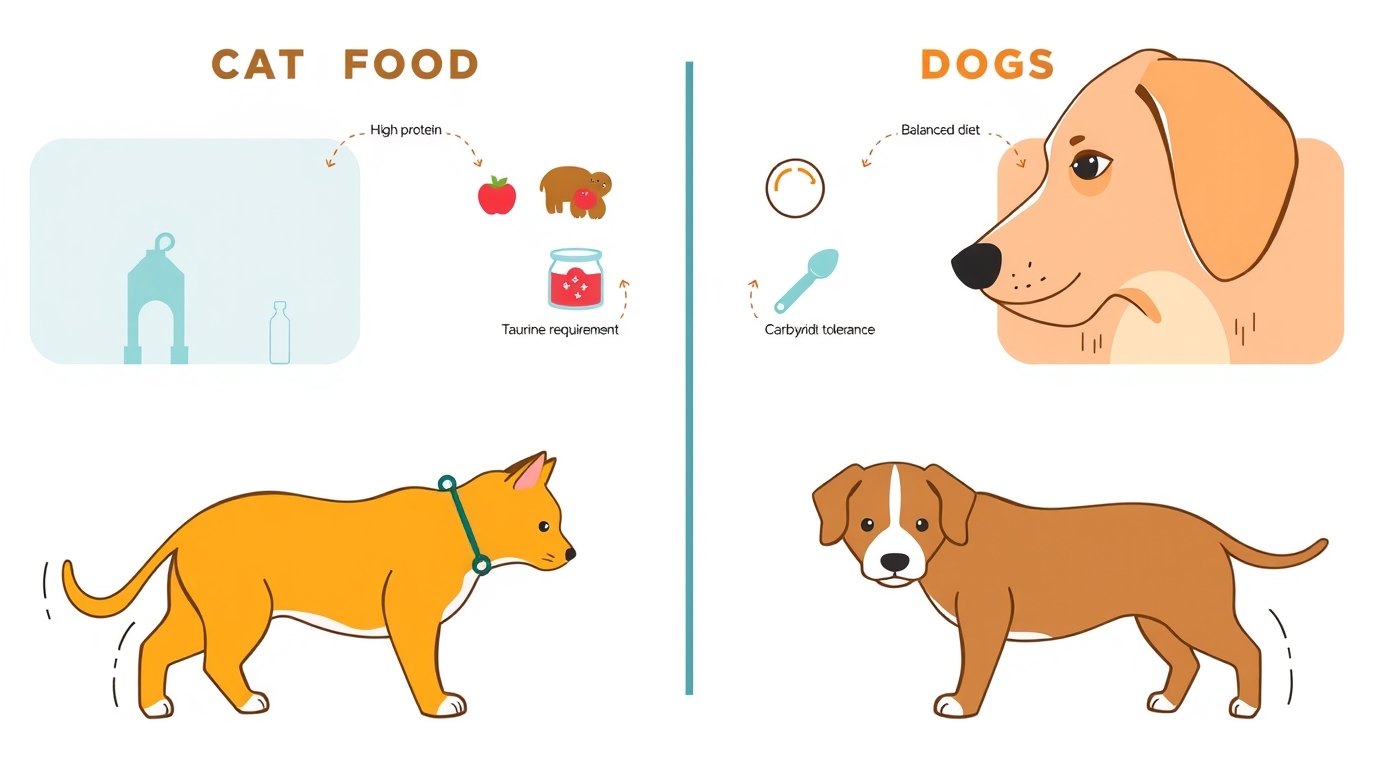
If you’re a pet parent, you’ve probably wondered, “Is cat food really that different from dog food?”The answer is a big YES. Cats and dogs have completely different nutritional needs, and feeding the wrong food can harm their health over time. This article breaks down all the major differences, complete with a cat food vs dog food comparison chart to help you understand what’s right for your furry friend. What Makes Cat Food Different from Dog Food? Carnivores vs Omnivores Cats are obligate carnivores, meaning they need meat to survive.Dogs are omnivores, meaning they can thrive on a mix of meat, grains, and vegetables. Key Nutritional Differences Protein Levels Cat food contains higher protein levels, as protein is the primary source of energy for cats. Fat Content Cat food often contains higher fat, giving it a richer taste. Vitamins & Minerals Cats need more taurine, vitamin A, vitamin B12, and arachidonic acid, which dog food cannot provide in adequate amounts. Essential Nutrients Required by Cats Taurine A must-have amino acid that supports vision, heart health, and digestion. Arachidonic Acid Cats cannot produce this fatty acid on their own. High Protein Requirement Cats need twice the protein that dogs do. Vitamin A & B12 Crucial for immunity, vision, and metabolism. Essential Nutrients Required by Dogs Balanced Protein Dogs do not need extremely high protein levels. Healthy Fats Fat supports energy and skin health, but in moderate amounts. Carbohydrates Dogs can digest grains and carbs easily. Vitamin & Mineral Needs Dogs produce some nutrients naturally—cats cannot. Cat Food vs Dog Food Chart (Side-by-Side Comparison) Detailed Comparison Table Nutrients/Aspect Cat Food Dog Food Protein Very high (30–40%+) Moderate (18–25%) Fat High Moderate Carbohydrates Low Higher Taurine Added Not required Vitamin A Preformed Often plant-based Texture Strong aroma, richer taste Mild aroma Designed For Carnivores Omnivores Daily Suitability Only for cats Only for dogs Why Cats Should Not Eat Dog Food Lack of Taurine Can lead to heart issues and blindness. Poor Protein Levels Dog food cannot meet a cat’s high protein demand. Risk of Malnutrition Long-term consumption can damage organs. Why Dogs Should Not Eat Cat Food Too Much Protein/Fat Dog digestive systems cannot handle excess. Digestive Issues May cause vomiting and diarrhea. Risk of Obesity & Pancreatitis Cat food is calorie-dense and harmful for dogs long term. Special Cases – Can It Ever Be Safe? Emergency Feeding Short-term or accidental feeding is usually fine. Short-Term vs Long-Term Long-term feeding is unsafe for both species. How to Choose the Right Food for Your Pet Reading Ingredient Labels Look for whole proteins, fewer fillers, and natural ingredients. Checking AAFCO Certifications Ensures the food meets minimum nutritional standards. Age-Based Nutritional Needs Homemade Food vs Commercial Food Which Is Better? Commercial food is nutritionally complete. Safety Concerns Homemade food often lacks essential nutrients. Vet Recommendations Always consult a vet before switching to homemade diets. Final Cat Food vs Dog Food Chart for Quick Understanding Category Cats Dogs Diet Type Obligate carnivores Omnivores Protein Needs Very high Moderate Taurine Required? Yes No Safe to Share Food? No No Conclusion Both cats and dogs need species-specific diets to stay healthy. While it may seem harmless to let your dog nibble on cat kibble—or vice versa—these foods are specially formulated for the unique nutritional needs of each species. Always choose food that matches your pet’s biological requirements to ensure a long, healthy, and active life. FAQs 1. Is it okay for dogs to eat cat food occasionally? Yes, but only occasionally. Long-term consumption can cause health issues. 2. What happens if a cat eats dog food every day? It can lead to nutrient deficiencies, heart problems, and even blindness. 3. Why is taurine important for cats? It supports vision, digestion, heart function, and immune health. 4. Can puppies and kittens eat the same food? No. Both require age-specific formulas for proper growth. 5. How to safely switch pet food? Transition gradually over 7–10 days by mixing old and new food. Also Read: