OURPETTAILS

How to Take Care of a Cat: The Ultimate Guide to Feline Happiness & Health
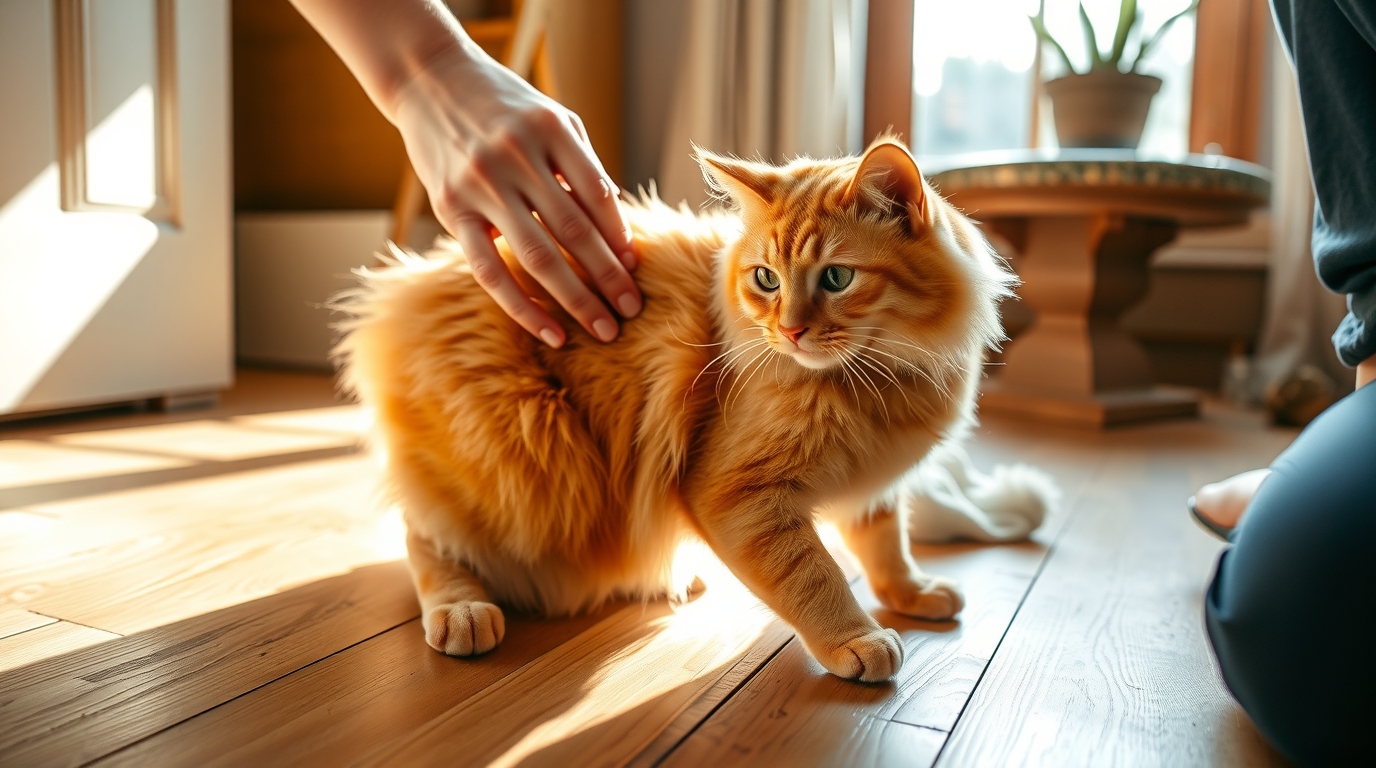
How to Take Care of a Cat

Owning a cat is one of life’s greatest joys. These intelligent, affectionate, and independent companions bring warmth and love to any home. However, caring for a cat requires more than just food and cuddles. It takes understanding, patience, and attention to their emotional and physical needs. In this comprehensive guide, you’ll learn exactly how to take care of a cat from proper feeding and grooming to health checkups and creating a safe, stimulating environment. Whether you’re a first-time cat parent or a long-time feline lover, these cat care tips will help your furry friend live a long, happy, and healthy life. 1. Create a Safe and Comfortable Environment Before bringing your cat home, you need to make sure your space is safe and comfortable. Cats are naturally curious creatures who love to explore, so your home should be cat-friendly. Key Tips: Having a stress-free environment promotes confidence and emotional well-being in your cat,especially if you’re raising a kitten or adopting a rescued cat. 2. Follow a Proper Feeding Routine Feeding is one of the most important aspects of cat care. Cats are obligate carnivores, which means they need a diet rich in animal-based protein and essential nutrients like taurine. Tips for Feeding Your Cat: Related Keyword Tip: Use search phrases like “best cat food for indoor cats” or “feeding guide for cats by age” to explore veterinarian-recommended diets. 3. Litter Training and Hygiene Litter training is a major part of learning how to take care of a cat,especially for new cat owners. Luckily, cats are naturally clean animals and usually adapt quickly. Steps for Effective Litter Training: If your cat starts eliminating outside the box, check for medical issues (like urinary infections) or environmental stress. 4. Grooming: Keep Your Cat Clean and Healthy Even though cats groom themselves, they still need your help to stay in top shape. Regular grooming prevents hairballs, matting, and skin problems. Cat Grooming Tips: Grooming is not just about hygiene,it’s a bonding experience that strengthens trust between you and your cat. 5. Regular Vet Visits and Vaccinations To ensure your cat’s long and healthy life, regular vet visits are non-negotiable. Kittens should have their first vet checkup by 6–8 weeks of age, while adult cats should visit the vet at least once a year. Vet Care Checklist: Regular vet checkups help catch health problems early,especially kidney issues, obesity, and dental disease, which are common in older cats. 6. Mental Stimulation and Playtime Cats may seem independent, but they need play and interaction to stay happy and healthy. Without mental stimulation, they can develop boredom, anxiety, or destructive behavior. Ways to Keep Your Cat Engaged: Engaged cats are happier, more active, and less likely to show signs of stress or aggression. 7. Socialization and Emotional Care Cats are social in their own way,they may not crave constant attention like dogs, but they do need affection, trust, and companionship. Socialization Tips: If you have more than one cat, introduce them gradually. Cats are territorial and may need time to adjust to new companions. 8. Indoor vs Outdoor Care: What’s Safer? Many cat owners debate whether to keep their cats indoors or let them roam outside. While outdoor life may seem adventurous, it carries risks like traffic accidents, fights, and diseases. Indoor Cat Care Tips: If you do let your cat outside, use a harness and leash or provide a secured catio (outdoor cat enclosure) to give them a taste of adventure safely. 9. Signs of a Healthy Cat Understanding your cat’s health signs can help you take quick action when needed. Healthy Cat Signs: Warning Signs to Watch For: If you notice these symptoms, contact your veterinarian immediately. 10. Caring for Senior Cats Senior cats need extra love and attention. As they age, they become more prone to joint pain, kidney issues, and reduced mobility. Senior Cat Care Tips: Your older cat will appreciate your care and return it with even deeper affection. 11. Building a Loving Bond The most important part of cat care isn’t in the food or grooming,it’s in the love and connection you build. Talk to your cat, understand their body language, and respect their boundaries. Over time, they’ll trust you completely and reward you with their unique, loyal companionship. Remember: A happy cat = a happy home. Conclusion Learning how to take care of a cat is an ongoing journey filled with patience, joy, and love. From proper feeding and grooming to playtime and emotional bonding, every small act contributes to your cat’s overall happiness. Cats may be independent, but they thrive on routine, affection, and attention. Follow these cat care tips, visit the vet regularly, and provide a safe environment and your feline friend will enjoy a long, healthy, and fulfilling life. Also Read:

Indoor Cat Care Tips for Beginners: A Comprehensive Guide

Indoor Cat Care Tips for Beginners

Caring for an indoor cat requires understanding their needs to ensure they lead a healthy and happy life. This guide provides essential tips for beginners, including how to keep your indoor cat happy, handle a cat that wants to go outside, and more. Why Indoor Cat Care is Important? Indoor cats can live long, healthy lives if their environment meets their physical and mental needs. This guide will help you provide the best care for your feline friend. Benefits of Keeping Cats Indoors Benefit Description Safety Reduced risk of accidents, predators, and diseases Health Lower exposure to parasites and contagious illnesses Longevity Indoor cats generally live longer than outdoor cats Indoor Cat Care Tips for Beginners at Home Creating a safe and stimulating environment for your indoor cat is crucial. Here are some tips to get started. Essential Indoor Cat Care Tips Tip Description Provide Fresh Water Ensure constant access to clean, fresh water Balanced Diet Feed high-quality, nutritionally complete cat food Regular Playtime Engage in daily interactive play sessions Comfortable Bedding Offer cozy and warm sleeping areas Litter Box Maintenance Keep the litter box clean and easily accessible Is It Cruel to Keep Cats Indoors? Many people wonder if it’s fair to keep cats indoors. While cats enjoy exploring, they can thrive indoors with proper care. Comparing Indoor and Outdoor Life for Cats Aspect Indoor Cats Outdoor Cats Safety High Low (risks from cars, predators, etc.) Health Generally better Higher risk of diseases and parasites Longevity Longer lifespan Shorter lifespan due to external dangers Signs of a Happy Indoor Cat Happy cats exhibit certain behaviors that indicate they are content and well-cared for. Signs of a Happy Indoor Cat Sign Description Purring Indicates contentment and relaxation Playfulness Engages in play with toys and owners Grooming Regular self-grooming Affection Seeks out attention and affection from owners Relaxed Posture Displays relaxed body language How to Keep a Cat Inside with Door Open Training your cat to stay indoors even when doors are open can be challenging but is achievable with patience. Tips to Keep Cats Inside Tip Description Use Distractions Provide toys or treats near the door to divert attention Create Barriers Use screens or baby gates to block access to open doors Positive Reinforcement Reward your cat for staying away from the door Train Commands Teach commands like “stay” or “wait” My Indoor Cat Wants to Go Outside If your indoor cat shows a desire to go outside, there are ways to manage this behavior safely. Managing a Cat’s Desire to Go Outside Method Description Supervised Outdoor Time Use a leash or harness for controlled outdoor exploration Enclosed Outdoor Spaces Provide a catio or enclosed garden area Indoor Enrichment Increase indoor activities and stimulation How to Keep Indoor Cats Happy Ensuring your indoor cat is happy involves meeting their physical, emotional, and mental needs. Ways to Keep Indoor Cats Happy Activity Description Interactive Toys Provide toys that stimulate hunting instincts Climbing Structures Offer cat trees and shelves for climbing Window Perches Set up perches to watch outside activities Social Interaction Spend quality time with your cat daily Variety of Scratching Posts Provide different textures and types of scratching posts How to Make a Cat Happy by Petting Proper petting techniques can significantly enhance your cat’s happiness and strengthen your bond. Tips for Petting Your Cat Technique Description Gentle Strokes Use gentle, slow strokes along the back Avoid Sensitive Areas Avoid the belly and tail unless your cat enjoys it Observe Body Language Stop if your cat shows signs of discomfort Focus on Favorite Spots Pet the head, cheeks, and under the chin FAQs How do you take care of a cat for beginners? Beginners should focus on providing a balanced diet, fresh water, regular playtime, and a clean litter box. Regular vet check-ups are also essential. What do indoor cats require? Indoor cats need a balanced diet, clean water, regular exercise, mental stimulation, a clean litter box, and a safe, comfortable environment. What makes cats happy? Cats are happy when they have regular playtime, social interaction, comfortable resting spots, and mental stimulation. Petting and grooming can also contribute to their happiness. How can I make my indoor cat’s life better? Enhance your indoor cat’s life by providing plenty of interactive toys, climbing structures, and comfortable resting spots. Ensure they receive regular playtime, grooming, and affection. Conclusion Taking care of an indoor cat requires understanding their needs and creating an environment that keeps them safe, healthy, and happy. By following these tips and addressing common concerns, you can ensure your feline friend leads a fulfilling life indoors. Also Read: