OURPETTAILS

Dog Food Calculator Wet and Dry: How Much Wet and Dry Food Should You Feed Your Dog?
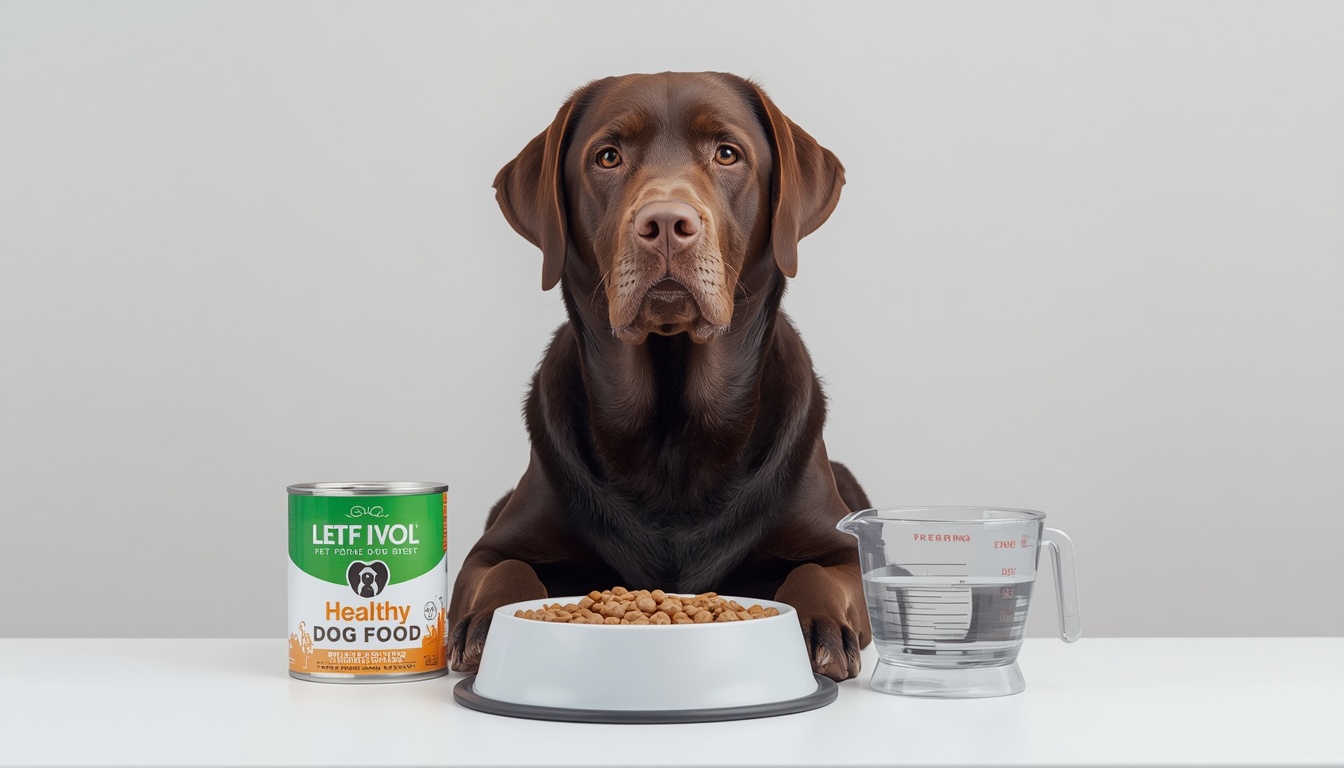
Dog Food Calculator Wet and Dry

Feeding your dog the right amount of food is one of the most important parts of keeping them healthy. However, many dog owners struggle with a common question: How much wet food and dry food should I feed my dog? Because wet food and dry food contain different amounts of calories, simply replacing one cup of kibble with one cup of wet food is not accurate. A proper dog food calculator for wet and dry food helps determine the correct portions based on your dog’s calorie needs and the calorie content of each food. This guide explains how to calculate wet and dry food portions, understand calorie requirements, and create a balanced feeding plan for puppies, adult dogs, and senior dogs. Why Use Dog Food Calculator Wet and Dry? Wet food and dry food differ significantly in moisture content and calorie density. Dry Food Typically contains: Wet Food Typically contains: As a result, one cup of dry food often contains substantially more calories than one cup of wet food. A feeding calculator helps: Understanding Dog Calorie Needs Every dog has unique energy requirements. Factors affecting calorie needs include: Typical Daily Calorie Estimates Dog Weight Approximate Daily Calories 5 kg (11 lbs) 250–400 kcal 10 kg (22 lbs) 400–700 kcal 20 kg (44 lbs) 700–1,100 kcal 30 kg (66 lbs) 900–1,600 kcal 40 kg (88 lbs) 1,100–2,000 kcal These values are estimates and should be adjusted based on body condition and veterinary advice. Dog Food Calculator Formula Step 1: Determine Daily Calorie Requirement Example: Dog weight: 20 kg Estimated daily calories: 900 kcal/day Step 2: Check Food Calories Example: Dry food: Wet food: Step 3: Calculate Portions Dry Food Only 900 ÷ 400 = 2.25 cups daily Wet Food Only 900 ÷ 350 = 2.57 cans daily Mixed Feeding Calculator Many owners combine wet and dry food. Example Daily calorie target: 900 kcal Desired split: Dry calories: 450 kcal Wet calories: 450 kcal Dry Food Amount 450 ÷ 400 = 1.13 cups Wet Food Amount 450 ÷ 350 = 1.29 cans Daily feeding plan: Wet and Dry Food Calculator Chart Small Dogs Weight Calories Dry Food Wet Food 5 kg 300 kcal ¾ cup 1 can 7 kg 400 kcal 1 cup 1¼ cans Medium Dogs Weight Calories Dry Food Wet Food 10 kg 550 kcal 1⅓ cups 1½ cans 15 kg 750 kcal 2 cups 2 cans Large Dogs Weight Calories Dry Food Wet Food 20 kg 900 kcal 2¼ cups 2½ cans 30 kg 1,300 kcal 3¼ cups 3¾ cans Examples assume approximately 400 kcal/cup dry food and 350 kcal/can wet food. Actual products vary. Puppy Wet and Dry Food Calculator Puppies generally require more calories relative to body weight than adult dogs. Puppy Feeding Example Weight: 5 kg Age: 4 months Estimated calories: 450–600 kcal/day Possible mixed feeding: Always choose foods formulated specifically for puppies. Adult Dog Mixed Feeding Guide Many adult dogs do well on a combination of wet and dry food. Benefits include: Example Schedule Morning: Evening: Adjust according to calorie needs. Senior Dog Wet and Dry Food Calculator Senior dogs may benefit from wet food because it can be easier to chew. Benefits include: Always monitor weight and appetite changes. How to Read Dog Food Labels Look for: Calories per Cup Example: 400 kcal/cup Calories per Can Example: 350 kcal/can Calories per Kilogram Example: 3,600 kcal/kg Knowing the calorie content is essential for accurate calculations. Common Mixed Feeding Ratios 75% Dry / 25% Wet Advantages: 50% Dry / 50% Wet Advantages: 25% Dry / 75% Wet Advantages: Any ratio can work if total calories remain appropriate. Benefits of Wet Food Increased Hydration Wet food contains significantly more moisture than kibble. Enhanced Flavor Many dogs find wet food more appealing. Easier Chewing Helpful for: Benefits of Dry Food Convenience Easy to store and measure. Cost Efficiency Usually less expensive per calorie. Longer Shelf Life Unopened dry food generally stores well. Common Feeding Mistakes Not Adjusting Portions Adding wet food without reducing kibble often leads to overfeeding. Ignoring Treat Calories Treats contribute to daily calorie intake. Using Volume Instead of Calories Always compare calories rather than cup size. Guessing Portions Measure food accurately whenever possible. Printable Wet and Dry Food Calculator Template Dog Information Name: ____________________ Breed: ____________________ Age: ____________________ Weight: ____________________ Daily Calorie Goal: ____________________ Food Information Dry Food Calories per Cup: __________ Wet Food Calories per Can: __________ Daily Feeding Plan Food Type Amount Dry Food ______ Wet Food ______ Daily Checklist □ Breakfast Given □ Dinner Given □ Water Refilled □ Treats Recorded □ Exercise Completed Frequently Asked Questions Is wet food better than dry food? Neither is inherently better. Both can provide complete and balanced nutrition when chosen appropriately. Can I mix wet and dry food? Yes. Many dogs thrive on mixed feeding. How do I calculate mixed feeding? Determine your dog’s calorie needs and divide those calories between wet and dry food based on the calorie content of each product. Does wet food help hydration? Yes. Wet food contains significantly more water than dry kibble. How often should I feed my dog? Final Thoughts A dog food calculator for wet and dry food helps ensure your dog receives the right amount of calories regardless of the feeding method you choose. By understanding your dog’s calorie needs and the calorie density of wet and dry foods, you can create a balanced feeding plan that supports healthy weight, proper nutrition, and overall well-being. The most accurate approach is to calculate calories first, then determine the appropriate amount of wet food, dry food, or a combination of both. Regular weight monitoring and veterinary checkups can help fine-tune your dog’s feeding plan over time. Also Read:
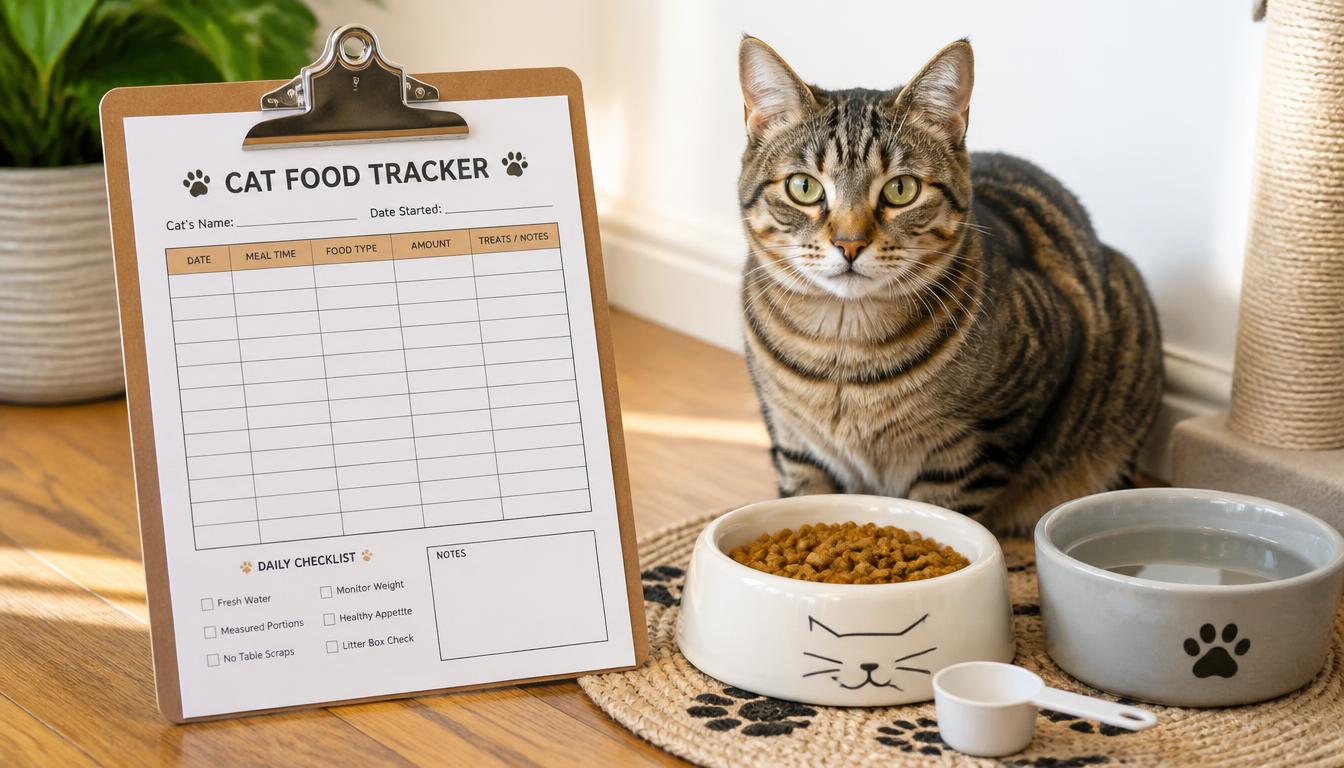
Printable Cat Food Sheet PDF: The Ultimate Guide for Organized Cat Feeding

Printable Cat Food Sheet

Keeping track of your cat’s meals may seem simple at first, but as your feline companion grows, monitoring feeding times, portion sizes, water intake, treats, medications, and weight becomes increasingly important. That’s where a Printable Cat Food Sheet PDF can make a huge difference. Whether you’re a first-time cat owner, managing multiple cats, caring for a senior feline, or simply trying to maintain a healthy feeding routine, a printable cat food sheet helps you stay organized and ensure your pet receives proper nutrition every day. In this comprehensive guide, you’ll learn what a printable cat food sheet is, why it’s useful, what information it should include, how to use it effectively, and how it can contribute to your cat’s overall health and well-being. What Is a Printable Cat Food Sheet? A printable cat food sheet is a simple document designed to help cat owners record and monitor their cat’s feeding habits. The sheet typically includes sections for: Many pet owners print these sheets and keep them on the refrigerator, near the feeding station, or inside a pet care binder. Why Use a Printable Cat Food Sheet? Many cat owners rely on memory to track feeding routines. However, this can become difficult when: A printable feeding sheet eliminates confusion and helps maintain consistency. Benefits of a Cat Food Tracking Sheet Prevents Overfeeding One of the most common causes of feline obesity is accidental overfeeding. A feeding sheet helps ensure everyone in the household knows when the cat has already been fed. Helps Monitor Health Changes in appetite are often early signs of health problems. Tracking meals makes it easier to identify unusual eating patterns. Supports Weight Management A feeding log helps monitor calorie intake and maintain a healthy weight. Simplifies Multi-Cat Households Owners with multiple cats can track each pet individually. Useful During Medical Recovery Veterinarians often recommend tracking food intake during illness or recovery. Information to Include on a Printable Cat Food Sheet Cat Information Section Include: Example: Information Details Name Luna Age 3 Years Breed Domestic Shorthair Weight 4.5 kg Daily Feeding Schedule Section Track meal times throughout the day. Example: Time Food Type Portion Completed 7:00 AM Wet Food 85g ✓ 1:00 PM Treats Small Portion ✓ 6:00 PM Dry Food 1/2 Cup ✓ This helps maintain a consistent routine. Water Intake Tracker Hydration is essential for feline health. Example: Date Water Bowl Refilled Notes Monday 3 Times Good Intake Tuesday 2 Times Normal Tracking water consumption may help identify health concerns early. Treat Tracking Section Many owners underestimate how many treats they provide. Example: Date Treat Type Quantity Monday Chicken Treats 5 Pieces Tuesday Dental Treats 4 Pieces This helps prevent excessive calorie intake. Weight Monitoring Chart Weight tracking is especially important for: Example: Date Weight January 4.6 kg February 4.5 kg March 4.4 kg Medication Tracking Section For cats receiving medications: Medication Time Completed Antibiotic Morning ✓ Supplement Evening ✓ This reduces missed doses. Printable Weekly Cat Food Sheet Template Monday Breakfast: __________ Lunch: __________ Dinner: __________ Treats: __________ Water Intake: __________ Notes: __________ Tuesday Breakfast: __________ Lunch: __________ Dinner: __________ Treats: __________ Water Intake: __________ Notes: __________ Wednesday Breakfast: __________ Lunch: __________ Dinner: __________ Treats: __________ Water Intake: __________ Notes: __________ Thursday Breakfast: __________ Lunch: __________ Dinner: __________ Treats: __________ Water Intake: __________ Notes: __________ Friday Breakfast: __________ Lunch: __________ Dinner: __________ Treats: __________ Water Intake: __________ Notes: __________ Saturday Breakfast: __________ Lunch: __________ Dinner: __________ Treats: __________ Water Intake: __________ Notes: __________ Sunday Breakfast: __________ Lunch: __________ Dinner: __________ Treats: __________ Water Intake: __________ Notes: __________ How a Cat Food Sheet Improves Cat Health Better Portion Control Portion control reduces the risk of obesity. Consistent Feeding Times Cats thrive on routine. A feeding sheet helps maintain consistency. Early Detection of Health Problems Loss of appetite often signals illness. A feeding log helps identify changes quickly. Supports Special Diets Cats with: benefit from detailed feeding records. Printable Cat Food Sheet for Kittens Kittens require more frequent meals. Sample kitten schedule: Time Meal 7:00 AM Breakfast 11:00 AM Meal 3:00 PM Meal 7:00 PM Dinner Tracking ensures kittens receive adequate nutrition during growth. Printable Cat Food Sheet for Senior Cats Senior cats often require: A printable sheet simplifies daily care. Cat Feeding Tips Follow Portion Guidelines Always follow feeding recommendations provided by your veterinarian or pet food manufacturer. Provide Fresh Water Daily Hydration is critical for urinary and kidney health. Avoid Excess Treats Treats should only represent a small portion of daily calories. Monitor Weight Monthly Regular monitoring helps identify trends before they become problems. Record Changes in Appetite Even small changes can provide valuable health insights. Frequently Asked Questions Why should I use a printable cat food sheet? A feeding sheet helps maintain consistency, prevent overfeeding, and monitor health changes. Can I use the same sheet for multiple cats? Yes. Create separate sections for each cat. How often should I update the sheet? Daily updates provide the most accurate information. Is a feeding sheet useful for healthy cats? Absolutely. Preventive tracking helps maintain long-term health. Should I track water intake too? Yes. Changes in drinking habits can indicate health concerns. Final Thoughts A Printable Cat Food Sheet PDF is a simple yet powerful tool for responsible pet ownership. By tracking feeding schedules, portion sizes, treats, hydration, medications, and weight, you gain a clearer picture of your cat’s overall health and nutritional needs. Whether you’re caring for a playful kitten, an active adult cat, or a senior feline companion, a printable feeding sheet can help ensure consistency, improve communication among family members, and support your cat’s well-being for years to come. Also Read:

Why Is My Cat Pooping on the Bed? Important Causes, Solutions, and When to Worry

Why Is My Cat Pooping on the Bed

Finding cat poop on your bed can be frustrating and confusing, especially if your cat is normally litter-trained. While it may seem like bad behavior, cats usually poop outside the litter box for a reason. Understanding on the question of Why Is My Cat Pooping on the Bed the underlying cause is the first step toward solving the problem. Few things are more frustrating for a cat owner than waking up to find that their cat has pooped on the bed. If your normally litter-trained feline suddenly starts using your bed as a bathroom, you’re probably wondering what went wrong and how to stop it. The good news is that this behavior is rarely random. Cats often poop outside the litter box because of medical issues, stress, litter box problems, or environmental changes. Understanding the root cause is the key to solving the issue and helping your cat return to healthy litter box habits. In this guide, we’ll explore the most common reasons cats poop on beds and the practical steps you can take to fix the problem. Common Reasons Why Cats Poop on the Bed 1. Medical Problems Health issues are one of the most important causes to rule out. Possible medical conditions include: If the behavior starts suddenly, schedule a veterinary visit to check for underlying health issues. 2. Litter Box Problems Cats can be very particular about their litter boxes. Common issues include: Many cats will seek alternative locations if they dislike their litter box setup. 3. Stress and Anxiety Stress is one of the most common behavioral causes. Triggers may include: Your bed smells strongly like you, which may make it feel like a safe place when your cat is anxious. 4. Territorial Marking Although spraying is more common, some cats may defecate in prominent locations when they feel their territory is threatened. Possible triggers include: 5. Multiple Cat Household Issues If you have more than one cat, litter box competition may be the problem. Experts often recommend: One litter box per cat, plus one extra. For example: This helps reduce territorial disputes and litter box avoidance. 6. Negative Litter Box Experiences A cat may avoid the litter box if they associate it with pain or fear. Examples include: Once a negative association develops, some cats choose alternative locations. 7. Aging and Senior Cat Issues Older cats may develop: These conditions can make reaching the litter box difficult. Why the Bed Specifically? Many owners wonder why their cat chooses the bed. Possible reasons include: Comfort Beds are soft and comfortable. Familiar Scent Your bed carries your scent, which may comfort a stressed cat. Attention-Seeking Behavior Some cats learn that inappropriate elimination gets a strong reaction from owners. Safety Cats may feel safer on a bed than in a noisy or stressful litter box area. How to Stop Your Cat From Pooping on the Bed? Schedule a Veterinary Checkup Rule out medical causes first. Clean Thoroughly Use an enzymatic pet cleaner designed to remove odors completely. Regular cleaners may leave scent traces that encourage repeat incidents. Improve Litter Box Hygiene Add More Litter Boxes Provide enough boxes throughout the home. Try Different Litters Experiment with: Many cats prefer unscented options. Reduce Stress Help your cat feel secure by: Restrict Bedroom Access Temporarily While addressing the issue, you may need to limit access to the bed. Signs You Should See a Vet Immediately Seek veterinary care if your cat has: These symptoms may indicate a medical condition requiring treatment. Frequently Asked Questions Is my cat pooping on the bed out of spite? No. Cats generally do not eliminate outside the litter box out of revenge or spite. There is usually a medical, environmental, or behavioral reason. Why does my cat poop on my bed but pee in the litter box? This can happen when a cat associates the litter box with discomfort during bowel movements or has a specific aversion related to defecation. Will punishment stop the behavior? No. Punishment often increases stress and can make the problem worse. Can stress really cause this? Yes. Stress and anxiety are among the most common reasons cats eliminate outside the litter box. Final Thoughts If your cat is pooping on the bed, don’t assume it’s a behavioral problem or an act of defiance. Medical issues, litter box dissatisfaction, stress, territorial concerns, and age-related changes are all common causes. The best approach is to: Once the underlying cause is identified, most cats can successfully return to using their litter box consistently. Also Read:

High Quality Wet Food Options for Picky Eaters: The Complete Guide

High Quality Wet Food Options for Picky Eaters

If you have a picky cat, mealtime can feel like a daily challenge. One day they love a particular food, and the next day they sniff it, walk away, and leave you wondering what went wrong. You’re not alone. Picky eating is one of the most common concerns among cat owners. The good news is that the right wet food can often transform mealtime from a battle into an enjoyable routine. Wet food offers stronger aromas, softer textures, and higher moisture content than dry kibble, making it especially appealing to finicky cats. Veterinary experts frequently recommend wet food because it supports hydration and often encourages better food intake in selective eaters. This guide covers the best high quality wet food options for picky eaters, what makes cats reject food, and how to choose a formula your feline companion will enjoy. Why Are Some Cats So Picky? Cats have evolved as hunters, and their food preferences are strongly influenced by smell, texture, and consistency. Common reasons for picky eating include: A cat’s sense of smell plays a major role in food acceptance. Experts note that aroma often matters more than flavor when cats decide whether to eat. Why Wet Food Works Better for Picky Eaters? Wet food provides several advantages. Stronger Aroma The scent released from wet food is much stronger than dry kibble. This makes it more appealing to: Better Hydration Wet food contains significantly more moisture than dry food, helping support hydration, urinary health, and kidney function. Softer Texture Many picky cats prefer: over crunchy kibble. Higher Palatability Wet foods often contain richer flavors and meat-based ingredients that closely resemble a cat’s natural prey diet. What to Look for in High-Quality Wet Cat Food? Real Animal Protein Choose foods with ingredients such as: listed near the top of the ingredient panel. High Moisture Content Many veterinarian-recommended wet foods contain around 75% or more moisture, helping support hydration. Complete and Balanced Nutrition Look for foods formulated to meet established nutritional standards for your cat’s life stage. Veterinary experts recommend choosing complete and balanced formulas rather than judging quality solely by individual ingredients. Appealing Texture Some cats prefer: Experimenting with texture can often solve picky eating problems. Top High-Quality Wet Food Options for Picky Eaters 1. Purina Fancy Feast Grilled Wet Cat Food in Gravy Many veterinary reviews and expert roundups consistently highlight Fancy Feast Grilled recipes as highly appealing to picky eaters due to their strong aroma and gravy texture. Benefits: 2. Sheba Perfect Portions According to reviews focused on finicky cats, Sheba’s soft texture and fresh single-serve portions make it popular among selective eaters. Benefits: 3. Tiki Cat After Dark This food is frequently recommended for cats that enjoy strong meat aromas and high-protein diets. It features nutrient-dense ingredients and protein-rich recipes. Benefits: 4. Royal Canin Adult Instinctive Royal Canin formulas are designed with palatability in mind and are often recommended for cats that need encouragement to eat. Benefits: 5. Weruva Cats in the Kitchen Known for its gravy-rich recipes and visible meat shreds, Weruva is frequently recommended for cats that enjoy softer textures. Benefits: Personal Recommendation-Click here Products Frequently Mentioned for Picky Cats Gourmet Purina Gourmet Mon Petit Intense Cat Food Royal Canin Feline Care Nutrition Urinary Care Adult Thin Slices in Gravy These products are often considered by owners looking for flavorful wet food options and gravy-based textures. Common Mistakes When Feeding a Picky Cat Constantly Switching Foods Frequent changes can make picky behavior worse. Offering Too Many Treats Cats that fill up on treats may ignore regular meals. Leaving Food Out All Day Scheduled feeding often encourages better eating habits. Ignoring Texture Preferences Many cats reject foods based on texture rather than flavor. How to Encourage a Picky Cat to Eat Warm the Food Slightly A few seconds of warming can increase aroma. Add Water or Broth This can enhance smell and texture. Maintain a Consistent Schedule Cats thrive on routine. Try Different Textures Experiment with: Reduce Stress During Meals Provide a quiet feeding environment. Wet Food Textures Picky Cats Usually Prefer Gravy Lovers Best choices: Pâté Fans Best choices: Chunk Lovers Best choices: Finding the right texture can be more important than finding a specific flavor. Wet Food vs Dry Food for Picky Cats Wet Food Advantages Dry Food Advantages For many picky cats, a mixed-feeding approach works well. Signs Your Cat Likes Their Food Look for: These signs suggest the food is both appealing and nutritionally appropriate. When to See a Veterinarian? Picky eating can sometimes signal medical problems. Seek veterinary advice if your cat: Sudden appetite changes should never be ignored. Frequently Asked Questions What is the best wet cat food for picky eaters? Many picky cats respond well to gravy-rich and highly aromatic foods such as Fancy Feast Grilled, Sheba Perfect Portions, Tiki Cat After Dark, Weruva, and Royal Canin formulas. Why does my cat eat wet food but not dry food? Wet food offers stronger aroma, softer texture, and higher moisture content, which many cats find more appealing. Should I feed wet food every day? Many veterinarians recommend incorporating wet food daily because it helps support hydration and overall health. Is grain-free wet food better? Not necessarily. The best choice depends on your cat’s individual needs and sensitivities. Final Thoughts Finding the right wet food for a picky eater often requires patience, but it is possible. The most successful options typically combine strong aroma, appealing texture, high-quality animal protein, and complete nutrition. Veterinary experts consistently emphasize moisture-rich diets and palatable formulations as key factors in encouraging cats to eat. Instead of focusing solely on brand names, pay attention to your cat’s preferences. Some cats love gravy, others prefer mousse, and some only eat shredded meat textures. Once you discover what your cat enjoys, mealtime becomes far less stressful for both of you. Also Read:

What’s the Best Wet Cat Food? A Complete Guide to Choosing the Right Wet Food for Your Cat

What’s the Best Wet Cat Food

As a cat owner, one of the most important decisions you’ll make is choosing the right food for your feline companion. Walk into any pet store or browse online, and you’ll find hundreds of wet cat food options claiming to be the healthiest, most nutritious, and most delicious. This often leaves cat parents asking a simple question: What’s the best wet cat food? The answer depends on your cat’s age, health condition, activity level, and personal preferences. However, veterinarians generally agree that high-quality wet cat food offers significant benefits due to its high moisture content, quality protein sources, and palatability. Wet food helps cats stay hydrated and can support urinary tract health, kidney function, and overall wellness. This comprehensive guide will help you understand what makes a great wet cat food, how to choose the right option, and which products are worth considering for your furry friend. Why Wet Cat Food Is Important? Cats evolved as desert animals and naturally have a low thirst drive. In the wild, they obtain much of their hydration from prey animals. Because of this, many domestic cats don’t drink enough water on their own. Wet cat food typically contains 75% to 85% moisture, making it an excellent source of hydration. This additional moisture can support: Veterinary experts frequently recommend wet food for cats that need extra hydration or have urinary or kidney concerns. Benefits of Wet Cat Food Better Hydration The primary advantage of wet food is its high water content. Cats often consume significantly more water through wet food than through drinking alone. Higher Protein Content Many wet foods contain higher levels of animal-based protein and fewer carbohydrates compared to dry kibble. Cats are obligate carnivores, meaning they require animal protein as the foundation of their diet. Easier to Eat Wet food is softer and easier to chew, making it ideal for: More Appealing to Picky Eaters The aroma and texture of wet food often make it more attractive than dry food, especially for finicky cats. What Makes a Wet Cat Food High Quality? Not all wet cat foods are created equal. When evaluating a wet cat food, look for: Real Animal Protein The first ingredient should ideally be: Cats require protein for muscle maintenance, immune health, and energy. Complete and Balanced Nutrition Look for products labeled as complete and balanced for your cat’s life stage. Veterinary experts recommend choosing foods that meet established nutritional standards. High Moisture Content Quality wet foods typically contain at least 75% moisture. Minimal Fillers Avoid foods that rely heavily on: Best Wet Cat Food Categories Different cats have different nutritional needs. Best Wet Food for Adult Cats Adult cats benefit from balanced nutrition focused on: Many veterinarians recommend science-backed brands that invest heavily in nutritional research and feeding trials. Best Wet Food for Kittens Kittens require: Veterinary recommendations often include kitten-specific formulas designed for growth and development. Best Wet Food for Senior Cats Senior cats often need: Specialized senior formulas may help support mobility and muscle maintenance. Popular Wet Cat Food Options Here are some widely recognized options available in many markets: Sheba Premium Wet Cat Food High-rated, moist cat food with premium ingredients. 4.8 Purina Felix Jelly Adult Wet Cat Food Popular jelly-style wet food loved by cats, highly rated. 4.9 Royal Canin Feline Care Nutrition Hairball Adult Wet Cat Food •Specialized for hairball control, moist and nutritious. Me-O Adult Wet Cat Food •Affordable, highly-rated wet food for adult cats. 4.9 Bellotta Premium Wet Food for Cats and Kittens ₹55•Premium wet food suitable for both cats and kittens. 4.9 Premium Category Many cat owners choose premium foods because they often contain higher-quality protein sources and specialized nutrition. Examples include: Budget-Friendly Category Affordable options can still provide good hydration and nutrition. Examples include: For Picky Eaters Many picky cats enjoy: These options often feature gravy or jelly textures that cats find highly appealing. Wet Food vs Dry Food Many cat owners wonder which is better. Wet Food Advantages Dry Food Advantages Many veterinarians suggest a combination of wet and dry food for healthy cats when appropriate. How Much Wet Food Should You Feed? The amount depends on: General Feeding Guide Cat Weight Wet Food Per Day 5–8 lbs 1.5–2 cans 8–10 lbs 2–3 cans 10–15 lbs 3–4 cans Always follow manufacturer feeding guidelines and consult your veterinarian for personalized recommendations. Common Wet Food Textures Cats often have strong texture preferences. Pâté Smooth and easy to eat. Best for: Minced Small meat pieces in sauce. Best for: Chunks in Gravy Large pieces with gravy. Best for: Jelly Soft chunks suspended in jelly. Best for: Veterinary experts note that exposing cats to different textures early may reduce pickiness later in life. Ingredients to Look For Prioritize foods containing: Taurine is especially important because cats cannot produce enough on their own. Ingredients to Avoid Limit foods containing excessive amounts of: High-quality ingredients generally support better long-term health. Signs Your Cat Likes Their Food Positive signs include: Signs a Food May Not Be Suitable Watch for: Consult your veterinarian if symptoms persist. Transitioning to a New Wet Food Switch gradually over 7–10 days. Transition Schedule Day Old Food New Food 1–2 75% 25% 3–4 50% 50% 5–6 25% 75% 7+ 0% 100% Gradual transitions help reduce digestive upset. Frequently Asked Questions Is wet cat food better than dry food? Neither is universally better. Wet food offers superior hydration, while dry food provides convenience. Many cats benefit from a combination of both. Should cats eat wet food every day? Many veterinarians recommend including wet food regularly because of its hydration benefits. Is grain-free wet food necessary? Not necessarily. Many cats do well on foods containing quality grains unless a specific sensitivity exists. How long can wet cat food sit out? Generally, no longer than 1–2 hours at room temperature. What protein is best for cats? Chicken, turkey, salmon, tuna, and other animal proteins are excellent choices. Final Thoughts When asking “What’s the best wet cat food?”, the answer depends on your … Read more

Female Cat Weight Chart by Age: Complete Growth Guide from Kitten to Adult Cat

Female Cat Weight Chart by Age

If you’re wondering whether your cat is growing at a healthy rate, a female cat weight chart by age is one of the most useful tools you can use. Monitoring your cat’s weight helps you identify growth issues early, maintain ideal body condition, and ensure your feline companion receives the right nutrition at every life stage. Whether you have a newborn kitten, a playful adolescent cat, or a mature adult feline, understanding healthy weight ranges can help you support your cat’s long-term health. In this comprehensive guide, we’ll cover a detailed female cat weight chart, growth milestones, feeding recommendations, and expert tips to keep your cat at a healthy weight. Why Monitoring Female Cat Weight Is Important A cat’s weight is one of the strongest indicators of overall health. While every cat is unique, healthy growth typically follows predictable patterns. Tracking weight helps: Regular weigh-ins are especially important during the first year when kittens experience rapid growth. Female Cat Weight Chart by Age The following chart provides average weight ranges for female domestic cats. Individual breeds may vary. Age Average Female Cat Weight Birth 85–115 grams 1 Week 150–250 grams 2 Weeks 250–350 grams 3 Weeks 350–450 grams 4 Weeks 450–550 grams 5 Weeks 550–650 grams 6 Weeks 650–800 grams 7 Weeks 800–900 grams 8 Weeks 900–1,000 grams 9 Weeks 1.0–1.2 kg 10 Weeks 1.1–1.3 kg 12 Weeks 1.3–1.6 kg 4 Months 1.8–2.5 kg 5 Months 2.0–2.8 kg 6 Months 2.2–3.2 kg 8 Months 2.8–3.8 kg 10 Months 3.0–4.2 kg 12 Months 3.2–4.5 kg Adult (1–7 Years) 3.0–5.0 kg Senior (7+ Years) 3.0–5.5 kg This female cat weight chart by age in kg serves as a general guide rather than a strict rule. Female Kitten Weight Chart by Age Female kittens typically gain around 80–120 grams per week during the first few months. 0–8 Weeks Growth Stage During the neonatal period, kittens should steadily gain weight every day. Healthy female kittens generally: Any prolonged weight stagnation should be discussed with a veterinarian. 9 Week Old Female Kitten Weight Many pet owners search for the ideal weight of a 9-week-old kitten. A healthy female kitten at 9 weeks typically weighs: Factors influencing weight include: Female Cat Weight Chart by Age in Pounds For readers using pounds instead of kilograms: Age Average Weight (lbs) 8 Weeks 2.0–2.2 lbs 12 Weeks 2.8–3.5 lbs 6 Months 4.8–7.0 lbs 12 Months 7.0–10 lbs Adult Female Cat 7–11 lbs This female cat weight chart by age in pounds helps owners track growth more accurately. Average Weight of an Adult Female Cat Most healthy adult female domestic cats weigh between: However, breed significantly affects ideal weight. Smaller Breeds May weigh as little as 2.5–3.5 kg. Larger Breeds May reach 5–7 kg while remaining healthy. Female Cat Growth Stages Neonatal Stage (0–4 Weeks) Kittens rely entirely on milk and gain weight rapidly. Weaning Stage (4–8 Weeks) Introduction to solid food begins. Juvenile Stage (2–6 Months) The fastest growth period occurs here. Adolescent Stage (6–12 Months) Growth slows but continues steadily. Adult Stage (1–7 Years) Weight stabilizes when nutrition and activity remain balanced. Senior Stage (7+ Years) Weight may fluctuate due to age-related health conditions. How Much Should a Female Cat Weigh? There is no single answer because healthy weight depends on: Instead of focusing only on numbers, assess body condition. You should be able to: Female Cat Weight by Breed Breed differences play a major role in weight. Breed Average Female Weight Siamese 2.5–4 kg Persian 3–5 kg British Shorthair 3–5.5 kg Bengal 3–5 kg Maine Coon 4–6.5 kg Ragdoll 4–6 kg Always compare your cat against breed standards. What Causes Underweight Cats? If your cat falls significantly below the average female cat weight chart, possible causes include: Sudden weight loss should never be ignored. What Causes Overweight Female Cats? Obesity is one of the most common feline health problems. Common causes include: Maintaining an ideal weight helps reduce the risk of diabetes and joint problems. Best Diet for Healthy Female Cat Growth Nutrition directly impacts weight. Kitten Stage Focus on: Adult Stage Choose foods with: Senior Stage Senior cats often benefit from: How Often Should You Weigh Your Cat? Kittens Weekly weigh-ins are ideal. Adults Monthly weight checks are sufficient. Seniors Every two weeks is recommended due to higher health risks. Tracking changes over time provides more valuable information than a single measurement. Female Cat Feeding Schedule by Age 0–8 Weeks 4–6 meals daily. 2–6 Months 3–4 meals daily. 6–12 Months 2–3 meals daily. Adults 2 meals daily. Seniors 2–3 smaller meals daily. A proper feeding schedule supports healthy weight management. Signs Your Female Cat Is at a Healthy Weight Your cat is likely in a healthy range if: Regular veterinary checkups help confirm healthy body condition. Conclusion A female cat weight chart by age is an excellent tool for monitoring your cat’s development from kittenhood through adulthood. While every cat grows at a different pace, understanding average weight ranges helps identify potential health concerns early. Remember that weight alone doesn’t tell the whole story. Body condition, activity level, nutrition, and breed characteristics all contribute to a healthy cat. By tracking growth regularly and providing age-appropriate nutrition, you can help your female cat live a longer, healthier, and happier life. Frequently Asked Questions What is the average weight of a female cat? Most adult female cats weigh between 3–5 kg (7–11 lbs). How much should a 6 month old female kitten weigh? Most healthy female kittens weigh between 2.2–3.2 kg at 6 months. How much should a 9 week old female kitten weigh? A healthy 9-week-old female kitten typically weighs 1.0–1.2 kg. How often should I weigh my kitten? Weekly weigh-ins are recommended during the first six months. Can a female cat weigh more than 5 kg and still be healthy? Yes. Larger breeds such as Maine Coons and Ragdolls may naturally exceed 5 kg while maintaining a healthy body condition. Also Read:

Which Food Is Best for Persian Cat? Complete Nutrition Guide for Healthy Persian Cats

Which Food Is Best for Persian Cat

Persian cats are one of the most beautiful and luxurious cat breeds in the world. Their fluffy coats, adorable flat faces, and calm personalities make them incredibly popular among cat lovers. However, Persian cats require special care when it comes to nutrition. That is why many pet owners search for answers to the question: which food is best for Persian cat? Choosing the right food for a Persian cat is extremely important because their unique body structure, long fur, sensitive digestion, and flat facial shape create special dietary needs. Feeding poor-quality food can lead to hairballs, obesity, digestive issues, tear staining, skin problems, and low energy levels. In this complete guide, you will learn which food is best for Persian cat health, the nutrients they need, foods to avoid, feeding schedules, and expert nutrition tips to help your Persian cat live a healthy and happy life. Why Persian Cats Need Special Food? Persian cats are different from many other cat breeds. Their physical structure and long coat require carefully balanced nutrition. Here are the main reasons why Persian cats need specialized food: A proper diet helps improve overall health while keeping their coat soft, shiny, and beautiful. Important Nutrients Persian Cats Need Understanding the essential nutrients helps you choose the best Persian cat food more effectively. High-Quality Protein Cats are obligate carnivores, meaning they need animal protein to survive. The best protein sources include: Protein helps maintain: Always choose foods where real meat is listed as the first ingredient. Healthy Fats Persian cats need healthy fats for coat maintenance and skin hydration. Good fat sources include: Healthy fats reduce shedding and improve coat shine. Fiber for Hairball Control Because Persian cats groom themselves frequently, they swallow large amounts of fur. Fiber helps: Ingredients like pumpkin, beet pulp, and psyllium husk can help. Taurine Taurine is an essential amino acid for cats. It supports: Cats cannot produce taurine naturally, so it must come from food. Vitamins and Minerals Balanced vitamins help support: Look for foods containing: Which Food Is Best for Persian Cat? The best food for Persian cats usually falls into three categories: Each option has advantages depending on your cat’s age, health, and preferences. Best Dry Food for Persian Cats Dry food is one of the most convenient feeding options. Benefits of Dry Food Choose dry food specially designed for long-haired or Persian cats. What to Look for in Dry Food Persian cats often struggle with large kibble due to their flat faces, so specially shaped kibble is helpful. Best Wet Food for Persian Cats Wet food provides additional hydration and softer texture. Benefits of Wet Food Wet food is especially beneficial for: Mixed Feeding Approach Many veterinarians recommend combining both wet and dry food. Benefits of Mixed Feeding Example: This combination often works best for Persian cats. Homemade Food for Persian Cats Some owners prefer homemade diets for better ingredient control. Safe Homemade Foods However, homemade diets must remain nutritionally balanced. Always consult a veterinarian before switching to homemade cat food completely. Foods Persian Cats Should Avoid Certain foods can be dangerous or toxic for Persian cats. Toxic Foods for Persian Cats Foods That May Cause Digestive Issues Avoid feeding table scraps regularly. Best Food for Persian Kittens Persian kittens require nutrient-rich food to support growth and development. Kitten Food Should Include Kittens need more frequent meals than adult cats. Feeding Schedule for Persian Kittens Age Meals Per Day 2–3 Months 4 Meals 3–6 Months 3 Meals 6–12 Months 2–3 Meals Always provide fresh water. Best Food for Adult Persian Cats Adult Persian cats need balanced maintenance diets. Ideal Adult Diet Includes Indoor Persian cats especially need portion control to avoid obesity. Best Food for Senior Persian Cats Older Persian cats may develop: Senior cat food should contain: Wet food becomes more helpful for aging cats. How Much Should You Feed a Persian Cat? Food quantity depends on: Most adult Persian cats eat: Overfeeding can quickly lead to obesity because Persian cats are generally less active. Feeding Schedule for Persian Cats Consistency is very important. Example Feeding Routine Time Meal 7:00 AM Dry Food 1:00 PM Small Snack 7:00 PM Wet Food Avoid leaving unlimited food available all day. Common Persian Cat Feeding Problems Hairballs Long fur increases hairball risk. Solutions: Picky Eating Persian cats can become selective eaters. Try: Tear Staining Poor nutrition may worsen tear stains. Choose: Obesity Indoor Persian cats easily gain weight. Prevent obesity through: Signs Your Persian Cat Is Eating Healthy Food Healthy nutrition usually results in: Poor-quality diets often cause: Grain-Free vs Regular Cat Food Many owners wonder whether grain-free food is best. Grain-Free Food Benefits Important Note Not all Persian cats require grain-free diets. Focus more on overall ingredient quality than marketing labels. Wet Food vs Dry Food for Persian Cats Both options can work well. Wet Food Dry Food Higher moisture Convenient Softer texture Affordable Better hydration Dental benefits Strong smell Easy storage A balanced combination often provides the best results. Tips for Choosing the Best Persian Cat Food Read Ingredient Labels Carefully Avoid foods with: Choose Breed-Specific Formulas Some brands create food specifically for Persian cats. Monitor Coat Health Coat condition often reflects nutritional quality. Transition Food Slowly Sudden changes can upset digestion. Mix old and new food gradually over 7–10 days. Hydration Tips for Persian Cats Hydration is extremely important, especially for indoor cats. Ways to Improve Hydration Proper hydration supports kidney health and digestion. Frequently Asked Questions Which food is best for Persian cat hair growth? Foods rich in omega-3 fatty acids, protein, and biotin help improve coat growth and shine. Can Persian cats eat homemade food daily? Yes, but homemade diets must be nutritionally balanced and veterinarian-approved. Is wet food better for Persian cats? Wet food supports hydration and easier chewing, making it very beneficial for Persian cats. How often should Persian cats eat? Most adult Persian cats do well with two meals daily. Do Persian cats need special food? Yes, Persian cats benefit from … Read more

9 Week Old Kitten Diet – Complete Feeding Guide for Healthy Growth

9 Week Old Kitten Diet

Bringing home a kitten is exciting, but it also comes with a big responsibility—especially when it comes to nutrition. If you’re wondering what the ideal 9 week old kitten diet should look like, you’re in the right place. At this stage, your kitten is growing rapidly, developing muscles, bones, and a strong immune system. What you feed now directly impacts their lifelong health. This guide will walk you through everything you need to know about feeding a 9 week old kitten—what to feed, how much, feeding schedules, and common mistakes to avoid. What Should a 9 Week Old Kitten Eat? At 9 weeks old, kittens should be fully weaned from their mother’s milk and eating solid food. The best diet for a 9 week old kitten includes: Kitten food is specially formulated to meet the nutritional needs of growing cats, unlike adult cat food which lacks essential growth nutrients. Nutritional Needs of a 9 Week Old Kitten Understanding what goes into a proper 9 week old kitten diet is essential. 1. High Protein Intake Kittens need 30–40% protein in their diet to support muscle development. Look for real meat sources like chicken, turkey, or fish. 2. Healthy Fats Fats provide energy and help in brain development. Essential fatty acids like DHA are crucial at this stage. 3. Calcium and Phosphorus These minerals support bone and teeth development. 4. Vitamins and Minerals Important for immune health and overall growth. 5. Moisture Content Wet food helps keep kittens hydrated and supports digestion. Best Food for a 9 Week Old Kitten Choosing the best food is key to building a healthy diet. Wet Food Dry Food (Kibble) Best Approach A combination of both wet and dry food is ideal for a balanced kitten feeding routine. 9 Week Old Kitten Feeding Schedule A structured feeding routine is essential. Recommended Feeding Times Kittens should be fed 4 small meals per day to maintain energy levels. How Much to Feed a 9 Week Old Kitten Portion size depends on weight and activity level. General Feeding Guide Always follow the feeding instructions on the food packaging and adjust based on your kitten’s growth. Homemade Diet for 9 Week Old Kittens While commercial kitten food is recommended, some owners prefer homemade diets. Safe Homemade Ingredients Important Note Homemade diets must be nutritionally balanced. Always consult a veterinarian before switching to homemade meals. Foods to Avoid for 9 Week Old Kittens Certain foods can be harmful or even toxic. Never Feed A proper kitten diet plan avoids these completely. Can a 9 Week Old Kitten Eat Adult Cat Food? This is a common question. Answer: Yes, but only occasionally. Adult cat food lacks the nutrients required for growth and should not replace kitten food. Regular feeding of adult cat food can lead to: Stick to kitten-specific food for best results. Signs of a Healthy Diet in Kittens How do you know your kitten is eating well? Positive Signs Warning Signs If you notice issues, adjust the diet or consult a vet. Hydration for 9 Week Old Kittens Water is just as important as food. Tips for Hydration Proper hydration supports digestion and overall health. Common Feeding Mistakes to Avoid Many new cat owners make simple mistakes. Avoid These Errors Consistency is key for a proper kitten feeding schedule. Transitioning to New Food If you’re changing your kitten’s diet, do it gradually. Transition Plan This prevents digestive upset. Tips for Feeding a 9 Week Old Kitten These tips help maintain a healthy routine. Best Feeding Routine for 9 Week Old Kittens Here’s a simple daily plan: Time Meal 7:00 AM Wet food 12:00 PM Dry food 5:00 PM Wet food 9:00 PM Light meal This routine ensures balanced nutrition throughout the day. Conclusion A proper 9 week old kitten diet is essential for growth, energy, and long-term health. At this stage, kittens need high-quality, nutrient-rich food designed specifically for their development. By following a structured feeding schedule, providing balanced meals, and avoiding common mistakes, you can ensure your kitten grows into a healthy adult cat. Remember, what you feed your kitten today shapes their future. Invest in the right nutrition, and your kitten will thrive. FAQs 1. What should a 9 week old kitten eat daily? A mix of high-quality wet and dry kitten food divided into 4 meals per day. 2. How often should I feed a 9 week old kitten? Four times a day is ideal at this stage. 3. Can I give milk to a 9 week old kitten? No, most kittens are lactose intolerant and may develop digestive issues. 4. Is dry food safe for 9 week old kittens? Yes, but it’s best combined with wet food for balanced nutrition. 5. How do I know if my kitten is eating enough? Check for steady growth, high energy, and a healthy coat. Also Read:

Can Kittens Eat Adult Cat Food? Complete Guide for New Cat Owners

Benefits of Using a Printable Cat Feeding Schedule Template

If you’ve just brought home a kitten, one of the first questions you’ll probably ask is: can kittens eat adult cat food? It might seem harmless to share the same food with your adult cat, but when it comes to feline nutrition, age matters more than you think. Kittens are not just smaller versions of adult cats—they have completely different nutritional needs. Feeding them the wrong type of food, especially during their early growth stage, can impact their development, energy levels, and overall health. In this detailed, SEO-optimized guide, we’ll break down whether kittens can eat adult cat food, when it’s safe, the risks involved, and what you should feed your kitten for optimal growth. Can Kittens Eat Adult Cat Food? Yes, kittens can eat adult cat food in small amounts or emergencies, but it should never be their primary diet. Adult cat food is formulated for maintenance, while kittens require food designed for growth and development. Kittens need more calories, protein, fat, and essential nutrients compared to adult cats. Feeding them adult food regularly may lead to nutritional deficiencies over time. Why Kittens Need Special Food Kittens grow rapidly, especially in their first year. During this stage, their bodies are developing bones, muscles, organs, and immune systems. Key Nutritional Needs of Kittens Adult cat food simply doesn’t provide these nutrients in the required amounts. Difference Between Kitten Food and Adult Cat Food Understanding the difference will help you make better feeding decisions. 1. Protein Content Kitten food contains significantly higher protein levels to support growth, while adult food focuses on maintenance. 2. Calorie Density Kittens need more calories per pound of body weight. Adult food has fewer calories to prevent weight gain. 3. Fat Content Kitten food contains more healthy fats for energy and development. 4. Nutrient Balance Kitten food is enriched with DHA, calcium, and phosphorus, which are essential for growth. What Happens If Kittens Eat Adult Cat Food? Feeding adult cat food occasionally is not harmful, but regular feeding can cause issues. Short-Term Effects Long-Term Effects Think of it like feeding a growing child an adult diet—it simply won’t meet their needs. When Is It Okay for Kittens to Eat Adult Cat Food? There are a few situations where kittens can eat adult cat food temporarily. 1. Emergency Situations If kitten food is unavailable, adult food can be used for a short period. 2. Occasional Tasting If your kitten sneaks a bite from an adult cat’s bowl, it’s not a problem. 3. Transition Phase When switching from kitten food to adult food (around 10–12 months), gradual mixing is recommended. Best Food Options for Kittens To ensure proper growth, always choose high-quality kitten food. What to Look For Wet vs Dry Kitten Food Wet Food: Dry Food: A combination of both often works best. How Much Should You Feed a Kitten? Feeding the right amount is just as important as feeding the right type. General Feeding Guide Always follow feeding guidelines on the food package and adjust based on your kitten’s activity level. Signs Your Kitten Is Not Getting Proper Nutrition Watch for these warning signs: If you notice any of these, review your kitten’s diet immediately. Transitioning from Kitten Food to Adult Cat Food Kittens should switch to adult food around 10 to 12 months of age, depending on breed and growth. How to Transition Properly This gradual transition prevents digestive issues. Common Feeding Mistakes to Avoid Many cat owners make simple mistakes that can affect their kitten’s health. Avoid These Mistakes Consistency and proper nutrition are key. Can Kittens Eat the Same Food as Adult Cats in a Multi-Cat Household? If you have both kittens and adult cats, feeding can become tricky. Tips for Multi-Cat Homes This ensures each cat gets the right nutrition. Expert Tips for Feeding Kittens Conclusion So, can kittens eat adult cat food? The answer is yes—but only occasionally and not as a regular diet. Kittens need specialized nutrition to support their rapid growth and development. Feeding them adult cat food regularly can lead to serious health issues over time. The best approach is to provide high-quality kitten food that meets all their nutritional needs. As your kitten grows, you can gradually transition to adult food at the appropriate age. By feeding your kitten the right food at the right time, you’re setting the foundation for a healthy, happy life. Frequently Asked Questions 1. Can kittens eat adult cat food every day? No, kittens should not eat adult cat food daily as it lacks essential nutrients needed for growth. 2. What happens if my kitten eats adult cat food? Occasional consumption is fine, but regular feeding can cause nutritional deficiencies. 3. At what age can kittens eat adult cat food? Kittens can switch to adult food around 10–12 months of age. 4. Is wet or dry food better for kittens? Both are beneficial; a combination provides balanced nutrition. 5. How do I stop my kitten from eating adult cat food? Feed them separately and maintain a consistent feeding schedule Also Read:

Cat Feeding Schedule Times – The Ultimate Guide to Feeding Your Cat at the Right Time

How Much Should You Feed Your Cat at Each Time?

Feeding your cat is not just about what you serve—it’s about when you serve it. Establishing the right cat feeding schedule times can significantly impact your cat’s digestion, energy levels, behavior, and overall health. Cats are creatures of habit, and a structured feeding routine helps them feel secure and satisfied. In this SEO-optimized guide, we’ll explore the best feeding times for cats, how to create a consistent feeding schedule, and how to adjust it based on your cat’s age, lifestyle, and dietary needs. Why Cat Feeding Schedule Times Matter Have you ever noticed your cat meowing at the same time every day? That’s because cats naturally develop routines. In the wild, they hunt small prey multiple times a day, which means their bodies are designed for frequent, small meals. Setting proper cat feeding schedule times helps: Without a schedule, cats may become stressed or develop unhealthy eating habits. How Often Should You Feed a Cat? Before deciding the best feeding times, it’s important to understand how often cats should eat. General Feeding Frequency The goal is to match your cat’s feeding schedule with their biological needs. Best Cat Feeding Schedule Times for Different Life Stages Kitten Feeding Schedule Times (0–6 Months) Kittens grow rapidly and need frequent feeding. Recommended feeding times: Kittens require high-protein, calorie-rich food to support development. Adult Cat Feeding Schedule Times (1–7 Years) Adult cats benefit from a simple, consistent routine. Ideal feeding times: This schedule aligns with your daily routine and your cat’s natural hunger cycles. Senior Cat Feeding Schedule Times (7+ Years) Older cats may need smaller, more frequent meals. Recommended feeding times: Senior cats often have slower digestion, so spreading meals helps. Best Feeding Times Based on Lifestyle Indoor Cats Feeding Schedule Indoor cats are less active and require controlled feeding times. Best schedule: Avoid free feeding, as it can lead to weight gain. Outdoor Cats Feeding Schedule Outdoor cats burn more energy. Recommended feeding times: They may require slightly larger portions. Wet Food vs Dry Food Feeding Times Wet Food Feeding Times Wet food is best served at specific times because it spoils quickly. Dry Food Feeding Times Dry food can be divided into smaller portions throughout the day. Best Combination This creates a balanced and flexible feeding routine. Sample Daily Cat Feeding Schedule Here’s a practical example of a cat feeding schedule times chart: Time Meal 7:00 AM Breakfast 12:00 PM Optional snack 6:00 PM Dinner This simple routine works well for most adult cats. Should You Feed Your Cat at Night? Cats are naturally more active during dawn and dusk. Feeding your cat: is ideal. If your cat wakes you up at night for food, try: Using Automatic Feeders for Better Scheduling Automatic feeders are great tools for maintaining consistent feeding times. Benefits They are especially useful for busy pet owners. Free Feeding vs Scheduled Feeding Free Feeding Scheduled Feeding Best option: Scheduled feeding is healthier and more controlled. How Much Should You Feed Your Cat at Each Time? The amount of food matters as much as timing. General Guidelines Cat Weight Daily Food 5 lbs ¼ cup 10 lbs ½ cup 15 lbs ¾ cup Divide this into your scheduled feeding times. Common Mistakes in Cat Feeding Schedule Times Avoid these mistakes: Consistency is key to a healthy routine. Signs Your Cat’s Feeding Schedule Needs Adjustment Watch for: If you notice these signs, adjust feeding times or portions. Tips to Maintain a Perfect Feeding Schedule Creating a routine takes time, but the results are worth it. Conclusion The right cat feeding schedule times can transform your cat’s health, behavior, and happiness. Whether you have a playful kitten, an active adult cat, or a senior companion, a consistent feeding routine helps maintain balance and well-being. By feeding your cat at the same times every day, choosing the right food, and monitoring portion sizes, you can ensure your feline friend stays healthy and content. Remember—cats love routine. And a good feeding schedule is one of the best gifts you can give them. Frequently Asked Questions 1. What are the best feeding times for cats? Morning (7–8 AM) and evening (6–7 PM) are ideal for most adult cats. 2. Can cats go 8–10 hours without food? Yes, healthy adult cats can go 8–12 hours between meals. 3. Should I feed my cat before bed? Yes, a small evening meal can help prevent nighttime hunger. 4. Is it okay to feed cats only once a day? No, it’s better to feed at least twice daily for proper digestion. 5. How do I stop my cat from begging for food? Stick to a consistent schedule and avoid feeding outside designated times. Also Read: