OURPETTAILS

Cat Feeding Schedule for Weight Loss – 2026 Complete Guide

Cat Feeding Schedule for Weight Loss

Obesity is one of the most common yet overlooked health problems in cats today. Indoor lifestyles, free-feeding, overuse of dry food, and lack of structured routines often lead to gradual weight gain that many pet parents don’t notice until it becomes a serious issue. This is why more owners are now searching for a cat feeding schedule for weight loss calculator,they want a clear, structured, and safe way to help their cat slim down without harming their health. This in-depth guide will walk you through cat feeding schedules by age, how to manage wet and dry food, how often to feed wet food, and how to support weight loss naturally,especially for adult and senior cats. You’ll also learn how a cat weight loss calculator works and how to choose the right weight loss cat food. Why Cats Gain Weight So Easily Cats are natural grazers, but modern feeding habits work against their biology. Free-feeding dry kibble allows cats to eat out of boredom rather than hunger. Neutering reduces calorie needs, but portions often remain unchanged. Add low activity levels and calorie-dense food, and weight gain becomes inevitable. Even a small amount of extra weight can: A structured feeding schedule is the foundation of safe and lasting weight loss. How a Cat Feeding Schedule for Weight Loss Works A proper feeding schedule does three things: Instead of random feeding times or unlimited access to food, meals are planned, measured, and consistent. A cat feeding schedule for weight loss calculator helps determine: Understanding a Cat Weight Loss Calculator A cat weight loss calculator estimates how many calories your cat should eat daily based on: As a general rule: Weight loss in cats should be slow and gradual. Rapid weight loss can cause a dangerous condition called hepatic lipidosis (fatty liver disease). Cat Feeding Schedule by Age (Weight Loss Focused) Kitten Feeding Schedule (Not for Weight Loss) Kittens should never be put on a weight-loss diet. They require high calories for growth. Weight control starts after full growth. Adult Cat Feeding Schedule by Age (1–7 Years) For adult cats needing weight loss, structure is essential. Recommended schedule: Meals per day: 2–3 measured meals This cat feeding schedule by age works well for most indoor cats and prevents long fasting periods that increase hunger and begging. Senior Cat Feeding Schedule for Weight Loss (7+ Years) Senior cats often gain weight due to reduced activity, but they also have unique nutritional needs. A senior cat feeding schedule for weight loss should: Ideal schedule: Never aggressively cut calories in senior cats—slow adjustment is key. Cat Feeding Schedule Wet and Dry Food (For Weight Loss) One of the most effective changes for weight loss is adjusting the balance of wet and dry food. Why Wet Food Helps with Weight Loss Why Dry Food Causes Weight Gain Best Cat Feeding Schedule Wet and Dry Combination Many overweight cats lose weight naturally when switched to mostly wet food. How Many Times Should I Feed My Cat Wet Food? This is one of the most searched questions by cat owners. How many times should I feed my cat wet food?For weight loss, 2–3 times per day is ideal. Avoid leaving wet food out for long periods, especially in warm climates. Sample Cat Feeding Schedule for Weight Loss Here’s a simple daily routine for an overweight adult cat: Dry food, if used, should be reduced gradually and measured strictly. How to Help Your Cat Lose Weight Naturally Weight loss should not rely only on food reduction. Natural methods work best when combined. 1. Portion Control Measure every meal. Even “a little extra” adds up over time. 2. Increased Activity 3. Puzzle Feeders These slow down eating and increase mental stimulation. 4. Meal-Time Play Play before meals to mimic hunting behavior. This holistic approach answers the question how to help your cat lose weight naturally without stress or starvation. Choosing the Right Weight Loss Cat Food Not all cat foods labeled “light” are effective. What to Look for in Weight Loss Cat Food Wet vs Dry Weight Loss Cat Food Wet food is generally superior for weight loss due to lower calorie density. Always transition foods slowly over 7–10 days. How Much Should a Cat Lose Per Week? Safe weight loss for cats is: For a 15-lb cat, that’s about 0.1–0.15 lb per week. Never force rapid weight loss. Common Mistakes That Prevent Cat Weight Loss A structured feeding schedule eliminates most of these mistakes. Multi-Cat Homes: Managing Feeding for Weight Loss In multi-cat households, overweight cats often steal food. Solutions: Individual schedules are essential. Signs Your Cat Is Losing Weight Safely Signs to stop or adjust: Always consult a veterinarian if unsure. When to Use a Cat Feeding Schedule for Weight Loss Calculator A calculator is especially useful when: Calculators provide structure but should always be adjusted based on real-world results. Conclusion A structured cat feeding schedule for weight loss is the safest and most effective way to help your cat return to a healthy weight. By using a cat feeding schedule by age, balancing wet and dry food, understanding how many times to feed wet food, and supporting changes with play and natural activity, weight loss becomes sustainable and stress-free. Whether you’re managing an adult or planning a senior cat feeding schedule for weight loss, consistency, patience, and proper portions are the keys. With the right routine and the help of a cat weight loss calculator, your cat can lose weight naturally and regain energy, mobility, and quality of life. Also Read:
Printable Cat Feeding Schedule – Complete Daily Routine

Printable Cat Feeding Schedule

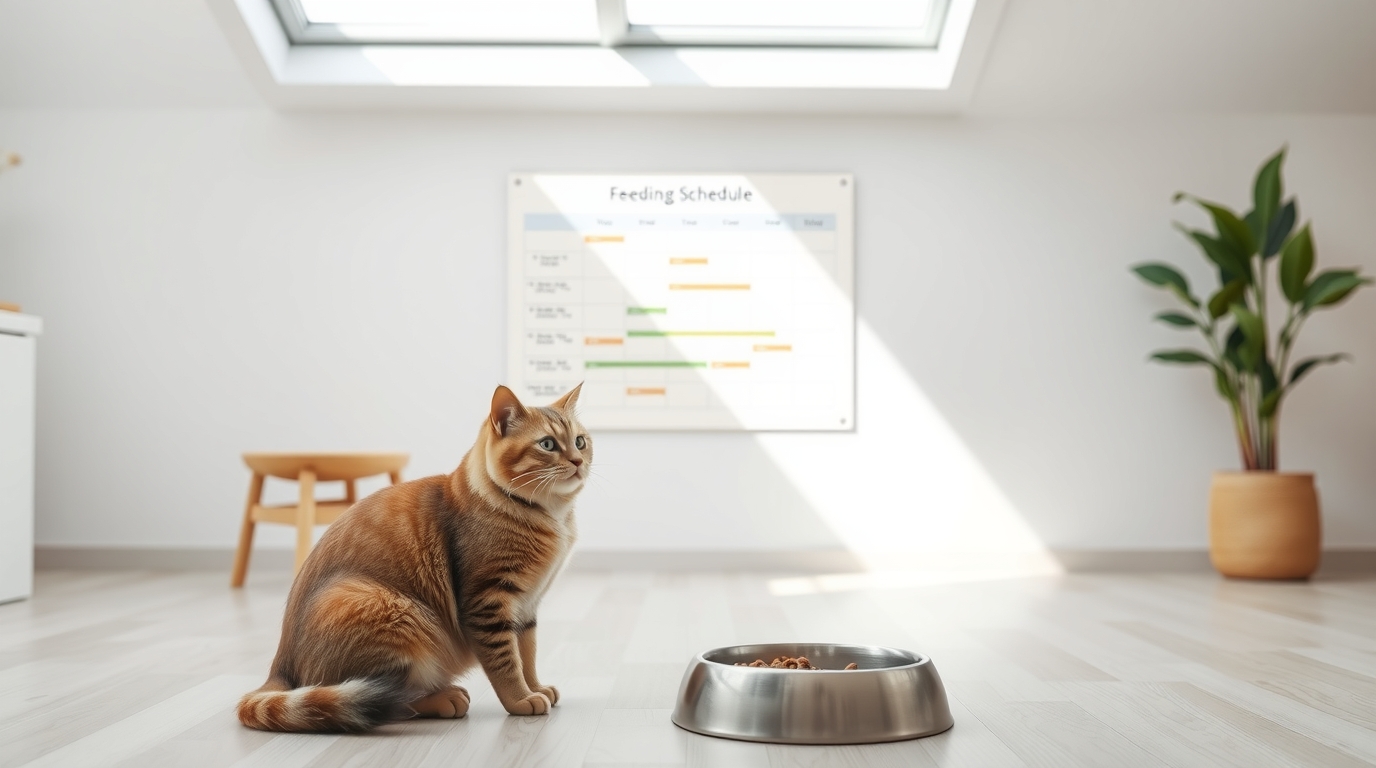
Feeding your cat at the right time and in the right quantity is one of the most important parts of responsible pet care. Cats thrive on routine, and inconsistent feeding can lead to behavioral issues, digestive problems, obesity, or excessive begging. That’s why many pet parents look for a printable cat feeding schedule—something simple, visual, and easy to follow every day. In this guide, you’ll learn how to create the perfect daily feeding routine for your cat, how much to feed based on age and weight, whether cats can go long hours without food, and how to use a printable feeding chart to stay consistent. This article is ideal for first-time cat owners, busy professionals, and families with multiple cats. Why a Printable Cat Feeding Schedule Matters Cats are creatures of habit. Unlike dogs, they prefer predictable routines and may become stressed or anxious if meals are late or irregular. A printable cat feeding schedule helps you maintain consistency, especially if multiple people feed the cat or if you have kittens, senior cats, or cats with medical needs. Benefits of using a printable feeding schedule include better portion control, reduced overeating, fewer behavioral problems, improved digestion, and easier tracking of your cat’s daily routine. It also helps prevent accidental double-feeding, which is a common cause of feline obesity. Understanding a Cat’s Natural Feeding Behavior In the wild, cats eat multiple small meals throughout the day. Domesticated cats still have this instinct, even though they rely on humans for food. Ideally, cats should eat 2 to 4 small meals per day, depending on age, health, and lifestyle. A structured feeding schedule mimics natural hunting behavior and supports stable energy levels throughout the day. Printable Cat Feeding Schedule (General Example) Here’s a simple daily feeding routine that works well for most healthy adult cats. This can be printed and placed on your fridge or feeding area. Morning (7:00–8:00 AM): Main mealMidday (12:00–1:00 PM): Small meal or snack (optional)Evening (6:00–7:00 PM): Main mealNight (Optional): Very small snack or automatic feeder portion This schedule works especially well for indoor cats and helps prevent nighttime hunger and early-morning wake-ups. Printable Cat Feeding Schedule by Age Kittens (0–6 Months) Kittens grow rapidly and need frequent meals. Meals per day: 4–5Best routine: Early morning, late morning, afternoon, evening, bedtimeNotes: Always use kitten-specific food with higher calories and protein. Adult Cats (1–7 Years) Most adult cats do best on a consistent schedule. Meals per day: 2–3Best routine: Morning and evening, with optional midday snackNotes: Avoid free-feeding dry food to prevent weight gain. Senior Cats (7+ Years) Senior cats benefit from smaller, more frequent meals. Meals per day: 2–3 small mealsBest routine: Morning, early evening, late eveningNotes: Wet food helps with hydration and kidney health. How Much to Feed a Cat Per Day Chart One of the most common questions cat owners ask is how much to feed a cat per day. The answer depends on weight, age, and activity level. Daily Feeding Chart (Average Adult Cat) Cat Weight Daily Calories Dry Food Wet Food 6–7 lbs 170–200 kcal ¼ cup 4–5 oz 8–9 lbs 200–230 kcal ⅓ cup 5–6 oz 10–11 lbs 230–260 kcal ½ cup 6–7 oz 12+ lbs 260–300 kcal ½–¾ cup 7–8 oz This chart can be included in a printable cat feeding schedule PDF for easy reference. Wet Food vs Dry Food in a Feeding Schedule A good feeding schedule considers the type of food you’re using. Wet food provides hydration and helps prevent urinary issues.Dry food is convenient and supports dental health. The best approach for most cats is combination feeding: Never leave large amounts of dry food out all day unless advised by a vet. What Is a Good Feeding Schedule for Cats? A good feeding schedule for cats is one that is consistent, balanced, and appropriate for the cat’s age and health. Most cats do best with meals served at the same times every day, ideally spaced 8–12 hours apart for main meals. A good schedule: Consistency matters more than the exact time. What Is a Good Daily Routine for a Cat? Cats thrive when feeding is part of a predictable daily routine. A healthy daily routine looks like this: Wake up → Eat → Groom → SleepPlay → Snack → RestPlay → Eat → Relax → Sleep Feeding should ideally follow playtime, as it mimics hunting behavior. This routine supports mental stimulation, weight control, and emotional well-being. Can Cats Go 8 Hours Without Food? Yes, healthy adult cats can safely go 8 hours without food, especially overnight. In fact, many cats naturally eat breakfast and dinner with an 8–12 hour gap in between. However, kittens, senior cats, diabetic cats, and cats with medical conditions may require more frequent meals. Extended fasting (over 12–24 hours) is not recommended and can lead to health issues such as hepatic lipidosis. Printable Cat Feeding Schedule for Busy Owners If you work long hours or travel frequently, a printable schedule combined with tools like automatic feeders can help maintain consistency. Tips: Common Feeding Mistakes to Avoid Free-feeding unlimited dry foodInconsistent meal timesOverfeeding treatsIgnoring calorie countsSudden food changes A printable feeding schedule helps avoid all of these issues. How to Transition to a New Feeding Schedule Change routines gradually over 7–10 days. Shift meal times by 15–30 minutes each day until you reach the desired schedule. This prevents stress and digestive upset. Why a Printable Cat Feeding Schedule Is Ideal for Multi-Cat Homes In homes with more than one cat, feeding schedules prevent food stealing, overeating, and dominance issues. Individual schedules help track how much each cat eats and identify appetite changes early. Conclusion A printable cat feeding schedule is one of the simplest yet most effective tools for improving your cat’s health and behavior. By feeding the right amount at consistent times and aligning meals with your cat’s natural routine, you support better digestion, weight management, and emotional stability. Whether you’re caring for a kitten, an adult cat, or a senior companion, a clear … Read more

Cat Food Nutrition Guide – The Complete 2026 Feeding Chart

Cat Food Nutrition Guide

Choosing the right cat food isn’t just about picking a popular brand or the most expensive bag on the shelf. The real key to raising a healthy, energetic, long-lived cat is understanding what should be inside your cat’s food and why it matters. This Cat Food Nutrition Guide covers everything you need to know about nutrients, protein sources, feeding amounts, label reading, and wet vs dry food decisions — all based on real feline biology, not marketing claims. Whether you’re a first-time cat parent or someone trying to improve your cat’s health, this guide will help you make informed decisions and avoid common mistakes that lead to obesity, kidney issues, digestive problems, or nutrient deficiencies. Why Proper Cat Nutrition Matters Cats are obligate carnivores, meaning they rely on nutrients found naturally in meat. Unlike dogs, who can digest vegetables and grains easily, cats require high levels of animal protein and essential amino acids to survive. Feeding the wrong diet can lead to serious health conditions such as: This is why a well-planned diet is essential at every stage of life — kitten, adult, senior, or special-needs cats. Essential Nutrients Every Cat Food Must Have To choose the best cat food, look for these key nutritional components: 1. High-Quality Animal Protein Cats need high protein levels from real meat sources — such as chicken, turkey, tuna, salmon, rabbit, or beef. Protein supports: 2. Essential Amino Acids (Taurine & Arginine) Taurine is critical for: 3. Healthy Fats & Omega Fatty Acids Fats provide energy and support: 4. Vitamins & Minerals Required vitamins include A, D, B-complex, E, K, and minerals such as calcium, phosphorus, magnesium, zinc. These must be properly balanced to support bones, immunity, and organ health. 5. Controlled Carbohydrates Cats do not need large amounts of carbs. Excess grains can lead to weight gain and diabetes.Prefer formulas with: 6. Moisture (Hydration Support) Cats naturally drink less water, so wet food helps prevent kidney and urinary problems.Best daily practice: Mix wet + dry feeding. Wet Food vs Dry Food – Which Is Better? Type Benefits Best For Wet Food Hydration support, urinary health, weight control, softer texture Indoor, senior, male cats, urinary-prone Dry Food Convenient, cost-effective, good for dental exercise Free-feeding control, active cats Mixed Feeding Balanced hydration + convenience Recommended for most cats Veterinarians strongly recommend wet food daily, especially for neutered males to prevent urinary blockages. How to Read Cat Food Labels Like a Pro Look for: How Much Should You Feed a Cat? General calorie guide based on weight: Weight Calories Needed per Day 3 kg / 6.6 lb 170–210 cal 4 kg / 8.8 lb 220–260 cal 5 kg / 11 lb 260–310 cal Typical feeding schedule:Morning — Wet foodAfternoon — Dry portionEvening — Wet food Special Nutrition Considerations For Kittens High protein and fat, DHA for brain developmentFeed 3–4 meals/day For Neutered Cats Lower calories, higher hydration, avoid free-feeding For Senior Cats Soft wet diets, kidney support, easier digestibility For Overweight Cats High-protein low-carb diet + slow feeders + exercise Common Cat Feeding Mistakes to Avoid ❌ Free feeding unlimited dry food❌ Feeding dog food or human food❌ Sudden diet changes❌ Ignoring hydration❌ Choosing cheap filler-based brands Final Thoughts – Building the Best Diet for Your Cat A high-quality cat diet is built on meat-based protein, taurine, healthy fats, balanced vitamins, and moisture-rich food. Always consider age, weight, and activity level, and combine wet and dry food for optimal health. With the right nutrition plan, your cat will enjoy a longer, happier, and more energetic life. FAQs – Cat Food Nutrition Guide What is the most important nutrient for cats?Animal-based protein and taurine are essential. Is wet or dry cat food healthier?Wet food is healthier for hydration and urinary safety; dry food is convenient. A mix is best. Can cats eat human food?Only a few items are safe; many are toxic. Always check first. Why is taurine important?Without taurine, cats can go blind and develop fatal heart disease. How can I prevent obesity in cats?Measure portions, control calories, and avoid free-feeding. Also Read:

Male Cat Feeding Chart by Age – Complete 2026 Nutrition Guide for Healthy Growth

Male Cat Feeding Chart by Age

Feeding your male cat the right amount of food at the right time is essential for maintaining strong muscles, healthy weight, proper growth, and long-term wellbeing. Since nutritional needs change throughout a cat’s life, an age-based feeding chart helps pet parents avoid overfeeding, malnutrition, or health complications. Male cats, especially neutered males, are more prone to obesity and urinary issues, making controlled feeding extremely important. This comprehensive guide offers a complete Male Cat Feeding Chart by Age, calorie requirements, feeding schedules, food recommendations, and expert tips to keep your feline healthy at every stage. Why Age-Based Feeding Matters for Male Cats Male cats experience major nutritional changes during their growth cycle. Kittens need high protein and high calorie diets for development, while adult males require controlled calories to maintain weight and prevent urinary issues. Senior male cats need fewer calories but higher hydration and joint support. Feeding the wrong amount can lead to issues such as obesity, diabetes, urinary blockages, and digestive discomfort, so understanding age-specific needs is crucial. Key Factors That Determine Feeding Amounts Age, body weight, activity level, food type (wet, dry, raw), neutering status, indoor vs outdoor lifestyle, brand calorie density, medical conditions. Neutered males require approximately 20–30% fewer calories because their energy use slows while their appetite increases. Indoor cats also need fewer calories compared to active outdoor males. Male Cat Feeding Chart by Age (With Portions & Calorie Requirements) Age Feeding Frequency Daily Food Amount Daily Calories Notes 0–3 months (Kitten) 4 meals/day ¼–½ cup dry or 3–6 oz wet 200–300 cal/day High protein and DHA for rapid growth 3–6 months 3 meals/day ½–¾ cup dry or 4–7 oz wet 230–360 cal/day Slowly reduce feeding frequency 6–12 months 2–3 meals/day ¾–1 cup dry or 6–9 oz wet 250–450 cal/day Transition gradually to adult food 1–7 years (Adult Male) 2 meals/day ½–1 cup dry or 5–8 oz wet 240–320 cal/day Controlled portions and weight monitoring 7–10 years (Senior Male) 2 small meals/day ½ cup dry or 4–6 oz wet 200–260 cal/day Add joint support and low sodium 10+ years (Elderly) 2–3 small meals/day ½ cup dry or 5 oz wet 180–240 cal/day Kidney-friendly, easy to digest proteins Wet Food vs Dry Food for Male Cats Wet food helps prevent urinary blockages by providing hydration, while dry food supports dental health and convenience. The best method is combination feeding: wet food twice daily and small measured dry food portions to avoid overeating. | Feature | Wet Food | Dry Food | | Hydration | 70–80% moisture | 5–10% moisture | | Benefits | Prevents urinary crystals, easier digestion | Convenient and cost-effective | | Ideal Use | Main diet for males | Supplement, not full replacement | Special Feeding Considerations for Neutered Male Cats Neutered males gain weight easily and require fewer calories. Avoid open bowls or free-feeding, use smaller portions, switch to weight-control formulas, prioritize wet food for hydration, use puzzle feeders to increase activity, and check weight every month. Safe Transitioning When Changing Foods Changing diets suddenly may cause vomiting or diarrhea. Follow this transition plan: Days 1–3: 25% new + 75% old. Days 4–6: 50% new + 50% old. Days 7–9: 75% new + 25% old. Day 10+: 100% new food. Signs of Overfeeding Rapid weight gain, heavy breathing after minimal activity, inability to jump easily, constipation, vomiting after eating, visible belly fat. Signs of Underfeeding Visible ribs or spine, constant begging, poor coat condition, fatigue, muscle loss, aggression around food. Foods Male Cats Should Never Eat Onions, garlic, chocolate, grapes, raisins, alcohol, caffeinated drinks, bones, raw pork, bread, milk or cream, processed salty foods, dog food. Hydration Requirements for Male Cats Water is essential for urinary and kidney health. Male cats need 3.5 to 4.5 ounces of water per 5 pounds of body weight per day. Use multiple water bowls, water fountains, or add water to wet food. Recommended Supplements for Male Cats Omega-3 for anti-inflammation, probiotics for digestion, cranberry extract for urinary safety, glucosamine for joints. Always consult a vet before use. Example Daily Feeding Schedule Morning: Wet food meal for hydration. Afternoon: Small dry food portion. Evening: Wet food with added water. Night: Low-calorie treats only for training. Tips to Maintain a Healthy Weight Choose high protein formulas, avoid corn-based fillers and sugars, measure food portions with a scale, track weight monthly, increase playtime and exercise activities. Conclusion Feeding your male cat based on age and nutritional needs ensures healthy growth, strong muscles, proper hydration, and long-term disease prevention. Using an accurate Male Cat Feeding Chart by Age prevents obesity, urinary issues, diabetes, and malnutrition. Always monitor weight and adjust portions based on lifestyle and veterinary guidance. A structured feeding routine paired with high-quality food is the key to a happy, healthy cat. Also Read:

Best Cat Food Homemade Recipes: Vet-Approved Guide to a Balanced Cat Diet

Best Cat Food Homemade Recipes

If you’ve ever wondered how to make homemade cat food that’s both nutritious and delicious, you’re in the right place. While commercial cat food offers convenience, nothing matches the freshness, quality, and love that goes into a bowl of homemade cat food recipes. Cats are obligate carnivores ,meaning they need a protein-rich diet sourced primarily from meat. However, with the right ingredients, supplements, and balance, you can easily prepare the best cat food homemade recipes at home to ensure your feline stays strong, energetic, and healthy. In this complete guide, we’ll cover the benefits of homemade cat food, essential nutrients, vet-approved recipes, and a cat food chart for daily feeding. Why Choose Homemade Food for Cats? Homemade cat food isn’t just about cutting costs , it’s about control, freshness, and customization. By making your cat’s meals at home, you know exactly what goes into their bowl. Benefits of a Homemade Cat Diet ✅ Fresh and Preservative-Free: No chemicals or artificial additives.✅ Tailored Nutrition: You can customize for allergies, preferences, or health conditions.✅ Better Digestion: Fresh food reduces stomach upset and improves stool quality.✅ Shinier Coat & More Energy: Balanced nutrients promote vitality.✅ Great for Picky Eaters: You can adjust texture, aroma, and ingredients your cat loves. Understanding Your Cat’s Nutritional Needs Cats require a precise balance of nutrients to thrive. A homemade cat diet should include: 💡 Tip: Homemade food must always be well-cooked and portioned according to your cat’s age, size, and activity level. Best Cat Food Homemade Recipes Here are the top 7 best cat food homemade recipes , tried, tested, and approved by veterinarians and feline nutritionists. 1. Chicken and Rice Delight Ingredients: Instructions: Benefits:Rich in protein, healthy fats, and carbohydrates — perfect for growing or active cats. 2. Salmon & Spinach Feast Ingredients: Instructions: Benefits:Omega-3 rich recipe that supports coat health, immunity, and heart function. 3. Egg and Pumpkin Power Bowl Ingredients: Instructions: Benefits:High in protein and fiber — ideal for cats with mild digestive issues. 4. Chicken Liver Meal Ingredients: Instructions: Benefits:Iron-rich recipe to prevent anemia and support energy levels. 5. Tuna and Vegetable Mix Ingredients: Instructions: Benefits:Great for picky eaters , highly palatable and easy to digest. 6. Paneer & Rice Vegetarian Option (For occasional feeding) Ingredients: Instructions: Benefits:A good emergency vegetarian cat food recipe for cats with meat allergies (shouldn’t replace regular protein meals). 7. Balanced Chicken Veggie Stew Ingredients: Instructions: Benefits:A complete, balanced meal that supports weight gain and strong bones. Homemade Cat Food Chart (By Age & Weight) Cat Age Meals/Day Portion per Meal Recommended Foods Kitten (2–6 months) 4 ¼–½ cup Chicken, rice, egg yolk, curd Adult (6 months–7 years) 2–3 ½–¾ cup Chicken, salmon, vegetables Senior (7+ years) 2 ¼–½ cup Soft rice, pumpkin, tuna 💡 Tip: Adjust meal size based on activity level , indoor cats may need 10–15% fewer calories. Cat Diet for Weight Gain (Homemade Plan) If your cat is underweight, try these high-calorie homemade cat food ideas: Cat Food Supplements to Include While homemade food provides excellent nutrition, cats need certain supplements for a truly balanced diet: Always consult your veterinarian before introducing new supplements. Tips for Preparing and Storing Homemade Cat Food Homemade Cat Food Chart PDF (Printable) For easy daily tracking, download the Cat Food Chart PDF that includes: This handy guide helps you maintain a consistent, balanced homemade cat diet throughout your cat’s life. Expert Vet Tips for a Healthy Homemade Cat Diet Signs Your Homemade Cat Diet is Working ✅ Improved energy levels and playfulness✅ Shiny, soft coat✅ Regular bowel movements✅ Better appetite and hydration✅ Steady weight and strong muscles If you notice fatigue, dull coat, or unusual shedding, revisit your cat’s nutrient balance or consult your vet. Final Thoughts Creating the best cat food homemade recipes is easier than it sounds , all it takes is the right mix of ingredients, love, and care. A well-planned homemade cat diet provides fresh, chemical-free nutrition that supports long-term health, strong immunity, and happiness. By following these healthy homemade recipes and the accompanying cat food chart, you’ll give your feline the best gift possible ,a diet crafted just for them. And for convenience, don’t forget to download your cat food chart PDF , your go-to guide for daily, weekly, and monthly feeding success. 🐾 Also Read:

Best Cat Food Storage Solutions

Best Cat Food Storage Solutions

Every pet parent knows how picky cats can be about their meals. Preserving kibble or wet food quality isn’t just about taste, it’s vital for your companion’s well-being. Exposure to air, humidity, or pests can quickly degrade nutrients and create health risks. Airtight containers are game-changers here. They lock out moisture and unwanted critters while maintaining flavor and crunch. Many designs now include handy extras like built-in scoops or stackable shapes to save space in your pantry. Material safety matters, too. Opt for BPA-free plastics or stainless steel,both durable and non-toxic choices. Transparent options let you monitor supply levels at a glance, so you’ll never run out unexpectedly. This guide explores solutions for every lifestyle, from compact bins for studio apartments to high-capacity units for multi-cat households. You’ll learn how to balance convenience, budget, and your furry friend’s unique needs. Key Takeaways Introduction Spoiled kibble can turn dinner time into danger time. Harmful bacteria like Salmonella thrive in poorly sealed containers, putting curious noses at risk. E. coli outbreaks linked to contaminated pet meals make headlines more often than owners realize. Why Proper Cat Food Storage Matters? Exposure to humidity creates mold hotspots in half-opened bags. Essential vitamins break down 40% faster when left in warm pantries. One study found improperly stored meals lose 60% of their nutrients within two weeks. Smart preservation saves money long-term. Households reduce waste by 30% when using sealed containers, according to veterinary nutritionists. Your furry friend gets more nutritional bang per bite, too. Storage Method Protection Level Cost Efficiency Airtight Containers Blocks 99% air/moisture High Original Packaging Moderate protection Low Plastic Bins Variable sealing Medium Overview of What You’ll Discover Upcoming sections reveal container designs that outsmart heat and pests. We’ll compare materials from stainless steel to advanced polymers, showing which keep meals safest. Real-world testing data highlights how different lids perform in humid climates. Expect practical tips for multi-pet homes and allergy-prone kitties. Our team analyzed 57 products to find solutions that balance security with easy access. You’ll learn how to maintain crunch and flavor while preventing oxidation. Key Factors Affecting Cat Food Freshness The longevity of your pet’s meals hinges on three critical elements. Heat, moisture, and container choices directly influence how nutrients and flavors hold up over weeks or months. Understanding these variables helps prevent waste and keeps meals appealing to finicky eaters. Temperature, Humidity, and Material Impact Kibble retains its crunch best in cool environments below 70°F. Warm pantries accelerate oxidation, causing fats to turn rancid 3x faster. Canned varieties fare worse,once opened, they require refrigeration within two hours to slow bacterial growth. Humidity acts as a silent spoiler. Just 15% moisture exposure can trigger mold in dry meals within days. Airtight containers with silicone gaskets create essential barriers, especially in humid climates or homes with fluctuating AC. Material Light Blocking Temp Stability Odor Resistance Plastic Moderate Low Medium Stainless Steel High High High Ceramic High Medium Low Freeze-dried options demand extra care. Their porous texture absorbs ambient moisture rapidly, requiring vacuum-sealed storage. Glass jars with clamp lids work well for small portions, while bulk supplies thrive in moisture-wicking Mylar bags. Optimal locations? Avoid sunlit counters or garages. Basement shelves or interior closets often provide stable conditions. One veterinary nutritionist notes: “Consistent environments matter more than fancy gadgets—simple solutions usually win.” Overview of Premium Cat Food Storage Containers Premium containers elevate pet care through advanced engineering and smart design. These solutions go beyond basic bins, combining robust materials with innovative closures to maintain meal quality. Let’s explore what makes high-end options worth the investment. Airtight Designs and Seal Mechanisms Top-tier models use vacuum-sealed systems and dual-layer gaskets to block external elements. Snap-lock latches create audible clicks when properly engaged, while twist-and-lock lids form compression seals. Lever-operated versions offer single-handed operation,perfect for busy households. Independent lab tests show multiple-closure systems reduce oxygen exposure by 89% compared to basic lids. One veterinary researcher notes: “Layered sealing approaches significantly delay nutrient degradation in both dry and moist meals.” Seal Type Air Blockage Ease Score Snap-Lock 94% 9/10 Twist Lid 88% 7/10 Lever System 97% 8/10 Durability and Safety Features Food-grade polymers and stainless steel dominate premium lines. Impact-resistant BPA-free plastic withstands drops from counter height, while rust-proof metal variants endure decades of use. Many include UV coatings to prevent sunlight degradation in sunny kitchens. Safety shines through thoughtful details. Rounded corners prevent scrapes, and smooth interiors resist bacterial growth. Childproof locks deter clever paws from midnight snack raids. As one designer explains: “We prioritize features that protect both pets and people.” Detailed Product Roundup: Best Cat Food Storage Solutions Choosing the right preservation system keeps meals fresh and pets healthy. We tested popular models to find options that balance performance with practicality. Discover which containers earned top marks from picky felines and their humans. Top Performers in Real-World Testing Vittles Vault dominates with military-grade sealing. Its 50-pound capacity suits multi-pet homes, while thick BPA-free walls block light and humidity. One user reported: “Our kibble stayed crunchier than when we used the original bag.” Budget shoppers love the IRIS USA container’s snap-lock latches. Seven sizes fit under counters or beside litter boxes. Stackable designs save space, though some note the plastic feels thinner than premium brands. Product Capacity Key Feature Best For Vittles Vault 50 lbs Gamma Seal Lid Large households IRIS USA 25-40 lbs Snap-Lock Latches Apartment dwellers Simplehuman-Pet 18 lbs Magnetic Scoop Modern kitchens Balancing Style and Function Simplehuman-Pet merges elegance with pet-safe engineering. The stainless exterior resists scratches, while the inner bucket prevents metal contact with meals. Its airtight lid clicks shut with satisfying precision—though the premium price surprises some buyers. Travelers praise TIOVERY’s portable design. The 5-pound model fits in carry-ons and blocks airport humidity. Bulk buyers lean toward Incredible Solutions for its industrial-strength hinges and wide mouth opening. Every option has trade-offs. Large containers might overwhelm small spaces, while compact models require frequent refills. Consider your pet’s appetite and your storage area before committing. What is the best … Read more

How Long is Wet Cat Food Good for After Opening?

How Long is Wet Cat Food Good for After Opening

Proper storage of moist pet meals plays a vital role in maintaining your companion’s health. Once a container or pouch is unsealed, exposure to air and bacteria accelerates spoilage. This makes timely refrigeration essential for preserving both quality and safety. Most veterinarians recommend refrigerating unused portions immediately. Storing leftovers in airtight containers helps prevent contamination from household odors. While refrigeration extends freshness, it’s crucial to use these portions within 2-3 days for optimal results. Environmental factors dramatically impact shelf life. Warm kitchens create ideal conditions for bacterial growth, while sealed packaging slows deterioration. Understanding these dynamics helps pet owners establish routines that prioritize safety without compromising nutrition. Neglecting storage guidelines can lead to digestive issues or more severe health complications. By implementing simple practices like portion control and prompt refrigeration, caregivers ensure every meal supports their pet’s wellbeing. Key Takeaways Understanding Wet Cat Food Shelf Life Every pet parent knows that freshness matters, but few realize why certain meals stay safe longer than others. The answer lies in a mix of science and smart storage practices. Factors Affecting Freshness and Safety Three key elements determine how quickly meals lose their nutritional value: Comparing Wet and Dry Cat Food Shelf Life While unopened canned meals can last 2-5 years, their dry counterparts typically stay fresh for 6-12 months. Once opened: “Moisture transforms preservation dynamics completely. Refrigeration becomes non-negotiable for safety.” Premium recipes with fresh proteins demand extra attention. Processed ingredients often withstand temperature changes better but may lack nutritional benefits. Always check expiration dates and seal containers tightly between feedings. Proper Storage: How Long is Wet Cat Food Good for After Opened Preserving your pet’s meals requires smart strategies beyond basic refrigeration. Timing and technique determine whether leftovers stay nutritious or become health hazards. Smart Refrigeration Methods Chilling meals properly prevents bacterial growth while keeping flavors intact. Follow these guidelines for optimal results: Storage Method Effectiveness Max Duration Original can + plastic lid Blocks 70% odors 3 days Airtight container Prevents 90% contamination 5 days Plastic wrap seal Reduces air exposure 2 days Detecting Compromised Meals Trust your senses when evaluating stored portions. Watch for these red flags: Indicator Fresh State Spoiled State Aroma Mild meaty scent Sour or rancid odor Consistency Smooth texture Grainy or slimy feel Color Uniform appearance Discolored patches Always inspect meals before serving. When in doubt, discard questionable portions immediately. Consistent routines protect your companion’s digestive health while maximizing nutritional benefits. Safe Serving Practices and Temperature Guidelines The clock starts ticking the moment you open that container. Exposure to air creates a race against bacterial growth, making timing your cat’s meals as important as portion sizes. Proper handling ensures every bite supports their well-being without hidden dangers. Why Time Matters More Than Appearance Harmful pathogens multiply fastest between 40-140°F – common room conditions in most homes. Salmonella colonies can double every 20 minutes in leftover food, reaching dangerous levels before odors or texture changes appear. Exposure Time Risk Level Recommended Action 0-1 hour Low Safe to refrigerate 1-2 hours Moderate Discard if above 70°F 2+ hours High Immediate disposal Create feeding routines that align with your schedule. Smaller portions served 3-4 times daily prevent leftovers while satisfying natural grazing instincts. Always remove uneaten morsels within 30 minutes during summer months. The FDA’s 2-hour rule becomes critical during heat waves. At 90°F, contamination risks spike within 60 minutes. Remember: visible freshness doesn’t guarantee safety when dealing with microscopic threats. Preventing Contamination and Bacterial Growth Your feline companion’s meals become vulnerable the moment packaging breaks its seal. Strategic storage choices act as the first defense against invisible threats that compromise quality and health. Utilizing Airtight Containers and Lids Quality storage solutions block environmental invaders while locking in essential nutrients. Consider these features when selecting containers: Studies show properly sealed meals retain 40% more vitamins compared to loosely covered portions. Always transfer leftovers from cans to dedicated containers – metal edges can trap bacteria in residual food particles. Understanding the Impact of Air and Moisture Oxygen exposure triggers two destructive processes: Humidity amplifies these risks dramatically. In damp environments, mold colonies can form within 12 hours on exposed surfaces. Regular container inspections prevent compromised seals from undermining your efforts. “Airflow acts like a turbocharger for bacterial growth – every unsealed minute matters.” Implement weekly cleaning routines using hot water and mild soap. Dry thoroughly before refilling to prevent moisture accumulation. These simple steps create lasting protection against contamination threats. Expert Tips: Maximizing Freshness and Nutritional Value Modern solutions transform how we maintain meal quality for pets. Cutting-edge tools and smarter habits preserve nutrients better than ever while simplifying daily routines. Efficient Portion Control and Storage Methods Vacuum-sealed systems outperform traditional containers by removing 98% of oxygen. These devices maintain optimal conditions for dry food up to 6 days while protecting against humidity and pests. Storage Method Freshness Duration Key Features Vacuum containers 6 days Blocks oxygen/moisture Automatic feeders 5 days Portion control + sealing Traditional containers 3 days Basic air resistance Match serving sizes to your feline’s eating pace. Scoop small amounts from refrigerated cans, resealing immediately after each use. This approach reduces temperature fluctuations that degrade nutrients. Rotate stored items using the “first in, first out” system. Mark purchase dates on containers to prioritize older stock. Professionals recommend: “Systematic rotation prevents vitamin loss while maintaining flavor integrity.” Invest in specialized containers with humidity sensors for premium protection. These units alert owners when conditions threaten freshness, allowing timely adjustments. Conclusion Caring for feline friends starts with smart meal management. Following refrigeration timelines and storage protocols preserves essential nutrients while preventing health risks. Always chill opened cans within two hours and use airtight containers to maintain quality. Moist meals demand different care than dry food varieties. Their higher moisture content creates faster spoilage risks, making strict temperature control non-negotiable. Regular checks for unusual odors or texture changes help spot compromised portions early. Proper handling directly supports your companion’s health and vitality. Simple habits like labeling containers with dates and … Read more

Redford Naturals Cat Food: Healthy Options for Your Pet

Redford Naturals Cat Food

Providing your cat with the right nutrition is crucial for their overall health and wellbeing. Redford Naturals is a premium cat food brand that offers a range of recipes designed to meet the nutritional needs of felines at every life stage. Owned by Pet Supplies Plus and manufactured in the United States, Redford Naturals stands out in the competitive cat food market with its commitment to quality ingredients and nutritional excellence. Their product lines include dry kibble, wet food options, and specialized formulas, ensuring there’s something for every cat. Key Takeaways Understanding Redford Naturals: Brand Overview Pet owners seeking high-quality cat food often turn to Redford Naturals, a brand backed by Pet Supplies Plus. This connection not only ensures a certain level of quality but also reflects the brand’s commitment to providing nutritious and safe food for cats. The Story Behind Redford Naturals Redford Naturals was created with the goal of offering cat owners a range of healthy and affordable cat food options. By leveraging the resources and expertise of Pet Supplies Plus, the brand has been able to establish itself as a reputable name in the pet food industry. The brand’s focus on using high-quality ingredients and adhering to strict manufacturing standards has earned it a loyal customer base. Pet Supplies Plus and Product Manufacturing Pet Supplies Plus is not just the parent company of Redford Naturals; it is also responsible for manufacturing its cat food products in the United States. This means that Redford Naturals benefits from the company’s extensive experience and knowledge in the pet supply industry. The manufacturing process involves rigorous quality control measures to ensure that every product meets the brand’s high standards. By producing cat food in the U.S., Redford Naturals is able to maintain transparency and consistency in its products, giving pet owners peace of mind. Ingredient Quality Analysis Redford Naturals cat food is formulated with a focus on high-quality ingredients that support overall feline health. The brand’s commitment to using wholesome ingredients is evident in their recipes, which include a mix of protein sources, fruits, vegetables, and nutritional supplements. The quality of ingredients in Redford Naturals cat food is a critical factor in determining its nutritional value. By examining the ingredient list, we can gain insights into the brand’s approach to formulating recipes that meet the dietary needs of cats. Primary Protein Sources The primary protein sources in Redford Naturals cat food include high-quality animal proteins such as chicken, salmon, and lamb. These protein sources provide essential amino acids that support muscle health and overall wellbeing in cats. Redford Naturals emphasizes the use of named protein sources, which is a hallmark of high-quality cat food. By using specific protein sources, the brand can ensure that the food is rich in the nutrients that cats need to thrive. Supporting Ingredients and Fillers In addition to primary protein sources, Redford Naturals cat food includes a variety of supporting ingredients such as grains, vegetables, fruits, and nutritional supplements. These ingredients provide essential vitamins, minerals, and fiber that complement the protein sources and create a balanced diet. The brand minimizes the use of fillers and low-quality ingredients, instead opting for functional ingredients that offer specific health benefits. For example, probiotics and digestive enzymes support digestive health, while omega fatty acids promote skin and coat health. Ingredient Nutritional Value Health Benefit Chicken High-quality protein Supports muscle health Blueberries Rich in antioxidants Promotes overall health Omega Fatty Acids Essential fatty acids Supports skin and coat health By combining high-quality protein sources with supporting ingredients, Redford Naturals creates nutritionally complete and balanced formulas for cats. The brand’s approach to ingredient selection and formulation helps to ensure that their cat food meets the dietary needs of cats at different life stages. Sourcing Practices and Standards The foundation of Redford Naturals‘ cat food lies in its rigorous sourcing practices and quality control measures. Ensuring the highest quality of ingredients is paramount for the brand. Where Ingredients Come From Redford Naturals sources its ingredients from trusted suppliers who adhere to stringent quality and safety standards. The brand prioritizes using fresh, non-GMO ingredients that are rich in nutrients, ensuring that the cat food is not only delicious but also safe and healthy for consumption. Quality Control Measures The brand implements rigorous quality control processes to ensure the consistency and safety of its products. This includes regular testing for contaminants and adherence to strict manufacturing protocols. Redford Naturals has maintained a good safety record with no recalls to date, reflecting its commitment to product integrity and pet well-being. Quality Aspect Redford Naturals Standard Industry Standard Ingredient Sourcing Non-GMO, Fresh Varies by Supplier Product Testing Regular Contaminant Testing Periodic Testing Manufacturing Protocols Strict Adherence General Guidelines By comparing Redford Naturals‘ quality control measures to industry standards, it’s clear that the brand goes above and beyond to ensure the quality and safety of its cat food. This commitment provides cat owners with confidence in the brand’s products. Nutritional Value of Redford Naturals Cat Food Understanding the nutritional value of Redford Naturals cat food is crucial for making informed decisions about your cat’s diet. Redford Naturals cat food is formulated to provide a balanced and nutritious diet, supporting your cat’s overall health and well-being. Guaranteed Analysis Breakdown The guaranteed analysis on Redford Naturals cat food labels provides a detailed breakdown of the nutritional content, including protein, fat, and other essential nutrients. This analysis is crucial for understanding the quality and nutritional value of the food. By examining the guaranteed analysis, cat owners can better understand how Redford Naturals cat food supports their pet’s nutritional needs. AAFCO Standards Compliance Redford Naturals cat food complies with the AAFCO (Association of American Feed Control Officials) standards, ensuring it meets the minimum nutritional requirements for cats. AAFCO standards are a benchmark for the pet food industry, guaranteeing that foods are palatable, digestible, and capable of sustaining cats over time. Redford Naturals doesn’t just rely on laboratory analysis; they’ve put their food through AAFCO feeding trials. This means their cat food … Read more

Tiny Tiger Cat Food: High-Quality Meals for Your Kitty

Discover the best Tiny Tiger cat food for your feline friend. Our review covers the benefits, ingredients, and overall quality of this popular cat food brand.

Discover Tiny Tiger cat food, a relatively new brand that’s making waves among cat owners for its affordable, protein-rich formulations. Backed by Chewy’s private label brands, Tiny Tiger is exclusively available on Chewy’s website, offering a range of products that cater to different feline dietary needs. This brand stands out in the competitive cat food market due to its commitment to quality and nutrition. With manufacturing and sourcing in the United States and Canada, Tiny Tiger ensures a high standard of its product. Key Takeaways What is Tiny Tiger Cat Food? For cat owners seeking high-quality meals without breaking the bank, Tiny Tiger cat food is an emerging brand worth considering. Tiny Tiger is Chewy’s exclusive private-label cat food brand, offering a range of nutritious options for cats. Brand Overview Tiny Tiger is a relatively new brand backed by Chewy’s private label brands, available exclusively on Chewy’s website. With its headquarters in Dania Beach, Florida, and manufacturing in the United States and Canada, Tiny Tiger positions itself as an affordable yet nutritious option for cat owners. Product Range Tiny Tiger offers two main product lines: Pate Style options and Chunks in Extra Gravy, catering to cats with different texture preferences. The brand’s product range includes various protein sources such as chicken, beef, turkey, and seafood, ensuring variety in your cat’s diet. All Tiny Tiger products are grain-free formulations, focusing on meat-based proteins as primary ingredients. Tiny Tiger Cat Food Product Lines Tiny Tiger cat food offers a diverse range of products to cater to the varied tastes and textures preferred by cats. Their product lines are designed to provide cats with a balanced and nutritious diet. Pate Style Options The Tiny Tiger Pate product line is made up of six distinct recipes, all of which have received a 2.5-star rating from Cat Food Advisor. These pate-style wet cat foods are crafted from real meat and fish, including chicken, turkey, and beef, to provide a protein-rich meal in a smooth and easy-to-eat texture. The recipes available include Chicken Recipe, Beef Recipe, Whitefish & Tuna Recipe, Turkey Giblets Recipe, Seafood Recipe, and Salmon Recipe. All pate options are grain-free and feature a consistent texture that many cats prefer, especially those with dental issues. The use of real meat and fish as primary ingredients ensures a high-quality protein source. Chunks in Extra Gravy The Tiny Tiger Chunks in Extra Gravy line offers a different texture experience, with meat chunks suspended in abundant gravy. This format is particularly appealing to cats who enjoy lapping up liquid from their food. The variety packs typically include three protein options: Beef, Chicken, and Turkey and Giblets, providing flavor variety and helping to prevent food fatigue. Both the Pate and Chunks in Extra Gravy product lines emphasize high moisture content, which helps support proper hydration in cats who might not drink enough water otherwise. Ingredient Analysis of Tiny Tiger Cat Food Understanding the ingredients in Tiny Tiger cat food is crucial for pet owners who want the best for their feline friends. The quality and composition of the ingredients directly impact the nutritional value and overall health benefits of the food. Primary Protein Sources Tiny Tiger cat foods typically list real meat, such as chicken, as the first ingredient, which is a positive aspect since cats are obligate carnivores requiring animal-based proteins. The primary protein sources are supplemented with meat by-products, which, while nutritious, are considered lower quality than named meat ingredients. Other Key Ingredients Other key ingredients in Tiny Tiger cat food include broths for moisture and flavor, natural flavor to enhance palatability, and guar gum as a thickening agent. The brand also includes essential vitamins and minerals, such as taurine, crucial for feline heart and eye health. Controversial Ingredients Some ingredients in Tiny Tiger cat food have raised concerns among pet owners. The use of anonymous meat by-products rather than specified ones makes it difficult to identify potential allergens. Additionally, the inclusion of added colors serves no nutritional purpose and is primarily for human appeal. When analyzed on a dry matter basis, Tiny Tiger products generally show above-average protein content compared to other wet cat foods in the same price range, making it a viable option for those seeking high-protein diets for their cats. Nutritional Value and Benefits The nutritional profile of Tiny Tiger cat food reveals its potential benefits for feline health. With a focus on providing a balanced diet, Tiny Tiger formulations are designed to meet the nutritional needs of cats. Protein Content Tiny Tiger cat food is notable for its high protein content, averaging around 45.5-50% on a dry matter basis. This supports lean muscle maintenance and overall feline health. The amino acids provided by the meat ingredients are essential for cats, as they cannot synthesize all necessary amino acids internally. Fat and Carbohydrate Levels The fat content in Tiny Tiger products averages around 17.8-22.7% (dry matter basis), providing concentrated energy and aiding in the absorption of fat-soluble vitamins. The carbohydrate content is approximately 23.4-23.8%, which is somewhat higher than ideal for obligate carnivores but still below average compared to many dry cat foods. Essential Vitamins and Minerals All Tiny Tiger formulations include taurine, an essential amino acid crucial for preventing heart problems and vision issues. The products also contain added vitamins and minerals, such as thiamine, vitamin E, and various B vitamins, to ensure nutritional completeness. Nutritional Component Dry Matter Basis Protein 45.5-50% Fat 17.8-22.7% Carbohydrates 23.4-23.8% Pros and Cons of Tiny Tiger Cat Food When considering Tiny Tiger cat food, it’s essential to weigh its advantages and disadvantages. This evaluation helps cat owners make informed decisions about their pet’s nutrition. Advantages Tiny Tiger cat food offers several benefits, including its affordability and high protein content. The brand provides wet cat food options that are rich in protein, making it beneficial for cats’ muscle maintenance and overall health. Additionally, all Tiny Tiger formulations are grain-free, which can be advantageous for cats with certain sensitivities or allergies. The wet food format also … Read more

How Much to Feed a Cat: A Helpful Chart

How Much to Feed a Cat: A Helpful Chart

As pet parents, we spend a lot of time figuring out what to feed our cats. But, knowing the right amount is just as important. Not feeding your cat enough can cause nutrient deficiencies and weight loss. On the other hand, overfeeding is a bigger problem. It can lead to obesity and health issues. A feeding chart can help you give your cat the right amount of food. Finding the perfect amount of food for your cat is key to their health. A helpful chart can guide you in making the best choices for your cat’s diet. Key Takeaways Understanding Your Cat’s Nutritional Needs It’s key to know what your cat needs to stay healthy. Cats must eat a lot of protein from animal sources. Their needs change as they grow older. Essential Nutrients for Feline Health Cats need certain nutrients for good health. These include taurine, vitamin A, and arachidonic acid. They help the heart, eyes, and skin. Without them, cats can get very sick. It’s not just how much food your cat eats, but also the quality. Choose foods with lots of protein and few carbs. Make sure it’s right for your cat’s age, whether they’re a kitten, adult, or senior. Caloric Requirements Based on Life Stage Cats need different amounts of calories at different times in their lives. Kittens need more calories because they grow fast. Senior cats need less because they’re less active. Life Stage Caloric Needs (per kg body weight) Nutritional Considerations Kitten (0-12 months) 200-250 kcal/kg High protein, high energy for growth Adult Cat 60-80 kcal/kg Balanced maintenance diet Senior Cat (7+ years) 50-70 kcal/kg Lower calorie, joint support How Much to Feed a Cat Chart: The Complete Guide A how much to feed a cat chart is a great tool for cat owners. It helps ensure your cat gets the right amount of food. These charts give average sizes based on your cat’s weight, age, and more. But remember, every cat is different. Decoding Commercial Cat Food Labels To use a how much to feed a cat chart well, you need to understand food labels. Look for the feeding guidelines on the label. They suggest sizes based on your cat’s weight. For example, a label might say to feed 1/4 to 1/3 cup of dry food per 10 pounds of body weight per day. But these are just general guidelines. You might need to adjust them based on your cat’s specific needs. When decoding cat food labels, also check the caloric content. A typical indoor cat needs about 20 calories per pound of body weight per day. For a 10-pound cat, that’s around 200 calories daily. If the food has 400 kcal per cup, you’ll need to feed your cat about half a cup per day. Adjusting Portions Based on Individual Needs Every cat is unique, and many factors can affect their needs. For example, a neutered cat might need fewer calories because of a slower metabolism. An active cat might need more. Cat’s Weight (lbs) Daily Caloric Needs (kcal) Feeding Amount (cups) 8-10 160-200 1/3 – 1/2 11-13 220-260 1/2 – 3/4 14-16 280-320 3/4 – 1 By knowing your cat’s needs and using a how much to feed a cat chart as a guide, you can make sure your cat stays healthy. Dry Food Feeding Guidelines Feeding your cat the right amount of dry food is key for their health and weight. Dry cat food is easy and affordable for many owners. But, it’s important to measure it carefully to give your cat the nutrients they need. How Much to Feed a Cat Chart Cups Dry cat food usually comes with a feeding chart. It shows how much to feed based on your cat’s weight. For example, it might say 1/4 to 1/3 cup for every 10 pounds of weight per day. But, this is just a starting point. The actual amount your cat needs can change. It depends on their age, how active they are, and their health. To find the right amount, look at the food’s caloric content. It’s important to read the label carefully. Then, adjust the amount based on your cat’s needs. Measuring Dry Food Accurately Getting the right amount of dry food is critical. Using an 8-ounce measuring cup is a good start. But, always check the serving size the manufacturer suggests. A digital kitchen scale is the most accurate way, if you’re changing foods. To avoid overfeeding, measure the food every day. This keeps the amount consistent. It also makes sure your cat gets the right calories. Wet Food Feeding Guidelines Feeding your cat the right amount of wet food is key for their health. Wet food has a lot of moisture, about 70%. This is good for cats with kidney disease or urinary issues. How Much Wet Food to Feed a Cat Chart Finding the right amount of wet food for your cat is easier with a feeding chart. These charts look at your cat’s weight, age, and how active they are. For example, a very active cat might need more food, while an older cat might need less but easier-to-digest food. Benefits of Wet Food in a Cat’s Diet Adding wet food to your cat’s diet can be very beneficial. The high moisture in wet food helps with hydration, which can prevent urinary tract problems. Also, wet food is often more tasty for cats, which can help them eat more if they’re picky. The benefits of wet food include: By following wet food feeding guidelines, you can make sure your cat gets the nutrients they need for good health. Feeding Based on Weight To make sure your cat eats right, knowing their caloric needs is key. Cats need different amounts of calories based on their weight, age, and how active they are. Feeding them the right amount helps keep them healthy and prevents obesity or malnutrition. How Much to Feed a Cat Chart by Weight A how much to feed a cat … Read more