OURPETTAILS

Can Kittens Eat Adult Cat Food? Complete Guide for New Cat Owners
Benefits of Using a Printable Cat Feeding Schedule Template

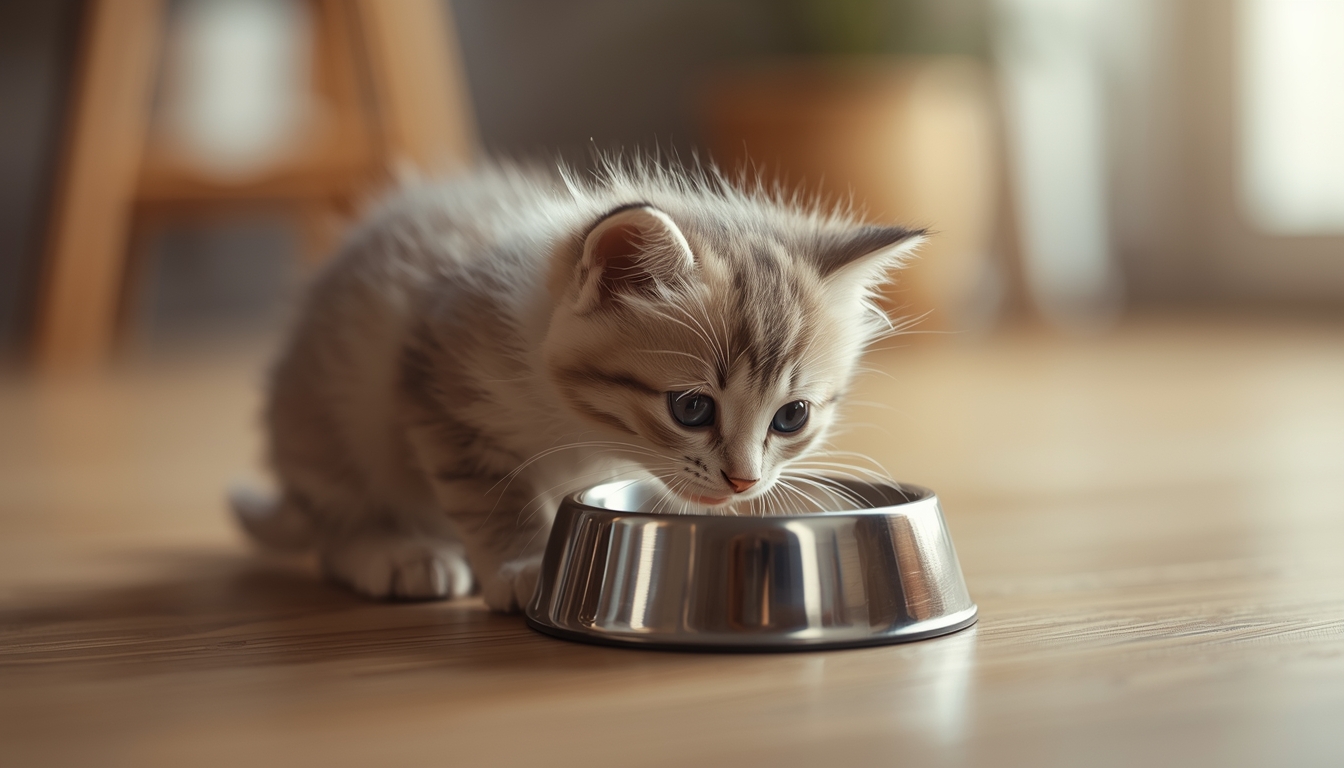
If you’ve just brought home a kitten, one of the first questions you’ll probably ask is: can kittens eat adult cat food? It might seem harmless to share the same food with your adult cat, but when it comes to feline nutrition, age matters more than you think. Kittens are not just smaller versions of adult cats—they have completely different nutritional needs. Feeding them the wrong type of food, especially during their early growth stage, can impact their development, energy levels, and overall health. In this detailed, SEO-optimized guide, we’ll break down whether kittens can eat adult cat food, when it’s safe, the risks involved, and what you should feed your kitten for optimal growth. Can Kittens Eat Adult Cat Food? Yes, kittens can eat adult cat food in small amounts or emergencies, but it should never be their primary diet. Adult cat food is formulated for maintenance, while kittens require food designed for growth and development. Kittens need more calories, protein, fat, and essential nutrients compared to adult cats. Feeding them adult food regularly may lead to nutritional deficiencies over time. Why Kittens Need Special Food Kittens grow rapidly, especially in their first year. During this stage, their bodies are developing bones, muscles, organs, and immune systems. Key Nutritional Needs of Kittens Adult cat food simply doesn’t provide these nutrients in the required amounts. Difference Between Kitten Food and Adult Cat Food Understanding the difference will help you make better feeding decisions. 1. Protein Content Kitten food contains significantly higher protein levels to support growth, while adult food focuses on maintenance. 2. Calorie Density Kittens need more calories per pound of body weight. Adult food has fewer calories to prevent weight gain. 3. Fat Content Kitten food contains more healthy fats for energy and development. 4. Nutrient Balance Kitten food is enriched with DHA, calcium, and phosphorus, which are essential for growth. What Happens If Kittens Eat Adult Cat Food? Feeding adult cat food occasionally is not harmful, but regular feeding can cause issues. Short-Term Effects Long-Term Effects Think of it like feeding a growing child an adult diet—it simply won’t meet their needs. When Is It Okay for Kittens to Eat Adult Cat Food? There are a few situations where kittens can eat adult cat food temporarily. 1. Emergency Situations If kitten food is unavailable, adult food can be used for a short period. 2. Occasional Tasting If your kitten sneaks a bite from an adult cat’s bowl, it’s not a problem. 3. Transition Phase When switching from kitten food to adult food (around 10–12 months), gradual mixing is recommended. Best Food Options for Kittens To ensure proper growth, always choose high-quality kitten food. What to Look For Wet vs Dry Kitten Food Wet Food: Dry Food: A combination of both often works best. How Much Should You Feed a Kitten? Feeding the right amount is just as important as feeding the right type. General Feeding Guide Always follow feeding guidelines on the food package and adjust based on your kitten’s activity level. Signs Your Kitten Is Not Getting Proper Nutrition Watch for these warning signs: If you notice any of these, review your kitten’s diet immediately. Transitioning from Kitten Food to Adult Cat Food Kittens should switch to adult food around 10 to 12 months of age, depending on breed and growth. How to Transition Properly This gradual transition prevents digestive issues. Common Feeding Mistakes to Avoid Many cat owners make simple mistakes that can affect their kitten’s health. Avoid These Mistakes Consistency and proper nutrition are key. Can Kittens Eat the Same Food as Adult Cats in a Multi-Cat Household? If you have both kittens and adult cats, feeding can become tricky. Tips for Multi-Cat Homes This ensures each cat gets the right nutrition. Expert Tips for Feeding Kittens Conclusion So, can kittens eat adult cat food? The answer is yes—but only occasionally and not as a regular diet. Kittens need specialized nutrition to support their rapid growth and development. Feeding them adult cat food regularly can lead to serious health issues over time. The best approach is to provide high-quality kitten food that meets all their nutritional needs. As your kitten grows, you can gradually transition to adult food at the appropriate age. By feeding your kitten the right food at the right time, you’re setting the foundation for a healthy, happy life. Frequently Asked Questions 1. Can kittens eat adult cat food every day? No, kittens should not eat adult cat food daily as it lacks essential nutrients needed for growth. 2. What happens if my kitten eats adult cat food? Occasional consumption is fine, but regular feeding can cause nutritional deficiencies. 3. At what age can kittens eat adult cat food? Kittens can switch to adult food around 10–12 months of age. 4. Is wet or dry food better for kittens? Both are beneficial; a combination provides balanced nutrition. 5. How do I stop my kitten from eating adult cat food? Feed them separately and maintain a consistent feeding schedule Also Read:

Cat Feeding Schedule Times – The Ultimate Guide to Feeding Your Cat at the Right Time

How Much Should You Feed Your Cat at Each Time?

Feeding your cat is not just about what you serve—it’s about when you serve it. Establishing the right cat feeding schedule times can significantly impact your cat’s digestion, energy levels, behavior, and overall health. Cats are creatures of habit, and a structured feeding routine helps them feel secure and satisfied. In this SEO-optimized guide, we’ll explore the best feeding times for cats, how to create a consistent feeding schedule, and how to adjust it based on your cat’s age, lifestyle, and dietary needs. Why Cat Feeding Schedule Times Matter Have you ever noticed your cat meowing at the same time every day? That’s because cats naturally develop routines. In the wild, they hunt small prey multiple times a day, which means their bodies are designed for frequent, small meals. Setting proper cat feeding schedule times helps: Without a schedule, cats may become stressed or develop unhealthy eating habits. How Often Should You Feed a Cat? Before deciding the best feeding times, it’s important to understand how often cats should eat. General Feeding Frequency The goal is to match your cat’s feeding schedule with their biological needs. Best Cat Feeding Schedule Times for Different Life Stages Kitten Feeding Schedule Times (0–6 Months) Kittens grow rapidly and need frequent feeding. Recommended feeding times: Kittens require high-protein, calorie-rich food to support development. Adult Cat Feeding Schedule Times (1–7 Years) Adult cats benefit from a simple, consistent routine. Ideal feeding times: This schedule aligns with your daily routine and your cat’s natural hunger cycles. Senior Cat Feeding Schedule Times (7+ Years) Older cats may need smaller, more frequent meals. Recommended feeding times: Senior cats often have slower digestion, so spreading meals helps. Best Feeding Times Based on Lifestyle Indoor Cats Feeding Schedule Indoor cats are less active and require controlled feeding times. Best schedule: Avoid free feeding, as it can lead to weight gain. Outdoor Cats Feeding Schedule Outdoor cats burn more energy. Recommended feeding times: They may require slightly larger portions. Wet Food vs Dry Food Feeding Times Wet Food Feeding Times Wet food is best served at specific times because it spoils quickly. Dry Food Feeding Times Dry food can be divided into smaller portions throughout the day. Best Combination This creates a balanced and flexible feeding routine. Sample Daily Cat Feeding Schedule Here’s a practical example of a cat feeding schedule times chart: Time Meal 7:00 AM Breakfast 12:00 PM Optional snack 6:00 PM Dinner This simple routine works well for most adult cats. Should You Feed Your Cat at Night? Cats are naturally more active during dawn and dusk. Feeding your cat: is ideal. If your cat wakes you up at night for food, try: Using Automatic Feeders for Better Scheduling Automatic feeders are great tools for maintaining consistent feeding times. Benefits They are especially useful for busy pet owners. Free Feeding vs Scheduled Feeding Free Feeding Scheduled Feeding Best option: Scheduled feeding is healthier and more controlled. How Much Should You Feed Your Cat at Each Time? The amount of food matters as much as timing. General Guidelines Cat Weight Daily Food 5 lbs ¼ cup 10 lbs ½ cup 15 lbs ¾ cup Divide this into your scheduled feeding times. Common Mistakes in Cat Feeding Schedule Times Avoid these mistakes: Consistency is key to a healthy routine. Signs Your Cat’s Feeding Schedule Needs Adjustment Watch for: If you notice these signs, adjust feeding times or portions. Tips to Maintain a Perfect Feeding Schedule Creating a routine takes time, but the results are worth it. Conclusion The right cat feeding schedule times can transform your cat’s health, behavior, and happiness. Whether you have a playful kitten, an active adult cat, or a senior companion, a consistent feeding routine helps maintain balance and well-being. By feeding your cat at the same times every day, choosing the right food, and monitoring portion sizes, you can ensure your feline friend stays healthy and content. Remember—cats love routine. And a good feeding schedule is one of the best gifts you can give them. Frequently Asked Questions 1. What are the best feeding times for cats? Morning (7–8 AM) and evening (6–7 PM) are ideal for most adult cats. 2. Can cats go 8–10 hours without food? Yes, healthy adult cats can go 8–12 hours between meals. 3. Should I feed my cat before bed? Yes, a small evening meal can help prevent nighttime hunger. 4. Is it okay to feed cats only once a day? No, it’s better to feed at least twice daily for proper digestion. 5. How do I stop my cat from begging for food? Stick to a consistent schedule and avoid feeding outside designated times. Also Read:

Cat Food Nutrition Guide – The Complete 2026 Feeding Chart

Cat Food Nutrition Guide

Choosing the right cat food isn’t just about picking a popular brand or the most expensive bag on the shelf. The real key to raising a healthy, energetic, long-lived cat is understanding what should be inside your cat’s food and why it matters. This Cat Food Nutrition Guide covers everything you need to know about nutrients, protein sources, feeding amounts, label reading, and wet vs dry food decisions — all based on real feline biology, not marketing claims. Whether you’re a first-time cat parent or someone trying to improve your cat’s health, this guide will help you make informed decisions and avoid common mistakes that lead to obesity, kidney issues, digestive problems, or nutrient deficiencies. Why Proper Cat Nutrition Matters Cats are obligate carnivores, meaning they rely on nutrients found naturally in meat. Unlike dogs, who can digest vegetables and grains easily, cats require high levels of animal protein and essential amino acids to survive. Feeding the wrong diet can lead to serious health conditions such as: This is why a well-planned diet is essential at every stage of life — kitten, adult, senior, or special-needs cats. Essential Nutrients Every Cat Food Must Have To choose the best cat food, look for these key nutritional components: 1. High-Quality Animal Protein Cats need high protein levels from real meat sources — such as chicken, turkey, tuna, salmon, rabbit, or beef. Protein supports: 2. Essential Amino Acids (Taurine & Arginine) Taurine is critical for: 3. Healthy Fats & Omega Fatty Acids Fats provide energy and support: 4. Vitamins & Minerals Required vitamins include A, D, B-complex, E, K, and minerals such as calcium, phosphorus, magnesium, zinc. These must be properly balanced to support bones, immunity, and organ health. 5. Controlled Carbohydrates Cats do not need large amounts of carbs. Excess grains can lead to weight gain and diabetes.Prefer formulas with: 6. Moisture (Hydration Support) Cats naturally drink less water, so wet food helps prevent kidney and urinary problems.Best daily practice: Mix wet + dry feeding. Wet Food vs Dry Food – Which Is Better? Type Benefits Best For Wet Food Hydration support, urinary health, weight control, softer texture Indoor, senior, male cats, urinary-prone Dry Food Convenient, cost-effective, good for dental exercise Free-feeding control, active cats Mixed Feeding Balanced hydration + convenience Recommended for most cats Veterinarians strongly recommend wet food daily, especially for neutered males to prevent urinary blockages. How to Read Cat Food Labels Like a Pro Look for: How Much Should You Feed a Cat? General calorie guide based on weight: Weight Calories Needed per Day 3 kg / 6.6 lb 170–210 cal 4 kg / 8.8 lb 220–260 cal 5 kg / 11 lb 260–310 cal Typical feeding schedule:Morning — Wet foodAfternoon — Dry portionEvening — Wet food Special Nutrition Considerations For Kittens High protein and fat, DHA for brain developmentFeed 3–4 meals/day For Neutered Cats Lower calories, higher hydration, avoid free-feeding For Senior Cats Soft wet diets, kidney support, easier digestibility For Overweight Cats High-protein low-carb diet + slow feeders + exercise Common Cat Feeding Mistakes to Avoid ❌ Free feeding unlimited dry food❌ Feeding dog food or human food❌ Sudden diet changes❌ Ignoring hydration❌ Choosing cheap filler-based brands Final Thoughts – Building the Best Diet for Your Cat A high-quality cat diet is built on meat-based protein, taurine, healthy fats, balanced vitamins, and moisture-rich food. Always consider age, weight, and activity level, and combine wet and dry food for optimal health. With the right nutrition plan, your cat will enjoy a longer, happier, and more energetic life. FAQs – Cat Food Nutrition Guide What is the most important nutrient for cats?Animal-based protein and taurine are essential. Is wet or dry cat food healthier?Wet food is healthier for hydration and urinary safety; dry food is convenient. A mix is best. Can cats eat human food?Only a few items are safe; many are toxic. Always check first. Why is taurine important?Without taurine, cats can go blind and develop fatal heart disease. How can I prevent obesity in cats?Measure portions, control calories, and avoid free-feeding. Also Read:

Cat Feeding Chart by Weight: The Ultimate Guide for Healthy Cats

Cat Feeding Chart by Weight

Feeding your cat the right amount of food is essential for their health, energy, and longevity. Many cat parents struggle with overfeeding or underfeeding because they don’t have clear guidance. A cat feeding chart by weight is a simple, practical way to determine the right portion for your feline friend based on their age, size, and activity level. Unlike generic feeding recommendations, weight-based feeding ensures that your cat maintains a healthy weight, strong muscles, and proper metabolism. Whether you have a playful kitten, an adult indoor cat, or a senior cat, using a feeding chart can help prevent common issues like obesity, diabetes, and digestive problems. Cat Feeding Chart by Weight: Quick Reference Table Here’s a quick reference table for daily feeding amounts based on weight: Cat Weight (lbs) Dry Food (grams/day) Wet Food (ounces/day) Raw Food (grams/day) 3–5 lbs 30–50 g 3–5 oz 70–90 g 6–8 lbs 50–70 g 5–7 oz 90–120 g 9–11 lbs 70–90 g 7–9 oz 120–150 g 12–14 lbs 90–110 g 9–11 oz 150–180 g 15–18 lbs 110–130 g 11–13 oz 180–210 g 💡 Tip: Always adjust based on activity level, metabolism, and age. Use a kitchen scale for precise measurement. How to Use a Cat Feeding Chart Correctly Kitten Feeding Chart by Age and Weight Kittens grow rapidly, so they need frequent meals and high-calorie food: Age Weight (lbs) Meals/Day Portion Size (grams/day) Notes 0–2 months 1–2 lbs 4–6 20–30 g Milk or formula, gradually introducing solids 2–3 months 2–4 lbs 4–5 30–50 g Wet or softened dry food 3–6 months 4–6 lbs 3–4 50–70 g High-protein meals for growth 6–12 months 6–10 lbs 3 70–90 g Gradually switch to adult food Tip: Kittens should always have fresh water available and gradually transition from wet to dry food if desired. Adult Cat Feeding Chart by Weight Adult cats need a balanced diet with controlled portions to maintain ideal body condition: Cat Weight (lbs) Dry Food (grams/day) Wet Food (ounces/day) Notes 6–8 lbs 50–70 g 5–7 oz Indoor cats may require less 9–11 lbs 70–90 g 7–9 oz Outdoor cats may need extra calories 12–14 lbs 90–110 g 9–11 oz Monitor activity level 15–18 lbs 110–130 g 11–13 oz Adjust if overweight or underweight 💡 Pro Tip: Use slow feeders or portioned bowls to prevent overeating. Senior Cat Feeding Guide As cats age, their metabolism slows, and they may need easily digestible food with high-quality protein: Age Cat Weight (lbs) Portion Size Feeding Notes 10+ years 6–8 lbs 40–60 g dry or 4–6 oz wet Senior formulas with joint support 10+ years 9–12 lbs 60–85 g dry or 6–9 oz wet Monitor hydration and weight 10+ years 13–15 lbs 85–100 g dry or 9–11 oz wet Consider fiber for digestion Tip: Older cats may benefit from multiple small meals and wet food to prevent dehydration. Wet vs Dry Food Portions Wet Food: Dry Food: Mixing Wet & Dry: A common approach is 2/3 dry + 1/3 wet based on calories. Always adjust to maintain ideal weight. Feeding Raw Diets (BARF) by Weight Raw feeding is becoming popular for cat parents seeking natural diets: Cat Weight (lbs) Raw Food Portion (grams/day) Notes 3–5 lbs 70–90 g Mix muscle meat, organs, and bones 6–8 lbs 90–120 g Include supplements like taurine 9–11 lbs 120–150 g Ensure clean, fresh ingredients 12–14 lbs 150–180 g Monitor calcium to phosphorus ratio 15–18 lbs 180–210 g Use vet-approved BARF recipes 💡 Tip: Always supervise preparation and consult a vet for raw diets. Adjusting Portions for Overweight or Underweight Cats Remember: Never starve or overfeed; weight should change gradually. Special Considerations FAQs on Cat Feeding Charts Q1. How many times a day should I feed my cat? Q2. Can I free-feed my cat? Q3. Do different cat breeds require different feeding amounts? Q4. Should I weigh my cat daily? Q5. How do I transition my cat to a new feeding chart? Conclusion A cat feeding chart by weight is the most reliable way to keep your cat healthy, active, and at an ideal weight. By considering your cat’s age, activity level, and dietary preferences, you can use this chart as a guideline for daily portions. Remember: each cat is unique, so monitor weight and behavior, and consult your vet for personalized advice. With proper feeding habits, your cat can enjoy a long, happy, and healthy life Also Read:

Free Printable Cat Feeding Chart: Wet and Dry Food Guidelines by Weight and Age

Printable Cat Feeding Chart

Ensuring your cat is receiving the right amount of nutrition is key to their long-term health and happiness. This printable cat feeding chart includes guidelines for feeding cats based on weight, age, and the type of food. Whether you prefer dry food, wet food, or a combination, the tables and FAQs provided will help you portion your cat’s meals properly. 1. Printable Cat Feeding Chart PDF Cat Age Wet Food (Cans/Day) Dry Food (Grams/Day) Feeding Frequency Kitten (0-3 months) 1/4–1/2 can 20–30g 4–6 times/day Kitten (3-6 months) 1/2–1 can 30–50g 3–4 times/day Adult (1–7 years) 1–1.5 cans 50–80g 2–3 times/day Senior Cat (7+ years) 1/2–1 can 40–60g 2 times/day Description: This table provides a printable cat feeding chart with wet and dry food portions based on your cat’s age. It’s perfect for maintaining a balanced feeding schedule throughout your cat’s life stages. 2. Free Printable Cat Feeding Chart by Weight Cat Weight (kg) Wet Food (Cans/Day) Dry Food (Grams/Day) Mixed Feeding (Wet + Dry) 2–3 kg 1/2 can 25–35g 1/4 can + 15g dry 3–4 kg 1 can 40–50g 1/2 can + 20g dry 5–6 kg 1.5 cans 60–80g 3/4 can + 30g dry 7–8 kg 2 cans 80–100g 1 can + 40g dry Description: A printable cat feeding chart by weight is useful for monitoring portion control. This chart outlines both wet and dry food servings according to your cat’s weight to help prevent overeating. 3. Cat Feeding Schedule Template Time of Day Meal Type Wet Food (Cans) Dry Food (Grams) Morning Wet 1/4 can 10g dry (optional) Noon Dry – 20–30g Evening Wet 1/2 can 20g dry (optional) Night Dry – 20–30g Description: This cat feeding schedule template allows you to plan your cat’s meals throughout the day. It can be printed and used to track meal times and food portions for both wet and dry foods. FAQs How much wet and dry food should I feed my cat?The amount of wet and dry food depends on your cat’s age, weight, and activity level. Typically, adult cats require around 1-1.5 cans of wet food or 50-80 grams of dry food daily. Kittens and senior cats may need different portions, so adjusting for age is crucial. How to portion wet and dry food for cats?To properly portion wet and dry food, aim for a 50/50 or 70/30 ratio, depending on your cat’s preference and nutritional needs. For instance, for a 4 kg cat, you could provide half a can of wet food in the morning and 30g of dry food in the evening. Can I feed my cat both wet and dry food?Yes, feeding a combination of wet and dry food is beneficial. Wet food provides hydration and is often more palatable, while dry food helps with dental health. Ensure the total calorie intake is appropriate for your cat’s size and activity level. Conclusion A well-structured feeding schedule with the correct balance of wet and dry food ensures your cat receives the nutrition they need at every stage of life. The printable cat feeding charts provided can help simplify meal planning, ensuring your cat stays healthy and satisfied. Whether you’re feeding a kitten or an adult cat, these templates ensure you can track and adjust portions for optimal health. Also Read: