OURPETTAILS

Dog Food Calculator for Weight Loss: Calculate Daily Calories and Food Portions Safely
Dog Food Calculator for Weight Loss

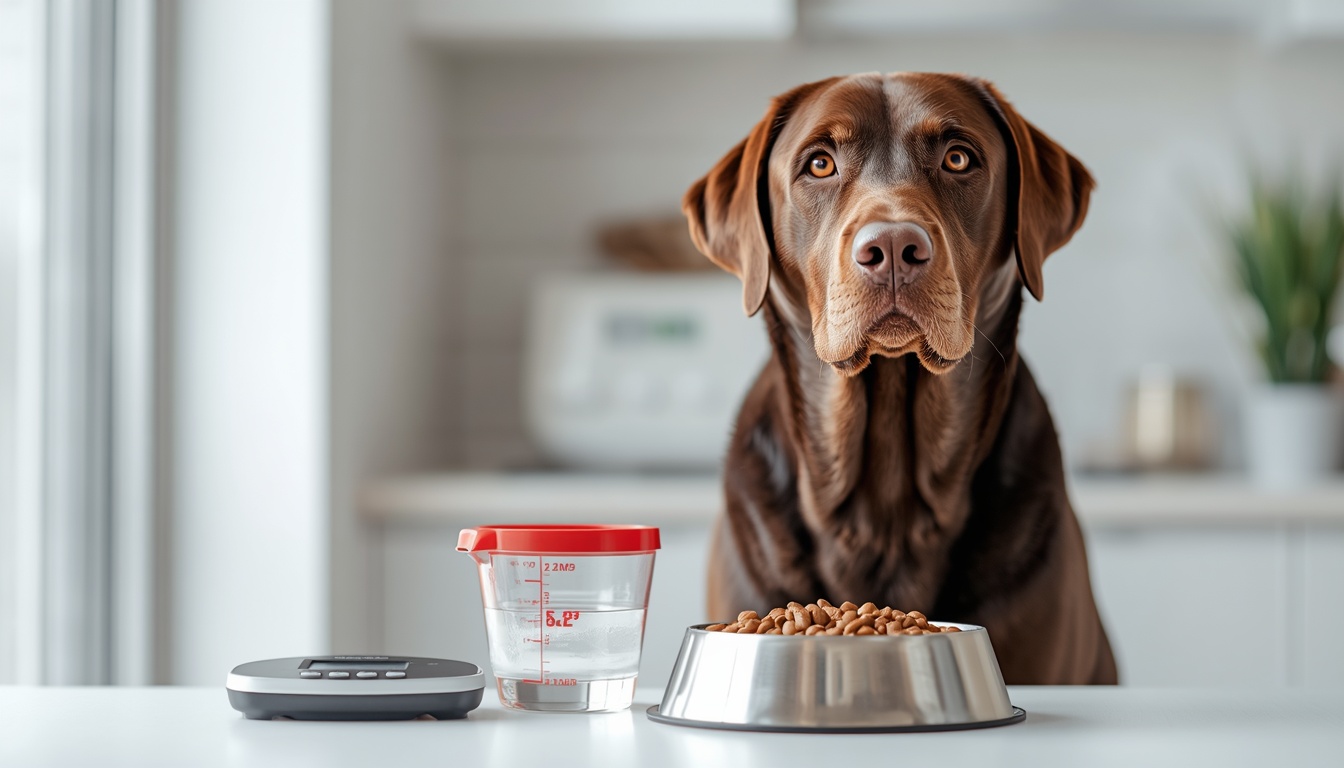
Helping an overweight dog lose weight is not simply about putting less food in the bowl. It is about finding the right balance between calories, essential nutrients, physical activity, and your dog’s individual health needs. If your dog is gaining weight despite eating what seems like a normal amount, you may be wondering: How many calories should my dog eat to lose weight? Should I reduce kibble, switch to weight-management food, or cut out treats? A dog food calculator for weight loss can help you estimate daily calorie needs and work out appropriate food portions. However, the calculation needs to be used carefully. Feeding too much can prevent weight loss, while excessive calorie restriction can lead to nutrient deficiencies and muscle loss. This guide explains the calorie formula, provides practical examples, shows you how to convert calories into food portions, and outlines safer ways to help your dog reach a healthier weight. Important: This article provides general educational guidance. Have your veterinarian assess your dog’s body condition and agree on an appropriate weight-loss target, especially if your dog is significantly overweight, has a medical condition, or takes medication. Quick Answer: How Does a Dog Weight-Loss Calculator Work? A dog food calculator for weight loss estimates the number of calories your dog may need each day to lose excess body fat while maintaining adequate nutrition. The basic process is: What Is a Dog Food Calculator for Weight Loss? A dog weight-loss calculator is a tool for estimating how much energy a dog needs each day while working toward a healthier body condition. It considers factors such as: The result can help you plan meals more consistently. It cannot diagnose obesity or determine an ideal weight accurately from body weight alone. For example, a muscular Labrador and an overweight Labrador may weigh the same amount but need different feeding plans. A veterinarian can assess their body condition and help establish an appropriate target. Dog Calorie Calculator for Weight Loss: The Basic Formula One commonly used veterinary formula is the Resting Energy Requirement (RER) equation: RER = 70 × body weight in kilograms^0.75 RER is an estimate of resting energy needs. It is not automatically the correct calorie allowance for weight loss. Veterinary professionals use additional information to determine an appropriate feeding target. Some established weight-management methods calculate energy requirements from estimated ideal weight; other monitored protocols use a different starting approach. The appropriate method depends on the dog and the clinical plan. For this reason, do not automatically feed your dog the RER calculated from its current weight—or assume that a fixed percentage reduction is suitable for every dog. Example: Calculating RER for a 20 kg Dog Suppose your dog weighs 20 kg. Using the formula: RER = 70 × 20^0.75 The result is approximately 662 kcal per day. This is the dog’s estimated RER, not a personalized weight-loss prescription. If the dog is overweight, your veterinarian can determine the appropriate target weight and calorie allowance, taking into account its health, current intake, body condition, and nutritional requirements. Dog Weight-Loss Calorie Reference Table The following table shows approximate RER values at different body weights. These figures are included to explain the calculation, not to prescribe daily weight-loss calories. Body Weight Approximate RER 5 kg 234 kcal/day 10 kg 393 kcal/day 15 kg 534 kcal/day 20 kg 662 kcal/day 25 kg 784 kcal/day 30 kg 899 kcal/day 35 kg 1,011 kcal/day 40 kg 1,119 kcal/day 45 kg 1,223 kcal/day 50 kg 1,317 kcal/day Actual weight-loss targets may differ. Use a veterinarian-approved plan rather than treating these numbers as feeding instructions. Should You Calculate Calories Using Current Weight or Ideal Weight? This is one of the most important questions in canine weight management. When a dog is overweight, calculating its energy needs from current weight alone can produce a target that is too high for weight loss. Many established veterinary approaches use the dog’s estimated ideal body weight when calculating an initial weight-loss allowance. Other newer, step-based clinical protocols use the weight recorded at the beginning of a monitored treatment phase and reassess regularly. These methods are not interchangeable. Your veterinarian should select the approach that best suits your dog. How Do You Estimate a Dog’s Ideal Weight? A veterinarian may assess: Body Condition Score (BCS) is commonly used to assess body fat. Muscle Condition Score (MCS) helps identify muscle loss that may otherwise be overlooked. Do not choose a target weight solely from a generic breed-weight chart. Dogs of the same breed can have different healthy weights. How to Calculate Dog Food Portions for Weight Loss After your veterinarian establishes a daily calorie target, you can convert it into the amount of food your dog should receive. You will need: Formula for Dry Dog Food Daily food in grams = calories allocated to dry food ÷ calories per gram For example, suppose your veterinarian approves a daily total of 700 kcal, and the chosen dry food contains 3.5 kcal per gram. 700 ÷ 3.5 = 200 grams. That means 200 grams would supply 700 kcal, before accounting for any treats or other foods. If some calories are reserved for treats, the amount of regular food must be reduced accordingly. Formula for Food Measured by Cups If the food provides 400 kcal per cup and the entire daily allowance for that food is 700 kcal: 700 ÷ 400 = 1.75 cups per day. This example assumes the full allowance is allocated to that food. It is not a recommendation that every overweight dog should eat 1.75 cups. Because kibble density varies between brands, weighing food in grams is often more consistent than relying on a household measuring cup. Formula for Wet Dog Food If a can contains 300 kcal and the daily calorie allowance allocated to wet food is 600 kcal: 600 ÷ 300 = 2 cans per day. Check whether the label gives calories per can, per 100 grams, or per kilogram. Use the correct unit when calculating portions. Dog Weight-Loss Calculator … Read more
Dog Diet Chart Vegetarian: Complete Guide to a Healthy Vegetarian

Dog Diet Chart Vegetarian

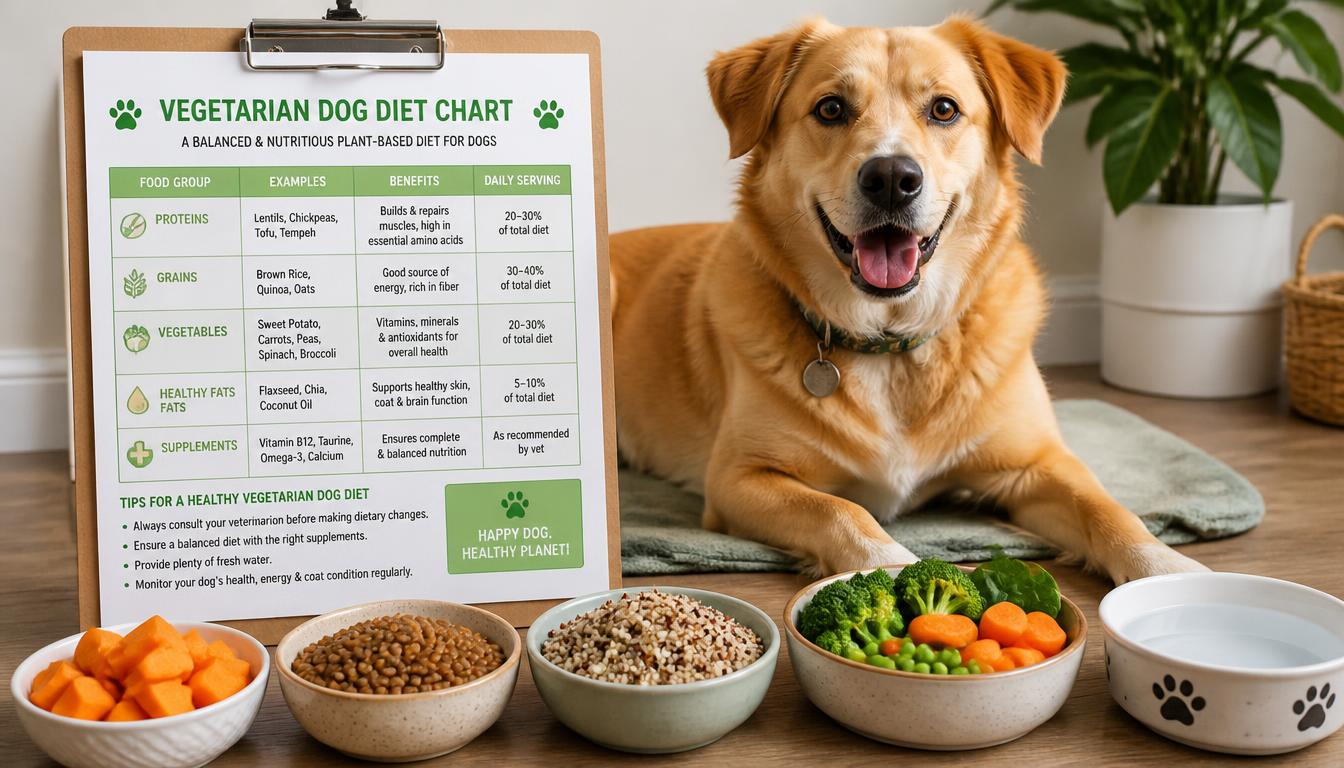
Many pet owners are exploring vegetarian diets for their dogs due to ethical, environmental, religious, or personal lifestyle choices. While dogs are naturally omnivores and can digest both animal and plant-based foods, creating a balanced vegetarian meal plan requires careful attention to nutrition. A properly planned vegetarian diet can provide the protein, vitamins, minerals, and energy dogs need to live healthy and active lives. If you’re considering a vegetarian diet for your dog or looking for a printable vegetarian dog diet chart, this comprehensive guide covers everything you need to know. From nutritional requirements and meal planning to sample feeding schedules and common mistakes, you’ll learn how to provide a balanced vegetarian diet that supports your dog’s health. Can Dogs Be Vegetarian? One of the most common questions pet owners ask is whether dogs can thrive on a vegetarian diet. The answer is yes, many dogs can live healthy lives on carefully balanced vegetarian diets. Unlike cats, which are obligate carnivores, dogs are omnivores and have evolved to digest a variety of foods, including grains, vegetables, legumes, fruits, and dairy products. However, simply removing meat from a dog’s diet is not enough. The diet must still provide all essential nutrients, particularly protein, amino acids, vitamins, and minerals. A poorly planned vegetarian diet can lead to nutritional deficiencies, so proper planning is critical. Benefits of a Vegetarian Diet for Dogs Many owners choose vegetarian feeding for various reasons. Potential Benefits Include: Some dogs with sensitivities to chicken, beef, or lamb may also benefit from carefully formulated vegetarian diets. Understanding Dog Diet Chart Vegetarian Before creating a vegetarian meal plan, it’s important to understand what nutrients dogs require. Protein Protein is the most important nutrient in any dog diet. Protein supports: Vegetarian protein sources include: Protein remains essential regardless of whether the diet contains meat. Essential Amino Acids Dogs require specific amino acids for proper health. Particularly important are: A well-designed vegetarian diet must include ingredients that provide adequate amino acid profiles. Healthy Fats Healthy fats are vital for: Vegetarian fat sources include: Omega-3 fatty acids are especially important. Carbohydrates Carbohydrates provide energy and fiber. Healthy sources include: These foods help maintain energy levels while supporting digestive health. Vitamins and Minerals A vegetarian dog diet must supply: Commercial vegetarian dog foods are typically fortified to ensure nutritional completeness. Is a Homemade Vegetarian Diet Safe? Homemade vegetarian diets can be safe when carefully balanced. However, many homemade diets lack essential nutrients if not properly formulated. For this reason: A balanced approach is key. Best Vegetarian Foods for Dogs Sweet Potatoes Benefits include: Brown Rice Provides: Pumpkin Supports: Green Peas Rich in: Lentils Excellent source of: Chickpeas Provide: Quinoa Contains: Cottage Cheese Offers: Yogurt Supports: Foods to Avoid in a Vegetarian Dog Diet Some human foods are dangerous for dogs. Never feed: These foods can be toxic even in small amounts. Sample Vegetarian Dog Diet Chart Small Dogs (5–10 kg) Morning Afternoon Snack Evening Medium Dogs (10–25 kg) Morning Afternoon Snack Evening Large Dogs (25 kg+) Morning Afternoon Snack Evening Printable Vegetarian Dog Diet Chart Daily Feeding Planner Time Food Portion Notes Morning ______ ______ ______ Afternoon ______ ______ ______ Evening ______ ______ ______ Weekly Meal Tracker Day Breakfast Dinner Monday ______ ______ Tuesday ______ ______ Wednesday ______ ______ Thursday ______ ______ Friday ______ ______ Saturday ______ ______ Sunday ______ ______ Puppy Vegetarian Diet Considerations Puppies have higher nutritional requirements than adults. Important nutrients include: Because growth demands are significant, veterinary guidance is highly recommended when feeding vegetarian diets to puppies. Adult Dog Vegetarian Feeding Schedule Most adult dogs do well with: Morning Meal 7:00–8:00 AM Evening Meal 5:00–7:00 PM Consistent feeding schedules support digestion and routine. Senior Dog Vegetarian Diet Tips Senior dogs often benefit from: Monitoring weight becomes increasingly important with age. Commercial Vegetarian Dog Foods Many complete vegetarian dog foods are available. Look for products that are: Always read ingredient labels carefully. Signs Your Dog Is Thriving on a Vegetarian Diet Positive indicators include: These signs suggest that nutritional needs are being met. Signs of Nutritional Deficiency Watch for: Consult your veterinarian if any symptoms develop. How to Transition to a Vegetarian Diet A gradual transition helps prevent digestive upset. Transition Schedule Day Current Food Vegetarian Food 1–2 75% 25% 3–4 50% 50% 5–6 25% 75% 7+ 0% 100% Slow transitions allow the digestive system to adapt. Common Mistakes When Feeding Vegetarian Diets Not Providing Enough Protein Protein deficiency is one of the most common problems. Ignoring Amino Acid Balance Dogs require complete amino acid profiles. Overfeeding Carbohydrates Balance is important. Skipping Supplements Certain nutrients may require supplementation. Not Monitoring Health Regular checkups help ensure nutritional adequacy. Frequently Asked Questions Can dogs live on a vegetarian diet? Yes, many dogs can thrive on properly balanced vegetarian diets. Is vegetarian food healthy for dogs? It can be healthy if it provides complete and balanced nutrition. What is the best protein source for vegetarian dogs? Lentils, chickpeas, quinoa, soy products, cottage cheese, and yogurt are excellent options. Can puppies eat vegetarian diets? They can, but careful planning and veterinary supervision are strongly recommended. Do vegetarian dogs need supplements? Some may benefit from supplements depending on their diet composition. Printable Monthly Vegetarian Dog Diet Planner Dog Information Weekly Weight Record Week Weight Week 1 ______ Week 2 ______ Week 3 ______ Week 4 ______ Water Intake Checklist Day Water Refreshed Monday Yes Tuesday Yes Wednesday Yes Thursday Yes Friday Yes Saturday Yes Sunday Yes Final Thoughts A well-planned vegetarian dog diet chart can help provide balanced nutrition while supporting your dog’s health and well-being. Dogs are omnivores and can digest a wide variety of plant-based foods, but their diets must still meet essential nutritional requirements. By focusing on high-quality protein sources, healthy fats, balanced carbohydrates, and appropriate vitamin and mineral intake, dog owners can successfully create vegetarian meal plans that support energy, digestion, muscle development, and overall health. Whether you choose homemade meals or commercially prepared vegetarian dog food, consistency, proper planning, and … Read more

Printable Dog Food Care PDF: The Complete Guide

Printable Dog Food Care PDF

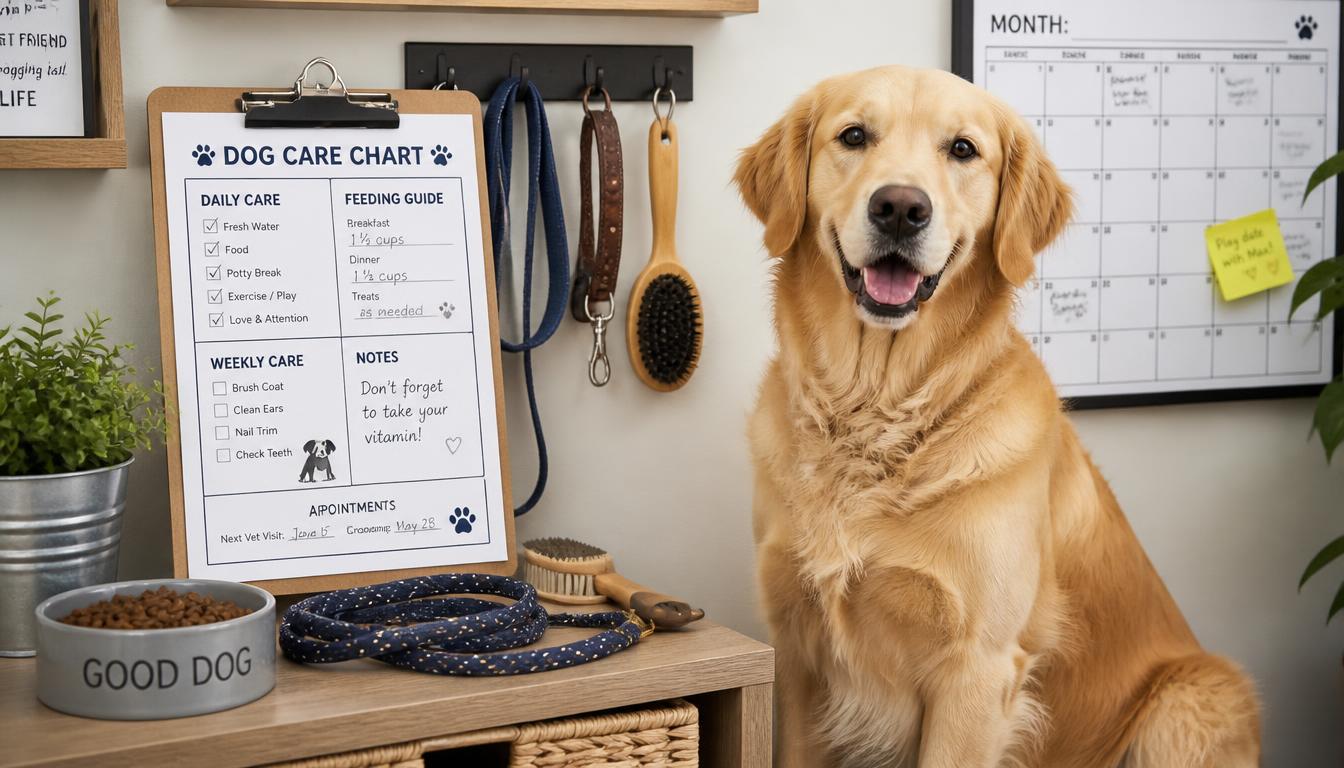
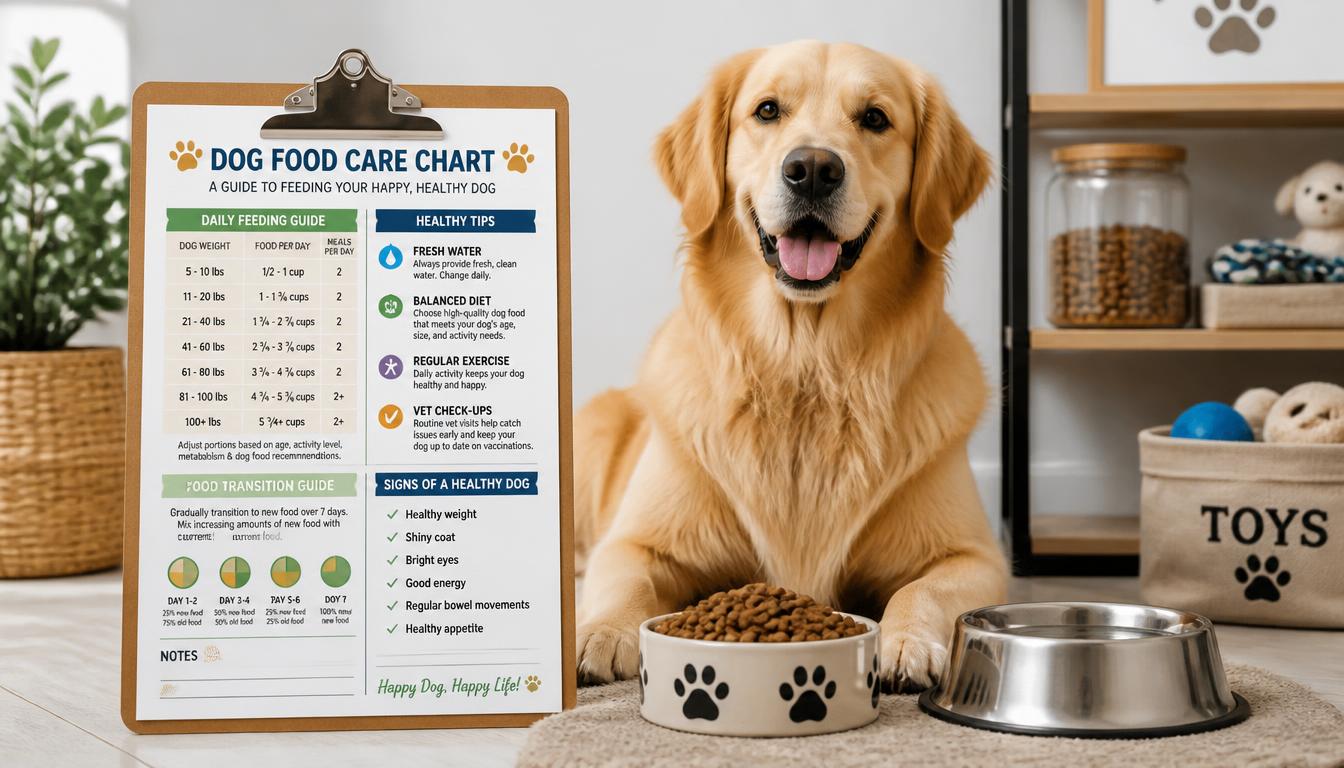
Keeping your dog healthy starts with proper nutrition. While choosing a high-quality dog food is important, maintaining a consistent feeding routine is equally essential. Many pet owners struggle to keep track of meal schedules, portion sizes, treats, water intake, weight changes, and dietary adjustments. This is where a Printable Dog Food Care PDF becomes a valuable tool. A dog food care chart helps organize your dog’s daily feeding routine, monitor health changes, maintain healthy weight goals, and ensure every member of the family follows the same feeding plan. Whether you have a playful puppy, an active adult dog, or a senior companion, a printable feeding tracker can make pet care easier and more effective. This comprehensive guide covers everything you need to know about creating and using a printable dog food care PDF, including feeding schedules, nutritional requirements, weight management, hydration tracking, and sample templates you can print and use immediately. What Is a Printable Dog Food Care PDF? A printable dog food care PDF is a structured document designed to help dog owners track feeding habits and overall nutritional care. It typically includes: Using a printable chart allows pet owners to maintain consistency and monitor their dog’s health over time. Why Every Dog Owner Should Use a Dog Food Care Chart Many dog owners rely on memory when feeding their pets. While this may work initially, it often leads to inconsistent feeding habits. Benefits of a Printable Dog Food Care PDF Improves Feeding Consistency Dogs thrive on routine. A feeding chart ensures meals are served at the correct times every day. Prevents Overfeeding One of the leading causes of canine obesity is overfeeding. Tracking portions helps avoid: Helps Monitor Health Changes in appetite can indicate health concerns. A feeding chart helps identify: Supports Weight Management Tracking weight regularly helps maintain healthy body condition. Simplifies Multi-Person Households A feeding chart prevents accidental double-feeding when multiple family members care for the dog. Understanding Dog Nutrition Before creating a feeding plan, it is important to understand your dog’s nutritional needs. Protein Protein is essential for: Excellent protein sources include: Protein should be one of the primary ingredients in your dog’s food. Healthy Fats Healthy fats provide energy and support: Common healthy fat sources include: Carbohydrates Carbohydrates provide energy and fiber. Healthy sources include: Vitamins and Minerals Dogs require balanced levels of: Quality dog foods are formulated to provide these essential nutrients. Why Tracking Food Intake Matters Many health problems can be linked to poor feeding habits. Tracking food intake helps: A printable dog food care PDF provides a clear record of daily feeding habits. Components of a Printable Dog Food Care PDF Daily Feeding Schedule A feeding schedule records: Sample Feeding Chart Time Food Type Portion Size Notes Morning Dry Food 1 Cup Ate all food Afternoon Treats Small Amount Training session Evening Wet Food 1 Portion Normal appetite Water Intake Tracker Hydration is essential for canine health. Daily Water Monitoring Chart Day Water Refilled Drinking Normally Monday Yes Yes Tuesday Yes Yes Wednesday Yes Yes Thursday Yes Yes Friday Yes Yes Saturday Yes Yes Sunday Yes Yes Monitoring water intake can help detect potential health concerns early. Treat Tracking Chart Many dogs consume more calories from treats than owners realize. Weekly Treat Log Day Treat Type Quantity Monday ______ ______ Tuesday ______ ______ Wednesday ______ ______ Thursday ______ ______ Friday ______ ______ Saturday ______ ______ Sunday ______ ______ Treats should generally make up no more than a small portion of daily calorie intake. Weight Management Chart Maintaining a healthy weight is one of the most important aspects of dog care. Monthly Weight Tracker Date Weight Notes Month 1 ______ ______ Month 2 ______ ______ Month 3 ______ ______ Month 4 ______ ______ Regular weight monitoring helps identify trends before they become serious issues. Feeding Puppies Using a Printable Feeding Chart Puppies require more frequent meals than adult dogs. Puppy Feeding Schedule 8–12 Weeks 4 meals daily 3–6 Months 3 meals daily 6–12 Months 2–3 meals daily A printable feeding chart helps ensure consistent meal timing during growth stages. Feeding Adult Dogs Most healthy adult dogs do well with: Example: Time Meal 7:00 AM Breakfast 6:00 PM Dinner Consistency helps support digestion and energy balance. Feeding Senior Dogs Senior dogs often benefit from: A printable chart becomes especially useful as dogs age. Medication and Supplement Tracking Many dogs require supplements or medications. Medication Log Date Medication Dosage Given ____ ____ ____ Yes/No This helps prevent missed doses. Exercise Tracking Section Nutrition and exercise work together to maintain health. Daily Activity Log Activity Duration Walk _____ Playtime _____ Training _____ Tracking exercise helps support weight management goals. Signs Your Dog Is Eating the Right Food Indicators include: These signs suggest that your feeding plan is working effectively. Signs Your Dog’s Diet May Need Adjustment Watch for: Consult your veterinarian if these issues persist. Common Feeding Mistakes Dog Owners Make Overfeeding Many owners unknowingly provide too many calories. Excessive Treats Treat calories add up quickly. Inconsistent Meal Times Irregular feeding schedules can affect digestion. Ignoring Weight Changes Regular tracking helps identify issues early. Sudden Food Changes Always transition gradually when switching foods. How to Transition to a New Dog Food A gradual transition reduces digestive upset. Food Transition Schedule Day Old Food New Food 1–2 75% 25% 3–4 50% 50% 5–6 25% 75% 7+ 0% 100% This process helps your dog adjust comfortably. Printable Dog Food Care PDF Template Dog Information Daily Feeding Schedule Time Food Portion Morning ______ ______ Afternoon ______ ______ Evening ______ ______ Daily Checklist Monthly Health Notes Creating a Personalized Dog Food Care Planner Every dog has unique needs. Consider including: A customized feeding plan can improve long-term health outcomes. Frequently Asked Questions What is a printable dog food care PDF? It is a printable document used to track feeding schedules, portions, hydration, weight, and overall nutritional care. Why should I use a feeding chart? A feeding chart helps maintain consistency, prevent overfeeding, and monitor your dog’s health. How … Read more

Best Dog Food for Border Collies: The Ultimate Nutrition Guide

Best Dog Food for Border Collies

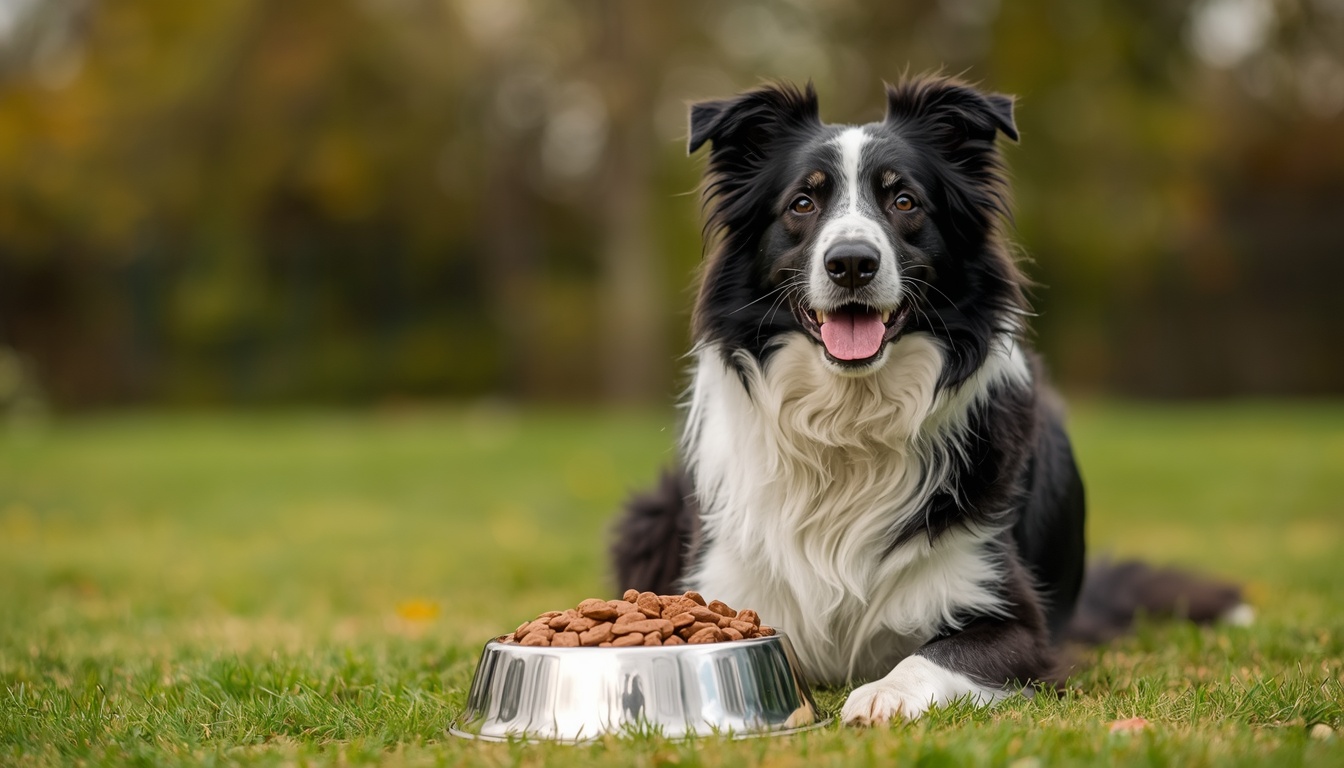
Border Collies are widely recognized as one of the smartest dog breeds in the world. Known for their incredible intelligence, agility, work ethic, and boundless energy, these dogs require a carefully balanced diet to support their active lifestyles. Whether your Border Collie is a working farm dog, an agility champion, or a beloved family companion, proper nutrition plays a crucial role in maintaining their health and performance. Choosing the best dog food for Border Collies can be overwhelming because there are hundreds of brands and formulas available. However, understanding your dog’s nutritional needs can make the decision much easier. In this comprehensive guide, you’ll learn everything you need to know about feeding a Border Collie, including nutritional requirements, recommended ingredients, feeding schedules, common health concerns, and how to select the best food for puppies, adults, and seniors. Understanding the Border Collie Breed Originally developed along the border regions of Scotland and England, Border Collies were bred to herd livestock. Their intelligence and stamina make them exceptional working dogs. Typical Border Collie characteristics include: Because of their active nature, Border Collies require nutrient-dense food that provides long-lasting energy and supports muscle maintenance. Why Proper Nutrition Is Important for Border Collies A balanced diet affects nearly every aspect of a Border Collie’s health. Proper nutrition helps support: Poor nutrition may lead to reduced energy, weight gain, digestive issues, poor coat condition, and other health problems. Nutritional Requirements of a Border Collie High-Quality Protein Protein is the most important nutrient for Border Collies. Because they are highly active dogs, they need sufficient protein to support: Excellent protein sources include: Look for dog foods that list real meat as the first ingredient. Healthy Fats Healthy fats provide concentrated energy and support numerous bodily functions. Benefits include: Good sources include: Active Border Collies particularly benefit from healthy fat sources. Omega-3 and Omega-6 Fatty Acids These essential fatty acids contribute to: Fish-based diets are often excellent choices for Border Collies because they naturally contain omega-3 fatty acids. Digestible Carbohydrates Although dogs primarily thrive on protein and fat, carbohydrates provide valuable energy. Healthy carbohydrate sources include: Avoid foods that rely heavily on inexpensive fillers. Essential Vitamins and Minerals A complete diet should contain: These nutrients support bone health, immunity, and overall wellness. Common Health Issues in Border Collies Understanding breed-specific health concerns can help you choose appropriate nutrition. Hip Dysplasia Hip dysplasia can affect Border Collies, especially as they age. Nutrients that may help support joint health include: Arthritis Active dogs place significant stress on their joints over time. Joint-support ingredients become increasingly important as dogs age. Epilepsy Border Collies are among the breeds that can be predisposed to epilepsy. While diet does not prevent epilepsy, overall nutritional support contributes to general health. Collie Eye Anomaly Certain inherited eye conditions may occur within the breed. Antioxidant-rich ingredients may support eye health. Obesity Although Border Collies are active, obesity can still occur if calorie intake exceeds activity levels. Maintaining a healthy weight helps reduce strain on joints and organs. What to Look for in the Best Dog Food for Border Collies Real Animal Protein Always prioritize foods with named animal proteins such as: Protein should ideally be the first ingredient. Balanced Nutrition Choose foods that provide complete and balanced nutrition appropriate for your dog’s life stage. Joint Support Look for formulas containing: Skin and Coat Support Foods rich in omega fatty acids help maintain a healthy coat. No Excessive Fillers Avoid formulas packed with low-quality ingredients that offer limited nutritional value. Best Dog Food for Border Collie Puppies Puppies have unique nutritional requirements. A quality puppy formula should contain: Benefits of Puppy-Specific Food Puppy foods support: Puppy Feeding Schedule 8–12 Weeks 4 meals per day 3–6 Months 3 meals per day 6–12 Months 2–3 meals per day Consistency is important during growth stages. Best Dog Food for Adult Border Collies Adult Border Collies require maintenance diets that support: Active adults often benefit from moderate-to-high protein diets. Characteristics of Good Adult Dog Food Look for: Best Dog Food for Senior Border Collies Senior Border Collies have changing nutritional needs. Important nutrients include: Senior formulas can help support mobility and healthy aging. Dry Food vs Wet Food Many owners wonder which option is best. Dry Dog Food Benefits include: Wet Dog Food Benefits include: Mixed Feeding Combining wet and dry food can provide both convenience and variety. Grain-Free vs Grain-Inclusive Diets Grain-Free Diets Common ingredients include: Potential benefits: Grain-Inclusive Diets Advantages include: Most Border Collies tolerate healthy grains very well. Best Ingredients for Border Collies Look for foods containing: Salmon Provides: Chicken Supports: Sweet Potatoes Provide: Pumpkin Supports digestive health. Fish Oil Promotes: Ingredients to Avoid Avoid foods with excessive amounts of: Quality ingredients contribute to long-term health. How Much Should a Border Collie Eat? Portion sizes depend on: Adult Feeding Guide Weight Daily Food Amount 12–15 kg 1.5–2 cups 15–20 kg 2–3 cups 20–25 kg 3–4 cups Working dogs may require additional calories. Sample Daily Feeding Schedule Adult Border Collie Time Meal 7:00 AM Breakfast 6:00 PM Dinner Highly Active Border Collie Time Meal 7:00 AM Breakfast 1:00 PM Small Snack 6:00 PM Dinner Signs Your Border Collie Is Eating the Right Food Positive indicators include: Signs the Food May Not Be Suitable Watch for: Consult your veterinarian if symptoms persist. How to Transition to a New Dog Food Changing foods too quickly can cause digestive upset. Recommended Transition Schedule Day Old Food New Food 1–2 75% 25% 3–4 50% 50% 5–6 25% 75% 7+ 0% 100% Gradual transitions help minimize stomach issues. Frequently Asked Questions What is the best dog food for Border Collies? The best dog food contains high-quality animal protein, healthy fats, omega fatty acids, and complete balanced nutrition appropriate for your dog’s age and activity level. Do Border Collies need high-protein food? Yes. Because Border Collies are highly active, they generally benefit from protein-rich diets that support muscle maintenance and energy. Is grain-free food better for Border Collies? Not necessarily. Many Border Collies thrive … Read more

Printable Dog Care Chart: The Ultimate Guide to Organizing Your Dog’s Daily Care Routine

Printable Dog Care Chart

Taking care of a dog is a rewarding experience, but it also comes with daily responsibilities. From feeding and exercise to grooming and veterinary visits, there are many tasks involved in keeping your furry friend healthy and happy. Whether you have a playful puppy, an active adult dog, or a senior companion, staying organized can make a huge difference. That’s where a printable dog care chart becomes an invaluable tool. A dog care chart helps pet owners track important routines, monitor health changes, and ensure consistent care. It provides a simple system for recording feeding schedules, exercise sessions, medication reminders, grooming appointments, and more. Best of all, it can be printed and displayed in a convenient location where the entire family can access it. In this comprehensive guide, you’ll learn everything you need to know about printable dog care charts, including their benefits, essential sections, free templates, and tips for creating a personalized chart that works for your dog’s needs. What Is a Printable Dog Care Chart? A printable dog care chart is an organized document designed to track your dog’s daily, weekly, and monthly care activities. A typical dog care chart may include: The goal is to create a clear record of your dog’s routine so nothing important gets overlooked. Why Every Dog Owner Should Use a Dog Care Chart Dogs thrive on routine and consistency. A structured care chart can help maintain healthy habits and reduce the chances of missing important tasks. Improved Organization A care chart keeps all dog-related information in one place, making it easier to manage daily responsibilities. Better Health Monitoring Tracking your dog’s eating habits, activity levels, and behavior can help identify potential health concerns early. Consistent Feeding A feeding schedule ensures your dog receives meals on time and in appropriate portions. Easier Medication Management If your dog requires medication, a chart helps prevent missed or duplicate doses. Perfect for Families When multiple family members share pet care responsibilities, a chart keeps everyone informed. Helpful for Dog Sitters A detailed care chart makes it easier for pet sitters or relatives to maintain your dog’s routine while you’re away. Essential Sections to Include in a Printable Dog Care Chart Every dog has unique needs, but most dog care charts should include the following categories. Dog Information Section Start with basic details about your dog. Dog Profile Having this information readily available can be extremely useful during emergencies. Daily Feeding Schedule Nutrition is one of the most important aspects of dog care. Feeding Tracker Time Food Type Portion Size Completed 7:00 AM Dry Food 1 Cup ☐ 1:00 PM Treat/Snack Small Portion ☐ 6:00 PM Dinner 1 Cup ☐ A feeding chart helps maintain consistency and supports healthy weight management. Water Intake Monitoring Fresh water should always be available. Water Tracking Chart Date Water Bowl Refilled Notes Monday ☐ Tuesday ☐ Wednesday ☐ Changes in water consumption may indicate health issues and should be monitored carefully. Exercise and Walk Schedule Dogs require daily physical activity for both physical and mental health. Daily Exercise Tracker Activity Morning Evening Walk ☐ ☐ Playtime ☐ ☐ Training Session ☐ ☐ Exercise helps prevent obesity, boredom, and destructive behavior. Potty Break Tracker Especially useful for puppies and newly adopted dogs. Potty Schedule Time Completed Early Morning ☐ Mid-Morning ☐ Afternoon ☐ Evening ☐ Before Bed ☐ Consistent potty schedules support successful house training. Grooming Schedule Regular grooming helps keep your dog healthy and comfortable. Grooming Tasks Weekly Grooming Tracker Task Mon Tue Wed Thu Fri Sat Sun Brushing ☐ ☐ ☐ ☐ ☐ ☐ ☐ Long-haired breeds may require daily brushing. Medication Tracking Section For dogs taking medications or supplements, tracking is essential. Medication Chart Medication Dosage Time Given Example Medication 1 Tablet 8:00 AM ☐ This section helps prevent missed doses and ensures consistency. Weight Monitoring Chart Maintaining a healthy weight is important for preventing obesity and related health problems. Weight Tracker Date Weight January February March Monthly weight checks can reveal important trends. Training Progress Tracker Training is a lifelong process for dogs. Training Checklist Command Practiced Sit ☐ Stay ☐ Come ☐ Down ☐ Leave It ☐ Tracking training sessions helps maintain consistency and monitor progress. Veterinary Appointment Tracker Routine veterinary care is vital for long-term health. Vet Care Schedule Appointment Type Due Date Completed Annual Exam ☐ Vaccinations ☐ Dental Cleaning ☐ Flea & Tick Prevention ☐ A care chart ensures important appointments are not forgotten. Printable Weekly Dog Care Chart Template Weekly Dog Care Checklist Task Mon Tue Wed Thu Fri Sat Sun Morning Feeding ☐ ☐ ☐ ☐ ☐ ☐ ☐ Water Refilled ☐ ☐ ☐ ☐ ☐ ☐ ☐ Walk Completed ☐ ☐ ☐ ☐ ☐ ☐ ☐ Playtime ☐ ☐ ☐ ☐ ☐ ☐ ☐ Evening Feeding ☐ ☐ ☐ ☐ ☐ ☐ ☐ This simple chart works well for most households. Printable Monthly Dog Care Chart Template Monthly Maintenance Schedule Task Week 1 Week 2 Week 3 Week 4 Nail Trim ☐ ☐ ☐ ☐ Bath ☐ ☐ ☐ ☐ Weight Check ☐ ☐ ☐ ☐ Grooming Session ☐ ☐ ☐ ☐ Monthly tracking helps ensure ongoing health and hygiene. Dog Care Chart for Puppies Puppies require more frequent monitoring than adult dogs. Useful sections include: Puppies often need three to four meals and multiple potty breaks each day. Dog Care Chart for Senior Dogs Senior dogs may require additional attention and health monitoring. Helpful tracking categories include: Detailed records can help detect age-related changes early. Dog Care Chart for Multiple Dogs If you own more than one dog, organization becomes even more important. A multi-dog chart can track: Color-coding each dog’s section can simplify management. Benefits of Using a Printable Dog Care Chart Reduces Stress A care chart helps eliminate uncertainty about completed tasks. Encourages Routine Dogs feel more secure when daily activities occur consistently. Supports Health Tracking behavior and habits helps identify problems before they become serious. Improves Communication Family members can easily see what tasks have already … Read more

Dog Training Tips for Beginners: A Complete Guide

Dog Training Tips for Beginners

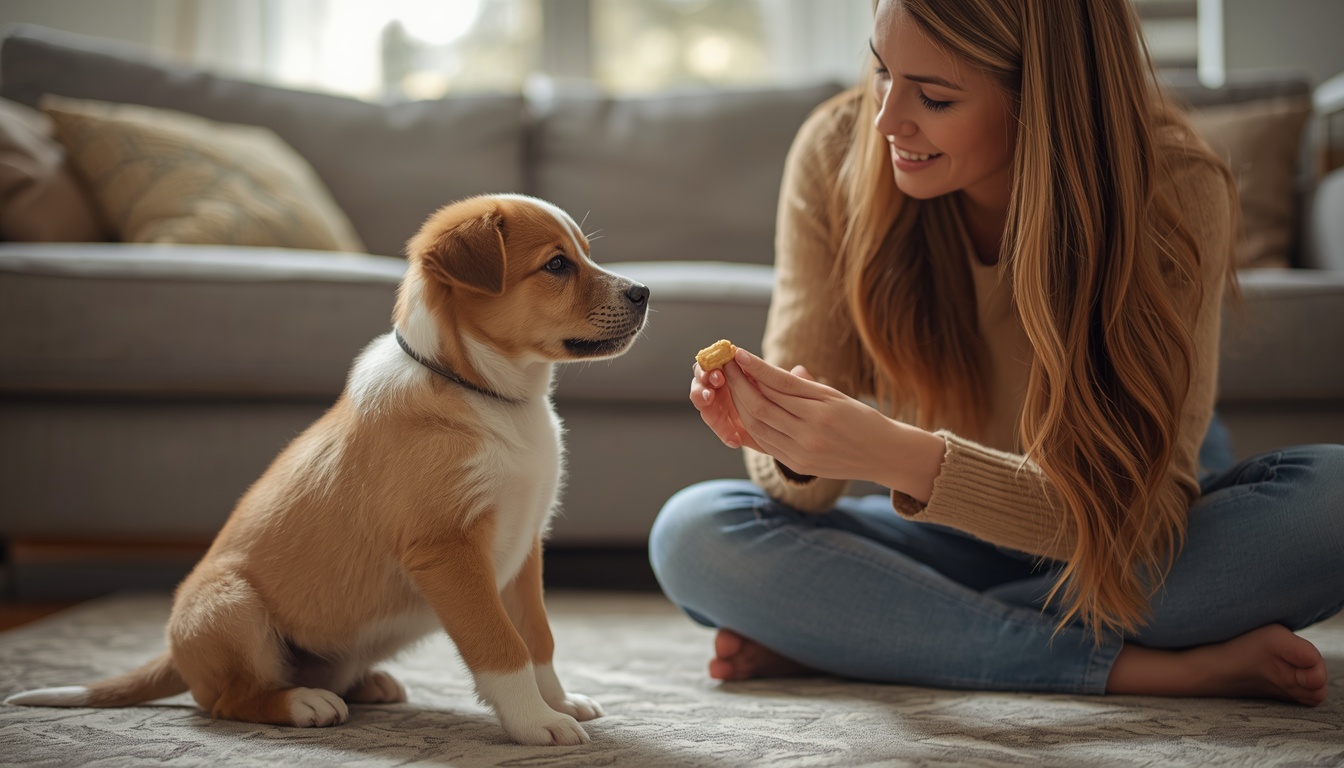
Training your dog is one of the most rewarding parts of pet ownership. Whether you’ve adopted a playful puppy or welcomed an adult rescue dog into your home, proper training builds trust, strengthens your bond, and helps your dog become a confident and well-mannered companion. If you’re looking for dog training tips for beginners, starting with simple techniques and staying consistent is the key to success. Many first-time dog owners believe training is difficult or time-consuming. In reality, dogs learn best through patience, repetition, and positive reinforcement. You don’t need to be a professional trainer to teach your dog good manners—you simply need the right approach. In this guide, you’ll discover beginner-friendly dog training tips, essential commands, common mistakes to avoid, and practical advice to help your dog learn quickly and confidently. Why Dog Training Is Important? Training is about much more than teaching tricks. It helps your dog understand what behavior is expected while creating a safe and enjoyable relationship between you and your pet. Benefits of dog training include: Well-trained dogs are often happier because they understand routines and expectations. Start Training Early Puppies can begin learning basic commands as early as 8 weeks of age. If you have an older dog, don’t worry. Adult dogs are fully capable of learning new behaviors with patience and consistency. The earlier you begin training, the easier it is to establish good habits. Keep Training Sessions Short Dogs, especially puppies, have short attention spans. Aim for: Short, positive lessons are more effective than long training sessions. Use Positive Reinforcement Positive reinforcement is one of the most effective and humane training methods. Reward good behavior with: Your dog is more likely to repeat behaviors that lead to rewards. Be Consistent Consistency helps your dog understand expectations. Everyone in the household should use: For example, if one family member allows the dog on the couch and another does not, your dog may become confused. Teach Basic Commands First Start with simple commands before moving to advanced training. Sit “Sit” is one of the easiest commands to teach. Steps: Stay Once your dog understands “Sit,” introduce “Stay.” Start with just a few seconds and gradually increase the duration. Come A reliable recall command is important for safety. Practice in quiet environments before trying busier locations. Always reward your dog enthusiastically when they come to you. Down Teaching “Down” encourages calm behavior. Guide your dog into the lying position using a treat and reward them immediately. Leave It This command helps prevent your dog from picking up dangerous objects. Reward your dog for ignoring the item rather than grabbing it. Reward Good Behavior Immediately Timing is important. Reward your dog within one or two seconds after the desired behavior so they clearly understand what earned the reward. Delayed rewards can confuse your dog. Socialize Your Dog Proper socialization helps prevent fear and anxiety. Introduce your dog gradually to: Positive experiences build confidence. Crate Training Tips A crate should be a comfortable and safe space, never a punishment. Benefits include: Place comfortable bedding and toys inside the crate to encourage positive associations. House Training Tips House training requires patience and routine. Take your puppy outside: Praise and reward successful potty breaks immediately. Leash Training Teach your dog to walk calmly without pulling. Tips: Consistency is more effective than constant pulling. Prevent Jumping Dogs often jump to greet people. Instead of rewarding jumping with attention: This teaches polite behavior. Manage Chewing Chewing is normal, especially during puppyhood. Provide: Redirect chewing away from furniture and shoes. Avoid Punishment-Based Training Harsh punishment can create fear and damage trust. Avoid: Instead, redirect unwanted behavior and reward positive alternatives. Use Clear Commands Keep commands short and consistent. Examples: Avoid changing command words frequently. Practice in Different Locations Dogs do not automatically generalize behaviors to new environments. Practice commands: Gradually increase distractions. Exercise Before Training A dog with excess energy may struggle to focus. Before training: A calm dog often learns more effectively. Use High-Value Rewards Different dogs value different rewards. Popular options include: Reserve especially exciting rewards for more challenging tasks. Common Beginner Training Mistakes Expecting Instant Results Learning takes time. Celebrate small improvements. Inconsistent Rules Mixed messages slow progress. Long Training Sessions Short, enjoyable sessions are more effective. Forgetting Rewards Reward desired behaviors frequently during early training. Skipping Practice Daily repetition builds reliable habits. Daily Training Routine A simple daily schedule can keep your dog engaged. Time Activity Morning Sit, Stay, Come (5–10 minutes) Afternoon Leash walk and socialization Evening Down, Leave It, Recall practice Before Bed Calm behavior and crate routine Consistency is more important than duration. Signs Your Dog Is Learning Positive progress may include: Every dog learns at a different pace. When to Seek Professional Help Consider working with a qualified trainer if your dog shows: Early guidance can make training easier and more effective. Frequently Asked Questions What is the first command I should teach my dog? “Sit” is usually the easiest and most useful command for beginners. How long should training sessions be? Most dogs benefit from 5–10 minute sessions repeated several times each day. Can older dogs still learn? Yes. Adult dogs can learn new behaviors throughout their lives. How many treats should I use? Use small treats and gradually replace food rewards with praise as behaviors become reliable. What is the best age to start training? Basic training can begin around 8 weeks of age, but dogs of any age can benefit from positive training. Final Thoughts Learning effective dog training tips for beginners doesn’t require expensive equipment or years of experience. Success comes from consistency, patience, and positive reinforcement. By starting with basic commands, rewarding good behavior, and practicing every day, you’ll help your dog become a confident, well-behaved companion. Remember that training is an ongoing process rather than a one-time event. Continue reinforcing good habits throughout your dog’s life, and enjoy the stronger bond that grows through learning together. Also Read:

How to Puppy Proof Furniture at Home: A Complete Guide

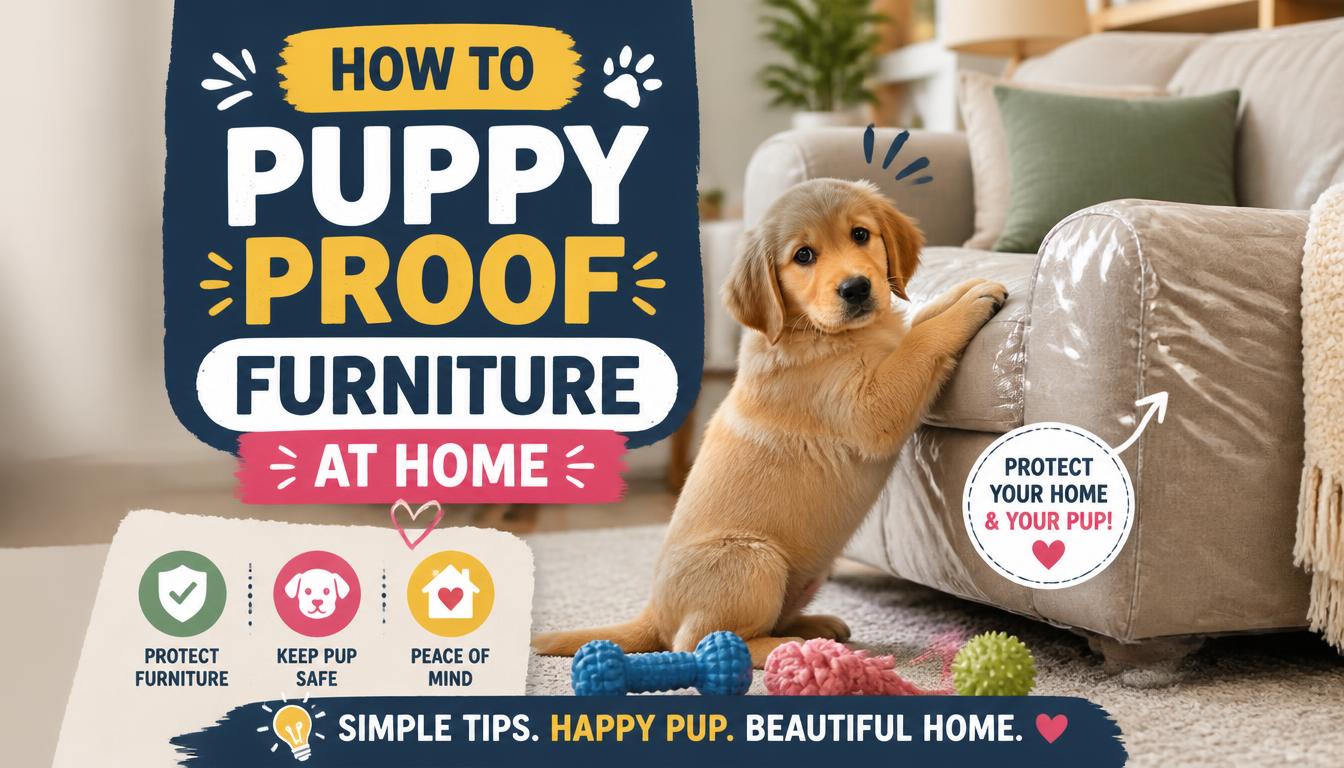
Vertical Pinterest-style design featuring an adorable puppy, protected furniture, chew toys, and bold text area saying 'How to Puppy Proof Furniture at Home', colorful, high CTR pet blog graphic, modern home aesthetic"

Bringing home a new puppy is an exciting experience, but it also means preparing your home for a curious and energetic companion. Puppies naturally chew, scratch, climb, and explore every corner of your house, making furniture one of their favorite targets. Learning how to puppy proof furniture at home can protect both your belongings and your puppy from potential injuries. From wooden table legs and leather sofas to bookshelves and entertainment centers, nearly every piece of furniture can pose a risk to a young puppy. Proper puppy-proofing creates a safer environment, prevents destructive behavior, and helps your puppy develop good habits from an early age. In this complete guide, you’ll learn practical ways to puppy proof different types of furniture, common mistakes to avoid, and expert tips for creating a safe and puppy-friendly home. Why Puppy Proofing Furniture Is Important? Puppies are naturally curious and use their mouths to explore their surroundings. During the teething stage, they often chew furniture because it helps relieve gum discomfort. Proper furniture puppy-proofing helps: Taking preventive measures early is much easier than repairing damaged furniture later. Common Furniture Hazards for Puppies Many household furniture items contain hidden dangers. Common risks include: Inspect every room carefully before allowing your puppy to roam freely. How to Puppy Proof Wooden Furniture? Wooden furniture is one of the most common chewing targets for puppies. Protect Table and Chair Legs Wooden legs are especially attractive during teething. Solutions include: Avoid using homemade sprays that may not be pet-safe. Repair Damaged Wood Check for: Damaged wood can injure your puppy’s mouth or paws. Sand rough edges and repair damaged furniture promptly. How to Protect Sofas and Couches Sofas often become scratching and chewing targets. Use Washable Furniture Covers Furniture covers help protect against: Choose durable, machine-washable fabrics. Block Under-Sofa Access Puppies love hiding underneath furniture. Use: Preventing access reduces dust exposure and accidental entrapment. Protect Leather Furniture Leather furniture requires extra care. To minimize damage: Sharp puppy teeth can permanently damage leather surfaces. Puppy Proof Coffee Tables Coffee tables often contain dangerous objects. Remove: Keep the tabletop free from anything your puppy could grab. Secure Bookshelves and Cabinets Curious puppies may attempt to climb or bump into furniture. Safety steps include: Tall furniture should always be secured to prevent tipping. Protect Dining Room Furniture Dining tables and chairs often attract puppies because of food smells. Remove Food Immediately Never leave: Even harmless-looking foods can be dangerous for dogs. Store Chairs Properly Push chairs completely under the table to discourage climbing. Puppy Proof Entertainment Centers TV stands contain multiple hazards. Secure: Cable organizers and cord covers help prevent chewing. Cover Sharp Furniture Corners Many tables have sharp edges that can injure energetic puppies. Install: These inexpensive accessories reduce injury risk during play. Hide Electrical Cords Behind Furniture Electrical cords are one of the biggest household dangers. Use: Never leave loose cords hanging where puppies can reach them. Secure Recliners and Moving Furniture Recliners and rocking chairs contain moving parts. Always: Moving furniture can cause serious injuries. Organize Storage Furniture Storage units should remain puppy-safe. Keep lower shelves free from: Reserve lower shelves for pet-safe items whenever possible. Protect Furniture During Teething Puppies usually begin heavy chewing during teething. Provide: Redirect chewing immediately whenever furniture becomes the target. Choose Puppy-Friendly Furniture Materials If purchasing new furniture, consider durable materials. Better options include: These materials are generally easier to maintain. Furniture Protection Products Many commercial products help protect furniture. Popular options include: Choose products specifically designed for pet households. Train Your Puppy to Respect Furniture Training works best alongside physical protection. Teach commands such as: Reward positive behavior with treats and praise. Consistency is more effective than punishment. Common Puppy Furniture Mistakes Avoid these common mistakes: Leaving Shoes Near Furniture Shoes often encourage puppies to chew nearby furniture. Ignoring Early Chewing Small chewing habits can become permanent if not corrected. Allowing Unsupervised Access Young puppies should always be supervised. Using Unsafe Deterrent Sprays Only use pet-safe products recommended for indoor use. Create a Puppy-Safe Play Area Instead of allowing unrestricted access, create a dedicated puppy zone. Include: A designated play area reduces furniture damage while encouraging positive habits. Daily Furniture Safety Checklist Use this simple checklist every day. ☐ Electrical cords covered ☐ Furniture corners protected ☐ Furniture anchored securely ☐ No food left on tables ☐ Decorative items removed ☐ Chew toys available ☐ Shoes stored away ☐ Cleaning supplies secured ☐ Puppy supervised during free time ☐ Furniture covers in place Signs Your Puppy Needs More Mental Stimulation Furniture chewing is sometimes caused by boredom rather than teething. Watch for: Increase: A mentally stimulated puppy is less likely to damage furniture. Frequently Asked Questions At what age do puppies stop chewing furniture? Most puppies reduce destructive chewing between 6 and 12 months of age, although this varies by breed and individual temperament. Are furniture deterrent sprays safe? Pet-safe deterrent sprays can be effective when used according to the manufacturer’s instructions. Should I allow my puppy on the couch? This depends on your household rules. If you don’t want your dog on furniture as an adult, it’s best to establish that rule from the beginning. What is the best furniture material for homes with puppies? Microfiber and performance fabrics are durable, stain-resistant, and easier to clean than many other upholstery materials. Can puppy chewing permanently damage furniture? Yes. Wooden furniture, leather upholstery, and electrical cords can suffer permanent damage if chewing is not addressed early. Final Thoughts Learning how to puppy proof furniture at home is one of the best ways to create a safe environment for your new companion while protecting your investment in household furnishings. By covering cords, securing heavy furniture, protecting table legs, and providing appropriate chew toys, you can greatly reduce the risk of accidents and destructive behavior. Remember that puppy-proofing is only one part of the solution. Consistent supervision, positive reinforcement training, regular exercise, and plenty of mental stimulation are equally important. As your puppy grows … Read more

Puppy Proofing House Checklist: The Complete Guide

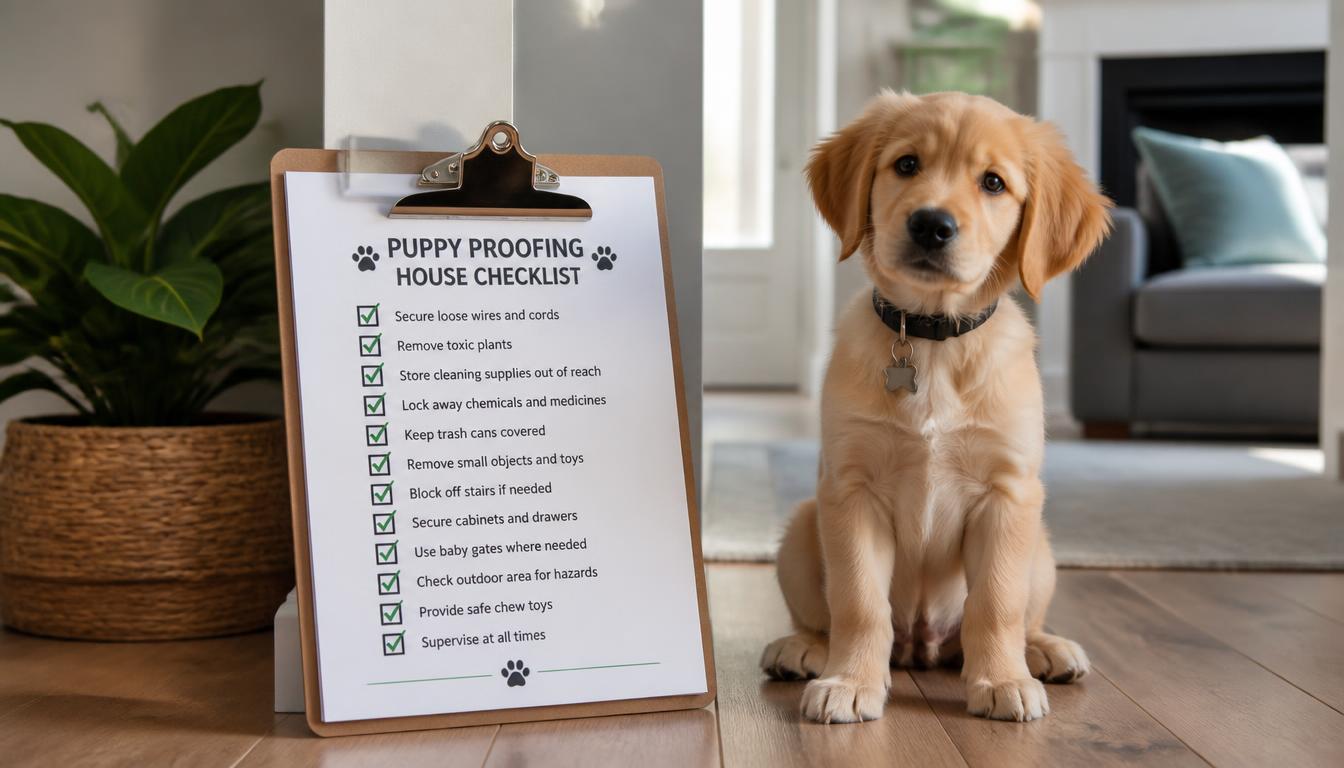
rintable puppy proofing house checklist on a clipboard with checkmarks, puppy sitting beside it in a clean modern home, organized pet safety concept, realistic lifestyle photography"

Bringing home a new puppy is an exciting experience, but it also comes with the responsibility of creating a safe environment. Puppies are naturally curious and love to explore with their noses and mouths. Without proper preparation, everyday household items can become dangerous hazards. That’s why having a puppy proofing house checklist is one of the first things every new dog owner should do. From electrical cords and toxic plants to loose household items and unsafe furniture, there are many hidden dangers inside a home. Puppy-proofing helps prevent accidents, protects your belongings, and gives your furry friend a secure place to learn and grow. In this complete guide, you’ll find a room-by-room puppy proofing checklist, essential safety tips, common household hazards, and expert advice to help keep your puppy safe during every stage of development. Why Puppy Proofing Is Important? Puppies are energetic, playful, and eager to investigate everything around them. They often chew, climb, dig, and swallow objects without understanding the risks. A properly puppy-proofed home helps: Taking preventive steps before your puppy arrives can save you time, money, and worry. Complete Puppy Proofing House Checklist Use this printable checklist to inspect every area of your home. General Home Safety ☐ Remove small objects that could be swallowed ☐ Cover or secure electrical cords ☐ Store cleaning supplies in locked cabinets ☐ Keep trash cans covered ☐ Remove plastic bags from reachable areas ☐ Install baby gates where needed ☐ Secure heavy furniture to walls ☐ Keep medications out of reach ☐ Store batteries safely ☐ Close toilet lids ☐ Remove loose coins, buttons, and jewelry ☐ Check for choking hazards ☐ Keep sharp objects stored safely ☐ Lock away chemicals and pesticides ☐ Ensure smoke and carbon monoxide detectors work properly Living Room Puppy Proofing Checklist The living room is often where puppies spend the most time. Checklist ☐ Hide electrical cords ☐ Remove decorative candles ☐ Keep remote controls off the floor ☐ Secure televisions and electronics ☐ Store shoes in closets ☐ Remove children’s toys ☐ Protect furniture corners if needed ☐ Keep houseplants out of reach ☐ Store blankets with loose strings ☐ Check for dangling cords from blinds or curtains Kitchen Puppy Proofing Checklist The kitchen contains many potential hazards. Checklist ☐ Lock lower cabinets ☐ Store knives safely ☐ Keep food off countertops ☐ Secure trash cans with locking lids ☐ Store chocolate away ☐ Remove onions and garlic from accessible areas ☐ Keep grapes and raisins out of reach ☐ Store cleaning products securely ☐ Never leave hot cookware unattended ☐ Keep dishwashers closed Bedroom Puppy Proofing Checklist Bedrooms may seem safe but contain hidden risks. Checklist ☐ Store laundry in closed hampers ☐ Keep socks off the floor ☐ Remove loose charging cables ☐ Store cosmetics safely ☐ Put medications away ☐ Keep jewelry in drawers ☐ Remove choking hazards ☐ Keep windows securely closed or screened Bathroom Puppy Proofing Checklist Bathrooms contain chemicals and small items that can be dangerous. Checklist ☐ Store medications in cabinets ☐ Close toilet lids ☐ Lock cleaning products away ☐ Keep razors inaccessible ☐ Remove cotton swabs ☐ Store hair ties safely ☐ Keep bath products off low shelves ☐ Empty trash frequently Laundry Room Checklist Laundry rooms contain several hidden hazards. ☐ Store detergent safely ☐ Close washing machine doors ☐ Keep dryer sheets away ☐ Remove bleach from reach ☐ Secure ironing cords ☐ Store sewing supplies properly Home Office Puppy Proofing Checklist Office spaces often contain cords and small objects. ☐ Organize computer cables ☐ Remove paper clips ☐ Store pens and markers ☐ Keep batteries secure ☐ Protect power strips ☐ Store important documents ☐ Remove loose staples Garage Safety Checklist Garages are one of the most dangerous places for puppies. ☐ Store antifreeze securely ☐ Lock pesticides away ☐ Keep paint sealed ☐ Remove sharp tools ☐ Secure lawn equipment ☐ Store fertilizers safely ☐ Sweep away nails and screws ☐ Keep car fluids inaccessible Backyard Puppy Proofing Checklist Outdoor safety is just as important. ☐ Repair damaged fences ☐ Remove toxic plants ☐ Cover pools and ponds ☐ Store garden chemicals ☐ Check for escape gaps ☐ Remove sharp branches ☐ Keep compost bins closed ☐ Remove poisonous mushrooms ☐ Inspect for standing water ☐ Secure outdoor trash bins Common Household Items Toxic to Puppies Many everyday items can be harmful. Foods to Avoid Household Products Keep all hazardous items locked away. Toxic Houseplants Several popular indoor plants are unsafe for dogs. Common examples include: Research every plant before bringing it into a pet-friendly home. Electrical Safety Tips Puppies love chewing cords. Protect them by: Choosing Safe Puppy Toys Offer durable toys instead of allowing puppies to chew household items. Look for toys that are: Replace damaged toys immediately. Creating a Puppy Safe Zone Many owners create a dedicated puppy area. Include: A safe zone helps puppies feel secure while learning house rules. Puppy Proofing by Age 8–12 Weeks Focus on: 3–6 Months Expect: 6–12 Months Teenage puppies may: Continue updating your puppy-proofing measures as your dog grows. Common Puppy Proofing Mistakes Avoid these common errors: Regularly inspect your home for new hazards. Puppy Emergency Kit Checklist Keep these essentials ready: Preparation can make a big difference during unexpected situations. Frequently Asked Questions How long should I puppy-proof my house? Continue puppy-proofing until your dog consistently demonstrates safe behavior, which may take several months or longer depending on the breed and individual temperament. Are baby gates useful for puppies? Yes. Baby gates help restrict access to unsafe areas and make supervision easier. Should puppies have free access to the entire house? No. It’s generally best to introduce access gradually while supervising your puppy. What is the biggest hazard for puppies? Common risks include electrical cords, toxic foods, medications, cleaning products, and small objects that can be swallowed. How often should I inspect my home? Perform a quick safety check every week and after bringing new items into … Read more

Dog Training Basics for Beginners at Home: The Complete Step-by-Step Guide

Dog Training Basics for Beginners at Home

Training a dog at home may seem challenging at first, but with patience, consistency, and the right techniques, anyone can teach their dog good manners and essential commands. Whether you’ve just adopted a puppy or brought home an older rescue dog, understanding the dog training basics for beginners at home can help build a strong bond between you and your furry companion. The good news is that you don’t need expensive equipment or professional training classes to get started. Most dogs learn best in a familiar environment where they feel safe and comfortable. This guide covers everything beginners need to know, from basic obedience commands to common training mistakes and proven positive reinforcement techniques. Why Dog Training Is Important? Dog training is about much more than teaching tricks. Proper training helps dogs understand expectations and creates a foundation for good behavior. Benefits of training your dog at home include: Training also provides mental stimulation, which is just as important as physical exercise. When Should You Start Training a Dog? One of the most common questions from new owners is when training should begin. The answer is simple: as early as possible. Puppies can begin learning basic commands as early as 8 weeks old. However, older dogs can also learn successfully. The saying “you can’t teach an old dog new tricks” is simply not true. The key is using age-appropriate methods and maintaining consistency. Preparing for Dog Training at Home Before starting, gather a few essential items. Training Treats Small, soft treats work best because dogs can eat them quickly and stay focused. Leash and Collar A comfortable leash helps during obedience training and walking exercises. Quiet Training Area Choose a location with minimal distractions. Patience Perhaps the most important training tool is patience. Dogs learn through repetition and positive experiences. Understanding Positive Reinforcement Training Positive reinforcement is one of the most effective dog training methods available. The principle is simple: When your dog performs the desired behavior, immediately reward them with: Dogs quickly learn that good behavior leads to positive outcomes. Avoid punishment-based methods, as they often create fear, anxiety, and confusion. The First Commands Every Dog Should Learn Every beginner should focus on a few foundational commands. Sit The “sit” command is often the easiest command for dogs to learn. How to Teach Sit Practice for 5–10 minutes daily. Stay The stay command helps improve impulse control and safety. How to Teach Stay Gradually increase distance and duration. Come Teaching recall can potentially save your dog’s life. How to Teach Come Always make coming to you a positive experience. Down The down command encourages calm behavior. How to Teach Down House Training Basics House training is often the biggest concern for beginners. Establish a Routine Dogs thrive on consistency. Take your dog outside: Reward Success When your dog eliminates in the correct spot, provide immediate praise and treats. Avoid Punishment Accidents happen. Clean them thoroughly and continue reinforcing good habits. Crate Training for Beginners Crate training can be an extremely valuable tool when introduced properly. Benefits of Crate Training How to Introduce a Crate Make the crate a positive place by adding: Never use the crate as punishment. Leash Training at Home Many dogs naturally pull during walks. Teaching Loose Leash Walking When your dog pulls: Consistency is critical for success. How to Stop Common Problem Behaviors Jumping on People Ignore jumping behavior and reward calm greetings. Excessive Barking Identify the cause of barking and redirect your dog’s attention. Chewing Provide appropriate chew toys and supervise closely. Digging Increase exercise and mental stimulation to reduce boredom-related digging. The Importance of Socialization Socialization is one of the most important aspects of dog training. Expose your dog safely to: Positive experiences build confidence and reduce fear-based behaviors later in life. Creating a Daily Dog Training Schedule A structured routine produces faster results. Morning Session 5–10 minutes of basic commands. Afternoon Session Short recall and leash exercises. Evening Session Review previously learned commands. Several short sessions are more effective than one long session. Training Tips for Faster Results Keep Sessions Short Dogs learn best in focused bursts. End on a Positive Note Finish each session with success. Use Consistent Commands Everyone in the household should use the same words. Reward Immediately Timing matters. Reward within seconds of the correct behavior. Common Dog Training Mistakes Beginners Make Being Inconsistent Changing rules confuses dogs. Expecting Instant Results Training requires repetition and patience. Using Punishment Fear-based training often creates new behavioral problems. Overtraining Long sessions can frustrate both dog and owner. Best Dog Breeds for Beginner Trainers While every dog is unique, some breeds tend to be easier for beginners. Popular beginner-friendly breeds include: These breeds generally respond well to positive reinforcement training. Signs Your Dog Is Learning Successfully Look for these positive indicators: Progress may be gradual, but consistency always pays off. Conclusion Learning the dog training basics for beginners at home is one of the most rewarding parts of dog ownership. Successful training doesn’t require professional expertise—just patience, consistency, and a positive attitude. Start with foundational commands like sit, stay, come, and down. Build routines, reward good behavior, and focus on creating positive experiences. Over time, your dog will become more confident, well-behaved, and responsive. Remember, dog training is not a one-time event. It’s an ongoing process that strengthens your relationship and helps your dog become a happy, well-adjusted member of your family. Frequently Asked Questions What is the easiest command to teach a dog first? The “sit” command is usually the easiest and most effective first command for beginners. How long should dog training sessions last? Most dogs learn best with sessions lasting 5–15 minutes. Can older dogs still be trained? Yes. Dogs of all ages can learn new behaviors and commands. How many times per day should I train my dog? Two to three short training sessions daily are ideal. What is the best dog training method for beginners? Positive reinforcement training is widely considered the most effective and beginner-friendly … Read more

How to Set Automatic Cat Feeder: A Complete Beginner’s Guide

How to Set Automatic Cat Feeder

If you’re a busy cat parent, learning how to set automatic cat feeder devices properly can make feeding time stress-free and consistent. Automatic cat feeders help maintain portion control, prevent overeating, and ensure your cat gets food even when you’re away from home. In this guide, you’ll learn exactly how to set up an automatic cat feeder step by step, common mistakes to avoid, and tips to keep your cat healthy and comfortable. What Is an Automatic Cat Feeder? An automatic cat feeder is a smart device that dispenses cat food at scheduled times. Some feeders use simple timers, while advanced models connect to Wi-Fi and mobile apps for remote control. Most automatic cat feeders support: Using an automatic feeder helps establish a healthy feeding routine for your cat. Benefits of Using an Automatic Cat Feeder Before learning how to set automatic cat feeder systems, it’s important to understand their benefits. Consistent Feeding Schedule Cats thrive on routine. Automatic feeders ensure meals arrive at the same time every day. Portion Control Overfeeding can lead to obesity. Feeders help provide accurate food portions. Convenience for Busy Owners Whether you work long hours or travel occasionally, your cat still gets fed on time. Reduced Early Morning Wake-Up Calls Many cats wake owners early for food. Automatic feeders can handle breakfast automatically. Better Weight Management Measured meals help maintain a healthy weight and improve digestion. How to Set Automatic Cat Feeder Properly Setting up an automatic cat feeder is easier than most people think. Follow these steps carefully. Step 1: Choose the Right Location Place the feeder in a quiet, clean, and accessible area. Avoid placing it: Cats prefer calm environments while eating. Step 2: Insert Batteries or Connect Power Most automatic cat feeders work using: Always install fresh batteries even if plugged in. This prevents missed meals during power outages. Step 3: Fill the Food Container Add dry cat food into the storage compartment. Important Tips Fresh, dry food prevents clogging issues. Step 4: Set the Current Time Before programming meals, set the feeder’s internal clock accurately. Most feeders allow: Double-check AM and PM settings to avoid incorrect feeding times. Step 5: Program Feeding Schedule This is the most important step when learning how to set automatic cat feeder devices. Most feeders allow multiple meals daily. Example Feeding Schedule Meal Time Breakfast 7:00 AM Lunch 1:00 PM Dinner 7:00 PM Choose feeding times that match your cat’s regular routine. Step 6: Set Portion Sizes Automatic feeders use portion measurements such as: Start with your veterinarian’s recommended amount. Portion Control Tips Step 7: Test the Feeder Before relying on the feeder completely, run a manual feeding test. Check whether: Testing helps prevent feeding failures. Step 8: Train Your Cat to Use the Feeder Some cats adapt quickly, while others need time. Training Tips Most cats adjust within a few days. Common Problems and Solutions Feeder Not Dispensing Food Possible causes: Solution:Clean the feeder and reset schedules. Cat Is Scared of the Feeder Some feeders make mechanical noises. Solution:Introduce the feeder slowly and reward calm behavior. Food Gets Stale Improper sealing can affect freshness. Solution:Store feeder away from humidity and clean it weekly. How Often Should You Clean an Automatic Cat Feeder? Cleaning is essential for your cat’s health. Recommended Cleaning Schedule Part Cleaning Frequency Food tray Every 2–3 days Food storage container Weekly Entire feeder Monthly deep clean Always follow manufacturer instructions before washing. Best Features to Look for in an Automatic Cat Feeder When buying a feeder, look for these useful features: Wi-Fi Connectivity Allows remote feeding through smartphone apps. Battery Backup Ensures feeding continues during power cuts. Portion Accuracy Helps maintain healthy eating habits. Anti-Clog Design Prevents food jams. Voice Recording Lets your cat hear your voice during meal times. Tips for Using an Automatic Cat Feeder Successfully Consistency is key for healthy feeding routines. Can Automatic Cat Feeders Replace Human Feeding Completely? Automatic feeders are excellent tools, but they should not fully replace human interaction. Cats still need: Think of the feeder as a support tool, not a total replacement. Final Thoughts Learning how to set automatic cat feeder systems correctly can greatly improve your cat’s routine and your peace of mind. With proper setup, scheduled feeding becomes reliable, convenient, and healthy for your pet. Choose the right feeder, follow accurate portion control, and clean the device regularly for the best results. A well-configured automatic cat feeder can help your cat stay happy, healthy, and well-fed every day. Frequently Asked Questions How do I set feeding times on an automatic cat feeder? Use the feeder’s control panel or mobile app to choose meal times and portion sizes based on your cat’s routine. Can automatic cat feeders dispense wet food? Some advanced feeders support wet food, but most standard models work best with dry food. How many meals should a cat eat daily? Most adult cats eat 2–3 small meals per day. Do automatic cat feeders work during power outages? Many models include battery backup systems for uninterrupted feeding. Are automatic cat feeders safe for cats? Yes, high-quality automatic cat feeders are generally safe when cleaned and maintained properly. Also Read: