

Dog Grooming Blade Length Guide: Most Significant Step by Step Guide
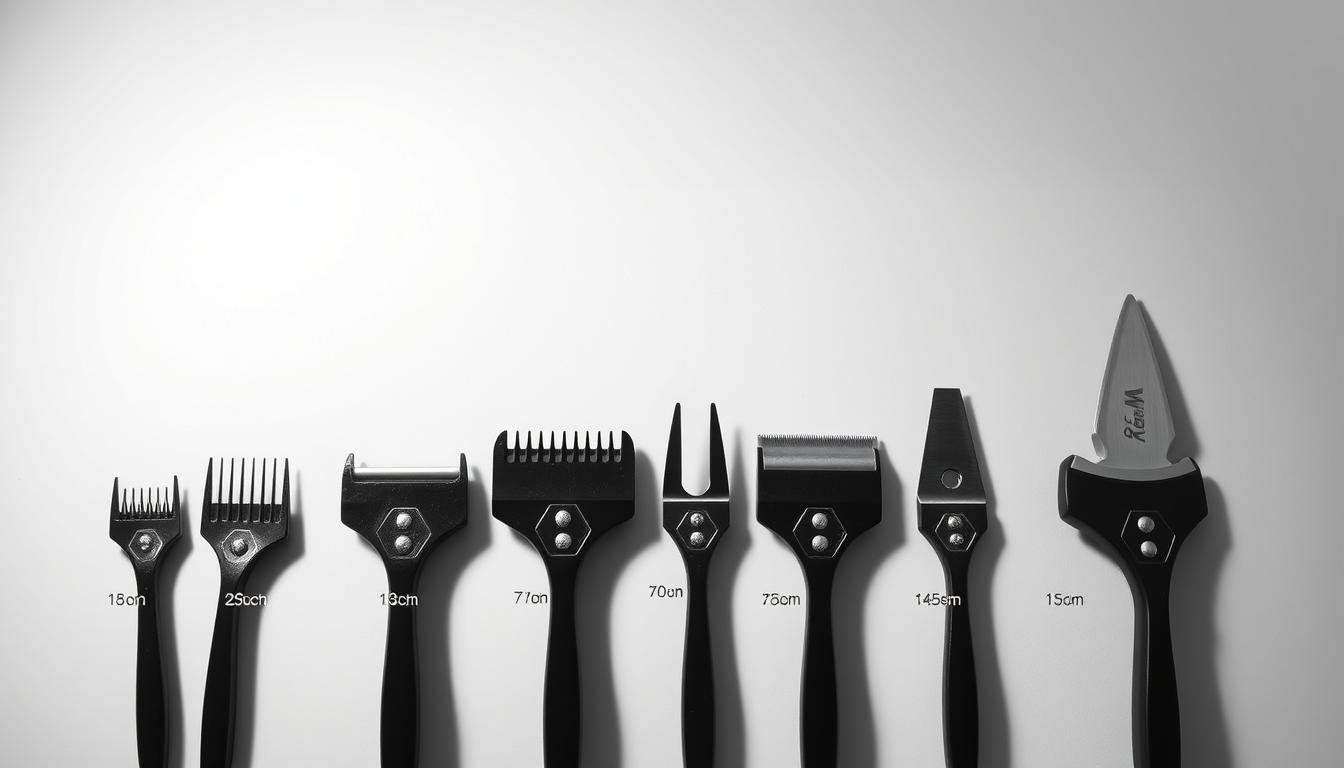
Every pet parent wants their furry friend to look and feel their best. The secret to a polished finish? Choosing the right tools. Clipper blades might seem confusing at first, but understanding their numbering system unlocks salon-quality results from home. Blade numbers directly affect how short or long your pet’s coat will be after trimming. Popular brands like Andis®, Oster®, and Wahl® use standardized sizes, making it easier to pick what works for different breeds and seasons. A #10 blade, for example, leaves hair shorter than a #4 – but there’s more to it than just numbers! This guide simplifies the process with clear explanations and practical tips. You’ll learn how blade types influence trimming outcomes, maintain coat health, and even reduce shedding. We’ll also cover proper clipper care to extend tool life and ensure consistent performance. Key Takeaways Whether you’re tackling a summer trim or maintaining a show-ready coat, this resource puts professional techniques within reach. Let’s create a stress-free grooming routine that benefits both you and your companion! Understanding Dog Grooming Essentials and Blade Function Professional-quality trims start with understanding your tools. Clippers rely on a two-part system: a comb guide positions strands while a sharp cutting edge trims them evenly. This teamwork prevents tugging and creates smooth results, whether you’re shaping a poodle’s curls or maintaining a terrier’s wiry coat. The Role of Clippers and Blades in Coat Maintenance High-speed motors drive precision. Brands like Andis® and Wahl® design blades that move 3,000–4,500 times per minute, slicing through thick or fine textures without snagging. Three common blade categories handle different tasks: Blade Type Function Best For Full Cut Complete trim in one pass Thick undercoats Skip Tooth Reduces bulk Matted or dense fur Finishing Polishes edges Show-ready styles Why Precision Matters in Tool Selection Mismatched blades cause frustration. A #7 skip tooth might glide through a husky’s double coat but leave patchy results on a shih tzu’s silky strands. As professional groomer Lila Torres notes: “The right blade turns a stressful session into a bonding moment – it’s worth the research.” Overheating and uneven cuts often trace back to incorrect choices. Curly coats need wider spacing between teeth to avoid clogging, while sensitive skin benefits from ceramic-coated edges. Pairing tools to fur type ensures comfort and reduces cleanup time. Exploring the dog grooming blade length chart Mastering coat care starts with a simple visual tool. The blade size chart acts as your roadmap, showing how each number translates to specific results. Let’s break down how to use this resource like a pro. What Those Numbers Really Mean Blade sizes follow a counterintuitive pattern – lower numbers leave longer strands. For example: These measurements ensure consistency across brands. Always check manufacturer guides for exact lengths. Blade Designs for Every Task Type Teeth Pattern Best Use Skip Tooth Alternating gaps Matted or dense coats Finishing Tight spacing Smooth edges Full Cut Uniform teeth All-over trimming Skip tooth options reduce pulling in curly textures, while finishing blades perfect show-ring details. Home Grooming Made Simple Consult the chart before each session. Pair blade sizes with coat thickness – a #5 works wonders on terriers but might scalp fine-haired breeds. Professional groomer Marco Silva advises: “Keep your chart visible. Cross-reference numbers with seasonal needs – shorter in summer, longer in winter.” This strategy prevents uneven patches and maintains healthy fur growth cycles. Combine blade types for layered styles, always starting with longer settings. Tips for Choosing the Right Blade for Your Dog’s Coat and Breed Finding the perfect trim starts with pairing tools to your pet’s unique needs. Coat texture, breed standards, and body shape all influence which blade sizes deliver polished results without irritation. Matching Blade Size to Coat Type and Breed Characteristics Thick double coats need different care than silky strands. For example: Short-haired breeds like Boxers may only need a #10 blade for touch-ups. Always test blades on less visible areas first to assess comfort. Special Blade Options for Sensitive Areas Delicate zones like ears and facial regions demand precision. Use these guidelines: Area Recommended Sizes Notes Ears #10 or #15 Prevents nicks near folds Tail #4 or #5 Maintains plume shape Face Ceramic #30 Reduces vibration near eyes Certified groomer Elena Rodriguez advises: “Blend multiple blade lengths for a natural look. Start longer – you can always trim more later.” For mixed breeds, focus on coat density rather than breed labels. Fine-haired pets often need higher-numbered blades to avoid uneven patches. Always prioritize comfort over style – a happy pet makes grooming easier for everyone! Maintaining and Caring for Your Clipper Blades Sharp tools make grooming sessions smoother and safer. Proper care keeps blades cutting efficiently while protecting sensitive skin. Let’s explore simple routines that extend tool life and boost performance. Proper Cleaning Techniques and Blade Cooling Methods Start by brushing away fur after each use. Soak blades in clipper cleaner for 5 minutes to dissolve residue. Rinse under warm water and dry completely before storage. Overheating causes discomfort. Check blade temperature every 10 minutes by touching the side – if warm, switch to a backup set. Professional groomer Jenna Lee shares: “Cooling sprays like Andis® Cool Care Plus® lower heat fast. Keep two blades rotating during long sessions.” Using Lubricants and Cool Running Blades for Safety Apply oil or spray lubricant after cleaning. This reduces friction and prevents rust. Most groomers recommend lubricating: Frequency Product Benefit After each use Oster® Kool Lube Spray Cools blades instantly Weekly Clipper oil Protects moving parts Order replacement parts directly from manufacturer websites. Store tools in dry areas away from moisture. A well-maintained set gives better control over tricky areas like paws and ears. Taking time for care pays off. Regular maintenance saves money on replacements and keeps pets comfortable. Your furry friend deserves tools that work as hard as you do! Conclusion The right tools transform coat care from chore to bonding experience. Choosing clipper attachments tailored to your pet’s hair type and body shape ensures both comfort and … Read more