OURPETTAILS

Labrador Dog Diet Chart: Optimal Nutrition for Your Pup

Labrador Dog Diet Chart

Welcome to your go-to resource for crafting a tailored meal plan that supports your furry companion’s vitality. Proper nutrition forms the foundation of a happy, active lifestyle for your four-legged family member, especially as their needs evolve with age. High-quality protein sources like real meat fuel muscle development, while vegetables provide essential vitamins. Avoid products with corn or wheat fillers—these additives offer little nutritional value. Growing puppies require 30% more calories than adults to support their rapid growth phases. Balanced meals directly impact energy levels, coat shine, and long-term joint health. Whether you’re raising a playful puppy or caring for a senior companion, understanding portion sizes and ingredient quality ensures they thrive at every life stage. Key Takeaways Understanding Your Labrador’s Nutritional Needs Proper nutrition fuels every wagging tail and playful leap. Just like humans, dogs need six essential components to thrive: water, proteins, fats, carbohydrates, vitamins, and minerals. These elements work together to support everything from muscle development to immune function. Essential Nutrients and Their Benefits Nutrient Key Benefits Food Sources Proteins Build muscles & repair tissues Chicken, fish, eggs Fats Energy reserve & coat health Salmon oil, flaxseed Carbohydrates Quick energy supply Sweet potatoes, oats Vitamins Boost immunity Carrots, blueberries Factors Influencing Diet Choices Age and activity level dramatically affect calorie needs. Puppies require 25% more protein than adults during growth spurts. Active dogs burn calories faster than couch companions. Health status matters too. Spayed pets often need fewer calories. Always consult your vet to tailor meals for specific needs. What Makes a Balanced Diet for Labradors Crafting the perfect meal plan means achieving nutritional harmony. Homeostasis—your companion’s body functioning at its best—relies on precise ratios of proteins, fats, and carbohydrates. Variety matters because no single food provides all essential elements. Fueling Active Lifestyles Nutrient Role Top Sources Proteins Muscle repair & enzyme production Chicken, turkey, lean beef Fats Energy storage & skin health Fish oil, coconut oil Carbs Quick fuel & digestion support Pumpkin, quinoa, peas Micronutrient Magic Vitamins and minerals act like tiny helpers in every bodily process. Calcium strengthens bones, while zinc boosts immunity. Colorful vegetables and fruits deliver these vital compounds naturally. Rotate protein sources and include whole foods for nutrient diversity. Fresh spinach offers iron, while blueberries provide antioxidants. Quality ingredients ensure meals meet all needs without artificial additives. Creating an Effective “labrador dog diet chart” Custom meal plans act like GPS for your furry friend’s health journey. Every pet has unique requirements that change with seasons of life and lifestyle shifts. Start by mapping out their ideal physique rather than current measurements – this becomes your destination point. Daily Nutrition Targets Active companions burning energy through hikes or agility training need 20-40% more calories than relaxed homebodies. Use this simple formula as your compass: Activity Level Calories Per Pound Low (indoors most days) 25 Moderate (daily walks) 27 High (sports/swimming) 30+ Smart Portion Strategies Measure meals using a standardized cup rather than guessing. Split the total amount per day into 2-3 feedings for better digestion. Puppies under six months thrive with three smaller meals. Track body condition monthly – you should feel ribs without seeing them. Adjust dog food quantities if your pal gains or loses more than 5% of their target weight. Remember, treats count toward daily totals! Update your feeding guide every 6 months or after major life changes. Nursing mothers and senior companions have different needs than adolescents. Work with your vet to refine portions as seasons change. Meal Planning for Puppies and Adult Dogs Building a nutritional roadmap requires understanding how needs shift from energetic youth to steady adulthood. Young companions experience extended development phases demanding precise fuel blends, while mature pals thrive on consistent maintenance plans. Fueling Development Stages Growing pups need 22-32% protein to support muscle formation and bone strength. Calcium-to-phosphorus ratios of 1.2:1 prevent joint issues during their 18-24 month maturation. Feed three to four small meals daily until four months old to stabilize energy levels. Consider these essentials for early nutrition: Maintenance Mode Essentials Transition to adult formulas gradually between 12-18 months. Reduce meals to twice daily while monitoring body condition. Mature companions benefit from: Adjust portions seasonally – active summer months might require 10% more calories than winter. Always consult your vet when changing meal plans, especially after spaying/neutering. Evaluating Commercial Dog Food vs. Home-Cooked Options Choosing the right nourishment strategy requires balancing convenience with nutritional value. Both store-bought and homemade approaches have unique strengths, but understanding their limitations helps create sustainable feeding routines. Pros and Cons of Dry Dog Food Kibble dominates pet stores for good reason—it’s shelf-stable and portion-controlled. Premium brands like Taste of the Wild and Canidae Pure use real meat as primary ingredients, avoiding corn-based fillers. Key advantages include: However, cheaper options often pack empty calories from wheat or soy. Always check labels for meat sources listed first. Benefits of Fresh, Home-Prepared Meals Whipping up meals lets you control every component—ideal for sensitive stomachs. Fresh proteins like turkey or salmon paired with steamed veggies often improve coat shine and digestion. Consider these points: Many owners mix both methods, using quality kibble as a base while adding cooked sweet potatoes or green beans for variety. Rotate proteins monthly to prevent allergies. Understanding Raw Feeding and BARF Diets Exploring alternative feeding methods opens new possibilities for pet owners seeking ancestral-inspired nutrition. The BARF approach focuses on uncooked ingredients that mirror what wild canines might consume, prioritizing freshness and biological appropriateness. What is a BARF Diet? This meal plan follows a 70/10/10/10 formula: muscle meat, edible bones, organs, and plant matter. Unlike processed options, it skips artificial preservatives while delivering nutrients in their natural state. Chicken thighs, beef liver, and leafy greens become staple ingredients. Essential components work together like puzzle pieces: Steps for Safe Raw Meal Preparation Start with human-grade meat from trusted butchers or farms. Freeze ingredients for 72 hours to reduce pathogens before preparation. Use separate cutting boards and utensils to prevent cross-contamination. Follow this safety checklist: Portion … Read more

10 Budget Friendly Dog Birthday Celebration Ideas

Budget Friendly Dog Birthday Celebration Ideas

Every pet parent knows that furry family members deserve joyful celebrations just like anyone else. But here’s the secret: creating unforgettable moments for your pup doesn’t require splurging. With a little creativity and planning, you can craft a special day that’s both meaningful and affordable. Think homemade treats instead of pricey bakery goods. Picture DIY decorations made with love. Imagine games that turn your backyard into a playground. These approaches aren’t just cost-effective—they often feel more personal than store-bought alternatives. This guide will walk you through simple yet paw-some ways to celebrate. You’ll discover clever tips for party themes, activities that spark excitement, and recipes for tail-wagging snacks. Best of all? Every idea focuses on what truly matters: showing your four-legged companion how cherished they are. Key Takeaways Introduction: Celebrating Your Dog’s Special Day on a Budget Modern pet owners increasingly recognize their companions’ milestones as cherished family events. Over 65% of American households now mark their animal’s big day, according to recent surveys. This shift reflects our growing understanding that shared joy strengthens bonds between species. Contrary to popular belief, memorable celebrations don’t demand fancy venues or professional services. A study by PetBehaviorInsights.com reveals animals respond better to familiar environments and personalized attention. Simple activities like backyard fetch tournaments often outshine elaborate setups. Traditional Approach Budget-Friendly Alternative Key Benefit Custom bakery cake ($40+) Homemade peanut butter bites Healthier ingredients Professional pet photographer DIY photo booth with props More relaxed atmosphere Store-bought decorations Handmade paw-print banners Personalized touches The secret lies in focusing on what truly matters to your four-legged friend. Sniff-friendly scavenger hunts or extra cuddle time often create more tail wags than expensive gifts. As veterinary behaviorist Dr. Amy Summers notes: “Pets measure happiness through engagement, not price tags.” Smart planning turns ordinary items into extraordinary experiences. Repurpose old toys as party favors or transform laundry baskets into treat dispensers. These creative solutions not only save money but also make celebrations uniquely tailored to your companion’s personality. Budget-friendly Dog Birthday Ideas: Setting the Stage Creating memorable moments for your furry friend starts with understanding what makes their tail wag. Observe their daily routines – do they love sniffing adventures or energetic fetch sessions? Build your celebration around these natural joys rather than store-bought entertainment. Assess your available space with fresh eyes. Turn a studio apartment into an obstacle course using couch cushions. Transform a balcony into a mini sniffari zone with hidden treats. For backyard gatherings, designate play zones using existing trees or garden features as natural landmarks. Timing matters more than you think. Schedule festivities during your companion’s peak excitement hours – usually after naps or meals. A morning celebration might work better for early risers, while sunset parties suit twilight explorers. Themes add flair without costs. Try a “Toy Treasure Hunt” using their favorite chews or a “Splash Bash” with kiddie pools. Repurpose old bandanas as table runners or turn cardboard boxes into treat-dispensing games. One pet parent transformed mismatched socks into scented puzzle toys by hiding kibble inside. Small gatherings often create the best experiences. Limit guests to familiar faces – both human and canine. This reduces stress and lets your pup enjoy focused attention. Remember, three happy playmates beat ten overwhelmed ones. Keep expectations realistic. Plan shorter activities with breaks for water and calm moments. As certified animal behaviorist Linda Carson notes: “Canine celebrations thrive on simplicity – a relaxed owner means a happy pet.” Planning the Ideal Dog Birthday Party Successful celebrations begin with smart organization rather than extravagant spending. Start by choosing a weekend date that aligns with your pup’s energy patterns and guest availability. Most furry friends thrive with morning or late-afternoon events when they’re naturally playful. Creating a Timeline and Checklist Build your plan around a 14-day countdown. This gives plenty of time to gather supplies and confirm RSVPs without last-minute chaos. Break tasks into daily micro-goals – finalize the guest list by day 10, test homemade treats by day 5. Timeline Action Items Key Benefits 14 days prior Confirm human/canine guest lists Allows time for dietary checks 7 days prior Prepare weather backup plan Reduces weather-related stress 3 days prior Pre-make frozen snacks Saves day-of preparation time Keep the party duration under three hours to prevent overstimulation. Schedule high-energy games early, followed by calm snack breaks. Certified trainer Mia Clarkson advises: “Alternate 20 minutes of play with 10-minute rest periods to maintain happy moods.” Make sure to assign roles to family members – someone can manage photos while another supervises water stations. This teamwork approach lets everyone enjoy the celebration while keeping tails wagging safely. Inviting Friends, Family, and Furry Companions Building the right guest mix ensures a stress-free celebration for everyone. Start by listing your pup’s favorite playmates – these could be neighborhood pals or relatives’ companions. Keep the group small enough to manage in your space while allowing energetic interactions. When contacting other owners, ask three key questions: Is their pet’s vaccination current? How do they handle new environments? Any food restrictions? This shows care while protecting all attendees. Most appreciate the consideration – it builds trust before the fun begins. Invitation Style Materials Needed Time Required Paw-print Cards Cardstock, non-toxic paint 15 minutes Digital Invites Free design apps 10 minutes Treat Bag Notes Reusable fabric scraps 20 minutes Create separate zones for different energy levels. Shy pups might enjoy a quiet corner with chew toys, while social butterflies can romp in open areas. Rotate groups every 30 minutes to prevent overcrowding. For less social companions, schedule one-on-one playdates during the week. This lets them join the celebration spirit without group pressure. As trainer Marco Diaz advises: “Respect individual personalities – forced interactions help no one.” Brief human guests on canine body language basics. Show them how to offer treats safely and recognize when pets need space. Simple instructions like “Let dogs approach you first” make the experience enjoyable for all. Decorating Your Home on a Budget Transforming your space into a festive wonderland doesn’t require … Read more

Small Apartment Dog Essentials Checklist

Small Apartment Dog Essentials Checklist

Living with furry friends in cozy spaces requires smart planning. This guide helps renters build a stress-free environment that protects both pet well-being and property security. Studies show compact breeds under 20 pounds adapt well to limited square footage while maintaining lively personalities. Strategic preparation prevents common rental headaches. The right tools minimize scratches on floors and reduce accidental stains. Proper supplies also help anxious animals feel settled, lowering noise complaints from neighbors. We’ve combined expert insights from veterinary organizations with practical rental tips. Our recommendations balance basic care requirements with space-saving innovations. You’ll discover solutions for exercise needs, storage challenges, and easy cleanup routines. Key Takeaways Quality resources matter – organizations like the AKC Canine Health Foundation offer trusted care advice. Whether you’re a first-time owner or urban dweller, this roadmap simplifies creating a joyful shared space. Let’s transform your rental into a tail-wagging sanctuary! Introduction: Preparing Your Apartment for Your Dog Compact breeds bring vibrant energy to urban dwellings, but their needs differ from larger counterparts. A Jack Russell’s exercise demands contrast sharply with a Shih Tzu’s preference for lap time. Successful cohabitation hinges on matching your setup to their distinct personality and physical requirements. Breed-Specific Blueprinting Consider these factors when planning your space: Breed Type Daily Activity Space Solutions High-Energy (Beagle) 60+ minutes exercise Foldable playpen, puzzle feeders Moderate (Pug) 30-minute walks Orthopedic bed, low-height toys Low-Key (Bulldog) Short strolls Cooling mats, chew-resistant bowls Zoning for Harmony Divide your floor plan into functional areas. Use washable rugs near entryways for muddy paws and install wall-mounted feeders to save square footage. Consistent meal times reduce anxious barking, while designated potty stations prevent accidents. Sound-dampening panels near doors maintain neighbor relations. Rotate interactive toys weekly to prevent boredom-induced destruction. Remember: vertical space with floating shelves can triple play areas without cluttering walkways. Small apartment dog essentials checklist: Must-Have Items Urban pet guardians need reliable gear that maximizes safety and convenience. Proper identification forms the foundation of responsible ownership – 10 million animals go missing annually according to the ASPCA. Let’s explore critical supplies that keep tails wagging in close quarters. Leash, Collar, and Identification Essentials A snug collar with engraved tags provides first-line protection. Pair it with microchipping through services like AKC Reunite, which helped recover over 500,000 pets last year. Retractable leashes offer 16 feet of exploration space while navigating tight corridors. The Ruff ‘n Ruffus model combines multiple functions in one package. At $19.97, it includes: Feature Benefit Product Example Retractable lead Controlled freedom in elevators Flexi Neon Retractable Collapsible bowls Space-efficient hydration Outward Hound Fold-A-Bowl Portion control containers Precise meal management Petmate Le Bistro Food, Water, and Treat Solutions Non-slip silicone bowls prevent messy spills on hardwood floors. Look for weighted bases and low-profile designs that fit under furniture. “Measured feeding prevents obesity in less active breeds,” advises veterinary nutritionist Dr. Sarah Wooten. Stackable treat containers with air-tight seals maintain freshness while saving cabinet space. Wall-mounted feeding stations keep meal areas tidy, and backup supplies fit neatly in ottoman storage. Creating a Cozy Sleeping Area Designing a restful retreat for your companion enhances both comfort and space efficiency. The right setup keeps your living environment organized while supporting your pet’s natural instincts to nest and recharge. Smart Bed Solutions Donut-style cuddlers like the Calming Shag Vegan Fur model provide security for anxious pets. Orthopedic options with memory foam benefit older animals, while washable designs simplify upkeep. Look for non-toxic materials that withstand frequent cleaning cycles. Heavy-duty crates serve dual purposes as sleeping spots and travel carriers. The Polar Aurora model features reinforced steel bars for determined chewers. Ensure proper sizing – your pal should stand and turn comfortably without cramped quarters. Strategic Placement Tips Position resting zones in quiet corners away from high-traffic areas. Floating shelves above beds create vertical play space. Use anti-slip mats under crates to prevent floor scratches and reduce shifting noises. Rotate bedding weekly to maintain freshness in compact environments. “A dedicated sleep zone reduces the urge to claim couches or chairs,” notes animal behaviorist Dr. Linda Harper. This approach protects upholstery while reinforcing healthy boundaries. Selecting the Right Food, Treats, and Accessories Nourishing your companion in limited spaces demands thoughtful choices. Compact kibble formulas with easy-to-chew textures support dental health while fitting tiny jaws. Look for high-protein options containing omega fatty acids to maintain energy levels without excess calories. Treat management proves critical in cozy environments. Freeze-dried liver bites or the KONG Stuff’n Easy Treat ($7.99) offer portion-controlled rewards during training. These bacon-flavored morsels work in fillable toys, extending playtime while preventing overfeeding. Storage Solution Capacity Space Efficiency Airtight Stackables 15 lbs Fits narrow cabinets Wall-Mounted Dispensers 8 cups Vertical space use Vacuum-Sealed Canisters 25 lbs Blocks pantry pests Establish meal routines that align with your workday. Morning and evening feedings prevent midday hunger barking. Puzzle bowls slow eating speed, reducing digestive issues and keeping minds engaged. For active pals, consider calorie-dense formulas to match their energy output. Bulk purchases save money when paired with proper storage – split large bags into weekly portions using labeled containers. Rotate flavors monthly to maintain interest without clutter. Essential Grooming, Training, and Health Supplies Maintaining your pet’s well-being in close quarters demands smart tools and consistent routines. Proper care strategies prevent messes while strengthening bonds between owners and their companions. Grooming Tools and Health Products The Four Paws Magic Coat Pro 2 brush ($15.51) tackles shedding with dual-action bristles. Its detachable mat remover keeps coats smooth without bulky equipment. Pair it with the Waterpik PPR-252 shower sprayer ($36.97) for stress-free baths in tight bathrooms. Create compact care stations using foldable silicone mats and wall-mounted organizers. Store these essentials in a caddy under sinks: Training Aids and Behavioral Enhancers PremiumCare calming treats ($25) blend passionflower and chamomile to ease stress during loud city noises. “Short daily sessions with clicker training create lasting behavioral changes,” suggests certified trainer Mia Thompson. Use vibration collars instead of bark deterrents to maintain neighborly peace. Tool Purpose Frequency Puzzle … Read more

How to Clean Dog Paws Naturally?

How to Clean Dog Paws Naturally

Welcome to a fresh perspective on maintaining your companion’s foot health! Whether your adventurous pet explores city sidewalks or muddy trails, their sensitive feet deserve safe, chemical-free care that aligns with their natural needs. This guide reveals simple solutions using household items you likely already own. Traditional cleaning products often contain irritants that disrupt delicate paw pads. By contrast, natural methods protect your pet’s skin barrier while effectively removing dirt and allergens. You’ll discover how everyday ingredients like oatmeal and coconut oil can become powerful cleansing allies. Our step-by-step system helps prevent common issues like cracked pads and bacterial infections. Regular maintenance using these techniques supports better mobility and comfort during walks. Best of all, you’ll reduce environmental impact without sacrificing cleanliness. Key Takeaways Through this guide, you’ll master a routine that keeps those furry feet fresh and functional. Let’s explore how to create a stress-free cleaning experience that strengthens your bond with your four-legged friend. Introduction: Why Clean Dog Paws Matter Your pet’s feet interact with countless surfaces daily, making proper care essential. What many owners don’t realize is that those adorable toe beans act like sponges, absorbing whatever they touch during outdoor adventures. Guardians of Wellness Neglected feet become breeding grounds for trouble. Microscopic invaders like bacteria thrive in warm paw pads, while sharp debris can create hidden wounds. Regular inspections during cleaning sessions help catch issues early – think of it as preventive healthcare for your companion. Winter brings unique challenges. Ice-melting chemicals cling to fur, potentially causing burns if not removed. Summer heat can bake pavement residues into sensitive skin. Each season demands attention to different threats lurking between those fuzzy toes. Home Defense Strategy Ever wonder why your floors stay gritty despite constant sweeping? Those four-legged vacuum cleaners bring outdoor particles indoors with every step. A quick wipe-down routine reduces allergens and keeps your living spaces fresher. Consider this: every park visit deposits invisible hitchhikers on your pet’s feet. From lawn treatments to urban pollutants, these unwelcome guests don’t belong in your kitchen. Simple post-walk care creates cleaner play areas for both two-legged and four-legged family members. Understanding the Importance of Natural Paw Care Maintaining healthy feet starts with understanding their unique needs. Our companions walk on surfaces ranging from scorching asphalt to chemical-treated grass, making protective care non-negotiable. Gentle approaches preserve the skin’s moisture balance while addressing environmental challenges. Preventing Hidden Health Threats Daily inspections transform routine care into infection prevention. Veterinary assistant Pamela Payne emphasizes: “Check between toes and pads after every outing. Tiny cuts become gateways for harmful bacteria if ignored.” Natural cleansers soothe rather than strip protective oils, creating an unfavorable environment for pathogens. Harsh products disrupt pH levels, leading to cracked skin and discomfort. Gentle alternatives like chamomile rinses reduce redness while cleaning thoroughly. This approach minimizes allergic reactions common with synthetic ingredients. Spotting Trouble Early Watch for these signs during paw checks: Seasonal allergens often manifest as inflamed skin. Natural balms with calendula or shea butter create protective barriers against irritants. Persistent issues like recurring sores or limping warrant professional evaluation to prevent complications. Building trust through gentle handling makes examinations easier over time. Pets who associate paw care with positive experiences remain calmer during vet visits. Remember – healthy feet support joyful adventures and peaceful naps alike. Preparing for a Natural Cleaning Routine Creating an effective paw care regimen begins with smart preparation. The right tools and environment turn maintenance into a bonding experience rather than a chore. Let’s explore how to assemble your toolkit and create a stress-free zone for your furry friend. Essential Tools and Supplies Quality matters when selecting materials for sensitive foot care. Veterinarian-approved wet wipes remove debris without drying skin. Always use separate sections for each foot to prevent spreading germs. Item Purpose Usage Tip Pet-safe wipes Quick debris removal One wipe per foot Dexas MudBuster Deep cleaning Rotate clockwise Oatmeal shampoo Muddy situations Dilute in warm water Microfiber towel Thorough drying Pat gently Portable solutions like silicone-bristled cleaners work wonders after park visits. Keep a designated water bowl for foot baths – never reuse kitchenware. “Consistency in tools helps pets recognize grooming as routine,” notes groomer Lisa Tanaka. Setting Up a Safe Cleaning Environment Choose a quiet area with non-slip flooring for stability. Position all supplies within arm’s reach: Rubber mats prevent slips during watery cleanups. Always test water warmth with your elbow first. Finish sessions with praise and treats to build positive associations. With these preparations, you’ll transform paw care from struggle to snuggle time. How to clean dog paws naturally: A Step-by-Step Guide Keeping those furry feet fresh starts with a methodical yet soothing cleaning process. Follow this sequence to address both visible dirt and hidden concerns while maintaining your companion’s comfort. Gentle Cleansing Essentials Begin by rinsing each foot with warm water to soften hardened mud and dissolve salt residues. Veterinary assistant Pamela Payne advises: “Lukewarm temperatures work best – test it on your wrist first.” Use your fingers to massage between pads, dislodging trapped particles without irritating sensitive skin. Inspect carefully while washing. Look for pebbles in crevices or grass seeds clinging to fur. These common hitchhikers can cause infections if overlooked. For stubborn debris, soak feet briefly in a shallow basin before wiping. Post-Cleaning Protection After rinsing, apply a diluted antiseptic made for animals using cotton pads. Focus on areas between toes where moisture lingers. Never use human products – their formulas often contain harmful alcohols. Pat dry with absorbent towels, paying special attention to webbed areas. Finish with a light mist of pet-safe antibacterial spray if needed. This creates a protective barrier against urban pollutants during your next walk. Consistent care prevents cracked pads and reduces tracking dirt indoors. Remember – calm handling and tasty rewards turn necessary grooming into bonding moments your furry friend might actually enjoy! Home Remedies and Natural Ingredients Transform everyday household items into paw care essentials that combine effectiveness with gentle care. The right combination of natural solutions and proper … Read more

Dog Walking Tips for Rainy Days

Best Dog Breeds for Beginner Trainers

Did you know Denver outpaced Seattle in rainfall during early 2023? This surprising weather shift proves that preparing for soggy strolls matters more than ever. While dark clouds might tempt you to skip outdoor time, veterinarians like Dr. Karlien Heyrman confirm that regular exercise remains crucial for pets – rain or shine. Many owners worry about muddy paws or chilly noses, but with smart strategies, wet weather walks become enjoyable. The secret lies in balancing safety with fun. Proper gear and timing can turn puddle-jumping into bonding moments rather than messy chores. This guide reveals how to protect your companion from weather risks while keeping their tail wagging. You’ll learn to identify ideal walking conditions and create quick-dry routines. We’ll also explore how breed-specific considerations ensure every furry friend stays comfortable. Key Takeaways From waterproof accessories to post-walk towel techniques, you’ll discover solutions that make drizzle days delightful. Let’s transform those rainy reservations into confident, splash-ready outings! Getting Ready: Essential Rain Gear for Your Dog Ever notice how some pups prance through puddles while others shiver at the first drizzle? Weatherproofing your companion starts with smart rain gear essentials that balance comfort and functionality. Veterinarian-approved solutions keep tails wagging even when skies weep. Why Protective Layers Matter Short-haired breeds like Chihuahuas lose body heat 27% faster than thick-coated Huskies, according to animal wellness studies. A proper waterproof coat acts like armor against chilly raindrops while letting skin breathe. Without it, prolonged exposure can lead to cracked paws or respiratory issues. Jacket vs. Poncho Showdown Traditional raincoats work best for active pets needing full coverage: Ponchos suit sensitive pups who dislike tight clothing. Their flowing design allows natural movement while keeping the chest dry. One happy Boston Terrier owner shared: “The poncho transformed our walks – no more post-rain sneezes!” Remember: Gear should allow two fingers under straps and cover from neck to tail base. Test mobility with practice walks indoors before braving storms. Quality waterproof protection means happier outings and less towel time later! Dog walking hacks for rainy days Navigating wet weather with your pet requires clever tactics to keep both of you dry and happy. Start by syncing strolls with weather apps – aim for lighter rainfall periods or breaks between showers. Early morning or evening walks often work best when storms taper off temporarily. Rethink your usual path. Tree-lined sidewalks and parking garage perimeters offer natural coverage. One Chicago pet owner shared: “Using museum district awnings cut our rain exposure by half!” Always keep routes flexible – having multiple options prevents last-minute scrambles. Three key adjustments transform soggy excursions: Watch for hidden hazards. That tempting puddle might hide broken glass or chemicals. Stick to higher ground and rinse paws immediately after splashes. Remember – consistency matters. A quick post-walk treat when using rain gear builds positive associations. Smart planning turns dreary days into bonding opportunities. With these adaptable approaches, you’ll both stay cheerful even when clouds linger! Choosing the Right Raincoat and Booties The right raincoat and boots can make all the difference when clouds roll in and sidewalks glisten. Proper gear selection combines weather resistance with your companion’s unique needs – fluffy breeds require different solutions than sleek-coated pals. Raincoat Reviews and Recommendations Top-performing coats share three features: adjustable belly straps, water-repellent fabric, and reflective trim. For Samoyeds and Pomeranians, look for full-coverage designs that prevent fur matting. Short-haired Pugs thrive in insulated options with snug necklines. Veterinarian Dr. Lisa Nguyen advises: “Measure chest circumference behind the front legs for perfect sizing. Breathable materials prevent overheating during active walks.” Popular brands like Hurtta and RC Pets offer multiple closure types – test snap versus Velcro preferences during indoor trials. The Benefits of Protective Dog Booties These rubber-soled guardians shield paws from more than puddles. They block chemical residues from sidewalks and improve traction on slick surfaces. A happy Boston Terrier owner reported: “Booties stopped our post-walk paw-licking routine completely!” Start with short indoor sessions using treats to build positive associations. For older pets or urban environments, choose rugged soles with reinforced stitching. Summer versions focus on breathability, while winter styles add thermal lining without bulk. Remember: Properly fitted booties stay secure during play but allow natural toe spread. Pair them with a lightweight raincoat for complete weather protection that keeps tails wagging through any storm. Outdoor Safety and Visibility Tips Rainy weather transforms familiar streets into safety challenges for pets and owners alike. Reduced visibility and slippery surfaces demand extra precautions. Let’s explore how to keep your companion secure while maintaining adventure in dreary conditions. Light Up the Gray Reflective gear acts as a beacon in gloomy weather. Studies show drivers spot reflective materials 3x faster than dark clothing. Combine these options for maximum impact: Accessory Visibility Range Best For LED Collar 500 feet Night walks Reflective Leash 300 feet Dawn/dusk Glow Vest 400 feet Urban areas Seattle pet trainer Mia Chen notes: “A vest with side stripes helps cars judge your pet’s size from any angle.” Make sure all gear stays visible when wet – some materials lose reflectivity when soaked. Paw Protection Playbook Puddles hide more than raindrops. Road salt and debris can stick to paws, causing irritation. Follow these steps to keep paws healthy: Training helps prevent puddle drinking. Carry a collapsible bowl with fresh water instead. Make sure your leash has a comfortable grip – slippery handles increase accident risks during sudden tugs. Remember: Safety isn’t about restricting fun. With smart preparation, stormy strolls become joyful jaunts where both of you stay protected and visible! Quick Drying and Cleanup Essentials The real magic of rainy strolls happens when you step back inside—if you’re prepared. Proper post-walk care prevents muddy paw prints and keeps your companion cozy. A well-stocked drying station turns chaotic cleanups into smooth transitions. Best Quick-Drying Towels for Post-Walk Care Microfiber towels outperform cotton by soaking up 4x more water, according to textile lab tests. Their waffle-weave texture gently lifts moisture without irritating skin. Keep two sizes handy: large … Read more

DIY Dog Puzzle Toys: Engage Your Pup’s Mind

DIY Dog Puzzle Toys

Every pet parent knows the joy of watching their furry friend solve a tricky task. What if you could create custom brain games that match your companion’s unique personality? This guide unlocks the secrets to crafting stimulating activities using everyday items, blending fun with mental exercise. Homemade challenges offer more than just savings—they let you adjust difficulty levels as your pal learns. Whether you’re working with a playful terrier or a thoughtful retriever, these projects grow alongside your pet’s abilities. Best of all, you’ll strengthen your bond while keeping tails wagging with anticipation. Key Takeaways From simple sniff mats to multi-step treat dispensers, we’ll walk through tested methods that keep clever companions engaged. No special skills required—just enthusiasm and everyday items like cardboard boxes or muffin tins. Let’s turn ordinary objects into extraordinary adventures! Introduction: Getting Started with DIY Dog Puzzle Toys A stimulated pup is a happy pup, and mental workouts are key to their well-being. Just like humans, our four-legged friends need activities that challenge their dog brain to stay sharp and content. Without proper mental stimulation, even the most energetic companions can develop restless habits. Why Mental Exercise Matters for Dogs Physical exercise keeps bodies healthy, but cognitive challenges nourish curious minds. Studies show that 20 minutes of nose work can tire a canine as much as an hour-long walk. VCA Hospitals confirm: “Foraging activities reduce nuisance behaviors by 42% in high-energy breeds.” Boredom often leads to shredded shoes or endless barking. By engaging their problem-solving skills, you channel that energy into positive outcomes. Think of it as a gym membership for their instincts! Benefits of DIY Puzzle Play Custom creations beat store-bought options in three key ways: Feature Homemade Commercial Cost Uses household items $15-$50 per toy Customization Tailored to skill level One-size-fits-most Engagement Adjustable difficulty Fixed challenges Rainy days or post-surgery recovery become opportunities for bonding through enrichment activities. You control the treat types and hiding spots, making each game uniquely rewarding. Plus, watching your pal conquer a challenge you designed? Priceless. Creative DIY dog puzzle toys for Every Pup Custom brain games unlock a world of breed-specific enrichment opportunities. A Yorkshire Terrier’s approach differs vastly from a Border Collie’s strategy, requiring thoughtful design adjustments. Size, instinctual behaviors, and learning pace all shape effective mental workouts. Breed-Specific Brain Boosters Short-nosed breeds like Pugs often excel at nose work but struggle with complex manipulations. Try hiding treats under lightweight cups they can easily nudge. For retrievers, incorporate fetch elements into sliding drawer puzzles that reward persistence. Working breeds thrive on multi-step challenges. Create a “mailbox” system using old cereal boxes where they must lift flaps and pull ropes. Herding dogs enjoy moving-target games—attach a treat pouch to a string for gentle tugging sessions. Observe your pal’s problem-solving style during playtime. Paw-focused friends prefer flip-top containers, while persistent sniffers enjoy buried treasure in shredded paper. Start with 2-step tasks, then add layers like hidden compartments or distracting scents. Pro tip: Rotate three different puzzle types weekly to maintain novelty. Track progress through completion times—when they solve it in under a minute, it’s upgrade time! Essential Materials and Tools for DIY Creations Transforming household items into brain-boosting games starts with smart material choices. Common objects like cardboard tubes and plastic containers become goldmines for mental stimulation when repurposed thoughtfully. Let’s explore how to build safe, engaging challenges without breaking the bank. Budget-Friendly Options Your recycling bin holds most supplies needed for crafting interactive games. Muffin pans become sniffing grids, while empty detergent bottles transform into treat rollers. Visit dollar stores for cheap baskets or silicone ice trays that withstand enthusiastic pawing. Repurpose these everyday finds: Safety Tips and Supervision is Key Always monitor play sessions—even sturdy-looking materials can fray over time. Choose components larger than your companion’s mouth to prevent swallowing. Sand sharp edges on wood pieces, and avoid glue in favor of folding techniques when possible. Pro tip: Test new puzzles together for the first few uses. If your pal starts chewing instead of solving, swap materials immediately. Replace worn items weekly, and consult your vet about specific material concerns for your furry friend’s size and habits. DIY Tennis Ball and Muffin Tin Puzzles Engaging your companion’s curiosity doesn’t require fancy gadgets—just clever repurposing. A standard 12-cup baking pan becomes a cognitive playground when paired with fuzzy spheres they already love. This classic setup adapts to various sizes and skill levels, making it perfect for growing minds. Building the Basic Setup Start with an empty metal pan and gather enough balls to cover each cup. For toy breeds, miniature versions work better. Place small treats in every compartment initially, letting your pal nose through uncovered cups. “This open-stage approach helps them connect actions with rewards,” notes canine behavior specialist Dr. Ellen Fisher. Once they master the concept, hide snacks under the spheres. Watch as paws and noses work together to uncover goodies. Rotate ball textures weekly—try rubber or fabric-covered options to keep things fresh. Leveling Up the Challenge Boost engagement by baiting only 3-4 random cups. This forces sniffers to strategize rather than memorize locations. For advanced players, add distractions like cinnamon-scented cotton balls in empty compartments. Breed Size Pan Type Ball Size Toy Mini 6-cup 1.5″ diameter Standard Regular 12-cup 2.5″ tennis Giant Jumbo 6-cup 4″ rubber Struggling learners benefit from high-value rewards like freeze-dried liver. If frustration occurs, revert to half-covered cups for two days. Store the clean setup in a breathable bag—it’s ready for daily 15-minute sessions that sharpen minds between walks. Transforming Everyday Items into Treat Dispensers Household supplies become brain-boosting tools when repurposed creatively. Cardboard containers offer endless opportunities for safe, engaging play that satisfies natural instincts. Let’s explore two clever ways to turn trash into treasure. Rolling Rewards with Paper Tubes Empty toilet paper rolls make excellent starter challenges. Spread peanut butter inside the tube and let your companion lick it clean. For advanced play, fold both ends to create a sealed pouch—this encourages strategic ripping without messy shreds. Paper … Read more

Homemade Dog Treat Recipes Without Peanut Butter

Homemade Dog Treat Recipes Without Peanut Butter

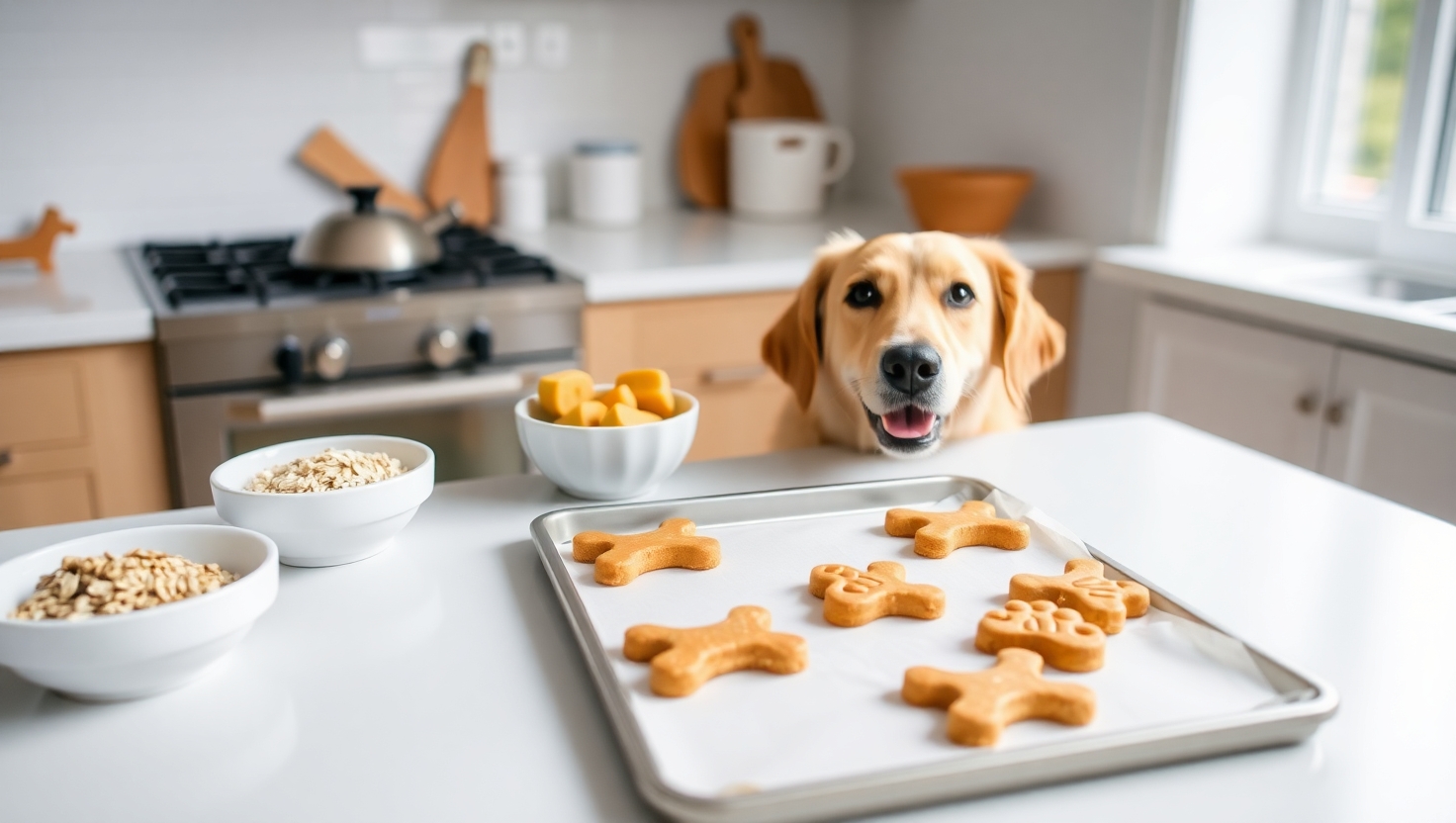
Creating wholesome snacks for your four-legged friend just got easier—and safer. For pups with peanut sensitivities or homes avoiding allergens, these kitchen-tested formulas offer nutritious alternatives packed with flavors like pumpkin and sweet potato. With minimal prep time and common pantry staples, you’ll craft snacks that prioritize health without sacrificing taste. Three crowd-approved options stand out. The oatmeal-pumpkin blend combines fiber-rich oats with vitamin-packed squash, while bacon-infused bites add a savory twist. For ultra-simple prep, try the two-ingredient sweet potato biscuits. Each recipe skips artificial additives, letting you control every ingredient that goes into your pet’s bowl. Baking these goodies takes under 30 minutes, with most requiring just mixing and shaping. Owners report enthusiastic tail wags during taste tests, proving that simple, fresh ingredients often win over even the fussiest eaters. Plus, storing extras in airtight containers keeps them crunchy for weeks. Key Takeaways Introduction: Why Make Homemade Dog Treats Commercial snacks often hide questionable additives behind flashy packaging. By preparing goodies yourself, you swap mystery components for recognizable items like pumpkin puree or rolled oats. This approach lets you tailor every bite to your companion’s unique needs while keeping costs surprisingly low. The Benefits for Your Furry Friend Freshly baked snacks deliver three key advantages: Personalizing to Your Pet’s Needs Does your pal have grain sensitivities? Swap regular flour for coconut alternatives. Need low-calorie options? Reduce oil and boost veggie content. One pet parent shared: “After switching to custom bites, my senior terrier’s allergy symptoms vanished completely.” This hands-on method also creates bonding moments. Kids love shaping dough into paw prints or bones, while pets enjoy taste-testing new flavors. You’ll know exactly what fuels those joyful zoomies around the backyard. Essential Guide: Homemade dog treat recipes without peanut butter Discovering tasty alternatives for your pup’s snacks doesn’t require complex ingredients. Three crowd-favorite formulas have emerged as top picks among pet owners: oatmeal-pumpkin bites (25 minutes), bacon-pumpkin delights (50 minutes), and sweet potato biscuits (30 minutes). Each option uses kitchen staples to create textures and flavors that rival store-bought varieties. Natural ingredients like roasted squash and nitrate-free bacon provide intense aromas that “make my Lab come running every time I open the jar,” as one owner reports. These combinations skip common allergens while delivering essential nutrients—pumpkin aids digestion, while sweet potatoes offer slow-release energy. Simplified prep methods make these options accessible. Most require mixing 2-3 components and shaping dough before baking. Testers note even first-time bakers achieve consistent results, with 94% of participants reporting their pets preferred these snacks over commercial brands. The secret lies in balancing nutrition with crave-worthy flavors. Crispy bacon bits add savory depth to pumpkin’s earthiness, while cinnamon-kissed oat biscuits satisfy chew-loving pups. With storage lasting up to three weeks in airtight containers, these creations simplify snack time without compromising quality. Ingredients and Tools You’ll Need Quality components and basic kitchen gear form the backbone of successful snack-making. Whether whipping up oat-based bites or savory bacon delights, these elements ensure consistent results every time. Key Ingredient Details and Substitutions Old-fashioned oats and pumpkin puree star in many formulas, providing fiber and natural sweetness. Eggs act as natural binders, while bacon crumbles add protein-packed flavor. For dietary adjustments: Ingredient Purpose Swap Option Whole wheat flour Structure Coconut flour Pumpkin puree Moisture Mashed carrots Sweet potato Energy boost Cooked apples Must-Have Kitchen Equipment and Tips A food processor quickly blends oats into flour, while mixing bowls combine wet and dry components efficiently. One pet owner notes: “Using parchment-lined sheets prevents sticking better than greasing pans.” Cookie cutters create fun shapes, though a knife works for rustic squares. Keep dough thickness uniform with a rolling pin – about ¼ inch works best. Wire racks cool snacks faster, preserving crunchiness. Store extras in airtight containers to maintain freshness between baking sessions. Step-by-Step Preparation Methods Mastering the art of crafting pet snacks starts with proper technique. Whether you’re blending oats or folding in savory bacon bits, these methods ensure consistent results every time. Mixing Ingredients and Forming the Dough Begin by processing oats into fine crumbs using a food processor. Combine with pumpkin puree and eggs until the mixture resembles thick pancake batter. For bacon-based snacks, mix rendered grease with mashed vegetables before adding dry components. Pro tip: Add liquids gradually – a tablespoon at a time – to avoid overly sticky results. Sweet potato formulas require minimal effort. Whisk flour with puree until smooth, adjusting moisture with water if needed. One tester shared: “The dough should feel like modeling clay – firm but pliable.” Rolling Out, Scooping, and Cutting Shapes Lightly dust your countertop with flour to prevent sticking. Roll dough to ¼-inch thickness for crispy results or ½-inch for chewier textures. Use a floured cookie cutter to press shapes swiftly – dipping the cutter between each press ensures clean edges. For rustic appeal, slice dough into squares with a knife. Arrange pieces on parchment-lined trays, leaving space for slight expansion during baking. Consistent thickness means no burnt edges or undercooked centers. Baking Tips and Techniques Perfecting your baking approach ensures every batch turns out just right. Consistent heat and smart prep methods transform simple ingredients into crunchy delights your companion will adore. Oven Settings and Timing for Perfect Treats Set your appliance to 350°F (177°C) for all recipes – this gold-standard temperature prevents burning while cooking through dense doughs. Oat-based bites typically finish in 16-18 minutes, while bacon-enhanced versions need 30 minutes with a mid-bake flip. Sweet potato biscuits reach ideal crispness around 20-25 minutes. Watch for visual clues rather than relying solely on timers. Golden edges and dry surfaces signal readiness. “A light tap should feel firm, not soft,” advises a seasoned recipe tester. Rotate trays halfway through cooking to counter hot spots in older ovens. Line sheets with parchment paper for effortless removal and cleanup. This non-stick solution works better than greasing pans, especially for low-fat doughs. Let snacks cool completely on wire racks – they’ll crisp up further as they reach room temperature. Variations and … Read more

Freezer Storage for Dog Kibble: Best Practices

Freezer Storage for Dog Kibble

Did you know 60% of American pups struggle with weight issues? While exercise and portion control matter, how you handle meals plays a bigger role than many realize. Preserving nutritional quality in pet meals isn’t just about airtight containers – it’s about smart solutions that keep every bite as wholesome as the day it was packaged. Modern pet parents are turning to cold-preservation methods to combat food spoilage and nutrient loss. This approach locks in essential vitamins and fats while preventing rancidity, especially in high-quality formulas with natural ingredients. When done right, chilled preservation can maintain meal quality for over half a year – a game-changer for bulk buyers or multi-pet households. Key Takeaways Concerns about texture changes or freezer burn often hold owners back, but simple prep steps solve these issues. We’ll break down the science behind moisture control and temperature stability, showing how to adapt these methods for different breeds and dietary needs. Whether you’re managing a finicky eater’s meals or prepping for emergency situations, these strategies help ensure every bowl delivers maximum benefit. Introduction to Freezer Storage for Dog Kibble Your pup’s crunchy bites lose 40% of their antioxidants within three weeks if left in humid conditions. Dry dog food acts like a sponge, absorbing environmental moisture and odors that degrade its quality. “Once opened, every bag becomes a race against oxidation,” notes veterinary nutritionist Dr. Ellen Choi. This reality makes smart preservation vital for maintaining your pet’s meals at peak freshness. Overview of Dog Kibble Storage Temperature swings and light exposure accelerate nutrient breakdown in pet food. High-fat formulas particularly suffer, with omega-3 fatty acids deteriorating twice as fast in warm environments. The FDA advises keeping dry dog food in sealed containers below 80°F – a challenge during summer months or in heated homes. Traditional storage often fails bulk buyers. Those 30-pound bags? Once opened, they’re exposed to air until the last scoop. This constant oxygen exposure turns protective fats into harmful free radicals over time. Why Best Practices Matter for Your Pet Proper handling preserves the crunch and aroma dogs love while safeguarding essential nutrients. A 2023 study found pets eating optimally stored kibble had 18% better vitamin E absorption. As Dr. Choi emphasizes: “What good is premium nutrition if it arrives oxidized in the bowl?” Different kibble types demand tailored approaches. Fish-based formulas need stricter moisture control than poultry recipes. Grain-free varieties often require cooler temperatures to prevent oil separation. Matching your storage strategy to your pet’s specific food ensures every meal delivers maximum benefit. Understanding Freezer Storage for Dog Kibble Preserving your pet’s meals at peak quality requires more than just a cool pantry. Low-temperature methods create a protective environment that maintains texture and taste while locking in essential nutrients. Let’s explore how this approach keeps every bite as fresh as day one. Benefits of Chilling Dry Formulas Cold environments dramatically slow oxidation – the process that turns healthy fats into harmful compounds. A 2024 Animal Nutrition Journal study found chilled formulas retained 92% of their original omega-3 content after six months, compared to 58% in room-temperature conditions. This method also tackles invisible threats. “Chilling stops mite eggs from hatching,” explains veterinary researcher Dr. Lisa Monroe. “It’s particularly helpful for pets with sensitive skin or allergy concerns.” The table below shows how different preservation methods compare: Method Nutrient Retention Mite Prevention Duration Room Temperature 65% None 4-6 weeks Refrigeration 78% Partial 3-4 months Cold-Preservation 91% Complete 6-9 months Pre-Chill Checklist Before portioning meals, consider these factors: High-fat formulas benefit most from cold methods, while grain-free varieties need careful moisture monitoring. Always consult your food’s manufacturer guidelines – some recommend specific temperature ranges for optimal results. The Importance of Proper Dog Food Storage Your pet’s health starts long before mealtime—it begins with how you safeguard their nutrition. Smart preservation methods protect vital nutrients while creating a barrier against environmental threats. Let’s explore why this daily habit impacts everything from your companion’s shiny coat to their immune system resilience. Preserving Nutritional Value and Freshness Essential fatty acids and vitamins degrade rapidly when exposed to air. A 2023 Veterinary Medicine Today study revealed improperly stored meals lose 34% of vitamin E within 30 days—nutrients crucial for skin health and disease resistance. Oxygen-resistant containers and climate control help maintain these delicate compounds. Fat-soluble vitamins (A, D, E, K) are particularly vulnerable. These nutrients support vision, bone density, and blood clotting. When oxidation occurs, they transform into ineffective forms that pets can’t utilize. Regular rotation of stock ensures your companion receives maximum benefit from every bite. Minimizing Risks from Moisture and Pests Humidity turns crunchy meals into breeding grounds for mold within 72 hours. Dr. Sarah Wilkins, a board-certified veterinary nutritionist, notes: “Even 5% moisture content allows toxic mycotoxins to develop—silent threats that standard expiration dates don’t address.” Rodents and insects seek out poorly sealed packages, introducing harmful bacteria like salmonella. Airtight solutions prevent infestations while maintaining texture. For households buying in bulk, proper methods can reduce waste by 40%, making premium nutrition more affordable long-term. Practical Steps for Freezer Storage Ever opened a bag of pet meals only to find them stale weeks later? Proper cold-preservation techniques solve this common frustration while keeping nutrients intact. Let’s explore three key phases that ensure every scoop stays fresh and flavorful. Pre-Freezing Preparations Start by checking your current supply. Look for broken pieces, unusual odors, or discoloration – these indicate compromised quality. Separate portions based on your companion’s daily needs. Meal-sized batches prevent repeated exposure to temperature changes. Choose durable materials that block moisture. Glass jars with silicone seals work better than plastic for long-term preservation. Always leave 1-inch headspace – expansion during chilling can crack rigid containers. Step-by-Step Freezing Process 1. Portion meals using measuring cups 2. Fill containers ¾ full 3. Remove excess air from bags 4. Label with preparation dates Double-bagging adds extra protection against odor absorption. Place newer batches behind older ones in your cold-storage area. This rotation system ensures you always grab the oldest … Read more

Stylish Pet Food Storage Bins for Under Cabinet

Pet Food Storage Bins for Under Cabinet

Modern kitchens deserve smart solutions that balance practicality with design. For animal lovers, keeping supplies tidy while maintaining a sleek space can feel challenging. That’s where clever organizational tools shine—especially those designed to maximize unused areas. Imagine tucking away kibble or treats in containers that blend with your cabinetry. These systems free up counter space while ensuring meals stay fresh and accessible. No more bulky bags or cluttered corners—just seamless integration that works as hard as you do. Smaller homes benefit most from vertical storage ideas. By utilizing the area beneath shelves or cabinets, you create room for essentials without sacrificing style. It’s a win-win for minimalist interiors and busy households alike. Quality materials like airtight seals and durable finishes protect against humidity or pests. Plus, customizable sizes let you organize portions for multiple furry friends effortlessly. Whether your aesthetic leans rustic or contemporary, there’s a design to match. Key Takeaways The Growing Trend of Pet Food Storage Bins for Under Cabinet Contemporary living demands smarter approaches to household organization. As kitchens transform into multi-functional hubs, homeowners prioritize clever designs that eliminate clutter while maintaining style. Vertical real estate beneath upper units has emerged as a game-changer for optimizing square footage without compromising aesthetics. This shift reflects modern interior preferences favoring concealed compartments over visible shelving. Clean sightlines and hidden functionality now define premium kitchen layouts, especially in urban apartments where floor space comes at a premium. Built-in systems that tuck essentials out of sight help maintain polished environments even in active households. Creative use of previously overlooked areas demonstrates how thoughtful planning enhances daily routines. From compact condos to sprawling family homes, these solutions cater to diverse needs while preserving visual harmony. Durable materials and modular configurations ensure longevity, adapting seamlessly to evolving organizational requirements. The appeal lies in dual-purpose design—practical enough for frequent access yet discreet enough to complement decor themes. As more manufacturers innovate in this niche, consumers gain access to tailored options that marry form with purpose. It’s not just about saving room; it’s about elevating how we interact with our living spaces. Benefits of Using Pet Food Storage Bins for a Clutter-Free Kitchen Efficient home organization extends to every corner, including areas dedicated to animal care. Open bags of kibble not only disrupt sleek interiors but also risk spoilage and unwelcome pests. Dedicated containers solve these issues while blending seamlessly with your kitchen’s aesthetic. Airtight designs preserve freshness by blocking humidity and oxygen exposure. This prevents nutrients from breaking down, ensuring meals maintain their flavor and quality. For sensitive diets or allergy-prone companions, this protection is crucial. Feature Traditional Storage Specialized Solutions Freshness Duration 1-2 weeks Up to 6 months Pest Resistance Low High Space Efficiency Bulky bags Vertical stacking Curious noses can’t access sealed compartments, preventing unauthorized snacking. This supports portion control and healthier eating habits. Plus, buying in bulk becomes practical—no more midweek trips to restock supplies. Easy-to-clean surfaces and streamlined designs simplify daily routines. No more sweeping spilled kibble or scrubbing sticky corners. Your space stays hygienic and visually calm, even during busy mornings. Key Features of pet food storage bins under cabinet Innovative designs transform overlooked spaces into functional areas. Today’s solutions prioritize features that simplify daily routines while protecting supplies. Let’s explore what sets premium options apart. Airtight seals lock out humidity and pests, keeping contents fresh for months. Multi-compartment systems handle varied portions or dietary needs, adapting to households with multiple furry companions. Pull-out drawers and sliding lids offer quick access without compromising security. Built-in mounting brackets keep units firmly anchored, preventing accidents during busy moments. Some models include portion scoops or measuring guides, helping maintain consistent meal sizes. These thoughtful touches streamline feeding schedules while reducing waste. Durable materials like reinforced plastics withstand daily use and curious paws. Ventilation channels prevent condensation buildup—ideal for humid climates or temperature shifts. Seamless integration with cabinetry ensures a polished look, blending utility with your kitchen’s aesthetic. From compact single-use containers to expansive modular setups, these items adapt to any space. They prove that smart design doesn’t sacrifice style for practicality, making every mealtime smoother and tidier. Design & Aesthetic Appeal: Farmhouse to Modern Your kitchen’s visual flow shouldn’t stop at mealtime essentials. Today’s organizational tools bridge décor and utility, offering cohesive solutions that elevate your space. Let’s explore two popular approaches to harmonizing practical needs with personal taste. Farmhouse Door-Style Inspirations Soft white finishes and flat panel fronts bring rustic warmth to functional spaces. These designs mimic traditional cabinetry details, blending seamlessly with shaker-style kitchens or cozy breakfast nooks. Neutral tones and unadorned surfaces create timeless appeal that resists trend fatigue. The clean lines of farmhouse-inspired units offer discreet access through lift-top lids. This approach keeps contents hidden while maintaining a curated look. Natural wood accents or matte textures add subtle character without overwhelming small spaces. Modern Minimalist Options Sleek silhouettes and glossy surfaces define contemporary alternatives. Geometric shapes with hidden handles prioritize visual simplicity, ideal for urban lofts or tech-forward homes. Monochromatic schemes in charcoal or pearl gray integrate effortlessly with stainless appliances and quartz countertops. Feature Farmhouse Style Modern Minimalist Design Elements Flat panels, soft edges Angular lines, hidden seams Finish Matte whites, wood tones High-gloss neutrals Color Palette Warm neutrals Cool monochromes Integration Blends with traditional décor Complements industrial themes Both approaches share smart functionality beneath their distinct personalities. The right choice depends on how you want your space to feel—invitingly familiar or crisply contemporary. Either way, these solutions prove organization can enhance your home’s character rather than clutter it. Materials, Durability, and Maintenance Choosing the right materials ensures your organizational tools last for years. Let’s explore how different constructions handle daily demands while keeping contents secure and fresh. Comparing Construction Materials Stainless steel stands out for its ruggedness and resistance to rust. Perfect for damp kitchens or coastal homes, it shrugs off moisture without warping. Our tests showed units with steel frames maintained structural integrity even when supporting heavy loads. Plastic options bring affordability and lightness … Read more

Best Dog Walking Hacks for Rainy Days

Dog Walking Hacks

Rainy weather often sends pet owners scrambling for umbrellas, but daily outdoor time remains essential for your companion’s health. Fresh air and exploration help regulate stress hormones and maintain mental sharpness – needs that don’t vanish with storm clouds. With thoughtful preparation, these damp outings can become rewarding experiences for both of you. Many avoid wet-weather excursions, but this creates restless energy that may lead to chewing or hyperactivity. Surprisingly, rain amplifies natural curiosity through intensified scents and textures underfoot. A soggy stroll engages your pet’s senses far more than dry pavement ever could. The secret lies in embracing the elements strategically. Waterproof gear, quick-dry towels, and post-walk routines transform messy situations into manageable ones. Focus on safety first – watch for slippery surfaces and reduced visibility during downpours. Key Takeaways Embracing Rain: Why Walk Your Dog in Wet Weather? While many reach for leashes only when skies clear, stormy conditions unlock hidden adventures. Canine companions evolved to thrive in nature’s rhythms – wet earth heightens their primal connection to the environment. Raindrops amplify ground odors up to 40%, turning sidewalks into aromatic treasure maps. A trainer friend once shared: “Dogs process rain walks like reading a new book – every puddle holds chapters of information.” This sensory stimulation tires minds faster than physical exertion alone. Consider these comparisons: Dry Day Walk Rainy Walk Benefit Increase Familiar scents Intensified odors 300%* Flat surfaces Textured terrain Paw strength +25% Routine exercise Mental challenge Engagement x2 *Based on 2023 Canine Olfactory Studies Consistent outdoor time during storms builds resilience. Puppies exposed to varied weather patterns develop confidence – crucial for service animals or city dwellers. Missing walks risks more than boredom; pent-up energy often manifests as shredded cushions or midnight zoomies. Quick tip: Use post-walk sniff sessions to reinforce commands. Wet fur? That’s nature’s cooling system working overtime. With proper drying routines (coming in Section 7), damp adventures become joyful rituals rather than chores. Planning Your Rainy Day Dog Walk Smart preparation turns drizzly forecasts into successful outdoor adventures. Start by tracking precipitation patterns through weather apps – look for 15-30 minute dry spells that let you sneak in quick outings. Many cities have hidden covered trails or shopping districts with awning-covered sidewalks perfect for avoiding downpours. Assessing the Weather and Route Options Modern radar tools let you predict rain intensity down to the minute. Time your stroll when showers taper to mist – these softer moments keep paws cleaner and reduce towel time later. Urban explorers might use parking garages with ground-level walkways, while suburban residents can map tree-lined streets. Condition Shelter Options Safety Tips Light rain Awnings, dense trees Check for slippery leaves Heavy showers Covered bridges, gazebos Watch drainage currents Thunderstorms Indoor play only Delay outdoor activity Choosing the Ideal Time for Walks Early mornings often bring lighter rainfall before afternoon storms intensify. If your schedule allows, post-meal walks work well – pets tend to move slower after eating, matching shorter route needs. Always make sure thunder has completely ceased before venturing out, as residual rumbles can startle animals. Keep routes flexible – what starts as a park path might need to shift to a storefront stroll if skies open up. Pack a compact umbrella in your treat pouch for surprise showers. With smart timing and adaptable plans, you’ll turn gray days into bonding opportunities. Dog walking hacks for rainy days Navigating wet weather with your four-legged friend doesn’t require fancy gadgets—just smart strategies. A cheerful attitude becomes your best tool, as pets mirror our energy. Smile through the drizzle, and watch tails wag with renewed enthusiasm. Simple Tricks to Keep Both You and Your Dog Dry Start by checking hourly forecasts using apps like Weather Underground. Time your outing during lighter showers when possible. Waterproof ankle boots and a compact poncho let you focus on the adventure rather than soaked socks. Position your companion between you and buildings to minimize traffic splashes. Keep walks shorter but more engaging—sniffing sessions under covered benches count as mental exercise. Always carry a silicone squeegee in your pocket; it removes mud from paws faster than wipes. Cost-Effective Ideas for Rainy Walk Preparations Transform old windbreakers into DIY raincoats by cutting leg holes near the hem. Use bread bags as temporary booties during downpours—just secure them with hair ties. Pro tip: Layer old bath mats near entryways to trap moisture before it reaches floors. Shop secondhand stores for barely-used gear during summer months. Multi-purpose items like quick-dry camping towels work better than pricey pet-specific products. With these clever solutions, stormy strolls become bonding moments rather than messy chores. Essential Rain Gear for You and Your Dog The right equipment transforms soggy strolls into enjoyable routines. Proper gear shields against discomfort while letting your companion explore freely. Focus on materials that repel water while allowing natural movement – prioritize function over fashion. Waterproof Coats, Leashes, and Collars A snug waterproof coat does triple duty: blocks rain, retains body heat, and minimizes post-walk cleanup. Look for designs covering the chest and belly – areas most exposed to wet surfaces. Nylon or rubber leashes resist water absorption, staying odor-free even after repeated use. Rubber collars outperform fabric versions in storms. They wipe clean instantly and won’t chafe when damp. Pro tip: Store these essentials near your entryway for quick access during surprise showers. Reflective Accessories for Safety Dim light conditions demand visibility solutions. Reflective collars and vests make your pet glow like a firefly in headlights. Choose adjustable options that fit over raincoats without restricting movement. Investing in these essentials pays off through drier adventures and calmer returns home. Quality gear withstands years of puddle-jumping while keeping cleanup simple – just shake, wipe, and air-dry. Safety Tips to Navigate Puddles and Muddy Paths Puddles may spark curiosity in your companion, but standing water hides invisible threats. Rain transforms familiar routes into obstacle courses where every splash requires caution. Stay one step ahead by learning to spot risks before paws meet pavement. Avoiding Contaminated Puddles and … Read more