

Freezer Storage for Dog Kibble: Best Practices
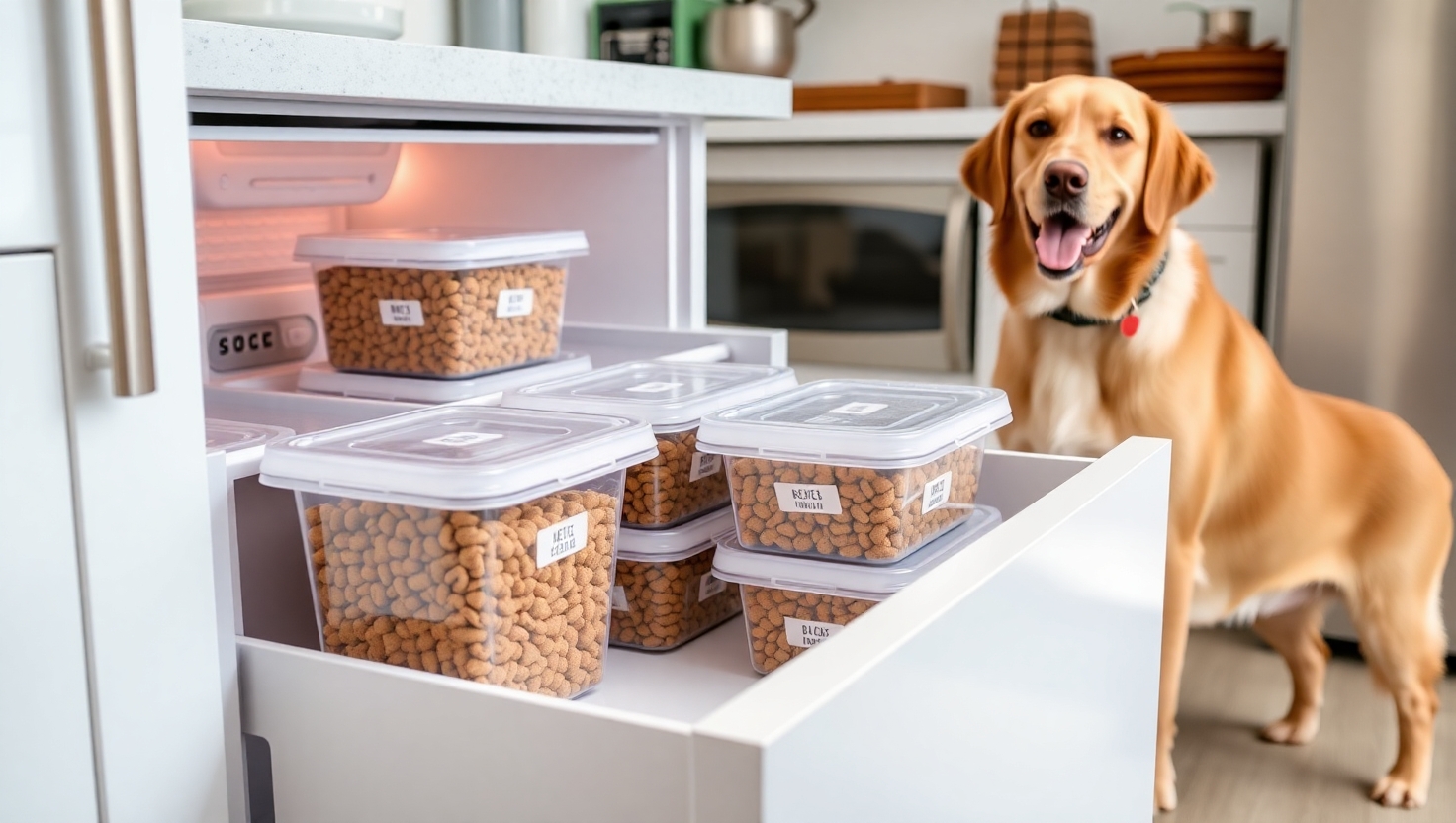
Did you know 60% of American pups struggle with weight issues? While exercise and portion control matter, how you handle meals plays a bigger role than many realize. Preserving nutritional quality in pet meals isn’t just about airtight containers – it’s about smart solutions that keep every bite as wholesome as the day it was packaged. Modern pet parents are turning to cold-preservation methods to combat food spoilage and nutrient loss. This approach locks in essential vitamins and fats while preventing rancidity, especially in high-quality formulas with natural ingredients. When done right, chilled preservation can maintain meal quality for over half a year – a game-changer for bulk buyers or multi-pet households. Key Takeaways Concerns about texture changes or freezer burn often hold owners back, but simple prep steps solve these issues. We’ll break down the science behind moisture control and temperature stability, showing how to adapt these methods for different breeds and dietary needs. Whether you’re managing a finicky eater’s meals or prepping for emergency situations, these strategies help ensure every bowl delivers maximum benefit. Introduction to Freezer Storage for Dog Kibble Your pup’s crunchy bites lose 40% of their antioxidants within three weeks if left in humid conditions. Dry dog food acts like a sponge, absorbing environmental moisture and odors that degrade its quality. “Once opened, every bag becomes a race against oxidation,” notes veterinary nutritionist Dr. Ellen Choi. This reality makes smart preservation vital for maintaining your pet’s meals at peak freshness. Overview of Dog Kibble Storage Temperature swings and light exposure accelerate nutrient breakdown in pet food. High-fat formulas particularly suffer, with omega-3 fatty acids deteriorating twice as fast in warm environments. The FDA advises keeping dry dog food in sealed containers below 80°F – a challenge during summer months or in heated homes. Traditional storage often fails bulk buyers. Those 30-pound bags? Once opened, they’re exposed to air until the last scoop. This constant oxygen exposure turns protective fats into harmful free radicals over time. Why Best Practices Matter for Your Pet Proper handling preserves the crunch and aroma dogs love while safeguarding essential nutrients. A 2023 study found pets eating optimally stored kibble had 18% better vitamin E absorption. As Dr. Choi emphasizes: “What good is premium nutrition if it arrives oxidized in the bowl?” Different kibble types demand tailored approaches. Fish-based formulas need stricter moisture control than poultry recipes. Grain-free varieties often require cooler temperatures to prevent oil separation. Matching your storage strategy to your pet’s specific food ensures every meal delivers maximum benefit. Understanding Freezer Storage for Dog Kibble Preserving your pet’s meals at peak quality requires more than just a cool pantry. Low-temperature methods create a protective environment that maintains texture and taste while locking in essential nutrients. Let’s explore how this approach keeps every bite as fresh as day one. Benefits of Chilling Dry Formulas Cold environments dramatically slow oxidation – the process that turns healthy fats into harmful compounds. A 2024 Animal Nutrition Journal study found chilled formulas retained 92% of their original omega-3 content after six months, compared to 58% in room-temperature conditions. This method also tackles invisible threats. “Chilling stops mite eggs from hatching,” explains veterinary researcher Dr. Lisa Monroe. “It’s particularly helpful for pets with sensitive skin or allergy concerns.” The table below shows how different preservation methods compare: Method Nutrient Retention Mite Prevention Duration Room Temperature 65% None 4-6 weeks Refrigeration 78% Partial 3-4 months Cold-Preservation 91% Complete 6-9 months Pre-Chill Checklist Before portioning meals, consider these factors: High-fat formulas benefit most from cold methods, while grain-free varieties need careful moisture monitoring. Always consult your food’s manufacturer guidelines – some recommend specific temperature ranges for optimal results. The Importance of Proper Dog Food Storage Your pet’s health starts long before mealtime—it begins with how you safeguard their nutrition. Smart preservation methods protect vital nutrients while creating a barrier against environmental threats. Let’s explore why this daily habit impacts everything from your companion’s shiny coat to their immune system resilience. Preserving Nutritional Value and Freshness Essential fatty acids and vitamins degrade rapidly when exposed to air. A 2023 Veterinary Medicine Today study revealed improperly stored meals lose 34% of vitamin E within 30 days—nutrients crucial for skin health and disease resistance. Oxygen-resistant containers and climate control help maintain these delicate compounds. Fat-soluble vitamins (A, D, E, K) are particularly vulnerable. These nutrients support vision, bone density, and blood clotting. When oxidation occurs, they transform into ineffective forms that pets can’t utilize. Regular rotation of stock ensures your companion receives maximum benefit from every bite. Minimizing Risks from Moisture and Pests Humidity turns crunchy meals into breeding grounds for mold within 72 hours. Dr. Sarah Wilkins, a board-certified veterinary nutritionist, notes: “Even 5% moisture content allows toxic mycotoxins to develop—silent threats that standard expiration dates don’t address.” Rodents and insects seek out poorly sealed packages, introducing harmful bacteria like salmonella. Airtight solutions prevent infestations while maintaining texture. For households buying in bulk, proper methods can reduce waste by 40%, making premium nutrition more affordable long-term. Practical Steps for Freezer Storage Ever opened a bag of pet meals only to find them stale weeks later? Proper cold-preservation techniques solve this common frustration while keeping nutrients intact. Let’s explore three key phases that ensure every scoop stays fresh and flavorful. Pre-Freezing Preparations Start by checking your current supply. Look for broken pieces, unusual odors, or discoloration – these indicate compromised quality. Separate portions based on your companion’s daily needs. Meal-sized batches prevent repeated exposure to temperature changes. Choose durable materials that block moisture. Glass jars with silicone seals work better than plastic for long-term preservation. Always leave 1-inch headspace – expansion during chilling can crack rigid containers. Step-by-Step Freezing Process 1. Portion meals using measuring cups 2. Fill containers ¾ full 3. Remove excess air from bags 4. Label with preparation dates Double-bagging adds extra protection against odor absorption. Place newer batches behind older ones in your cold-storage area. This rotation system ensures you always grab the oldest … Read more