OURPETTAILS

Exploring the benefits of a 40 lb dog food storage container

40 lb dog food storage container

Feeding our pet dogs is one of the most important responsibilities of a pet parent. It is crucial to store dog food properly to maintain its quality and freshness. A 40 lb dog food storage container is an excellent option for households with large and extra-large breed dogs. This article discusses the various aspects of using a airtight dog food storage containers 40 lb, such as benefits, materials, seal types, size, and more. It aims to help readers choose the right 40 lb food storage container for dog and their furry companions. Benefits of using a 40 lb dog food storage container There are several benefits of using an airtight dog food storage containers 40 lb. It helps one buy dog food in bulk as most bags come in 40 lb sizes, which is quite economical for large dogs with high-calorie requirements. Storing food in an airtight container protects it from moisture, bugs, and other contaminants that can reduce its quality.  For a 40-lb dog, a food storage container takes up less space than keeping multiple small pouches and bags. It also makes it convenient to scoop out the required quantity of food for each meal. Overall, a good quality airtight dog food storage containers 40 lb aids in keeping the food fresher for longer. Types of 40 lb dog food storage containers  Different types of 40 lb bag dog food storage container are available in the market. Plastic storage containers are lightweight and affordable but may not be as durable as metal ones. Metal containers, like those made of stainless steel, offer superior strength and protection from damage but are heavier. Containers with wheels make moving the full container from storage to the feeding area easy.  Others come with a pour spout or scoop built into the lid for fuss-free scooping. There are also containers with an airtight sealing system using clips or locking lids. Some premium containers feature an inner polyethylene liner for added freshness. Choosing the right type depends on the budget, storage space, and desired features. Material used for 40 lb dog food storage containers  Plastic and metal are the most common materials used for 40 lb bag dog food storage container. Plastic containers, made of polypropylene or polyethylene, are lightweight, affordable and transparent. However, they may degrade faster over time. Stainless steel is an excellent, durable material offering protection from moisture and corrosion.  Aluminum containers are lightweight but not as strong as steel. Other materials like carbon fiber provide added strength at a higher price point. Silicone and BPA-free plastics are safe choices. No matter the material, look for containers with thick walls, tight seals, and sturdy construction to endure frequent usage. Airtight seals are important to keep out insects and moisture. Seal types in 40 lb dog food storage containers  Seals play a vital role in preserving the freshness and quality of food stored in airtight dog food storage containers 40 lb metal. Some common seal types seen are: Clip-down seal: Plastic clips securely fasten the lid tightly. Compression seal: A silicone ring compresses to form an airtight seal between the lid and the container. Twist cap seal: The lid twists on firmly to seal shut. Zipper seal: A zip-top allows easy opening and closing with an airtight seal. Locking tabs: Overlapping tab latches securely lock the lid in place. Premium quality seals like triple O-ring seals offer maximum protection from bugs and moisture for long-term storage. Choosing containers with reliable, replaceable seals ensures ongoing freshness during usage. Size options for 40 lb dog food storage containers  The standard size for most 40 lb dog food bags is 27 inches long by 15.5 inches wide by 15.5 inches tall. However, airtight dog food storage containers 40 lb metal come in different sizes to suit various storage and storage space needs. Short and wide containers may better fit under cabinets than tall and slender ones. Some options are: Extra-large size: Fits full 40 lbs of food for large breed dogs. Large size: Holds 30-40 lbs of food. Medium size: 25-30 lbs capacity. Small size: Up to 20 lbs of food. Always ensure enough clearance space above the container for sealing and scooping. The size should allow comfortably fitting the full bag inside while providing enough excess room for easy access. Additional features in 40 lb dog food storage containers  Beyond basic functions, some dog food storage container 40 lb capacity offer useful additional features: Pour spout: An integrated pour spout on the lid makes measured pouring easy. Scoop included: Containers bundled with a scoop avoid searching for one each time. Wheels: Rolling containers are convenient for moving between storage and feeding areas. Dividers: Dividers allow food to be divided into multiple compartments. Airtight inner liner: Some premium containers provide an extra inner liner for enhanced moisture protection. Clear window: Containers with a clear window on the lid help monitor the food level inside. Stackable/nestable design: Such containers optimize storage space when not in use. These extra features provide conveniences like easily measured scooping, viewing levels, and efficient storage depending on specific needs. Choosing the best 40lb dog food storage container When choosing a dog food storage container 40 lb capacity, consider the dog’s breed, food quantity, available storage space, budget, needed features, and intending use. Containers by reputed brands generally ensure the best quality seals, sturdy construction, and customer service. Reading reviews helps understand real user experiences.  Plastic is an affordable starting option, while metal containers offer maximum strength and longevity. Additional features like spouts and extras should suit individual needs. Proper sealing enhances food freshness and nutrition. An appropriate size offers convenient access. With factors like these in mind, owners can select the best container for safe, hygienic, and hassle-free long-term storage of 40lbs of dog food. Conclusion A good quality 40 lb dog food storage container is essential for pet parents feeding large breeds. It helps buy food in bulk while keeping it fresher for longer and protecting it from moisture, bugs, … Read more

Top Dog Grooming Tips for Australian Shepherds in 2024

Top Dog Grooming Tips for Australian Shepherds in 2024

Australian Shepherds are energetic herding dogs that require regular grooming care. With their thick double coats that shed seasonally, dog grooming tips for Australian Shepherds play a vital role in the breed’s overall health and happiness. This article provides useful information and practical grooming tips to help owners maintain proper coat and skin care for their Aussies.  It discusses essential grooming tools, brushing techniques, bathing guidance, nail-clipping tips, ear-cleaning methods, and more. Following these simple dog grooming tips for Australian Shepherds helps strengthen the bond between owners and their furry companions. Understanding the Australian Shepherd coat  Australian Shepherds have beautiful, versatile double coats. The dense outer coat provides insulation against weather, while the soft undercoat keeps them warm. Their coats come in various colors and require special care.  Owners must understand the Aussie coat structure—the outer coat is straight and flat, while the undercoat is soft and dense. Knowing the coat type helps owners choose the right grooming routine and tools for their Aussies. Regular brushing helps distribute skin oils down the coat and removes loose hair and dead skin. Grooming tools for Australian Shepherds  To efficiently groom their Aussies, owners need the following basic tools: Brushes: Slicker brush or hound glove for thorough brushing and de-shedding. Rakes: Coat rakes gently remove loose hair and clear undercoat without damaging the topcoat. Combs: Pin bristle combs detangle knots and matted areas without pulling. Scissors: Blunt-tipped scissors safely trim hair around paws and behind ears. Shampoo: pH-balanced shampoos suitable for Aussie coats are best. Nail clippers: Scissor or guillotine clippers trim thick nails. Ear cleaner: Cleanses ears without irritation. Regular grooming sessions ensure Aussies remain mat-free and their coats healthy. It also strengthens the bond between owners and their pups. Brushing Australian Shepherds  Proper brushing is vital for dog grooming tips for Australian Shepherds. Depending on the seasonal shed, it should be done 1-2 times weekly. Start with a slicker brush or hound glove to lift dirt and loose hair. Follow with a pin brush or comb to remove tangles. Brush from head to tail, paying attention to mat-prone areas like armpits and belly.  During heavy sheds, brush Aussies daily. Their coats should feel clean and smooth after each session. Early brushing habituates them to grooming and makes it a positive experience. The removed hair should be mated, and minimal hair should be left on the coat for the pup’s comfort. Brushing strengthens the bond and aids healthy skin and coat. Bathing Australian Shepherds  Aussies need bathing 2-4 times a year unless their coat gets dirty. Start by wetting their fur with lukewarm water, then applying shampoo to hair and skin and massaging it. Rinse thoroughly until the water runs clear. Bathing too frequently can undo natural skin oils. Post-bath care is essential for Australian Shepherds grooming tips.  Towel dry the coat without rubbing, then brush until fully dry. Their coats take time to dry, so avoid muddy areas. Trim nails while skin is wet, as it is less stressful for pups. Bathing maintains cleanliness while protecting skin health. Use only dog-safe products and bathe in a low-stress, calm setting. Nail clipping for Australian Shepherds  Aussies have thick nails that require regular clipping to avoid pain and cracks. Clip nails only as close to the quickest as reasonably possible, and be careful not to injure the pup. Human nails may appear translucent, but dog nails don’t, making them quickly difficult to see.  Give a treat during and after each paw handling to reinforce positive association. Scissor-type clippers are safer and low-risk than guillotine clippers for thick Aussie nails. Examine nails weekly and clip short pieces at a time to avoid over-cutting. Nail clipping exposes pups gradually to the procedure and aids their grooming socialization. Ear cleaning for Australian Shepherds  Like all dogs, Australian Shepherds grooming need occasional ear cleaning. Excess wax and dirt can cause infection and irritation if not removed regularly. Start by gently pulling the ear flap open to examine.  Use an ear cleaner or cotton ball with a few drops of ear-cleaning solution. Wipe carefully around the inside edge without pushing deep into the ear canal. Never use Q-tips deep inside. Check for any odor or discharge that could indicate infection. Pat ears dry after cleaning. This simple grooming maintains Aussie ears’ health and protects hearing abilities. Regular cleaning helps owners spot any early issues, too. Additional grooming tips for Australian Shepherds  Here are some additional dog grooming tips for Australian Shepherds: Common grooming issues faced by Australian Shepherds and their solutions Like all dogs with thick double coats, Australian Shepherds experience a few regular grooming issues that owners must watch out for and address properly. Conclusion Practicing simple dog grooming tips for Australian Shepherds helps care for their unique coat needs and overall well-being. Understanding their beautiful double coat structure aids owners in providing the right regular grooming routine and equipment. From brushing and bathing techniques to nail clipping guidance, following the tips appropriately per each pup’s needs and shedding cycles maintain their grooming joyfully and stress-free.  Additionally, it detects health issues early. As discussed above, owners can keep their energetic furry companions looking handsome and healthy with diligent care. Most importantly, consistent grooming strengthens the special human-canine bond for life. Frequently Asked Questions (FAQs)  Q1. How often should my Aussie be professionally groomed? At least twice annually or as needed for a deep clean. Q2. What can I do for tear stains? Gently wipe away stains daily with water or stain remover made for dogs. Q3. Which coat conditioners are recommended? Coconut, argan, or oat-based conditioners are good for moisture and detangling. Q4. How to remove stubborn mats without hurting the pup? Carefully split mats to skin level without tugging using a mat splitter or scissors. Q5. What natural remedies can soothe itchy skin during sheds? Coconut oil massage or oatmeal bath soothes itchy pups during sheds. Regular grooming, as per the lifestyle of your Aussie, helps maintain their health, comfort, and bond with the owner … Read more

Best Dog Grooming Tips for Matted Hair in 2024

Best Dog Grooming Tips for Matted Hair

Caring for your canine companion’s grooming needs is essential for their health and well-being. One common grooming challenge dog owners face is dealing with matted hair. Matting occurs when loose hair gets tangled and forms tight knots, which can be uncomfortable and even painful for your furry friend. This article will provide valuable dog grooming tips for matted hair, helping you prevent, manage, and eliminate tangles, ensuring your dog’s coat stays healthy and beautiful. Understanding the Causes of Matting  Before we learn the grooming tips for matted hair dog, it’s important to understand what causes matting in the first place. Matting is often a result of several factors, including: Lack of regular brushing: Regular brushing helps remove loose hair and prevents it from tangling. Shedding: Dogs with a heavy shedding coat are more prone to matting. Moisture and dirt: Accumulated moisture and dirt can lead to the formation of mats. Long or curly hair: Breeds with long or curly hair are more susceptible to matting. Knowing these causes, you can take proactive steps to prevent matting and maintain a tangle-free coat for your furry friend. Brushing Techniques for Preventing Mats Regular brushing is the key to preventing mats from forming in your dog’s coat. Here are some effective brushing techniques: Start with a slicker brush: A slicker brush is ideal for removing loose hair and preventing tangles. Brush in the direction of hair growth: Brushing in the direction of hair growth helps avoid pulling and discomfort for your dog. Use a comb for extra care: A wide-toothed comb can gently help you tackle any remaining tangles. Be gentle: Avoid pulling or tugging on knots, which can cause pain and harm your dog’s skin. Establish a routine: Set aside regular grooming sessions, especially if your dog has a longer coat. Bathing and Drying Tips  Proper bathing and drying techniques play a crucial role in preventing matting. Here are some tips to keep in mind: Use a dog-specific shampoo: Human shampoos can be harsh on a dog’s skin and coat, potentially causing dryness and irritation. Dilute the shampoo: Diluting the shampoo with water ensures a milder solution for your dog’s sensitive skin. Avoid excessive moisture: Ensure thorough drying to prevent moisture from getting trapped in the coat, which can lead to matting. Use a high-quality dryer: Invest in a dog dryer to blow out water and prevent tangling. Comb during drying: While drying your dog’s coat, gently comb through to prevent tangles from forming. Trimming and Dematting Techniques   Sometimes, despite your best efforts, mats may still occur. In such cases, handling them properly is crucial to avoid causing distress to your dog. Here are some techniques for trimming and de-matting: Assess the severity: Determine the severity of the matting. Minor tangles can often be carefully brushed out, while severe mats may require trimming. Use de-matting tools: Invest in de-matting tools like mat splitters or de-matting combs to tackle stubborn knots gently. Trim with caution: If trimming becomes necessary, use blunt-ended scissors to avoid accidentally cutting your dog’s skin. Seek professional help if the mats are extensive or too close to the skin; it’s best to consult a professional groomer to ensure safe and effective treatment. Preventive Measures for Matting  Prevention is always better than cure when dealing with matted hair in dogs. Here are some preventive measures you can take to minimize the occurrence of mats: Regular professional grooming: Schedule regular visits to a professional groomer who can give your dog a thorough grooming session, including proper brushing, bathing, and coat maintenance. Proper diet and hydration: A healthy diet and adequate hydration contribute to a healthy coat. Ensure your dog receives a balanced diet of essential nutrients and always provide fresh water. Consider the coat type: Different coat types require different care. Research your dog’s breed or consult a groomer to understand the specific needs of their coat and implement appropriate grooming techniques accordingly. Avoid excessive outdoor exposure: Extensive outdoor activities can expose your dog’s coat to dirt, moisture, and potential tangles. Limit exposure and ensure thorough coat inspections and grooming sessions afterward. Regular check-ups: Regularly check your dog’s coat for signs of tangling or matting. Early detection allows for prompt action and prevents mats from worsening. By incorporating these preventive measures into your dog’s routine care, you can significantly reduce the occurrence of matted hair and maintain a healthy, tangle-free coat. Special Considerations for Long-Haired Breeds  Due to their longer and denser coats, long-haired breeds require extra attention to prevent and manage matting. Here are some specific considerations for grooming long-haired dogs: Daily brushing: Long-haired dogs should be brushed daily to remove loose hair and prevent tangling. Divide and conquer: Divide the coat into sections and brush each section thoroughly to ensure all areas are adequately maintained. Use detangling sprays: Spritzing a detangling spray on the coat before brushing can make the process easier and minimize discomfort for your dog. Consider regular trims: Regular trims can help keep the coat more manageable and reduce the chances of mats forming. Professional grooming assistance: For long-haired breeds with complex grooming needs, seeking professional dog grooming services regularly can help ensure the coat remains in optimal condition. With consistent care and attention, long-haired breeds can have beautifully maintained coats free from matted hair. Choosing the Right Tools and Products  Using the right dog grooming tools and products is crucial for managing matted hair effectively. Here’s what you need to consider: Slicker brush: Invest in a high-quality slicker brush with fine, short bristles to remove tangles and mats effectively. Wide-toothed comb: A wide-toothed comb is essential for gentle detangling and removing any remaining knots. Dematting tools: Consider adding mat splitters or de-matting combs to your dog grooming kit to deal with stubborn mats. Shampoos and conditioners: Choose dog-specific ones formulated for your dog’s coat type. Look for moisturizing properties to prevent dryness and aid in detangling. Detangling sprays can be helpful, especially for long-haired breeds, as they provide additional slips and make brushing … Read more

Best and Safest Chew Toys For Dogs in 2024

Safest Chew Toys For Dogs

Choosing the best and safest chew toys for dogs is important for their health and safety. While it may be tempting to give your pup anything to chew on, some toys pose risks that can be dangerous. This article looks at what you should know to select safest chew toys for large dogs and provide mental stimulation for dogs. It discusses the pros and cons of different types of chews and provides recommendations on the safest options. What You Should Know about Chew Toys For Dogs When looking for the safest chew toys for large dogs, there are some key things to consider. Chews should be tough, so they don’t break into pieces, which could cause choking or digestion issues. Ensure chews are large enough that any pieces won’t be a swallowing hazard. Check that the material is not too hard to wear down teeth but is long-lasting for chewing. Look for chews made of all-natural ingredients and no scents or flavors that could attract unwanted chewing or lead to tummy troubles. 3 Steps to Choose Safe Dog Chews The process of finding secure dog chews is simple when you follow these steps: Pros of Different Dog Chews Cons of Different Dog Chews Safest Chew Toy Brands For Dogs Dogs have an instinct to chew and gnaw. Providing them with the safest chew toys for large dogs is important to redirect this energy positively. This prevents them from chewing inappropriate items that can be harmful. Below, we have discussed some of the safest and best dog chew toy brands. Qwizl treat toy The Qwizl treat toy is a great option for the safest chew toys for dogs. It has a unique design where treats or kibble are inserted inside. As dogs chew and roll it around, the food item emerges gradually.  This engages them for a long time in chewing activity. The toy is made of durable rubber, which dogs cannot tear or break easily. The holes are also not big enough for toy parts to break off and cause choking. Overall, it keeps dogs occupied in a fun yet safe manner. Whimzees Natural Dog Dental Treat The Whimzees Natural Dog Dental Treat is one of the best chew toys for large and small dogs. These chew sticks are made from all-natural ingredients like wheat and corn. They help clean teeth and freshen the dog’s breath as the dog chews. The sticks are digestible yet durable enough to last long.  The material is from plant sources, so it is safer than rawhide or other chew items. There is very little chance of it causing choking. At the same time, it satisfies a dog’s natural urge to chew on things. C.E.T. Enzymatic Oral Hygiene Chews for Medium Dogs  C.E.T. Enzymatic Oral Hygiene Chews for Medium Dogs are one of the safest chew toys for dogs. These dental chews contain enzymes that help clean teeth and freshen breath as dogs chew on them. The chews are digestible but firm enough for adequate chewing exercise.  They last long enough to keep dogs engaged. The ingredients are natural and safe. Being enzymatic, oral care chews also support the dog’s oral health. Unlike raw hides or bones, they present very little choking risk. Overall, they are an excellent dental chew option for medium-sized pooches. Barkworthies Odor-Free 12″ Bully Sticks (5-pack)  Bully sticks, or pizzles, are a very popular chew item among dog owners. However, choosing the right brand is important for safety. Barkworthies Odor-Free 12″ Bully Sticks are high-quality grass-fed beef. They are nitrite-free. They contain no additives, colors, or preservatives – making them a safer option.  The sticks are thick enough at 12″ in size. Hence, they last longer without breaking into small pieces. Plus, they effectively control odors compared to others. For bully stick lovers, this is one of the safest chew toys for dogs to consider. West Paw ZogoFlex Bumi West Paw ZogoFlex Bumi is one of the safest chew toys for large and small dogs. It is pliable and flexible yet durable. This reduces breakage risk. The rubber material is also tough to tear or puncture but safe if pieces break off. The toy has an erratic bounce, fostering toy-prey drive in dogs and keeping them engaged longer. Its unpredictable movement adds to the fun. The material is tough against biting and chewing, so it lasts long. Overall, the toy offers mental stimulation in a safe, flexible form. Tuffy 3-Way Dog Tug Toy Tuffy 3 Way Dog Tug Toy is one of the most versatile and multipurpose safest chew toys for dogs. It can be used as a tug, fetch, or chew toy. The braided material is durable against chewing and biting but unlikely to break into pieces even if chewed vigorously. Its reinforced seams ensure longevity. The toy comes in various shapes, sizes, and colors, allowing dogs to choose the best preference.  Best of all, the toy satisfies natural chewing instincts and exercise needs through games of tug and fetch. This makes it a perfect all-rounded toy for oral, physical, and mental stimulation. Wrap Up Selecting safe chews is an important part of keeping dogs healthy and entertained. While many chews are good options, rubber or compressed rawhide toys hold up best without risks of choking on small pieces. Supervision and checking toys for wear and tear is also advised. With the right chew choices, you can feel good that your pup has enriching things to chew on while avoiding health issues. With these guidelines, you can make playtime pleasant and secure. FAQs 1. What are the best chew toys for dogs?  Rubber or nylon chew toys for dogs are best as they are durable but won’t break into pieces if swallowed. 2. What type of chew toys should be avoided?  Avoid chew toys for dogs resembling real socks, as dogs can get confused. Bones should also be avoided or given only under supervision. 3. How can choking be prevented?  Choose toys with no small removable pieces. Replace them … Read more

How to Avoid Storage Mites in Dog Food

How to Avoid Storage Mites in Dog Food

Mites that store dry food and grain storage areas can cause allergies. Storage mites are small insects that live in these environments and feed on dried foods such as rice, flour, dog food and fish. If a pet inhales or ingests these particles through its food, it can cause allergic reactions in sensitive animals. Symptoms found in pets with storage mite allergies include sneezing, coughing, runny eyes and runny nose. They also have red and itchy skin all over their bodies. This article aims to help pet owners understand more about storage mite allergies and also gives inputs on how to Avoid Storage Mites in Dog Food? What are Storage Mites? Storage mites are tiny insects that can survive in dried food storage areas for extended periods of time. Household items include sacks of flour and rice. They cannot be seen with the naked eye because they are barely visible, about 0.2-0.4 mm. Storage mites consume nutrients from grains, flour, and dry goods such as pet food. They thrive in dry, warm climates with plenty of food. Pets can ingest these particles and their food if storage containers contain bacteria. What signs are you or your pet reacting to food storage mites? Some common signs that owners should look out for could indicate that their pet is allergic to storage mites. There is coughing, sneezing, runny nose and inflammation of the eyes, causing them to become red, itchy and watery. Pets often rub their faces because their skin and nose feel irritated. Stretching a rash can cause itching and redness of the skin throughout the body. A cut or scratch usually occurs when the ear feels burned, and your skin feels itchy and uncomfortable. Some pets may also have experienced digestive issues such as vomiting, diarrhoea, or loss of appetite. Paying attention to any behavioural or physiological changes can help identify potential food allergies early. symptoms of storage mite allergy in dogs Symptoms of storage mite allergy in dogs may include: Common Sources of Storage Mites in Dog Foods Storage mites grow when dry grains, flour, seeds and pet food are stored for long periods of time. Some of the most common places in homes where these moths can harbour large bugs include pantry dishes, flour dishes, dog and cat food packaging and storage containers. They especially like to live in small crevices with spilt or leftover dried food. Signs of infestation include microorganisms crawling on or around upholstery or fine powdery dander, small amounts of dirt, or clean skin Can be seen Bedding, upholstery, carpets and soft toys near storage areas can get dirty over time. It is important to be vigilant about pest control in these areas. Testing for Storage Mite Allergy It is important for pets exhibiting signs of a possible food allergy to see a veterinarian for a thorough evaluation and diagnosis. Tests may be recommended to identify specific allergens, such as secreted particles that trigger behaviour. Skin tests often detect immediate hypersensitivity reactions, while blood tests can examine long-term allergy antibodies for food allergies. Experimental food elimination can eliminate suspect foods or drugs, followed by food intake challenges. This elimination process helps veterinarians identify allergens to avoid. Treatment of Storage Mite Allergy Once storage ants are confirmed to be the cause, treatment focuses on total avoidance and environmental preventive measures. Any infested food container or bedding should be replaced. An integrated approach to pest management using biological, physical and chemical methods to eliminate existing bulbs and prevent new pests in the home. Chemicals such as antihistamines and steroids may help alleviate symptoms but do not cure the underlying ulcer. Dietary management also plays an important role in managing chronic symptoms by switching to a specially prescribed low-particle diet. With continued monitoring and preventative measures, affected pets can have a better quality of life. Preventing Storage Mites in Pet Storage Containers. Pet owners need to practice good hygiene and integrated pest management strategies to prevent harbouring fleas from becoming a problem in the first place. Regular vacuuming and cleaning of storage areas and surrounding areas can remove existing particles and spilt food. Dishes should be washed thoroughly with warm, soapy water and thoroughly rinsed before refilling. Complete drying in sunlight eliminates any remaining insects and eggs. Airtight glass or BPA-free plastic containers with a tight seal help keep the particles out. Regularly changing or cleaning bed sheets and installing attacks. Early detection and prompt remediation through routine inspections are key to preventing problems with particle storage in hairy family homes. With care and understanding, pets and their parents can withstand tick bites. what to feed a dog with storage mite allergy? Food Item Portion Hypoallergenic kibble 1 cup per meal Lean protein (e.g., chicken, turkey) 1/2 cup per meal Cooked vegetables (e.g., carrots, green beans) 1/4 cup per meal Limited ingredient treats Occasional, as a reward Fresh fruits (e.g., apple slices, blueberries) Occasional, as a treat Conclusion Storage mite allergy is a serious condition that affects many pets. Owners can take better care of their allergic companions by following the causes, signs, and preventive tips outlined here. With prompt cleanings, allergy tests when needed, and dietary solutions, pets can live healthy and happy lives free of pesky fleas. Taking the proper precautions and preventing fleas now and then can help ensure that flea bites remain in our pets’ homes. Frequently Asked Questions (FAQs) Q.1: Does all dog food have storage mites? If you feed your pet a hypoallergenic canned food diet as advised by your veterinarian, your pet won’t be exposed to the storage mites typically present in dry kibble, cereals, grains, and cheese. This could be the solution to your pet’s storage mite problem. Q.2: How do you stop storage mites? Keeping the food in its bag and putting it in plastic containers that can be sealed up will help keep storage mites out of the feed. Regularly clean these plastic storage containers, being sure to dispose of any dust at the bottom and always before adding any new food and preserving the food … Read more

Elevated Dog Food Bowls With Storage: Best Alternatives for Traditional Storage Containers

Elevated Dog Food Bowls With Storage

Dogs are man’s best friends and an important part of the family. But feeding them properly can be a challenge. Dog owners struggle with where to put dog food to keep it fresh, and so can their furry friends. This article will explore a novel and practical solution which is Elevated dog food bowls with storage. These self-contained units solve many problems and make caring for your dog much easier. Issues with Traditional Feeding Methods Keeping dog food on the floor or in open containers leaves it prone to spoilage and contamination. Food can get dirty or wet easily. Bugs and other pests may also get into uncovered food. This poses health risks for dogs. Dogs also tend to gobble their food quickly when eating from the floor, which can lead to digestive issues. Carrying bags of food and Elevated dog food bowls around is inconvenient, too. These traditional methods are not ideal for busy pet owners or their puppies. Features of Elevated Dog Food Bowls with Storage  Choosing the Right Model Elevated Dog Food Bowls With Storage There are simple and more feature-rich elevated dog food bowl options available. For smaller dogs, mini table-top models work well. Larger and more active breeds need bowls mounted on taller stands or pedestals. Consider material – plastic holds up to chewing better than wood or ceramic. Stainless steel offers maximum durability.  Look for rust-proof and easy-to-clean interiors. Locking lids and airtight seals keep food fresher. Choose models for your feed frequency – daily or per scheduled meal times—and factor in preferences like separate compartments or options to add treats. Measure sizes carefully, as oversized or undersized can cause issues. Read reviews to pick the best quality, value product. Benefits of Elevated Dog Food Bowls With Storage Portability and Easy Cleaning of Raised Dog Feeders Storage Many elevated dog bowls come with wheels or a base that can be easily moved. This allows owners to roll the bowl between rooms or even outdoors. Some advanced models have detachable bowls that pop out for filling and cleaning. Stainless steel and other non-porous surfaces wipe down swiftly. Spill-proof designs minimize mess. These portable and simple to sanitize bowls keep pets and owners happy. Sturdy and Durable Construction Well-built elevated dog food bowls can withstand daily use for many years. Opt for heavier, weighted bases that won’t tip over accidentally. Sturdy frames hold up to enthusiastic eaters without wobbling. Rust-proof materials like aluminum, stainless steel, and heavy plastics withstand weathering.  Reinforced seams and joints don’t break under pressure. Extra thick gauge steel and impact-resistant plastics are engineered to last. High-quality construction gives pet parents peace of mind about long-term durability. Attractive Styles and Designs Gone are the days of simple plastic bowls. Elevated feeders now come in a range of stylish looks. Modern and classic designs match any home décor. Nature-inspired wood grain finishes provide a touch of charm. Bold colors enliven pet areas. Dual-bowl systems feature coordinated lids and stands. Outdoor-safe models withstand sun, rain, and snow. LED illuminated rims make night feeding safe and easy. Pet lovers can pick designs befitting their sense of style. Affordable Quality Options While some high-end elevated bowls cost a premium, others offer luxury features at mid-range prices. Budget buyers will find basic yet functional models for under $30. Value packs contain multiple pieces like bowls and storage lids. DIY builders can craft stands from inexpensive wood.  Sales, bundles, and loyalty programs keep costs low. Cheap import brands balance cost and quality through rigorous material selection. Discerning buyers need not spend a fortune to get dependable elevated bowls. Affordability makes the convenience accessible for all. User Ratings and Reviews Online product reviews provide an invaluable resource before buying any elevated dog bowl. Readers get first-hand insights into longevity, sturdiness, and other performance factors. Issues like assembly difficulties or material weaknesses also surface. Praise for ease of use, hygienic attributes, and time saved in feeding echo advantages.  Complaints about sizing errors or customer service prompts when choosing alternate brands. It has verified purchasers’ rate durability, spill-proofing, and value. This consumer feedback empowers smart, well-informed choices that match individual pet needs. Maintenance Hacks and Tips  Regular upkeep keeps elevated dog food bowls in top working condition. Wipe exteriors with a damp microfiber cloth to remove dirt, smells, and germs. Mild dish soap loosens tough grime if needed—scrub interiors under warm water post meals. For occasional deep cleaning, remove lids and bowls for handwashing.  Dry completely to prevent rusting. Deodorizing bakesoda absorbs odors. Apply non-toxic conditioners to wood. Check bolts and locks regularly – tightening as required. Basic care prolongs product life and ensures pet safety. Informational guides offer expert maintenance advice. Frequently Asked Questions (FAQs) Q. Is it better for dogs to have elevated bowls? A cleaner eating area, better posture during meals, and possible joint pain treatment for larger or older dogs are just a few advantages of elevated dog bowls. Q. Do elevated food bowls cause bloat in dogs? Experts believe this study strongly supports a connection between using an elevated feeder and an increased risk of bloat, especially in large and extra-large breed dogs. However, it is not entirely conclusive in the absence of additional research. Q. What is the best height for an elevated dog bowl? Elevating the bowl to a position that permits a neutral spine and little neck flexion might cause a shift in weight towards the pelvic limbs. This can benefit dogs suffering from pelvic limb arthritis as it involves isometric strengthening. Q. What type of bowls do dogs prefer? For pet bowls, stainless steel offers the ideal mix of characteristics. Because of its hygienic nature, the surface is easily washed with soap and water and won’t harbor any microorganisms. It’s also really strong. Also Read:

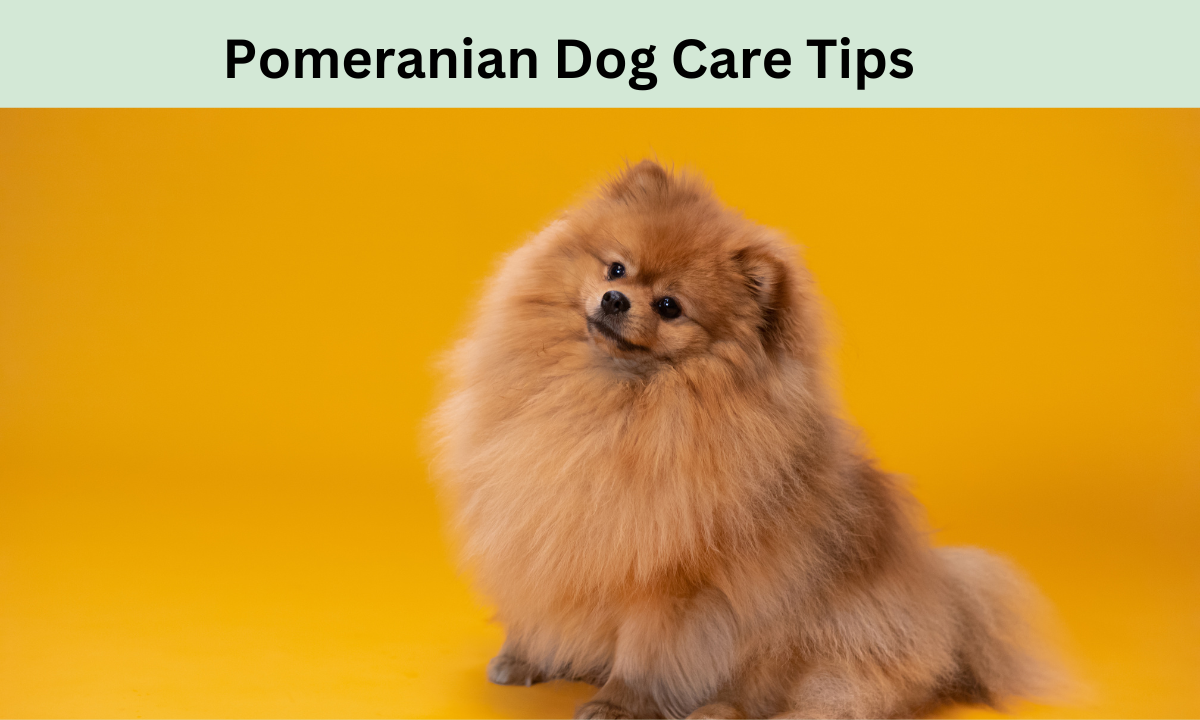
Effective Pomeranian Dog Care Tips: What You Need to Know

Effective Pomeranian Dog Care Tips: What You Need to Know

Pomeranians are one of the most popular dog toy breeds. They are small, cute, and energetic balls of fur. However, as owners, we must be careful in caring for their needs. This article provides tips on Pomeranian care, covering aspects like feeding, exercise, grooming, and health. These Pomeranian Dog Care Tips will help us keep our beloved Pomeranian happy and healthy for many years. Tips for Taking Care of Your Pomeranian Dog Here are a few tips that can help you take care of your Pomeranian Dog: Feeding Pomeranians have small stomachs, so feed them 2-3 times daily in small portions. Go for puppy- or small-breed-specific food that is easy to digest. Ensure the food contains enough proteins, vitamins, and minerals for their growth and energy needs. Check food labels for ingredients and calories. Always keep clean water available. Overfeeding or underfeeding can lead to digestive or skin issues. Exercise Pomeranians may be small, but they are very active dogs. They need at least 30 minutes of playtime daily to burn their energy and stay fit. Play fetch, toss toys, or play in a yard to get them moving. Make activities fun, so they enjoy it. Older Poms also need gentle exercise like short walks. Lack of exercise can result in behavioral problems. Overall, aim for 30-60 minutes per day. Grooming Their thick double coat needs frequent brushing to prevent matting. Brush at least twice a week, paying attention to hard-to-reach areas. Bathing is required only when dirty, followed by thorough drying. Trim nails as needed, usually every four weeks. Check ears weekly for wax build-up and clean if required. Brush teeth twice a week to prevent dental issues. Proper grooming prevents skin problems and keeps their coat shiny. Healthcare Take Poms for annual checkups and vaccinations. Check eyes regularly for discharge or redness, which may indicate infections. Monitor weight and check for lumps or bumps on the skin. They are prone to dental disease as toy breeds, so feed them dental chews or brush them daily. Also, watch for reverse sneezing, which may seem scary but is usually harmless. Overall, keep healthcare routine to spot any issues early. Housetraining Start housetraining pups when they are young by taking them out frequently after meals, play, and waking up. Use the same spot every time and praise for going there. Clean any accidents thoroughly with enzymatic cleaner so the smell is removed. Crate training helps as pups do not like soiling in their sleeping area. Be patient, as it takes time. Consistency in routine and positive reinforcement is key. Praise and small treats for going outdoors will help train them quickly. Traveling with Poms Being small, Poms love traveling with their owners. However, ensure safety by following guidelines. Never let them roam freely in the car; always secure them in pet carriers or harnesses. Prepare a traveling bag with food, water, play toys, bed, waste bags, and medications. Vaccinate and get a health certificate as required. Socialize them to new environments like cars and hotels from a young age. Carry them when out amid crowds or reckless areas. Provide extra loving care during travel to reduce stress. Top Things You Should Stop Doing With Your Pom Dog Here are our top don’t tips for your pom Dogs:  Stop Feeding human foods While sharing table scraps may seem like a fun treat, feeding human food to a puppy can be harmful. Their digestive systems are very sensitive; some human foods can cause upset stomachs, diarrhea, or other issues. Stick to a high-quality, age-appropriate pet food designed for puppies. It provides them with balanced nutrition for growth. Occasional safe human foods that can be given in small pieces are cooked plain meat, peanut butter, or carrots. However, avoid spicy, fatty, sugary, or salty human foods, which can negatively impact their health. Stop Using retractable leashes.  While using a retractable leash seems convenient for exercise, they are not appropriate for puppies or recommended by experts. Puppies can easily be hurt if another animal yanks the leash or if they bolt unexpectedly. It also prevents you from having control during training sessions. Stick to standard 6-foot leashes until a puppy is well-behaved and older. Their safety should always come first. Stop Leaving your puppy alone for long periods. Pomeranian puppies should not be left alone for over 4-5 hours as they can easily get distressed. While at work or away for long periods of time, it’s best to hire a professional dog walker or send them to doggy daycare for mental stimulation, safe play, and bathroom breaks. Not meeting their social and physical needs can lead to behavioral issues like excessive barking or separation anxiety. Prioritize being home as much as possible. Stop Yelling when they misbehave Yelling and scolding will not teach a puppy what they did wrong and often just serves to scare or stress them out further. It is better to respond firmly with a calm “no” or “ah-ah” sound, then redirect to a permitted behavior. Praise lavishly when they obey. Puppies will be less likely to repeat mistakes if they understand desired vs undesirable actions. Harsh tones risk unintentionally conditioning mistrust or damaging the relationship between owner and animal. Conclusion By following these simple care and feeding Pomeranian dog care tips and by stop doing certain things, Pomeranians can stay happy and healthy for many years, bringing us loads of joy, love, and laughter. Make vet visits, nutrition, exercise, grooming, and healthcare a priority in your routine. With proper care, Poms can live 12-16 years. Most importantly, give them plenty of affection and quality time to strengthen your bond. That’s the key to a long, blissful life with your furry Pom friend. Frequently Asked Questions (FAQs) Q1. How much should I feed my Pom? A: Poms have small stomachs. Adults need 1/4 to 1/2 cups of food daily divided into 2-3 meals. Read labels carefully and adjust portions based on your Pom’s size, age, and activity level. Overfeeding can cause … Read more

Most Effective Dog Care Tips for Winter

Most Effective Dog Care Tips for Winter

Winter may be difficult for our pets, specially dogs. They cannot tell us when they may be uncomfortable, so it is up to us to attend to them. Whether you are a seasoned  pet owner or a newbie with a new puppy, it is important to understand how to help your dog during the winter Here are some easy Dog care tips for winter season. Dog care tips for winter|How do you take care of a dog in the winter? 1.Outdoor Safety in Cold Weather Don’t permit your puppy stay  outdoor for too long while it’s cold. Just like us, animals, such as dogs, can feel the cold. Their paws, ears, and tail are sensitive to chilly winds. It’s okay to take them out for a walk or play during the day, but bring them interior when it gets really cold to preserve them heat and comfortable. 2.Dressing for Warmth Just as we would not go out within the cold without a sweater or a jacket, the same attention need to apply on our pets. Pet shops offer variety of sweaters and jackets for cats and dogs, so choose the proper length to hold them warm throughout outside activities. For birds, rabbits, or other pets, cover their cages with a shawl to preserve warmth. Ensure there’s a small establishing for proper ventilation. This simple step helps hold your pets cozy and guarded, making sure their nicely-being at some stage in colder weather while they’re outdoors or in their cages. 3.Fur Management Avoid shaving your dog’s coat, especially at some point of cold weather, due to the fact naturally keeps them warm. Avoid completely shaving their fur in the during of cold weather. Additionally, do not take your dog outside simply after bathing. Depending at the temperature and location, take a bath with warm or lukewarm water. Make sure their fur is thoroughly dry earlier than going outside. This helps their natural warmth and protects them from the winter. 4.Sleep Comfort Dogs are  at risk of hypothermia and frostbite in severely bloodless or moist weather, mainly in snowy locations. It is crucial to protect your dogs’s sleeping area shielded  from gusts of wind. There are several options for dog bedding, including pads, blankets, comforters, chaff, and straw. Layer a huge blanket over your dog’s mattress to provide warmth and support for aching joints. In winter, pay unique interest to the bedding of small and elderly puppies. The selected bed must efficiently cover their body,providing enough warm temperature. It’s important never to make puppies sleep outdoor at some point of winter, because it poses capability dangers to their properly-being. Prioritize your dog’s comfort through deciding on appropriate bedding options, safeguarding them from the harsh winter weather elements and ensuring they stay heat and comfy indoors. 5.Heater Safety Prevent your dog from getting near room warmers to keep away from capacity risks. Some dogs searching for warm temperature via staying close to heating assets, risking burns to themselves or the surroundings. It’s recommended to be present within the house when heaters and blowers are in use. Opt for pet-proofing measures to maintain your dog’s safety. Create a barrier or use pet-proof systems to ensure your dog remains far from heaters, minimizing therisk of accidents and injuries related to heating home equipment. 6.Hydration and Diet Ensure your pet stays hydrated in the winter by offering water every two to three hours. Use lukewarm water, especially if the water in their bowl has become too cold. Provide fresh water to keep them adequately hydrated. Avoid feeding them overly fatty foods; instead, opt for high-quality, well-balanced meals. Be mindful of portion sizes to prevent overfeeding, considering that cold weather may make dogs less active. Tailor their diet to match their physical activity level, preventing lethargy and promoting overall well-being during the winter season. 7.Dog food in winter season In colder weather, ensure your pet receives more food compared to summer, with dogs potentially needing 25 percent more energy, especially those active outdoors. Opt for high-energy, nutritionally balanced food to meet their increased requirements. Be cautious of potential weight gain during winter, as overweight pets are more prone to injury and illness. Avoid cold foods like rice and provide options that offer warmth and maximum energy. Additionally, provide nighttime snacks for sustained nourishment. Monitoring their diet in colder temperatures contributes to their overall health, preventing obesity and ensuring your pet remains energetic and well-nourished. 8.Health Checkup Importance Prioritize your pet’s welly-being by using scheduling a fitness checkup in case you examine signs and symptoms like lethargy, loss of urge for food, or changes in behavior. Pay near interest to their daily ordinary and activities, and if whatever seems unusual, seek advice from a veterinarian directly. Regular health checkups are important to make certain your puppy’s normal fitness and cope with any capacity problems early on. If your dog seems less energetic, tired of food or water, or shows any abnormal behavior, searching for expert veterinary care guarantees well timed intervention and promotes the well-being of the one that you love pet Conclusion Winter care for dogs is going beyond absolutely retaining them warm. By implementing those dog care tips for winter, you can make ensure that your dog remains healthy, glad, and safe all through the winter season. FAQ’s Also read: