

DIY Dog Puzzle Toys: Engage Your Pup’s Mind
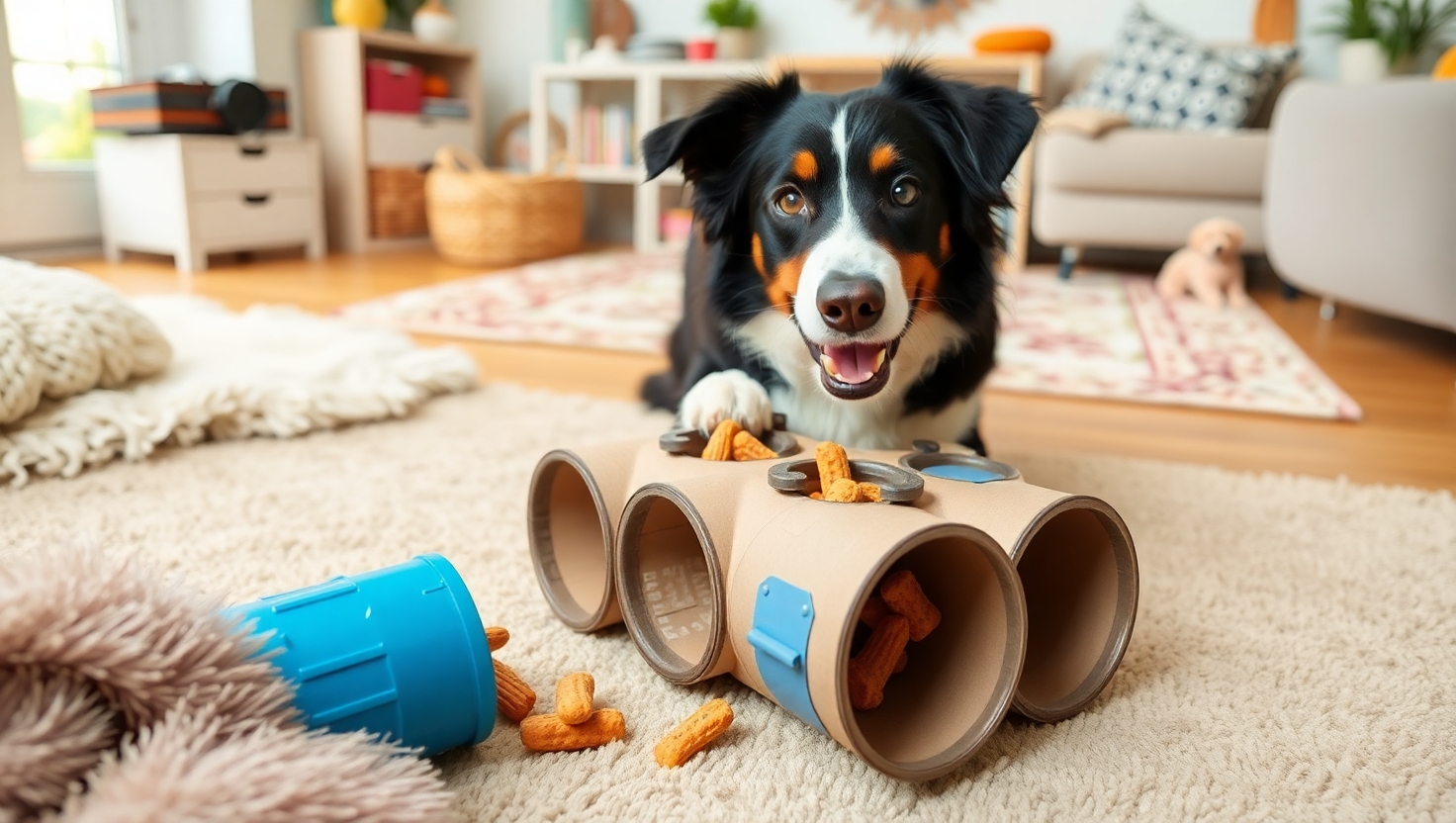
Every pet parent knows the joy of watching their furry friend solve a tricky task. What if you could create custom brain games that match your companion’s unique personality? This guide unlocks the secrets to crafting stimulating activities using everyday items, blending fun with mental exercise. Homemade challenges offer more than just savings—they let you adjust difficulty levels as your pal learns. Whether you’re working with a playful terrier or a thoughtful retriever, these projects grow alongside your pet’s abilities. Best of all, you’ll strengthen your bond while keeping tails wagging with anticipation. Key Takeaways From simple sniff mats to multi-step treat dispensers, we’ll walk through tested methods that keep clever companions engaged. No special skills required—just enthusiasm and everyday items like cardboard boxes or muffin tins. Let’s turn ordinary objects into extraordinary adventures! Introduction: Getting Started with DIY Dog Puzzle Toys A stimulated pup is a happy pup, and mental workouts are key to their well-being. Just like humans, our four-legged friends need activities that challenge their dog brain to stay sharp and content. Without proper mental stimulation, even the most energetic companions can develop restless habits. Why Mental Exercise Matters for Dogs Physical exercise keeps bodies healthy, but cognitive challenges nourish curious minds. Studies show that 20 minutes of nose work can tire a canine as much as an hour-long walk. VCA Hospitals confirm: “Foraging activities reduce nuisance behaviors by 42% in high-energy breeds.” Boredom often leads to shredded shoes or endless barking. By engaging their problem-solving skills, you channel that energy into positive outcomes. Think of it as a gym membership for their instincts! Benefits of DIY Puzzle Play Custom creations beat store-bought options in three key ways: Feature Homemade Commercial Cost Uses household items $15-$50 per toy Customization Tailored to skill level One-size-fits-most Engagement Adjustable difficulty Fixed challenges Rainy days or post-surgery recovery become opportunities for bonding through enrichment activities. You control the treat types and hiding spots, making each game uniquely rewarding. Plus, watching your pal conquer a challenge you designed? Priceless. Creative DIY dog puzzle toys for Every Pup Custom brain games unlock a world of breed-specific enrichment opportunities. A Yorkshire Terrier’s approach differs vastly from a Border Collie’s strategy, requiring thoughtful design adjustments. Size, instinctual behaviors, and learning pace all shape effective mental workouts. Breed-Specific Brain Boosters Short-nosed breeds like Pugs often excel at nose work but struggle with complex manipulations. Try hiding treats under lightweight cups they can easily nudge. For retrievers, incorporate fetch elements into sliding drawer puzzles that reward persistence. Working breeds thrive on multi-step challenges. Create a “mailbox” system using old cereal boxes where they must lift flaps and pull ropes. Herding dogs enjoy moving-target games—attach a treat pouch to a string for gentle tugging sessions. Observe your pal’s problem-solving style during playtime. Paw-focused friends prefer flip-top containers, while persistent sniffers enjoy buried treasure in shredded paper. Start with 2-step tasks, then add layers like hidden compartments or distracting scents. Pro tip: Rotate three different puzzle types weekly to maintain novelty. Track progress through completion times—when they solve it in under a minute, it’s upgrade time! Essential Materials and Tools for DIY Creations Transforming household items into brain-boosting games starts with smart material choices. Common objects like cardboard tubes and plastic containers become goldmines for mental stimulation when repurposed thoughtfully. Let’s explore how to build safe, engaging challenges without breaking the bank. Budget-Friendly Options Your recycling bin holds most supplies needed for crafting interactive games. Muffin pans become sniffing grids, while empty detergent bottles transform into treat rollers. Visit dollar stores for cheap baskets or silicone ice trays that withstand enthusiastic pawing. Repurpose these everyday finds: Safety Tips and Supervision is Key Always monitor play sessions—even sturdy-looking materials can fray over time. Choose components larger than your companion’s mouth to prevent swallowing. Sand sharp edges on wood pieces, and avoid glue in favor of folding techniques when possible. Pro tip: Test new puzzles together for the first few uses. If your pal starts chewing instead of solving, swap materials immediately. Replace worn items weekly, and consult your vet about specific material concerns for your furry friend’s size and habits. DIY Tennis Ball and Muffin Tin Puzzles Engaging your companion’s curiosity doesn’t require fancy gadgets—just clever repurposing. A standard 12-cup baking pan becomes a cognitive playground when paired with fuzzy spheres they already love. This classic setup adapts to various sizes and skill levels, making it perfect for growing minds. Building the Basic Setup Start with an empty metal pan and gather enough balls to cover each cup. For toy breeds, miniature versions work better. Place small treats in every compartment initially, letting your pal nose through uncovered cups. “This open-stage approach helps them connect actions with rewards,” notes canine behavior specialist Dr. Ellen Fisher. Once they master the concept, hide snacks under the spheres. Watch as paws and noses work together to uncover goodies. Rotate ball textures weekly—try rubber or fabric-covered options to keep things fresh. Leveling Up the Challenge Boost engagement by baiting only 3-4 random cups. This forces sniffers to strategize rather than memorize locations. For advanced players, add distractions like cinnamon-scented cotton balls in empty compartments. Breed Size Pan Type Ball Size Toy Mini 6-cup 1.5″ diameter Standard Regular 12-cup 2.5″ tennis Giant Jumbo 6-cup 4″ rubber Struggling learners benefit from high-value rewards like freeze-dried liver. If frustration occurs, revert to half-covered cups for two days. Store the clean setup in a breathable bag—it’s ready for daily 15-minute sessions that sharpen minds between walks. Transforming Everyday Items into Treat Dispensers Household supplies become brain-boosting tools when repurposed creatively. Cardboard containers offer endless opportunities for safe, engaging play that satisfies natural instincts. Let’s explore two clever ways to turn trash into treasure. Rolling Rewards with Paper Tubes Empty toilet paper rolls make excellent starter challenges. Spread peanut butter inside the tube and let your companion lick it clean. For advanced play, fold both ends to create a sealed pouch—this encourages strategic ripping without messy shreds. Paper … Read more