

How Long Does It Take for a Dog to Digest Food?
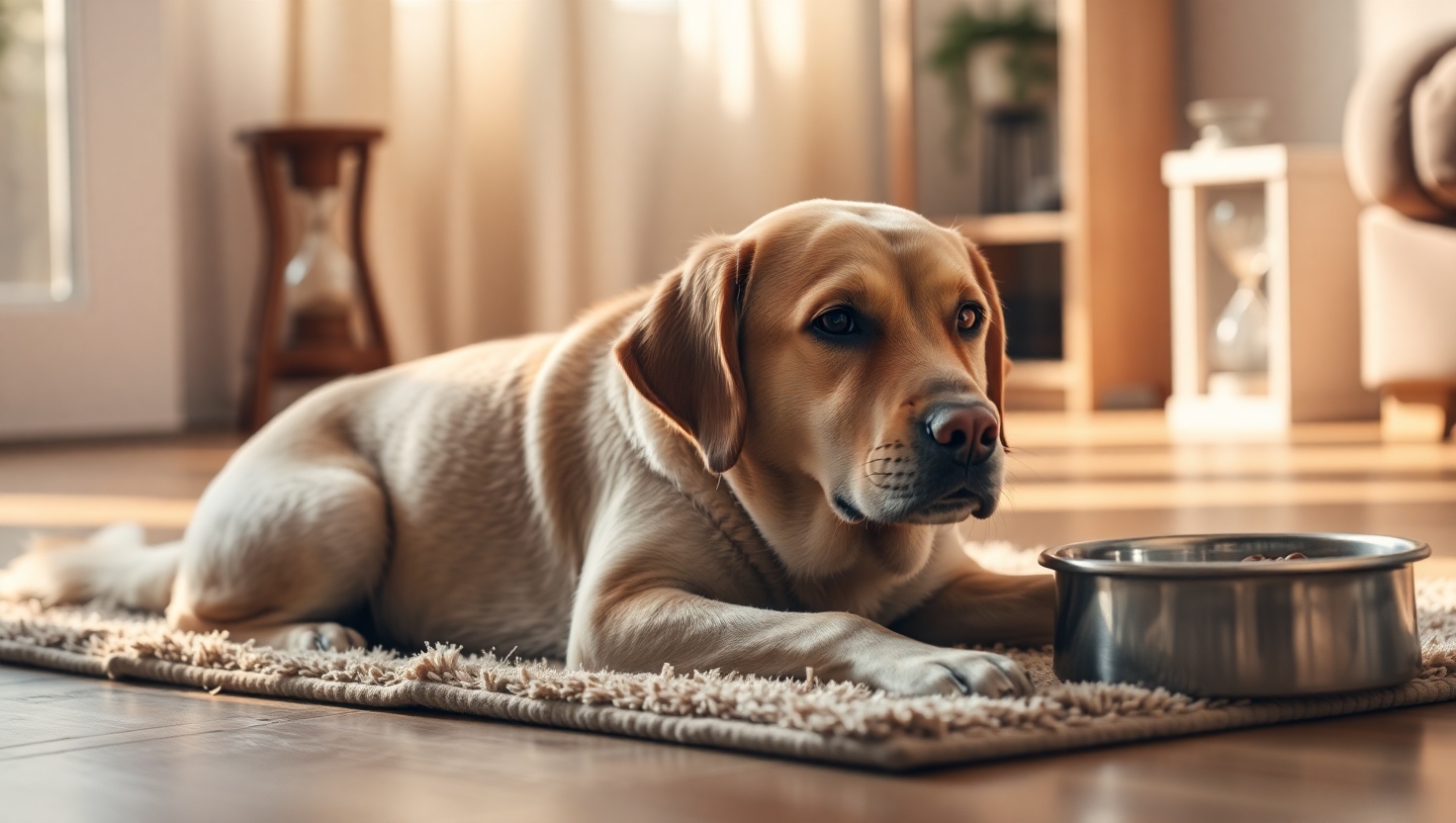
Every pet parent wants their furry friend to stay healthy and energetic. A key part of canine wellness lies in understanding how their body processes meals. Unlike humans, our four-legged companions have a digestive system built for speed and efficiency. Most dogs complete their digestion cycle within 4-12 hours after eating. This rapid processing stems from their short intestinal tract and stomach acids optimized for breaking down protein-rich diets. Smaller breeds often digest meals faster than larger dogs, while age and food quality also play significant roles. Recognizing normal digestion patterns helps owners spot potential issues like blockages or nutrient absorption problems. Consistent timing between meals and bathroom breaks usually indicates a healthy system. When deviations occur, they often signal it’s time to consult your veterinarian. This guide will walk through the complete journey of food through your pet’s body. You’ll learn practical tips for optimizing feeding schedules and maintaining digestive health. Let’s explore what makes your dog’s metabolism unique and how to support it effectively. Key Takeaways Introduction to Dog Digestion A thriving canine companion starts with a well-functioning gut. The digestive system acts as both fuel processor and disease defender, working nonstop to convert meals into energy and vitality. Importance of Digestive Health Your pet’s digestive health directly impacts their playfulness, coat shine, and resistance to illness. Proper nutrient absorption powers everything from muscle growth to infection-fighting white blood cells. When this system falters, you might notice: Nearly 70% of immune cells live in the gut, supported by 100 trillion microbes. These bacteria break down food particles and create protective compounds. Stress, poor diet, or antibiotics can disrupt this delicate balance. An Overview of the Digestive Process Food’s journey begins with enzymes in saliva softening each bite. The stomach then uses strong acids to liquefy proteins while the small intestine extracts nutrients. Finally, the large intestine manages water absorption and waste formation. Puppies process meals faster than seniors, and some breeds need specialized diets. Recognizing your dog’s normal bathroom schedule helps spot early warning signs. Consistent energy levels and firm stools usually mean their digestive health is on track. How Long Does It Take for a Dog to Digest Food A dog’s digestive timeline varies based on several key factors. Most meals complete their journey through the system in 6-8 hours, though the full process from consumption to waste elimination can span 4-12 hours. This efficient processing outpaces human digestion by 2-3 times – while we take 24-72 hours, our furry companions convert food into energy rapidly. Size plays a crucial role in timing. Compact breeds and puppies often process meals in 4-6 hours thanks to faster metabolic rates. Larger dogs typically need 8-12 hours due to extended intestinal pathways. Active pets may experience quicker processing since exercise stimulates gut motility. Factor Effect on Digestion Typical Timeframe Small Breed Accelerated 4-6 hours Large Breed Extended 8-12 hours High-Activity Enhanced Efficiency 5-7 hours Senior Dogs Slowed Processing 7-10 hours Consistent patterns matter more than exact hours. Regular bathroom habits and stable energy levels indicate healthy nutrient absorption. While the 4-12 hour window covers most cases, some dogs might take up to 24 hours without concern – especially with certain food types. Monitor your companion’s routine rather than clock-watching. Sudden changes in digestion speed paired with appetite loss or lethargy warrant veterinary attention. For most pets, steady rhythms between meals and elimination signal optimal digestive performance. The Canine Digestive Process: From Mouth to Waste Your pup’s body transforms kibble into energy through a marvel of biological engineering. This journey involves four specialized stations working in perfect sync. Mouth and Stomach: The Starting Point The adventure begins with teeth crushing food while enzymes in saliva start breaking down carbs. Unlike humans, dogs produce minimal saliva – their digestive process truly kicks into gear in the stomach. Canine stomach acids reach pH levels of 1-2 – strong enough to dissolve bones! This acidic powerhouse breaks proteins into usable components within 2-4 hours. “Their gastric environment acts like a biological blender,” notes a veterinary nutritionist. Small Intestine: Nutrient Absorption Partially digested food then enters the 20-foot intestinal tract. Three specialized sections handle different tasks: This 2-6 hour phase extracts 90% of nutrients through finger-like villi lining the walls. Large Intestine and Waste Elimination The final stage focuses on water recovery and waste management. A shorter colon compared to humans explains faster processing – most material exits within 12 hours. The gastrocolic reflex triggers bowel movements soon after eating, which is why walks often follow meals. Understanding this digestive system helps owners recognize normal patterns. Consistent energy levels and regular bathroom habits usually mean everything’s working as nature intended. Factors Affecting Dog Digestion Your furry companion’s mealtime experience depends on more than just tasty kibble. Multiple biological and dietary elements determine how efficiently their body converts nutrition into energy. Let’s explore the key influences shaping this process. Breed, Age, and Size Considerations Smaller breeds like Chihuahuas often process meals 30% faster than Great Danes. Their compact bodies feature shorter colons, leading to quicker waste elimination. Larger dogs’ extended digestive tracts mean food spends more time breaking down, sometimes resulting in softer stools. Puppies burn through meals rapidly to support growth, while seniors may need 25% longer digestion periods. A Yorkie puppy might complete digestion in 4 hours, whereas a 10-year-old Labrador could take 12 hours. Metabolic rates decrease about 3-5% annually after age seven. Diet Type and Food Quality Nutrition composition dramatically impacts processing speed. High-quality proteins from chicken or fish break down faster than plant-based fillers. Consider these common diet comparisons: Diet Type Avg. Processing Time Key Factors Raw Food 4-6 hours High moisture, no preservatives Wet Food 5-7 hours Easily digestible proteins Dry Kibble 7-9 hours Fiber content, carbohydrate density Fiber-rich formulas slow digestion to help nutrient absorption, while excessive fats can overwhelm pancreatic enzymes. Food quality matters – premium brands often use prebiotic fibers that support 40% faster nutrient uptake compared to generic options. Every dog has unique needs. Tracking … Read more