

Dog Collar Size Guide: Measure Your Pup for the Best Fit
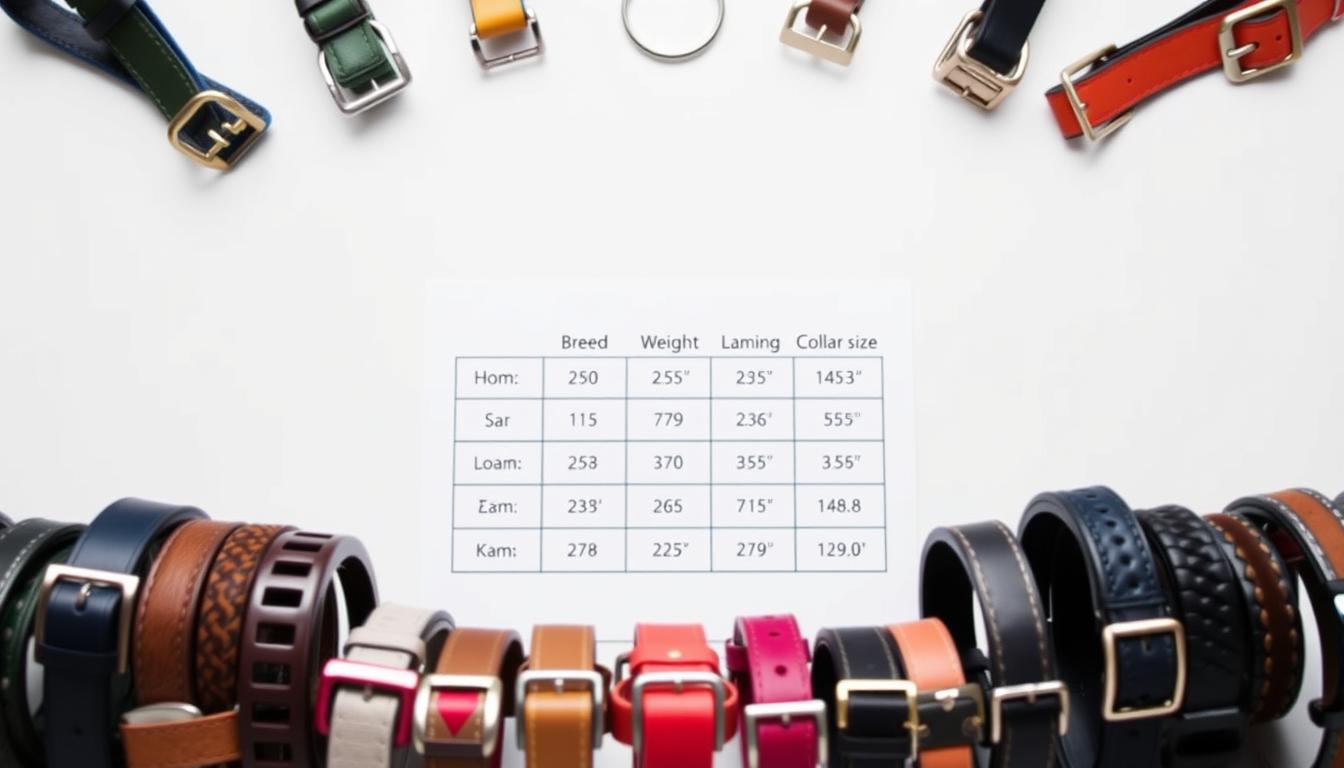
Ensuring your dog wears a properly fitted collar is crucial for their safety and comfort. A collar that is too loose can slip off, potentially leading to your pet getting lost. On the other hand, a collar that is too tight can cause discomfort and even injury. Measuring your dog‘s neck correctly is the first step in finding the perfect size. This comprehensive guide will walk you through the process, ensuring you understand how to achieve the ideal fit for your pet. By understanding the importance of proper collar sizing and how to measure your dog accurately, you can ensure their identification and safety needs are met. Key Takeaways Why Proper Collar Sizing Matters Proper collar sizing is vital to prevent potential health risks and ensure your dog’s comfort. A collar that is too loose or too tight can lead to various issues, ranging from safety concerns to discomfort during daily activities. A properly sized dog collar is essential for your pet’s well-being. It prevents the collar from slipping off during walks or play, potentially leading to a lost pet situation. On the other hand, a collar that is too tight can cause serious health issues, including restricted breathing and skin irritation. Safety Concerns of Ill-Fitting Collars Ill-fitting collars can pose significant safety risks to your dog. For instance, a collar that is too loose can easily come off, leaving your dog without identification tags. Conversely, a collar that is too tight can cause tracheal damage in smaller breeds or lead to fur loss and skin irritation. Comfort and Mobility Considerations The right collar size contributes significantly to your dog’s overall comfort, allowing natural movement without restriction during daily activities. Dogs wearing appropriately sized collars are less likely to develop negative associations with their collar or leash training. How to Measure Your Dog for the Perfect Collar Fit To ensure your dog wears a comfortable collar, it’s essential to measure their neck size accurately. Measuring your dog’s neck is a simple process that can be done at home with a few basic tools. Using a Tape Measure Method The most straightforward method to measure your dog’s neck is by using a soft, flexible tape measure. Wrap the tape measure around your dog’s neck where the collar will sit, ensuring it’s snug but not too tight. You should be able to fit two fingers between the tape measure and your dog’s neck. The String Method Alternative If you don’t have a tape measure, you can use a piece of string or a cloth tape. Wrap it around your dog’s neck, mark where it overlaps, and then measure the length with a ruler. This method provides a good alternative when a tape measure isn’t available. The Two-Finger Rule for Proper Fit A key rule of thumb for ensuring a proper fit is the two-finger rule. After measuring, you should be able to comfortably slip two fingers between your dog’s neck and the collar. This ensures the collar is not too tight or too loose. Measuring an Existing Collar If your dog already has a well-fitting collar, you can measure its length when laid flat from the buckle to the hole you typically use. This method is quick and easy, providing an accurate measurement for a new collar. As emphasized by dog trainers, “A well-fitting collar is crucial for your dog’s comfort and safety.” By following these simple measurement methods, you can ensure your dog’s collar is both comfortable and secure. Dog Collar Sizes Chart by Breed and Weight Understanding the right dog collar size is crucial for your pet’s comfort and safety, and our comprehensive chart helps you find the perfect fit based on breed and weight. The right collar size ensures your dog’s comfort and prevents potential health issues. Small Breeds: Neck Sizes and Recommendations Small breeds like Chihuahuas, Yorkshire Terriers, and Shih Tzus typically have neck sizes ranging from 8-14 inches, requiring extra small to small collar sizes. Chihuahua, Yorkshire Terrier, Shih Tzu, and Similar Breeds For these miniature breeds, it’s essential to choose a collar that is not only the right size but also comfortable. The collar width should be narrower for smaller dogs. Medium Breeds: Neck Sizes and Recommendations Medium-sized dogs, such as Beagles, Cocker Spaniels, and Bull Terriers, usually need collars sized between 12-18 inches. The neck measurements can vary based on the individual dog’s build. Beagle, Cocker Spaniel, Bull Terrier, and Similar Breeds These breeds require a collar size that accommodates their neck circumference comfortably. It’s crucial to measure the dog’s neck to ensure the right fit. Large Breeds: Neck Sizes and Recommendations Large breeds, including Labrador Retrievers, German Shepherds, and Boxers, generally need collars sized between 18-26 inches to accommodate their substantial neck circumference. Labrador, German Shepherd, Boxer, and Similar Breeds For large breeds, the collar size is critical to ensure comfort and safety. The chart provides a guide to help you choose the right size. Sizing by Weight: A General Guide While breed-specific measurements are helpful, a dog’s weight often provides a more reliable indicator of collar size. Dogs up to 10 lbs typically need XS collars, 11-25 lbs need S collars, 26-55 lbs need M collars, and 56-80 lbs need L collars. Conclusion: Finding the Best Collar Size for Your Dog A well-fitted dog collar is more than just a fashion statement; it’s a matter of your pet’s well-being. To achieve this, it’s crucial to consider multiple factors, including your dog’s neck measurement, breed characteristics, weight, and activity level. When measuring your dog’s neck, remember to add the appropriate amount of inches to the raw measurement to allow for a proper fit. The right collar size varies not just by breed standards but by individual dogs. For instance, brachycephalic breeds like Pugs may require special considerations, such as harnesses instead of traditional neck collars. The best collar size is one that balances security with comfort. Too tight can cause health issues, while too loose defeats the purpose of having a collar. By … Read more