

Lab Dog Growth Chart: Monitor Your Pup’s Progress
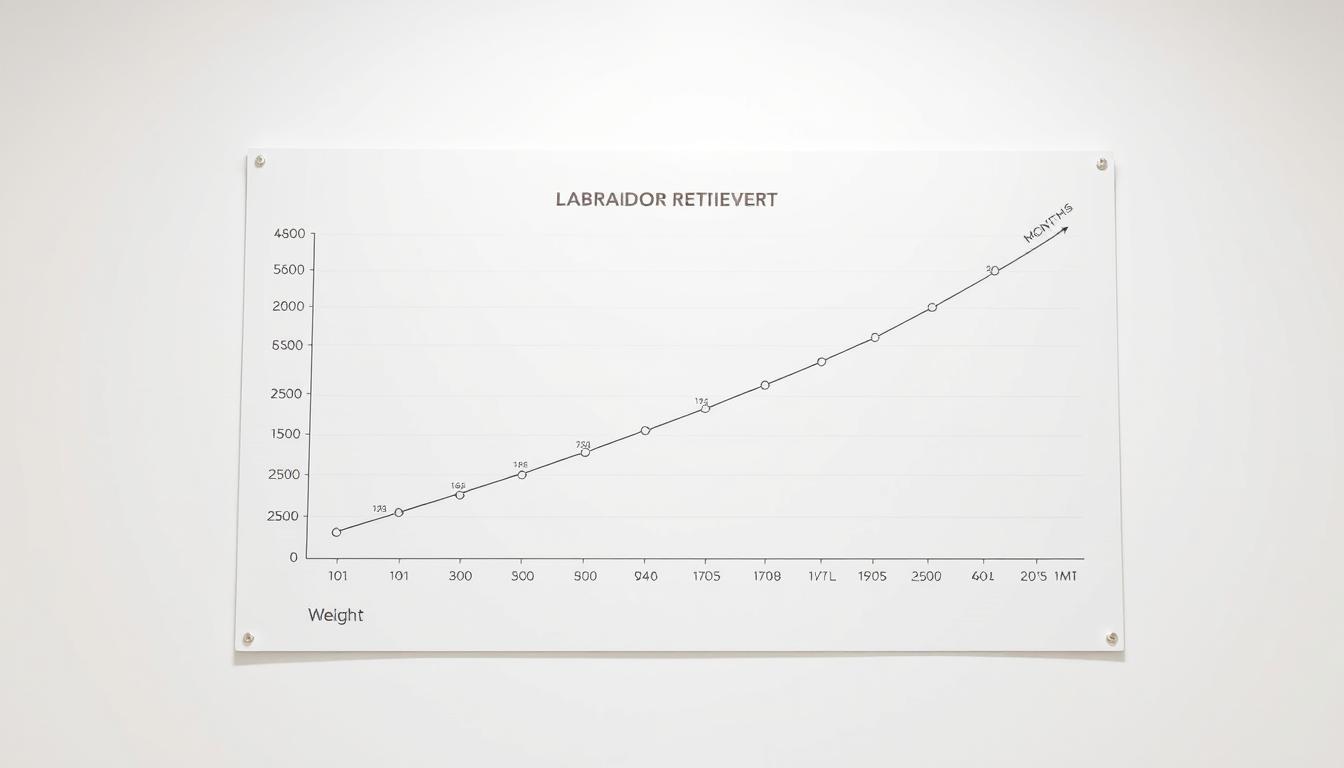
Watching your Labrador Retriever puppy grow into a majestic adult dog is one of the joys of pet ownership. Understanding their growth patterns and providing proper care is crucial. By using a lab dog growth chart, you can track your puppy’s progress and ensure they develop into a healthy companion. This comprehensive guide will help you monitor your Labrador puppy’s weight and height expectations at different stages of growth. Monitoring your puppy’s progress against standard growth charts can help identify potential health concerns early. Every Labrador Retriever is unique, and while growth charts provide helpful guidelines, your puppy may develop at a slightly different pace. Key Takeaways Understanding Labrador Retriever Growth Patterns Monitoring the growth of your Labrador Retriever is vital for ensuring their health and well-being. Every dog is unique, and understanding their growth patterns helps you identify potential issues early. Why Monitoring Growth is Important Monitoring your Labrador Retriever’s growth is essential for detecting potential health issues early and ensuring proper development throughout their life stages. Regular growth tracking helps you adjust nutrition and exercise as your puppy develops. Factors Affecting Labrador Growth Genetics play a significant role in determining your Lab’s ultimate size and growth rate. Puppies from larger parents tend to grow bigger than those from smaller parents. Environmental factors, including nutrition, exercise, and overall care, also significantly impact how your Labrador develops physically. By understanding these factors and monitoring your Labrador Retriever’s growth, you can ensure they lead a healthy, active life. Lab Dog Growth Chart: Weight and Height Expectations Monitoring a Labrador Retriever’s growth helps identify potential health issues early on. Labrador Retrievers, like all breeds, have specific growth patterns that owners should be aware of to ensure their pets are developing healthily. Male Labrador Growth Chart Male Labrador Retrievers typically grow larger than females. Their growth can be tracked through weight and height measurements at different ages. Weight Progression by Age Male Labradors experience significant weight gain during the first year. At birth, they weigh between 0.5-1.5 lbs (0.2-0.7 kg), growing to 12-20 lbs (5.4-9.1 kg) by 2 months, and reaching 65-90 lbs (29.5-40.8 kg) by 12 months. Height Development Timeline The height of male Labradors also increases rapidly. They measure 2-4 inches (5-10 cm) at birth, 7-10 inches (18-25 cm) at 2 months, and reach 20-24 inches (50.8-61 cm) by 12 months. Female Labrador Growth Chart Female Labrador Retrievers generally grow smaller than males but follow a similar growth pattern. Weight Progression by Age Female Labradors weigh between 0.5-1.5 lbs (0.2-0.7 kg) at birth, 10-18 lbs (4.5-8.2 kg) at 2 months, and 55-70 lbs (24.9-31.8 kg) by 12 months. Height Development Timeline The height of female Labradors ranges from 2-4 inches (5-10 cm) at birth, 6-9 inches (15.2-22.9 cm) at 2 months, and 18-21 inches (45.7-53.3 cm) by 12 months. Age Male Weight (lbs) Male Height (inches) Female Weight (lbs) Female Height (inches) 0 months 0.5-1.5 2-4 0.5-1.5 2-4 2 months 12-20 7-10 10-18 6-9 6 months 35-60 14-18 30-45 12-15 12 months 65-90 20-24 55-70 18-21 Growth Milestones: What to Expect at Each Stage As your Labrador Retriever puppy grows, it’s essential to understand the different stages of development they go through. This knowledge will help you provide the right care and training at each stage. Newborn to 8 Weeks During the first eight weeks, Lab puppies experience rapid initial growth. They open their eyes around two weeks and start exploring their environment by 3-4 weeks. This period is crucial for their social and behavioral development. 2-4 Months: Rapid Growth Phase Between 2-4 months, Lab puppies gain approximately 2-4 pounds per week. This is an ideal time for early obedience training and socialization, laying the foundation for their future behavior. 4-6 Months: Adolescent Stage During the adolescent stage, puppies continue to grow and develop their coordination. They also start teething, which can affect their eating habits and training responsiveness. 6-12 Months: Filling Out From 6-12 months, Labrador Retrievers focus on “filling out” rather than growing taller. They develop more muscle mass and a deeper chest, and their energy levels remain high. 1-2 Years: Reaching Full Size Between 1-2 years, Labs reach their full adult size and complete their physical development. However, mental maturity may take longer to achieve, requiring continued training and socialization. Physical Development Beyond Size As Labrador Retrievers grow, their physical development extends far beyond just their size. While reaching their full height is a significant milestone, other aspects of their physical development continue to evolve. Coat Development A Labrador Retriever’s coat development is a gradual process. By the age of six months, a Lab’s coat will be close to its full length, though it might become denser as they mature. The adult coat typically develops fully between 6-12 months of age, progressing from soft puppy fur to a water-resistant double coat. Muscle and Bone Structure Muscle development in Labrador Retrievers continues well after they reach their full height. The chest and shoulders fill out significantly during the second year of life. Bone structure finalizes later than height growth, with growth plates typically closing completely between 12-18 months. When Do Labs Stop Growing? Labs generally stop growing in height around 12-15 months of age. However, they continue to develop muscle mass and fill out their body frame until 2-3 years old. This ongoing development is crucial for achieving a balanced, athletic build. Other aspects of physical development include the evolution of the characteristic Labrador head shape, ear size proportion, and the development of the distinctive “otter tail.” Physical maturity also includes the development of secondary sex characteristics, with males developing broader heads and more muscular builds than females. Nutrition for Optimal Labrador Growth Nutrition is a key factor in ensuring that your Labrador puppy grows into a healthy, well-formed adult dog. A diet that is rich in the necessary nutrients will support their development. Puppy Nutritional Requirements Labrador Retriever puppies need a diet specifically formulated for large-breed puppies. The food should contain 22-24% protein from high-quality sources like … Read more