OURPETTAILS

The Best food for ragdoll cats in 2024

Best food for ragdoll cats

Ragdoll cats are one of the most popular breeds of house cats due to their gentle and affectionate nature. However, as caring owners, we must feed them a nutritious diet to keep them healthy and happy.  So, what is the perfect diet for our fluffy furry friends? As caring pet owners, finding the best food to keep our ragdoll cats healthy and happy is essential. In this article, we will explore the nutritional needs of ragdoll cats and review some best food for ragdoll cats options that cater to these needs. What should Ragdolls eat? Ragdoll cats may look cute and fluffy, but they have strong, muscular bodies to support their large frames underneath. As such, Ragdolls need a diet high in protein to maintain their size and health. The best protein sources come from meat, which these cats naturally eat. Nutrition experts recommend that Ragdolls get over half of their diet from meat-based animal proteins like fish, chicken, or beef. Their best food for ragdoll cats should also include around 20% healthy fats to supply energy. Carbohydrates from grains or vegetables should be limited to less than 3% as cats don’t need many carbs. Wet canned food for ragdoll cats that contains whole or named meat ingredients like salmon or chicken is best for Ragdolls. This provides proteins, vitamins, and minerals in their natural forms. Cats can struggle to digest plant-based fillers or meals made from meat by-products. Their bodies are made to get protein from eating whole small animals or fish. Ragdolls will stay fit when over 90% of their calories come from proteins and fats. Their large size requires these nutrients for energy, muscles, and organs. By closely checking labels for high-quality meats or fish as the main ingredients, owners can pick wet foods that match Ragdoll’s dietary profile, designed by nature. This ensures these charming pets remain happy and healthy. Nutrient Calories per gram Protein  4 Fat 9 Carbohydrate 4 What this means for Ragdolls is simple: don’t feed them too many carbs. Carbohydrates from grains, potatoes, and sugar can easily cause weight gain and tummy troubles in these cats. Their food is best if it does not contain lots of carbs from things like: Ragdolls are built strong, but carbs are not part of their bodies’ needs. Their diet works best with protein and fats like meat, fish, and healthy fats. This keeps them at the correct weight and with happy tummies. By checking labels and choosing foods without high-carb fillers, owners can feed their furry friends precisely what nature intended. Canned or dry food—what’s better for Ragdolls? Ragdolls should avoid dry food for their health. As well as containing more carbs and ingredients that aren’t as natural, dry food is very low in moisture. Ragdolls need around 60ml of water per kilogram of their weight each day to stay hydrated. Dry food alone does not provide this. This can lead to problems like constipation, tummy aches, bladder crystals, and kidney issues. These conditions are more common in cats that mostly eat dry food. Most canned cat food is over 75% water. This means it keeps moisture in a cat’s body better than dry. Wet food also gives more of the good animal proteins a cat benefits from than biscuits. Dry food indeed costs less to buy in bulk upfront. But in the long run, feeding wet food is better because your furry friend stays healthier with fewer vet bills! High-quality canned varieties with meat as the first ingredient ensure Ragdolls remain happy and problem-free for years. How much should I feed my Ragdoll cat? Although Ragdolls are large cats, be careful not to overfeed them. Ragdolls are quite relaxed pets that don’t play much actively despite their size. They spend most of their days resting near their owners, only moving enough for a jump or two. This quiet life means Ragdolls need around 40-42 calories per kilogram of weight per day – less than cats that run and play more! How much food a Ragdoll needs depends on its age and size. Here is a quick guide on the average calories needed daily for Ragdolls at different weights: Gender Weight Calories/day Male Ragdoll 5.5–9.5 kilos 250–400 calories Female Ragdoll 3.7–6.8 kilos 180–300 calories Figuring out food portions can be confusing since cat foods use many ingredients. Dry food normally has more calories than wet food as it contains carbohydrates and fats that add calories. A cup of dry kibble averages between 300 to 450 calories. A regular-sized can of wet food (around 70-85g) is 80 to 120 calories, depending on the protein. Most Ragdolls do well with two cans per day for their energy needs. Larger or more active cats might need an extra can. If mixing foods, a balanced diet would include at least one wet meal and no more than 50g of dry food. Feeding senior Ragdoll cats By making portion sizes and foods gentle on older bodies plus paying attention to signs of illness, caring owners can enhance every moment shared with their senior Ragdolls in their golden years. Seeking vet advice aids in customized plans. Conclusion Feeding ragdoll cats the best diet is essential to their health and happiness. Caring owners can select foods that meet feline nutritional standards by considering the quality of protein sources and nutritional completeness of various commercial options and home-prepared recipes.  With the right diet matched to life stage and individual needs, ragdolls thrive. Making mealtimes positive experiences with consistency and monitoring ensures these gorgeous pets stay well-nourished companions for years to come. FAQs 1. What wet food texture is best for Ragdoll cats? Chunky wet foods that require chewing are ideal for dental health, while gravy keeps cats hydrated. 2. Should grain-inclusive or grain-free food be chosen for ragdoll cats? Either can work if the ingredients and quality are high. Limited whole grains add nutrients when included. 3. How many calories does a Ragdoll need? Calorie needs vary by age, size, and activity … Read more

Printable list of food cats can’t eat : Most Important for Pet owners

Printable list of food cats can't eat

As loving pet owners, we want to provide the best care possible for our pets especially Cats. However, did you know that certain foods that are safe for humans can be harmful, and even toxic, to our furry friends? we’ve compiled a comprehensive Printable list of food cats can’t eat and should be avoided at any Cost. This will help your cats by staying away from different problems like Indigestion, vomiting etc. Whether you’re a new cat owner or a old one, having this printable list on hand can serve as a valuable reference guide to ensure that you’re feeding your cat only the safest and most appropriate foods. Printable list of food cats can’t eat Food Effects Chocolate Toxic; can cause vomiting, diarrhea, tremors, and seizures. Onions/Garlic Can cause gastrointestinal upset, anemia, and damage to red blood cells. Grapes/Raisins Toxic; can lead to kidney failure. Xylitol (artificial sweetener) Toxic; can cause hypoglycemia (low blood sugar) and liver failure. Alcohol Toxic; can cause vomiting, coordination problems, respiratory failure, and death. Caffeine Toxic; can cause rapid heart rate, tremors, seizures, and death. Raw Dough Can expand in the stomach, causing bloating and potential obstruction. Raw Meat/Fish Risk of bacterial contamination such as Salmonella or E. coli. Dairy Products Many cats are lactose intolerant; can cause digestive upset. Bones Risk of choking, splintering, or causing gastrointestinal obstruction. Remember, it’s crucial to keep these foods out of reach of your feline friends to ensure their safety and well-being. If you suspect your cat has ingested any of these foods or exhibits unusual symptoms, contact your veterinarian immediately. what can cats eat and not eat? Here’s a table outlining what cats can eat and what they should avoid: Foods Cats Can Eat Foods Cats Should Avoid Cooked Meat (Chicken, Turkey, Beef) Chocolate Cooked Eggs Onions/Garlic Fish (in moderation) Grapes/Raisins Cooked Vegetables (e.g., Carrots, Green Beans) Xylitol (artificial sweetener) Plain Cooked Rice Alcohol Fruits (e.g., Apples, Bananas, Blueberries) Caffeine Plain Yogurt (in moderation) Raw Dough Catnip Raw Meat/Fish Cooked Pumpkin Dairy Products Cooked Oatmeal Bones what can cats eat from the fridge? list of foods that are safe for cats to eat from the fridge: Remember to avoid giving your cat any foods that are seasoned, cooked with garlic or onions, high in salt or sugar, or contain any additives or artificial ingredients. what do cats eat and drink? list of common foods and drinks that cats typically consume: Foods: Drinks: It’s essential to provide a balanced diet that meets your cat’s nutritional needs and preferences. Additionally, always monitor your cat’s food and water intake and consult with your veterinarian if you have any concerns about their diet or hydration levels. Conclusion In conclusion, cats have specific dietary requirements that are essential for their overall health and well-being. Providing a balanced diet consisting of high-quality cat food, cooked meat, cooked fish, and cooked eggs ensures that they receive the necessary nutrients for optimal health. Additionally, incorporating small amounts of cooked vegetables, cat treats, and occasional cat grass can add variety to their diet. FAQ’s 1. What foods must cats not eat? Cats should avoid certain foods that can be harmful to their health. Some common foods to avoid include chocolate, onions, garlic, grapes, and raisins. These foods can cause digestive upset, organ damage, or even toxicity in cats. 2. What do you want to avoid in cat food? When choosing cat food, it’s essential to avoid ingredients like artificial additives, preservatives, and fillers. Opt for cat food that contains high-quality protein sources, such as meat or fish, and is free from unnecessary additives and by-products. 3. What are the top 5 healthiest cat foods? The top five healthiest cat foods are those that contain high-quality protein sources, essential vitamins and minerals, and minimal fillers or additives. Some top options include Royal Canin, Hill’s Science Diet, Purina Pro Plan, Blue Buffalo, and Orijen. 4. What are 4 human foods safe for cats? While most human foods are not suitable for cats, there are a few exceptions. Cooked meat (such as chicken or turkey), cooked fish (in moderation), cooked eggs, and plain yogurt (in small amounts) are safe for cats to consume as occasional treats. 5. What human foods must cats not eat? Some human foods are toxic to cats and should be avoided at all costs. These include chocolate (which contains theobromine, harmful to cats), onions and garlic (which can cause anemia), grapes and raisins (which can lead to kidney failure), and xylitol (an artificial sweetener that is toxic to cats). It’s crucial to keep these foods out of reach of your feline friends to ensure their safety and well-being. Also Read:

High Calorie Wet Cat Food for Weight Gain

High Calorie Wet Cat Food for Weight Gain

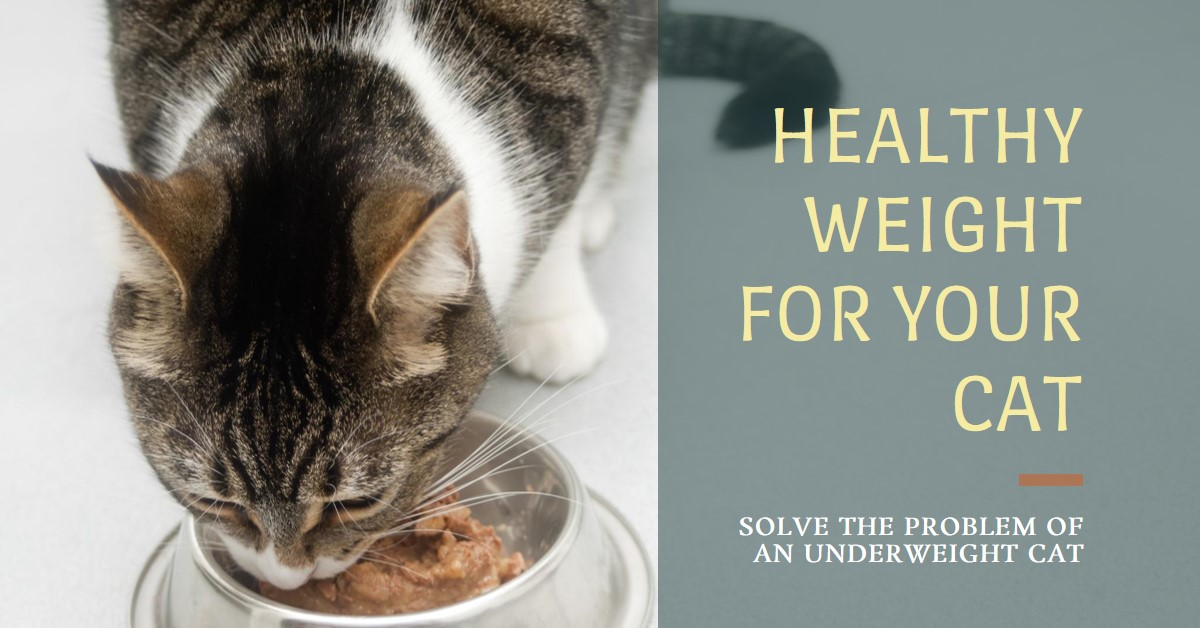
High calorie wet cat foods can help solve the problem of an underweight cat that struggles to gain weight. Many owners find their furry feline friend remains too thin regardless of how much they feed. As cats are meant to maintain a specific weight range, being underweight can impact their health and energy levels.  This article discusses how high calorie wet cat food for weight gain formulated with extra nutrients can aid weight gain in underweight cats. Various options will be explored, along with feeding tips to help kitties safely reach a healthier weight. Why use high calorie wet cat food for weight gain?  There can be various reasons why some cats struggle to gain or maintain a healthy weight. Medical conditions, high metabolism or stress can hinder weight gain in cats. Underweight cats have reduced energy levels and are prone to illnesses. High calorie wet cat food for weight gain aims to address this issue.  They are specifically formulated with more calories, fat and protein than regular wet cat foods. This extra energy and nutrition helps underweight cats feel fuller for longer and boosts metabolism. The wet and tasty texture also makes high calorie wet cat food for weight gain appealing to most cats. This encourages increased consumption and helps underweight cats easily and healthily pack on the pounds. How do you choose the right high-calorie wet cat food?  When choosing high calorie wet cat food for weight gain, selecting options suited to your cat’s needs is important. Look at the calorie and nutrient profile on the packaging to pick those with higher calories and fat content than regular wet foods. Some good high calorie wet cat food options include Royal Canin Veterinary Diet Weight Gain, Hill’s Prescription Diet Digestive Care Weight Gain formula and Purina Pro Plan Focus Weight Management.  They provide over 500 calories per 100 grams. Canned foods are easier to digest than pouches. Soft textures suit underweight cats best. Go for a brand your cat enjoys to encourage eating. Consult your vet for individual recommendations. How much to feed?  The amount of high calorie wet cat food to feed weight gain will depend on your cat’s age, size, metabolism, and target weight. As a general guideline, underweight kittens need 2-4 times more calories than adult maintenance levels. For adults, it’s a good idea to start by doubling their regular portions and increasing it gradually over weeks based on weight monitoring.  Divide total daily feed into 3-4 small meals rather than one or two large portions. This keeps carnivorous hunger hormone ghrelin levels elevated to stimulate appetite. Feed in multiple locations to encourage activity between meals. Consult your vet to create a customized feeding plan for your cat’s needs. Monitor weight weekly and adjust amounts accordingly. Other tips for weight gain in cats  In addition to high calorie wet cat foods, some other tips can further aid healthy weight gain. Ensure stress is minimized through play, petting and affection. Keep food locations consistent for a sense of security. Add calorie-dense toppers like canned sardines, chicken or salmon to their meals. Moderate exercise like play helps build gentle muscles along with weight gain.  Provide unlimited access to fresh water. Monitor for health issues and treat them accordingly. Give calorie-dense snacks judiciously throughout the day. Seek vet advice if there is no significant weight gain even after a few months on a high-calorie diet. Patience and careful monitoring are key to helping the cat gain weight safely and steadily. Potential concerns when feeding high-calorie wet cat foods While high calorie wet cat foods are great for weighting underweight cats, there are some potential concerns to watch out for: obesity risk if portions are excessive; gastrointestinal upset like diarrhoea if transitioned too quickly from regular food; and dental issues from a soft-only diet long-term. Monitor weight weekly to avoid overgaining.  When switching, slowly incorporate high calorie wet canned cat food for weight gain into the regular diet over 5-7 days. Brush teeth regularly for dental health. Discontinue high-calorie wet food once the ideal weight is achieved and maintained using an adult nutrition formulation. Consult your vet promptly at any sign of discomfort or illness while using high calorie wet cat food for weight gain. Benefits of feeding high calorie wet cat food High calorie wet cat foods provide several health benefits for underweight cats:  How to select the right high-calorie wet food When choosing high calorie wet cat food for weight gain, consider ingredients and calories per pack. Options with meat as a top ingredient supply protein for muscle mass. Those listing fat as second or third provide energy. Review nutrition facts to find products with 500 or more calories per 100g serving.  Textures also matter – soft, gravy-coated pieces are gentle on slim cats’ digestive systems. Ensure the food appeals to your cat’s taste to maximize intake. Consult your vet, who understands your cat’s condition, for customized recommendations. A suitable product supports stronger weight gain progress. Monitoring weight changes Following a consistent feeding protocol and monitoring weight weekly allows for gauging the effects of high calorie wet cat food for weight gain. Use the same weighing scale and time for each session. Record weights to track the gains over a month. On a high-calorie plan, most underweight cats show a steady 0.5-1% weight rise each week.  Inform your vet about progress so they can adjust the diet as required. Early signs like filling out around the neck and hindquarters indicate positive changes. Note any health issues as they may impact weight. With care, monitoring helps optimize high-calorie feeding for your kitty’s needs. Conclusion  High calorie wet canned cat food for weight gain provides a tasty and nutritious solution to help underweight cats gain weight safely and effectively. Select options with high calorie and nutrient density suited to your cat’s needs. Carefully monitor portions and weight changes. With patience and proper guidance from your vet, these high-calorie wet cat foods can aid in reaching and maintaining a healthy … Read more

What Are the Benefits for Soft Dry Cat Food for Older Cats

As cats age, their needs change, just like humans. Their senses may not be as sharp, and their energy levels lower. As a caring pet parent, adapting to keep our older cat friends healthy and happy is important. This article explores the benefits of soft, dry cat food for older cats.  We will discuss how the specially formulated soft dry cat food for older cats can make eating more comfortable and support overall wellness. Ensuring our old pal gets the proper nutrition through soft, dry cat food is a small change that can make a big difference to their quality of life. Nutrients Required for Senior Cats Health Soft dry cat food for older cats is specially designed to include key nutrients that support the needs of senior felines. They include softer kibbles that are easier for ageing jaws to chew. The formulas also include glucosamine and chondroitin to support joint health.  Omega fatty acids promote skin and coat health. Probiotics support digestive health. Vitamins and minerals like antioxidants are included to support immune function. The balanced formulas provide complete and easily digestible nutrition to nourish and keep our ageing companions healthy. Benefits of Soft Dry Cat Food for Older Cats Easier to Eat  One of the main benefits of the best soft dry cat food for older cats is the texture, which is formulated to be softer and easier on ageing jaws and teeth. As cats age, their teeth can become worn down or loose, making it difficult to chew hard, conventional kibble. Softer textures are much more comfortable and palatable. This encourages continued good intake of nutrients.  This means our senior cats’ diets do not need to be compromised as they enter their golden years. The soft kibbles are also easier to digest than crunchy varieties, putting less strain on the gastrointestinal system. Promotes Hydration  Having a soft, moist texture can help encourage hydration in older cats. As they age, cats can sometimes drink less than they need. Dehydration is a risk, as is insufficient fluid intake hampering organ function.  Soft dry cat food for older cats contains about 75-80% moisture content versus around 10% in standard dry kibble. This moisture comes from a softening process that makes the kibble pliable and palatable.  The extra fluids delivered through their food can help support hydration without our senior feline having to drink as much separately. This reduces urine concentration and promotes overall health. Supports Mobility  For older cats with arthritis or mobility issues, eating food can become challenging. Dry soft cat food for older cats helps support senior mobility in various ways. As discussed earlier, softer textures are gentler on teeth and jaws, so eating is less tiring.  Their balanced formulas also help maintain lean body mass and muscle tone through nutrients. Strong muscles mean mobility and independence are retained for longer. Fewer aches and pains from arthritis are experienced thanks to ingredients like glucosamine. Overall wellness and comfort are prioritized, allowing our old cat companions to stay active and mobile in their golden years. A Comforting Choice  Considering all the benefits discussed so far, soft dry food for older cats is a wonderful choice to support our feline friends as they enter their senior years. The specially formulated soft kibbles are kind to aging bodies while offering complete nutrition. Features like moisture content, easy chewing, and joint-supporting ingredients contribute to comfort, health, and quality of life.  Making the change can help nourish our old pal during this natural life stage transition. Importantly, it ensures their final years are happy and pain-free, and they live in the comfort and routine of their forever home. As caring pet parents, we want the best for our animals and their senior nutritional needs. Soft dry cat food for older cats delivers this in a way conventional kibble cannot. Softening Process  The softening process used to make soft dry cat food for older cats is a key factor in its benefits. Standard dry kibble is processed at high heat to dry it out thoroughly. This results in a hardened texture.  However, soft, dry varieties employ lower heat processing and controlled moisture additions. This allows individual pieces to retain flexibility and moistness. Steam conditioning bends and plumps the kibble without making it mushy. Careful drying then sets the shape.  The end result is kibbles that are about 75-80% moisture. This small difference in the production method makes dry food kinder on ageing jaws and easier to chew. Digestive Health Support  As cats age, their digestive systems may slow down a bit. Protein and nutrient absorption can decrease. This is where the balanced formulations in soft dry cat food for older cats help. They provide complete nutrition in a gentle form on the GI tract. Prebiotics and probiotics support a healthy digestive balance.  Proper fibre levels avoid constipation issues that are common in seniors. Gluten-free varieties aid cats with sensitivities. Proteins are high quality and easier to break down than in harder kibble. Antioxidants support oxidative stress on the stomach and intestines over time. These features combine to promote continued digestive comfort and function into a cat’s golden years. Dental Care Benefits  While soft and easier to chew, soft dry cat food for older cats still provides dental benefits senior cats need. Chewing, even if gentle, helps remove plaque and tartar buildup. Key ingredients like enzymatic broths and nutrients in the balanced formulas also help support gum health from within.  Small meals encourage natural chewing motions versus infrequent eating from one hard chunk. The soft kibble texture provides mild abrasion to scrub teeth for cats that can no longer physically chew hard treats. Dental health impacts overall wellness, so these features maintain the standard of care into seniorhood without causing jaw strain. Clean teeth mean fewer issues down the line. Palatability Advantages  As senses decline with age, even our favourite foods may seem unappealing. Soft dry cat food for older cats‘ texture combats this challenge. The soft pliability and appropriate moisture improve palatability dramatically … Read more

The Best of the Best :Luvsome cat food review

Luvsome cat food review

Cats are beloved pets for many households all over the world. It is important to keep our furry feline friends healthy and happy. Luvsome cat food is specially made with high-quality ingredients that cats love to eat. This article will give detailed luvsome cat food review and will explain why it is the best choice to feed your cat. We will examine what makes Luvsome cat food unique, its nutritional benefits, and why cats enjoy its taste. So keep reading to learn more about why luvsome dry cat food should be the main food for your cat. What Makes Luvsome Cat Food Special?  Luvsome cat food stands out due to its unique formulation, which includes only the finest natural ingredients cats need. Unlike other brands, luvsome dry cat food does not include any artificial flavors, colors, or preservatives that can harm cats. It only contains real chicken, salmon, or tuna, naturally rich protein sources. The Luvsome cat food in each recipe ensures that all the nutritional requirements of cats are met. The high quality of Luvsome cat food keeps cats healthy and energetic. Nutritional Benefits of Luvsome Cat Food  Luvsome cat food provides complete and balanced nutrition for cats of all life stages. It is rich in protein from real meat to keep muscles strong. It also has essential fatty acids from salmon or tuna oil to support brain and coat health. Luvsome cat food recipes include antioxidants from fruits and vegetables, which promote overall wellness. In addition, it has prebiotic fiber to support digestive health and probiotics to balance gut bacteria naturally. Due to its balanced nutritional profile, luvsome cat food review helps cats lead an energetic and joyful life. Cats Love the Taste of Luvsome Cat Food  Another reason why cats favor luvsome cat food recall is its irresistible flavor. Unlike bland or overly fragrant cat foods, the Luvsome cat food recipes have a natural taste that cats find very appetizing. The high meat content provides a savory taste similar to their natural diet. Cats are also drawn to the scent of real salmon or tuna in seafood recipes of the main keyword, Luvsome cat food. Due to its delectable flavor, cats eagerly await mealtimes and finish their bowls clean when fed with Luvsome cat food. Its perfect taste satisfies cats’ natural dietary needs. Easily Digestible Formulation  An important consideration for cat owners is choosing a cat food that is easily digestible. The highly bioavailable proteins and nutrients in Luvsome cat food are gentle on cats’ sensitive stomachs. During formulation, Luvsome cat food undergoes extensive digestibility testing. This ensures it does not cause stomach upset, diarrhea, or vomiting in cats. Its delicate kibble and chunk sizes are suitable for cats of all ages. Due to its easily digestible nature, Luvsome cat food nourishes cats without digestive issues. Affordable Pricing for High-Quality Foods Despite using premium ingredients, Luvsome cat food is surprisingly affordable for most pet owners. This is because the brand manufactures Luvsome cat food in large volumes, which allows for reduced production costs. Further, it sells directly to customers without the involvement of expensive retailers and distributors. All these factors enable it to offer a high-quality product at wallet-friendly rates. Considering the health and joy that Luvsome cat food provides to cats, its price is very reasonable. Cat parents can thus feed their furry friends the best nutrition without spending a fortune. Lifetime Nutrition with Luvsome Cat Food  Cats need complete and balanced nutrition from kittenhood till their senior years to live long, healthy lives. The variety of Luvsome cat food recipes allows catering to each life stage. From kitten and adult recipes rich in protein to senior recipes with Glucosamine and Chondroitin for joint health – luvsome dry cat food comprehensively supports cats through every phase. Its lifelong formula ensures maximum nutrient absorption at all stages. Luvsome cat food thus provides a nutritional foundation for cats to lead happy and active lives into their ripe old age. High Protein Content for Optimal Health Luvsome cat food is exceptionally rich in protein from real chicken, fish, and other meat sources. Proteins are the building blocks that support muscle growth, organ functionality, and energy levels. Each recipe’s minimum 26% protein content meets cats’ daily requirements. It also aids weight management and provides satiety for long durations. These attributes result in cats maintaining strong bodies and having boundless vitality. The premium cuts of meat ensure optimal protein absorption, too. High protein luvsome dry cat food thus nourishes cats inside out. Variety of Flavors and Textures for Appetite Stimulation Because cats can be fussy eaters, Luvsome cat food presents an assortment of enticing flavors and textures. Formulas range from chicken and salmon recipes to exotic tastes like tuna and duck. Textures alternate between kibbles, chunks, and strips. This variability maintains cats’ feeding excitement and interest levels in their meals. Further, the alternating textures help prevent dental problems. With diverse options daily, cats stay stimulated to eat more luvsome dry cat food to maintain nutrition. Promotes Shiny Coat and Clear Skin As cats cannot produce their own essential fatty acids, their food must contain the right fats. Luvsome cat food fulfills this need excellently with nutrients like Omega-3 and Omega-6 from salmon oil. These fatty acids nourish cats’ skin and coat from the inside. The result is a lustrous, tangle-free fur and supple skin free of flakes and dryness. A shiny coat reflects a cat’s healthy state and is a grooming aid. Thus, regular consumption of essential fatty acids-rich luvsome dry cat food makes cats look their charming best. Supports Calm Behavior and Relaxation Certain nutrients in Luvsome cat food reduce stress levels and promote calm behavior in cats. The amino acid Taurine and prebiotic fibers nourish cats’ brains and digestive systems. This helps balance mood and relaxes overactive nerves. The lack of synthetic additives prevents overstimulation, too. Well-nourished, stress-free cats remain placid companions. They do not engage in bothersome behavior like constant meowing and furniture scratching. Feeding cats ideal … Read more

Best Soft Dry Food for Cats with Bad Teeth

Soft Dry Food for Cats with Bad Teeth

Does your feline friend struggle to eat hard cat food due to dental issues? You’re not alone. Many older cats suffer from painful teeth and gums as they age. This leads to problems like decreased appetite and weight loss. However, soft dry food for cats with bad teeth can offer a solution for cats with oral health problems.  This article will explore various soft dry cat food options to support your cat’s dental health and eating habits. We will also look at the benefits of such foods and tips for choosing the right product. By the end, you will understand how soft dry cat food for cats with bad teeth can improve the quality of life for cats facing dental challenges. What are Soft Dry Cat Foods?  Soft dry cat foods are specially formulated dry kibbles with a softer, more moist texture than regular dry cat foods. They are designed to be gently chewed rather than crunched. This makes them easier for cats with weakened teeth and gums to eat.  The soft kibbles still provide the dental benefits of soft dry cat food for senior cats with bad teeth, such as scraping plaque. Some soft dry foods contain ingredients and additives that help reduce tartar buildup and freshen breath. Their soft textures mimic wet foods but without the mess. They are also more affordable and convenient than wet foods. Ingredients to Look for Soft Dry Cat Foods When choosing the best soft dry food for cats with bad teeth, look for formulas containing ingredients that support oral health. Protein sources high in amino acids, like salmon, are excellent as they reduce plaque. Fiber from vegetables and prebiotics promotes healthy gums.  Added nutrients like calcium, phosphorus, and vitamin C in the right amounts strengthen the development of teeth and bones. Supplements like vitamins, minerals, omega fatty acids, and antioxidants support overall wellness.  It is also important to check for the absence of added sugars, colors, and preservatives, which can damage teeth. Grain-free varieties may be easier to chew for cats sensitive to plant-based substances. Tips for Fussier Eater Cats Some cats may need encouragement to switch to a new soft food texture. Here are tips to make the transition smooth: Consistency is key. Soon, they will enjoy the new soft kibbles. Look out for these Signs if Your Cats Have Discomfort Pet owners must observe their cats for any discomfort during or after eating. This will help select the most suitable soft dry cat food for cats with bad teeth and notice if any changes are needed. Look out for: If you notice these red flags, consult your vet immediately, as diet changes or dental treatment may be needed. With the right soft dry food for cats and routine care, aging cats can maintain healthy, pain-free lives. Top soft dry food brands for cats with bad teeth Below, we have mentioned some of the soft dry food for cats with bad teeth options for cats with tooth problems that offer nutrition without the need to chew extensively: Purina Pro Plan Senior Adult 7+ Seafood Favorites Pate Purina Pro Plan Senior Adult 7+ Sea-food Favorites Pate is a soft, wet food option for senior cats seven years and older. It does not require significant chewing thanks to its pate-like texture.  The pate contains chunky pieces of fish in a sauce that coats the mouth and gums. This dental-friendly formula provides complete and balanced nutrition from easy-to-digest protein and carbohydrates. The small, soft morsels are less abrasive on worn enamel and sensitive gums than dry kibble or larger wet food chunks. Hill’s Prescription Diet T/D Dental Care Chicken Flavor For cats with more severe dental disease, Hill’s Prescription Diet T/D Dental Care Chicken Flavor wet food has been specifically designed under veterinary guidance. It contains clinically proven ingredients that help reduce plaque and tartar buildup while providing balanced nutrition.  The soft-moist texture glides easily over the teeth and gums without causing discomfort. As with any prescription diet, it is important to consult your vet before making long-term dietary changes for your cat. The nutritional completeness of this therapeutic formula ensures your furry friend’s overall health and digestion are supported during dental healing. Royal Canin Veterinary Diet Adult Dental Dry Cat Food For cats that still enjoy crunchy kibble, Royal Canin Veterinary Diet Adult Dental Dry Cat Food provides a gentler option for worn teeth. Its kibble shape is rounded and indented to reduce friction on gums and tooth surfaces compared to other extruded soft dry food for cats with bad teeth.  The formula contains clinically researched ingredients shown to reduce plaque by 26% versus standard soft dry cat food for cats with bad teeth. It also balances important nutrients for overall health. While still requiring some chewing, cats struggling with standard kibble often tolerate this specialized dry dental diet. Smalls Fresh Food Subscription For cats that cannot handle soft dry cat food for senior cats with bad teeth or big chunks of wet food due to dental disease, a fresh food subscription like Smalls may be worth trying. They deliver fresh, raw, pre-portioned, easy-to-eat meals made of human-grade meat, organs, and bones.  As the name suggests, the pieces of protein, veggies, and supplements are small – no larger than a pencil eraser. This eliminates the need for a cat to chew substantially. The all-natural ingredients provide balanced nutrition designed by veterinary nutritionists. A subscription ensures your cat always has soft, easy-to-eat meals tailored to their needs. Conclusion Soft dry cat foods offer a convenient, affordable solution for cats facing dental complications from oral disease. Choosing products with excellent ingredients, the right texture, and your cat’s preferences in mind can make a huge difference in their eating quality and overall oral well-being.  Regular veterinary care and home maintenance like teeth brushing provide further support. With some patience during the transition, most cats can learn to enjoy a lifelong diet of soft, dry kibbles tailored to their needs. This will keep them energetic, comfortable, … Read more

An 2024 Ultimate Guide for Choosing Best Sleeping Bag for Cats

Best Sleeping Bag for Cats

As caring pet owners, we want to provide our cats with all the comforts of home. But is a specialized sleeping bag for cats,really necessary? While some might argue that cats are content to find their place to nap, there are valid reasons to consider giving your feline friend a cozy sleeping bag. From keeping them warm in the winter to providing a safe space they can call their own, a well-chosen cat sleeping bag has numerous benefits worth exploring. How to Choose a Sleeping Bag for Your Cats Choosing the right Sleeping Bag for Cats can make all the difference in keeping your furry friend cozy and comfortable. Below, we’ll look at the factors to consider when shopping for a cat sleeping bag: Material The material of the cat sleeping bag for adults is an important consideration. You’ll want to choose a soft, breathable, and warm material for your cat. Fleece is a very popular option as it is soft against their skin and does a great job trapping body heat. Fleece sleeping bags are lighter than other materials, so they don’t get too hot. Cotton is another breathable material that offers less insulation than fleece. Avoid plastic or vinyl, which can get too warm and make it hard for cats to regulate their temperature. Size When looking at size, it’s important to choose a sleeping bags for cats that is big enough for your cat to move around comfortably but not too big that they get lost in it. Measure your cat from the tip of its nose to the base of its tail to get its length, then add 2-4 inches for room to stretch. For the width, measure from side to side at their shoulders. Choose a cat sleeping bag for adults 2-4 inches bigger than these measurements to allow for growing room. Oversized sleeping bags can leave more room for drafts to get in. Filling inside the bag The fill inside the cat sleeping bag for adults greatly affects its warmth and loft. Downfill from duck or goose is extremely lightweight and warm but more expensive and harder to wash. Synthetic fills like polyester hollow-fill are cheaper alternatives that do well at retaining heat. Avoid sleeping bags stuffed with junk stuffing like cotton balls, which flatten easily. Opt for higher fill power for colder climates, creating more insulating air pockets. Consider your home’s temperature when choosing between lightweight and ultra-warm fills. Closure Type Zippers are a common closure type for cat sleeping bags. Choose zippers made of durable material like nylon that won’t snag fur. Look for zippers along just one side versus three sides for easier on/off. Some bags have velcro closures, which are great for kittens, but velcro can lose stickiness over time. Bags with no closure, like onesies, work well for stationary napping but make it tricky for cats to come and go as they please. Zippered bags provide the most versatility. Extra Features Consider extra features that add convenience or your cat’s comfort. Built-in handles make for easy carrying. Hoods or folded-over tops provide head coverage on chilly nights. Non-slip bottoms grip bedding to prevent sliding around. Interior or exterior pockets offer storage for toys or treats.  Machine-washable bags save you the hassle of hand-washing. Breathable mesh panels on the sides maintain air circulation. Thermal reflective lining or minky fabric exteriors further boost a sleeping bag’s insulating properties. Popular Sizes of Sleeping Bag for Cats Most cat sleeping bags come in small, medium, and large sizes. As a general guide: Measure your cat’s length and girth and compare to the manufacturer’s size chart to ensure the best fit. A properly fitted sleeping bag will keep them warmer without restricting movement. Washing Tips for Sleeping Bag To keep sleeping bag bed for cats fresh and hygienic, wash them periodically. Check the care tag for washing instructions, but in general: Benefits of using a sleeping bag for cats Conclusion Taking your cat’s size, the climate in your home, and lifestyle needs into account will help you select the perfect sleeping bags for cats to keep them warm and comfortable. Fleece is a great all-around material suitable for most budgets. Zippers provide flexibility for comings and goings. Measure your cat’s dimensions for optimal fit and consider bonus features as your budget allows. Your Cat will snooze sweetly with the right sleeping bag bed for cats for many nights. FAQs 1. Are sleeping bag bed for cats comfortable for cats?  A sleeping bags for cats can provide cats with a cozy place to rest. It surrounds them on all sides like their mother’s warmth did as kittens. 2. How do you get a cat to use a cat sleeping bag for adults?  Be patient, as cats may be hesitant at first. Put treats or toys in the bag to entice them. Leaving familiar scents can help. Over time, they’ll learn to enjoy its comforts. 3. How warm should a cat’s sleeping bags for cats be?  The cat sleeping bag must only be warm enough for the cat to feel cozy inside. Look for bags with soft, breathable fabrics so the cat doesn’t overheat but feels secure and enclosed. 4. Can multiple cats share a sleeping bag?  It depends on the individual cats. Some may cuddle together contentedly, while others might fight over space. Provide one bag per cat or separate access points if sharing one bag. 5. How do I keep a sleeping bag for cats clean?  Pick washable, removable covers to launder when soiled easily. Vacuum occasionally removes fur and dander that stick to the fabric over time. Spot clean any “accidents” promptly to prevent odors from developing. Also Read:

Are Bubbles safe for cats? An in-depth look

Are Bubbles safe for cats

Cats are curious and often attracted to shiny and moving objects like bubbles. Cats’ natural curiosity makes bubbles an entertaining toy for some felines. However, it is important to understand if bubble play poses any risks before engaging with your cat. Many cat owners wonder if playing with bubbles is safe for their furry feline friends. While bubbles may seem harmless, it is important to understand if they pose any risks to a cat’s health or safety. In this article, we will look at are bubbles safe for cats and provide tips to ensure bubble playtime remains safe and fun. What are bubbles made of?  Bubbles are spherical soap films floating in the air. They are usually made with water, glycerin, dishwashing liquid, and other compounds that allow the film to stretch without breaking. The soapy solution forms a thin membrane held together by surface tension. When blown from a wand, the circular films drift through the air, entertaining many kids and cats alike. While the ingredients in bubble solution are not generally toxic, some cats may be sensitive to traces of fragrances or preservatives in lower-quality solutions. Are bubbles a choking hazard?  When we are finding the answer about are bubble backpacks safe for cats? one concern regarding bubble play with cats is the potential risk of choking or ingesting fragments of bubbles. As curious felines tend to bat at and pop bubbles, they risk inhaling or swallowing pieces of the thin soap films.  However, standard bubble solution produces too large and thin bubbles to choke on once popped. Professionally made bubbles safely dissolve in the mouth. The real choking risk comes from small toys or balls that break into sharp pieces. Supervising bubble play and choosing bubble wands over bottles can help avoid concerns over ingestion for most cats. Are popped bubbles harmful if licked?  Another question is whether remnants of popped bubbles pose any danger if licked or ingested in small amounts by an inquisitive cat. A small amount of traditional bubble solution is not particularly toxic. It may cause mild stomach upset at most if significant quantities are consumed. Low-quality store-brand solutions with unknown additives carry more uncertainty. But a few accidental licks after popping a bubble are generally considered safe for cats.  The main risks only arise from concentrated solutions or homemade mixtures with essential oils or toxic ingredients added. As long as commercial wands designed for kids are used, occasional bubble play poses negligible risks for most cats. Can bubbles cause skin or eye irritation?  It is reasonable to worry that residue from popped bubbles may cause skin irritation or problems if it gets in a cat’s eyes. However, standard bubble solutions are specifically formulated to be non-irritating for human skin and eyes. A few solutions may cause mild itching or stinging if a significant amount gets directly into cats’ eyes.  But casual play where bubbles occasionally pop near a curious feline would not be expected to harm their skin or eyes. Problems are only likely if cats are allowed to roll in puddles of leftover solution or if it is deliberately squirted onto their fur or faces. Taking standard hygienic precautions makes adverse effects very unlikely. Safety tips for bubble play with cats  While bubbles are perfectly safe for most cats when used judiciously, some precautions can be taken to ensure playtime stays low-risk. Choose cat bubbles made for children with simple, fragrance-free formulas. Avoid homemade mixtures. Supervise play and blow bubbles away from fragile areas like litter boxes or food bowls. If a cat shows signs of stress disinterest, or tries to eat the solution, end play as some felines do not enjoy it.  Watch for any rare sensitivity reactions like itchy skin. Consider playing in outdoor areas where residue won’t contaminate carpet or furnishings. And of course, provide other engaging toys and activities as suitable alternatives for curious kitties. With care and moderation, bubbles can offer a magical sensory experience for cats and humans. The Science Behind Bubbles  Bubbles are spherical envelopes formed by a soap film that floats in the air. On a molecular level, the bubble solution contains compounds like glycerin, water, and dishwashing liquid, allowing the soap film to stretch without breaking when air is blown through a wand. The molecular properties of the cleaning agents help the thin liquid membrane maintain its round shape through surface tension.  Different ingredients determine characteristics like bubble size, float time, and color. Higher-quality commercial solutions for children use gentler cleansing formulations than homemade mixtures. Understanding the basic science behind bubble chemistry can help assess potential risks or sensitivities for individual cats. Factors Impacting Digestion and Toxicity  If ingested, several factors influence how a cat’s body absorbs and processes bubble solution:  Potential Skin and Eye Reactions It is reasonable for cat owners to worry bubble residue could cause stinging, redness, or allergic skin reactions if it lingers on a fur coat. Eye exposure to leftover solutions also raises valid concerns. However, commercial products for children typically use gentle detergents unlikely to harm. Problems only emerge from prolonged contact with concentrated leftover amounts or products containing harsh ingredients like dyes or fragrances.  According to available scientific information and anecdotal reports, accidental exposure through casual play should not pose true risks. But it is always preferable to take normal hygienic precautions and avoid deliberate spraying or putting the solution onto a cat’s face or paws. Individual Cat Sensitivities  Like people, every cat has unique likes, dislikes, and allergy profiles. While most felines tolerate basic bubble solutions well, some individuals may be extra sensitive to specific ingredients. Clinical signs could include skin itching, sneezing, or gastrointestinal signs in rare sensitive cats.  Young, old, or immunocompromised kitties might react more strongly. It is important owners get to know their own cat’s behavior and watch for any negative responses during or after play. Alternative enrichment activities should be provided instead of continuing something stressing an individual pet. With awareness and care, most cats can still enjoy … Read more

Can Cats Eat Bananas? A Must Read Comprehensive Guide

Cats are commonly kept as pets globally. People often wonder if their feline friends can enjoy the same food items humans consume. Bananas contain high water content and are low in fat and calories, making them a healthy snack. For many pet owners, the question arises – can cats enjoy bananas like their human families do? As one of the world’s most popular fruits, bananas are sweet and nutritious. However, with cats’ smaller bodies than humans, special care is needed when considering their fruit intake. This article will explore can cats eat bananas and investigate safe amounts guidelines. Both benefits and risks will be outlined so readers can make informed decisions for their furry friends. Can cats eat bananas? In small and limited quantities, cats can eat bananas in moderation. Bananas are soft and sweet, and cats generally like their taste. They provide several important cat nutrients, such as potassium, magnesium, vitamin C, and B6. However, due to their high natural sugar content, bananas should not become a staple of cats’ diet and must be fed occasionally as a treat only. Nutritional value of bananas for cats Bananas provide many health benefits for cats. They are high in potassium, which regulates heart rate and blood pressure. Bananas also contain prebiotic fiber that supports the digestive health of cats. Vitamin C acts as an antioxidant and helps in the absorption of iron. Bananas B6 helps cats’ red blood cell production and brain function and convert food to energy. How many bananas can cats eat? Feeding bananas in moderation is important as cats’ stomachs are smaller than humans’. A general guideline is to give cats 1-2 small pieces of banana per feeding as a treat, depending on the cat’s size. This means about 1/4 to 1/2 inch of banana. Feeding too much at once may cause stomach upset, vomiting, or diarrhea in some cats. The high natural sugar in bananas can also cause changes in insulin levels if fed excessively. So, it’s vital not to overdo the quantities. How often can cats be given bananas? Bananas should be fed to cats only occasionally rather than daily. A good frequency is 1-2 times a week as a treat only. This allows cats to benefit from the nutrients without overdoing the sugar. Even in small portions, too much sugar can disrupt the pH levels of cats’ digestive systems if consumed frequently. It’s always best to check with your vet based on your cat’s needs, age, and medical conditions. Moderation is key when including bananas in the feline diet. Precautions while feeding bananas Some precautions need to be followed for the safety of cats. Banana skin should never be fed as it could cause an intestinal blockage in cats. The banana must be peeled, and any seeds must be removed before feeding. Bananas should be given to cats as treats only and not replace their normal cat food to avoid unbalanced nutrition. It’s a good idea to monitor cats after eating bananas in case of an adverse reaction like diarrhea or vomiting. Potential alternatives for intolerant cats While many cats do well with bananas in moderation, not all tummies are created equal. Symptoms like persistent diarrhea or loss of appetite may not agree with that individual. In these cases, other options exist containing similar nutrition profiles, such as pumpkin, watermelon, cantaloupe, or sweet potato, in very small, monitored portions. Always listen to our furry friends’ bodies and refrain from anything distressing their comfort. Their well-being comes first. Alternatives if cats don’t tolerate bananas Some cats may be unable to digest bananas due to individual intolerance or medical conditions. In such cases, safe alternatives as occasional treats include very small pieces of watermelon, pumpkin, blueberries, melon, etc. These contain minerals, vitamins, and fiber that benefit feline health.Your cat must show any signs of an upset stomach after eating bananas. Their comfort should be the priority over an occasional treat. Always consult your veterinarian for the best treatment options. How frequently should bananas be offered as treats? While bananas offer nutrition, their natural sugars could cause issues if fed too often. About 1-2 times per week maximum is generally recommended. This allows cats to enjoy the flavor without impacting their metabolisms. Feeding times should also be spaced out, not one right after the other. Changes like this help prevent digestive disturbances from occurring. The priority is keeping tummies calm and comfortable. How much banana is appropriate per feeding? With their smaller stomach sizes than humans, overindulging could upset a cat’s tummy. It’s best to start by giving only a small piece of banana, about half the size of a grown man’s pinky fingernail. Wait and see how their body reacts before considering slightly more the next time. Bigger cats may tolerate a larger thumbnail-size piece. If vomiting, diarrhea, or loss of appetite occurs, avoiding bananas with that individual is safer. Moderation is key to happy digestion. Benefits of potassium from bananas for catsPotassium is essential for cats’ heart, muscle, and nerve function. It regulates blood pressure and electrolyte balance. Bananas are excellent sources of potassium, containing over 400mg per 100g of fruit. For cats, consuming bananas’ potassium supports a healthy cardiovascular system. It may also mitigate long-term stroke and heart disease risks when consumed occasionally as a balanced diet. Bananas nourish feline athletes, too, aiding muscle contractions during play or exercise. Their high water content further boosts hydration when potassium is lost through activity and panting. Overall, bananas’ potassium provisions improve our four-legged companions’ physical wellness. The prebiotic fiber in bananas fosters digestionSoluble fiber in bananas feeds the healthy microbiota in cats’ intestinal tracts. These beneficial bacteria secrete byproducts that facilitate smooth bowel movements while absorbing toxins. This creates an optimally functioning digestive environment.Banana’s fiber additionally makes cats feel fuller for longer by absorbing water during the passage through the bowels. The gel-like content delays stomach emptying, promoting healthier bathroom breaks. With bananas being a snack many felines thoroughly enjoy, the prebiotic aspects make for happy … Read more

Best Grooming Tips for Long Haired Cats

Grooming Tips for Long Haired Cats

Long-haired cats have beautiful coats that require regular grooming to stay detangled and shed-free. Neglecting grooming can lead to painful mats and knots in their fur. With daily brushing and regular bathing as needed, long-haired cats can enjoy the benefits of their lush coat while staying clean and comfortable. Long-haired cats require special grooming care to keep their coat healthy and knot-free. This article discusses important grooming tips for long haired cats to help them look their best.  Some essential grooming tips for long haired cats Daily Brushing Daily brushing is essential for long-haired cats to prevent knots and mats from forming in their fur. Start brushing them from a young age so they get used to it. Use a natural bristle brush or comb and start at the neck, brushing towards the tail. Be gentle and patient, brushing in the direction of hair growth.  Check for any tangles and gently work them out. Brushing for 10-15 minutes daily is sufficient to distribute their natural skin oils down the hair shaft and remove loose hair and environmental debris. Regular brushing will keep long-haired cats’ coats beautiful and well-groomed between baths. Regular Baths Depending on their lifestyle and environment, long-haired cats should be given baths every 4-6 weeks or as needed. Bathing too frequently can strip natural oils from their skin and coat. Start with a gentle cat-safe shampoo; do not get water in their ears.  Be thorough but brief—no more than 5 minutes—to avoid stressing them. Rinse thoroughly and wrap them in a towel to absorb excess water. Their coat may need additional drying time with a blow dryer on a cool heat setting. Regular bathing helps remove environmental dirt, dander, and odors for clean, long-haired cats. Detangling Knots Despite the best brushing efforts, knots sometimes form in a long-haired cat’s coat. When you come across a small knot, brush from the bottom and gently work your way through with your fingers. For larger knots, spray a detangling solution before brushing to help loosen things up.  Be very patient—rushing can cause painful pulling and mats. If a knot is too tight, you may need to cut the hair around it to remove it gently. After detangling, continue daily brushing to prevent new knots from forming. With regular care, knots in long-haired cats’ fur can usually be prevented or removed safely. Grooming Long-Haired Kittens It’s important to start grooming long haired kittens from a young age to get them used to it. Gently brush them daily for a few minutes to distribute natural oils and remove loose hair. Check their skin and coat for any problems. Trim longhaired kittens’ nails every 1-2 weeks.  Long-haired kittens that become accustomed to regular brushing from a young age will have healthy, well-groomed coats like adult cats. Early grooming helps the bond between owners and long-haired kittens and eases nail trims and other care needed throughout their lives. Regular Trims Regular trims help prevent mats and keep a long-haired cat’s coat at a manageable length. Trim fur that is very long, particularly around the behind, tummy, and back legs. Use small cat grooming scissors or thinning shears, and be careful not to cut their skin.  Brush their fur first to see its natural lying and then trim off only the excess hair. Give trim touch-ups every 4-6 weeks. Trims are especially useful during seasonal shedding times and for the thinner coats of senior long-haired cats. Regular shaping keeps their coat attractive and reduces grooming time needed between baths. Common Grooming Tools for Long-Haired Cats It is important to have the proper tools for grooming long haired cats. A slicker brush or comb removes loose hair and distributes natural oils down the shaft. A flea comb tackles tangles and removes debris. Small pet scissors or thinning shears safely trim fur. Nail clippers with a file keep nails short.  A rubber brush or mitt gently removes dirt and stimulates circulation. Brushes vary by coat type – choose ones suitable for your cat’s fur. Quality, cat-safe grooming tools make the process efficient and keep long-haired cats tidy between baths. Grooming During Shedding Seasons Seasonal shedding can be heavy for some long-haired cats. Daily brushing is crucial to remove loose hair and reduce fur balls during these times. Bathe them more frequently also to loosen hair that brushing misses. Trim away particularly thick patches of shed fur to ease their discomfort.  Ask your vet about supplements that may help reduce shed hair. Store shed fur clumps in plastic bags for disposal, vacuum regularly, and brush yourself afterward. Extra grooming attention during seasonal changes makes long-haired cats feel fresher. Caring for Senior Long-Haired Cats As cats age, their coat may thin while still requiring grooming. More frequent brushing removes weakening hairs to reduce matting. Choose softer bristles to avoid irritation. Trim thinning areas neatly. Bathing needs may increase due to incontinence or other issues.  Gentle cleaning keeps them clean and odor-free. Clip nails carefully due to declining nerve endings. Inspect the skin for lumps, sores, or infections regularly. Senior grooming is loving care that sustains dignity and comfort in older long-haired cats’ golden years. Grooming Long Haired Cats with Special Needs For cats with reduced mobility, brush them patiently in small steps, then reward them with praise or treats. Use a mat splitter or detangling spray on particularly knotted fur. Handle very elderly, ill, or blind cats with the utmost kindness. Partner may need assistance during grooming.  Consult vet on safest techniques. Make sessions calming with a gentle touch. Modify routines according to limitations. Extra care, patience, and understanding when grooming special needs long-haired cats respect their dignity. Travel and Boarding Tips When traveling or boarding long-haired cats, trim their fur to a comfortable medium length to prevent matting from changes in activity. Include brushes, combs, and detangler spray for on-site care. Provide written grooming instructions and diet preferences.  Consider sedative anti-anxiety supplements for stress relief, as advised by the vet. Pack sweaters or towels to keep nervous cats … Read more