OURPETTAILS

Best Cat Food for Cats with No Teeth: Check out our Top Recommendations
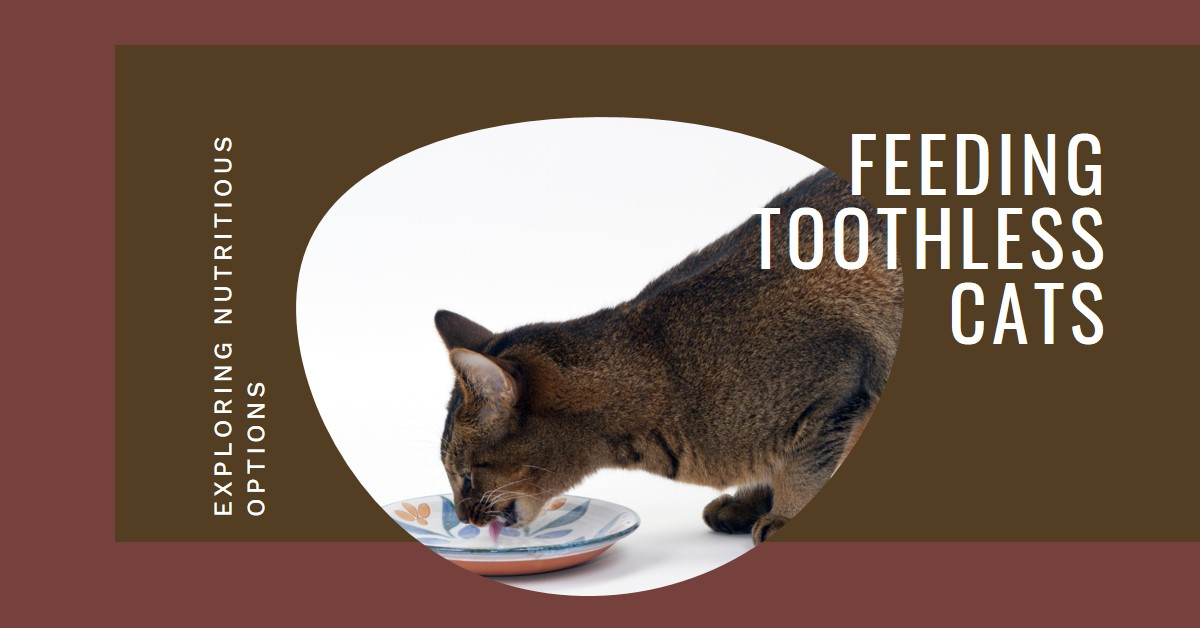
Cat Food for Cats with No Teeth

Many older cats eventually lose their teeth as they age. While this may seem problematic, some good cat food options work well for toothless felines. In this article, we will explore why teeth are important for cats and discuss the impact of missing teeth on eating. We will also look at Best cat food for cats with no teeth and types that can meet the nutritional needs of cats without teeth. Why Teeth are Crucial for Cats A cat’s teeth play an important role in eating. They use their teeth to hold and tear meat into bite-sized pieces. They also grind their food with their back teeth. Without teeth, a cat has difficulty chewing their food. Their mouth feels uncomfortable as there is nothing to properly break down pieces of meat or dry kibble. Their gums may be sore from trying to chew without teeth. It can become painful for them to eat. While toothless, they need pre-chopped or pre-cooked food so it is easy for them to eat without chewing. What Happens When a Cat Has No Teeth—Does it Impact How They Eat? When a cat loses its teeth, it does affect how they eat. Without teeth to break down pieces of food, toothless cats may try to swallow large chunks of meat or kibble that get stuck in their mouth or throat. This can be dangerous as it could cause choking. They may also avoid eating if it is too difficult or painful.  A cat without teeth needs soft dry food for cats with no teeth that is very soft, moist, and easy to swallow without chewing. The cat food for cats with no teeth should melt in their mouth so they do not need to work to break it down. Their favourite foods from before may now be impossible for them to eat. Special cat food for cats with no teeth makes eating comfortable and safe for ageing kitties who have lost their pearly whites. What Type of Food or Food Texture Works for Toothless Cats? Different food textures have been created to work well for cats without teeth. Wet or canned foods are a good option as they are soft, moist, and pre-chopped or minced into small, easy-to-eat pieces. Pate-style wet foods work especially well as they have a smooth texture that does not require chewing.  Some dry cat food for cats with no teeth is also specially formulated to be extra soft and break down quickly in a toothless cat’s mouth without crunchiness. The key is to look for foods labelled “dental” or “for cats with missing teeth” processed or cooked longer to reach an ideal softness. Dry Food for Toothless Cats While wet food cats may seem like the obvious choice for toothless kitties, some cats still enjoy dry kibble. Fortunately, there are dental dry food for cats with no teeth that soften quickly when eaten. These are made with larger-sized kibble pieces and undergo extra processing to eliminate crunchiness.  The pieces soften almost instantly in the mouth, turning to mush that can be easily swallowed. Cats still get the bulk and stimulation of eating dry food for cats with no teeth but none of the discomfort from chewing. Many senior cats thrive on dental kibble that meets their dental needs for softness while still providing complete nutrition. Wet or Canned Food for Toothless Cats As mentioned, wet or canned foods are the ultimate choice for cats without teeth. Their soft, moist texture melts quickly without chewing. Pate-style wet foods have a smooth, silky texture that requires no effort. Some chunky wet foods for toothless cats are finely minced into small, swallowable pieces.  Canned foods also provide the hydration that many senior kitties need. The extra moisture helps food slip easily down their throat without chewing. Their ingredients contain meat protein and nutrients pre-chopped and ready to eat. Wet food ensures ageing cats with no chompers can still dine comfortably and get ideal nutrition. The Ideal Nutrition in Food for No-Teeth Felines When choosing food for cats with no teeth, it must meet their complete daily nutritional needs. Look for foods that provide protein from ingredients like chicken, salmon or beef. They should also contain vitamins A, B12, and K and calcium for bone health.  Omega fatty acids from food sources support skin and coat health. Fibre from vegetables adds digestion-aiding bulk. Senior cats need specific nutrients to maintain overall wellness. Toothless-friendly wet or dry cat food for cats with no teeth tailored to their stage of life provides a balanced diet they can quickly eat without chewing. Complete and balanced is critical for ageing kitties missing their molars. Cat Food for Old Cats with No Teeth As cats age, their needs change, in addition to losing teeth. Senior cat food is specially formulated for the wellness of older kitties. It typically has fewer additives, more easily digestible protein, and more calories to slow metabolism. Gently processed wet or dry kibble for toothless elders replenishes nutrients important for senior health.  Look for vitamins, minerals and antioxidants to support immune and joint function. Protein levels are moderate to accommodate ageing organs. Wet food ensures hydration. Complex carbs give slow energy without taxing older systems. With balanced nutrition tailored to their stage of life, ageing cats minus teeth can happily dine. Why are Senior Cats More Prone to Dental Problems As cats age, their teeth can develop issues like those of humans. Senior cats 7 years and above are at high risk of dental problems. Their gums may recede as they age or get thin, leaving roots exposed.  This makes gums tender and more likely to bleed. It’s also harder for elderly kitties to chew and clean between teeth. Without regular brushing and dental care, tartar builds up quickly in later life. Tartar leads to infections in gums and mouth pain.  Additionally, older cats’ bodies are more sensitive. Their immune systems weaken with time, so fighting dental infections is tougher. Senior kitties may also have … Read more
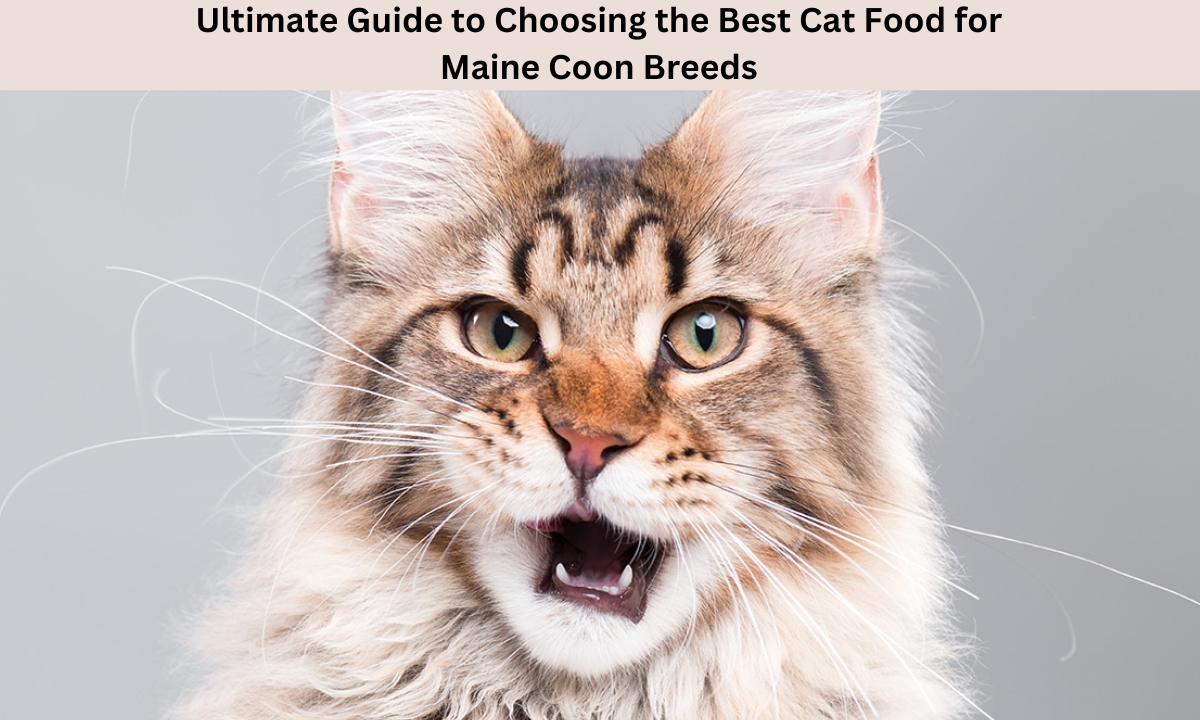
The Ultimate Guide to Choosing the Best Cat Food for Maine Coon Breeds in 2024

Best Cat Food for Maine Coon

Maine Coons are large cat breeds that need special care. Food is very important for their health and growth. This article talks about the best cat food for Maine Coons. It discusses factors to think about when choosing food. It also gives details on different types of cat foods best for Maine Coons. Reading this can help you pick the best food to keep your fluffy friend happy and healthy. Dry cat food vs wet cat food Two main types of cat food available are dry and wet foods for cats. Dry food is powdery or crunchy food in the shape of small bits or crumbs. It has less water, so it stays fresh longer on the shelf. Wet food looks and feels like mushy meat. It has more water to provide hydration but goes bad faster if left open. Both have pros and cons. Dry food for cats helps clean teeth but wet food is easier to eat and digest. Grain-free vs grain-inclusive foods Cat foods can be grain-free or have grains added. Grains like wheat, corn, and rice are cheaper fillers but provide fewer nutrients. Some cats are allergic or don’t digest grains well. Grain-free foods have meats and vegetables as the main parts.  They are easily digestible. However, grains in small amounts don’t harm most cats. Grain-inclusive foods can be equally healthy if the grains used are easy to digest and come after meat in the ingredients list. Ingredients and meat sources The ingredients list on the food packaging shows what’s inside. Look for meat as the first ingredient, not fillers. Meat sources provide protein. Choose cat foods with high-quality meat from chicken, fish, lamb, or beef as the prime sources. Cheap meat meals and by-products are low quality and hard to digest.  Also, check for added vitamins, minerals, and nutrients. Fresh and frozen meats preserve nutrients best, so foods containing them are more nourishing than those with meat meals. Specially formulated foods Some brands make foods specifically for large and active breeds, like Maine Coons. These have higher calories and balanced nutrients for their needs. Look for ‘for all life stages’ and ‘adult’ formulas.  Kittens and senior cats also need custom diets. Kitten foods provide extra calories for growth, while seniors are easier to eat and digest. Aim for high protein and moderate fat content. Restrict fat a bit for obese or less active Maine Coons. Consult a vet for tailored guidance. Popular brands for Maine Coons Well-known brands making foods suitable for Maine Coons are Royal Canin, Hill’s Science Diet, Purina, and Iams. Their formulas fit Maine Coon dietary needs. Royal Canin makes dry and wet foods for all life stages, sizes, and lifestyles like indoor, outdoor and weight management.  Hill’s has a variety of kibble, canned, and pate types. Their Science Diet Adult Light line is best for less active Maine Coons. Purina and Iams have gluten and grain-free options. Try different brands to see your cat’s preferences and health changes. Giving a variety of Food to your Maine Coons Offering variety entertains cats while ensuring all nutrient needs are met. Mix 1-2 cans of wet and 1/3rd cup of dry food daily. Rotate protein sources every few days by switching to wet foods. Add occasional toppers to dry like cooked chicken or fish. Provide grazing foods that cats pick at across the day.  This lifestyle approach provides enrichment and prevents fussy eaters. Maine Coons need large and easily-fillable bowls to avoid waste. Provide frequent, small meals for growing kittens rather than 1-2 big portions daily. Tips for Choosing Best Cat Food for Maine Coon Carefully read labels before purchase. Check ingredients, protein sources and levels, fat content, additives, and fillers. Go for dry kibble or cans with clear nutrition profiles. Consult vets and ask for recommendations from breeders. Understand any diet restrictions or needs for Maine Coons of different ages, sizes, and activity levels.  Consider budget but not quality. Sample different options gradually to see what your furry friend prefers without coercion. Monitor health and signs of allergies or intolerance for adjustments over time. Best wet food options for Maine Coon Some top-quality wet foods much loved by Maine Coons are Tiki Cat, Wellness CORE, and Fussie Cat. These are pate or chunk styles with single protein sources. Tiki Cat has freeze-dried raw-coated kibble-inspired cans containing meat, organs, and bone. Wellness CORE uses fresh, high-protein ingredients.  Their turkey and salmon flavors are favorites. Fussie Cat uses human-grade fresh meat and has transparent supply sources. Their limited ingredient options work well for cats with sensitivities. Monitor your cat’s preference for texture and flavors among these and other premium wet foods. Best dry food options for Maine Coon Highly-rated dry food for cats suited for Maine Coons are Royal Canin Giant Junior for kittens, Royal Canin Maine Coon for adults, Iams Large Breed, and Purina Pro Plan Focus. Royal Canin Giant Junior is specially formulated to support the growth of large-breed kittens.  Their Maine Coon adult food provides energy and balanced nutrients for big and active cats. Iams Large Breed and Purina Pro Plan Focus cater for all life stages with easy-chew kibbles containing meat as the first 5 ingredients. Provide one bag of each, or rotate between brands to see which your furry friend prefers eating. Health and wellness benefits The right diet keeps Maine Coons at optimum weight and health. It boosts development for kittens and supports joints, mobility, and coats for adult cats. Look for foods fortified with omega-3 and 6 fatty acids, amino acids, vitamins, and minerals. These support skin and coat, brain functions, heart health, and immunity.  Probiotics promote digestion. Glucosamine eases pressure on joints. Foods labeled ‘for urinary and kidney care’ contain fewer minerals to reduce the risk of stones. Strictly follow age, size, and activity-based guidance, as overfeeding can cause obesity, strain on organs, and shorten the lifespan. Conclusion Feeding the right cat food ensures Maine Coons grow big and strong while staying healthy. Brands offering formulas … Read more

Top Himalayan Cat Food Brands to Try in 2024

Himalayan Cat Food

What is the ideal diet for our furry feline friends from the high-altitude Himalayan mountains? As caring owners, we want to ensure our Himalayan cats get the optimum nutrients in their food to keep their energy levels high and coats shining.  In this article, we will explore the nutritional needs of Himalayan cats and recommend some of the Best Food For Himalayan Cats. A balanced diet is essential for their health and happiness. Let’s learn about providing our Himalayan companions with food that mimics their natural diet for a long and joyful life together. Dry or Wet Food? One of the first considerations for Best Food For Himalayan Cats is whether to feed your Himalayan cat dry or wet food. Both have pros and cons. Dry food for Himalayan cats helps clean your cat’s teeth and is cheaper and easier to store than wet food. However, cats need moisture, and most dry foods are not hydrated.  Wet food for Himalayan cats provides moisture and has a more natural texture and smell that cats enjoy. It also contains more meat-based proteins and fewer carbohydrates than dry food. While more expensive, wet food may help reduce weight gain and urinary issues in some cats. An ideal option is to provide both dry and wet food. Quality Ingredients For Himalayan Cats The next important factor is the quality of ingredients in the food. Cats need meat proteins, healthy fats, vitamins, and minerals for strong muscles, coats,  and immune systems. In commercial foods, look for meat like chicken, fish or lamb to be within the first three ingredients and avoid fillers like cereal grains.  Also consider limited ingredient diets for food sensitivities. Homemade diets should replicate their natural diet with proteins like chicken, rabbit, fish, and bone for calcium and vitamins. Cooking meat destroys some nutrients, so some raw meat in the diet provides benefits, too. Always choose high-quality ingredients. Why Choose Grain-Free Food For Himalayan Cats Grains provide carbohydrates but very few vitamins and minerals. Cats are carnivores with short intestines that digest meat, not grains. While grains lower production costs for pet food companies, they offer little nutritional value for cats. Corn, wheat, and soy, found in many foods, can cause digestive issues like diarrhea or food allergies in sensitive kitties.  A diet without grains is more manageable for cats to digest and utilize for energy. Look for labels stating “grain-free” or check the first three ingredients – they should only contain high-quality meats, not fillers like wheat or corn. Grain-free ensures nutritional needs are optimally met. Sample Diet Plan For Himalayan Cats Here is a sample diet plan providing optimum nutrition for your Himalayan cat: This plan includes wet and dry foods for Himalayan cats, various protein sources, including meat and fish, a grazing dry food option, and periodic raw or cooked meat. Ensure food is age-appropriate for kittens or seniors. Split meals into multiple sittings versus one large serving. Adjust amounts based on your cat’s size, age, and activity levels. Top Himalayan Cat Food Brands Below, we have taken a detailed look at six top brands that are highly recommended by vets for Himalayan cats. Each brand offers something unique in terms of nutrition: Smalls Ground Bird Fresh Cat Food Smalls Ground Bird Fresh Cat Food uses real chicken, turkey and duck that is fresh ground to ensure every bite is soft and easy for cats to chew. This helps support dental health, too. The best part is that it contains no fillers or additives like corn, wheat, or soy.  Instead, the first ingredient is meat, which gives cats all the protein they need. The meals come in small cans or pouches, making them easy to portion out for one cat. This brand is great for finicky eaters who want real meat as their main food. It is also a good choice when cats need soft food for Himalayan cats for dental issues or other health reasons. Weruva Cats in the Kitchen Chicken Frick ‘A Zee Chicken Recipe Au Jus Grain-Free Canned Cat Food Unlike most canned brands, Weruva Cats in the Kitchen Chicken Frick ‘A Zee Chicken Recipe Au Jus Grain-Free Canned Cat Food for Himalayan cats uses chicken as the first and main ingredient. It also has healthy fats added from coconut oil. This makes it rich in energy and important nutrients.  The best part is the au jus sauce that coats each piece of chicken. Cats simply love the extra taste and juice. It gives them great motivation to finish their meal! This food is also suitable for cats of all ages as it is grain-free. The pate-style texture is also gentle on sensitive tummies. It provides great nourishment in a super delicious package that cats will return to. Hill’s Science Diet Adult Tender Dinners Chunks & Gravy Cat Food Hill’s Science Diet Adult Tender Dinners Chunks & Gravy Cat Food is a science-backed brand developed by veterinary nutritionists. Their recipes contain precisely balanced nutrients in highly palatable forms.  This variety provides chicken or lamb chunks in gravy that cats find appealing. The first ingredient is a high-quality meat protein. It also gives essential nutrients like antioxidants and omega fatty acids to a cat’s skin and coat. Long-term studies prove this brand promotes healthy weight and mobility as cats age. While it may be slightly more expensive, the assurance of complete nutrition makes it worth considering for finicky eaters or cats with health issues. Purina Fancy Feast Poultry & Beef Feast Collection Cat Food From a trusted name, Purina Fancy Feast Poultry & Beef Feast Collection Cat Food offers lots of variety for any cat’s taste buds. It has different pate recipes with either chicken, turkey, or beef as the star ingredient. Cats love how soft and tasty each serving is.  Despite being affordable, they use quality meat proteins and other daily nourishing components cats need. The portions are also quite generous, making this a budget-friendly complete meal option. It may be a good everyday staple … Read more

Best Cat Food for Egyptian Mau Cats

Best Cat Food for Egyptian Mau Cats

Egyptian Mau cats are beautiful, active, intelligent, and need proper nutrition. The right cat food for Egyptian mau cats helps them stay happy and healthy. In this article, I will discuss the best cat food for Egyptian Mau cats.  I will talk about wet vs dry food, protein sources, nutrients needed and suitable brands. By the end, you will understand what cat food is best for your Egyptian Mau companion. Choosing the right food ensures they have the energy for their playful nature while staying solid and disease-free for many years. Dry vs Wet food Dry and wet cat foods both have advantages, and it is up to the owner to choose what suits their cat best. Dry food helps clean the cat’s teeth as they must chew it more. It is also cheaper to feed and store in large bags.  However, it does not provide enough moisture, which some cats may not like. Wet food contains high moisture that satisfies a cat’s instincts and hydrates them better. It tends to be more nutritionally complete. While convenient, open cans have the risk of spoilage. Many owners feed a mix of wet and dry as a good compromise. Protein source Food for Egyptian Mau Cats The main protein in Best Cat Food for Egyptian Mau Cats must be easy to digest and match a cat’s natural diet. Chicken, turkey and fish are common high-quality animal proteins. Chicken is found in many affordable Best Cat Food for Egyptian Mau Cats and is a good source of amino acids. Fish proteins like salmon offer omega fatty acids that support a healthy coat.  Red meats provide essential minerals but are more challenging to digest for some cats. Novel proteins like duck, venison or lamb are gaining popularity for texture variety. Plant proteins like peas or lentils alone do not provide complete nutrition, so they are usually combined with meat. Nutrients required for Egyptian Mau Cats Egyptian Mau cats need a balanced diet to thrive. Protein provides building blocks for muscles and organs. Fats supply energy and support skin and coat health. Carbohydrates are not their primary fuel source, unlike humans.  Fibers from whole grains aid digestion. Minerals like calcium strengthen bones, while antioxidants protect cells from damage. Vitamins A, D, E, C, B6, B12 are crucial. Taurine is essential for heart and retina function. Look for foods with precise guarantees of complete nutrients matching your cat’s requirements at different life stages. How to Deal with Fussiness Some cats can be fussy about their food bowl staying perfectly complete. An empty bowl, a different texture or taste may turn their nose up. Avoid changing foods frequently, as this can worsen habits. Supplement meals by offering other approved snacks your vet suggests, like green beans, plain boiled chicken or shrimp.  Playing with your cat before feeding helps stimulate appetite. If health issues are ruled out, stubborn, fussy cats may gradually accept food when it is consistently available. Some fussiness is natural for the breed, so do not stress over it if your weight and energy levels are normal. Consult your vet for advice in extreme cases of reduced eating or weight loss. Best Cat Food Brands for Egyptian Mau Cats Egyptian Mau cats need nutritious food to keep their bodies and minds healthy and active. Choosing the right cat food for the Egyptian Mau Cats brand is important to give them a balanced diet. Below, we will look at some top brands that cater to their needs: Wellness CORE Natural Grain-Free Chicken, Turkey & Chicken Liver Pate Wellness CORE uses simple, limited ingredients in their pate. It contains chicken, turkey and chicken liver which are gentle proteins cats naturally eat. Added vitamins and minerals provide complete nutrition. The pate texture is similar to raw meat so cats feel they are hunting their food. It comes in easy-open cups, avoiding spilt messes. No grains, legumes or artificial colours are added. This fulfils your Mau’s natural appetite. The pate also moisturizes their skin and coat to keep it shiny. It keeps energy levels up for fun play sessions. Open Farm Wild-Caught Salmon Rustic Blend Wet Cat Food Open Farm uses wild salmon as the top ingredient in their rustic blend food. Salmon is a wholesome white meat fish that gives Omega fatty acids for a soft, glossy coat. Other vegetables add fibre, vitamins and taste interest, like pumpkin, spinach and tomato.  Cats love the variation in textures from flaked salmon combined with rustic chunks of pumpkin and carrot. The preservative-free recipe stays fresher than some wet foods. Your cat approves of the honest, single-source proteins satisfying their diet needs. This tasty wet food meets their nutritional requirements and maintains their intrinsic enthusiasm. Fancy Feast Fish & Shrimp Feast Flaked Canned Food Fancy Feast Flaked Cuisine is a convenient, balanced meal many cats find hard to resist. The decadent blend of flaked fish and shrimp uses two nourishing sea proteins. Nutrient-dense salmon oil provides extra omega-3s for skin and coat wellbeing.  Your Mau will appreciate its smooth seafood flavors although artificial colors and preservatives are added. Each easy-open can have a complete daily serving. It saves time compared to homemade meals for busy households. This familiar brand reliably fulfils their protein needs without fuss, so they can receive pats after mealtime! Dr Elsey’s Clean Protein Chicken Formula Grain-Free Dry Cat Food Dr Elsey’s Clean Protein uses simple, limited ingredients cats commonly eat in their grain-free dry recipe. High-quality chicken provides essential amino acids for muscle and organ function. Fish oil and flaxseed add skin and coat-nourishing omegas.  No fillers like corn, wheat or soy are included, which some cats are sensitive to digesting. Gluten-free and with balanced vitamins, it helps support their lean physique. The kibble develops your Mau’s chewing skills, too. Its nutritional composition nourishes without artificial colours, flavours and preservatives, restoring their natural diet habits. This may be suitable for fussy eaters, too! Nature’s Variety Instinct Ultimate Protein Grain-Free Dry Cat Food Nature’s Variety Instinct uses … Read more

Best cat food for a British Shorthair :A 2024 Guide to Selecting the Ideal Cat Food

British Shorthair cat food

British Shorthairs make lovely household pets with their sturdy yet docile temperaments. As caring owners, we must meet their dietary needs to keep these affectionate cats healthy and happy. This article outlines the key nutritional requirements of British Shorthairs and recommends the Best cat food for a British Shorthair to support their well-being. What are the nutritional needs of British Shorthair cats? The nutrients essential for British Shorthairs are similar to other domestic cat breeds. Their diet must provide the building blocks to fuel daily activity while nourishing tissues and organs. Here are some of the critical components: Proteins– As carnivores, British Shorthairs food requires high-quality animal proteins for muscle growth and tissue repair. Their diet should ideally contain at least 30% crude protein from meat sources like chicken, fish, or lamb. Fats and fatty acids– Essential fatty acids provide energy and support a glossy coat. British Shorthairs need a balanced ratio of omega-3 and omega-6 fatty acids. Their food should list fish or salmon as a primary fat source. Vitamins and minerals– Bone and teeth health relies on ample calcium and phosphorus. British Shorthairs also need vitamins A, B-complex, E, zinc, and copper to support the immune system. Feline-specific nutrition should meet their vitamin and mineral requirements. Water– As British Shorthairs evolved to receive moisture from their prey’s tissues, they don’t naturally drink much water. Their dry food should contain at least 10% moisture to encourage adequate hydration. Access to fresh, clean water is also essential. How many calories do British Shorthairs need in a day? The ideal daily calorie intake depends on a British Shorthair’s age, size, and activity levels. As a guide, kittens need around 300 calories daily until 6 months old, when they transition to an adult diet.  For adult British Shorthairs, the recommended amount is 250 calories per day for indoor cats weighing 8-10 pounds. If they get more exercise, it increases to 300 or 350 calories. Overfeeding can lead to weight gain and associated issues. Feed high-quality commercially prepared food and check the labels for the correct amounts. Provide clean drinking water at all times, too. With the right calorie balance, British Shorthairs maintain a sleek figure. Buying British Shorthair cat food—what works for them? When purchasing the Best cat food for a British Shorthair, keep the British Shorthair’s needs in mind. Choose brands formulated for adult cats rich in meat proteins like chicken, turkey, or fish. Grains should be minimized. The first few ingredients on the label must be meat or fish.  Also, look for foods for cats containing healthy fats, vitamins, and minerals that are precisely balanced for cats. Wet food for British shorthairs provides moisture and helps prevent urinary issues. For convenience, high-quality dry foods can also be given. Grain-free varieties suit British Shorthairs best. With so many options, consulting a vet can help decide which brands deliver optimum nutrition. What’s a good diet for British Shorthairs? An ideal homemade or commercially prepared diet for British Shorthairs includes high-quality protein and moderate carbohydrates. Start each day with a meaty, wet food meal supplying moisture and nutrients. A variety prevents fussiness with any one flavor.  Then, follow up with some dry food or homemade cooked meat later to meet daily calorie needs. Fresh meat like chicken or fish works well as occasional supplemental protein. Vegetables and limited complex carbs like brown rice add fiber. Clean water should always be accessible. British Shorthairs thrive on such balanced, nutritious meals. Make small changes gradually to avoid digestive upset. Their coats will shine, and they’ll feel energetic. Potential health problems for British Shorthairs and how to fix them with food  Overweight/Obesity: Avoid overfeeding and provide low-calorie, nutrient-dense food. Urinary issues: Choose wet food and include foods containing nutrients like L-cysteine that acidify the urine. Dental disease: Opt for kibble or chewy treats that scrape teeth and reduce plaque build-up. Diabetes: Limit carbohydrates in the food and monitor blood sugar levels. Consult a vet regarding insulin doses. Skin allergies: Hypoallergenic protein sources sometimes help. Supplements containing fatty acids may also relieve symptoms. Hypothyroidism: Thyroid medication plus a balanced diet sufficiently supplies energy. By consulting a vet and tailoring meals, issues like these can often be controlled or prevented in British Shorthairs through wise nutritional choices. Feeding British Shorthair kittens Young kittens need special care and nutrition for healthy development. From weaning at 8 weeks until about 6 months, kittens should be fed several small daily meals. High-protein kitten food supports rapid growth without making them overweight. Nutrient-rich wet food builds strong bones and organs. As they become adults, they transition gradually to appropriate calorie levels. Feeding senior British Shorthairs As British Shorthairs age, their daily calorie and nutrient needs change. Older cats become less active, and metabolisms slow down. Reduce portions while maintaining high quality to prevent weight gain. Look for senior foods that address common health issues. Extra supplements may benefit joint health and organ function in aging cats. Monitor weight and appetite closely when senior to ensure the diet is suitable. Homemade food options Cooking homemade meals provides individualized nutrition. Use raw meat supplies like chicken breast, turkey, salmon, rice, vegetables, and omega-3 enriched oils. Cook meat thoroughly and store it in portion-sized containers. Supplement complete vitamins, minerals, and probiotics. Consult a veterinarian on portion control. Monitor weight regularly while creating a tailored diet. Provides satisfaction through smell, texture, and taste. Raw food diets Feeding a regulated raw food diet has gained popularity due to its natural ingredients. However, some risk bacteria or nutritional imbalance exists if not administered correctly. Seek expert guidance and feed a pre-made raw food complete diet. Supplement as required and monitor weights. It may suit some British Shorthairs better than processed foods through improved digestion and coat health. Read articles to learn from experienced owners. Hypoallergenic diets Cats like British Shorthairs prone to food sensitivities require novel protein avoidance trials. Hypoallergenic foods use unusual proteins that do not commonly cause reactions. Examples include duck, venison, lamb, potato, or … Read more

Best Cat Foods for Persian Cats: Feeding Your Persian Cat Right

Best Cat Foods for Persian Cats

Cats are beloved pets that provide companionship and joy to many people worldwide. Among different cat breeds, Persian cats are known for their beautiful long coats and sweet nature. As caring pet owners, we are responsible for providing Persian cats with a nutritious diet to keep them healthy and happy.  This article discusses the various nutritional needs of Persian cats and recommends the best cat foods for Persian cats to meet those needs. It covers essential topics like sources of calories, proteins, other nutrients, and ingredients to avoid. By choosing the right cat food for Persian cats, we can ensure our Persian furballs live long and healthy lives with us. What should be the source of calories for Persian cats? Persian cats need energy like humans to be active and play. Calories are essential for their energy needs. The best source of calories for Persian cats is protein and fat. Fat provides more than twice as many calories per gram as protein or carbohydrates. But too much fat can make cats overweight, which is also not good.  So, the best foods for Persian cats should have the right balance of calories, protein, and fat. Good sources are meat, fish, and eggs, which Persian cats love to eat. The calories in their food should come mainly from these natural sources instead of carbohydrates like wheat, corn, or rice, which cats don’t need much. Why are proteins crucial in food for Persian cats? Proteins are essential for Persian cats because they need them for healthy skin, coats, organs, and muscles. Protein helps cats stay strong and active. Cats cannot make their proteins and must get them from their diet.  The right amount of high-quality protein ensures Persians maintain a beautiful long coat. Good protein sources are meat, poultry, fish, and eggs. The proteins in cat food should come from natural beef as the first ingredients, not from plant or artificial sources. Meat-based protein is more accessible for cats to digest and use. Persian cats may lose fur or develop skin problems without enough natural protein. How much protein do Persians need? On average, an adult Persian cat needs about 30-50 grams of protein per 1000 calories in their diet. While growing, kittens need even more protein – approximately 50-70 grams per 1000 calories. The right amount of high-quality protein ensures healthy growth in kittens and a shiny coat for adult Persians.  Wet and canned cat foods for Persian cats usually contain more meat protein than dry kibble. Wet foods are especially good for Persian kittens or less active cats. For most adult Persians, dry cat food for Persian cats containing around 30% protein and 15% fat provides a balanced diet to meet their daily nutrient requirements. Both wet and dry foods with meat as the first ingredient provide ample protein. What about other nutrients in a Persian cat’s diet?: Fat, Vitamins and minerals Along with proteins and calories, fat, vitamins, and minerals are essential for Persian cats. Fat provides energy and helps cats absorb fat-soluble vitamins. However, too much fat can cause obesity. The food should list meat or poultry as the first 5 ingredients and contain about 15-25% of calories from fat.  Vitamins and minerals such as A, D, E, zinc, selenium, etc keep Persian cats healthy. A balanced cat food for Persian cats with meat as the first ingredient and no artificial additives ensures cats get adequate vitamins and minerals from their natural prey diet. Highly processed foods may lack some essential nutrients. So it’s best to choose either wet or dry food from trusted brands. Cat food for Persians—ingredients to avoid! While making food choices for our Persian cats, avoiding some ingredients unsuitable for their nutritional needs is essential. Ingredients like corn, wheat, soy, artificial colours, preservatives, and flavors should be avoided. Cats are carnivores and do not need grains in their diet. Corn and wheat provide unnecessary carbohydrates and very little nutrition.  Soy is difficult to digest. Artificial additives have no health benefits and may cause allergies in some cats. It’s better to choose foods with limited ingredients you can recognize, like meat, fish, or poultry. Highly processed foods are best avoided for Persians. Stick to brands that use quality meat or fish as the first ingredients. The texture of Persian cat food Persian cats, being bred for their silky long coat, may have sensitive teeth and gums. So, the texture of their cat food for Persian cats is essential. Dry kibble helps clean cats’ teeth as they eat. However, Persians often prefer wet or canned foods, which are softer and more easily chewed. Canned foods also contain more moisture, which helps with hydration.  For kittens and senior Persians who lose teeth, a wet or semi-moist texture is preferable to hard kibble. Wet foods also contain more meat protein than dry kibble. The best option is to mix dry and wet food so cats get variety and dental and hydration benefits. The kibbles should be small for easy chewing. What do Persian kittens eat—dry or wet food? Persian kittens need special dietary care for healthy growth. Their food should be rich in protein and fat to support development. Wet food works best for kittens because of its soft and pourable texture for developing gums and teeth. Canned food also ensures proper hydration, which is essential for nursing.  Wet food supplies plenty of calories, protein, and essential nutrients in an easy-to-eat form. Once kittens are about 6 months old and their adult teeth have grown in, they can be gradually transitioned to eating dry food for dental benefits. But continue offering wet food, too, for its nutritional advantages. Always choose kitten-specific canned or pouches with meat as the first ingredient. Conclusion In conclusion, providing the right high-quality cat food for Persian cats is crucial for the health and happiness of our precious Persian companions. Their diet should consist of foods containing meat or fish as the first ingredients to supply ample protein and balanced nutrition. Kittens and senior … Read more

Best Cat Food for Siamese Cats

Best Cat Food for Siamese Cats

Proper nutrition is essential for the health and happiness of Siamese cats. As one of the oldest defined breeds of domestic cats, the Siamese have distinct nutritional needs based on their heritage from Thailand’s tropical climate. We must carefully consider the specific dietary requirements for this breed, which is active, intelligent, and quite sensitive. Understanding these qualities will help us choose the best cat food for Siamese cats to support our beautiful Siamese companions positively. This article discusses the best cat food for indoor siamese. It looks at different wet and dry food types and recommends some top brands.  Wet vs. Dry Food Wet food is often the best cat food for Siamese. It contains around 75% to 85% moisture content compared to dry food, which is only around 5% to 15%. This makes wet food more similar to a cat’s natural diet. Siamese cats originated from hot climates, so they naturally tend to stay hydrated. Wet cat food helps support this as cats get moisture from it. It also tends to be more digestible and ensures cats get proper nutrition. However, wet food must be refrigerated after opening and may not be practical for all cat owners. Dry food is more convenient as it does not spoil easily and does not need refrigeration. They still provide reasonable nutrition, but extra water is needed. Look for high-protein dry cat foods under 12% to 15% carbs. Ensure the variety of ingredients and added vitamins/minerals. Some quality dry foods that could suit Siamese cats include Royal Canin Indoor, Hill’s Science Diet Indoor, and Purina Pro Plan Focus. But overall, wet food is probably a better choice as the main diet for most Siamese cats. Top Wet Food Options When it comes to wet food, some of the best cat food for siamese kittens include: These offer variety while covering both homemade and commercial formulations. See which brand and flavors your Siamese cat enjoys best for a wet diet that meets their nutritional needs. Top Dry Food Options While wet food is ideal, here are some best food for siamese cats  that are suitable: These brands focus on whole meats, quality ingredients, proper nutrients and formulations customized for cats. They can fulfill Siamese cats’ nutritional needs while being convenient and digestible options for their distinctive natures. Consult a vet based on an individual cat’s needs. Grain-Free vs Grain-Included Foods Some cat owners believe grain-free diets are always best. However, this is a debated topic. Whole grains like corn, wheat, and soy are common allergens; many cats do well on quality foods containing moderate grains. Siamese cats have adapted to different traditional diets across regions, so moderate, high-quality grains may not pose issues. Grains also provide fiber, vitamins, and minerals. Foods from brands like Royal Canin and Hill’s Science Diet that contain grains can suit Siamese cats well if ingredients/formulas are of high quality with a proper grain-to-protein ratio. On the other hand, the trend toward grain-free has some merits, too. These preserve proteins as the primary ingredient and avoid common allergens. Limited ingredient diets may suit cats with sensitive stomachs. Grain-free foods are worth trying under vet guidance if symptoms point to food intolerances. Overall, moderate grains in high-quality foods are acceptable for most Siamese cats, while grain-free can be preferred for those with known sensitivities. Quality should always take priority over any singular ingredient. Importance of Proper Nutrition Good nutrition is extremely important for the health and well-being of Siamese cats. As an ancient purebred, their bodies are genetically designed to maintain high energy levels as would be optimal for a hot climate. To do so, they need complete and balanced diets containing the right macros and micronutrients tailored to their needs.  Food supports their metabolism, digestion, organ functions, growth and development. Choosing the best cat food for Siamese cats ensures they receive protein, vitamins, minerals, fiber, and fatty acids for an active lifestyle and prolonged health span. Getting nutrition right is key for Siamese cats to avoid issues and reach their genetic potential lifespan indoors as human companions. Protein Requirements Being active, intelligent hunters by nature, Siamese cats require high-quality protein in their diets. Protein supports muscle growth, organ/tissue repairs, and overall wellness. Young cats need nutrient-dense foods of 25-35% protein for development, while adults maintain 18-25%. Whole meats like chicken, turkey, and fish are the main ingredients that best suit Siamese digestion. Protein should not exceed limits as too much places strain on delicate systems. It must also come from named, easy-to-digest whole food sources. The best diets meet protein needs through minimally-processed whole foods rather than short-listed or by-products to nourish Siamese properly according to their heritage. Gentle Digestion Siamese cats are elegant but also quite sensitive. Their diminutive frames carry busy, active metabolisms requiring gentle yet nutrient-rich sustenance. Due to centuries of careful breeding, their digestive tracts can be quite delicate in processing certain ingredients. Choosing the best cat food for Siamese cats formulated for finicky temperaments is prudent.  Look for prebiotics, probiotics, and easy-to-digest carbohydrates paired with high-quality proteins. Diets with limited, identifiable ingredients cause fewer tummy troubles. Grain-free, hypoallergenic, or hydrolyzed protein varieties may benefit cats prone to digestive irritation. Selection revolves around textures and components the exotic Siamese digestive system better assimilates for optimal health. Conclusion Siamese require the best nutrition to remain healthy and energetic. Both wet and dry foods have merits, but wet varieties suiting digestive needs are preferable as the main diet. High protein levels and proper vitamins/minerals through whole meats and produce like chicken, turkey, fish, and other high-quality ingredients are priorities.  Brands like Royal Canin, Fancy Feast, Wellness, and Hills Science Diet offer options to meet this. Consult a vet, especially if sensitivities exist, to choose the best cat food for Siamese cats. With the right nourishment, these affectionate felines will surely thrive indoors as human companions. Frequently Asked Questions Q1. What protein sources are best? Whole meats like chicken, turkey, and fish provide the high-quality protein Siamese need … Read more

High Calorie Cat Food for Senior Cats: Keeping Your Feline Friend Healthy and Energetic

High Calorie Cat Food

As our beloved feline friends grow older, their nutritional needs can change significantly. Senior cats often require a higher calorie intake to maintain their energy levels and overall health. Selecting the right High Calorie Cat Food for Senior Cats can be a game-changer for your senior cat, providing them with the essential nutrients they need to thrive. This comprehensive article will tell you about high calorie cat food for senior cats, exploring the benefits, types, and tips to ensure your furry companion receives the nourishment they deserve. The Importance of High Calorie Cat Food for Senior Cats As cats age, their metabolism slows down, and they often struggle to maintain their weight and energy levels. High calorie cat food for senior cats addresses this issue, providing a concentrated source of nutrients and calories to meet their increased needs. Feeding your senior cat a high-calorie diet can help them retain muscle mass, sustain their activity levels, and support their overall well-being. High-Calorie Wet Cat Food for Senior Cats Wet cat food is a popular choice for senior cats, as it often contains a higher moisture content that can be easier for ageing felines to digest. High calorie wet cat food for senior cats is specifically formulated to pack more calories and essential nutrients into each bite. These nutrient-dense wet foods can help your senior cat maintain a healthy weight while providing hydration to support kidney function and overall health. Choosing the Right High-Calorie Wet Cat Food for Senior Cats When selecting a high calorie wet cat food for your senior, looking for products tailored to their age and specific needs is essential. Look for moist foods high in protein, with moderate fat and carbohydrate levels. Ingredients like chicken, turkey, or salmon are excellent sources of lean protein, while added vitamins and minerals can support your cat’s immune system and overall well-being. High-Calorie Dry Cat Food for Senior Cats A high calorie dry cat food may be a preferred option for some senior cats. These nutrient-dense kibbles are designed to provide a concentrated source of calories, proteins, and other essential nutrients. High calorie dry cat food for senior cats can be a convenient and long-lasting option, making it easier to ensure your feline friend gets the nourishment they need. Choosing the Right High-Calorie Dry Cat Food for Senior Cats When selecting a high calorie dry cat food for your senior, look for products specifically formulated for older cats. These foods often contain increased protein levels, healthy fats, and other vital nutrients to support your cat’s changing needs. Additionally, pay attention to the calorie density, as high-calorie dry foods typically have a higher calorie count per cup than standard cat kibble. High-Calorie Food for Senior Cats: Striking a Balance Achieving the right balance of high calorie cat food for your senior is crucial. While providing additional calories is important, ensuring your cat receives a well-rounded, nutritious diet is also essential. This may involve a combination of high-calorie wet and dry foods or even supplementing your cat’s meals with high-calorie treats or toppers. Consulting with Your Veterinarian Before making any significant changes to your senior cat’s diet, it’s always a good idea to consult with your veterinarian. They can provide personalised guidance on your cat’s nutritional needs, considering age, health conditions, and activity level. Your vet can also help you determine the appropriate calorie and nutrient levels to support your senior cat’s well-being. Transitioning to a High-Calorie Diet Introducing a new high calorie cat food to your senior can be a gradual process. Start by slowly incorporating the latest food, mixing it with your cat’s diet, and monitoring their response. This allows your cat’s digestive system to adjust and helps ensure a smooth transition. Be patient and persistent, as some senior cats may resist changes in their routine or food preferences. Addressing Potential Health Concerns While high calorie cat food can benefit many senior cats, it’s important to be mindful of any underlying health conditions your feline friend may have. Conditions like diabetes, kidney disease, or gastrointestinal issues may require specific dietary considerations or adjustments to their food’s calorie and nutrient content. Work closely with your veterinarian to ensure your senior cat’s high-calorie diet is tailored to their needs. Monitoring Your Senior Cat’s Progress Regularly monitoring your senior cat’s weight, body condition, and overall health is crucial when transitioning to a high-calorie diet. Pay attention to signs of improved energy, coat condition, and any changes in their appetite or digestion. Adjustments to the calorie or nutrient content may be necessary to find the perfect balance for your cat’s unique needs. Incorporating High-Calorie Treats and Toppers In addition to providing high calorie cat food, you can also consider incorporating high-calorie treats and toppers to boost your senior cat’s nutrition. These can include shredded chicken, tuna, or even high-calorie cat treats for older felines. Just be mindful of portion sizes and ensure these additions don’t upset the overall balance of your cat’s diet. Balancing Nutrition with Palatability While high calorie cat food is essential for senior cats, it’s also important to consider the palatability of the food. Some senior cats may be more finicky or have reduced appetite due to age-related changes. Experimenting with different flavours, textures, and presentations can help ensure your cat enthusiastically consumes their high-calorie meals. Ensuring Adequate Hydration for Senior Cats Maintaining proper hydration is crucial for senior cats, especially when transitioning to a high-calorie diet. These foods’ increased nutrient and calorie density can sometimes lead to reduced water intake. Encourage hydration by offering fresh, clean water, and consider incorporating wet food or adding water to dry kibble to increase moisture intake. The Role of Exercise in Maintaining a Healthy Senior Cat While a high-calorie diet is essential, it’s also important to encourage physical activity to support your senior cat’s overall health. Gentle play, short walks, and interactive toys can help maintain muscle mass, joint mobility, and mental stimulation. Work with your veterinarian to develop an appropriate exercise plan for your … Read more

Top Most Cat Food for Cats with No Teeth

Cat Food for Cats with No Teeth

Many older cats eventually lose their teeth as they age. While this may seem problematic, some good cat food options work well for toothless felines. In this article, we will explore why teeth are important for cats and discuss the impact of missing teeth on eating. We will also look at various cat food for cats with no teeth and types that can meet the nutritional needs of cats without teeth. Why Teeth are Crucial for Cats A cat’s teeth play an important role in eating. They use their teeth to hold and tear meat into bite-sized pieces. They also grind their food with their back teeth. Without teeth, a cat has difficulty chewing their food. Their mouth feels uncomfortable as there is nothing to properly break down pieces of meat or dry kibble. Their gums may be sore from trying to chew without teeth. It can become painful for them to eat. While toothless, they need pre-chopped or pre-cooked food so it is easy for them to eat without chewing. What Happens When a Cat Has No Teeth—Does it Impact How They Eat? When a cat loses its teeth, it does affect how they eat. Without teeth to break down pieces of food, toothless cats may try to swallow large chunks of meat or kibble that get stuck in their mouth or throat. This can be dangerous as it could cause choking. They may also avoid eating if it is too difficult or painful.  A cat without teeth needs soft dry food for cats with no teeth that is very soft, moist, and easy to swallow without chewing. The cat food for cats with no teeth should melt in their mouth so they do not need to work to break it down. Their favourite foods from before may now be impossible for them to eat. Special cat food for cats with no teeth makes eating comfortable and safe for ageing kitties who have lost their pearly whites. What Type of Food or Food Texture Works for Toothless Cats? Different food textures have been created to work well for cats without teeth. Wet or canned foods are a good option as they are soft, moist, and pre-chopped or minced into small, easy-to-eat pieces. Pate-style wet foods work especially well as they have a smooth texture that does not require chewing.  Some dry cat food for cats with no teeth is also specially formulated to be extra soft and break down quickly in a toothless cat’s mouth without crunchiness. The key is to look for foods labelled “dental” or “for cats with missing teeth” processed or cooked longer to reach an ideal softness. Dry Food for Toothless Cats While wet food cats may seem like the obvious choice for toothless kitties, some cats still enjoy dry kibble. Fortunately, there are dental dry food for cats with no teeth that soften quickly when eaten. These are made with larger-sized kibble pieces and undergo extra processing to eliminate crunchiness.  The pieces soften almost instantly in the mouth, turning to mush that can be easily swallowed. Cats still get the bulk and stimulation of eating dry food for cats with no teeth but none of the discomfort from chewing. Many senior cats thrive on dental kibble that meets their dental needs for softness while still providing complete nutrition. Wet or Canned Food for Toothless Cats As mentioned, wet or canned foods are the ultimate choice for cats without teeth. Their soft, moist texture melts quickly without chewing. Pate-style wet foods have a smooth, silky texture that requires no effort. Some chunky wet foods for toothless cats are finely minced into small, swallowable pieces.  Canned foods also provide the hydration that many senior kitties need. The extra moisture helps food slip easily down their throat without chewing. Their ingredients contain meat protein and nutrients pre-chopped and ready to eat. Wet food ensures ageing cats with no chompers can still dine comfortably and get ideal nutrition. The Ideal Nutrition in Food for No-Teeth Felines When choosing food for cats with no teeth, it must meet their complete daily nutritional needs. Look for foods that provide protein from ingredients like chicken, salmon or beef. They should also contain vitamins A, B12, and K and calcium for bone health.  Omega fatty acids from food sources support skin and coat health. Fibre from vegetables adds digestion-aiding bulk. Senior cats need specific nutrients to maintain overall wellness. Toothless-friendly wet or dry cat food for cats with no teeth tailored to their stage of life provides a balanced diet they can quickly eat without chewing. Complete and balanced is critical for ageing kitties missing their molars. Cat Food for Old Cats with No Teeth As cats age, their needs change, in addition to losing teeth. Senior cat food is specially formulated for the wellness of older kitties. It typically has fewer additives, more easily digestible protein, and more calories to slow metabolism. Gently processed wet or dry kibble for toothless elders replenishes nutrients important for senior health.  Look for vitamins, minerals and antioxidants to support immune and joint function. Protein levels are moderate to accommodate ageing organs. Wet food ensures hydration. Complex carbs give slow energy without taxing older systems. With balanced nutrition tailored to their stage of life, ageing cats minus teeth can happily dine. Why are Senior Cats More Prone to Dental Problems As cats age, their teeth can develop issues like those of humans. Senior cats 7 years and above are at high risk of dental problems. Their gums may recede as they age or get thin, leaving roots exposed.  This makes gums tender and more likely to bleed. It’s also harder for elderly kitties to chew and clean between teeth. Without regular brushing and dental care, tartar builds up quickly in later life. Tartar leads to infections in gums and mouth pain.  Additionally, older cats’ bodies are more sensitive. Their immune systems weaken with time, so fighting dental infections is tougher. Senior kitties may also have … Read more
Best cat food for ferrets: An 2024 Ultimate Guide

Best cat food for ferrets

Ferrets make excellent pets, but feeding them the right food is important to keep them healthy and happy. In this article, we will discuss different types of best cat food for ferrets that can be given to ferrets and why some foods are better choices than others. We will look at ingredients to choose and avoid. By the end, you will understand what food is best to buy for your furry friend so it stays solid and playful. Let’s get started! Dry Cat Food or Wet Food? When thinking about cat food for ferrets, the first question is whether to give dry or wet food. Dry food is easier to feed as it does not go bad quickly like wet food. Many ferret owners think dry food also cleans ferrets’ teeth.  But ferrets need moisture in their diet as they get very little moisture from dry food. Wet food gives ferrets the moisture they need. It is richer and more nutritious than dry food. Wet food also stops ferrets from eating, as they feel full soon. So wet food is a healthier choice. Ingredients to Choose for Ferrets The next important thing is the ingredients in best cat food for ferrets reddit. The first few ingredients listed are what ferrets will eat most. Choose foods where meat is the first ingredient, like chicken, turkey or fish. Meat gives ferrets protein to build strong muscles.  After the meat, look for ingredients like fruits and vegetables, which provide vitamins and fiber. Ingredients like peas and carrots are easy to digest for ferrets. Whole grains like wheat and barley are also good additions. Ensure sugar is low in the food or not listed, as ferrets do not need extra sugar. Ingredients to Avoid Some ingredients like corn, soy and by-products are not best for ferrets. Corn does not provide the nutrients ferrets need and may cause allergies. Soy is hard to digest. By-products refer to unnamed animal parts and should also be avoided. Food dyes and artificial preservatives are also best left out as they offer no benefit and may harm tiny ferret bodies. Foods with high sugar, salt or fat content are unhealthy for active ferrets. Check labels carefully to ensure the wet best cat foods for ferrets chosen to meet requirements. Brands to Consider for Best cat food for ferrets Once you understand what to look for in ingredients, here are some brands that offer wet best cat foods for ferrets suitable for ferrets: Portion Size and Feeding Schedule Feeding ferrets the correct portions based on their age, size, and activity levels is important. Young ferrets and those going through a growth spurt need more calories. Others require just the right amount to maintain a healthy weight. It is best to feed 2-3 times daily- morning, afternoon and evening.  This keeps metabolism active. Divide total daily portions into appropriate meal portions rather than free feeding. Make sure fresh water is available at all times. Transitioning to a New Food When changing a ferret’s diet to a new wet cat food, do it gradually over 7-10 days. Mix a small amount of new food with the old until ferrets get used to the taste and texture. Going slow prevents tummy upsets. Give small frequent meals to encourage eating new food without stress. Praise and reward trying new bites. Always transition during healthy periods, not sickness. Homemade Recipes for Variety For occasional variety, you can prepare simple homemade meals for ferrets, though the best wet cat food for ferrets is the best quality, providing balanced nutrition. Boil chicken or fish with bone-in and cut into small bites. Mix with chopped veggies and serve. You can also prepare meatloaf or meatballs using minced meat, eggs, and oats/rice as binders. Balance nutrients as the vet suggests to prevent health issues from homemade treats. How to Handle Fussy Eaters Some ferrets can be fussy eaters initially or during times of change or stress. In such cases, try hand-feeding new foods or small training with rewards. Gently scruff ferrets to open their mouths if needed. Warming canned food slightly also releases more aroma to attract. Play with fussy ferrets before feeding to work up your appetite. Be persistent and patient, as ferrets may take time to accept changes. Never leave hungry, as that makes matters worse. Signs of Health Issues with Diet Take note if ferrets start losing weight or have runny stools. Also, watch for lethargy, which could mean improper diet or allergies. Consult a vet to diagnose the cause and adjust food accordingly. Diet-related issues are usually easy to remedy with tweaks. Early attention prevents further complications. Don’t try drastic changes without guidance. You can ensure your furry friend’s good nourishment and well-being with caring attention. Storing and Heating Wet Cat Food For convenience, buy canned foods in multi-packs and store extras in the fridge. Check ‘best before’ dates. To serve, scoop out the required amount from the refrigerator into a small bowl—warm food slightly in the microwave on a low setting for older ferrets with weaker digestion. Constantly stir and check the temperature before serving. This softens texture and releases aromas to stimulate appetite. Maintaining the best cat foods for ferrets and following proper feeding practices are key to ferrets’ happy lives. Snacks and Treats in Moderation While a balanced diet should focus on good quality wet cat food as the staple, occasional healthy snacks, and treats can be included. For example, small pieces of boiled chicken and vegetables like cooked carrots and green beans make excellent snacks between meals. Minced meat, pureed mango, or banana also work well. However, keep portion sizes small. Avoid carb-heavy human snacks which ferrets don’t need. Remember, treats should not replace complete nutrition from cat food, but they can add variety now and then. Food Bowls – The Right Set-Up The food bowl is an important piece of ferret care. Stainless steel or ceramic bowls hold up best against bites and scratches without breaking. Place bowls away … Read more