

High Calorie Cat Food for Senior Cats: Keeping Your Feline Friend Healthy and Energetic
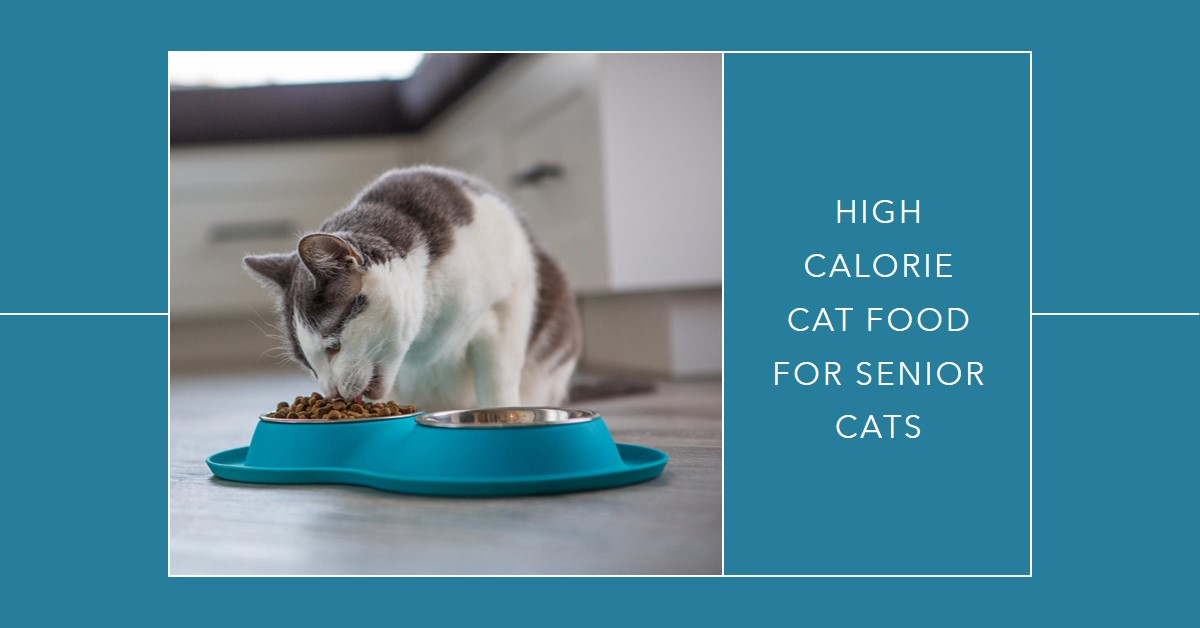
As our beloved feline friends grow older, their nutritional needs can change significantly. Senior cats often require a higher calorie intake to maintain their energy levels and overall health. Selecting the right High Calorie Cat Food for Senior Cats can be a game-changer for your senior cat, providing them with the essential nutrients they need to thrive. This comprehensive article will tell you about high calorie cat food for senior cats, exploring the benefits, types, and tips to ensure your furry companion receives the nourishment they deserve. The Importance of High Calorie Cat Food for Senior Cats As cats age, their metabolism slows down, and they often struggle to maintain their weight and energy levels. High calorie cat food for senior cats addresses this issue, providing a concentrated source of nutrients and calories to meet their increased needs. Feeding your senior cat a high-calorie diet can help them retain muscle mass, sustain their activity levels, and support their overall well-being. High-Calorie Wet Cat Food for Senior Cats Wet cat food is a popular choice for senior cats, as it often contains a higher moisture content that can be easier for ageing felines to digest. High calorie wet cat food for senior cats is specifically formulated to pack more calories and essential nutrients into each bite. These nutrient-dense wet foods can help your senior cat maintain a healthy weight while providing hydration to support kidney function and overall health. Choosing the Right High-Calorie Wet Cat Food for Senior Cats When selecting a high calorie wet cat food for your senior, looking for products tailored to their age and specific needs is essential. Look for moist foods high in protein, with moderate fat and carbohydrate levels. Ingredients like chicken, turkey, or salmon are excellent sources of lean protein, while added vitamins and minerals can support your cat’s immune system and overall well-being. High-Calorie Dry Cat Food for Senior Cats A high calorie dry cat food may be a preferred option for some senior cats. These nutrient-dense kibbles are designed to provide a concentrated source of calories, proteins, and other essential nutrients. High calorie dry cat food for senior cats can be a convenient and long-lasting option, making it easier to ensure your feline friend gets the nourishment they need. Choosing the Right High-Calorie Dry Cat Food for Senior Cats When selecting a high calorie dry cat food for your senior, look for products specifically formulated for older cats. These foods often contain increased protein levels, healthy fats, and other vital nutrients to support your cat’s changing needs. Additionally, pay attention to the calorie density, as high-calorie dry foods typically have a higher calorie count per cup than standard cat kibble. High-Calorie Food for Senior Cats: Striking a Balance Achieving the right balance of high calorie cat food for your senior is crucial. While providing additional calories is important, ensuring your cat receives a well-rounded, nutritious diet is also essential. This may involve a combination of high-calorie wet and dry foods or even supplementing your cat’s meals with high-calorie treats or toppers. Consulting with Your Veterinarian Before making any significant changes to your senior cat’s diet, it’s always a good idea to consult with your veterinarian. They can provide personalised guidance on your cat’s nutritional needs, considering age, health conditions, and activity level. Your vet can also help you determine the appropriate calorie and nutrient levels to support your senior cat’s well-being. Transitioning to a High-Calorie Diet Introducing a new high calorie cat food to your senior can be a gradual process. Start by slowly incorporating the latest food, mixing it with your cat’s diet, and monitoring their response. This allows your cat’s digestive system to adjust and helps ensure a smooth transition. Be patient and persistent, as some senior cats may resist changes in their routine or food preferences. Addressing Potential Health Concerns While high calorie cat food can benefit many senior cats, it’s important to be mindful of any underlying health conditions your feline friend may have. Conditions like diabetes, kidney disease, or gastrointestinal issues may require specific dietary considerations or adjustments to their food’s calorie and nutrient content. Work closely with your veterinarian to ensure your senior cat’s high-calorie diet is tailored to their needs. Monitoring Your Senior Cat’s Progress Regularly monitoring your senior cat’s weight, body condition, and overall health is crucial when transitioning to a high-calorie diet. Pay attention to signs of improved energy, coat condition, and any changes in their appetite or digestion. Adjustments to the calorie or nutrient content may be necessary to find the perfect balance for your cat’s unique needs. Incorporating High-Calorie Treats and Toppers In addition to providing high calorie cat food, you can also consider incorporating high-calorie treats and toppers to boost your senior cat’s nutrition. These can include shredded chicken, tuna, or even high-calorie cat treats for older felines. Just be mindful of portion sizes and ensure these additions don’t upset the overall balance of your cat’s diet. Balancing Nutrition with Palatability While high calorie cat food is essential for senior cats, it’s also important to consider the palatability of the food. Some senior cats may be more finicky or have reduced appetite due to age-related changes. Experimenting with different flavours, textures, and presentations can help ensure your cat enthusiastically consumes their high-calorie meals. Ensuring Adequate Hydration for Senior Cats Maintaining proper hydration is crucial for senior cats, especially when transitioning to a high-calorie diet. These foods’ increased nutrient and calorie density can sometimes lead to reduced water intake. Encourage hydration by offering fresh, clean water, and consider incorporating wet food or adding water to dry kibble to increase moisture intake. The Role of Exercise in Maintaining a Healthy Senior Cat While a high-calorie diet is essential, it’s also important to encourage physical activity to support your senior cat’s overall health. Gentle play, short walks, and interactive toys can help maintain muscle mass, joint mobility, and mental stimulation. Work with your veterinarian to develop an appropriate exercise plan for your … Read more