

Best cat food for a British Shorthair :A 2024 Guide to Selecting the Ideal Cat Food
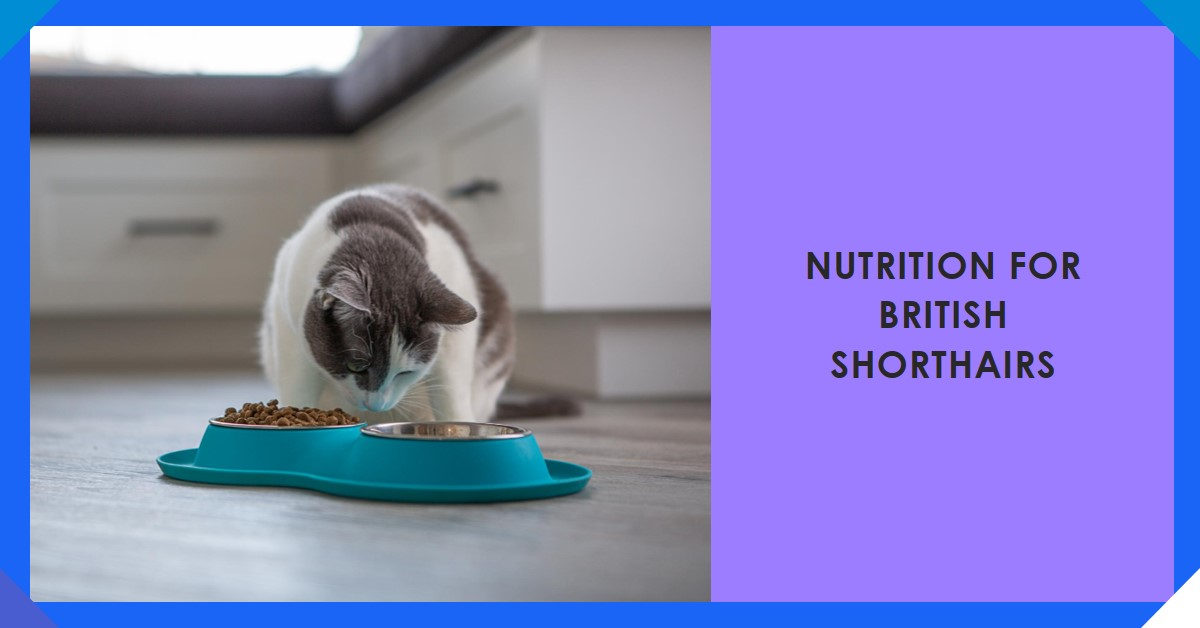
British Shorthairs make lovely household pets with their sturdy yet docile temperaments. As caring owners, we must meet their dietary needs to keep these affectionate cats healthy and happy. This article outlines the key nutritional requirements of British Shorthairs and recommends the Best cat food for a British Shorthair to support their well-being. What are the nutritional needs of British Shorthair cats? The nutrients essential for British Shorthairs are similar to other domestic cat breeds. Their diet must provide the building blocks to fuel daily activity while nourishing tissues and organs. Here are some of the critical components: Proteins– As carnivores, British Shorthairs food requires high-quality animal proteins for muscle growth and tissue repair. Their diet should ideally contain at least 30% crude protein from meat sources like chicken, fish, or lamb. Fats and fatty acids– Essential fatty acids provide energy and support a glossy coat. British Shorthairs need a balanced ratio of omega-3 and omega-6 fatty acids. Their food should list fish or salmon as a primary fat source. Vitamins and minerals– Bone and teeth health relies on ample calcium and phosphorus. British Shorthairs also need vitamins A, B-complex, E, zinc, and copper to support the immune system. Feline-specific nutrition should meet their vitamin and mineral requirements. Water– As British Shorthairs evolved to receive moisture from their prey’s tissues, they don’t naturally drink much water. Their dry food should contain at least 10% moisture to encourage adequate hydration. Access to fresh, clean water is also essential. How many calories do British Shorthairs need in a day? The ideal daily calorie intake depends on a British Shorthair’s age, size, and activity levels. As a guide, kittens need around 300 calories daily until 6 months old, when they transition to an adult diet. For adult British Shorthairs, the recommended amount is 250 calories per day for indoor cats weighing 8-10 pounds. If they get more exercise, it increases to 300 or 350 calories. Overfeeding can lead to weight gain and associated issues. Feed high-quality commercially prepared food and check the labels for the correct amounts. Provide clean drinking water at all times, too. With the right calorie balance, British Shorthairs maintain a sleek figure. Buying British Shorthair cat food—what works for them? When purchasing the Best cat food for a British Shorthair, keep the British Shorthair’s needs in mind. Choose brands formulated for adult cats rich in meat proteins like chicken, turkey, or fish. Grains should be minimized. The first few ingredients on the label must be meat or fish. Also, look for foods for cats containing healthy fats, vitamins, and minerals that are precisely balanced for cats. Wet food for British shorthairs provides moisture and helps prevent urinary issues. For convenience, high-quality dry foods can also be given. Grain-free varieties suit British Shorthairs best. With so many options, consulting a vet can help decide which brands deliver optimum nutrition. What’s a good diet for British Shorthairs? An ideal homemade or commercially prepared diet for British Shorthairs includes high-quality protein and moderate carbohydrates. Start each day with a meaty, wet food meal supplying moisture and nutrients. A variety prevents fussiness with any one flavor. Then, follow up with some dry food or homemade cooked meat later to meet daily calorie needs. Fresh meat like chicken or fish works well as occasional supplemental protein. Vegetables and limited complex carbs like brown rice add fiber. Clean water should always be accessible. British Shorthairs thrive on such balanced, nutritious meals. Make small changes gradually to avoid digestive upset. Their coats will shine, and they’ll feel energetic. Potential health problems for British Shorthairs and how to fix them with food Overweight/Obesity: Avoid overfeeding and provide low-calorie, nutrient-dense food. Urinary issues: Choose wet food and include foods containing nutrients like L-cysteine that acidify the urine. Dental disease: Opt for kibble or chewy treats that scrape teeth and reduce plaque build-up. Diabetes: Limit carbohydrates in the food and monitor blood sugar levels. Consult a vet regarding insulin doses. Skin allergies: Hypoallergenic protein sources sometimes help. Supplements containing fatty acids may also relieve symptoms. Hypothyroidism: Thyroid medication plus a balanced diet sufficiently supplies energy. By consulting a vet and tailoring meals, issues like these can often be controlled or prevented in British Shorthairs through wise nutritional choices. Feeding British Shorthair kittens Young kittens need special care and nutrition for healthy development. From weaning at 8 weeks until about 6 months, kittens should be fed several small daily meals. High-protein kitten food supports rapid growth without making them overweight. Nutrient-rich wet food builds strong bones and organs. As they become adults, they transition gradually to appropriate calorie levels. Feeding senior British Shorthairs As British Shorthairs age, their daily calorie and nutrient needs change. Older cats become less active, and metabolisms slow down. Reduce portions while maintaining high quality to prevent weight gain. Look for senior foods that address common health issues. Extra supplements may benefit joint health and organ function in aging cats. Monitor weight and appetite closely when senior to ensure the diet is suitable. Homemade food options Cooking homemade meals provides individualized nutrition. Use raw meat supplies like chicken breast, turkey, salmon, rice, vegetables, and omega-3 enriched oils. Cook meat thoroughly and store it in portion-sized containers. Supplement complete vitamins, minerals, and probiotics. Consult a veterinarian on portion control. Monitor weight regularly while creating a tailored diet. Provides satisfaction through smell, texture, and taste. Raw food diets Feeding a regulated raw food diet has gained popularity due to its natural ingredients. However, some risk bacteria or nutritional imbalance exists if not administered correctly. Seek expert guidance and feed a pre-made raw food complete diet. Supplement as required and monitor weights. It may suit some British Shorthairs better than processed foods through improved digestion and coat health. Read articles to learn from experienced owners. Hypoallergenic diets Cats like British Shorthairs prone to food sensitivities require novel protein avoidance trials. Hypoallergenic foods use unusual proteins that do not commonly cause reactions. Examples include duck, venison, lamb, potato, or … Read more