OURPETTAILS

What Colors Can Cats See? Understanding Cats Vision
What Colors Can Cats See

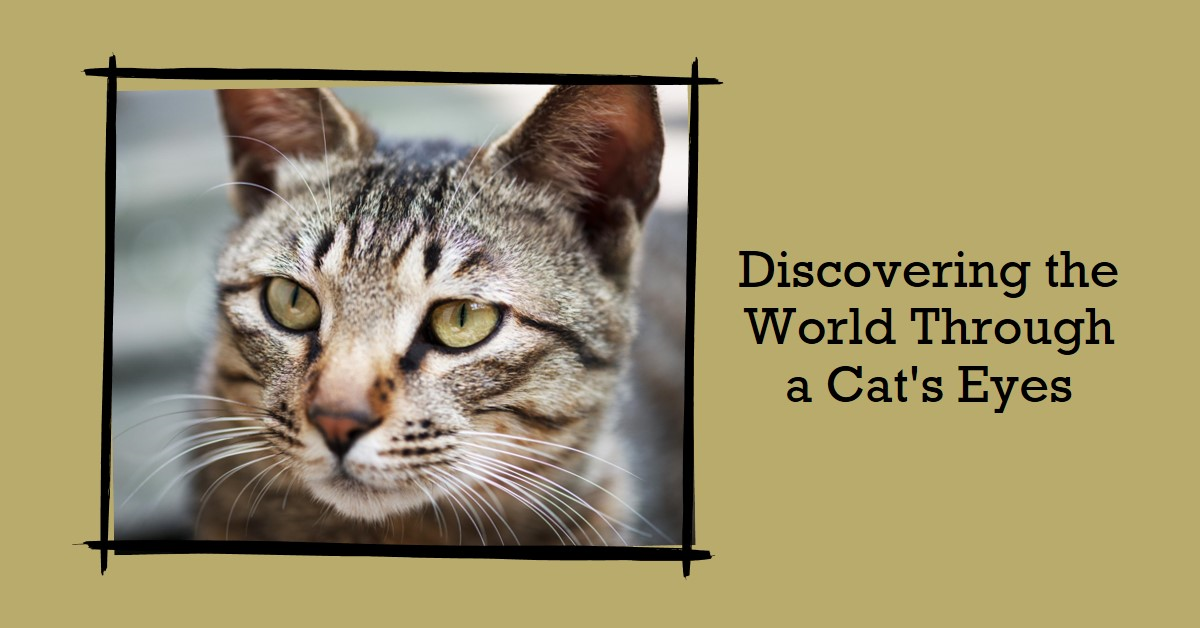
Cats are beloved pets in many households. Their unique personalities and playful nature endear them to many owners. However, many people do not fully understand their senses and perception despite living with cats. In this article, we will learn the cat’s eye anatomy and vision to comprehend better what colors can cats see. We will explore their visual range and capabilities to get a glimpse into their world from their perspective. Cat Vision: Understanding Cat Eye Anatomy Cats have excellent vision that helps them thrive as hunters in the wild. Their eyes are adapted for low-light vision and detecting movement. A cat’s eyes are positioned on the front of its head, providing binocular vision and depth perception. This aids them in judging distances and catching prey.  The retina at the back of each eye contains two types of light receptor cells – rods and cones. Rods help with night vision and detecting movement, while cones allow color discrimination during the day. Cats have fewer cones than humans, limiting their ability to distinguish colors like ours.  Their retinas also have a reflecting layer called the tapetum lucidum, which enhances low-light vision. This is why a cat’s eyes can appear to glow in the dark when a light is shined on them. Their anatomy is tuned for nocturnal and crepuscular lifestyles as hunters. What Colors Can Cats See? Cats possess only two types of cones in their retinas compared to three in humans. This means they are essentially dichromatic or “color-blind,” like some forms of human color blindness. Research shows that cats can see blue and yellow/green light but are not sensitive to red light.  They cannot distinguish red and green, which appear to be the same color. Other colors like orange and purple also look similar. Cats can generally perceive wavelengths ranging from 400-700 nanometers, encompassing blue, purple, blue-green, cyan, yellow, and turquoise hues. Shades of red, orange, and all other colors along the spectrum appear muddy or darker to cats. How far can cats see? While cats may not see the full-color range, their vision is still very impressive. A cat’s visual activity or clarity of vision is about 20/100, meaning they can see at 20 feet what a human with normal vision can see at 100 feet.  Some studies indicate that their acuity may even be as good as 20/60, which is better than that. Cats can see great details from relatively far distances thanks to their big pupils and high photoreceptor density in the retinas. Their binocular vision and field of view also provide good peripheral vision for detecting movement. All these abilities make cats highly efficient hunters in nature. Do cats have night vision? As nocturnal predator ancestors, cats have remarkable night vision. Their eyes are five times more light-sensitive than human eyes. In very low light levels like moonlight, a cat’s night vision is up to six times better than a human’s. Cats can see in light, about one-sixth the level required for a human to see.  This is due to the high concentration of rod cells in their retinas and the reflective tapetum lucidum layer behind. These adaptations help cats hunt even in near-complete darkness. The tradeoff is that their vision is more sensitive to bright light than ours, so cats often have trouble with glare from direct light sources. Do Cats See Color the Same Way as Dogs? While cats and dogs have limited color vision compared to humans, some key differences exist in their abilities. Dogs have more cone receptor types than cats do – they can see blues and yellows clearly but also have some detection of reds and greens. However, research indicates canine vision may still appear more grayscale than colorful.  On the other hand, cats lack sensitivity for longer wavelengths almost entirely and see a more restricted range dominated by blues, purples, and luminance. So, in summary, dogs can distinguish a broader range of colors than cats, but color likely looks less vivid to both companion species than it does to humans. Color Blindness in Cats As discussed earlier, the limitation of only two cone types in cats makes them dichromatic or color-blind to certain colors. This is normal feline vision. However, like humans, some cat individuals can also have genetic color vision defects. A rare congenital condition called complete color blindness, where cats lack functioning cones, has been observed.  More commonly than full-color blindness, cats may suffer from “blue-yellow” color vision deficiency similar to some types of human color blindness. Such cats have problems distinguishing between blue, green, and yellow and various variations. Veterinary eye exams that use specialized tests can determine if a cat has hereditary color vision impairment. Do All Cats See Color the Same? Not all cats see colors exactly alike. Some have genetic eye conditions that make their vision different. Scientists found that some cats cannot see colors well or cannot see red at all. This is like people who are color-blind. Most cats just see fewer colors than people. But every cat’s eyes are unique and may see colors in their own way. What Color Objects Do Cats React To? Cats notice blue and green things. They chase toys or treats that are blue or green. Cats pay less attention to red things because red looks dark to them. Orange also looks more brown than bright. Cats see bright yellow and cyan best of all. When picking things for cats, brighter blues and greens are most interesting. Cats have less interest in dark colors like red, maroon, or forest green. How Do Cat Toys Use Color? Cat toy makers know what colors cats like. Many toys have feathers or light blue, green, or yellow strands. These pop out, so cats chase them. Some toys have these colors mixed with others, and cats see less. The colors cats see good get their attention. The other colors are there, too, but they don’t look as bright. This helps cats have fun playing! Do Cats Learn … Read more

Printable List of toxic foods for cats in 2024

Printable List of Toxic Foods for Cats

Cats are considered as, and it’s important to keep them safe and healthy. Just like humans, cats can be affected by certain foods that are toxic to them. To help you protect your cat friend, we’ve compiled a printable list of toxic foods for cats that can be harmful. By being aware of these toxic foods and keeping them out of reach, you can help ensure your cat stays happy and healthy for years to come. Printable List of Toxic Foods for Cats Check out this printable list of foods that can be toxic to cats. Keep it handy in your kitchen as a helpful reminder to keep these items away from your purr-fect companions. Table listing 30 toxic foods for cats along with their effects: Toxic Foods for Cats Effects on Cats Chocolate Vomiting, diarrhea, increased heart rate Onions Gastrointestinal upset, anemia Garlic Gastrointestinal upset, anemia Grapes Kidney failure Raisins Kidney failure Alcohol Vomiting, diarrhea, coordination issues, coma Caffeine Increased heart rate, tremors, seizures Xylitol (artificial sweetener) Low blood sugar, liver failure Raw dough Gastrointestinal blockage, alcohol poisoning Avocado Vomiting, diarrhea, difficulty breathing Dairy products Lactose intolerance, upset stomach Bones (fish, poultry, etc.) Choking hazard, gastrointestinal blockage Macadamia nuts Weakness, tremors, vomiting Alcohol Vomiting, diarrhea, coordination issues, coma Raw eggs Salmonella poisoning Raw fish Thiamine deficiency, gastrointestinal upset Salt Excessive thirst, urination, sodium ion poisoning Fat trimmings Pancreatitis Liver (in large amounts) Vitamin A toxicity, digestive upset Nutmeg Tremors, seizures, central nervous system damage Chives Gastrointestinal upset, anemia Mushrooms Gastrointestinal upset, liver and kidney damage Tomato plants Upset stomach, lethargy, weakness Rhubarb Tremors, seizures, kidney failure Yeast dough Gastrointestinal blockage, alcohol poisoning Hops (used in brewing) Increased body temperature, rapid heart rate Tuna (in large amounts) Mercury poisoning, thiamine deficiency Peach pits Cyanide poisoning Potato leaves and stems Vomiting, diarrhea, lethargy Green tomatoes Upset stomach, lethargy, weakness Please note that this is not an exhaustive list, and it’s essential to keep all potentially harmful foods out of reach of your furry friends. If you suspect your cat has ingested something toxic, contact your veterinarian immediately. Conclusion Remember, our cats rely on us to keep them safe and healthy, especially when it comes to their diet. While it can be tempting to share scraps or treats with our furry companions, it’s crucial to be mindful of what foods can be harmful to them. By keeping this printable list of toxic foods handy and being vigilant about what your cat has access to, you can help prevent accidents and keep your beloved pet thriving for years to come. Here’s to happy and healthy cats! FAQ’s Also Read

How to choose Best Scratching Toys for Cats in 2024

Best Scratching Toys for Cats

Welcome to the Ultimate Guide of choosing best Scratching Toys for Cats. Cat owners know that scratching is more than just a habit for our feline friends. it’s a natural behavior that allows them to maintain their claws, mark their territory, and release stress. In this comprehensive guide, we will explore the world of cat scratching toys, understand the many options available and learn from experts on how to choose the best ones to keep your cat happy. Let’s say you are a cat owner who is new to the game, or you are an experienced cat owner who needs innovative scratching solutions to make your pet’s life more interesting, you are in good company. It is now time to take a look at the perfect scratching toys that will help your cat stay happy and fit. Types of Scratching Toys for cats As far as Scratching Toys for Cats are concerned, it is important to comprehend the different sorts that are there, since this will lead to the cats’ needs and preferences being satisfied. Let’s explore the various options. Let’s explore the various options: Scratching posts have been a vital and well-loved part of a cat’s home for a long time. Made out of wood or carpet sacks, these posts are very strong and kitties can dig their nails in. The type of material and the construction of the post are both of paramount importance, since some cats may be drawn to one material and not to another. Apart from that, the dimension and placement of the scratching post are the most important elements to look for in order to assure its functionality. Taller posts offer possibilities to stretch all over the body, while horizontal posts are for cats that like to scratch on the ground. A placement in high-traffic areas or where your cat likes to sleep can be an effective way of increasing frequency. Scratch pads and mats are made from different materials; cardboard and sisal being the most widely used. Scratching cards are inexpensive and disposable, so they come in handy when one needs a replacement in a hurry. Sisal mats give you a hard-wearing material combined with a natural texture that many cats often prefer. Also, features like corrugated surfaces or hanging toys can be appealing and benefits can be the opportunity for Scratching Toys for Cats and an energetic outlet. What to Choose from Scratching Toys for Cats Picking the proper scratching toy for your cat is a must step to give the cat satisfaction and to make him feel inclined to healthy scratching. Here’s how to make the best choice: Here’s how to make the best choice: Considering your cat’s preferences: Cats, just like humans, have their own opinions on the surfaces they prefer to scratch and the toys they like. For instance, a few cats may like the feel of sisal rope so much, while some cats may go for carpets or cardboard. Watching your Scratching Toys for Cats habits is going to allow you to know their likes and dislikes and also, select a toy that is more suitable for them. Budget-friendly options versus long-lasting investments: It is worth mentioning that when choosing a scratching toy, you should be guided by your budget and, at the same time, how long you expect the toy to last. However, although cheaper alternatives such as cardboard scratching boards would have to be replaced more often, a high-quality scratching post made from sisal or wood may give your cat the durability it needs for long-term satisfaction. DIY Things You can Make from Home Resources Homemade scratching posts: You may easily make your own scratching post using materials such as cardboard, sisal rope, or carpet remnants. Just tightly wind the selected material around a sturdy base, such as a wooden post or PVC pipe, and fasten it firmly. By adjusting the scratching post’s height and width as per your cat’s liking and your room’s space, you can personalize it for your cat. Repurposing household items: Use your imagination and turn old toys in the house into things that your cat can scratch. You may dig into your treasure trove of old cardboard boxes to create a homemade scratching board or turn a discarded carpet remnant into a scratching mat. Make sure that you attach any loose materials tightly so that they don’t take them apart during the scratching. Teaching Your Cat to Go for Scratcher Toys Teaching your cat to scratch on the scratching toys is a key role in the process of training your cat to use the scratching toy for good and to prevent the furniture from being ripped apart. Here are some tips for training your cat:Here are some tips for training your cat: Introducing the toy gradually: Let the toy be used by your cat as a familiar tool by placing it in the area where your cat usually scratches. Fostering the intrigue of kitties is as simple as rubbing catnip on the toy or dangling a beloved toy right next to it. Encouraging use through positive reinforcement: Reward your cat with treats or praise when they scratch at the toy. Positive reinforcement is going to be used to reward the right behavior and to encourage your cat to use the toy. Conclusion: In the end, cat scratching toys are vital items that cat owners cannot afford to do without. By realizing that the cat is programmed to scratch and offering suitable alternatives to scratching on furniture, you will be preventing your pet from scratching the furniture and this will also be promoting its health. Whether it’s a classic post, a modern pad, or an interactive toy that catches their interest, they will find the perfect option for their cat. You should also think about your cat’s taste, size and age when buying a scratched toy and, of course, don’t forget about the positive reinforcement training to make your cat actually use it. Cat owners can rest assured that their feline … Read more

Best Cat Food for Cats That Throw Up in 2024

Best Cat Food for Cats That Throw Up

Cats often throw up for different reasons. It can be because of eating the wrong cat food or some underlying medical condition. When your cat keeps throwing up, it is important to take them to the vet to rule out any serious issues. At the same time, you should also look at the cat food you are feeding them.  This article will look at some of the best cat food for cats that throw up regularly. We will discuss the ingredients, texture, and other factors that make these foods easy to digest for cats with sensitive stomachs. Choosing the right cat food can help reduce vomiting in cats. Let’s explore some highly recommended cat foods to help keep your furry friend feeling their best. Highly Recommended Best Cat Food for Cats That Throw Up  Foods with High-Quality Protein  Cat foods containing high-quality protein sources like fish, turkey or chicken are easier for cats to digest than foods with low-grade meat or plant-based proteins. Look for cat foods where protein is the first ingredient and comes from a single, named source your cat is unlikely to be allergic to. Limited ingredient diets containing just one or two protein sources and no fillers or artificial colours/preservatives are also gentle on sensitive stomachs. Hill’s Science Diet Sensitive Stomach & Skin dry cat food is an example. Grain-Free Formulas Some cats are sensitive to grains like corn, wheat, and soy, which are used as fillers in many cat foods. Opt for grain-free cat foods that use carbohydrates from potatoes, tapioca or peas instead. These gentler carb sources are less likely to cause digestive upset. Look for grain-free options from brands like Purina Pro Plan Savour, Blue Buffalo Wilderness High Protein or Royal Canin Veterinary Diet Digest Sensitivity Control. Cats with grain allergies or intestinal issues often do better on grain-free diets that eliminate a common food sensitivity trigger. Foods with Probiotics  The live microbial cultures in probiotic cat foods support a balanced gut environment and healthy digestion. Probiotics like lactobacillus acidophilus and Bifidobacterium animalis aid nutrient absorption and crowd out bad bacteria.  Look for probiotic cat foods from brands like Hill’s Science Diet Adult Perfect Weight with Probiotics, Royal Canin Veterinary Diet Gastro Intestinal Modulation or Purina Pro Plan Focus Adult with Probiotics. For cats prone to vomiting, probiotics are a gentle way to promote regularity and reduce the risk of digestive upset. Soft, Moist Food Textures  While dry kibble is convenient, soft and moist foods are often easier for sensitive stomachs to handle. Canned, pate or wet/dry mixes have a softer texture that doesn’t require much chewing. They pass through the digestive system more smoothly. Cats that vomit dry food may do better with soft, moist textures like Purina ONE Beyond Natural Variety Packs, Wellness CORE Grain-Free Canned or Iams Proactive Health Adult Wet Food. Moist food can also help rule out dental issues as a cause of vomiting. Soothe Sensitive Stomachs Food Formulas include prebiotics, slippery elm and marshmallow root coating the stomach lining. Probiotics replenish beneficial flora, improving gut health, which is vulnerable when unwell. Limited novel proteins prevent food intolerances from worsening queasiness. Boil chicken, removing fat from irritating digestive systems. Try hypoallergenic options if reactions trigger throwing up or seeking root issues. Identifying triggers guides soothing specific sensitivities holistically. Small, Frequent Feeds Instead of one large serving aggravating upset stomachs, spread portions across the day. Small amounts digest manageably, keeping nutrients absorbed. Frequent eating maintains steady blood sugar, preventing vomiting from lows. Divide kibble into containers, portioning each room’s bowls, filling mouths easily licked, preventing overexertion. Respond to appetites requiring potential mealtime tweaks tailored closely. Hydration is Key Dehydration contributes to many throwing-up cases. Even when full, coax cats to sip water between meals to keep plumpness. Feline-friendly fountains encourage drinking, especially during weather-affecting intake. Bone broths add hydration alongside minerals supporting immune function when unwell. Consider injectable fluids if severely vomiting under veterinary guidance. Attentiveness improves welfare through all conditions. Lightly Cooked Meals Raw meat carries risks when illness compromises immunity, yet cats naturally eat whole, lightly cooked nourishment. Simmer meats in broths digesting smoothly while maintaining nutrient integrity. Shred chicken, turkey, or salmon are easily licked when energy wanes without thick sauces taxing stomachs. Protein supports recovery, minimising further weight loss when unwell. Gentle Herbs for Tummies Chamomile, ginger, and mint aid digestion comfortably and naturally without medications’ potential side effects. Consult a vet regarding individualised amounts when medications must factor holistically for the highest wellness. Together, wisdom guides prudent adjustments and efficiently heals through challenges unburdened. How to do Transitioning After Setbacks Reintroduce full diets gradually while monitoring tolerance. Adding a sprinkle to each portion, slowly increasing weekly, prevents further upheaval, risking health steps backwards. Consistency supports restored stability, especially post-illness. Patience Through delicate phasing nurtures the whole recovery smoothly with ongoing vigilance. How to Monitor for Improvements Note energy levels, coat quality, appetite and bathroom habits signalling progress—address changes immediately by consulting vets. Together, tailored adjustment said overcoming while preventing symptom recurrence successfully. Understanding better nourishes resilience through life shared between devoted companions. Calming Supplements for Cats That Throw Up  L-theanine supplements calm without drowsiness during stress-worsening triggers. Quality proteins mitigate inflammation, while aloe vera and slippery elm soothe sensitive linings. Consult a vet regarding amounts that suit individual diagnoses to judiciously apply supportive, non-habit-forming relief. Wellness encompasses mind and gut health, which are maintained through care. Best wet cat food for older cats that vomit Brand Product Name Description Royal Canin Aging 12+ Thin Slices in Gravy Wet Cat Food Formulated with easy-to-digest ingredients and designed to support kidney health in older cats prone to vomiting. Hill’s Science Diet Adult 7+ Savory Chicken Entree Minced Wet Cat Food Contains gentle ingredients suitable for senior cats with sensitive stomachs, aiding digestion and reducing vomiting. Purina Pro Plan Prime Plus Adult 7+ Chicken & Liver Entree Classic Wet Cat Food Provides essential nutrients and supports digestive health in older cats, helping to reduce vomiting episodes. … Read more

2024 Best dry cat food Australia

Best dry cat food Australia

Cats are beloved pets in many households across Australia. Cat owners need to provide their furry companions with a healthy and nutritious diet. Dry cat food is a convenient option for busy owners as it does not require refrigeration and is easy to store and portion out. This article explores some of the best dry cat food Australia options available in Australia based on ingredient quality and nutritional balance. It aims to help owners choose a food that supports their cat’s overall health and wellness. Protein sourcesThe main protein source in dry cat food provides animals with energy and aids in muscle growth. High-quality proteins come from meat sources like chicken, fish, or beef. Look for these meats as the first ingredients as they provide complete nutrition. Low-quality proteins stem from unnamed meats or by-products which lack essential amino acids. Go for brands listing specific meat as the foremost component for a nutrient-dense diet. CarbohydratesCarbohydrate fuel felines must be carefully selected. Grains like rice, oats, and barley offer fibers, but ensure they are whole grains versus corn or wheat, which provide less. Too many low-fiber carbs could cause blood sugar spikes. Let your cat’s activity level guide you in choosing foods with higher or lower carbs. Senior or less active kitties do best with moderate amounts for steady energy. Fat contentFat delivers concentrated energy and essential fatty acids to cats. However, too much could lead to weight gain. Between 15-20% of calories from fat is ideal. Look for high-quality fats like fish oils rather than generic “animal fat.” Low-fat varieties are not necessary for indoor cats to get a little exercise. Always read labels to ensure fat ratios match your cat’s lifestyle needs for a balanced calorie intake. Additives and preservativesMany commercial foods contain non-nutritive additives and preservatives aimed to prolong shelf life. However, these chemicals provide no nutrition. Choose options with minimum additives and preservatives, ideally within the first five ingredients. Natural preservatives from vitamins E and C are preferable to artificial varieties. Remember, homemade diets offer an additive-free route, though they require more effort. Go for store-bought foods, listing fewer extras when possible. Taste testingCats can be picky eaters, so choose brands with enticing flavor. Meat-based proteins particularly appeal as cats’ carnivorous nature draws them to savory tastes. Look for aromatic additions like fish, chicken, or liver, which are mentioned prominently in the ingredients. Avoid foods bragging mainly of bland fillers like corn or wheat. Help your feline develop preferences for nutritious picks by taste-testing quality options they may enjoy in the long term. Cost ComparisonHigh-quality cat foods tend to cost more upfront but may prove cheaper in the long run by preventing pricey vet bills down the line. Consider cost-per-serving versus big bags of inexpensive filler-heavy formulas. Cheap foods full of unnamed meats and grains usually lack the nutrients complete diets offer. Feed less premium food, and your cat will stay healthier with less need for medical intervention. Overall, affordability balances upfront costs with the long-term benefits of a lifelong diet supporting wellness. Label examinationDeciphering nutritional labels requires understanding key components. Look beyond marketing promises to analyze the actual ingredients list order and guaranteed analyses. Ensure protein sources outrank fillers and levels of crude protein and fat meet cats’ needs. Check for whole versus refined grains, too. Associations like AAFCO approval assure formulations meet nutritional standards. Avoid diets with dyes, preservatives, or ambiguous meat sources high in the list. With label-savvy shopping, you can pick the optimum diet. Top brands overviewAfter considering the ingredients, macros, additives, and quality aspects, some standout dry cat food brands available in Australia include Hill’s Science Diet, Royal Canin, Eukanuba, InnerWolf Raw and Freeze Dried, and Applaws. Each offers complete and balanced diets tailored to life stages from kitten to senior formulations. Choose options from trusted brands for guaranteed nutrition meeting Association of American Feed Control Officials (AAFCO) standards to support your pet’s health and happiness. Vet recommended cat food australia Brand Product Name Description Royal Canin Indoor Adult Dry Cat Food Formulated for indoor cats to support urinary health and ideal weight maintenance. Hill’s Science Diet Adult Indoor Dry Cat Food Provides balanced nutrition for indoor cats, promoting healthy digestion and weight management. Advance Adult Cat Dry Food Features a unique blend of antioxidants and essential nutrients to support overall health. IAMS ProActive Health Adult Dry Cat Food Supports urinary tract health and contains essential nutrients for a healthy immune system. Purina Pro Plan Adult Dry Cat Food Offers a high-protein formula for muscle maintenance and overall health. Best budget dry cat food australia Brand Product Name Description Optimum Adult Cat Dry Food Offers balanced nutrition at an affordable price, supporting overall health and vitality. Dine Daily Cat Dry Food Provides a budget-friendly option with essential nutrients for adult cats’ health. Supercoat Adult Dry Cat Food Features a range of formulas tailored to different life stages, offering quality nutrition at an affordable price. Friskies Dry Cat Food Offers a variety of flavors and formulations to suit cats’ preferences, all at a budget-friendly price. Coles Complete Dry Cat Food Provides a budget-friendly option with balanced nutrition for adult cats. Grain-free Cat Food Grain-free cat food is becoming increasingly popular as cat owners understand the importance of avoiding fillers like corn, wheat, and soy in cat nutrition. These grains provide little nutritional value for cats and can cause digestive issues in some felines. Grain-free varieties focus on high-quality meat proteins as the primary ingredient and use nutritious alternatives like peas, lentils, or potatoes for carbohydrates. Overall, grain-free cat foods offer enhanced digestibility and bioavailability of nutrients due to the absence of problematic grains. Examples of high-quality grain-free brands include Royal Canin Ultra-Dry and Advance Adult Grain-Free. High Protein Cat Food For active cats or those prone to weight gain, high protein cat foods can be a prudent choice. These formulations contain between 30-50% animal-based proteins to meet the nutritional needs of cats engaged in play or exercise. Protein aids in building strong muscles … Read more

The Ultimate Guide to Choosing the Best Food for Sphynx Cats

Best Food for Sphynx Cats

Hairless Sphynx cats make wonderful pets with their sweet personalities. However, their unique bodies require tailored nutrition. This guide explores top cat food options meeting Sphynx’s needs to thrive indoors. Understanding key factors empowers owners to select the best fuel for their bald beauties. With caring diets, Sphynx shares many joyful years as delightful companions. Nutritional Requirements for Sphynx Cats Protein Protein supports muscles and organs, so select formulas listing meat as the first ingredient. High-quality protein from sources like chicken or fish nourishes thin skin lacking fur insulation. Quality protein satisfies without overfeeding prone to weight gain. Rotate lean proteins, including rabbit or duck, for varied amino acid intake. Hydration Hairless skin easily dehydrates, so food supplies moisture crucial for skin and kidney wellness. Canned varieties add water to maintain plump, smooth skin. Hydrating meat improves formation, preventing dry patches that are prone to flaking. Gel soups likewise ease grooming by effortlessly spreading onto entire bodies during brushing. Skin and Coat Health Formulas include fish oils and MCTs, which supply omegas that regulate skin and sheen. Antioxidants protect from sun damage during playtime. Skin-safe grains aid in easy digestion and prevent stress on sensitive stomachs. Limited fat and excessive ash maintain the body’s pH balance for optimal skin health. Supplements Adding supplements ensures a balanced intake and meets modified needs. Joint supplements address stress on non-weight-bearing skin. Probiotics maintain robust digestion, handling diverse proteins without diarrhoea. Nutritional yeasts boost nutrients, support thin skin, and do not store body reserves like furry cats. Consult a vet for amounts. Sample Foods Formulas like Royal Canin Sphynx, Purina Pro Plan HA and Wellness CORE meet Sphynx’s needs. Reviews praise satisfied energy levels, soft stools and glowing skin supported by nutritious, complete meals containing quality proteins over inferior fillers. Life Stage Formulations for Sphynx Cats Nutrient needs change with age. Kittens require higher calories, boosting rapid growth. Agility canned complements are nibbling kittens. Adults focus on maintaining muscle and plump skin. Senior foods aid digestion and joint mobility during less active years. Consult a vet when transitioning to life-stage-specific recipes, maintaining optimum health. Best food for sphynx cats with diarrhea Food Options Description Bland Diet Offer a bland diet consisting of boiled chicken or turkey and plain white rice. Avoid adding any seasonings or spices. Pumpkin Canned pumpkin (not pumpkin pie filling) can help firm up stools due to its high fiber content. Offer a small amount mixed with their regular food. Low-Fat, Plain Yogurt Plain yogurt containing live active cultures can help restore healthy gut bacteria. Offer in small amounts as a treat. Boiled Whitefish Plain, boiled whitefish can be easily digestible and may help soothe the digestive system. Offer in small portions. Prescription Diet Consult with your veterinarian for prescription diets specifically formulated for cats with gastrointestinal issues. Ensure access to fresh water at all times, and monitor your cat’s condition closely. If diarrhea persists or worsens, consult with your veterinarian for further evaluation and treatment options. Best dry food for sphynx cat Dry Food Brand Description Royal Canin Sphynx Specifically formulated to meet the unique nutritional needs of Sphynx cats, including skin health. Hill’s Science Diet Sphynx Designed to support healthy skin and coat, with a balanced blend of nutrients for overall health. Purina Pro Plan Sphynx Formulated with real chicken as the first ingredient and tailored to the needs of Sphynx cats. Blue Buffalo Sphynx Features a blend of high-quality proteins, fruits, and vegetables for optimal nutrition. Wellness CORE Sphynx Grain-free recipe with premium proteins and essential nutrients for overall health and vitality. When selecting dry food for your Sphynx cat, consider factors such as their age, activity level, and any specific health concerns. It’s always a good idea to consult with your veterinarian to determine the best diet for your cat’s individual needs. Essential Tips for Sphynx Cats Feeding Habits Dry kibble brushes easily off the skin for hygienic eating. However, some Sphynx show strong preferences requiring adapting habits. Try puzzle toys, raised food bowls, or grooming during wet meal times to address messiness sensitively. The structure prevents overeating while enriching daily human-cat connections. Treating and Toys Dental chews massage gums and scrape teeth, supporting strong mouths. Look for meaty ingredients, discouraging unhealthy interest in non-food items. Plush toys provide gentle entertainment, avoiding abrasive surfaces and risking delicate skin. Rotate novel toys challenging smart minds to limit boring behaviours. Grooming time Feeding canned or soups doubles as convenient grooming. Gently spread nutrition over entire bodies, moisturising evenly during brushing. Massages stimulate skin and coats. Rinsing prevents dirty paw pads from attracting licks and transferring bacteria to mouths. Daily skin care protects vulnerable bald cats indoors. Bathtime Bi-weekly lukewarm baths hydrate without disrupting natural oils. Diluted oatmeal or skin-soothers like aloe soothe without drying. Thoroughly towel-dry to prevent chilling. Clean ears to maintain good hearing since lacking fur relies on balance. Proper hygiene supports happy, healthy sphynx kitties. Winter care Supplemental heat warms delicate skin during seasonal chill. Warm beds, coats or heated pads provide comfort. Thermostats circulate heat efficiently indoors. Nutritious food fortifies skin-facing elements. Hydrating moisture shields protect skin from cracking without fur defences against weather changes. Veterinary Care Regular checkups monitor weight, skin/coat quality and nutrition’s role in wellness: seasonal bloodwork screens hydration vitamins/minerals. Annual dental cleaning removes plaque and jeopardises gums. Ongoing wellness prevents small issues from becoming problematic for the skin, relying on optimal function. Records customise care catering to individual needs. Socialisation Daily play strengthens bonds, enriching cats and owners. Rotate novel activities like birdwatching, feather toys, or treat puzzles, mentally engaging the smart Sphynx. When comfortable, introduce gentle dog or cat friends, which provide invaluable companionship for human-focused breeds. Positive interactions build confidence and reduce stress-related skin conditions. Joint Health Lacking subcutaneous fat padding, joints experience higher impact stresses. Supplements like glucosamine support mobility as cats age. Stairs assist in climbing furniture without stressing limbs. Puzzle feeders occupy minds away from painful behaviours such as straining joints. Care addresses quality-of-life concerns specific to skin-covered … Read more

Best Food for Cats with Feline Herpes in 2024

Best Food for Cats

Our furry feline friends bring us joy, but sometimes health issues arise. Feline herpes impacts how cats’ bodies fight infections, affecting energy and comfort. This guide explores the Best Food for Cats with Feline Herpes, which helps cats manage symptoms while supplying excellent nutrition overall. Following expert advice aids in supporting cats naturally through caring diets. With understanding adjustments, cats continue living happily alongside devoted owners. Best Food for Cats with Feline Herpes Here’s a list of cat food options suitable for cats with feline herpes: Brand Product Description Royal Canin Veterinary Diet Feline Urinary SO Dry Cat Food Helps manage urinary tract health and reduce the risk of crystal formation. Hill’s Prescription Diet c/d Multicare Urinary Care Dry Cat Food Formulated to support urinary health and reduce the risk of urinary stones. Purina Pro Plan Veterinary Diets UR Urinary St/Ox Savory Selects Cat Food Supports urinary tract health and helps prevent crystal formation. Blue Buffalo Natural Veterinary Diet W+M Weight Management + Mobility Support Grain-Free Dry Cat Food Supports weight management and mobility while providing essential nutrients. Iams Veterinary Formula Renal Plus Dry Cat Food Designed to support renal health and provide balanced nutrition. Wellness CORE Natural Grain-Free Dry Cat Food Indoor Chicken & Turkey Recipe Grain-free formula suitable for indoor cats, with added vitamins and minerals for overall health support. It’s important to consult with a veterinarian to determine the best diet for cats with feline herpes, as their nutritional needs may vary based on individual health conditions and dietary sensitivities. Best food for cats with feline herpes homemade Here’s a homemade cat food recipe suitable for cats with feline herpes: Ingredients Description Cooked chicken or turkey Lean protein source, cooked without seasoning or bones. Cooked rice or pasta Carbohydrate source, cooked without seasoning or added ingredients. Cooked vegetables Optional, such as carrots or green beans, finely chopped or pureed for easy digestion. Avoid onions, garlic, and other toxic vegetables. Omega-3 fatty acids Supplements such as fish oil or flaxseed oil can help support immune function and reduce inflammation. Consult with a veterinarian for proper dosage. Water or low-sodium broth To moisten the food and provide hydration. Avoid using broth with added onion or garlic. Instructions: It’s essential to consult with a veterinarian or veterinary nutritionist to ensure that homemade cat food meets your cat’s nutritional needs, especially for cats with feline herpes or other health conditions. Immunity Boosting Nutrients Food contains vitamins A and E, zinc, and prebiotics supporting immune defenses. These nutrients strengthen cellular repairing abilities while fighting for our companions. Protein sources like salmon provide omega fatty acids, reducing inflammation during outbreaks. Supplementing balanced diets keeps cats feeling confident against recurring illnesses naturally. Hydrating Formulas Canned foods add moisture, soothing inflamed mouths and noses. Keeping plump hydration prevents cold symptoms from worsening during herpes times. Look for raw or gently cooked meat, maintaining nutrients that are sometimes destroyed during processing. Gel soups smoothly spread nutrition and are easily licked for comforting tastes and uplifting spirits. Soothing Ingredients Composing meals around amino acids, prebiotics, and easily digested proteins supports gut health without disrupting digestion during painful periods. Limited ingredients prevent upset tummies from aggravating moods. Salmon, chick, or rabbit center plates are for sensitive systems handling nutrition and are easily absorbed. These delicious complete diets provide premium sustenance catering to singular needs. Calming Support Passionflower and chamomile naturally relax inflamed tissues without medication side effects. Consult a vet to see whether these adaptogens aid in decreasing stress and intensifying outbreaks long-term. Quality protein limits mood-influencing tyramine while keeping muscle nourished during low activity times. Consistency reassures when not feeling best. Example Recipes Vet-endorsed meals include Royal Canin Veterinary Care Sensitivity Control, which contains prebiotics, omegas, and probiotics and improves immune function between flare-ups. Reviews praise soothing nutrients absorbed easily with noticeably calmer digestion and shinier coats maintained even under the weather. Nutrient Fortified Cuisine Formulas pack antioxidants, vitamins A to E, and zinc, bolstering defenses fighting viruses. Prebiotics like cranberry support digestive robustness, maintaining healthy gut flora and suppressing illness symptoms. Salmon or sardine contributes to DHA, aiding in the structural repair of tissues recovering between bouts. Fortified nutrition stabilizes immunity in the long term. Adjusting for Appetites Poor appetite signals require changes catered accordingly. Tempt delicate mouths tasting broths with tweezers during no energy times over refusing completely. Once peckish again, add grains or vegetables, reintroducing nutrition slowly under observation. Consult vets to guide sensitive introductory schedules when they are not well. Minimal Stress Mealtimes Feed in quiet spaces away from boisterous pets or noises. Structure limits stress exacerbating breakdowns. Elevated food dishes prevent discomfort in bending. Leave water fresh for constant hydration support. Gentle touch through grooming or play distracts from pains through quality human bonds formed. Supplement Strategies Natural remedies adopted carefully under veterinary supervision calm flare-ups. L-lysine starves viruses while supplementing nutritional holes. Digestive enzymes aid in absorbing nutrients that benefit wellness. Fish oil reduces inflammation, and organic turmeric soothes discomforts holistically. Discuss appropriate titrated amounts suited individually during veterinary checkups. Staying Active Encourage play despite pains by coaxing feather toys or treat puzzles spread throughout houses. Gentle activity lifts moods and circulation, benefiting healing. Raised perches, let rest while watching birds from windows for mental wellness maintained. Playfulness releases endorphins, countering low episodes. Consistency is Key Routine feeding, attention, and rest bolsters security, especially when unwell. With time and the monitoring of adjusted nutrition, most cats manage flares and receive proper support systems that are robustifying. Owners empower furry friends through lifetimes by adapting compassionately when they need extra care. Nutrient Absorption Aids Feline herpes causes mouth and throat inflammations, sometimes reducing appetite. Nutrient-dense homemade purees or soups smoothly spread servings for uncomplicated intake. Fortified toppings like nutritional yeasts enhance absorption. Broths introduced during recovery using syringes aid hydrated nutrition, carefully restoring health gently. Monitoring Wellness Changes Note subtle personality or weight variations needing adjustments—address changes immediately by consulting vets. Medical testing rules out other factors influencing immunity. Cooperation between … Read more

The Ultimate Guide to the Best Food for Calico Cats: Keeping Your Feline Friend Healthy

Best Food for Calico Cats

Calico cats are beautiful pets loved by many families around the world. As an owner, it is important to feed calico cats the right food so they stay happy and healthy. This article will look at the best food for calico cats. We will discuss the key nutrients calico cats need and which foods provide these nutrients. We will also look at different types of cat foods, such as wet and dry food. By the end, cat owners should understand what to look for when choosing meals for their calico cat. With the right diet, calico cats can live long and active lives, bringing joy to their families each day. Nutritional Requirements for Calico Cats| Best Food for Calico Cats Protein Protein is a very important nutrient for cats. It is needed to help cats’ muscles, organs, and immune systems work properly. Good protein sources for calico cats include chicken, fish, and eggs. Canned tuna or salmon are healthy treats sometimes. Dry cat food should contain at least 24% protein. The first few ingredients on the label should include meat as the main source. Meat provides amino acids and other nutrients cats require. It is best if the protein source is named “chicken” rather than just saying “poultry.” Carbohydrates  While protein is important, carbohydrates should not make up too large a part of a calico cat’s diet. About 5-10% carbohydrates from complex carbs is sufficient. Too many carbs can cause weight gain and diabetes in cats. Good sources are whole grains like brown rice. Corn and wheat should not be high on the ingredients list as they provide little nutrition. Excess carbs can also lead to pancreatitis, which can be painful for cats. Sticking to limited whole-grain carbs and complex carbs is best. Fats  Fat provides calories and essential fatty acids to calico cats. It should make up around 15-25% of their daily diet. Omega-3 and omega-6 fatty acids are especially important as cats cannot produce them themselves. Good fat sources include fish oils, flaxseed, and small poultry fat or egg yolks. Look for “fish fat” on the label rather than generic fat. Avoid diets high in plant-based oils as these lack the beneficial fatty acids cats require. A balanced blend of fats is best for a calico cat’s coat, skin, and neurological development. Vitamins and Minerals  All cats need an adequate supply of vitamins and minerals daily. Calcium is important for strong bones and teeth. Look for a food that lists calcium as one of the guaranteed analyses. Vitamin A keeps eyes and skin healthy, while vitamin E is an antioxidant in their bodies. B vitamins aid the release of energy from food. Iodine, zinc, selenium, and copper are other essential micronutrients. The best way to obtain these is through balanced, high-quality cat food. Such foods are formulated with all the vitamins and minerals cats require. A good quality wet or dry food should meet all of a calico cat’s vitamin and mineral needs when fed in the recommended amounts. Transitioning Foods  It is best to do so gradually over 5-7 days when switching a calico cat’s diet. Abrupt changes can lead to digestive upset. Slowly mix increasing amounts of the new food with the old food for each feeding. This gives their system time to adjust. Switching one protein at a time is also a good idea when possible. For example, change from chicken to fish rather than chicken to beef. Watch for any signs of diarrhea or vomiting during the transition period. If issues arise, slow the change down even more by mixing a higher ratio of old to new food. With patience, calico cats can easily adjust to healthier new diets. Wet vs. Dry Food Both wet and dry foods have pros and cons for calico cats. Wet food is more nutritious as it contains 75-80% water, while dry food contains around 10% water. However, dry kibble helps scrape plaque from teeth. Most experts recommend feeding a mix of wet and dry. Cats should have access to dry kibble at all times and be offered wet 3-4 times daily. With wet food, look for a variety of protein sources. High-quality proteins like fish, chicken, or lamb provide balanced nutrition. Low-quality meats hold less benefit. Well-balanced meals yield healthy, shiny coats and stable weights for calico cats. Does People’s Food Appropriate for Calico Cats While calico cats may beg for people’s food, most human items contain too much fat, salt, or spices and provide little nutrition. Some exceptions include an occasional lean piece of meat like chicken, excluding bones or skin. Small amounts of boiled egg, cooked salmon, or tuna are also generally okay. But people’s food should be an occasional treat, not part of their daily diet. Overfeeding human food has risks like pancreatitis and obesity in cats. It is best to stick to balanced cat-formulated meals. These are nutritionally complete and provide balanced nutrition to support calico cats’ daily health and happiness. Signs of a Good Diet for calico cats Calico cats eating a healthy diet will show signs like a glossy coat, bright eyes, and an ideal weight. Their energy levels stay high, and they have regular solid stools. Claws and teeth stay strong and healthy. Watch for good weight distribution with no bony protrusions. Check with your vet, but a 5-10 lbs. average weight is a good range for most calico cats. Cats on poor diets may display dull coats, weight fluctuations, and soft stools. Nutrient deficiencies could cause illness over time. Feed good quality foods, and your calico cat will thrive mentally and physically for many happy years. What do calico cats eat in the wild? In the wild, calico cats, like all domestic cats, are carnivores and primarily hunt small animals for food. Their diet typically consists of: Food Description Small mammals Mice, rats, voles, squirrels Birds Sparrows, robins, pigeons Reptiles Lizards, snakes Insects Grasshoppers, crickets, beetles Fish (if near water) Small fish such as minnows and tadpoles These are general … Read more

Best Canned Food for Obese Cats

Best Canned Food for Obese Cats

Just like humans, cats can become obese without a balanced diet. As caring pet parents, we must ensure our furry friends maintain a healthy weight. We can support our cats ‘ wellness through proper canned food selection and portion control. This guide explores the best canned food for obese cats and options for overweight kitties based on ingredients and nutritional profiles. Canned Food with Low Calories and Fat  When cats have extra weight, we must choose cans with fewer calories and less fat so they lose weight slowly over time. Food labeled “weight control” or “weight management” is best. Look for less than 70 calories and 3 grams of fat per serving. Canned tuna or chicken in water without sauces or gravy are good options, with only protein to fill them up without extra calories. Protein supports muscles as they lose fat. Always read labels to choose cans as low in calories and fat as possible for furry friends watching their figures. Canned with Whole Protein Sources Whole protein sources from meat provide nutrients to support overall health during weight loss. High-quality canned foods list meat or fish as the main ingredient instead of meal, by-products, or cheese. Tuna, chicken, or salmon packed in juice rather than sauces or gravy are easy for overweight kitties to digest. The protein helps them feel full for long periods to avoid extra nibbling and grazing between meals. Whole proteins also support muscle growth as they lose fat through diet and exercise. Canned with Limited Additives We must read labels carefully for cats to lose weight and avoid cans filled with additives, preservatives, sugar, or artificial colors and flavors. These provide empty calories without nutrition. The fewer ingredients listed, the better.  The healthiest options are single-ingredient varieties like plain chicken, tuna, or salmon. Complex ingredients or long lists of unpronounceable additives offer little benefit and may disrupt digestive health. A simple diet supports overall wellness on their weight loss journey. The Right Portion Size As with humans, portion control is key for cats watching their figures. Read guidelines on cans for serving sizes based on weight, typically 1/4 to 1/2 cans twice daily. Use measuring cups to dole out the right amount carefully. Avoid letting bowls remain full all day. Spread meals at least 8 hours apart to avoid constant grazing. Snacks, like a few treats or a teaspoon of canned food, should be minimal as a reward for good behavior. With the right food and portions, our feline friends’ figures will achieve a healthier shape in no time. Canned Foods with Nutrients for Wellness When cats diet, we must pick cans full of vitamins and minerals to support their overall health. Look for sources of vitamin A for vision and immune function—cans with vitamin B12 aid energy levels and nerve health.  Omega-3 fatty acids from fish are excellent for skin and coat conditions. Nutrient-rich foods make losing weight easier on the body. Preventing nutritional deficiencies keeps weight loss beneficial rather than stressful. Reading labels lets us select cans containing vitamins and minerals in easy-to-digest formats. Low-Carb Canned Options Low-carb canned foods allow steady fat reduction without hunger pangs for overweight kitties watching their weight. Simple proteins like fish provide energy from fat and protein instead of carbs. Carbohydrates from fillers like rice, corn, or potato break down into sugar, causing blood sugar spikes and crashes that leave cats unsatisfied.  This may lead to nibbling between meals. Choosing cans made mainly of meat or fish without carb-heavy ingredients prevents excess sugar intake from keeping kitties feeling full for longer on fewer calories overall. Consult Your Veterinarian  When starting any cat on a diet, chat with your vet to discuss the right plan. They can examine your furry friend and advise appropriate calorie and portion goals based on current weight and activity levels. Vets can also recommend specific commercial canned foods or homemade recipe ideas tailored to your cat’s needs.  Some kitties need supplements during weight loss to ensure proper nutrient intake. Checking in regularly tracks your cat’s progress safely under professional guidance. A vet ensures your loveable kitty healthily loses pounds. Read Food Labels Carefully  As we learned before, reading labels is key for choosing appropriate cans. Check the guaranteed ingredients, calories, fat, protein, and carbohydrates analysis. Avoid products with wheat, corn, or soy fillers and favor single meat sources instead.  Watch for added sugars, colors, or salt, too. Kitty food filled with extras may hinder weight loss. The fewer recognizable ingredients, the better. Bring cans home and read labels again before buying in bulk to double-check what goes into keeping our furry friends fit and healthy long-term. Provide Mental Stimulation  Beyond diet, keeping kitties mentally engaged prevents boredom eating. Entertain them with interactive toys requiring pawing or chasing. Puzzle feeders or treat balls slow nibbling. Make mealtimes engaging by hand-feeding kibble or treats as rewards for tricks. Mental activities burn more calories than rest. Daily play sessions with feather wands, laser pointers, or catnip mice instill confidence and preserve lean muscle as weight drops. Enriching leisure leads to healthier, happier pets for longer lives with us. Monitor Progress and Be Patient  Losing weight takes commitment but benefits our furry loved ones and their future well-being. Weigh kitties regularly, such as monthly vet visits, to track progress. Take photos for comparison over weeks. Note improvements in energy, coat condition, and interest in play that show our dedication improves their quality of life.  Changes may be gradual, so stick to the plan. If weight loss plateaus, have the vet re-evaluate diet or activity. With consistency and care, tubby tabbies will look sleek in no time while staying happy and healthy. Every small success motivates us on this journey together. Conclusion  We can support our lovable cats’ weight loss goals by choosing lower-calorie, protein-based canned foods with minimal additives and carefully monitoring portions. A balanced diet paired with play is the healthy way to help chubby kitties slim down.  As our furry companions lose pounds … Read more

Printable List of Toxic Foods for Cats: Keep Your Cat Friend Safe in 2024!

Printable List of Toxic Foods for Cats: Keep Your Cat Friend Safe!

As a Ardent Cat Lover, We always want to provide best and suitable foods for cats. Since Ages Cats are treated as our Furry Companions. Cat Owners always seem worry in choosing Best Food for Cats that are Non toxic. Cat Owners must Act with responsibility in Providing Healthy Foods for Cats. We are here to Help the Cat lovers by Providing Ultimate Printable List of Toxic Foods for Cats. These Foods Should be Avoided as these will Causes issues like Vomiting, Breathing issues, Lethargy and even Anemia. Download this Printable list for Reference or You can Take a Print Out of this List and Attach on Your Fridge for Quick Notice. List of Toxic Foods for Cats: Printable list of toxic foods for cats pdf Here is the Table showing Printable list of toxic foods for cats Toxic Food list for cats 1. Chocolate 2. Onions and Garlic 3. Grapes and Raisins 4. Avocado 5. Alcohol 6. Xylitol 7. Caffeine 8. Raw Fish 9. Dairy Products 10. Bones 11. Raw Eggs 12. Raw Meat 13. Macadamia Nuts 14. Persimmons 15. Yeast Dough 16. Liver 17. Tomato Plants 18. Tobacco 19. Green Potatoes 20. Green Tomatoes 21. Mushrooms 22. Fruit Pits and Seeds 23. Rhubarb 24. Sugary Foods 25. Salt 26. Alcohol 27. Caffeinated Drinks 28. Avocado 29. Onions 30. Garlic 31. Chives 32. Packaged Milk 33. Fat Trimmings 34. Bones 35. Dog Food Conclusion: By being aware of the foods that are toxic to cats and keeping them out of reach, you can help ensure the health and safety of your feline friend. Download and print our free printable list of toxic foods for cats and share it with other cat owners to spread awareness and prevent accidental poisoning. Remember, when in doubt, always consult your veterinarian for guidance on what’s safe for your beloved cat. For more tips and resources on cat care, visit our website ourpettails.com and follow us on social media!