


Obesity is one of the most common yet overlooked health problems in cats today. Indoor lifestyles, free-feeding, overuse of dry food, and lack of structured routines often lead to gradual weight gain that many pet parents don’t notice until it becomes a serious issue. This is why more owners are now searching for a cat feeding schedule for weight loss calculator,they want a clear, structured, and safe way to help their cat slim down without harming their health.
This in-depth guide will walk you through cat feeding schedules by age, how to manage wet and dry food, how often to feed wet food, and how to support weight loss naturally,especially for adult and senior cats. You’ll also learn how a cat weight loss calculator works and how to choose the right weight loss cat food.
Why Cats Gain Weight So Easily
Cats are natural grazers, but modern feeding habits work against their biology. Free-feeding dry kibble allows cats to eat out of boredom rather than hunger. Neutering reduces calorie needs, but portions often remain unchanged. Add low activity levels and calorie-dense food, and weight gain becomes inevitable.
Even a small amount of extra weight can:
- Increase risk of diabetes
- Strain joints and mobility
- Worsen arthritis
- Reduce lifespan
- Affect grooming and hygiene
A structured feeding schedule is the foundation of safe and lasting weight loss.
How a Cat Feeding Schedule for Weight Loss Works
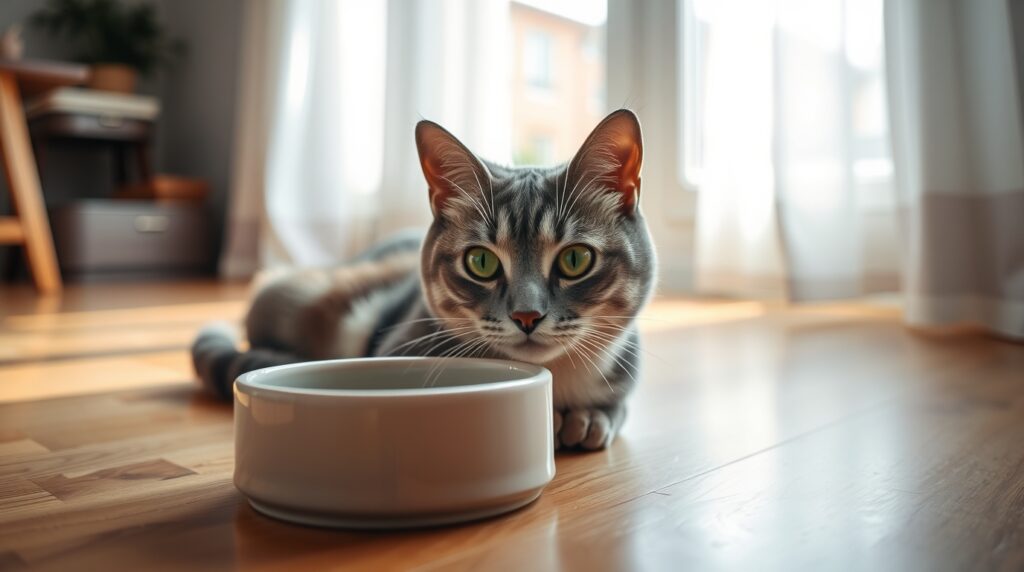
A proper feeding schedule does three things:
- Controls calorie intake
- Regulates insulin and hunger hormones
- Prevents binge eating and begging
Instead of random feeding times or unlimited access to food, meals are planned, measured, and consistent.
A cat feeding schedule for weight loss calculator helps determine:
- Daily calorie needs
- Portion size per meal
- Number of meals per day
- Adjustments based on age and activity
Understanding a Cat Weight Loss Calculator
A cat weight loss calculator estimates how many calories your cat should eat daily based on:
- Current weight
- Ideal weight
- Age
- Activity level
- Neutered or not
As a general rule:
- Most indoor adult cats need 20–25 calories per pound of ideal body weight
- For weight loss, this is reduced slightly but safely
Weight loss in cats should be slow and gradual. Rapid weight loss can cause a dangerous condition called hepatic lipidosis (fatty liver disease).
Cat Feeding Schedule by Age (Weight Loss Focused)
Kitten Feeding Schedule (Not for Weight Loss)
Kittens should never be put on a weight-loss diet. They require high calories for growth.
- Meals per day: 3–4
- Food type: Kitten-specific food
- Free feeding may be acceptable under vet guidance
Weight control starts after full growth.
Adult Cat Feeding Schedule by Age (1–7 Years)
For adult cats needing weight loss, structure is essential.
Recommended schedule:
- Morning: 7–8 AM
- Evening: 6–7 PM
Meals per day: 2–3 measured meals
This cat feeding schedule by age works well for most indoor cats and prevents long fasting periods that increase hunger and begging.
Senior Cat Feeding Schedule for Weight Loss (7+ Years)
Senior cats often gain weight due to reduced activity, but they also have unique nutritional needs.
A senior cat feeding schedule for weight loss should:
- Use smaller, more frequent meals
- Maintain high protein
- Reduce unnecessary carbohydrates
Ideal schedule:
- Morning
- Early evening
- Optional small late-evening meal
Never aggressively cut calories in senior cats—slow adjustment is key.
Cat Feeding Schedule Wet and Dry Food (For Weight Loss)
One of the most effective changes for weight loss is adjusting the balance of wet and dry food.
Why Wet Food Helps with Weight Loss
- Higher moisture = fewer calories per gram
- Increases fullness
- Supports hydration
- Reduces overeating
Why Dry Food Causes Weight Gain
- Calorie dense
- Easy to overeat
- Often high in carbohydrates
Best Cat Feeding Schedule Wet and Dry Combination
- Wet food for main meals (morning & evening)
- Small measured dry portion only if needed
Many overweight cats lose weight naturally when switched to mostly wet food.
How Many Times Should I Feed My Cat Wet Food?
This is one of the most searched questions by cat owners.
How many times should I feed my cat wet food?
For weight loss, 2–3 times per day is ideal.
- 2 meals: Morning and evening
- 3 meals: Smaller portions spread across the day
Avoid leaving wet food out for long periods, especially in warm climates.
Sample Cat Feeding Schedule for Weight Loss
Here’s a simple daily routine for an overweight adult cat:
- 7:30 AM – Wet food (measured portion)
- 1:00 PM – Optional small snack or play session
- 6:30 PM – Wet food (measured portion)
Dry food, if used, should be reduced gradually and measured strictly.
How to Help Your Cat Lose Weight Naturally

Weight loss should not rely only on food reduction. Natural methods work best when combined.
1. Portion Control
Measure every meal. Even “a little extra” adds up over time.
2. Increased Activity
- 10–15 minutes of play twice daily
- Wand toys, laser pointers, climbing trees
3. Puzzle Feeders
These slow down eating and increase mental stimulation.
4. Meal-Time Play
Play before meals to mimic hunting behavior.
This holistic approach answers the question how to help your cat lose weight naturally without stress or starvation.
Choosing the Right Weight Loss Cat Food
Not all cat foods labeled “light” are effective.
What to Look for in Weight Loss Cat Food
- High protein
- Low carbohydrates
- Moderate fat
- No fillers like corn or wheat
Wet vs Dry Weight Loss Cat Food
Wet food is generally superior for weight loss due to lower calorie density.
Always transition foods slowly over 7–10 days.
How Much Should a Cat Lose Per Week?
Safe weight loss for cats is:
- 0.5–1% of body weight per week
For a 15-lb cat, that’s about 0.1–0.15 lb per week.
Never force rapid weight loss.
Common Mistakes That Prevent Cat Weight Loss
- Free feeding
- Feeding treats without counting calories
- Using human food
- Ignoring dry food portions
- Cutting calories too aggressively
A structured feeding schedule eliminates most of these mistakes.
Multi-Cat Homes: Managing Feeding for Weight Loss
In multi-cat households, overweight cats often steal food.
Solutions:
- Separate feeding areas
- Microchip feeders
- Supervised meal times
Individual schedules are essential.
Signs Your Cat Is Losing Weight Safely
- Gradual reduction in waistline
- Increased energy
- Better grooming
- Improved mobility
Signs to stop or adjust:
- Lethargy
- Vomiting
- Refusal to eat for 24 hours
Always consult a veterinarian if unsure.
When to Use a Cat Feeding Schedule for Weight Loss Calculator
A calculator is especially useful when:
- Your cat is more than 20% overweight
- You’re unsure of portion sizes
- You’re switching foods
- Your cat is a senior
Calculators provide structure but should always be adjusted based on real-world results.
Conclusion
A structured cat feeding schedule for weight loss is the safest and most effective way to help your cat return to a healthy weight. By using a cat feeding schedule by age, balancing wet and dry food, understanding how many times to feed wet food, and supporting changes with play and natural activity, weight loss becomes sustainable and stress-free.
Whether you’re managing an adult or planning a senior cat feeding schedule for weight loss, consistency, patience, and proper portions are the keys. With the right routine and the help of a cat weight loss calculator, your cat can lose weight naturally and regain energy, mobility, and quality of life.
Also Read:
- Printable Cat Feeding Schedule – Complete Daily Routine
- Cat Feeding Chart by Age Calculator – Complete 2026 Guide to How Much to Feed Your Cat