

You wash your plates after every meal. But what about your dog’s bowl?
Here’s the uncomfortable truth: dog bowls can contain more bacteria than a toilet seat. Yes, really.
If you’ve ever wondered how to clean your dog’s bowl properly, how often to do it, or whether dish soap is safe — you’re in the right place. This guide covers everything, from daily cleaning routines to deep sanitizing methods, using expert-backed hygiene practices.
Let’s dive in.
Why Cleaning Your Dog’s Bowl Is More Important Than You Think
Hidden Bacteria in Dog Bowls
Dog food bowls and water bowls collect:
- Salmonella
- E. coli
- Mold spores
- Biofilm slime
When leftover kibble sits for hours, bacteria multiply rapidly. Wet food? Even faster.
Health Risks from Dirty Food and Water Bowls
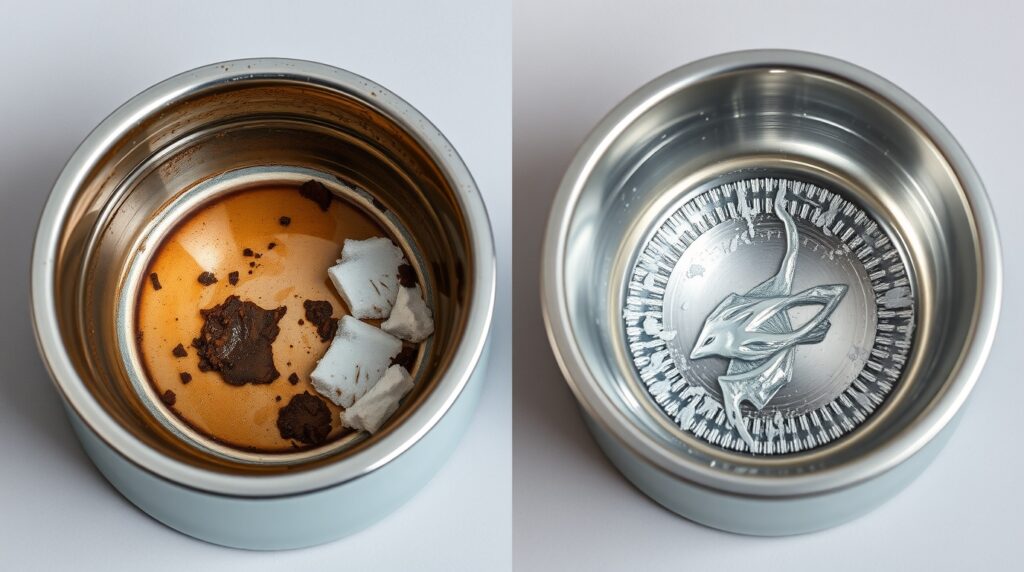
A dirty dog bowl can cause:
- Vomiting
- Diarrhea
- Skin irritation
- Reduced appetite
- Urinary infections
Think of your dog’s bowl as a dinner plate. Would you eat off it after three days without washing?
Exactly.
How Often Should You Clean Your Dog’s Bowl?
Daily Cleaning Guidelines
Food bowls should be washed after every meal.
Water bowls should be washed at least once daily — more if your dog drools heavily.
Weekly Deep Cleaning Routine
Once per week:
- Soak bowls in hot water
- Sanitize thoroughly
- Check for scratches or cracks
This prevents biofilm buildup and bacterial colonies.
How to Clean Your Dog’s Food Bowl Properly
Step-by-Step Cleaning Process
- Empty leftover food
- Rinse with hot water
- Wash with pet-safe dish soap
- Scrub thoroughly
- Rinse completely
- Air dry fully
Simple. But powerful.
Using Dish Soap
Yes — mild dish soap is safe. Just rinse thoroughly to avoid residue.
Hot water kills bacteria. Soap breaks down grease and food particles.
Using Dishwasher Safely
Stainless steel and ceramic bowls are usually dishwasher safe.
Run on hot cycle. Avoid plastic if scratched.
Dishwashers provide higher temperature sanitization.
How to Clean Your Dog’s Water Bowl
Water bowls develop something called biofilm — that slippery slime layer.
Slime and Biofilm Explained
Biofilm forms when bacteria attach to surfaces and create a protective layer.
If your finger feels slime — that’s bacteria.
Removing Hard Water Stains
Use white vinegar:
- Mix equal parts vinegar and water
- Soak for 15 minutes
- Scrub gently
- Rinse thoroughly
Natural and effective.
Best Way to Clean Dog Bowls Naturally
Many pet owners prefer chemical-free cleaning.
Cleaning Dog Bowls with Vinegar
White vinegar kills many common bacteria.
Perfect for routine sanitizing.
Baking Soda Method
For odors:
- Sprinkle baking soda
- Add warm water
- Scrub gently
Great for deep cleaning stainless steel bowls.
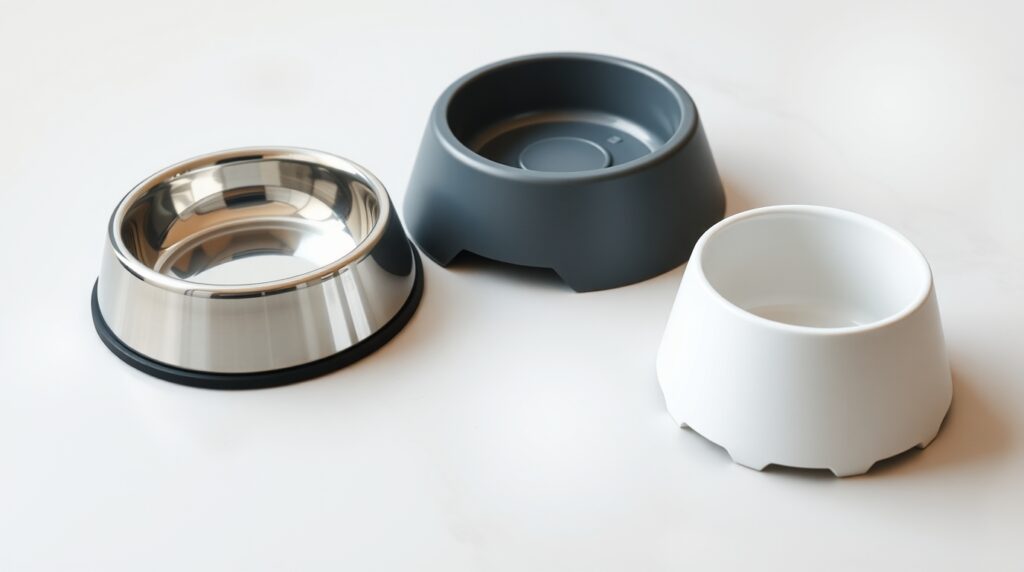
Stainless Steel vs Plastic vs Ceramic Dog Bowls
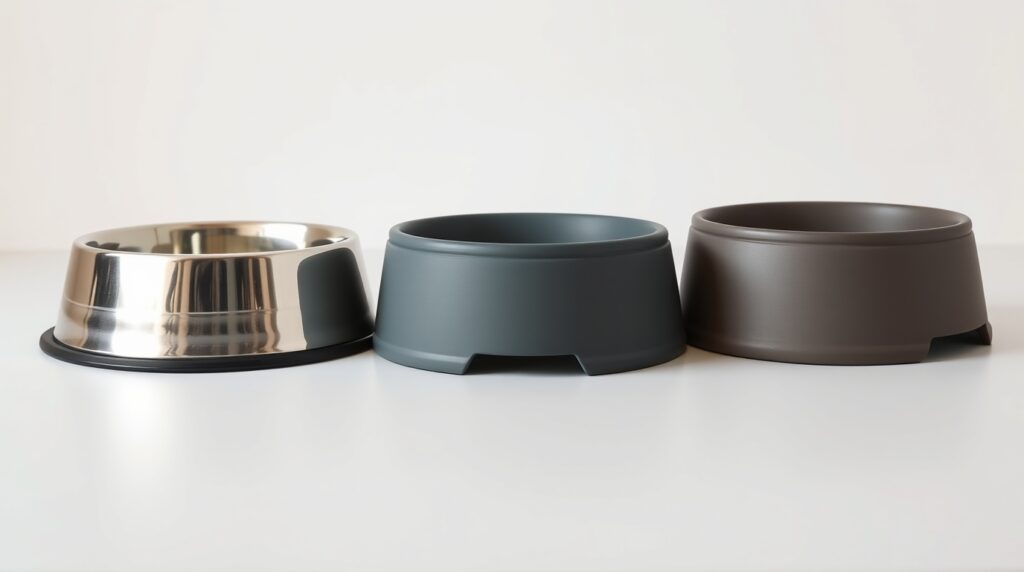
Which Is Easiest to Clean?
Stainless steel wins.
Plastic scratches easily, trapping bacteria. Ceramic can chip.
Which Is Most Hygienic?
Stainless steel is the safest and most hygienic option.
If you’re serious about hygiene — upgrade.
Signs Your Dog’s Bowl Needs Immediate Cleaning
- Visible slime
- Bad odor
- Food residue
- Cloudy water
- Greasy feel
If you notice any of these — wash immediately.
Can Dirty Dog Bowls Make Dogs Sick?
Absolutely.
Studies show dog bowls rank among the germiest household items.
Bacteria transfer easily from bowls to paws, furniture, and even humans.
Regular cleaning protects both pets and family.
Common Mistakes Pet Owners Make
- Only rinsing with water
- Cleaning once per week
- Using cracked plastic bowls
- Leaving wet food out all day
- Forgetting to dry bowls completely
Moisture encourages bacterial growth.
Professional Vet Recommendations
Veterinarians recommend:
- Daily washing with hot water and soap
- Weekly sanitization
- Avoiding old plastic bowls
- Replacing damaged bowls immediately
Consistency matters more than intensity.
Conclusion
Cleaning your dog’s bowl isn’t optional — it’s essential.
A clean bowl means:
- Fewer bacteria
- Better digestion
- Healthier hydration
- Reduced infection risk
It takes less than two minutes per day — but prevents major health issues long-term.
Treat your dog’s bowl like your own plate.
Because hygiene isn’t a luxury. It’s responsibility.
FAQs
1. How often should I clean my dog’s food bowl?
After every meal.
2. Can I use vinegar to clean dog bowls?
Yes, white vinegar is a safe natural disinfectant.
3. Are plastic dog bowls bad?
They can trap bacteria if scratched. Stainless steel is safer.
4. Is dishwasher cleaning enough?
Yes, if bowls are dishwasher-safe and run on a hot cycle.
5. Can dirty dog bowls cause infections?
Yes, bacterial buildup can lead to gastrointestinal and skin infections.
Also Read:
- Dog Food Calculator – The Ultimate Guide to Feeding Your Dog the Right Way
- Dog Training Basics for Beginners: A Complete Step-by-Step Guide
- Top Breeds for New Dog Owners – The Ultimate Beginner’s Guide to Choosing the Perfect Dog