


Feeding your dog seems simple, right? Pour some kibble into a bowl and call it a day.
But here’s the truth: most dogs are either overfed or underfed. And that tiny miscalculation? It compounds over years.
That’s where a Dog Food Calculator changes everything.
Think of it like a GPS for your dog’s nutrition. Instead of guessing, you calculate. Instead of overfeeding, you optimize. Instead of reacting to weight gain later, you prevent it now.
Let’s break this down properly.
What Is a Dog Food Calculator and Why It Matters?

A Dog Food Calculator is a tool that estimates how many calories your dog needs daily based on weight, age, activity level, and food type.
It eliminates guesswork.
How Feeding Impacts Long-Term Health
Overfeeding leads to:
- Obesity
- Joint strain
- Diabetes
- Heart problems
Underfeeding leads to:
- Nutritional deficiencies
- Weak immunity
- Low energy
- Poor muscle tone
Food is fuel. Too much floods the engine. Too little stalls it.
Why Guesswork Is Dangerous
Dog food bags often give broad feeding ranges. But dogs aren’t identical machines. A 20kg couch-loving dog doesn’t need the same calories as a 20kg agility champion.
Types of Dog Food Calculators Explained
Dog Food Calculator by Weight

This is the most basic form. It calculates calorie needs based on body weight alone.
Best for:
- Adult dogs
- Stable activity levels
- Simple feeding plans
Dog Food Calculator by Weight and Age
This version is more precise.
Puppies burn more calories. Seniors burn fewer.
Age dramatically changes nutritional needs.
Dog Food Calculator Wet and Dry
Wet food contains more moisture and fewer calories per gram than dry food.
Mixing both without calculating properly can double your dog’s daily calories.
This calculator adjusts for calorie density differences.
Dog Food Calculator Homemade
Feeding homemade meals? You absolutely need this.
Unlike kibble, homemade meals vary in calories depending on ingredients. A Dog Food Calculator Homemade version estimates portions based on ingredient calorie values.
Best Homemade Dog Food Calculator – How It Works
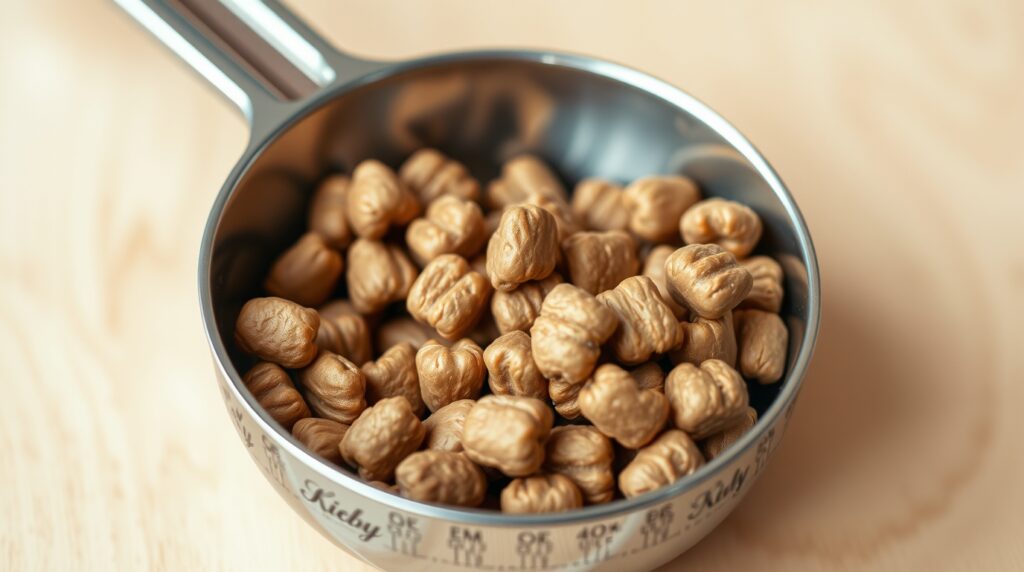
The Best Homemade Dog Food Calculator uses scientific formulas.
Let’s simplify it.
Resting Energy Requirement (RER)
RER = 70 × (body weight in kg)^0.75
This calculates the calories your dog needs at rest.
Maintenance Energy Requirement (MER)
MER = RER × Activity Factor
Activity Factors:
- Neutered adult: 1.6
- Active dog: 2.0
- Puppy: 2.5–3.0
- Senior: 1.2–1.4
This is your true daily calorie target.
Dog Food Calculator Royal Canin vs Generic Calculators
Many owners search specifically for Dog Food Calculator Royal Canin.
Why?
Brand-specific calculators use the calorie density of their exact formula.
Brand-Specific Feeding Charts
Royal Canin formulas differ in calorie density per cup. Using a generic calculator without adjusting for that difference may lead to incorrect portions.
When to Follow Brand Guidelines
Use brand charts:
- When feeding exclusively that brand
- When following veterinary advice
- When calorie density is clearly listed
But always cross-check with weight-based calorie needs.
Dog Food Calculator by Weight – Step-by-Step Guide

Let’s simplify feeding by weight categories.
Small Dogs (Under 10kg)
They have faster metabolisms.
Approximate calorie range:
- 2kg dog: 140–180 kcal
- 5kg dog: 300–350 kcal
- 8kg dog: 400–500 kcal
Small dogs need calorie-dense food in smaller portions.
Medium Dogs (10–25kg)
Moderate metabolism.
- 15kg dog: 700–900 kcal
- 20kg dog: 900–1100 kcal
Large Dogs (25–45kg)
Slower metabolism relative to size.
- 30kg dog: 1400–1600 kcal
- 40kg dog: 1700–1900 kcal
Dog Food Calculator by Weight and Age – Complete Chart
Puppies
Puppies need 2–3× adult calories.
Example:
10kg puppy = 1200–1500 kcal
Adults
Balanced energy intake.
Example:
20kg adult = 1000 kcal average
Seniors
Reduced calorie needs.
Example:
20kg senior = 800–900 kcal
Dog Food Calculator Wet and Dry – Mixing Correctly
Dry food = higher calorie density
Wet food = lower calorie density
If your dry food has 400 kcal per cup and your wet food has 100 kcal per 100g, you must calculate portions accordingly.
Never assume equal volume equals equal calories.
Dog Food Calculator Homemade – Portion Planning
Homemade feeding requires ingredient breakdown.
Example homemade meal:
- Chicken: 165 kcal per 100g
- Rice: 130 kcal per 100g
- Carrots: 40 kcal per 100g
If your dog needs 1000 kcal, you divide calories proportionally.
Homemade Dog Food Calculator Free Tools
Free online calculators:
- Calorie calculators based on RER/MER
- Veterinary nutritional calculators
- Ingredient calorie breakdown tools
Always ensure nutrient balance — not just calorie count.
Common Feeding Mistakes to Avoid
- Free feeding
- Ignoring treat calories
- Not adjusting for reduced activity
- Guessing portions
- Feeding based on “looks hungry”
Hunger doesn’t always equal need.
Sample Feeding Calculations
Example: 25kg adult dog
RER = 70 × (25)^0.75 ≈ 800 kcal
MER = 800 × 1.6 ≈ 1280 kcal daily
If food contains 400 kcal per cup:
1280 ÷ 400 = 3.2 cups daily
Split into 2 meals = 1.6 cups per meal
Simple math. Massive health impact.
Conclusion
A Dog Food Calculator is not optional it’s essential.
Whether you’re using a Dog Food Calculator Royal Canin, a Dog Food Calculator Wet and Dry, or the Best Homemade Dog Food Calculator, the goal remains the same: feed accurately, not emotionally.
Precision feeding prevents obesity, increases lifespan, improves energy, and protects joints.
Stop guessing. Start calculating.
Your dog’s health depends on it.
FAQs
1. What is the best dog food calculator?
The best one calculates based on weight, age, activity, and food calorie density.
2. Can I use a homemade dog food calculator free tool?
Yes, but always ensure nutrient balance beyond calories.
3. Is a dog food calculator by weight enough?
It’s a starting point. Age and activity level improve accuracy.
4. How do I calculate wet and dry food together?
Convert both into calories and ensure the total matches your daily target.
5. Should I follow Dog Food Calculator Royal Canin guidelines exactly?
Use them as guidance, but confirm calorie needs using weight-based calculations.
Also Read:
- Dog Training Basics for Beginners: A Complete Step-by-Step Guide
- Top Breeds for New Dog Owners – The Ultimate Beginner’s Guide to Choosing the Perfect Dog