

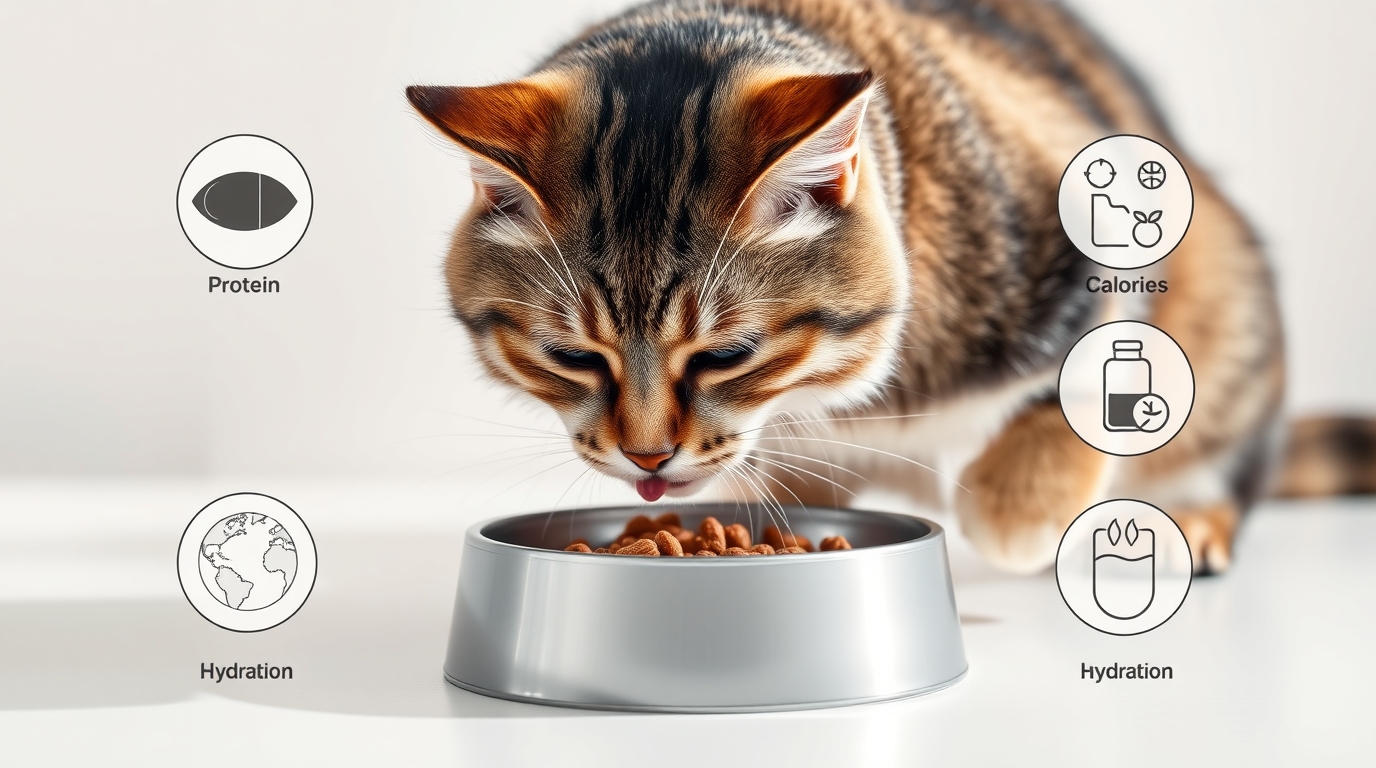
Feeding your male cat the right amount of food at the right time is essential for maintaining strong muscles, healthy weight, proper growth, and long-term wellbeing. Since nutritional needs change throughout a cat’s life, an age-based feeding chart helps pet parents avoid overfeeding, malnutrition, or health complications.
Male cats, especially neutered males, are more prone to obesity and urinary issues, making controlled feeding extremely important. This comprehensive guide offers a complete Male Cat Feeding Chart by Age, calorie requirements, feeding schedules, food recommendations, and expert tips to keep your feline healthy at every stage.
Why Age-Based Feeding Matters for Male Cats
Male cats experience major nutritional changes during their growth cycle. Kittens need high protein and high calorie diets for development, while adult males require controlled calories to maintain weight and prevent urinary issues.
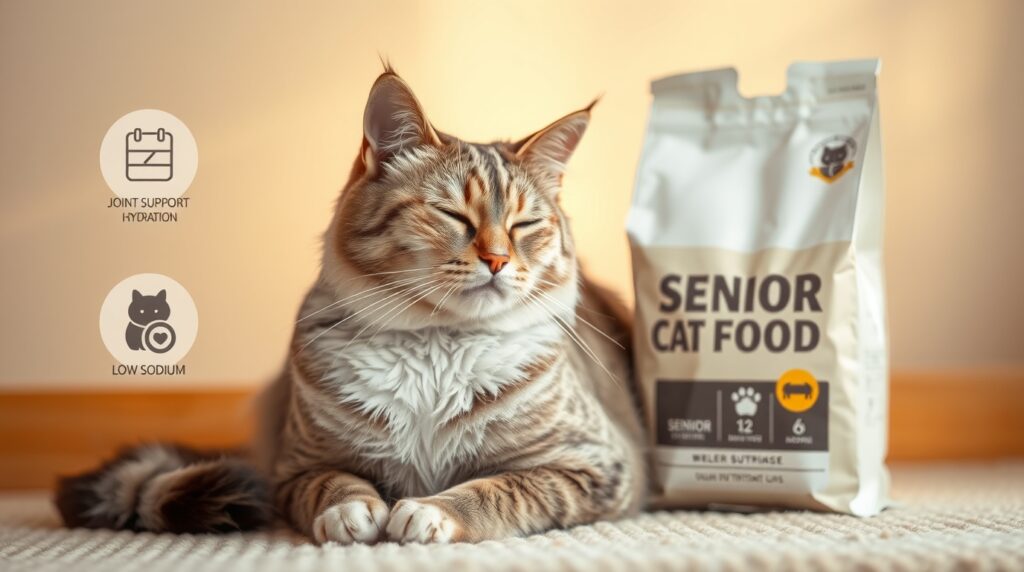
Senior male cats need fewer calories but higher hydration and joint support. Feeding the wrong amount can lead to issues such as obesity, diabetes, urinary blockages, and digestive discomfort, so understanding age-specific needs is crucial.
Key Factors That Determine Feeding Amounts
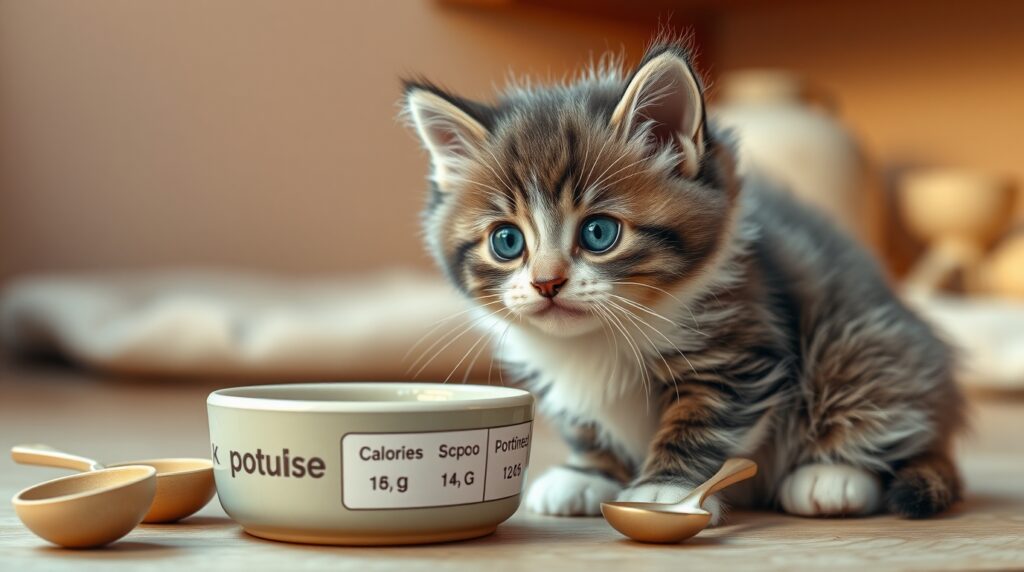
Age, body weight, activity level, food type (wet, dry, raw), neutering status, indoor vs outdoor lifestyle, brand calorie density, medical conditions. Neutered males require approximately 20–30% fewer calories because their energy use slows while their appetite increases. Indoor cats also need fewer calories compared to active outdoor males.
Male Cat Feeding Chart by Age (With Portions & Calorie Requirements)
| Age | Feeding Frequency | Daily Food Amount | Daily Calories | Notes |
|---|---|---|---|---|
| 0–3 months (Kitten) | 4 meals/day | ¼–½ cup dry or 3–6 oz wet | 200–300 cal/day | High protein and DHA for rapid growth |
| 3–6 months | 3 meals/day | ½–¾ cup dry or 4–7 oz wet | 230–360 cal/day | Slowly reduce feeding frequency |
| 6–12 months | 2–3 meals/day | ¾–1 cup dry or 6–9 oz wet | 250–450 cal/day | Transition gradually to adult food |
| 1–7 years (Adult Male) | 2 meals/day | ½–1 cup dry or 5–8 oz wet | 240–320 cal/day | Controlled portions and weight monitoring |
| 7–10 years (Senior Male) | 2 small meals/day | ½ cup dry or 4–6 oz wet | 200–260 cal/day | Add joint support and low sodium |
| 10+ years (Elderly) | 2–3 small meals/day | ½ cup dry or 5 oz wet | 180–240 cal/day | Kidney-friendly, easy to digest proteins |
Wet Food vs Dry Food for Male Cats
Wet food helps prevent urinary blockages by providing hydration, while dry food supports dental health and convenience. The best method is combination feeding: wet food twice daily and small measured dry food portions to avoid overeating. | Feature | Wet Food | Dry Food | | Hydration | 70–80% moisture | 5–10% moisture | | Benefits | Prevents urinary crystals, easier digestion | Convenient and cost-effective | | Ideal Use | Main diet for males | Supplement, not full replacement |
Special Feeding Considerations for Neutered Male Cats
Neutered males gain weight easily and require fewer calories. Avoid open bowls or free-feeding, use smaller portions, switch to weight-control formulas, prioritize wet food for hydration, use puzzle feeders to increase activity, and check weight every month.
Safe Transitioning When Changing Foods
Changing diets suddenly may cause vomiting or diarrhea. Follow this transition plan: Days 1–3: 25% new + 75% old. Days 4–6: 50% new + 50% old. Days 7–9: 75% new + 25% old. Day 10+: 100% new food.
Signs of Overfeeding
Rapid weight gain, heavy breathing after minimal activity, inability to jump easily, constipation, vomiting after eating, visible belly fat.
Signs of Underfeeding
Visible ribs or spine, constant begging, poor coat condition, fatigue, muscle loss, aggression around food.
Foods Male Cats Should Never Eat
Onions, garlic, chocolate, grapes, raisins, alcohol, caffeinated drinks, bones, raw pork, bread, milk or cream, processed salty foods, dog food.
Hydration Requirements for Male Cats
Water is essential for urinary and kidney health. Male cats need 3.5 to 4.5 ounces of water per 5 pounds of body weight per day. Use multiple water bowls, water fountains, or add water to wet food.
Recommended Supplements for Male Cats
Omega-3 for anti-inflammation, probiotics for digestion, cranberry extract for urinary safety, glucosamine for joints. Always consult a vet before use.
Example Daily Feeding Schedule
Morning: Wet food meal for hydration. Afternoon: Small dry food portion. Evening: Wet food with added water. Night: Low-calorie treats only for training.
Tips to Maintain a Healthy Weight
Choose high protein formulas, avoid corn-based fillers and sugars, measure food portions with a scale, track weight monthly, increase playtime and exercise activities.
Conclusion
Feeding your male cat based on age and nutritional needs ensures healthy growth, strong muscles, proper hydration, and long-term disease prevention. Using an accurate Male Cat Feeding Chart by Age prevents obesity, urinary issues, diabetes, and malnutrition. Always monitor weight and adjust portions based on lifestyle and veterinary guidance. A structured feeding routine paired with high-quality food is the key to a happy, healthy cat.
Also Read:
- Top BPA-free Dog Food Storage Options for Pets in 2026
- 2026 Top Dog Food Storage Containers for Pantry