

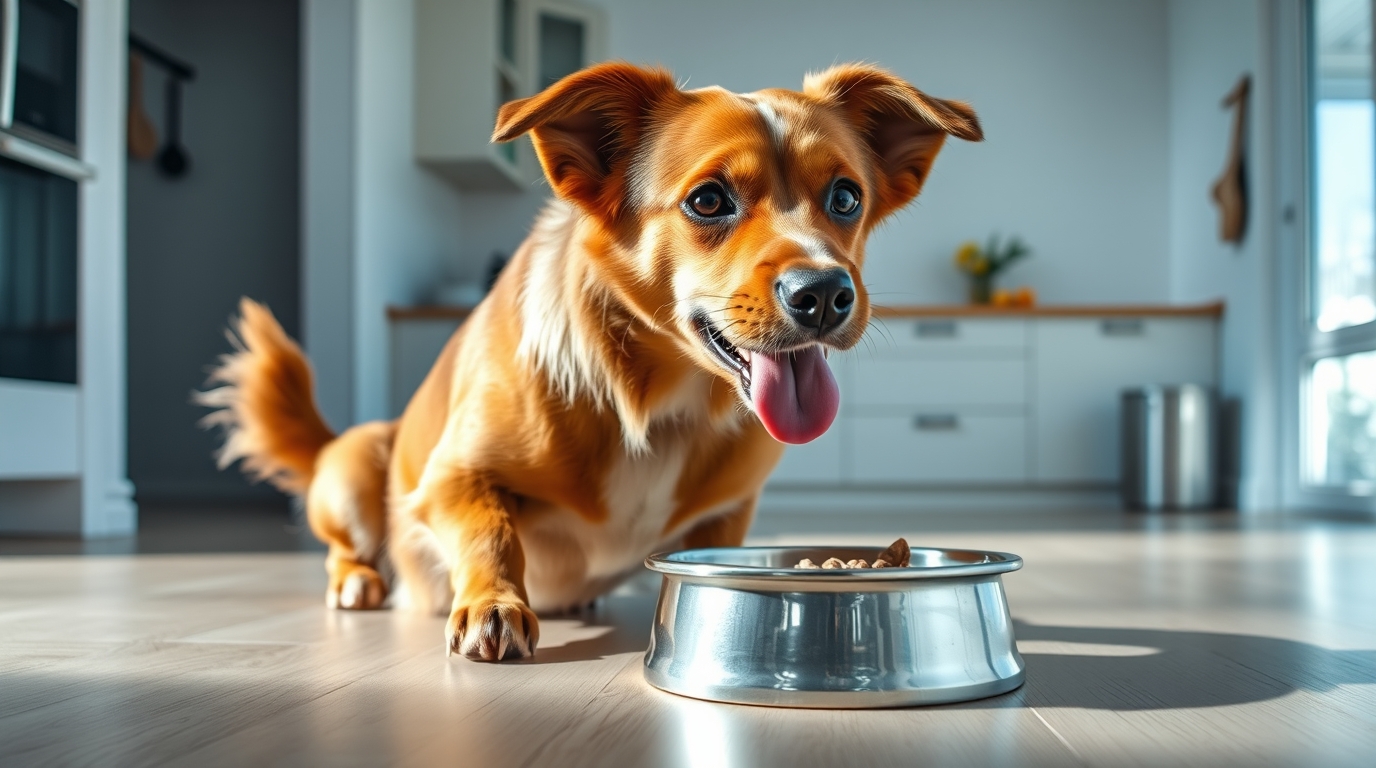
Feeding your dog properly isn’t just about choosing the right food—it’s about when, how much, and how often you feed. A structured dog feeding schedule chart helps maintain your dog’s health, improves digestion, prevents obesity, and builds a consistent daily routine.
Whether you have a playful puppy, an active adult dog, or a senior companion, this SEO-optimized guide will help you understand the ideal feeding schedule, portion sizes, and practical tips to create the perfect routine.
Why a Dog Feeding Schedule Chart Is Important?

Dogs thrive on routine. In the wild, they follow patterns for hunting and eating. Domestic dogs also feel more secure when feeding happens at consistent times.
A proper dog feeding schedule chart helps:
- Maintain healthy body weight
- Improve digestion and nutrient absorption
- Reduce anxiety and begging behavior
- Prevent overeating
- Support overall well-being
Without a schedule, dogs may develop irregular eating habits, leading to health problems.
How Often Should You Feed a Dog?
The frequency of feeding depends on your dog’s age, size, and activity level.
General Feeding Frequency
- Puppies (0–6 months): 3–4 meals per day
- Adult dogs (1–7 years): 2 meals per day
- Senior dogs (7+ years): 2–3 small meals per day
Consistency is key. Feeding your dog at the same times daily helps regulate metabolism.
Dog Feeding Schedule Chart by Age

Puppy Feeding Schedule Chart
Puppies grow rapidly and require frequent meals.
| Time | Meal |
|---|---|
| 7:00 AM | Breakfast |
| 11:00 AM | Midday meal |
| 3:00 PM | Afternoon meal |
| 8:00 PM | Dinner |
Puppies need high-protein food to support growth and development.
Adult Dog Feeding Schedule Chart
Adult dogs benefit from a simple routine.
| Time | Meal |
|---|---|
| 7:00 AM | Morning meal |
| 6:00 PM | Evening meal |
This is considered the best dog feeding schedule for adult dogs.
Senior Dog Feeding Schedule Chart
Senior dogs may need smaller, frequent meals.
| Time | Meal |
|---|---|
| 7:00 AM | Breakfast |
| 2:00 PM | Light meal |
| 7:00 PM | Dinner |
Senior dogs often have slower digestion, so spreading meals helps.
Dog Feeding Schedule Chart by Weight
The amount of food depends on your dog’s weight.
| Dog Weight | Daily Food (Dry) |
|---|---|
| 5–10 lbs | ½ – 1 cup |
| 10–20 lbs | 1 – 1½ cups |
| 20–40 lbs | 1½ – 2½ cups |
| 40–60 lbs | 2½ – 3½ cups |
| 60–80 lbs | 3½ – 4½ cups |
Divide this into two meals for adult dogs.
Dog Feeding Schedule Chart by Breed Size
Small Breeds
Small dogs have faster metabolisms.
- Feed 2–3 small meals per day
- Use calorie-dense food
Medium Breeds
Balanced feeding works best.
- 2 meals per day
- Moderate portion sizes
Large Breeds
Large dogs need controlled feeding.
- 2 meals per day
- Avoid overfeeding to prevent joint issues
Best Feeding Times for Dogs
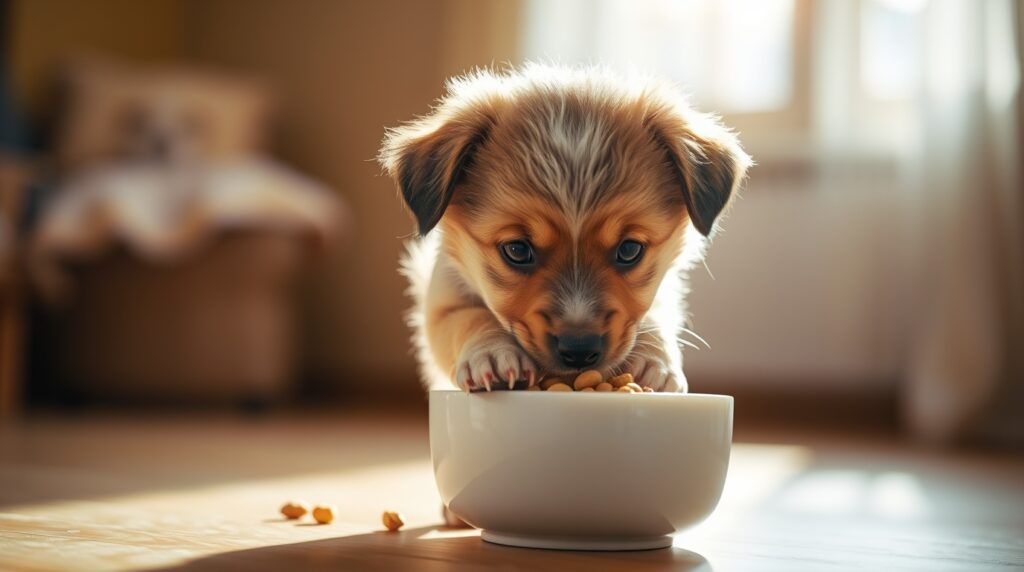
The ideal feeding times align with your dog’s natural routine.
Recommended Feeding Times
- Morning: 7:00–8:00 AM
- Evening: 5:00–7:00 PM
Dogs should be fed after exercise, not before, to avoid digestive issues.
Wet Food vs Dry Food Feeding Schedule
Dry Food (Kibble)
- Easy to store
- Good for dental health
- Feed twice daily
Wet Food
- Higher moisture content
- More palatable
- Feed at fixed times
Mixed Feeding Schedule
Many owners prefer:
- Wet food in the morning
- Dry food in the evening
This provides balanced nutrition and variety.
Free Feeding vs Scheduled Feeding
Free Feeding
- Food available all day
- Not recommended
Scheduled Feeding
- Fixed meal times
- Better portion control
Best option: Scheduled feeding is healthier and more controlled.
How Much Should You Feed Your Dog?
Portion size depends on:
- Weight
- Age
- Activity level
- Health condition
Always check food packaging and adjust based on your dog’s needs.
Printable Dog Feeding Schedule Chart
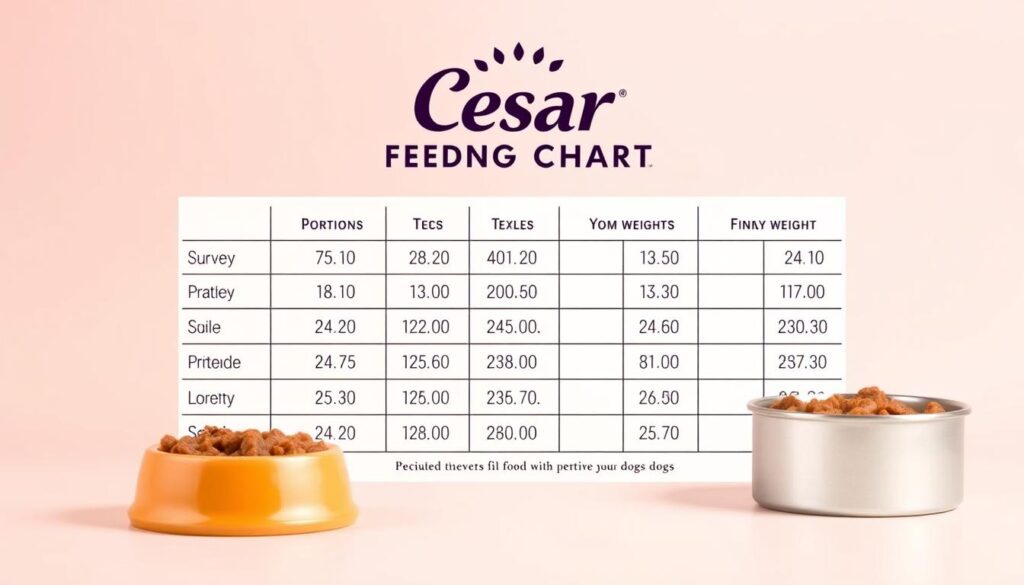
Creating a printable chart helps maintain consistency.
Example:
| Time | Meal | Portion |
|---|---|---|
| 7:00 AM | Breakfast | ½ daily food |
| 6:00 PM | Dinner | ½ daily food |
Place it near your dog’s feeding area for easy tracking.
Dog Feeding Schedule for Busy Owners
If you have a busy lifestyle:
- Feed before leaving home
- Feed after returning
- Use automatic feeders
This ensures your dog maintains a consistent routine.
Using Automatic Feeders
Automatic feeders are helpful for:
- Maintaining feeding times
- Controlling portions
- Reducing overfeeding
They are especially useful for working pet owners.
Common Feeding Mistakes to Avoid
Avoid these common mistakes:
- Overfeeding
- Feeding at random times
- Too many treats
- Not measuring portions
- Ignoring weight changes
Consistency and portion control are essential.
Signs Your Dog’s Feeding Schedule Needs Adjustment
Watch for:
- Weight gain or loss
- Low energy
- Digestive issues
- Excessive hunger
If you notice these signs, adjust feeding times or consult a vet.
Tips for Maintaining a Healthy Feeding Routine
- Feed at the same time every day
- Measure food portions
- Provide fresh water
- Avoid sudden diet changes
- Monitor your dog’s health
A structured routine keeps your dog healthy and happy.
Conclusion
A well-planned dog feeding schedule chart is one of the most effective tools for maintaining your dog’s health. By feeding your dog at consistent times, providing the right portions, and adjusting based on age and activity level, you can ensure long-term wellness.
Dogs thrive on routine, and a proper feeding schedule gives them the structure they need to live a healthy and balanced life.
Frequently Asked Questions
1. What is the best feeding schedule for dogs?
Two meals per day—morning and evening—is ideal for most adult dogs.
2. How many times should I feed my puppy?
Puppies should be fed 3–4 times per day.
3. Can dogs go 12 hours without food?
Yes, adult dogs can go 10–12 hours between meals.
4. Should I leave food out all day?
No, scheduled feeding is healthier and prevents overeating.
5. Is a dog feeding schedule chart useful?
Yes, it helps maintain consistency, track portions, and improve overall health.
Also Read:
- Cat Feeding Schedule Times – The Ultimate Guide to Feeding Your Cat at the Right Time
- Chewy Dog Food – Complete Guide to Choosing the Best Chewy Dog Food for Your Dog
1 thought on “Dog Feeding Schedule Chart – Complete Guide to Feeding Your Dog the Right Way”