

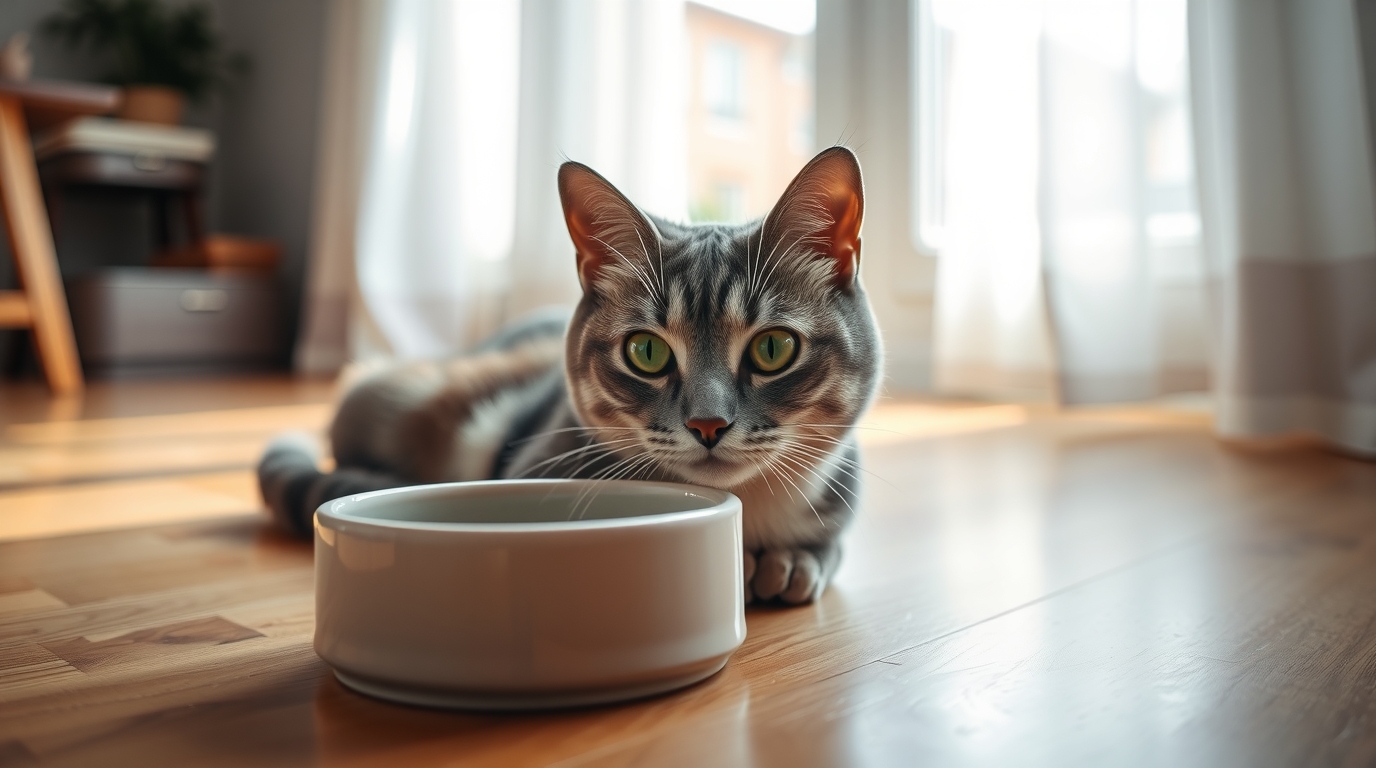
Feeding your cat isn’t just about what you feed—it’s also about when and how often. A well-planned routine can improve digestion, prevent obesity, reduce anxiety, and even strengthen your bond with your pet. That’s why so many pet owners search for the best feeding schedule for cats to ensure their furry companion stays healthy and satisfied.
In this complete, SEO-optimized guide, you’ll learn the ideal feeding schedule based on age, weight, and lifestyle, along with expert tips to create a routine that works for both you and your cat.
Why a Feeding Schedule Is Important for Cats

Cats are creatures of habit. In the wild, they hunt and eat small meals throughout the day. Domestic cats still have this instinct, which means they thrive on consistency.
A proper cat feeding schedule helps:
- Maintain a healthy weight
- Improve digestion
- Prevent overeating
- Reduce stress and anxiety
- Support energy levels
Without a routine, cats may overeat, beg constantly, or develop digestive issues.
How Often Should You Feed a Cat?
One of the most common questions is: how often should you feed a cat per day?
General Recommendation
- Adult cats: 2 meals per day
- Kittens: 3–4 meals per day
- Senior cats: 2–3 small meals per day
The key is consistency—feeding at the same time every day.
Best Feeding Schedule for Cats by Age
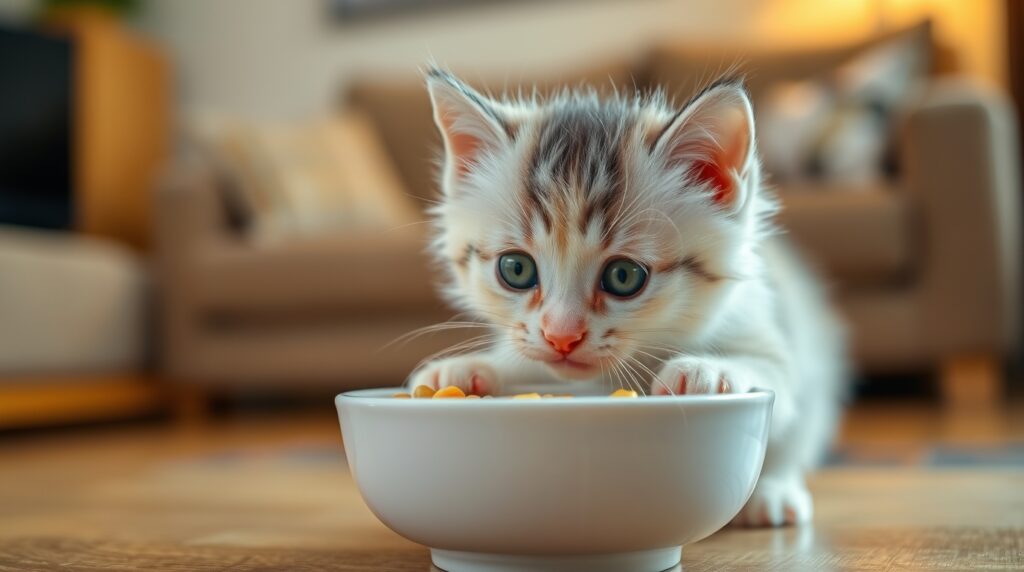
Kitten Feeding Schedule (0–6 Months)
Kittens grow rapidly and need frequent meals.
Recommended schedule:
- 7:00 AM – Breakfast
- 11:00 AM – Midday meal
- 3:00 PM – Afternoon meal
- 8:00 PM – Dinner
Kittens require high-protein, calorie-dense food to support development.
Adult Cat Feeding Schedule (1–7 Years)
Adult cats need fewer meals but still benefit from structure.
Ideal schedule:
- 7:00 AM – Morning meal
- 6:00 PM – Evening meal
This is considered the best feeding schedule for adult cats.
Senior Cat Feeding Schedule (7+ Years)
Older cats may need smaller, more frequent meals due to slower digestion.
Recommended schedule:
- 7:00 AM – Breakfast
- 2:00 PM – Light meal
- 7:00 PM – Dinner
Senior diets should focus on easy digestion and hydration.
Best Feeding Schedule for Indoor Cats
Indoor cats are less active and prone to weight gain.
Ideal Routine for Indoor Cats
- Two meals per day
- Controlled portion sizes
- Limited treats
Avoid free-feeding (leaving food out all day), as it often leads to obesity.
Best Feeding Schedule for Outdoor Cats
Outdoor cats burn more calories and may need additional feeding.
Recommended Routine
- Morning meal before going outside
- Evening meal after returning
Outdoor cats may require slightly larger portions due to higher activity levels.
Wet Food vs Dry Food Feeding Schedule
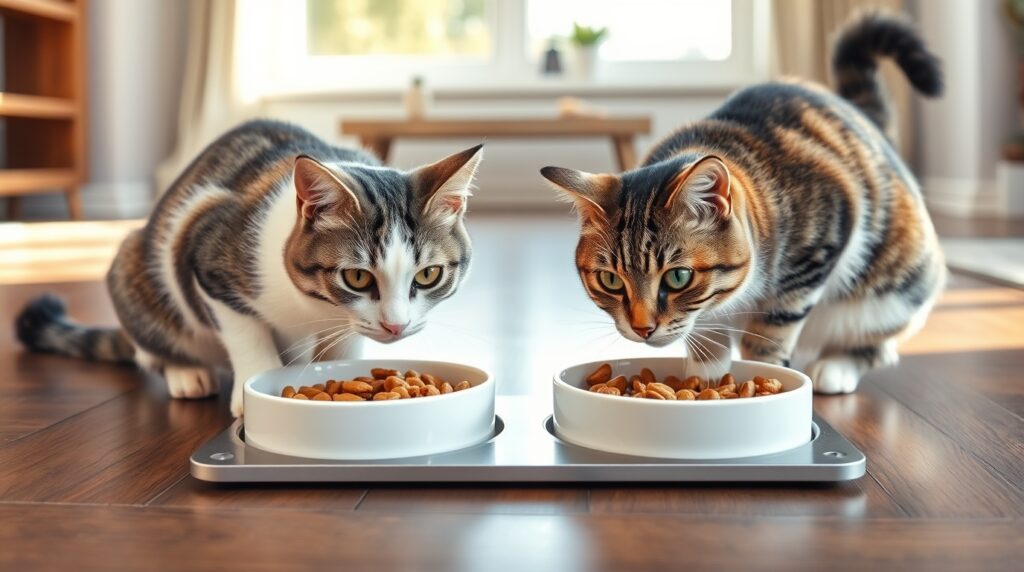
Wet Food Feeding Schedule
- Typically served 2 times per day
- Higher moisture content
- Supports hydration and urinary health
Dry Food Feeding Schedule
- Can be split into 2–3 portions per day
- Easier to measure and store
Best Approach
Many experts recommend a mixed feeding schedule:
- Wet food in the morning
- Dry food in the evening
This provides balanced nutrition and variety.
How Much Should You Feed Your Cat?
Feeding the right amount is just as important as timing.
General Feeding Chart
| Cat Weight | Daily Calories | Food Amount |
|---|---|---|
| 5 lbs | 180–200 kcal | ¼ cup dry |
| 8 lbs | 200–250 kcal | ⅓ cup dry |
| 10 lbs | 250–300 kcal | ½ cup dry |
| 12 lbs | 300–350 kcal | ½–⅔ cup dry |
Adjust based on activity level and health.
Free Feeding vs Scheduled Feeding
Free Feeding
- Food available all day
- Convenient but risky
Drawbacks:
- Leads to overeating
- Difficult to track intake
Scheduled Feeding
- Meals at fixed times
- Better portion control
Best choice: Scheduled feeding is ideal for most cats.
Using Automatic Feeders for Cat Feeding Schedule
Automatic feeders can help maintain a consistent routine.
Benefits
- Feeds your cat on time
- Prevents overeating
- Useful for busy owners
They are especially helpful for maintaining the best feeding schedule for cats even when you’re not home.
Common Mistakes in Cat Feeding Schedules
Avoid these mistakes:
- Feeding at random times
- Overfeeding treats
- Ignoring portion sizes
- Leaving food out all day
- Not adjusting for age or activity
Consistency is key.
Signs Your Cat’s Feeding Schedule Needs Adjustment
Watch for:
- Weight gain or loss
- Constant hunger
- Low energy
- Digestive issues
If you notice these signs, review your feeding schedule and consult a vet.
Tips for Creating the Best Feeding Routine
- Feed at the same time every day
- Use measured portions
- Keep fresh water available
- Avoid sudden food changes
- Monitor your cat’s weight
A structured routine creates a healthier and happier cat.
Conclusion
The best feeding schedule for cats is one that matches your cat’s age, activity level, and lifestyle while maintaining consistency. Most adult cats do best with two meals per day, while kittens and seniors may require more frequent feeding.
By following a structured feeding routine, you can improve your cat’s health, prevent obesity, and create a stable environment that your cat will love.
Frequently Asked Questions
1. What is the best feeding schedule for cats?
Two meals per day—morning and evening—is ideal for most adult cats.
2. Can cats go 8 hours without food?
Yes, healthy adult cats can go 8–12 hours between meals.
3. Should I leave food out all day?
No, free feeding can lead to overeating and weight gain.
4. Is wet or dry food better for a feeding schedule?
A mix of both is often the best option.
5. How do I know if my cat is eating enough?
Also Read:
- Printable Cat Feeding Schedule – Complete Guide for Healthy Cat Feeding
- Nutritionally Complete Homemade Dog Food Recipes – A Complete Guide for Healthy Dogs