OURPETTAILS

Printable Cat Food Care PDF: The Ultimate Guide to Feeding Your Cat the Right Way
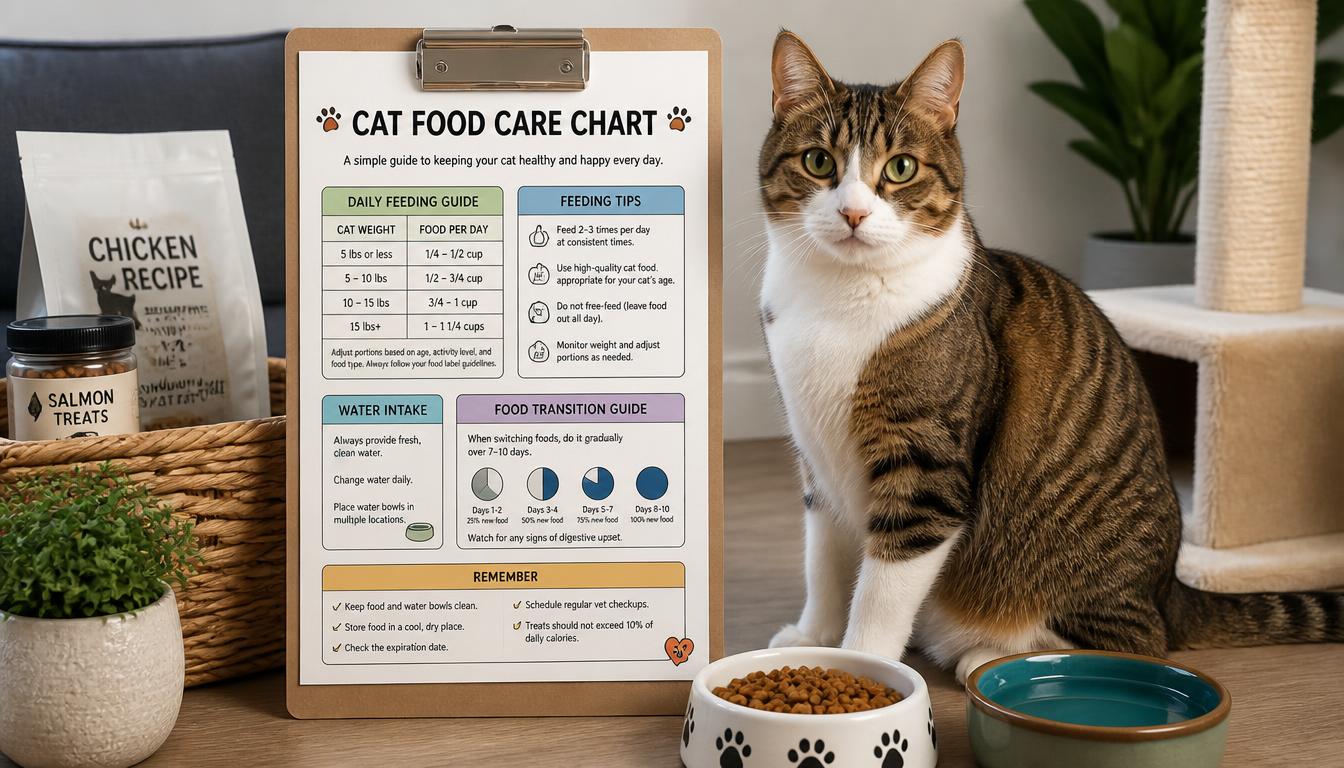
Printable Cat Food Care

Caring for a cat involves much more than simply filling a food bowl every day. Proper nutrition is one of the most important factors in maintaining your cat’s health, energy levels, weight, and overall well-being. Whether you’re a first-time cat owner or have shared your home with felines for years, having a printable cat food care PDF can make feeding routines easier, more organized, and more effective. A cat food care chart helps track feeding schedules, portion sizes, water intake, treats, weight management goals, and dietary changes. Many pet owners use printable feeding logs to stay consistent and ensure their cats receive the proper nutrition throughout every life stage. In this comprehensive guide, you’ll learn everything you need to know about creating and using a printable cat food care chart, understanding feline nutritional needs, establishing feeding routines, and keeping your cat healthy through proper diet management. Why Cat Nutrition Matters Nutrition directly impacts every aspect of your cat’s health. A balanced diet supports: Cats are obligate carnivores, which means they require nutrients found primarily in animal-based proteins. Unlike humans and some other animals, cats cannot thrive on a plant-based diet alone. Providing complete and balanced nutrition helps your cat live a healthier and longer life. What Is a Printable Cat Food Care PDF? A printable cat food care PDF is a structured feeding and care document that helps pet owners monitor and organize their cat’s daily nutritional routine. It typically includes: The purpose is to make cat care more organized and consistent. Benefits of Using a Cat Food Care Chart Improves Feeding Consistency Cats often thrive on predictable routines. A feeding chart helps ensure meals are served at the same times each day. Prevents Overfeeding Many indoor cats struggle with weight gain. Tracking portions helps avoid excessive calorie intake. Helps Monitor Health Changes in appetite are often one of the first signs of illness. A feeding log allows owners to notice unusual eating patterns quickly. Supports Weight Management Weight tracking is especially helpful for overweight or senior cats. Useful for Multi-Cat Homes A care chart helps track each cat’s feeding needs separately. Understanding Cat Nutritional Requirements Before creating a feeding chart, it’s important to understand what cats need nutritionally. Protein Protein is the foundation of a healthy feline diet. Benefits include: Excellent protein sources include: Cats require significantly more protein than many other pets. Healthy Fats Fats provide concentrated energy and support: Common fat sources include: Taurine Taurine is an essential amino acid for cats. It supports: Cats cannot produce sufficient taurine on their own and must obtain it through their diet. Vitamins and Minerals Cats require various vitamins and minerals, including: Balanced commercial cat foods are formulated to provide these nutrients. Wet Food vs Dry Food Many cat owners wonder which option is best. Wet Food Benefits Wet food offers: Dry Food Benefits Dry food provides: Mixed Feeding Many veterinarians recommend combining wet and dry food to achieve the benefits of both. Feeding Cats by Life Stage Kittens Kittens require: Recommended Feeding Schedule 8–12 weeks: 3–6 months: 6–12 months: Adult Cats Adult cats generally do well with: Consistency is important. Senior Cats Senior cats may require: Regular monitoring becomes increasingly important with age. Sample Printable Cat Food Care Chart Daily Feeding Tracker Time Food Type Portion Water Refilled Notes Morning Wet Food 1 Portion Yes Ate well Afternoon Treats Small Amount Yes Normal Evening Dry Food 1 Portion Yes Finished meal This simple chart helps track feeding habits. Weekly Weight Monitoring Chart Week Weight Notes Week 1 ____ ______ Week 2 ____ ______ Week 3 ____ ______ Week 4 ____ ______ Weight tracking helps identify changes early. Water Intake Monitoring Sheet Hydration is essential for feline health. Daily Water Tracker Day Water Bowl Refilled Drinking Normally Monday Yes Yes Tuesday Yes Yes Wednesday Yes Yes Thursday Yes Yes Friday Yes Yes Saturday Yes Yes Sunday Yes Yes Treat Tracking Chart Many owners unknowingly overfeed treats. Weekly Treat Log Day Treat Type Quantity Monday ______ ______ Tuesday ______ ______ Wednesday ______ ______ Thursday ______ ______ Friday ______ ______ Saturday ______ ______ Sunday ______ ______ Treats should generally represent a small portion of total calorie intake. Signs Your Cat Is Eating Properly Healthy eating habits often result in: Monitoring these indicators helps confirm that your feeding plan is working. Signs Your Cat’s Diet May Need Adjustment Watch for: Consult your veterinarian if these symptoms persist. Common Feeding Mistakes Cat Owners Make Free Feeding Excessively Leaving food out all day can contribute to obesity. Overfeeding Treats Treat calories add up quickly. Ignoring Portion Sizes Measuring food helps maintain a healthy weight. Not Monitoring Water Intake Hydration is critical for kidney and urinary health. Frequent Diet Changes Sudden food changes may cause digestive upset. How to Transition to a New Cat Food Switch gradually over 7–10 days. Transition Schedule Day Old Food New Food 1–2 75% 25% 3–4 50% 50% 5–6 25% 75% 7+ 0% 100% Gradual transitions help minimize stomach issues. Creating Your Own Printable Cat Food Care PDF Your custom PDF should include: Feeding Schedule Section Track: Weight Log Monitor monthly weight changes. Water Intake Log Ensure proper hydration. Health Notes Section Record: Medication Tracker Useful for cats requiring ongoing treatment. Printable Monthly Cat Food Care Template Cat Information Feeding Schedule Time Food Portion Morning ______ ______ Afternoon ______ ______ Evening ______ ______ Daily Checklist Frequently Asked Questions What is a printable cat food care PDF? A printable feeding and health tracking document that helps organize feeding schedules, portion sizes, hydration, and overall cat care. Why should I track my cat’s meals? Tracking helps maintain consistency, prevent overfeeding, and identify health concerns early. How often should adult cats eat? Most adult cats do well with two meals daily. Can a feeding chart help with weight loss? Yes. Portion monitoring and weight tracking are useful tools for healthy weight management. Should I include water intake on my chart? Absolutely. Hydration is an important indicator of overall health. Final Thoughts A printable … Read more

How to Set Automatic Cat Feeder: A Complete Beginner’s Guide

How to Set Automatic Cat Feeder

If you’re a busy cat parent, learning how to set automatic cat feeder devices properly can make feeding time stress-free and consistent. Automatic cat feeders help maintain portion control, prevent overeating, and ensure your cat gets food even when you’re away from home. In this guide, you’ll learn exactly how to set up an automatic cat feeder step by step, common mistakes to avoid, and tips to keep your cat healthy and comfortable. What Is an Automatic Cat Feeder? An automatic cat feeder is a smart device that dispenses cat food at scheduled times. Some feeders use simple timers, while advanced models connect to Wi-Fi and mobile apps for remote control. Most automatic cat feeders support: Using an automatic feeder helps establish a healthy feeding routine for your cat. Benefits of Using an Automatic Cat Feeder Before learning how to set automatic cat feeder systems, it’s important to understand their benefits. Consistent Feeding Schedule Cats thrive on routine. Automatic feeders ensure meals arrive at the same time every day. Portion Control Overfeeding can lead to obesity. Feeders help provide accurate food portions. Convenience for Busy Owners Whether you work long hours or travel occasionally, your cat still gets fed on time. Reduced Early Morning Wake-Up Calls Many cats wake owners early for food. Automatic feeders can handle breakfast automatically. Better Weight Management Measured meals help maintain a healthy weight and improve digestion. How to Set Automatic Cat Feeder Properly Setting up an automatic cat feeder is easier than most people think. Follow these steps carefully. Step 1: Choose the Right Location Place the feeder in a quiet, clean, and accessible area. Avoid placing it: Cats prefer calm environments while eating. Step 2: Insert Batteries or Connect Power Most automatic cat feeders work using: Always install fresh batteries even if plugged in. This prevents missed meals during power outages. Step 3: Fill the Food Container Add dry cat food into the storage compartment. Important Tips Fresh, dry food prevents clogging issues. Step 4: Set the Current Time Before programming meals, set the feeder’s internal clock accurately. Most feeders allow: Double-check AM and PM settings to avoid incorrect feeding times. Step 5: Program Feeding Schedule This is the most important step when learning how to set automatic cat feeder devices. Most feeders allow multiple meals daily. Example Feeding Schedule Meal Time Breakfast 7:00 AM Lunch 1:00 PM Dinner 7:00 PM Choose feeding times that match your cat’s regular routine. Step 6: Set Portion Sizes Automatic feeders use portion measurements such as: Start with your veterinarian’s recommended amount. Portion Control Tips Step 7: Test the Feeder Before relying on the feeder completely, run a manual feeding test. Check whether: Testing helps prevent feeding failures. Step 8: Train Your Cat to Use the Feeder Some cats adapt quickly, while others need time. Training Tips Most cats adjust within a few days. Common Problems and Solutions Feeder Not Dispensing Food Possible causes: Solution:Clean the feeder and reset schedules. Cat Is Scared of the Feeder Some feeders make mechanical noises. Solution:Introduce the feeder slowly and reward calm behavior. Food Gets Stale Improper sealing can affect freshness. Solution:Store feeder away from humidity and clean it weekly. How Often Should You Clean an Automatic Cat Feeder? Cleaning is essential for your cat’s health. Recommended Cleaning Schedule Part Cleaning Frequency Food tray Every 2–3 days Food storage container Weekly Entire feeder Monthly deep clean Always follow manufacturer instructions before washing. Best Features to Look for in an Automatic Cat Feeder When buying a feeder, look for these useful features: Wi-Fi Connectivity Allows remote feeding through smartphone apps. Battery Backup Ensures feeding continues during power cuts. Portion Accuracy Helps maintain healthy eating habits. Anti-Clog Design Prevents food jams. Voice Recording Lets your cat hear your voice during meal times. Tips for Using an Automatic Cat Feeder Successfully Consistency is key for healthy feeding routines. Can Automatic Cat Feeders Replace Human Feeding Completely? Automatic feeders are excellent tools, but they should not fully replace human interaction. Cats still need: Think of the feeder as a support tool, not a total replacement. Final Thoughts Learning how to set automatic cat feeder systems correctly can greatly improve your cat’s routine and your peace of mind. With proper setup, scheduled feeding becomes reliable, convenient, and healthy for your pet. Choose the right feeder, follow accurate portion control, and clean the device regularly for the best results. A well-configured automatic cat feeder can help your cat stay happy, healthy, and well-fed every day. Frequently Asked Questions How do I set feeding times on an automatic cat feeder? Use the feeder’s control panel or mobile app to choose meal times and portion sizes based on your cat’s routine. Can automatic cat feeders dispense wet food? Some advanced feeders support wet food, but most standard models work best with dry food. How many meals should a cat eat daily? Most adult cats eat 2–3 small meals per day. Do automatic cat feeders work during power outages? Many models include battery backup systems for uninterrupted feeding. Are automatic cat feeders safe for cats? Yes, high-quality automatic cat feeders are generally safe when cleaned and maintained properly. Also Read:

Best Feeding Schedule for Cats – Complete Guide for Healthy & Happy Cats

Best Feeding Schedule for Cats

Feeding your cat isn’t just about what you feed—it’s also about when and how often. A well-planned routine can improve digestion, prevent obesity, reduce anxiety, and even strengthen your bond with your pet. That’s why so many pet owners search for the best feeding schedule for cats to ensure their furry companion stays healthy and satisfied. In this complete, SEO-optimized guide, you’ll learn the ideal feeding schedule based on age, weight, and lifestyle, along with expert tips to create a routine that works for both you and your cat. Why a Feeding Schedule Is Important for Cats Cats are creatures of habit. In the wild, they hunt and eat small meals throughout the day. Domestic cats still have this instinct, which means they thrive on consistency. A proper cat feeding schedule helps: Without a routine, cats may overeat, beg constantly, or develop digestive issues. How Often Should You Feed a Cat? One of the most common questions is: how often should you feed a cat per day? General Recommendation The key is consistency—feeding at the same time every day. Best Feeding Schedule for Cats by Age Kitten Feeding Schedule (0–6 Months) Kittens grow rapidly and need frequent meals. Recommended schedule: Kittens require high-protein, calorie-dense food to support development. Adult Cat Feeding Schedule (1–7 Years) Adult cats need fewer meals but still benefit from structure. Ideal schedule: This is considered the best feeding schedule for adult cats. Senior Cat Feeding Schedule (7+ Years) Older cats may need smaller, more frequent meals due to slower digestion. Recommended schedule: Senior diets should focus on easy digestion and hydration. Best Feeding Schedule for Indoor Cats Indoor cats are less active and prone to weight gain. Ideal Routine for Indoor Cats Avoid free-feeding (leaving food out all day), as it often leads to obesity. Best Feeding Schedule for Outdoor Cats Outdoor cats burn more calories and may need additional feeding. Recommended Routine Outdoor cats may require slightly larger portions due to higher activity levels. Wet Food vs Dry Food Feeding Schedule Wet Food Feeding Schedule Dry Food Feeding Schedule Best Approach Many experts recommend a mixed feeding schedule: This provides balanced nutrition and variety. How Much Should You Feed Your Cat? Feeding the right amount is just as important as timing. General Feeding Chart Cat Weight Daily Calories Food Amount 5 lbs 180–200 kcal ¼ cup dry 8 lbs 200–250 kcal ⅓ cup dry 10 lbs 250–300 kcal ½ cup dry 12 lbs 300–350 kcal ½–⅔ cup dry Adjust based on activity level and health. Free Feeding vs Scheduled Feeding Free Feeding Drawbacks: Scheduled Feeding Best choice: Scheduled feeding is ideal for most cats. Using Automatic Feeders for Cat Feeding Schedule Automatic feeders can help maintain a consistent routine. Benefits They are especially helpful for maintaining the best feeding schedule for cats even when you’re not home. Common Mistakes in Cat Feeding Schedules Avoid these mistakes: Consistency is key. Signs Your Cat’s Feeding Schedule Needs Adjustment Watch for: If you notice these signs, review your feeding schedule and consult a vet. Tips for Creating the Best Feeding Routine A structured routine creates a healthier and happier cat. Conclusion The best feeding schedule for cats is one that matches your cat’s age, activity level, and lifestyle while maintaining consistency. Most adult cats do best with two meals per day, while kittens and seniors may require more frequent feeding. By following a structured feeding routine, you can improve your cat’s health, prevent obesity, and create a stable environment that your cat will love. Frequently Asked Questions 1. What is the best feeding schedule for cats? Two meals per day—morning and evening—is ideal for most adult cats. 2. Can cats go 8 hours without food? Yes, healthy adult cats can go 8–12 hours between meals. 3. Should I leave food out all day? No, free feeding can lead to overeating and weight gain. 4. Is wet or dry food better for a feeding schedule? A mix of both is often the best option. 5. How do I know if my cat is eating enough? Also Read:

Printable Cat Feeding Schedule – Complete Guide for Healthy Cat Feeding

Printable Cat Feeding Schedule

Feeding your cat properly is one of the most important parts of responsible pet care. Cats thrive on routine, and a structured feeding plan helps maintain their health, weight, and behavior. That’s why many pet owners search for a printable cat feeding schedule to track meals and ensure their cat gets the right amount of food every day. In this detailed guide, you’ll learn how to create a cat feeding schedule, how much to feed your cat based on age and weight, and how a printable cat feeding chart can help you maintain a healthy routine. Whether you have a kitten, adult cat, or senior cat, this article will help you build the perfect feeding routine. Why a Printable Cat Feeding Schedule Is Important Cats are creatures of habit. A consistent feeding schedule helps regulate digestion, prevents overeating, and reduces anxiety in cats. A printable cat feeding schedule provides several benefits: If multiple people in your household feed the cat, a printed schedule prevents accidental double feeding. Understanding a Cat’s Natural Feeding Behavior In the wild, cats hunt and eat several small meals throughout the day. Domestic cats still retain this instinct, which means they prefer smaller meals rather than one large meal. Most veterinarians recommend feeding cats 2 to 4 small meals per day depending on age and health conditions. A cat feeding routine schedule should mimic this natural eating behavior as closely as possible. Printable Cat Feeding Schedule by Age The ideal feeding schedule depends on your cat’s life stage. Kitten Feeding Schedule (0–6 Months) Kittens grow quickly and require more calories and frequent meals. Recommended schedule: Meals per day: 4 meals Kittens need high-protein kitten food that supports growth and development. Adult Cat Feeding Schedule (1–7 Years) Adult cats typically need fewer meals. Recommended schedule: Meals per day: 2 meals Some owners prefer adding a small midday snack if the cat has high activity levels. Senior Cat Feeding Schedule (7+ Years) Senior cats often benefit from smaller, more frequent meals. Recommended schedule: Meals per day: 2–3 meals Senior diets should support joint health, digestion, and hydration. How Much to Feed a Cat Per Day Chart One of the most common questions is how much to feed a cat per day. The answer depends on weight, activity level, and food type. Cat Feeding Chart by Weight Cat Weight Dry Food per Day Wet Food per Day 5 lbs ¼ cup 3–4 oz 8 lbs ⅓ cup 4–5 oz 10 lbs ½ cup 5–6 oz 12 lbs ½–⅔ cup 6–7 oz This cat feeding chart can be used to create your own printable cat feeding schedule PDF. Printable Cat Feeding Schedule Template Below is a simple example of a printable schedule you can follow: Time Meal Portion 7:00 AM Breakfast ½ daily portion 12:00 PM Snack Small portion 6:00 PM Dinner Remaining portion You can print this chart and place it near your cat’s feeding area. A balanced feeding routine often includes both wet and dry food. Wet Food Benefits Dry Food Benefits Many cat owners use mixed feeding, where wet food is served in the morning and dry food later in the day. Free Printable Cat Feeding Schedule Creating a free printable cat feeding schedule helps you maintain consistency. Your printable chart should include: You can laminate the schedule or keep it in your pet care binder. Best Feeding Routine for Indoor Cats Indoor cats usually require fewer calories because they are less active. Recommended routine: Avoid leaving unlimited food out all day because it can lead to obesity. Automatic Feeders and Feeding Schedules Automatic feeders are useful for busy owners. Benefits include: These devices work well with a structured cat feeding schedule. Common Feeding Mistakes Cat Owners Make Even experienced owners make feeding mistakes. Common problems include: Using a printable cat feeding chart can help prevent these issues. Signs Your Cat’s Feeding Schedule Needs Adjustment Watch for signs your cat’s diet needs improvement: If you notice these issues, consult a veterinarian. Tips for Maintaining a Healthy Cat Feeding Routine Follow these simple practices to maintain a healthy schedule: Consistency is the key to a healthy feeding routine. Conclusion A printable cat feeding schedule is one of the easiest ways to maintain your cat’s health and establish a reliable routine. By following a structured feeding plan based on age, weight, and activity level, you can prevent obesity, improve digestion, and keep your cat happy. Whether you use a cat feeding chart, an automatic feeder, or a simple printable schedule on your fridge, consistency will make a huge difference in your cat’s well-being. With the right feeding routine, your cat can enjoy a healthier and longer life. Frequently Asked Questions How much should I feed my cat per day? Most adult cats need around 200–250 calories per day, depending on weight and activity. What is a good feeding schedule for cats? Two meals per day, morning and evening, works well for most adult cats. Can cats go 8 hours without food? Yes, healthy adult cats can comfortably go 8 hours between meals. Should cats eat wet or dry food? A combination of both often provides the best balance of hydration and nutrition. Is a printable cat feeding schedule useful? Yes, it helps maintain consistency, track portions, and prevent accidental overfeeding. Also Read: