

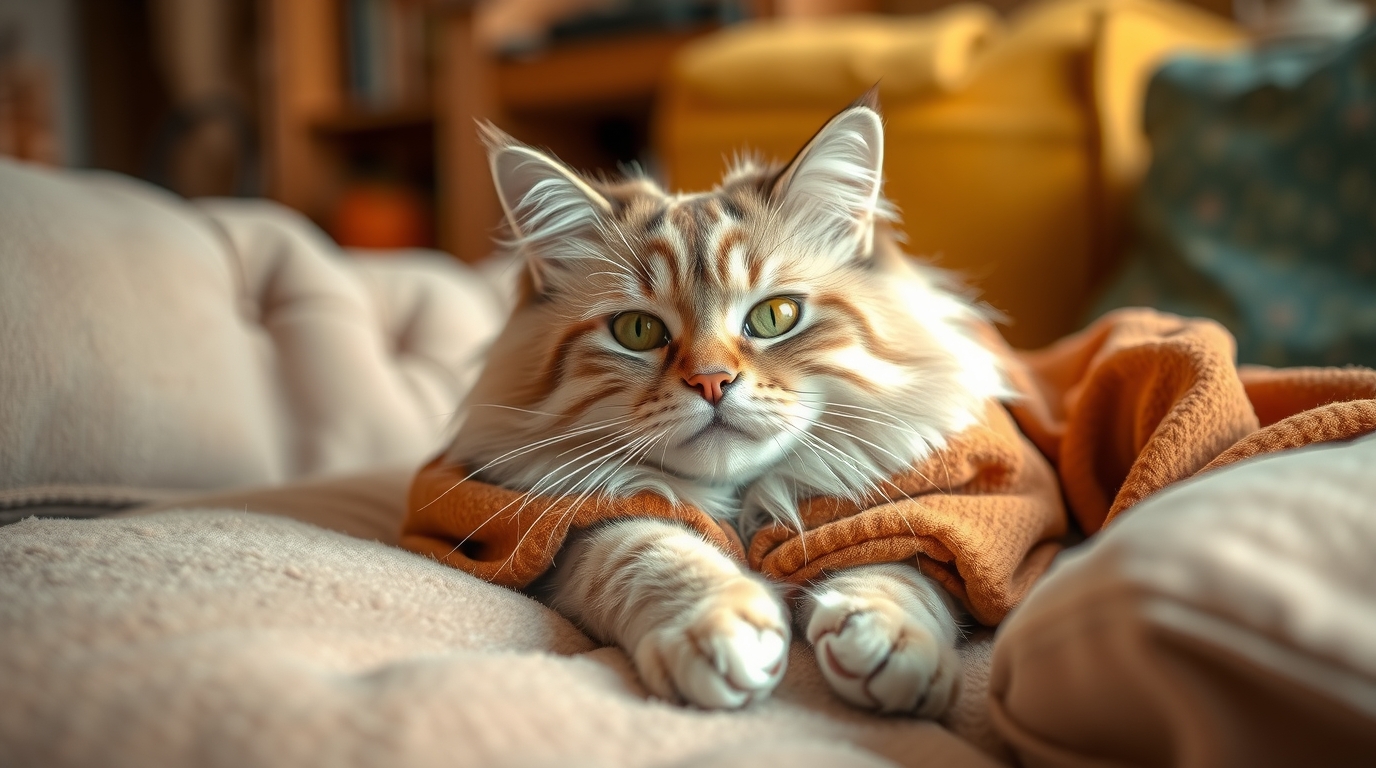
Dressing cats is no longer just a cute trend—it’s a practical necessity for many pet parents. From keeping hairless cats warm and protecting post-surgery wounds to adding festive outfits and calming anxiety, cat clothing serves multiple purposes. However, the biggest challenge most owners face is sizing.
Cats vary widely in body shape, fur density, and comfort tolerance, which makes choosing the right size tricky. That’s why understanding a cat clothes size chart is essential before buying or making any outfit.
This in-depth guide explains how cat clothing sizes work, how to measure your cat accurately, how sizing differs by age, breed, and body type, and how to avoid the most common mistakes. Whether you’re shopping online, sewing at home, or buying seasonal wear, this guide will help you get the perfect fit—comfortably and safely.
Why Cat Clothing Size Matters More Than You Think
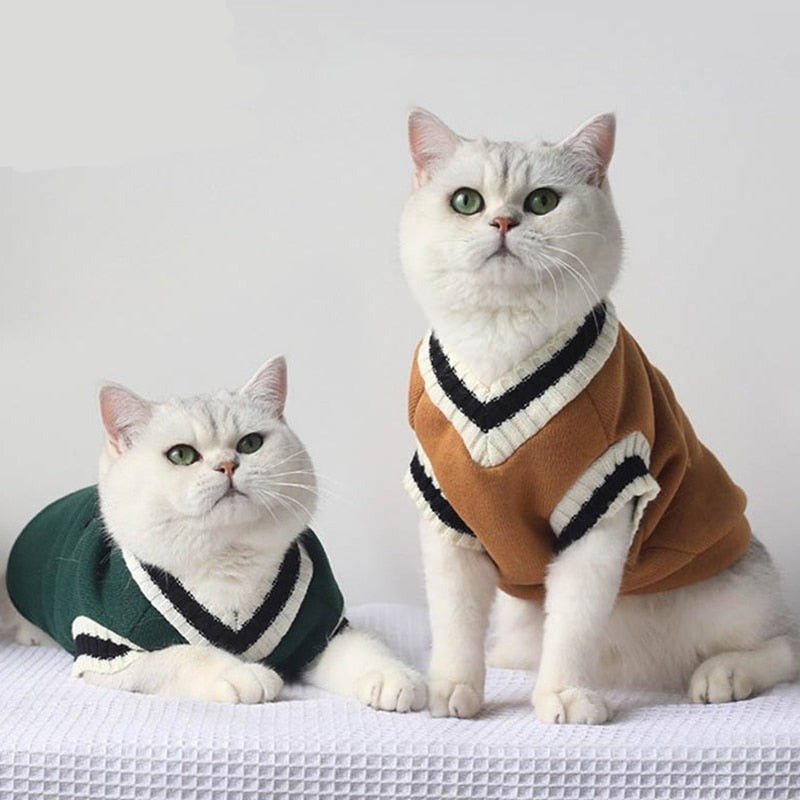
Cats are extremely sensitive animals. Clothing that is too tight can restrict movement, cause stress, or interfere with breathing. Clothing that is too loose can slip, twist, or become a safety hazard. Unlike dogs, cats have flexible spines, narrow shoulders, and deep chests relative to their size, which makes sizing even more important.
A proper cat clothes size chart ensures:
- Full range of movement
- No pressure on the neck or chest
- Comfortable walking, sitting, and grooming
- Reduced anxiety and resistance
- Better acceptance of clothing over time
Correct sizing is the difference between a cat tolerating clothes and completely rejecting them.
Understanding Cat Body Anatomy for Clothing
Before using a size chart, it’s important to understand how cat bodies differ from other pets.
Cats generally have:
- Narrow shoulders
- Flexible rib cages
- Long torsos
- Smaller necks relative to chest size
This means cat clothing must be measured differently from dog clothing. Using dog sizes for cats often results in poor fit.
How Cat Clothes Size Charts Work
Most cat clothes size charts are based on three core measurements:
- Neck circumference
- Chest (girth) circumference
- Back length
Some charts may also include weight, but weight alone is not reliable due to differences in body composition.
How to Measure Your Cat for Clothes (Step-by-Step)
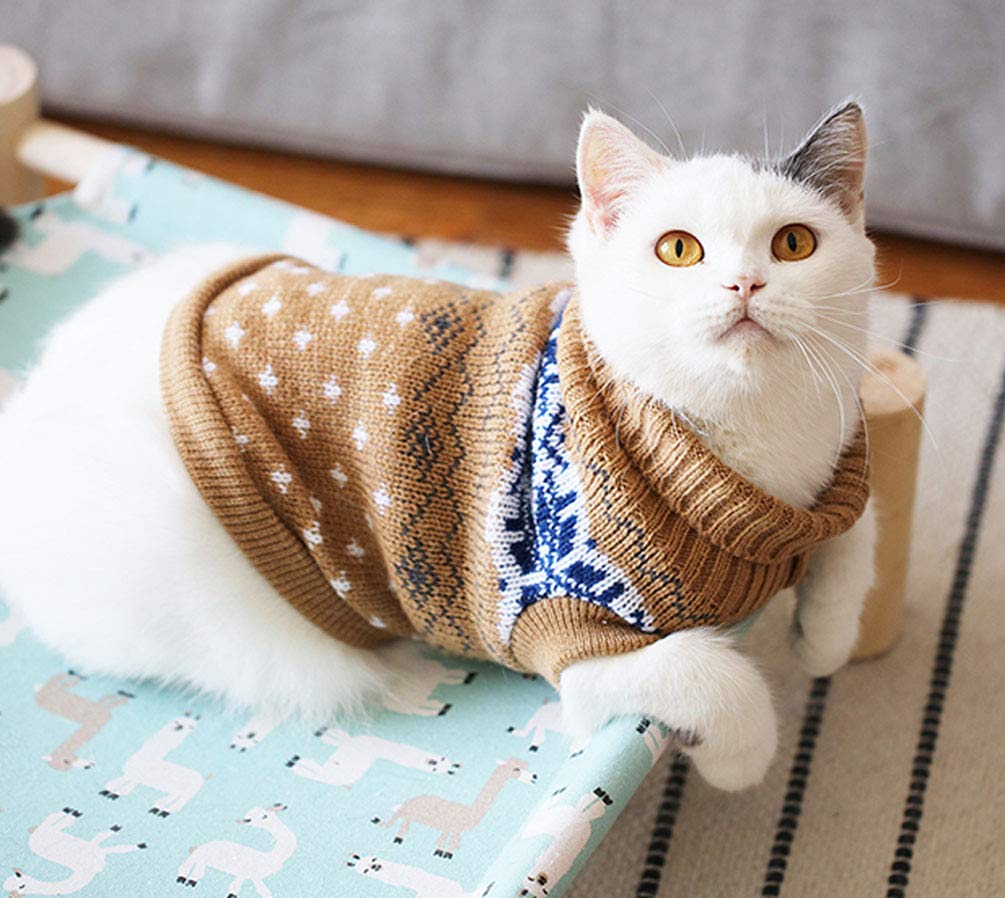
Accurate measurements are the foundation of using any cat clothes size chart.
1. Neck Measurement
Measure around the base of your cat’s neck where a collar naturally sits. Leave room for one finger to ensure comfort.
2. Chest (Girth) Measurement
Measure the widest part of your cat’s chest, usually just behind the front legs. This is the most important measurement for clothing fit.
3. Back Length
Measure from the base of the neck (not the collar) to the base of the tail. Do not include the tail.
Always measure when your cat is standing naturally—not sitting or stretching.
Standard Cat Clothes Size Chart (General Guide)
Below is a commonly used reference for cat clothing sizes. This chart is meant as a guideline and may vary by brand.
| Size | Neck (cm) | Chest (cm) | Back Length (cm) | Weight Range |
|---|---|---|---|---|
| XS | 18–20 | 26–28 | 18–20 | 1–2 kg |
| S | 20–22 | 28–32 | 20–25 | 2–3 kg |
| M | 22–24 | 32–36 | 25–30 | 3–4.5 kg |
| L | 24–26 | 36–40 | 30–35 | 4.5–6 kg |
| XL | 26–28 | 40–44 | 35–40 | 6–8 kg |
Always prioritize chest measurement over weight.
Cat Clothes Size Chart by Age
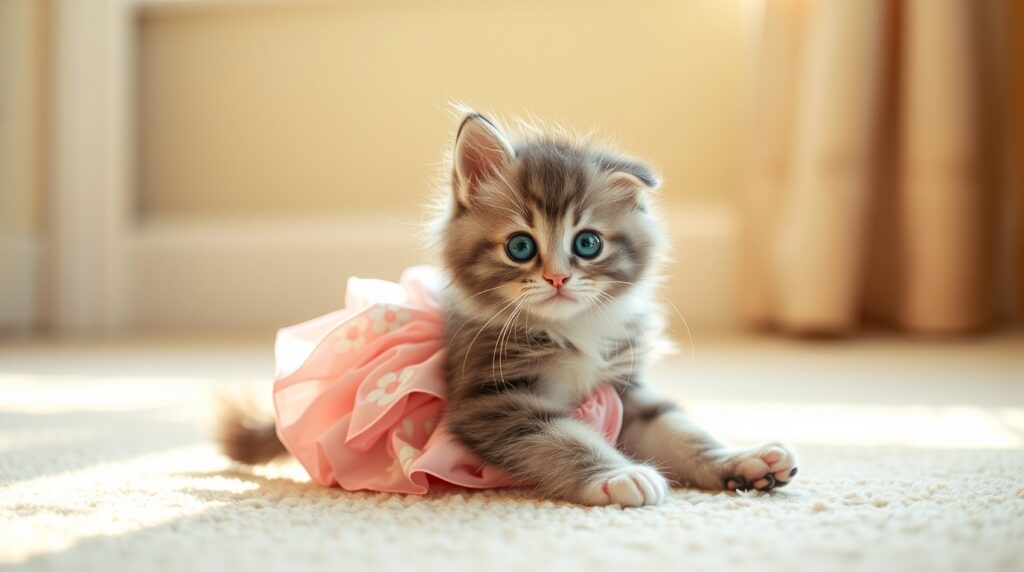
Age affects body shape and tolerance to clothing.
Kitten Size Chart
Kittens grow rapidly, so sizing must allow room for growth.
- Best clothing types: lightweight vests, soft cotton shirts
- Avoid tight fits
- Expect frequent size changes
Kittens often outgrow clothes within weeks.
Adult Cat Size Chart
Adult cats have stable body dimensions.
- Ideal for sweaters, jackets, costumes
- Measure every 6–12 months
- Indoor cats may gain weight gradually
Adult sizing is the most consistent.
Senior Cat Size Chart
Senior cats may lose muscle or gain fat unevenly.
- Choose stretchable fabrics
- Avoid tight neck openings
- Prioritize comfort over style
Senior cats benefit most from properly sized clothing for warmth.
Cat Clothes Size Chart by Breed
Breed significantly impacts sizing due to body structure.
Small & Slim Breeds
Examples: Siamese, Oriental Shorthair
- Narrow chest
- Long torso
- Often need longer back length with smaller girth
Medium Build Breeds
Examples: Domestic Shorthair, Bengal
- Balanced proportions
- Standard size charts usually work well
Large & Heavy Breeds
Examples: Maine Coon, Ragdoll
- Broad chest
- Longer back
- Often need XL or custom sizing
Breed-specific consideration helps avoid sizing errors.
Hairless Cats & Special Fit Requirements
Hairless cats (like Sphynx) have unique needs:
- More sensitive skin
- Need warmth
- Require soft, breathable fabrics
For these cats, the cat clothes size chart should prioritize:
- Stretch
- Seam placement
- Neck comfort
Tight seams can irritate bare skin.
Seasonal Cat Clothing & Size Considerations
Winter Clothes
- Thicker material
- Slightly looser fit for layering
- Avoid restricting movement
Summer Clothes
- Lightweight cotton
- Snug but breathable
- Avoid tight chest area
Seasonal fabric thickness can affect perceived size.
Cat Clothes Size Chart for Harness-Style Clothing
Some cat clothes integrate harnesses or leashes.
Sizing rules:
- Chest fit must be precise
- Neck must not restrict breathing
- Adjustable straps preferred
Always test indoors before outdoor use.
Common Cat Clothes Sizing Mistakes
Using weight alone
Ignoring chest measurement
Choosing dog clothing sizes
Buying too tight “for looks”
Not checking return policies
Most returns happen due to incorrect sizing, not poor quality.
Signs Clothing Fits Your Cat Correctly
- Cat walks normally
- No freezing or crouching
- No excessive scratching
- Able to groom freely
- Calm behavior after wearing
If your cat lies down and refuses to move, the fit may be uncomfortable.
How to Introduce Clothes After Choosing the Right Size
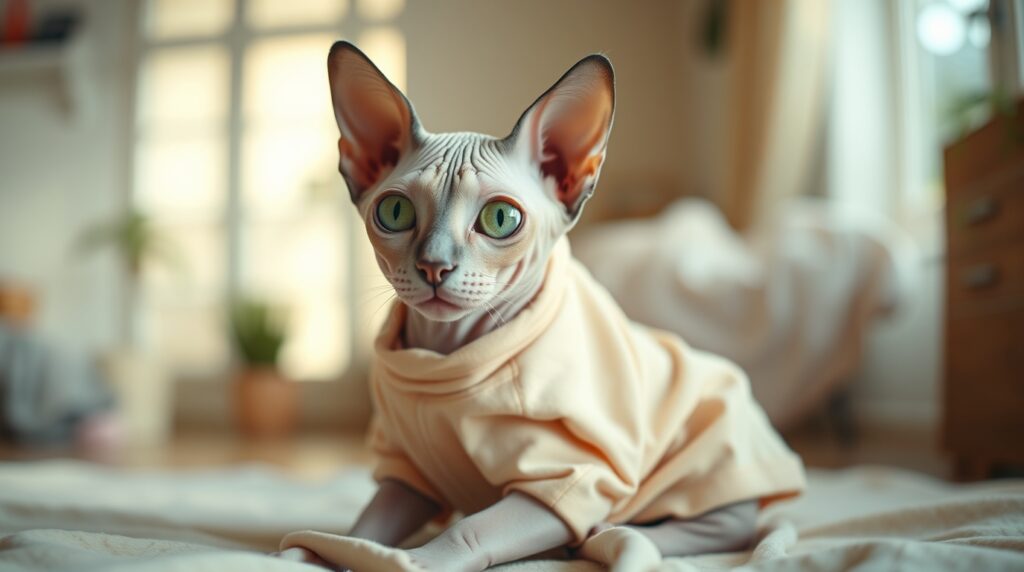
Even perfect sizing needs gradual introduction.
Steps:
- Let cat sniff the clothing
- Start with short wear times
- Reward with treats
- Increase duration slowly
Proper sizing speeds up acceptance dramatically.
Cat Clothes Size Chart for Online Shopping
When buying online:
- Always check brand-specific charts
- Read reviews for fit feedback
- Size up if between sizes
- Look for stretchable materials
Never assume “small” means the same across brands.
Custom & DIY Cat Clothes Sizing
If sewing at home:
- Add 1–2 cm seam allowance
- Use stretch fabrics
- Test with temporary stitches
DIY clothing allows perfect customization using your cat’s exact measurements.
Safety Tips When Using Cat Clothes
- Never leave unsupervised initially
- Avoid buttons, strings, or loose parts
- Remove clothing if cat shows distress
- Do not use clothing to restrain behavior
Comfort and safety always come first.
Frequently Asked Questions (FAQs)
How do I know my cat’s clothing size?
Measure neck, chest, and back length, then match to a cat clothes size chart.
Should I size up or down for cats?
If between sizes, size up for comfort.
Can cats wear dog clothes?
Not recommended. Dog clothes rarely fit cat anatomy correctly.
How tight should cat clothes be?
Snug but not tight. You should fit one finger comfortably.
Do cats need clothes?
Only in specific cases—cold climates, hairless breeds, post-surgery, or anxiety support.
Conclusion
Choosing the right cat clothes size chart is the key to safe, comfortable, and stress-free cat clothing. By measuring accurately, understanding your cat’s body type, and using size charts correctly, you can avoid discomfort, wasted purchases, and behavioral resistance. Whether you’re dressing your cat for warmth, recovery, or style, fit always matters more than fashion. A well-fitted outfit keeps your cat comfortable, confident, and happy.
Also Read:
- Cat Feeding Schedule for Weight Loss – 2026 Complete Guide
- Cat Food Nutrition Guide – The Complete 2026 Feeding Chart