

Choosing the right cat food isn’t just about picking a popular brand or the most expensive bag on the shelf. The real key to raising a healthy, energetic, long-lived cat is understanding what should be inside your cat’s food and why it matters. This Cat Food Nutrition Guide covers everything you need to know about nutrients, protein sources, feeding amounts, label reading, and wet vs dry food decisions — all based on real feline biology, not marketing claims.
Whether you’re a first-time cat parent or someone trying to improve your cat’s health, this guide will help you make informed decisions and avoid common mistakes that lead to obesity, kidney issues, digestive problems, or nutrient deficiencies.
Why Proper Cat Nutrition Matters
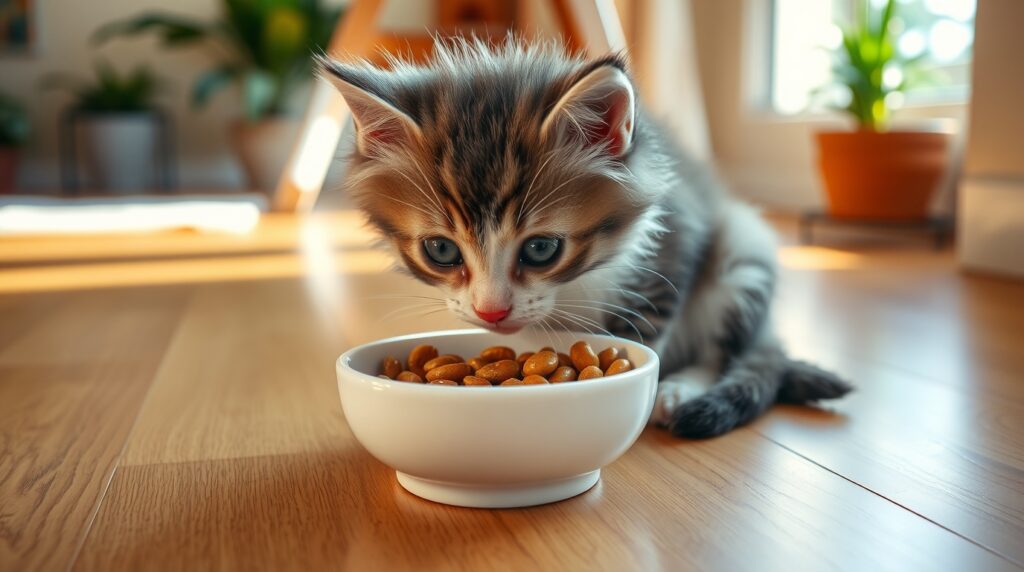
Cats are obligate carnivores, meaning they rely on nutrients found naturally in meat. Unlike dogs, who can digest vegetables and grains easily, cats require high levels of animal protein and essential amino acids to survive. Feeding the wrong diet can lead to serious health conditions such as:
- Urinary tract disease
- Diabetes and obesity
- Heart problems (from taurine deficiency)
- Digestive disorders
- Coat dryness and skin problems
- Kidney disease (very common in senior cats)
This is why a well-planned diet is essential at every stage of life — kitten, adult, senior, or special-needs cats.
Essential Nutrients Every Cat Food Must Have
To choose the best cat food, look for these key nutritional components:
1. High-Quality Animal Protein
Cats need high protein levels from real meat sources — such as chicken, turkey, tuna, salmon, rabbit, or beef. Protein supports:
- Muscle strength
- Growth and tissue repair
- Immune function
- Energy and metabolism
Ideal range: 30–45% protein in dry food; 9–10% in wet food (≈ 70% hydrated)
2. Essential Amino Acids (Taurine & Arginine)
Taurine is critical for:
- Heart health
- Vision
- Brain development
- Reproduction
Dog food doesn’t contain enough taurine — which is why cats should never be fed dog food long-term.
3. Healthy Fats & Omega Fatty Acids
Fats provide energy and support:
- Skin and coat health
- Hormone balance
- Body temperature regulation
Look for foods with Omega-3 and Omega-6 fatty acids from fish oil or flaxseed.
4. Vitamins & Minerals
Required vitamins include A, D, B-complex, E, K, and minerals such as calcium, phosphorus, magnesium, zinc. These must be properly balanced to support bones, immunity, and organ health.
5. Controlled Carbohydrates
Cats do not need large amounts of carbs. Excess grains can lead to weight gain and diabetes.
Prefer formulas with:
- Less corn, wheat, or soy
- More meat-based ingredients
6. Moisture (Hydration Support)
Cats naturally drink less water, so wet food helps prevent kidney and urinary problems.
Best daily practice: Mix wet + dry feeding.
Wet Food vs Dry Food – Which Is Better?
| Type | Benefits | Best For |
|---|---|---|
| Wet Food | Hydration support, urinary health, weight control, softer texture | Indoor, senior, male cats, urinary-prone |
| Dry Food | Convenient, cost-effective, good for dental exercise | Free-feeding control, active cats |
| Mixed Feeding | Balanced hydration + convenience | Recommended for most cats |
Veterinarians strongly recommend wet food daily, especially for neutered males to prevent urinary blockages.
How to Read Cat Food Labels Like a Pro
Look for:
- Named meat (e.g., “chicken meal,” not “meat by-products”)
- AAFCO nutrient adequacy statement
- Ingredients listed in descending order
Avoid: - Chemical preservatives (BHA, BHT)
- Artificial colors/flavors
- High corn and wheat filler content
- Undefined meat sources
How Much Should You Feed a Cat?
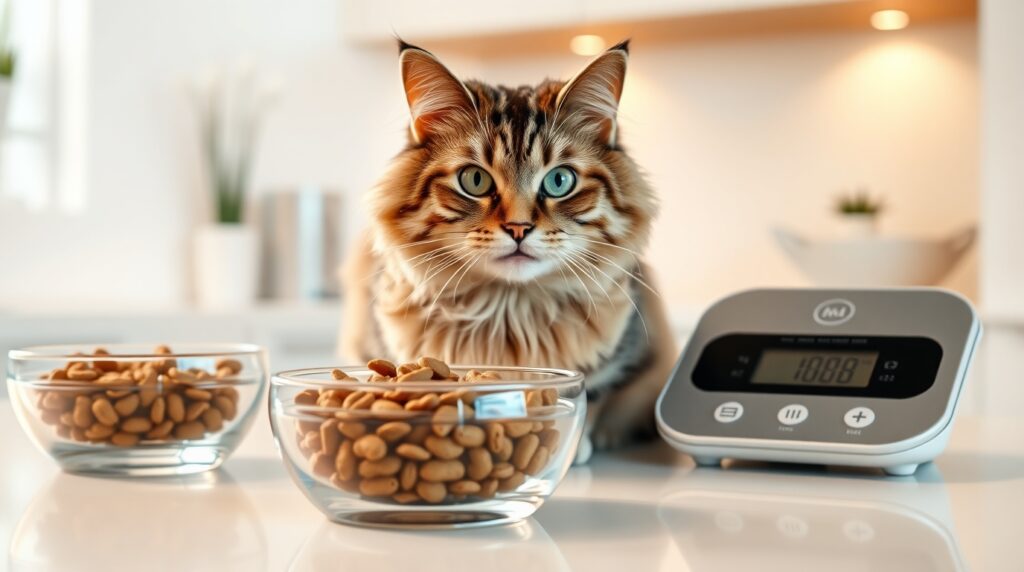
General calorie guide based on weight:
| Weight | Calories Needed per Day |
|---|---|
| 3 kg / 6.6 lb | 170–210 cal |
| 4 kg / 8.8 lb | 220–260 cal |
| 5 kg / 11 lb | 260–310 cal |
Typical feeding schedule:
Morning — Wet food
Afternoon — Dry portion
Evening — Wet food
Special Nutrition Considerations
For Kittens
High protein and fat, DHA for brain development
Feed 3–4 meals/day
For Neutered Cats
Lower calories, higher hydration, avoid free-feeding
For Senior Cats
Soft wet diets, kidney support, easier digestibility
For Overweight Cats
High-protein low-carb diet + slow feeders + exercise
Common Cat Feeding Mistakes to Avoid
❌ Free feeding unlimited dry food
❌ Feeding dog food or human food
❌ Sudden diet changes
❌ Ignoring hydration
❌ Choosing cheap filler-based brands
Final Thoughts – Building the Best Diet for Your Cat
A high-quality cat diet is built on meat-based protein, taurine, healthy fats, balanced vitamins, and moisture-rich food. Always consider age, weight, and activity level, and combine wet and dry food for optimal health. With the right nutrition plan, your cat will enjoy a longer, happier, and more energetic life.
FAQs – Cat Food Nutrition Guide
What is the most important nutrient for cats?
Animal-based protein and taurine are essential.
Is wet or dry cat food healthier?
Wet food is healthier for hydration and urinary safety; dry food is convenient. A mix is best.
Can cats eat human food?
Only a few items are safe; many are toxic. Always check first.
Why is taurine important?
Without taurine, cats can go blind and develop fatal heart disease.
How can I prevent obesity in cats?
Measure portions, control calories, and avoid free-feeding.
Also Read:
- Cat Feeding Chart by Age Calculator – Complete 2026 Guide to How Much to Feed Your Cat
- Male Cat Feeding Chart by Age – Complete 2026 Nutrition Guide for Healthy Growth