

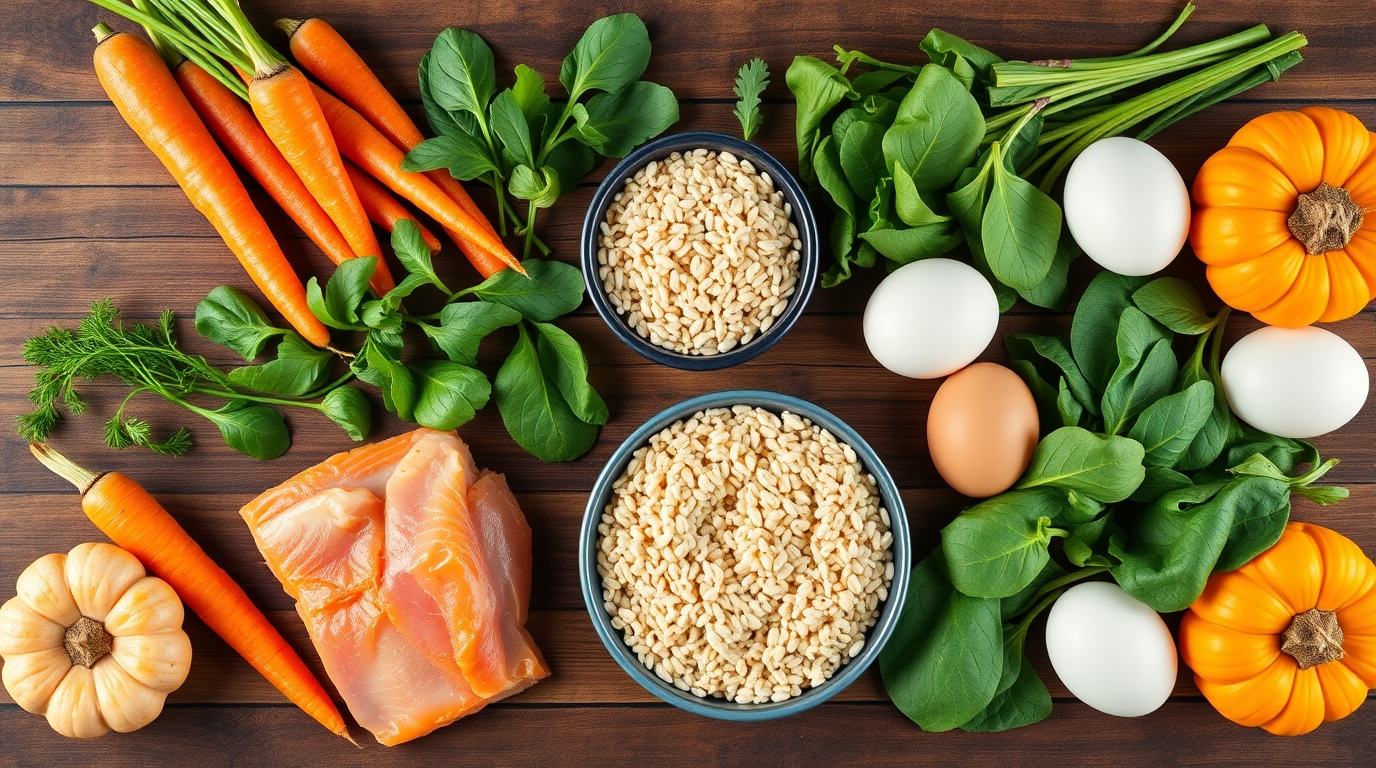
Feeding your dog isn’t just about filling a bowl with kibble. More and more pet owners are exploring nutritionally complete homemade dog food recipes to ensure their dogs receive fresh, balanced, and wholesome nutrition. While homemade meals can be incredibly beneficial, they must be carefully prepared to provide the right balance of proteins, fats, vitamins, and minerals.
In this comprehensive guide, you’ll learn what makes homemade dog food nutritionally complete, the best ingredients to use, easy recipes you can prepare at home, and tips to ensure your dog gets all the nutrients needed for a long and healthy life.
Why Choose Nutritionally Complete Homemade Dog Food?
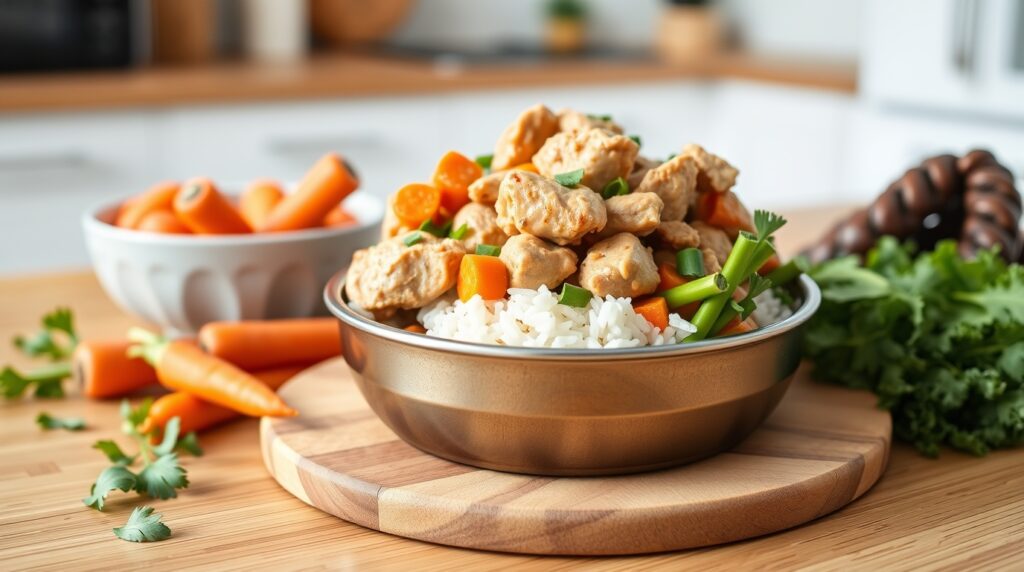
Commercial dog foods are convenient, but they may contain preservatives, fillers, and artificial ingredients. Homemade dog food allows you to control exactly what goes into your dog’s meals.
Benefits of Homemade Dog Food
- Fresh and natural ingredients
- Control over food quality
- Reduced exposure to artificial additives
- Better management of food allergies
- Custom nutrition based on your dog’s needs
However, homemade dog food must be balanced and nutritionally complete, otherwise it can cause deficiencies over time.
What Does “Nutritionally Complete” Mean for Dogs?
A nutritionally complete dog meal contains the right proportions of:
- Protein for muscle development
- Healthy fats for energy and skin health
- Carbohydrates for sustained energy
- Vitamins and minerals for immune function
- Fiber for digestion
Veterinarians often recommend the following approximate ratio for homemade dog meals:
- 40% protein
- 30% vegetables
- 20% carbohydrates
- 10% healthy fats and supplements
This balance ensures your dog receives adequate nutrients without excess calories.
Essential Ingredients for Homemade Dog Food
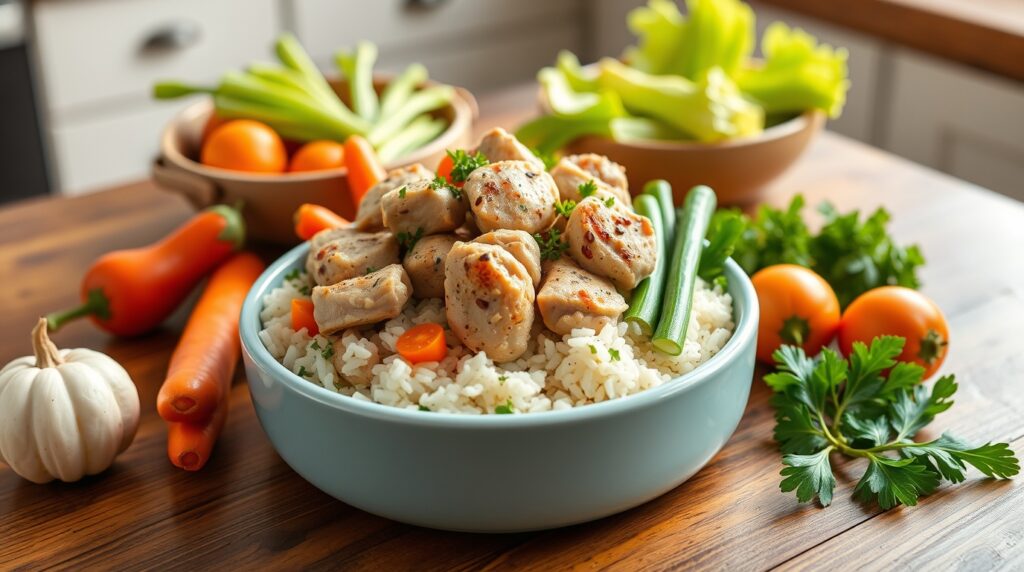
Before diving into recipes, it’s important to understand the ingredients that make meals nutritious.
High-Quality Protein Sources
Protein is the foundation of a healthy dog diet.
Best options include:
- Chicken
- Turkey
- Lean beef
- Salmon
- Eggs
- Lamb
Protein helps build strong muscles and supports overall growth.
Healthy Carbohydrates
Carbohydrates provide energy and aid digestion.
Good choices include:
- Brown rice
- Sweet potatoes
- Oats
- Quinoa
- Whole grains
These carbohydrates release energy slowly and support gut health.
Dog-Safe Vegetables
Vegetables provide vitamins, antioxidants, and fiber.
Safe options include:
- Carrots
- Green beans
- Spinach
- Pumpkin
- Peas
- Zucchini
Vegetables also help regulate digestion.
Healthy Fats
Dogs need fats for brain health and energy.
Recommended sources:
- Fish oil
- Coconut oil
- Olive oil
- Flaxseed oil
These fats also improve coat shine and skin condition.
Top Nutritionally Complete Homemade Dog Food Recipes

Below are balanced recipes designed to provide complete nutrition.
1. Chicken and Rice Balanced Dog Meal
This is one of the most popular nutritionally complete homemade dog food recipes.
Ingredients
- 2 cups cooked chicken breast
- 1 cup cooked brown rice
- ½ cup carrots
- ½ cup peas
- 1 tablespoon fish oil
Preparation
- Cook the chicken thoroughly and shred it.
- Cook brown rice separately.
- Steam carrots and peas.
- Mix all ingredients in a bowl.
- Add fish oil and stir well.
Benefits
- High protein
- Easy digestion
- Great for sensitive stomachs
2. Beef and Sweet Potato Power Bowl
A hearty meal that supports muscle growth and energy.
Ingredients
- 2 cups lean ground beef
- 1 cup sweet potatoes
- ½ cup spinach
- ½ cup carrots
- 1 tablespoon olive oil
Preparation
- Cook the ground beef until fully done.
- Boil or bake sweet potatoes.
- Steam vegetables lightly.
- Combine everything and drizzle olive oil.
Benefits
- Iron-rich meal
- Great for active dogs
- Supports immune health
3. Salmon and Quinoa Nutrient Bowl
Perfect for dogs with skin sensitivities.
Ingredients
- 1½ cups cooked salmon
- 1 cup quinoa
- ½ cup zucchini
- ½ cup spinach
- 1 teaspoon flaxseed oil
Preparation
- Bake salmon until cooked.
- Cook quinoa separately.
- Steam vegetables lightly.
- Combine and mix flaxseed oil.
Benefits
- Omega-3 rich
- Supports skin and coat health
- Highly digestible
4. Turkey and Vegetable Balanced Meal
This meal is light but nutritionally dense.
Ingredients
- 2 cups ground turkey
- 1 cup brown rice
- ½ cup green beans
- ½ cup carrots
- 1 tablespoon coconut oil
Preparation
- Cook turkey thoroughly.
- Prepare rice and vegetables separately.
- Mix ingredients and add coconut oil.
Benefits
- Lean protein source
- Ideal for weight management
- Provides fiber and vitamins
5. Egg and Oat Breakfast for Dogs
A simple but nutritious homemade meal.
Ingredients
- 2 eggs
- ½ cup cooked oats
- ¼ cup pumpkin puree
- 1 teaspoon olive oil
Preparation
- Scramble eggs without salt or seasoning.
- Cook oats in water.
- Mix pumpkin puree and olive oil.
Benefits
- High protein breakfast
- Supports digestion
- Rich in fiber
Important Supplements for Homemade Dog Food
Even well-balanced homemade meals may need additional nutrients.
Calcium
Essential for bone health.
Sources:
- Crushed eggshell powder
- Calcium supplements
Omega-3 Fatty Acids
Promote healthy skin and reduce inflammation.
Sources:
- Fish oil
- Salmon oil
Multivitamins
Some dogs may benefit from canine multivitamins approved by veterinarians.
Foods You Should Never Feed Dogs
Certain foods are toxic and should never be included in homemade meals.
Avoid:
- Chocolate
- Grapes and raisins
- Onions and garlic
- Avocado
- Alcohol
- Artificial sweeteners (xylitol)
Always research ingredients before feeding them to your dog.
How Much Homemade Dog Food Should You Feed?
Portion size depends on:
- Dog’s weight
- Age
- Activity level
- Health conditions
A general guideline:
| Dog Weight | Daily Food Amount |
|---|---|
| 10 lbs | ¾ – 1 cup |
| 25 lbs | 1½ – 2 cups |
| 50 lbs | 2½ – 3 cups |
| 75 lbs | 3½ – 4 cups |
Divide meals into two servings per day.
Tips for Transitioning to Homemade Dog Food
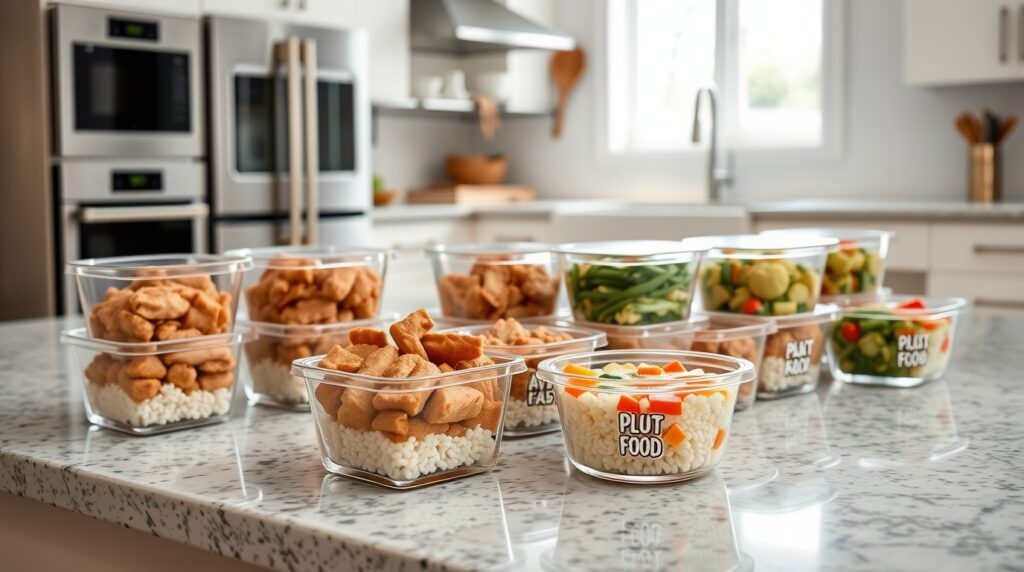
Switching foods too quickly can upset your dog’s stomach.
Follow this transition plan:
Day 1–2: 75% old food + 25% homemade
Day 3–4: 50% old food + 50% homemade
Day 5–6: 25% old food + 75% homemade
Day 7: 100% homemade diet
This gradual transition helps prevent digestive problems.
Storing Homemade Dog Food Safely
Homemade meals should be stored properly to prevent spoilage.
Storage tips:
- Refrigerate meals for up to 3–4 days
- Freeze portions for up to 3 months
- Use airtight containers
- Always reheat gently before serving
Common Mistakes When Making Homemade Dog Food
Many owners unintentionally make nutritional mistakes.
Avoid these common errors:
- Feeding only meat without vegetables
- Ignoring calcium requirements
- Overfeeding fats
- Using seasoning or salt
- Not consulting a veterinarian
Balanced nutrition is essential for long-term health.
Conclusion
Preparing nutritionally complete homemade dog food recipes is one of the best ways to ensure your dog receives fresh, high-quality nutrition. By using balanced ingredients such as lean proteins, healthy carbohydrates, vegetables, and essential fats, you can create meals that support your dog’s overall health, energy levels, and longevity.
However, balance is key. Always ensure your recipes contain the right proportions of nutrients and consult a veterinarian if you’re unsure. With proper planning and care, homemade dog food can become a healthy and rewarding part of your dog’s daily routine.
Frequently Asked Questions
1. Are homemade dog food recipes healthier than commercial food?
They can be healthier if they are nutritionally balanced and made with high-quality ingredients.
2. Can dogs eat homemade food every day?
Yes, as long as the meals are nutritionally complete and provide all essential nutrients.
3. Do homemade dog meals require supplements?
Often yes. Calcium and omega-3 supplements are commonly recommended.
4. How long can homemade dog food be stored?
Refrigerated meals last about 3–4 days, while frozen portions can last up to 3 months.
5. Is rice good for dogs in homemade recipes?
Yes, brown rice is a healthy carbohydrate that provides energy and supports digestion.
Also Read:
- Best Dog Food for Xoloitzcuintli Puppies – Complete Nutrition Guide (2026)
- Dog Food Calculator – The Ultimate Guide to Feeding Your Dog the Right Way