OURPETTAILS

Nutritionally Complete Homemade Dog Food Recipes – A Complete Guide for Healthy Dogs
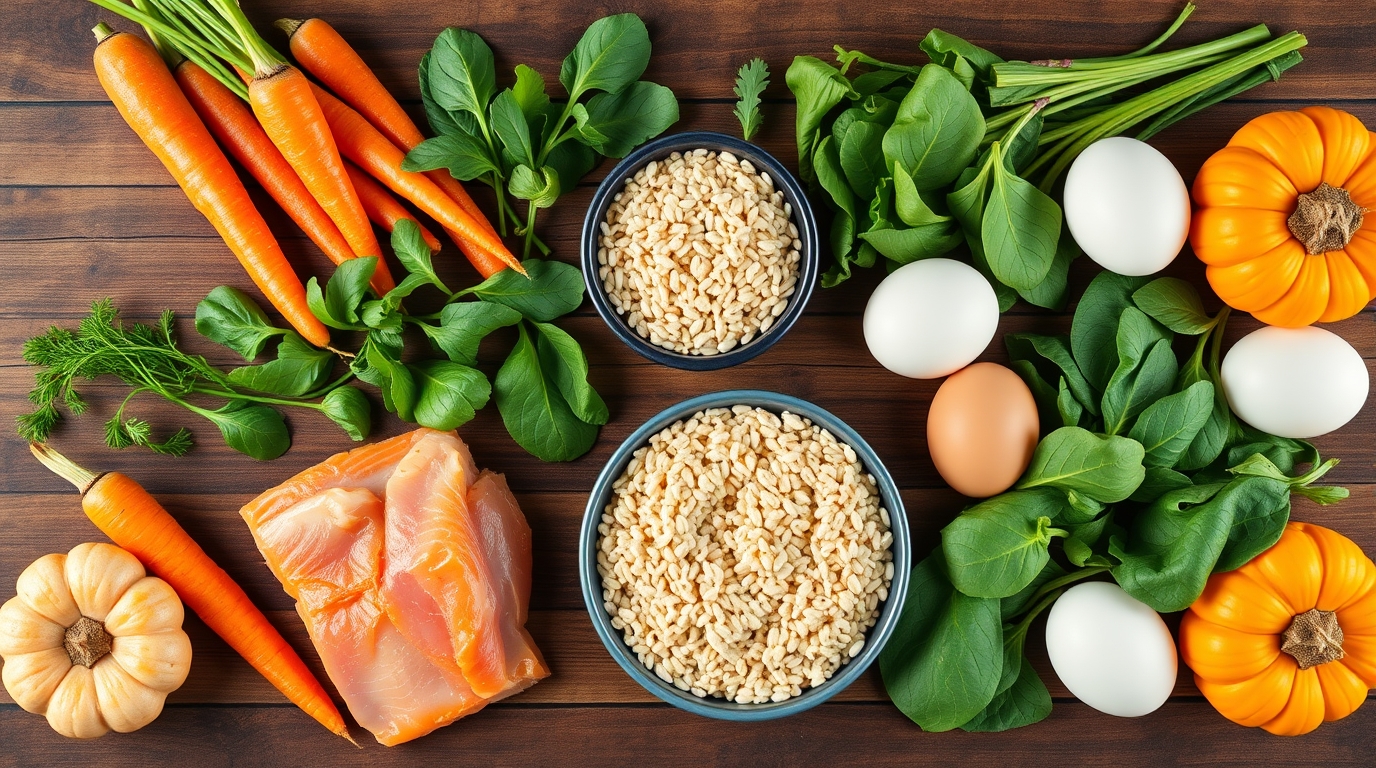
Nutritionally Complete Homemade Dog Food Recipes

Feeding your dog isn’t just about filling a bowl with kibble. More and more pet owners are exploring nutritionally complete homemade dog food recipes to ensure their dogs receive fresh, balanced, and wholesome nutrition. While homemade meals can be incredibly beneficial, they must be carefully prepared to provide the right balance of proteins, fats, vitamins, and minerals. In this comprehensive guide, you’ll learn what makes homemade dog food nutritionally complete, the best ingredients to use, easy recipes you can prepare at home, and tips to ensure your dog gets all the nutrients needed for a long and healthy life. Why Choose Nutritionally Complete Homemade Dog Food? Commercial dog foods are convenient, but they may contain preservatives, fillers, and artificial ingredients. Homemade dog food allows you to control exactly what goes into your dog’s meals. Benefits of Homemade Dog Food However, homemade dog food must be balanced and nutritionally complete, otherwise it can cause deficiencies over time. What Does “Nutritionally Complete” Mean for Dogs? A nutritionally complete dog meal contains the right proportions of: Veterinarians often recommend the following approximate ratio for homemade dog meals: This balance ensures your dog receives adequate nutrients without excess calories. Essential Ingredients for Homemade Dog Food Before diving into recipes, it’s important to understand the ingredients that make meals nutritious. High-Quality Protein Sources Protein is the foundation of a healthy dog diet. Best options include: Protein helps build strong muscles and supports overall growth. Healthy Carbohydrates Carbohydrates provide energy and aid digestion. Good choices include: These carbohydrates release energy slowly and support gut health. Dog-Safe Vegetables Vegetables provide vitamins, antioxidants, and fiber. Safe options include: Vegetables also help regulate digestion. Healthy Fats Dogs need fats for brain health and energy. Recommended sources: These fats also improve coat shine and skin condition. Top Nutritionally Complete Homemade Dog Food Recipes Below are balanced recipes designed to provide complete nutrition. 1. Chicken and Rice Balanced Dog Meal This is one of the most popular nutritionally complete homemade dog food recipes. Ingredients Preparation Benefits 2. Beef and Sweet Potato Power Bowl A hearty meal that supports muscle growth and energy. Ingredients Preparation Benefits 3. Salmon and Quinoa Nutrient Bowl Perfect for dogs with skin sensitivities. Ingredients Preparation Benefits 4. Turkey and Vegetable Balanced Meal This meal is light but nutritionally dense. Ingredients Preparation Benefits 5. Egg and Oat Breakfast for Dogs A simple but nutritious homemade meal. Ingredients Preparation Benefits Important Supplements for Homemade Dog Food Even well-balanced homemade meals may need additional nutrients. Calcium Essential for bone health. Sources: Omega-3 Fatty Acids Promote healthy skin and reduce inflammation. Sources: Multivitamins Some dogs may benefit from canine multivitamins approved by veterinarians. Foods You Should Never Feed Dogs Certain foods are toxic and should never be included in homemade meals. Avoid: Always research ingredients before feeding them to your dog. How Much Homemade Dog Food Should You Feed? Portion size depends on: A general guideline: Dog Weight Daily Food Amount 10 lbs ¾ – 1 cup 25 lbs 1½ – 2 cups 50 lbs 2½ – 3 cups 75 lbs 3½ – 4 cups Divide meals into two servings per day. Tips for Transitioning to Homemade Dog Food Switching foods too quickly can upset your dog’s stomach. Follow this transition plan: Day 1–2: 75% old food + 25% homemadeDay 3–4: 50% old food + 50% homemadeDay 5–6: 25% old food + 75% homemadeDay 7: 100% homemade diet This gradual transition helps prevent digestive problems. Storing Homemade Dog Food Safely Homemade meals should be stored properly to prevent spoilage. Storage tips: Common Mistakes When Making Homemade Dog Food Many owners unintentionally make nutritional mistakes. Avoid these common errors: Balanced nutrition is essential for long-term health. Conclusion Preparing nutritionally complete homemade dog food recipes is one of the best ways to ensure your dog receives fresh, high-quality nutrition. By using balanced ingredients such as lean proteins, healthy carbohydrates, vegetables, and essential fats, you can create meals that support your dog’s overall health, energy levels, and longevity. However, balance is key. Always ensure your recipes contain the right proportions of nutrients and consult a veterinarian if you’re unsure. With proper planning and care, homemade dog food can become a healthy and rewarding part of your dog’s daily routine. Frequently Asked Questions 1. Are homemade dog food recipes healthier than commercial food? They can be healthier if they are nutritionally balanced and made with high-quality ingredients. 2. Can dogs eat homemade food every day? Yes, as long as the meals are nutritionally complete and provide all essential nutrients. 3. Do homemade dog meals require supplements? Often yes. Calcium and omega-3 supplements are commonly recommended. 4. How long can homemade dog food be stored? Refrigerated meals last about 3–4 days, while frozen portions can last up to 3 months. 5. Is rice good for dogs in homemade recipes? Yes, brown rice is a healthy carbohydrate that provides energy and supports digestion. Also Read:

Healthy Dog Diet Homemade: 2026 Ultimate Guide

A happy Golden Retriever sitting beside a bowl of fresh homemade dog food with visible chicken, rice, carrots, and peas, bright daylight kitchen background, clean and cozy atmosphere

As a responsible dog parent, you want the best for your furry companion and that starts with nutrition. While commercial dog food is convenient, nothing beats the freshness, purity, and love that goes into a healthy dog diet homemade. Feeding your dog fresh, homemade meals not only boosts immunity and energy levels but also helps prevent allergies, obesity, and digestive issues caused by processed ingredients. In this comprehensive guide, we’ll walk you through how to plan a homemade dog food diet, including balanced recipes, portion guidelines, meal charts, and vet-approved tips for creating the perfect diet for your dog’s age, breed, and lifestyle. Why Choose a Homemade Diet for Dogs? Switching to a healthy dog diet homemade has several benefits that go beyond taste: When prepared correctly, a homemade dog food diet is one of the best ways to enhance your pet’s overall health and longevity. Understanding Your Dog’s Nutritional Needs Before preparing homemade dog food, it’s essential to understand what nutrients your dog actually needs. Dogs require a balanced combination of: A balanced diet for dogs ensures the perfect ratio of protein, fats, and carbohydrates (roughly 40% protein, 30% carbs, and 30% fats). Best Ingredients for a Healthy Homemade Dog Diet To build a truly healthy dog diet homemade, use a mix of high-quality ingredients that are safe and beneficial for dogs. ✅ Protein Sources: ✅ Carbohydrate Sources: ✅ Fats and Oils: ✅ Vegetables and Fruits: ⚠️ Avoid These Foods: Homemade Dog Food Recipes (Vet-Approved & Balanced) Here are some simple, healthy homemade dog food recipes you can prepare easily at home: 🥩 1. Chicken and Rice Bowl (Non-Veg) Ingredients: Benefits:High in protein and carbs — great for energy and muscle growth. 🧀 2. Paneer and Rice Meal (Vegetarian) Ingredients: Benefits:Perfect vegetarian dog diet for weight management and coat health. 🍠 3. Sweet Potato and Lentil Mash Ingredients: Benefits:Excellent for dogs with sensitive stomachs or recovering from illness. 🍳 4. Egg and Oatmeal Breakfast Ingredients: Benefits:A complete balanced diet for dogs, especially active breeds. 🥬 5. Vegetable Stew for Dogs Ingredients: Benefits:Hydrating, fiber-rich, and great for digestion and immunity. 📊 Dog Diet Chart (Homemade and Age-Based) To make things easier, here’s a general dog diet chart based on age and portion sizes. Dog Age Meals/Day Food Portion Recommended Foods Puppy (2–6 months) 4 1–1.5 cups/meal Boiled rice, curd, eggs, pumpkin Adolescent (6–12 months) 3 1.5–2 cups/meal Chicken, rice, lentils, veggies Adult (1–6 years) 2 2–3 cups/meal Paneer, eggs, sweet potatoes, oats Senior (7+ years) 2 1.5–2 cups/meal Soft rice, curd, boiled veggies ✅ You can download this as a Dog Diet Chart PDF to print and follow at home. 🐕 Dog Diet Chart for Weight Gain (Homemade Edition) If your dog needs to put on healthy weight, follow this dog diet chart for weight gain using homemade meals: Meal Ingredients Benefits Breakfast Eggs + Oats + Olive Oil Boosts muscle mass Lunch Rice + Paneer + Sweet Potato Adds calories naturally Snack Banana + Peanut Butter Rich in healthy fats Dinner Chicken + Rice + Ghee Builds strength and stamina 🏋️ Pro Tip: Add a spoonful of coconut oil or curd daily to improve digestion and promote healthy weight gain. 🐾 Feeding Guidelines Based on Dog Weight Knowing how much to feed your dog is key to a balanced homemade diet. Dog Weight (kg) Total Food per Day 5–10 kg 1.5–2 cups 10–20 kg 2.5–3 cups 20–30 kg 3–4 cups 30+ kg 4–5 cups Adjust portions based on activity level and breed. Puppies and working dogs need 20–30% more calories. 🧂 Tips for Preparing and Storing Homemade Dog Food 💊 Supplementing a Homemade Dog Diet Even the best healthy dog diet homemade may miss some essential nutrients. Ask your vet about adding: These ensure your dog’s homemade meals meet all AAFCO-recommended nutrition standards. 🥣 Sample 7-Day Healthy Homemade Dog Meal Plan Day Morning Meal Evening Meal Monday Oats + Eggs Rice + Paneer + Carrots Tuesday Rice + Pumpkin Sweet Potato + Lentils Wednesday Quinoa + Curd Rice + Tofu + Peas Thursday Eggs + Spinach Paneer + Brown Rice Friday Oats + Banana Rice + Vegetable Stew Saturday Curd + Oats Tofu + Pumpkin + Olive Oil Sunday Chicken + Rice Rice + Curd + Peas 🩺 Vet’s Advice for a Healthy Homemade Dog Diet 📘 Final Thoughts Feeding your furry friend a healthy dog diet homemade is one of the best ways to show love and care. By using fresh, balanced ingredients and maintaining proper proportions, you can ensure your dog enjoys a long, energetic, and disease-free life. Whether you choose vegetarian or non-veg recipes, always prioritize nutritional balance and vet guidance. Consistency and quality are what make a homemade diet truly healthy. For easy daily tracking, download our free Dog Diet Chart PDF, which includes meal ideas, feeding schedules, and portions by weight. A well-fed dog is not just happier , but healthier too. Also Read:

Best Homemade Dog Food Recipes for Senior Dogs: An Informative Guide

Homemade Dog Food Recipes

As dogs get older, their needs change, just like humans. Our senior dogs have been loyal family members for many years, and it is now our turn to give back to them. Their bodies are slower and less active than in youth, so they require special attention to stay healthy.  A balanced diet made specifically for senior dogs goes a long way in keeping them healthy. However, pet store food may contain additives or fillers that upset older digestive systems. Homemade dog food recipes for senior dogs allow full control over ingredients to suit each dog individually. In this article, we explore Homemade Dog Food for Senior dogs that support the wellness of aging Dogs. Why Homemade Food for Senior Dogs? Senior dogs have slowed metabolisms and lower activity levels than when younger. Their digestive systems are weaker, requiring gentle food yet providing complete nutrition. Store-bought food may have preservatives or fillers upsetting their stomachs. Home made dog food recipes for senior dogs allows using easily digestible components catering to a senior’s needs. Dogs love the aroma and taste of natural ingredients cooked with love at home. Knowing exactly what’s in their meals gives owners peace of mind for their beloved companions. Homemade Dog Food Recipes for Senior Dogs Below, we will talk about why senior dogs need special food and give recipes for homemade meals you can make with love for your aging furry friend: Brown Rice, Turkey, and Veggies Brown rice is an excellent home made dog food for senior pug as it is easy to digest and provides healthy carbohydrates. Turkey is a lean, hypoallergenic protein that provides minerals and other nutrients without being too rich or greasy. Chopped vegetables like carrots and green beans add vitamins, fiber, and antioxidants. A diet with these wholesome ingredients in balanced proportions nourishes aging bodies while being gentle on sensitive tummies.  Homemade Dog Food Recipe for Sensitive Senior Dog Tummies Many older dogs experience gastrointestinal issues like gas, diarrhea, or constipation. A bland, simple homemade recipe can relieve such troubles. Boil hickory-smoked ham hocks until tender. Remove bones and shred meat. Soften rice in the broth. Mix with plain, non-fat yogurt for probiotics. The light, easy-to-digest meal soothes and calms sensitive tummies.  Chicken Casserole for Dogs Baked casserole-style meals are comforting, warm, and wonderful to smell. Shred poached boneless skinless chicken and stir into a rice-veggie mixture. Top with a beaten egg, then bake until lightly browned. Chopped zucchini, sweet potato, and carrot provide balanced nutrients. The wholesome ingredients and baking process make this recipe easy for aging jaws and digestion, too. Local shelters find casseroles a hit with their older rescues. Peanut Butter and Banana Dog Biscuits An occasional sweet treat promotes happiness. Mash very ripe bananas into creamy peanut or almond butter. Knead in whole-wheat flour until dough forms. Roll and shape with treat cutters. Bake until dry but not hard. Bananas add potassium, while natural nut kinds of butter supply protein, healthy fats, and calories. Dogs everywhere wag their tails for these!  Grain-Free Recipe for Senior Dogs Some aging dogs do better without grains. Simmer ground meat (turkey, bison, or chicken) with bone-in cuts like neck bones in water. Once meat is falling off bones, remove solids and chill stock. Skim fat. Soften diced root vegetables like sweet potato in the stock. Add pureed pumpkin or beans for fiber and serve. The warm, savory meal provides protein, easy calories, and minerals in a form senior tummies tolerate well. Local shelters and rescues serve this weekly. Homemade Raw Dog Food Feeding raw food can benefit seniors due to high digestibility and nutrient availability. Grind or chop raw meaty bones, organ meats, and muscle meats. For balance, add pureed vegetables or fruits. Provide as-is or mold into logs or patties. The unprocessed ingredients optimize nutrition for dogs that are losing the ability to extract maximum benefit from kibble.  Bacon Cornmeal Dog Biscuits Avoid hard, crunchy treats that can crack aging teeth. Combine cornmeal, wheat flour and minced bacon for a soft treat. Add yogurt, beat an egg, and knead the dough. Roll into balls and flatten on a cookie sheet before baking until dry on the outside but still slightly soft inside. The wholesome ingredients and texture support dental and bone health in senior dogs. Diet Requirements for Senior Dogs Senior dogs require fewer calories, but balanced nutrition becomes more vital. Protein provides building blocks for muscles, organs, and immune cells. Essential fats support brain and coat health. Fiber promotes regular bowel movements and may prevent chronic conditions. Calcium and vitamin D prevent thin bones, while antioxidants like vitamins E and C protect against cellular damage. Homemade meals tailored to your dog’s needs deliver these nutrients naturally. Calorie Considerations for Senior Dogs Most senior dogs need 20-30% fewer daily calories to prevent obesity, which adds strain. Maintaining an ideal weight becomes especially important. Reduce meal amounts gradually to prevent your pup from feeling deprived. Monitor hip bones, ribs, and waist – hips should not feel sharply prominent, but ribs are only barely palpable under a thin coat. Play encouraging games, cuddle sessions, and scent exploration around the home or park, and burn extra calories if needed. Weight management keeps senior dogs mobile and energized. Protein Considerations for Senior Dogs Protein supports muscle and organ maintenance, which becomes key to mobility and health as dogs age. Provide at least 10-15% of calories from protein, ideally from a variety of whole food sources. Bone-in meat adds nutrients and ensures adequate protein intake. Eggs, fish, cottage cheese, and plain yogurt also nourish aging bodies.  Avoid very fatty cuts or rich gravies that can overwhelm the liver or pancreas. Proper protein prevents frailty, supports the immune system, and delays muscle loss due to its tissue repair properties. Conclusion Senior dogs have earned our extra love and care as they age, just as our grandparents do. By making homemade meals using easy-to-digest proteins, whole grains, and vegetables, we can support their health and … Read more