

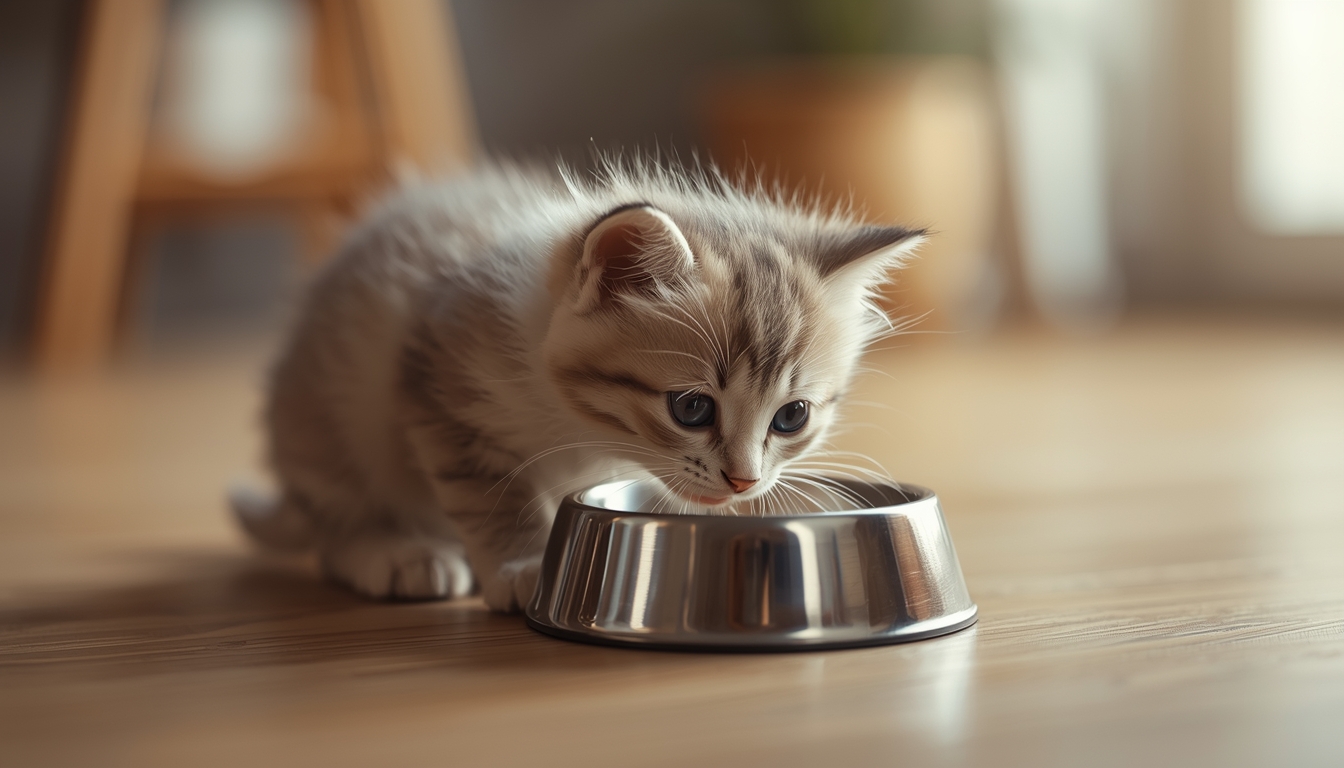
If you’ve just brought home a kitten, one of the first questions you’ll probably ask is: can kittens eat adult cat food? It might seem harmless to share the same food with your adult cat, but when it comes to feline nutrition, age matters more than you think.
Kittens are not just smaller versions of adult cats—they have completely different nutritional needs. Feeding them the wrong type of food, especially during their early growth stage, can impact their development, energy levels, and overall health.
In this detailed, SEO-optimized guide, we’ll break down whether kittens can eat adult cat food, when it’s safe, the risks involved, and what you should feed your kitten for optimal growth.
Can Kittens Eat Adult Cat Food?
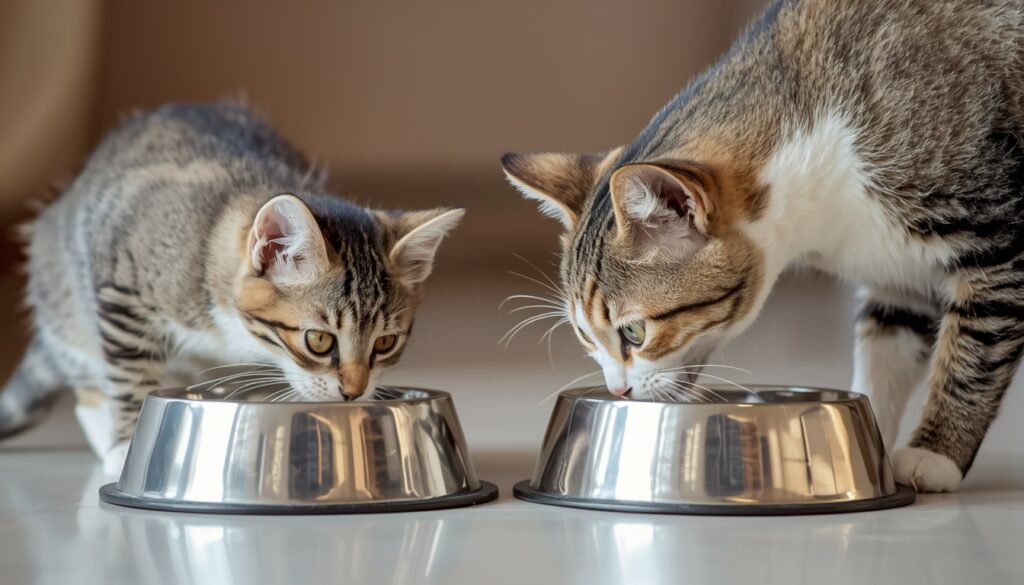
Yes, kittens can eat adult cat food in small amounts or emergencies, but it should never be their primary diet. Adult cat food is formulated for maintenance, while kittens require food designed for growth and development.
Kittens need more calories, protein, fat, and essential nutrients compared to adult cats. Feeding them adult food regularly may lead to nutritional deficiencies over time.
Why Kittens Need Special Food
Kittens grow rapidly, especially in their first year. During this stage, their bodies are developing bones, muscles, organs, and immune systems.
Key Nutritional Needs of Kittens
- Higher protein levels for muscle growth
- More calories for energy and development
- Essential fatty acids (DHA) for brain and vision
- Calcium and phosphorus for strong bones
- Vitamins and minerals for immunity
Adult cat food simply doesn’t provide these nutrients in the required amounts.
Difference Between Kitten Food and Adult Cat Food
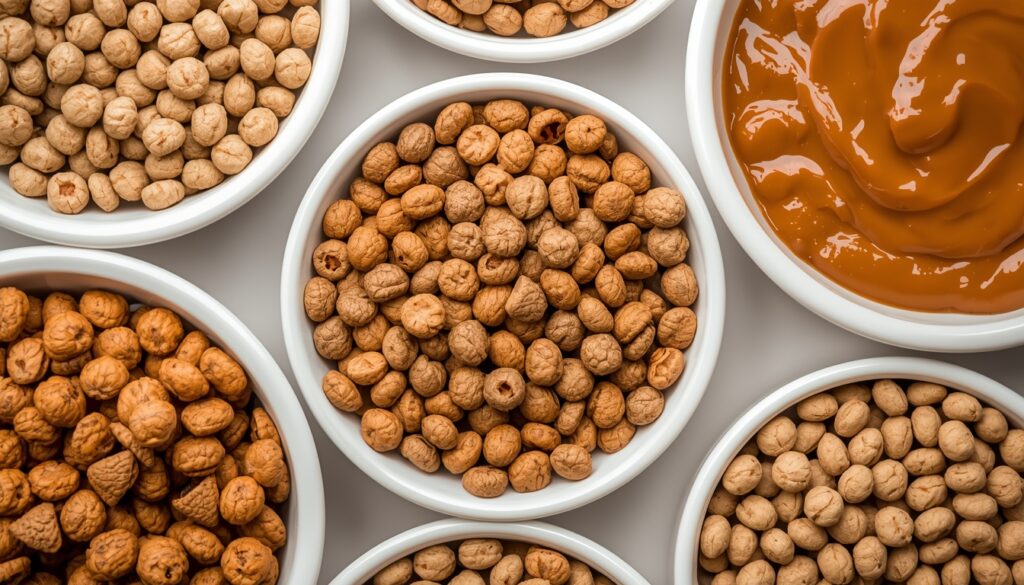
Understanding the difference will help you make better feeding decisions.
1. Protein Content
Kitten food contains significantly higher protein levels to support growth, while adult food focuses on maintenance.
2. Calorie Density
Kittens need more calories per pound of body weight. Adult food has fewer calories to prevent weight gain.
3. Fat Content
Kitten food contains more healthy fats for energy and development.
4. Nutrient Balance
Kitten food is enriched with DHA, calcium, and phosphorus, which are essential for growth.
What Happens If Kittens Eat Adult Cat Food?
Feeding adult cat food occasionally is not harmful, but regular feeding can cause issues.
Short-Term Effects
- Reduced energy
- Slower growth
- Increased hunger
Long-Term Effects
- Nutritional deficiencies
- Weak bones
- Poor muscle development
- Weakened immune system
Think of it like feeding a growing child an adult diet—it simply won’t meet their needs.
When Is It Okay for Kittens to Eat Adult Cat Food?
There are a few situations where kittens can eat adult cat food temporarily.
1. Emergency Situations
If kitten food is unavailable, adult food can be used for a short period.
2. Occasional Tasting
If your kitten sneaks a bite from an adult cat’s bowl, it’s not a problem.
3. Transition Phase
When switching from kitten food to adult food (around 10–12 months), gradual mixing is recommended.
Best Food Options for Kittens

To ensure proper growth, always choose high-quality kitten food.
What to Look For
- Real meat as the first ingredient
- High protein content (30–40%)
- Added DHA for brain development
- Balanced calcium and phosphorus
- No artificial fillers or preservatives
Wet vs Dry Kitten Food
Wet Food:
- Higher moisture content
- Easier to chew
- Better for hydration
Dry Food:
- Convenient
- Supports dental health
- Longer shelf life
A combination of both often works best.
How Much Should You Feed a Kitten?
Feeding the right amount is just as important as feeding the right type.
General Feeding Guide
- 0–3 months: 4 meals per day
- 3–6 months: 3 meals per day
- 6–12 months: 2–3 meals per day
Always follow feeding guidelines on the food package and adjust based on your kitten’s activity level.
Signs Your Kitten Is Not Getting Proper Nutrition
Watch for these warning signs:
- Slow growth
- Low energy
- Dull coat
- Digestive issues
- Constant hunger
If you notice any of these, review your kitten’s diet immediately.
Transitioning from Kitten Food to Adult Cat Food
Kittens should switch to adult food around 10 to 12 months of age, depending on breed and growth.
How to Transition Properly
- Day 1–2: 75% kitten food + 25% adult food
- Day 3–4: 50% kitten food + 50% adult food
- Day 5–6: 25% kitten food + 75% adult food
- Day 7: 100% adult food
This gradual transition prevents digestive issues.
Common Feeding Mistakes to Avoid
Many cat owners make simple mistakes that can affect their kitten’s health.
Avoid These Mistakes
- Feeding only adult cat food
- Overfeeding or underfeeding
- Not providing fresh water
- Switching food too quickly
- Feeding human food
Consistency and proper nutrition are key.
Can Kittens Eat the Same Food as Adult Cats in a Multi-Cat Household?
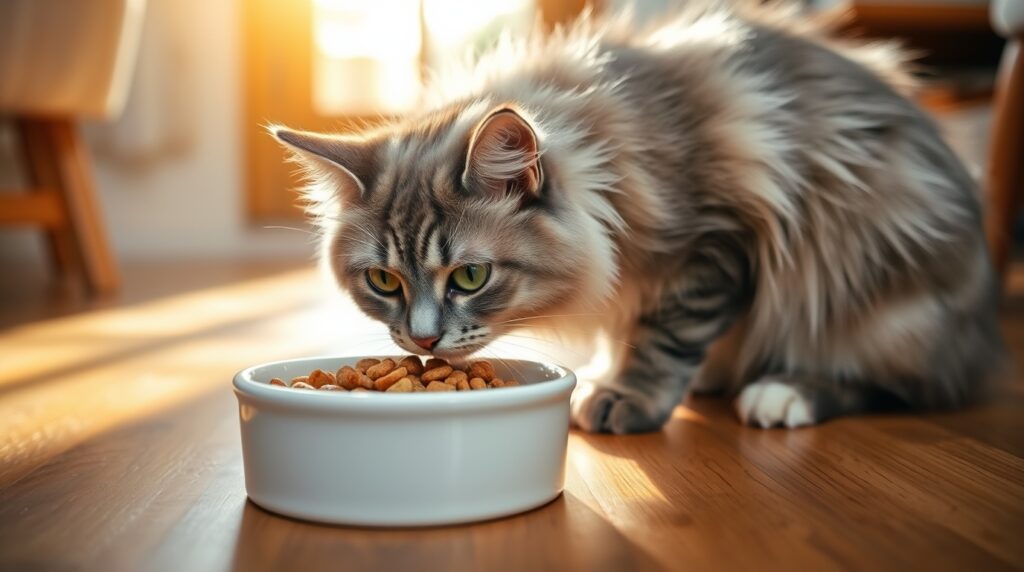
If you have both kittens and adult cats, feeding can become tricky.
Tips for Multi-Cat Homes
- Feed separately if possible
- Use kitten-specific feeding areas
- Monitor food intake
- Avoid free feeding
This ensures each cat gets the right nutrition.
Expert Tips for Feeding Kittens
- Always choose kitten-specific formulas
- Maintain a consistent feeding schedule
- Provide fresh water at all times
- Monitor weight and growth regularly
- Consult a veterinarian for diet advice
Conclusion
So, can kittens eat adult cat food? The answer is yes—but only occasionally and not as a regular diet. Kittens need specialized nutrition to support their rapid growth and development. Feeding them adult cat food regularly can lead to serious health issues over time.
The best approach is to provide high-quality kitten food that meets all their nutritional needs. As your kitten grows, you can gradually transition to adult food at the appropriate age.
By feeding your kitten the right food at the right time, you’re setting the foundation for a healthy, happy life.
Frequently Asked Questions
1. Can kittens eat adult cat food every day?
No, kittens should not eat adult cat food daily as it lacks essential nutrients needed for growth.
2. What happens if my kitten eats adult cat food?
Occasional consumption is fine, but regular feeding can cause nutritional deficiencies.
3. At what age can kittens eat adult cat food?
Kittens can switch to adult food around 10–12 months of age.
4. Is wet or dry food better for kittens?
Both are beneficial; a combination provides balanced nutrition.
5. How do I stop my kitten from eating adult cat food?
Feed them separately and maintain a consistent feeding schedule
Also Read:
- Dog Feeding Schedule Chart – Complete Guide to Feeding Your Dog the Right Way
- Cat Feeding Schedule Times – The Ultimate Guide to Feeding Your Cat at the Right Time
- Printable Cat Feeding Schedule – Complete Guide for Healthy Cat Feeding