

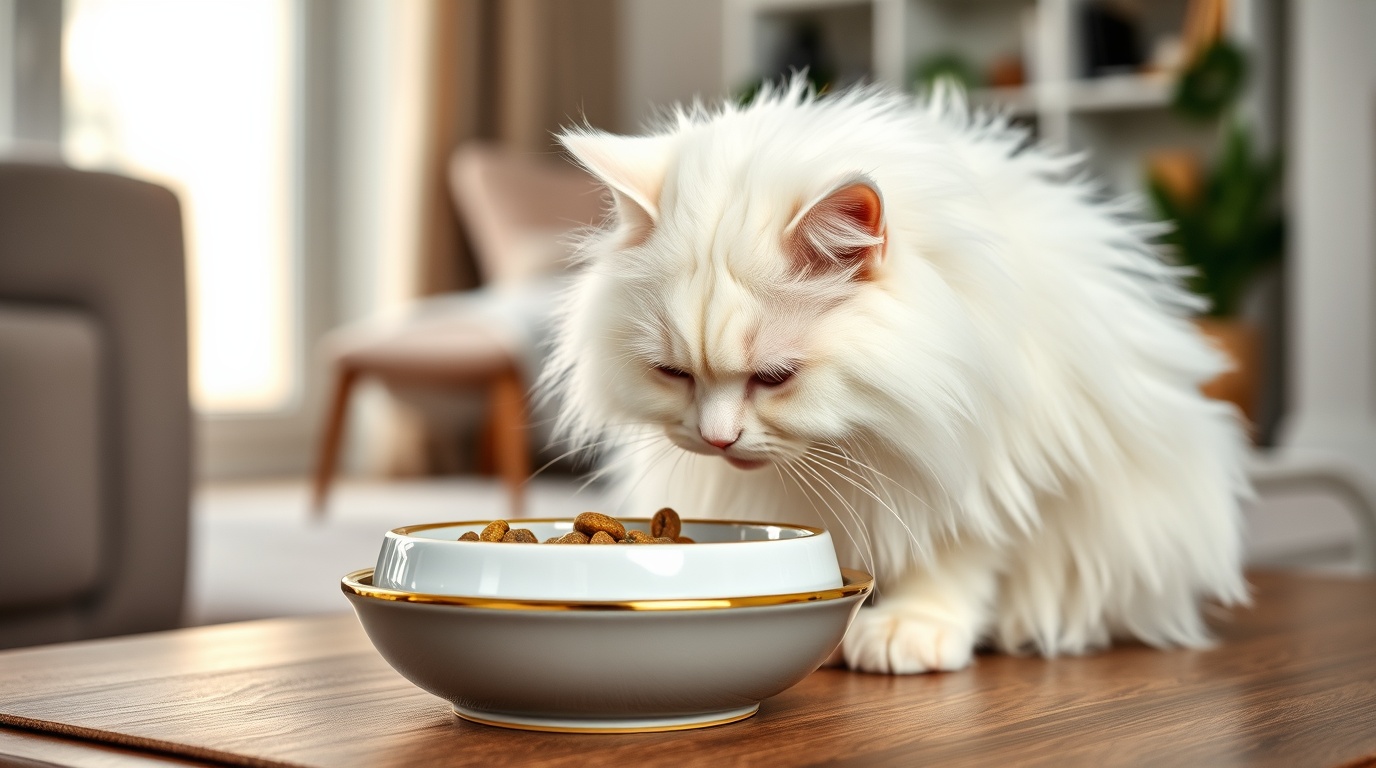
Persian cats are one of the most beautiful and luxurious cat breeds in the world. Their fluffy coats, adorable flat faces, and calm personalities make them incredibly popular among cat lovers. However, Persian cats require special care when it comes to nutrition. That is why many pet owners search for answers to the question: which food is best for Persian cat?
Choosing the right food for a Persian cat is extremely important because their unique body structure, long fur, sensitive digestion, and flat facial shape create special dietary needs. Feeding poor-quality food can lead to hairballs, obesity, digestive issues, tear staining, skin problems, and low energy levels.
In this complete guide, you will learn which food is best for Persian cat health, the nutrients they need, foods to avoid, feeding schedules, and expert nutrition tips to help your Persian cat live a healthy and happy life.
Why Persian Cats Need Special Food?
Persian cats are different from many other cat breeds. Their physical structure and long coat require carefully balanced nutrition.
Here are the main reasons why Persian cats need specialized food:
- Long fur requires nutrients for coat health
- Flat faces can make chewing difficult
- Sensitive stomachs need gentle digestion
- Low activity levels increase obesity risk
- Tear staining can worsen with poor diets
- Hairballs are common in long-haired cats
A proper diet helps improve overall health while keeping their coat soft, shiny, and beautiful.
Important Nutrients Persian Cats Need
Understanding the essential nutrients helps you choose the best Persian cat food more effectively.
High-Quality Protein
Cats are obligate carnivores, meaning they need animal protein to survive.
The best protein sources include:
- Chicken
- Turkey
- Fish
- Lamb
- Duck
Protein helps maintain:
- Muscle strength
- Energy levels
- Healthy fur
- Skin repair
Always choose foods where real meat is listed as the first ingredient.
Healthy Fats
Persian cats need healthy fats for coat maintenance and skin hydration.
Good fat sources include:
- Fish oil
- Salmon oil
- Chicken fat
- Omega-3 fatty acids
- Omega-6 fatty acids
Healthy fats reduce shedding and improve coat shine.
Fiber for Hairball Control
Because Persian cats groom themselves frequently, they swallow large amounts of fur.
Fiber helps:
- Reduce hairballs
- Improve digestion
- Support healthy bowel movements
Ingredients like pumpkin, beet pulp, and psyllium husk can help.
Taurine
Taurine is an essential amino acid for cats.
It supports:
- Heart health
- Vision
- Brain function
- Immune system
Cats cannot produce taurine naturally, so it must come from food.
Vitamins and Minerals
Balanced vitamins help support:
- Immunity
- Bone strength
- Skin health
- Eye health
Look for foods containing:
- Vitamin A
- Vitamin E
- Zinc
- Calcium
- Biotin
Which Food Is Best for Persian Cat?
The best food for Persian cats usually falls into three categories:
- Dry food
- Wet food
- Mixed diet
Each option has advantages depending on your cat’s age, health, and preferences.
Best Dry Food for Persian Cats
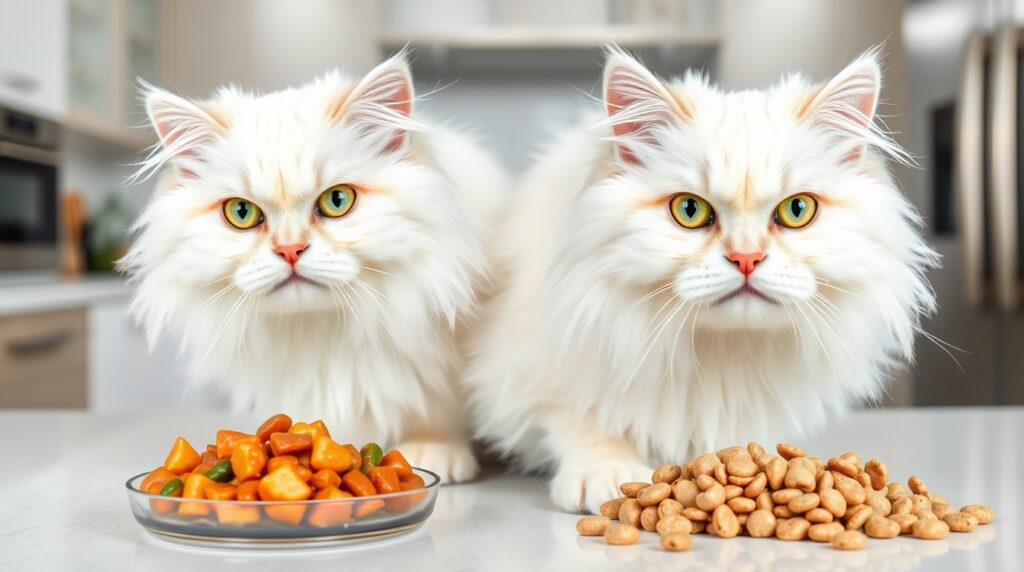
Dry food is one of the most convenient feeding options.
Benefits of Dry Food
- Easy storage
- Supports dental health
- Works well with automatic feeders
- Cost-effective
Choose dry food specially designed for long-haired or Persian cats.
What to Look for in Dry Food
- High protein content
- Hairball control formula
- Omega fatty acids
- Easy-to-chew kibble shape
Persian cats often struggle with large kibble due to their flat faces, so specially shaped kibble is helpful.
Best Wet Food for Persian Cats
Wet food provides additional hydration and softer texture.
Benefits of Wet Food
- High moisture content
- Easier chewing
- Better hydration
- Strong aroma for picky eaters
Wet food is especially beneficial for:
- Senior Persian cats
- Cats with dental problems
- Cats prone to dehydration
Mixed Feeding Approach
Many veterinarians recommend combining both wet and dry food.
Benefits of Mixed Feeding
- Balanced nutrition
- Improved hydration
- Better digestion
- Variety in texture and flavor
Example:
- Dry food during daytime
- Wet food for dinner
This combination often works best for Persian cats.
Homemade Food for Persian Cats
Some owners prefer homemade diets for better ingredient control.
Safe Homemade Foods
- Boiled chicken
- Cooked fish
- Plain turkey
- Pumpkin puree
- Cooked eggs
However, homemade diets must remain nutritionally balanced.
Always consult a veterinarian before switching to homemade cat food completely.
Foods Persian Cats Should Avoid
Certain foods can be dangerous or toxic for Persian cats.
Toxic Foods for Persian Cats
- Chocolate
- Onions
- Garlic
- Grapes
- Raisins
- Alcohol
- Caffeine
- Raw dough
Foods That May Cause Digestive Issues
- Excess dairy products
- Spicy foods
- Oily leftovers
- Fried foods
Avoid feeding table scraps regularly.
Best Food for Persian Kittens
Persian kittens require nutrient-rich food to support growth and development.
Kitten Food Should Include
- High protein
- DHA for brain development
- Calcium for bones
- Healthy fats
Kittens need more frequent meals than adult cats.
Feeding Schedule for Persian Kittens
| Age | Meals Per Day |
|---|---|
| 2–3 Months | 4 Meals |
| 3–6 Months | 3 Meals |
| 6–12 Months | 2–3 Meals |
Always provide fresh water.
Best Food for Adult Persian Cats
Adult Persian cats need balanced maintenance diets.
Ideal Adult Diet Includes
- Moderate calories
- Hairball control
- Coat support nutrients
- Digestive support
Indoor Persian cats especially need portion control to avoid obesity.
Best Food for Senior Persian Cats
Older Persian cats may develop:
- Dental issues
- Reduced activity
- Sensitive digestion
- Joint stiffness
Senior cat food should contain:
- Soft texture
- Joint support nutrients
- Lower calories
- Easy digestion ingredients
Wet food becomes more helpful for aging cats.
How Much Should You Feed a Persian Cat?
Food quantity depends on:
- Age
- Weight
- Activity level
- Health condition
Most adult Persian cats eat:
- 2 measured meals daily
Overfeeding can quickly lead to obesity because Persian cats are generally less active.
Feeding Schedule for Persian Cats
Consistency is very important.
Example Feeding Routine
| Time | Meal |
|---|---|
| 7:00 AM | Dry Food |
| 1:00 PM | Small Snack |
| 7:00 PM | Wet Food |
Avoid leaving unlimited food available all day.
Common Persian Cat Feeding Problems
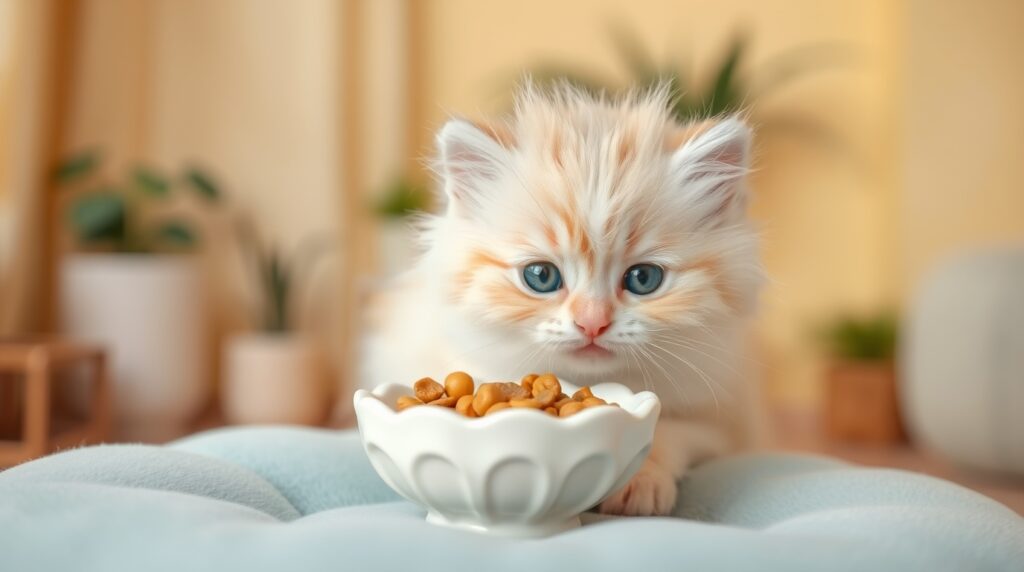
Hairballs
Long fur increases hairball risk.
Solutions:
- Hairball control food
- Daily brushing
- Fiber-rich diet
Picky Eating
Persian cats can become selective eaters.
Try:
- Warm wet food slightly
- Rotate flavors carefully
- Avoid frequent sudden changes
Tear Staining
Poor nutrition may worsen tear stains.
Choose:
- High-quality ingredients
- Artificial additive-free food
Obesity
Indoor Persian cats easily gain weight.
Prevent obesity through:
- Portion control
- Regular playtime
- Scheduled feeding
Signs Your Persian Cat Is Eating Healthy Food
Healthy nutrition usually results in:
- Soft shiny coat
- Good energy levels
- Healthy weight
- Clear eyes
- Reduced shedding
- Better digestion
Poor-quality diets often cause:
- Dull coat
- Frequent vomiting
- Excessive hairballs
- Low activity
- Digestive upset
Grain-Free vs Regular Cat Food
Many owners wonder whether grain-free food is best.
Grain-Free Food Benefits
- Helpful for sensitive cats
- Easier digestion for some cats
Important Note
Not all Persian cats require grain-free diets. Focus more on overall ingredient quality than marketing labels.
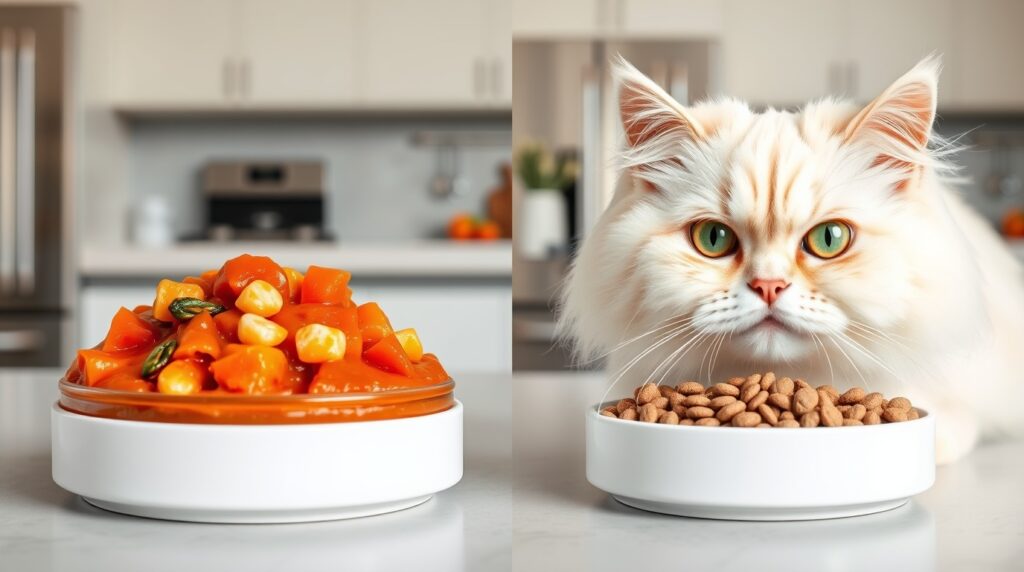
Wet Food vs Dry Food for Persian Cats
Both options can work well.
| Wet Food | Dry Food |
|---|---|
| Higher moisture | Convenient |
| Softer texture | Affordable |
| Better hydration | Dental benefits |
| Strong smell | Easy storage |
A balanced combination often provides the best results.
Tips for Choosing the Best Persian Cat Food
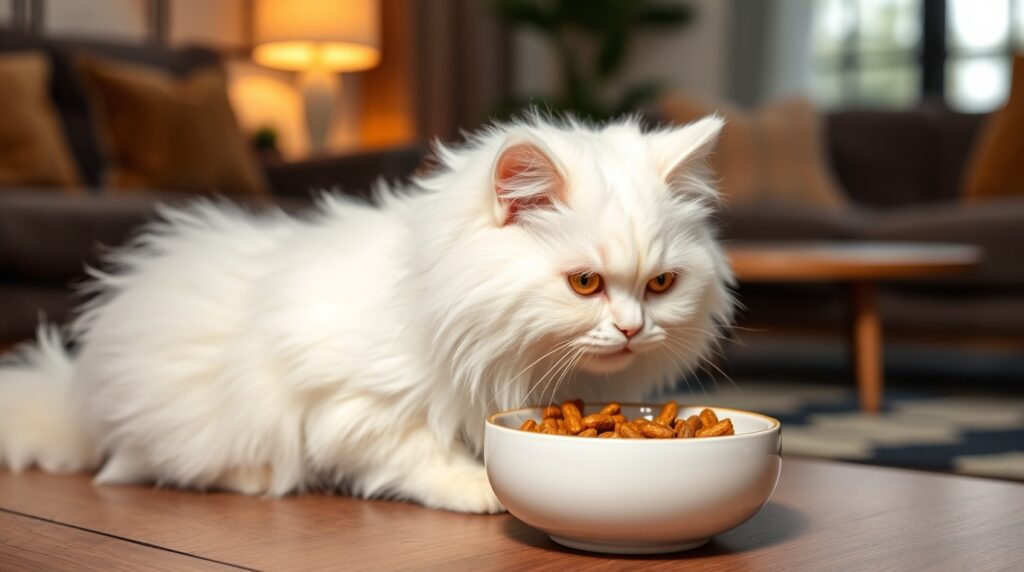
Read Ingredient Labels Carefully
Avoid foods with:
- Artificial colors
- Excess fillers
- Low-quality meat by-products
Choose Breed-Specific Formulas
Some brands create food specifically for Persian cats.
Monitor Coat Health
Coat condition often reflects nutritional quality.
Transition Food Slowly
Sudden changes can upset digestion.
Mix old and new food gradually over 7–10 days.
Hydration Tips for Persian Cats
Hydration is extremely important, especially for indoor cats.
Ways to Improve Hydration
- Provide fresh water daily
- Use water fountains
- Feed wet food regularly
- Keep bowls clean
Proper hydration supports kidney health and digestion.
Frequently Asked Questions
Which food is best for Persian cat hair growth?
Foods rich in omega-3 fatty acids, protein, and biotin help improve coat growth and shine.
Can Persian cats eat homemade food daily?
Yes, but homemade diets must be nutritionally balanced and veterinarian-approved.
Is wet food better for Persian cats?
Wet food supports hydration and easier chewing, making it very beneficial for Persian cats.
How often should Persian cats eat?
Most adult Persian cats do well with two meals daily.
Do Persian cats need special food?
Yes, Persian cats benefit from diets designed for long-haired breeds with digestive and hairball support.
Final Thoughts
If you are wondering which food is best for Persian cat health, the answer depends on your cat’s age, lifestyle, and specific needs. In general, Persian cats thrive on high-quality protein, healthy fats, hairball-control ingredients, and balanced nutrition that supports their luxurious coat and sensitive digestion.
The best diet usually includes a combination of premium wet and dry food with proper portion control and regular hydration. Avoid low-quality fillers, toxic foods, and overfeeding to keep your Persian cat healthy and active.
With the right nutrition and proper feeding habits, your Persian cat can enjoy a soft shiny coat, healthy digestion, strong immunity, and a longer happier life.
Also Read:
- Best Persian Cat Grooming Kit: Complete Guide for Healthy and Beautiful Fur
- Cat Feeding Schedule Template Free Printable: The Complete Guide for Healthy Cat Feeding