

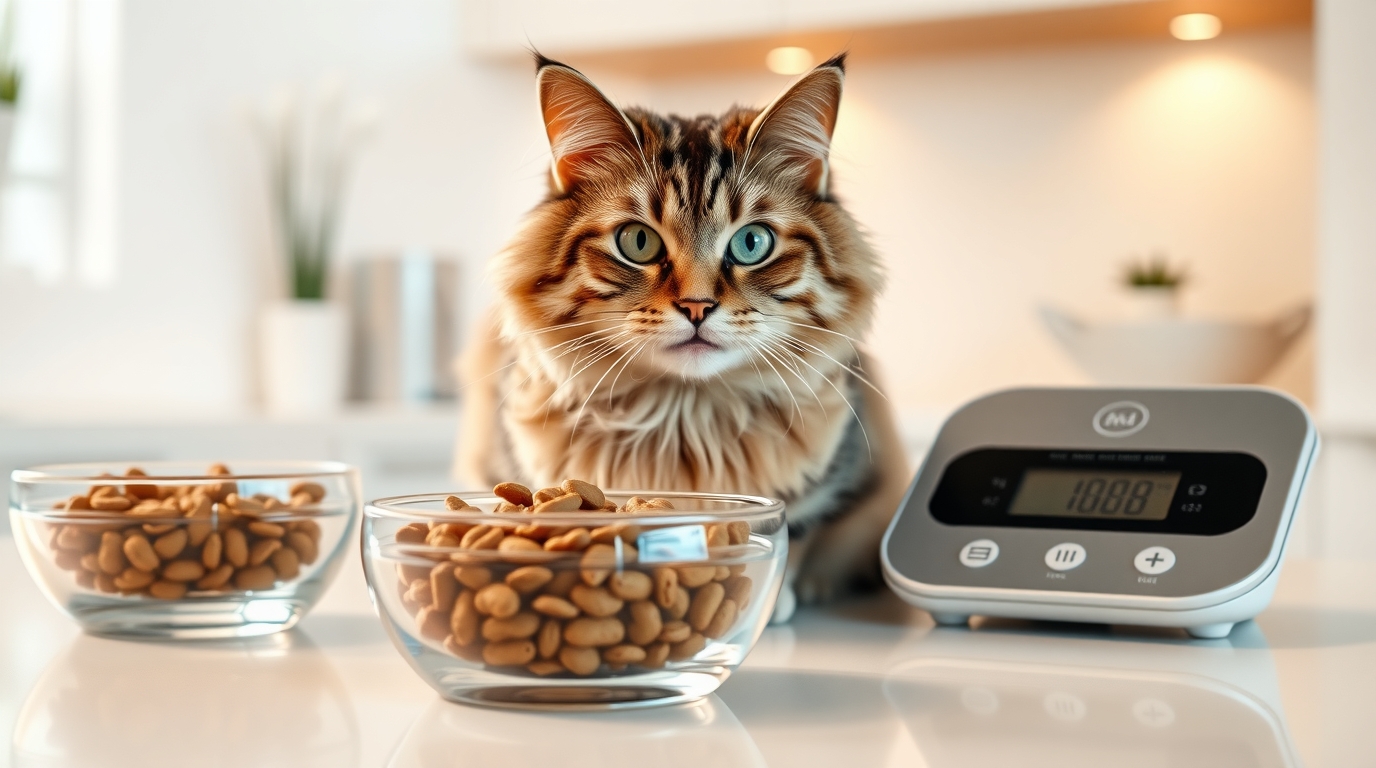
If you’ve ever wondered “How much should I feed my cat each day?” or searched for a Cat Feeding Chart by Age Calculator, you are not alone. Many cat owners struggle to determine the right portion sizes, calories, and feeding frequency for their cats, especially because the needs of kittens, adult cats, and senior cats are very different.
Feeding a cat too much can lead to obesity, diabetes, and joint problems, while feeding too little can cause malnutrition, muscle loss, low immunity, and behavioral frustration. This detailed, SEO-optimized guide offers a complete cat feeding chart by age, calorie calculator insights, feeding schedule examples, wet vs dry food conversion, and vet-recommended nutrition tips to help you create a customized feeding plan for your cat.
Why You Need a Cat Feeding Chart by Age?
Cats have specific nutritional needs depending on their age, weight, lifestyle, and health condition. Kittens require high calories and frequent meals for rapid growth, adult cats need balanced nutrition and portion control, and senior cats require easily digestible, lower-calorie meals that support kidney and joint health.
Understanding this feeding cycle helps optimize health, prevent disease, and extend your cat’s lifespan. Using a Cat Feeding Calculator makes it easier to determine the ideal amount of daily food based on calories per cup, weight range, and activity level.
Key Factors Affecting How Much to Feed a Cat
Weight and body condition score, age (kitten, adult, senior), indoor vs outdoor activity level, wet food vs dry food moisture content, neutered or not neutered, brand calorie density, health issues (kidney disease, diabetes, obesity, urinary conditions). Indoor neutered cats generally require 20–30% fewer calories daily than outdoor active cats.
Cat Feeding Chart by Age (Daily Calorie & Portion Requirements)
This feeding chart shows recommended amounts for an average indoor cat. Adjust portions based on brand calorie density (calories/cup or calories/can).
| Cat Life Stage | Age | Daily Calories Needed | Feeding Frequency | Wet Food Portion | Dry Food Portion |
|---|---|---|---|---|---|
| Newborn/Infant Kitten | 0–4 weeks | Mother’s milk | Every 2–3 hrs | Milk replacer only | None |
| Kitten | 1–3 months | 200–250 calories | 4–5 meals/day | 3–6 oz/day | ¼–½ cup/day |
| Growing Kitten | 3–6 months | 230–360 calories | 3–4 meals/day | 4–7 oz/day | ½–¾ cup/day |
| Junior Cat | 6–12 months | 250–450 calories | 2–3 meals/day | 6–9 oz/day | ¾–1 cup/day |
| Adult Cat | 1–7 years | 240–320 calories | 2 meals/day | 5–8 oz/day | ½–1 cup/day |
| Senior Cat | 7–10 years | 200–260 calories | 2 small meals/day | 4–6 oz/day | ½ cup/day |
| Elderly Cat | 10–15+ years | 180–240 calories | 2–3 small meals/day | 5 oz/day | ⅓–½ cup/day |
Cat Feeding Calculator Formula
A general rule for daily calorie requirement:
70 × (body weight in kg)⁰·⁷⁵ = daily calories
Example: 4 kg (8.8 lb) cat
70 × (4)⁰·⁷⁵ ≈ 220–260 calories/day (adult indoor)
How Much Should I Feed My Cat? (Quick Daily Portion Guide)
| Cat Weight | Calories/Day | Dry Food/Day | Wet Food/Day |
|---|---|---|---|
| 3 kg / 6.6 lb | 170–210 cal | ¼–⅓ cup | 4–5 oz |
| 4 kg / 8.8 lb | 220–260 cal | ⅓–½ cup | 5–6 oz |
| 5 kg / 11 lb | 260–310 cal | ½ cup | 6–7 oz |
| 6 kg / 13 lb | 300–350 cal | ½–¾ cup | 7–8 oz |
Wet Food vs Dry Food – Which Is Better?
Wet food supports hydration and prevents urinary stones, especially for male cats. Dry food is convenient and cost-efficient. Best option: Combination feeding for balanced nutrition. Example: Wet food morning & night + small dry food afternoon.
Neutered Cat Feeding Chart
Neutered cats gain weight easily and need controlled calories.
Reduce calories by 20% after neutering, avoid free-feeding, use slow feeders, increase toys & exercise.
Signs of Overfeeding
Weight gain, trouble jumping, vomiting after meals, round belly, lethargy.
Signs of Underfeeding
Visible ribs, low energy, constant begging, dull fur, muscle loss.
Foods Cats Should Never Eat
Onions, garlic, grapes, raisins, chocolate, bones, bread, raw pork, alcohol, milk, dog food.
Best Daily Feeding Schedule
7 AM – Wet food
1 PM – Dry food portion
7 PM – Wet food
Treats only for training
Hydration and Water Requirement
Cats need 3.5–4.5 ounces of water per 5 pounds of body weight daily. Use a drinking fountain to encourage hydration.
Best Supplements for Cat Nutrition
Omega-3, probiotics, taurine, glucosamine, cranberry extract (consult vet first).
Frequently Asked Questions
How much should I feed my cat per day? Depends on age, weight, and activity level—240 to 320 calories/day for adults.
Should I free-feed my cat? No—leads to overeating and obesity.
Can I mix wet and dry food? Yes, recommended for balanced hydration and nutrition.
How do I transition cat food safely? Over 7–10 days by gradually mixing old and new food.
How do I know if my cat is the right weight? You should feel ribs, but not see them.
Conclusion
Using a Cat Feeding Chart by Age Calculator ensures your cat receives accurate portion sizes for healthy weight, muscle support, hydration, and long-term wellbeing. With age-appropriate nutrition and proper feeding routines, you can significantly improve your cat’s lifespan and quality of life. For personalized portions, consult your vet or use an online cat feeding calculator tool.
Also Read:
- Top BPA-free Dog Food Storage Options for Pets in 2026
- 2026 Top Dog Food Storage Containers for Pantry