


Finding cat poop on your bed can be frustrating and confusing, especially if your cat is normally litter-trained. While it may seem like bad behavior, cats usually poop outside the litter box for a reason. Understanding on the question of Why Is My Cat Pooping on the Bed the underlying cause is the first step toward solving the problem.
Few things are more frustrating for a cat owner than waking up to find that their cat has pooped on the bed. If your normally litter-trained feline suddenly starts using your bed as a bathroom, you’re probably wondering what went wrong and how to stop it.
The good news is that this behavior is rarely random. Cats often poop outside the litter box because of medical issues, stress, litter box problems, or environmental changes. Understanding the root cause is the key to solving the issue and helping your cat return to healthy litter box habits. In this guide, we’ll explore the most common reasons cats poop on beds and the practical steps you can take to fix the problem.
Common Reasons Why Cats Poop on the Bed

1. Medical Problems
Health issues are one of the most important causes to rule out.
Possible medical conditions include:
- Constipation
- Diarrhea
- Inflammatory bowel disease (IBD)
- Intestinal parasites
- Arthritis or joint pain
- Urinary tract problems
- Cognitive decline in senior cats
If the behavior starts suddenly, schedule a veterinary visit to check for underlying health issues.
2. Litter Box Problems
Cats can be very particular about their litter boxes.
Common issues include:
- Dirty litter box
- Strong-smelling litter
- Incorrect litter type
- Covered litter box preferences
- Box placed in a noisy area
- Box too small for the cat
Many cats will seek alternative locations if they dislike their litter box setup.
3. Stress and Anxiety
Stress is one of the most common behavioral causes.
Triggers may include:
- Moving to a new home
- New baby
- New pet
- Visitors
- Changes in routine
- Household conflict
- Renovations
Your bed smells strongly like you, which may make it feel like a safe place when your cat is anxious.
4. Territorial Marking
Although spraying is more common, some cats may defecate in prominent locations when they feel their territory is threatened.
Possible triggers include:
- Outdoor cats visible through windows
- New pets in the household
- Conflict with other cats
5. Multiple Cat Household Issues
If you have more than one cat, litter box competition may be the problem.
Experts often recommend:
One litter box per cat, plus one extra.
For example:
- 1 cat = 2 boxes
- 2 cats = 3 boxes
- 3 cats = 4 boxes
This helps reduce territorial disputes and litter box avoidance.
6. Negative Litter Box Experiences
A cat may avoid the litter box if they associate it with pain or fear.
Examples include:
- Painful bowel movements
- Being startled while using the box
- Bullying by another pet
Once a negative association develops, some cats choose alternative locations.
7. Aging and Senior Cat Issues
Older cats may develop:
- Arthritis
- Vision loss
- Dementia-like symptoms
- Reduced mobility
These conditions can make reaching the litter box difficult.
Why the Bed Specifically?
Many owners wonder why their cat chooses the bed.
Possible reasons include:
Comfort
Beds are soft and comfortable.
Familiar Scent
Your bed carries your scent, which may comfort a stressed cat.
Attention-Seeking Behavior
Some cats learn that inappropriate elimination gets a strong reaction from owners.
Safety
Cats may feel safer on a bed than in a noisy or stressful litter box area.
How to Stop Your Cat From Pooping on the Bed?

Schedule a Veterinary Checkup
Rule out medical causes first.
Clean Thoroughly
Use an enzymatic pet cleaner designed to remove odors completely.
Regular cleaners may leave scent traces that encourage repeat incidents.
Improve Litter Box Hygiene
- Scoop daily
- Change litter regularly
- Wash the box frequently
Add More Litter Boxes
Provide enough boxes throughout the home.
Try Different Litters
Experiment with:
- Unscented litter
- Clumping litter
- Fine-textured litter
Many cats prefer unscented options.
Reduce Stress
Help your cat feel secure by:
- Maintaining routines
- Providing hiding spots
- Offering interactive play
- Using calming pheromone products if recommended by your veterinarian
Restrict Bedroom Access Temporarily
While addressing the issue, you may need to limit access to the bed.
Signs You Should See a Vet Immediately
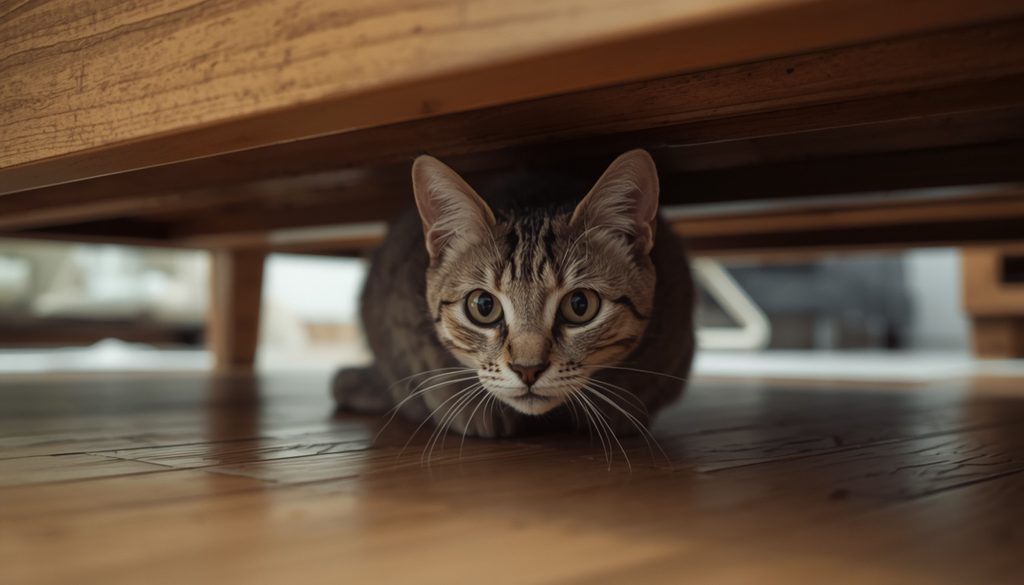
Seek veterinary care if your cat has:
- Diarrhea lasting more than a day
- Blood in stool
- Straining to poop
- Weight loss
- Vomiting
- Loss of appetite
- Sudden behavior changes
These symptoms may indicate a medical condition requiring treatment.
Frequently Asked Questions
Is my cat pooping on the bed out of spite?
No. Cats generally do not eliminate outside the litter box out of revenge or spite. There is usually a medical, environmental, or behavioral reason.
Why does my cat poop on my bed but pee in the litter box?
This can happen when a cat associates the litter box with discomfort during bowel movements or has a specific aversion related to defecation.
Will punishment stop the behavior?
No. Punishment often increases stress and can make the problem worse.
Can stress really cause this?
Yes. Stress and anxiety are among the most common reasons cats eliminate outside the litter box.
Final Thoughts
If your cat is pooping on the bed, don’t assume it’s a behavioral problem or an act of defiance. Medical issues, litter box dissatisfaction, stress, territorial concerns, and age-related changes are all common causes.
The best approach is to:
- Rule out medical problems with a veterinarian.
- Improve litter box conditions.
- Reduce household stress.
- Clean affected areas thoroughly.
Once the underlying cause is identified, most cats can successfully return to using their litter box consistently.
Also Read:
- High Quality Wet Food Options for Picky Eaters: The Complete Guide
- Printable Cat Food Care PDF: The Ultimate Guide to Feeding Your Cat the Right Way