OURPETTAILS

Best Dog Food Without Peas and Legumes in 2024

When selecting the best dog food for your furry friend, it’s essential to consider their unique dietary needs. Many dogs have sensitivities or allergies to certain ingredients, including peas and legumes. This guide will help you find the best dog food without peas and legumes, ensuring your pet gets the nutrition they need without any harmful ingredients. We’ll also discuss the best dog food without peas and legumes for small breeds, the best dry dog food without peas, and other options that are free of peas, lentils, legumes, and potatoes. Why Choose Dog Food Without Peas and Legumes? Many pet owners are now looking for dog food without peas or legumes due to concerns about allergies and digestive issues. Peas and legumes are common fillers in dog food but can cause problems for some dogs. Choosing a diet free from these ingredients can help avoid these issues. Benefits of Avoiding Peas and Legumes in Dog Food Benefit Description Reduced Allergies Helps avoid allergic reactions Better Digestion Easier on the stomach and intestines Improved Energy Levels More balanced nutrition leads to better energy levels Healthier Skin and Coat Reduces skin irritation and promotes a shiny coat Best Dog Food Without Peas and Legumes for Small Breeds Small breeds often have specific dietary needs that must be met to ensure they remain healthy and active. Finding the best dog food without peas and legumes for small breeds can be challenging but is essential for their well-being. Top Dog Foods Without Peas and Legumes for Small Breeds Brand Key Features Benefits Wellness CORE RawRev High protein, grain-free, no peas or legumes Supports muscle development, easy to digest Blue Buffalo Basics Small Breed Limited ingredients, no peas or legumes Ideal for dogs with food sensitivities Merrick Grain-Free Small Breed Real meat as the first ingredient, no fillers Provides essential nutrients without allergens Best Dry Dog Food Without Peas Dry dog food is convenient and helps maintain dental health. Here are some of the best dry dog foods without peas. Best Dry Dog Foods Without Peas Brand Key Features Benefits Nutro Ultra Adult Tri-protein blend, no peas or legumes Balanced nutrition, supports healthy skin and coat Canidae PURE Limited Ingredient 8 key ingredients, no peas, grain-free Ideal for dogs with food sensitivities Instinct Raw Boost Mixers High protein, freeze-dried raw pieces, no peas Enhanced flavor and nutrition, easy to digest Dog Food Without Peas or Legumes For dogs with specific dietary restrictions, finding dog food without peas or legumes is essential to maintain their health and prevent adverse reactions. Top Dog Foods Without Peas or Legumes Brand Key Features Benefits The Honest Kitchen Whole Grain Human-grade ingredients, no peas or legumes High-quality nutrition, easy to prepare Acana Singles + Wholesome Grains Single protein source, no peas, includes grains Supports digestive health, reduces allergies Orijen Original High protein, no peas or legumes, grain-free Promotes overall health, supports active lifestyle Dog Foods Without Peas, Lentils, Legumes, and Potatoes Finding a comprehensive diet free of peas, lentils, legumes, and potatoes can be challenging but is necessary for dogs with multiple sensitivities. Best Dog Foods Without Peas, Lentils, Legumes, and Potatoes Brand Key Features Benefits Farmina N&D Ancestral Grain Grain-inclusive, no peas, lentils, or potatoes High-quality ingredients, supports overall health Dr. Tim’s Premium All Natural No peas, lentils, legumes, or potatoes Promotes healthy digestion, balanced nutrition Solid Gold Leaping Waters Salmon-based, no grains, peas, or potatoes Rich in omega fatty acids, supports skin and coat Grain and Pea Free Dog Food For dogs with grain and pea sensitivities, grain and pea free dog food offers a balanced and safe diet option. Best Grain and Pea Free Dog Foods Brand Key Features Benefits Taste of the Wild High Prairie Grain-free, no peas, rich in protein Supports muscle growth, high digestibility Zignature Trout and Salmon Meal Limited ingredients, grain and pea free Ideal for dogs with allergies, high in omega-3 Open Farm Wild-Caught Salmon Sustainably sourced, no grains or peas Promotes healthy skin and coat, easy to digest Legume Free Dog Food Legume free dog food is essential for dogs with legume allergies or sensitivities. These diets avoid common fillers and provide complete nutrition. Best Legume Free Dog Foods Brand Key Features Benefits Wellness Simple Limited Ingredient Single protein, no legumes Reduces risk of allergies, supports overall health Natural Balance L.I.D. Limited ingredients, legume free Easy on digestion, ideal for sensitive stomachs Earthborn Holistic Primitive Natural High protein, no legumes, grain-free Supports active dogs, balanced nutrition What are the Benefits of Dog Food Without Peas and Legumes? Dog food without peas and legumes can reduce allergies, improve digestion, and enhance overall health by providing balanced nutrition without fillers. Benefits of Dog Food Without Peas and Legumes Benefit Description Reduced Allergies Helps avoid allergic reactions Better Digestion Easier on the stomach and intestines Improved Energy Levels More balanced nutrition leads to better energy levels Healthier Skin and Coat Reduces skin irritation and promotes a shiny coat What Should I Look for in the Best Dry Dog Food Without Peas? When selecting dry dog food without peas, look for high-quality protein sources, grain-free options, and limited ingredients to support your dog’s health. Key Features of Best Dry Dog Food Without Peas Key Feature Description High-Quality Protein Real meat as the first ingredient Grain-Free Avoids common allergens and fillers Limited Ingredients Reduces the risk of food sensitivities Added Nutrients Includes essential vitamins and minerals Is Grain and Pea Free Dog Food Better for Allergic Dogs? Yes, grain and pea free dog food can be better for allergic dogs as it avoids common allergens and provides a balanced diet tailored to sensitive stomachs. Benefits of Grain and Pea Free Dog Food Benefit Description Reduced Allergies Avoids common allergens like grains and peas Better Digestion Easier on sensitive stomachs Balanced Nutrition Provides essential nutrients without fillers Enhanced Energy Supports active lifestyle with high-quality ingredients Conclusion: Choosing the Best Dog Food Without Peas and Legumes Selecting the best dog food without peas and legumes involves understanding … Read more

Best Dog Food for Cockapoo: Ultimate Checklist for pet owners

Best Dog Food for Cockapoo

Choosing the best dog food for your Cockapoo is essential to ensure they live a healthy and happy life. This breed, known for its playful nature and intelligence, requires a balanced diet to maintain its energy levels and overall health. In this guide, we’ll explore the best dog food options for Cockapoos, including the best dry food for Cockapoo puppies, the best wet food for Cockapoo puppies, and even homemade dog food for Cockapoos. We’ll also cover what foods Cockapoos should avoid, the debate between Cockapoo wet or dry food, and specific brands like Harringtons Complete Grain-Free Dry Dog Food and Royal Canin Cockapoo Puppy Food. What to Feed a Cockapoo Puppy? Feeding a Cockapoo puppy the right food is crucial for their development. Puppies require a diet rich in protein, fats, vitamins, and minerals to support their growth. Both dry and wet food can be suitable, depending on their nutritional content and the puppy’s preferences. Best Foods for Cockapoo Puppies Type of Food Recommended Brand Benefits Best Dry Food for Cockapoo Puppy Harringtons Complete Grain-Free Dry Dog Food Grain-free, high in protein, easy to digest Best Wet Food for Cockapoo Puppy Royal Canin Cockapoo Puppy Food Formulated specifically for Cockapoo puppies, balanced nutrients Best Dry Food for Cockapoo Puppy Dry food is a popular choice for many Cockapoo owners due to its convenience and dental health benefits. It helps in keeping the teeth clean and free from plaque. Top Dry Foods for Cockapoo Puppies Brand Key Features Benefits Harringtons Complete Grain-Free Dry Dog Food No artificial colors or preservatives Grain-free, promotes healthy digestion Royal Canin Cockapoo Puppy Food Tailored nutrition for Cockapoo puppies Supports immune system, healthy skin and coat Best Wet Food for Cockapoo Puppy Wet food can be more palatable for some puppies and provides additional hydration. It’s important to choose a high-quality wet food that provides balanced nutrition. Top Wet Foods for Cockapoo Puppies Brand Key Features Benefits Royal Canin Cockapoo Puppy Food Specific blend for Cockapoos Balanced nutrients, easy to digest Blue Buffalo Homestyle Recipe Puppy Natural ingredients, no artificial additives Rich in protein, promotes healthy growth Homemade Dog Food for Cockapoo For owners who prefer to prepare their dog’s food at home, it’s essential to ensure the diet is balanced and meets all nutritional requirements. Homemade dog food for Cockapoos can be tailored to their specific needs, but it requires careful planning. Ingredients for Homemade Dog Food for Cockapoo Ingredient Nutritional Benefits Serving Suggestions Chicken High in protein Cooked, no bones or skin Sweet Potatoes Rich in vitamins and fiber Cooked, mashed Carrots Good source of beta-carotene Cooked, chopped Brown Rice Complex carbohydrates Cooked, well-rinsed What Foods Can Cockapoos Not Eat? Certain foods are toxic or harmful to Cockapoos and should be avoided. It’s crucial to know what foods can Cockapoos not eat to prevent accidental poisoning. Foods Cockapoos Should Avoid Food Reason for Avoidance Potential Harm Chocolate Contains theobromine Toxic to dogs, can cause vomiting, diarrhea, seizures Grapes and Raisins Unknown toxin Can cause kidney failure Onions and Garlic Contains thiosulfate Can damage red blood cells, leading to anemia Xylitol (found in sugar-free products) Artificial sweetener Can cause insulin release, leading to hypoglycemia Cockapoo Wet or Dry Food: Which one is best? Deciding between wet or dry food for your Cockapoo depends on several factors, including your dog’s preferences, dental health, and any specific dietary needs. Comparison of Wet and Dry Food for Cockapoos Aspect Wet Food Dry Food Palatability Often more appealing due to moisture and texture Can be less palatable but has a crunchy texture Hydration Provides additional hydration Does not contribute to hydration Dental Health Less effective at cleaning teeth Helps to clean teeth and reduce plaque buildup Convenience Requires refrigeration after opening Easy to store and serve FAQ’s What to Feed a Cockapoo Puppy? Feeding a Cockapoo puppy involves providing a balanced diet rich in protein, fats, vitamins, and minerals. You can choose between dry and wet food or a combination of both to meet their nutritional needs. Recommended Foods for Cockapoo Puppies Type of Food Recommended Brand Benefits Dry Food Harringtons Complete Grain-Free Dry Dog Food Grain-free, high in protein, easy to digest Wet Food Royal Canin Cockapoo Puppy Food Formulated specifically for Cockapoo puppies, balanced nutrients What Foods Can Cockapoos Not Eat? Certain foods are harmful or toxic to Cockapoos, including chocolate, grapes, raisins, onions, garlic, and products containing xylitol. Cockapoo Wet or Dry Food: which one is best? Both wet and dry food have their benefits. Dry food is convenient and helps with dental health, while wet food is often more palatable and provides additional hydration. Conclusion Choosing the best dog food for your Cockapoo involves understanding their specific dietary needs and preferences. Whether you opt for dry food like Harringtons Complete Grain-Free Dry Dog Food or wet food such as Royal Canin Cockapoo Puppy Food, ensuring your Cockapoo receives balanced nutrition is key. Homemade dog food for Cockapoos can also be a great option if done correctly. Always be mindful of what foods Cockapoos can not eat to avoid any health issues. By providing the right food, you can help your Cockapoo lead a healthy and happy life. Also Read:

What Foods Are Toxic for Dogs? A Must Read Article for pet owners

Foods Are Toxic for Dogs

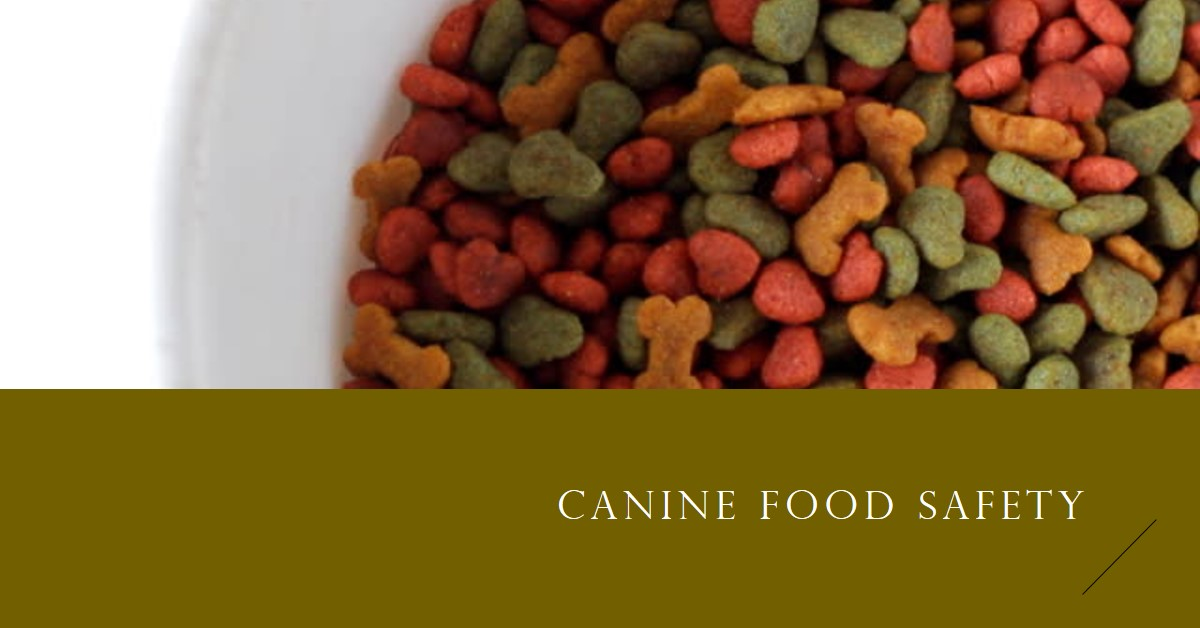
As a responsible pet owner, understanding canine food safety is crucial to keeping your dog healthy and happy. Dogs have different nutritional needs and digestive systems than humans, and some foods that are safe for us can be harmful or even deadly to them. This article will outline the foods that are toxic to dogs, helping you avoid accidental ingestion and keep your furry friend safe. 1. What Foods Are Toxic for Dogs? Some common human foods can be toxic to dogs. Knowing which foods to avoid can prevent serious health issues. Common Human Foods Toxic to Dogs Food Toxic Component Effects on Dogs Chocolate Theobromine Vomiting, diarrhea, rapid breathing Grapes & Raisins Unknown Kidney failure, lethargy, vomiting Onions & Garlic Thiosulfate Damage to red blood cells, anemia Alcohol Ethanol Vomiting, diarrhea, central nervous system depression Coffee & Caffeine Caffeine Hyperactivity, tremors, seizures What Human Food Can Dogs Eat? While many human foods are dangerous for dogs, there are plenty that are safe and even beneficial. Human Foods Safe for Dogs Food Benefits Carrots Low-calorie, good for teeth and vision Apples Source of vitamins A and C Chicken Lean protein, essential nutrients Peanut Butter Protein, healthy fats (unsweetened) Pumpkin Fiber, aids in digestion 2. Fruits and Vegetables That Harm Dogs Certain fruits and vegetables can be harmful to dogs, despite being healthy for humans. Table: Toxic Fruits and Vegetables for Dogs Fruit/Vegetable Toxic Component Effects on Dogs Avocado Persin Vomiting, diarrhea, heart congestion Cherries Cyanide (in pits) Difficulty breathing, red gums Tomato (green parts) Solanine Gastrointestinal upset, weakness Rhubarb Oxalates Tremors, kidney failure Mushrooms (wild) Various toxins Vomiting, diarrhea, liver damage Foods Dogs Can Eat While some fruits and vegetables are toxic, many are perfectly safe and nutritious for dogs. Safe Fruits and Vegetables for Dogs Fruit/Vegetable Benefits Blueberries Antioxidants, vitamins C and K Bananas Potassium, fiber, vitamins Sweet Potatoes Vitamins A and C, fiber Green Beans Low-calorie, vitamins Watermelon Hydration, vitamins A, B6, and C 3. Dangerous Grains and Processed Foods Some grains and processed foods can pose serious health risks to dogs. Dangerous Grains and Processed Foods for Dogs Food Toxic Component Effects on Dogs Bread Dough Yeast Bloating, alcohol poisoning Macadamia Nuts Unknown toxin Weakness, vomiting, tremors Processed Meats High salt and fat Pancreatitis, obesity, sodium poisoning Corn on the Cob Obstruction hazard Gastrointestinal blockage Xylitol (sugar-free products) Xylitol Insulin release, hypoglycemia, liver failure What Foods Can Dogs Not Eat? Knowing which foods to avoid is critical in preventing accidental poisoning. Additional Foods Dogs Should Not Eat Food Toxic Component Effects on Dogs Nuts (various) High fat content Pancreatitis, gastrointestinal upset Milk and Dairy Lactose Diarrhea, digestive upset Fat Trimmings High fat content Pancreatitis Raw Eggs Avidin Biotin deficiency, food poisoning Salt Sodium Excessive thirst, urination, sodium poisoning 4. Signs of Food Poisoning in Dogs Recognizing the signs of food poisoning can save your dog’s life. If your dog shows any of these symptoms, contact your veterinarian immediately. Signs of Food Poisoning in Dogs Symptom Description Vomiting Frequent or severe vomiting Diarrhea Loose, watery stools Lethargy Unusual tiredness or weakness Excessive Drooling Increased salivation Seizures Convulsions or fits Abdominal Pain Whining, restlessness, sensitivity Loss of Appetite Refusal to eat 5. What to Do If Your Dog Eats Toxic Food If your dog ingests something toxic, immediate action is essential. Here are steps to take if your dog eats harmful food. Steps to Take if Your Dog Eats Toxic Food Step Action Identify the Food Determine what and how much was eaten Call Your Vet Contact your veterinarian immediately Follow Instructions Administer any advice or treatments Avoid Inducing Vomiting Do not induce vomiting without vet’s advice Monitor Your Dog Keep a close eye on symptoms and behavior 6. Preventing Accidental Ingestion of Toxic Foods Preventing your dog from eating toxic foods involves vigilance and careful management of their environment. Tips for Preventing Accidental Ingestion Tip Description Store Foods Securely Keep toxic foods out of reach Supervise Mealtimes Watch what your dog eats during meals Educate Family and Guests Ensure everyone knows which foods are toxic Use Dog-Proof Containers Store food in secure, dog-proof containers Be Cautious with Scraps Avoid feeding table scraps Conclusion: Keeping Your Dog Safe from Harmful Foods Keeping your dog safe from harmful foods is a vital part of responsible pet ownership. By understanding which foods are toxic, recognizing the signs of food poisoning, and knowing what to do in case of an emergency, you can protect your dog from potential dangers. Always consult your veterinarian for guidance on your dog’s diet and health. By following these guidelines and being vigilant about what your dog eats, you’ll help ensure they live a long, healthy, and happy life. Also Read:

Best Dog Food for Chow Chows in 2024

Best Dog Food for Chow Chows

Chow Chows are a unique and ancient breed known for their lion-like appearance and independent nature. To ensure your Chow Chow lives a long, healthy life, providing them with the right nutrition is crucial. In this guide, we’ll explore the best dog food for Chow Chows, highlighting key nutrients, top ingredients, recommended brands, special dietary considerations, and feeding guidelines. 1. Key Nutrients for Chow Chows Chow Chows require a balanced diet rich in essential vitamins and minerals to support their overall health and well-being. Here are some key nutrients that are vital for Chow Chows: 2. Top Ingredients to Look For When choosing the best dog food for Chow Chows, it’s essential to focus on high-quality ingredients that provide complete nutrition. Here are some top ingredients to look for: 3. Recommended Dog Food Brands Choosing the right brand is crucial for ensuring your Chow Chow gets the best nutrition. Here are some trusted brands that offer high-quality dog food suitable for Chow Chows: 4. Special Dietary Considerations Chow Chows can have specific dietary needs due to their unique physiology. Here are some special considerations to keep in mind: 5. Homemade vs. Commercial Dog Food When deciding between homemade dog food and commercial dog food, consider the pros and cons of each option: Homemade Dog Food Pros: Cons: Commercial Dog Food Pros: Cons: 6. Feeding Guidelines for Chow Chows Feeding your Chow Chow the right amount of food is essential for maintaining their health. Here are some guidelines on portion sizes and feeding frequency: Chow Chow puppy feeding Chart Here’s a Chow Chow puppy feeding chart that provides guidelines on how much to feed your Chow Chow puppy at different stages of growth: Age (Months) Weight (lbs) Dry Food Amount (cups per day) Feeding Frequency 2 – 3 10 – 15 1 – 1.5 4 times a day 3 – 4 15 – 25 1.5 – 2 3 times a day 4 – 6 25 – 35 2 – 2.5 3 times a day 6 – 8 35 – 45 2.5 – 3 2 times a day 8 – 12 45 – 55 3 – 3.5 2 times a day Notes: By following this chart and adjusting as needed, you can help ensure your Chow Chow puppy receives the proper nutrition for healthy growth and development. Conclusion: Choosing the Right Diet for Your Chow Chow Selecting the best dog food for your Chow Chow involves understanding their unique nutritional needs and choosing high-quality ingredients that provide balanced nutrition. Whether you opt for a trusted commercial brand or decide to prepare homemade meals, ensuring your Chow Chow receives the right nutrients is essential for their overall health and well-being. Keep in mind any special dietary considerations, such as allergies or weight management, and adjust their diet accordingly. By providing your Chow Chow with the best food, you’ll help them live a happy, healthy life. Also Read:

2024 Best Dog Food Chart: Everything You must Know

Best Dog food Chart

As a responsible pet owner, ensuring your furry friend gets the best nutrition is a top priority. With countless dog food options available, selecting the right one can be overwhelming. This is where a comprehensive and best dog food chart comes into play. It serves as an invaluable tool to help you make informed decisions about your dog’s diet, tailored to their specific needs and life stages. In this guide, we’ll explore the key components of a dog food chart, the importance of balanced nutrition, and how to use this best dog food chart to keep your canine companion healthy and happy. Best dog food comparison chart Here’s a comparative table for some of the best dog foods available Brand Type Main Ingredients Key Benefits Price Range Rating (out of 5) Blue Buffalo Dry Food Chicken, Brown Rice, Vegetables High Protein, No Artificial Flavors $50 – $60 (30 lbs) 4.7 Hill’s Science Wet Food Chicken, Barley, Brown Rice Veterinary Recommended, Digestive Health $25 – $35 (12 cans) 4.6 Royal Canin Breed Specific Dry Chicken Meal, Brown Rice, Oat Groats Tailored Nutrition for Specific Breeds $55 – $65 (30 lbs) 4.5 Wellness Core Grain-Free Dry Turkey, Chicken, Peas Grain-Free, High Protein, Probiotics $60 – $70 (26 lbs) 4.8 Orijen Premium Dry Chicken, Turkey, Fish Biologically Appropriate, High Meat Content $75 – $90 (25 lbs) 4.9 Merrick Raw Infused Dry Deboned Beef, Sweet Potatoes, Peas Raw Infused Kibble, High Omega Fatty Acids $65 – $75 (22 lbs) 4.7 Purina Pro Plan Specialized Dry Chicken, Rice, Corn Gluten Meal Specialized Formulas for Different Needs $50 – $60 (34 lbs) 4.6 Nutro Ultra Superfood Blend Dry Chicken, Lamb, Salmon Trio Protein, Superfoods, Non-GMO Ingredients $55 – $65 (30 lbs) 4.5 Taste of the Wild Grain-Free Dry Bison, Venison, Sweet Potatoes Novel Proteins, Grain-Free, High Digestibility $50 – $60 (28 lbs) 4.6 Canidae Limited Ingredient Dry Salmon, Sweet Potatoes Limited Ingredients, Ideal for Sensitive Stomachs $70 – $80 (24 lbs) 4.7 How many times a day should feed a dog? Age Size Meals per Day Notes Puppy (8 weeks – 6 months) Small, Medium, Large 3-4 times Frequent meals to support growth and energy levels Puppy (6 months – 1 year) Small, Medium, Large 2-3 times Transition to fewer meals as growth slows down Adult (1 year – 7 years) Small 2 times Smaller breeds may need more frequent meals due to faster metabolism Adult (1 year – 7 years) Medium, Large 2 times Maintain consistent energy levels and weight Senior (7+ years) Small 2 times Easier digestion and maintaining stable energy Senior (7+ years) Medium, Large 1-2 times Depending on activity level and health, may reduce to once daily Best dog food brand chart Brand Key Features Price Range (per lb) Suitable for Rating (out of 5) Royal Canin Breed-specific formulas, high-quality ingredients $2.50 – $5.00 All breeds and sizes 4.8 Blue Buffalo Natural ingredients, no by-products, various recipes $2.00 – $4.50 All breeds and sizes 4.7 Hill’s Science Diet Vet-recommended, specific health needs, balanced diet $1.75 – $3.50 All breeds and sizes 4.6 Orijen High protein, biologically appropriate, grain-free $4.00 – $6.50 Active and working dogs 4.9 Purina Pro Plan Balanced nutrition, vet-recommended, variety of options $1.50 – $3.00 All breeds and sizes 4.5 Nutro Ultra Natural ingredients, high-quality protein sources $2.50 – $4.00 All breeds and sizes 4.5 Wellness Core Grain-free, high protein, natural ingredients $3.00 – $5.00 All breeds and sizes 4.7 Taste of the Wild Grain-free, novel proteins, natural ingredients $2.50 – $4.50 All breeds and sizes 4.6 Acana High protein, grain-free, regionally sourced ingredients $3.50 – $5.50 All breeds and sizes 4.8 Merrick Grain-free, high protein, locally sourced ingredients $3.00 – $5.00 All breeds and sizes 4.6 Notes: How to buy best dog food? Choosing the right dog food is crucial for your pet’s health, energy levels, and overall well-being. Here’s a comprehensive guide to help you make an informed decision: 1. Understand Your Dog’s Nutritional Needs 2. Check the Ingredients 3. Consider the Type of Dog Food 4. Read the Labels 5. Consider Your Dog’s Preferences 6. Consult Your Veterinarian 7. Monitor Your Dog’s Health 8. Consider Your Budget Recommended Brands Conclusion Choosing the best dog food involves understanding your pet’s unique nutritional needs, carefully reading ingredient labels, and selecting high-quality brands. A comprehensive dog food chart can guide you in comparing different options based on their ingredients, nutritional value, and suitability for your dog’s age, breed, and health conditions. Consulting with your veterinarian ensures that you make the best dietary choices for your furry friend. Remember, a well-balanced diet is key to your dog’s overall health and happiness. Also Read:

Top 10 Cat Grooming Ideas at Home

Cat Grooming Ideas at Home

Cats are known for their meticulous grooming habits, spending hours licking their fur to keep it clean and debris-free. However, even these naturally clean creatures can benefit from a helping hand from their human companions when it comes to maintaining optimal hygiene and a healthy coat. Regular Cat grooming ideas at home enhance their appearance and play a crucial role in their overall well-being. It’s also a great way to bond with your feline friend. Here are the top 10 cat grooming ideas you can do at home: 1. Brush Regularly: Brushing your cat regularly is the most important part of their grooming routine. It helps to remove loose fur, prevent matting, and distribute natural oils throughout their coat. The type of brush you use will depend on your cat’s coat length and type. Cat grooming tools for short-haired cats, a rubber curry brush is a good option. For long-haired cats, a slicker brush or a comb is better. 2. Bathe Occasionally: Most cats don’t need to be bathed often, but sometimes it’s necessary. If your cat gets dirty or has a skin condition, you may need to wash them more frequently. Use a specific brand of cat shampoo that is specifically designed for cats. Avoid using human shampoo, which can be too harsh for their skin. 3. Trim Nails: Cats’ nails grow continuously, so it’s important to trim cat nails regularly to prevent them from becoming overgrown and uncomfortable. You can use either human nail clippers or cat nail clippers. Be sure to cut only the tip of the nail, avoiding the quick, pink part of the nail that contains blood vessels and nerves. 4. Clean Ears: Cats’ ears can get dirty, especially if they have floppy ears. Cleaning cat ears with a cotton ball or a soft cloth dampened with warm water. Do not use cotton swabs, which can damage the delicate ear canal. 5. Wipe Eyes: Cats’ eyes can also get crusty, especially if they have allergies. You can wipe their eyes with a cotton ball or a soft cloth dampened with warm water. Be sure to use a separate cloth for each eye to avoid spreading infection. 6. Check Teeth: Checking cat teeth can also develop plaque and tartar, leading to dental problems. You can brush your cat’s teeth with a toothbrush and toothpaste designed for cats. If your cat is uncomfortable with brushing their teeth, you can give them dental treats or chews that help reduce plaque and tartar buildup. 7. Provide a Scratching Post: Cats have a natural instinct to scratch, so it’s important to provide them with a scratching post. This will help to keep them from scratching your furniture. Many different types of scratching posts are available, so you can provide a cat scratching post that best suits your cat’s needs. 8. Keep Litter Box Clean: Cats are very particular about their litter box, so it’s important to keep it clean. Scoop the litter box daily and wash it with soap and water once a week. You should also change the litter completely every two to four weeks. 9. Monitor for Fleas and Ticks: Fleas and ticks can be a nuisance for cats and transmit diseases. It’s important to monitor cats for fleas and ticks. Check your cat regularly, especially if they spend time outdoors. Many different types of flea and tick prevention products are available, so talk to your veterinarian about which one is right for your cat. 10. Take Your Cat to the Vet for Regular Checkups: Regular veterinary checkups are crucial for all cats, even if they seem healthy. These visits allow your veterinarian to assess your cat’s overall health, detect potential problems early on, and ensure they’re up-to-date on their vaccinations. What to Expect During a Checkup: Benefits of Regular Checkups Regular checkups allow your veterinarian to identify health problems early on when they’re often more treatable. This can significantly improve your cat’s prognosis and reduce the risk of complications. Vaccinations and parasite prevention are essential for protecting your cat from preventable diseases. Knowing that your cat is healthy and receiving the best possible care can give you peace of mind. The frequency of checkups will vary depending on your cat’s age, health status, and lifestyle. Generally, kittens should be seen by a veterinarian every 3-4 weeks until they’re fully vaccinated, adult cats should have annual checkups, and senior cats (over 7 years old) should be seen every 6 months. Conclusion Regular grooming is not just about aesthetics; it’s crucial to your cat’s overall health and happiness. By dedicating time to brushing, bathing, nail trimming, and other essential care practices, you’re enhancing their appearance, preventing potential health issues, fostering a stronger bond, and ensuring their overall well-being. A well-groomed cat is a contented cat, and a contented cat enriches your life with their playful antics and affectionate companionship. Frequently Asked Questions As needed (usually only a few times per year) Also Read:

Top 10 dog grooming ideas at home

dog grooming ideas at home

Keeping your furry friend clean and well-groomed is essential for their hygiene and strengthens the bond between you and your dog. Regular grooming sessions at home can be a fun and rewarding experience for both of you. This article explores Top 10 dog grooming ideas at home that you can easily implement in your home. Here are the top 10 dog grooming ideas you can do at home: 1. Brushing Regularly Brushing your dog’s coat regularly removes loose hair, prevents matting, and stimulates natural oil production for a healthy shine. The frequency of brushing depends on your dog’s breed and coat type.  For example, long-haired breeds like Golden Retrievers require daily brushing, while short-haired breeds like Beagles may only need it once or twice a week. 2. Bathing with Care Bathing your dog too often can strip their skin of its natural oils, leading to dryness and irritation. Aim to wash your dog every 4-6 weeks or more frequently if they get filthy. Use a gentle, dog-specific shampoo and avoid human shampoos, which can be harsh on their skin. 3. Nail Trimming Overgrown nails can cause discomfort and pain for your dog. Regularly trimming their nails is crucial to prevent this. Use a pair of dog nail clippers and cut small sections at a time, avoiding the quick, which is the pink part of the nail containing blood vessels and nerves. If you’re unsure about trimming yourself, consult a professional groomer. 4. Ear Cleaning Dogs’ ears are prone to accumulating dirt and debris, leading to infections. Regularly cleaning their ears with a cotton ball dipped in a gentle ear-cleaning solution can prevent this. Avoid using cotton swabs, which can push debris further into the ear canal. 5. Teeth Brushing Just like humans, dogs need their teeth brushed regularly to prevent plaque and tartar buildup, which can lead to dental problems. Use a dog-specific toothpaste and toothbrush and gently brush their teeth daily. 6. Eye Care Some dog breeds are prone to eye problems like tear stains and conjunctivitis. Regularly cleaning their eyes with a damp cloth or cotton ball can help prevent these issues. Consult your veterinarian if you notice any excessive tearing, redness, or discharge. 7. Paw Pad Care Dog’s paw pads are sensitive and can get cracked or dry, especially in winter. Regularly inspecting and moisturizing their paw pads with a balm or petroleum jelly can help keep them healthy and protected. 8. Anal Gland Expression Some dogs require regular anal gland expression, especially if they have difficulty expressing them naturally. This involves gently squeezing the glands to release a foul-smelling fluid. If you’re unsure about doing this, consult a professional groomer or veterinarian. 9. Maintaining a Clean Environment Keeping your dog’s living space clean is essential for their overall hygiene. Regularly vacuuming and washing their bedding and wiping down their food and water bowls can help prevent the spread of germs and parasites. 10. Professional Grooming While regular home grooming is essential for maintaining your dog’s hygiene, professional grooming can benefit certain breeds or special occasions. Professional groomers have the expertise and equipment to provide specialized services that may not be feasible at home. Benefits of dog grooming Professional groomers offer a wide range of services to enhance your dog’s appearance and well-being. These services include: When to Consider Professional Grooming Professional grooming is recommended for certain breeds with specific grooming needs, such as Poodles, Shih Tzus, and Bichon Frises. It is also beneficial for dogs with thick or double coats that require regular de-shedding. Additionally, professional dog grooming ideas at home can be helpful for special occasions, such as dog shows or weddings. Choosing a Professional Groomer When choosing a professional groomer, it is important to consider their experience, qualifications, and reputation. Look for a groomer certified by a reputable organization, such as the National Dog Groomers Association of America (NDGAA). Ask for references and read online reviews to understand the groomer’s quality of work and customer service. Conclusion By incorporating these ten dog grooming ideas into your routine, you can keep your furry friend clean, healthy, and looking their best. Regular dog grooming ideas at home benefit your dog’s physical well-being and strengthen the bond between you and your canine companion. Enjoy the process and make it a fun and rewarding experience for both of you. Frequently Asked Questions 1. How often should I take my dog to a professional groomer? The frequency of professional grooming depends on your dog’s breed, coat type, and lifestyle. Some breeds, such as Poodles, require monthly grooming, while others, such as Beagles, may only need it every 3-4 months. 2. How much does professional grooming cost? The cost of professional grooming varies depending on the size of your dog, the services required, and the location of the groomer. On average, a basic grooming session for a small dog can cost around $50, while a full groom for a large dog can cost upwards of $100. 3. What should I do to prepare my dog for professional grooming? Before taking your dog to a professional groomer, it is important to brush their coat thoroughly to remove any mats or tangles. You should also inform the groomer of your dog’s health conditions or allergies. 4. What questions should I ask a professional groomer? When choosing a professional groomer, it is important to ask questions about their experience, qualifications, and services offered. You should also inquire about their pricing and cancellation policies. 5. How can I find a reputable professional groomer? You can find a reputable professional groomer by asking your veterinarian for recommendations, searching online directories, or reading customer reviews. You can also check with professional organizations, such as the National Dog Groomers Association of America (NDGAA), for certified groomers in your area. Also Read:

Best Dog Bed for French Bulldogs: The Ultimate Guide to Comfort and Support

Best Dog Bed for French Bulldogs

As the proud owner of a French Bulldog, you know how important it is to provide your pet with a comfortable, supportive place to rest. Given their unique physical characteristics and health considerations, finding the best dog bed for French Bulldogs is crucial. In this guide, we’ll explore the top options available, ensuring your furry friend enjoys the best sleep possible. Understanding the Need for a Specialized Dog Bed for French Bulldogs Why Do French Bulldogs Need a Special Bed? French Bulldogs have distinct physical traits and potential health issues that make a specialized bed necessary. Their short snouts and muscular builds can lead to breathing and joint problems, which a well-designed bed can help alleviate. Benefits of a Proper Dog Bed Top Features to Look For in the Best Dog Bed for French Bulldogs Orthopedic Foam Given the potential for joint issues, a bed with orthopedic foam can offer the necessary support. Memory foam is a popular choice for its ability to conform to the dog’s body, providing optimal comfort. Size and Shape Choose a bed that fits your French Bulldog comfortably. Oval or rectangular beds with raised edges can provide a sense of security and additional support. Washable Cover A removable, washable cover is essential for maintaining hygiene. Look for materials that are easy to clean and durable. Non-Slip Base A non-slip base prevents the bed from sliding around, providing stability and safety for your pet. Top Picks: Best Dog Bed for French Bulldogs 1. PetFusion Ultimate Dog Bed & Lounge This french bulldog bed is a top choice for French Bulldogs due to its superior orthopedic support and comfort. Features Feature Description Support Solid memory foam base Cover Water-resistant and tear-resistant Base Non-skid bottom Size Options Small, Medium, Large, XL 2. BarksBar Orthopedic Dog Bed The BarksBar Orthopedic Dog Bed offers a supportive and comfortable resting place, making it ideal for French Bulldogs. Features Feature Description Support Orthopedic foam base Design Quilted with padded rim Base Non-slip rubber backing Maintenance Machine washable cover 3. Friends Forever Orthopedic Dog Bed Lounge Sofa This bed provides excellent support and comfort with its cushioned bolsters and memory foam base. Features Feature Description Support Memory foam base Bolsters Cushioned for extra comfort Cover Removable and washable Liner Water-resistant 4. Furhaven Pet Dog Bed The Furhaven Pet Dog Bed offers a variety of styles and materials, catering to the specific needs of French Bulldogs. Features Feature Description Support Orthopedic, memory foam, or cooling gel Cover Removable and washable Surface Plush for added comfort Options Multiple sizes and colors Additional Considerations: Heated and Cooling Dog Beds Heated Dog Bed For French Bulldogs that need extra warmth, a heated dog bed can be a great option. These beds provide consistent warmth, which is especially beneficial in colder climates. K&H Pet Products Thermo-Snuggly Sleeper This heated bed offers a cozy and warm resting place for your French Bulldog. Feature Description Heating Element Electric heater for consistent warmth Material Soft and plush Safety Low wattage and safe design Maintenance Removable cover for easy cleaning Cooling Dog Bed For warmer climates, a cooling dog bed helps regulate your French Bulldog’s body temperature, ensuring they stay comfortable. The Green Pet Shop Cooling Pet Bed This cooling bed absorbs body heat and provides a refreshing surface for your pet to rest on. Feature Description Cooling Element Gel-infused for temperature regulation Material Durable and easy to clean Portability Lightweight and portable Maintenance Wipe-clean surface Tips for Choosing the Right Dog Bed Conclusion Providing the best dog bed for your French Bulldog ensures they receive the support and comfort they need for a restful sleep. Whether you opt for an orthopedic french bulldog bed, a heated dog bed, or a cooling dog bed, each option offers unique benefits tailored to meet your pet’s needs. Investing in a high-quality dog bed not only enhances your French Bulldog’s comfort but also supports their overall health and well-being.

Best Self-Warming Cat Bed for Outdoor Cats: A 2024 Ultimate Guide to Keeping Your Feline Friend Warm

Best Self-Warming Cat Bed for Outdoor Cats

As the temperatures drop and winter sets in, our outdoor feline friends need a snug, warm haven to curl up in and stay comfortable. The best self-warming cat bed for outdoor cats is an ideal solution, ensuring they remain cozy and content even in the chilliest weather. In this guide, we’ll explore a variety of options, including heated cat beds, cat heating pads, and cat electric blankets, to help you find the perfect warm retreat for your furry companion. Whether it’s a mild chill or a deep freeze, these options will provide your pet with the warmth and comfort they deserve. Understanding the Need for a Self-Warming Cat Bed Why Do Outdoor Cats Need a Heated Bed? Outdoor cats are more exposed to harsh weather conditions, making it essential to provide them with a safe and warm place to rest. A self-warming cat bed harnesses the cat’s body heat to maintain a cozy temperature, ensuring they stay warm without needing electricity. Benefits of Self-Warming Cat Beds Top Features to Look For in the Best Self-Warming Cat Bed for Outdoor Cats Insulation and Materials A high-quality self-warming cat bed should be made of insulating materials that reflect and retain body heat. Look for beds with thermal layers that are also comfortable and durable. Weather Resistance For outdoor use, the bed should be weather-resistant, with a waterproof or water-resistant base to protect against dampness and cold from the ground. Size and Comfort Ensure the bed is spacious enough for your cat to stretch out comfortably. The interior should be soft and inviting, with ample padding. Durability Outdoor cat beds should be robust and able to withstand the elements. Check for high-quality stitching and durable fabrics. Top Picks: Best Self-Warming Cat Bed for Outdoor Cats 1. K&H Pet Products Self-Warming Cat Bed This bed stands out for its superior insulation and comfort. It features a layer of metalized insulation that reflects the cat’s body heat, keeping them warm and cozy. Features Feature Description Insulation Reflective thermal layer Material Microfleece Size Options Small, Medium, Large Special Feature Non-slip bottom 2. Aspen Pet Self-Warming Cat Bed The Aspen Pet Self-Warming Cat Bed utilizes the same technology found in space blankets, making it highly effective at retaining body heat. Features Feature Description Insulation Space blanket technology Material Plush fabric Portability Lightweight Maintenance Machine washable 3. Pet Magasin Self-Warming Cat Cave Bed This bed doubles as a cave, providing a sense of security while offering excellent warmth. It’s perfect for cats that enjoy a more enclosed space. Features Feature Description Design Enclosed cave Insulation Reflective inner layer Material Soft fleece Maintenance Easy to clean 4. Petmate Self-Warming Bolster Cat Bed A bolster design that provides extra comfort and warmth, the Petmate Self-Warming Bolster Cat Bed is ideal for cats that love to snuggle. Features Feature Description Design Bolster with raised edges Insulation Self-warming material Material Ultra-soft surface Durability High-quality construction Additional Options: Heated Cat Beds and Cat Heating Pads Heated Cat Bed For those looking for a bit more warmth, a heated cat bed is an excellent option. These beds come with an electric heating element that provides consistent warmth. K&H Pet Products Outdoor Heated Kitty House This heated cat bed is perfect for outdoor use, providing a heated, sheltered spot for your cat. Feature Description Insulation Heated element Material Weather-resistant Size Options Various sizes Special Feature Easy assembly Cat Heating Pad Cat heating pads can be placed inside regular beds or used on their own to provide additional warmth. Snuggle Safe Pet Bed Microwave Heating Pad A non-electric option, this heating pad can be heated in the microwave and placed in your cat’s bed. Feature Description Insulation Microwaveable heating element Material Soft cover Portability Highly portable Special Feature Long-lasting warmth Cat Electric Blanket Electric blankets designed for pets provide steady warmth and are suitable for both indoor and outdoor use. PetFusion Premium Pet Blanket This electric blanket is designed for safety and comfort, providing a gentle heat source. Feature Description Insulation Electric heating element Material Soft fleece Safety Overheat protection Maintenance Machine washable cover Tips for Using Outdoor Heated Cat Beds Conclusion Providing the best self-warming cat bed for outdoor cats ensures your feline friend stays warm and comfortable, regardless of the weather. Whether you opt for a self-warming bed, a heated cat bed, or a cat heating pad, each option has its unique benefits tailored to meet your cat’s needs. Investing in these products not only enhances your cat’s comfort but also their overall well-being, giving them a cozy retreat from the cold.

Best Homemade Dehydrated Dog Food Recipes in 2024

Best Homemade Dehydrated Dog Food

Homemade dehydrated dog food is a healthy, convenient, cost-effective alternative to commercially produced kibble. By dehydrating your dog food, you have complete control over the ingredients, ensuring your furry friend receives a nutritious and balanced diet tailored to their needs.  In this comprehensive guide, we’ll explore the benefits of homemade dehydrated dog food in detail, provide step-by-step instructions, and offer a sample recipe to get you started. Join us on this journey to provide your beloved canine companion with the best possible nutrition! Benefits of Homemade Dehydrated Dog Food Getting Started with Homemade Dehydrated Dog Food 1. Choose Your Ingredients: Start with a lean protein base, such as chicken, turkey, or beef. Then, add a variety of fruits, vegetables, and healthy fats to create a balanced meal. Consider your dog’s age, breed, and activity level when selecting ingredients. 2. Prepare the Ingredients: Cook the meat thoroughly and chop all ingredients into small, bite-sized pieces. This ensures even dehydration and prevents choking hazards. 3. Dehydrate the Food: Spread the prepared ingredients on dehydrator trays in a single layer, ensuring proper airflow. Dehydrate at a low temperature (around 135°F) for 8-12 hours or until the food is completely dry and brittle. 4. Store the Dehydrated Food: Transfer the dehydrated food to airtight containers and store it in a cool, dry place. Properly stored dehydrated food can last for several months. 5. Rehydrate and Serve: To serve, simply add warm water to the dehydrated food and let it rehydrate for 10-15 minutes. You can also add additional water to create a gravy-like consistency. Sample Dehydrated Dog Food Recipe The Nutritional Powerhouse of Homemade Dehydrated Dog Food Unleashing the Convenience of Homemade Dehydrated Dog Food Homemade dehydrated dog food offers unparalleled convenience for busy pet owners. The lightweight and portable nature of dehydrated food makes it ideal for travel, camping, or any situation where refrigeration is limited. Additionally, its longer shelf life compared to fresh food reduces the risk of spoilage, saving you time and money.  With minimal preparation required, simply add warm water to rehydrate the food, and your dog can enjoy a delicious and nutritious meal in minutes. This convenience allows you to spend more quality time with your furry friend without compromising their dietary needs. Unleashing the Cost-Effectiveness of Homemade Dehydrated Dog Food Conclusion Homemade dehydrated dog food is a revolutionary approach to canine nutrition, offering many benefits for your furry friend. Fresh, whole-food ingredients can provide your dog with optimal nutrition, address specific dietary needs, and improve their overall health.  The convenience and cost-effectiveness of dehydrated food make it an ideal choice for busy pet owners who want the best for their companions. Embrace the power of homemade dehydrated dog food and witness its positive impact on your pet’s health and well-being. Frequently Asked Question 1. Is homemade dehydrated dog food safe for my dog? Yes, homemade dehydrated dog food is safe for most dogs when prepared properly using fresh, high-quality ingredients and following safe food handling practices. 2. How long does homemade dehydrated dog food last? Properly stored dehydrated dog food can last for several months in airtight containers in a cool, dry place. 3. Can I add supplements to homemade dehydrated dog food? Yes, you can add supplements to homemade dehydrated dog food, but consult your veterinarian to determine the appropriate type and dosage for your dog’s specific needs. 4. How much homemade dehydrated dog food should I feed my dog? The amount of homemade dehydrated dog food you feed your dog will depend on their age, breed, weight, and activity level. Consult with your veterinarian for specific feeding recommendations. 5. Can I use a dehydrator other than the one recommended in this guide? Yes, you can use any dehydrator that meets your needs and preferences. However, ensure it has adjustable temperature settings and sufficient airflow for proper dehydration. Also Read: