OURPETTAILS

Nutritionally Complete Homemade Dog Food Recipes – A Complete Guide for Healthy Dogs
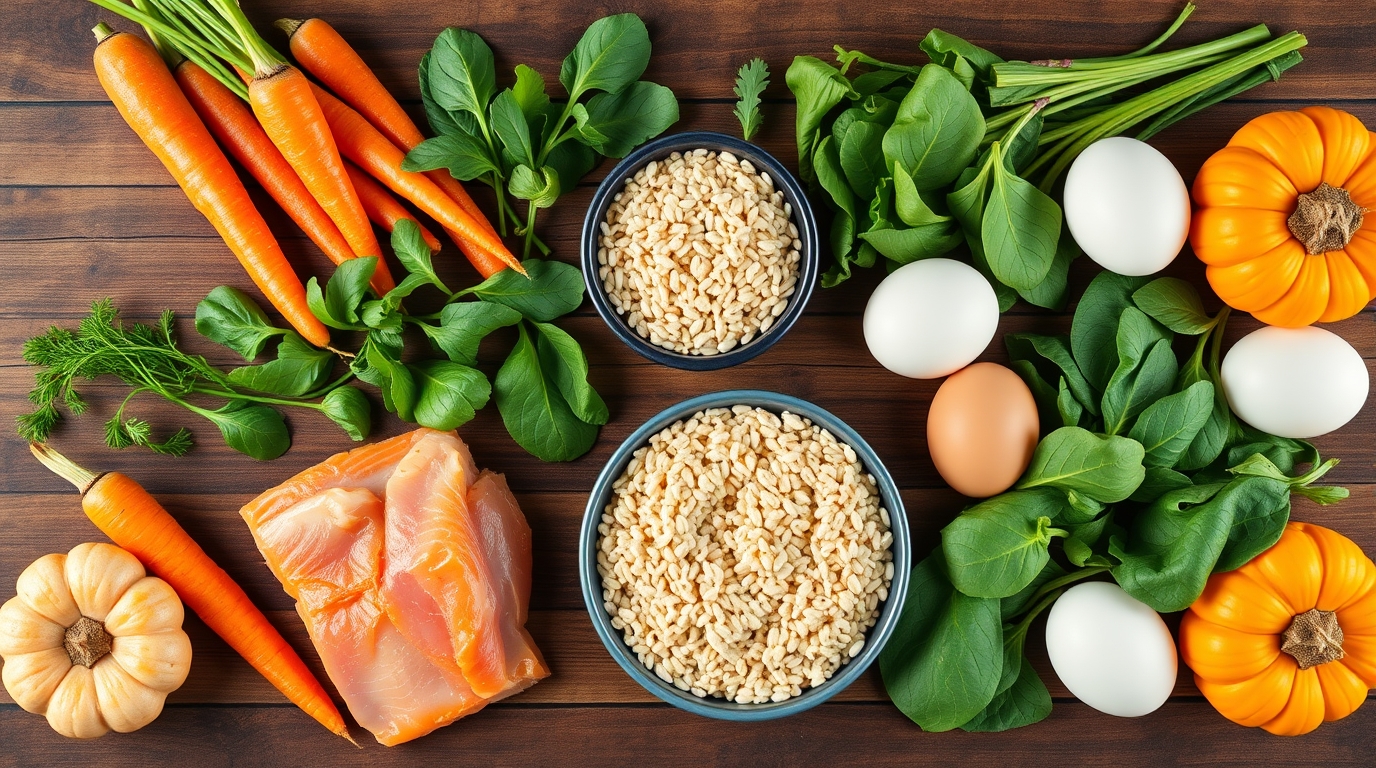
Nutritionally Complete Homemade Dog Food Recipes

Feeding your dog isn’t just about filling a bowl with kibble. More and more pet owners are exploring nutritionally complete homemade dog food recipes to ensure their dogs receive fresh, balanced, and wholesome nutrition. While homemade meals can be incredibly beneficial, they must be carefully prepared to provide the right balance of proteins, fats, vitamins, and minerals. In this comprehensive guide, you’ll learn what makes homemade dog food nutritionally complete, the best ingredients to use, easy recipes you can prepare at home, and tips to ensure your dog gets all the nutrients needed for a long and healthy life. Why Choose Nutritionally Complete Homemade Dog Food? Commercial dog foods are convenient, but they may contain preservatives, fillers, and artificial ingredients. Homemade dog food allows you to control exactly what goes into your dog’s meals. Benefits of Homemade Dog Food However, homemade dog food must be balanced and nutritionally complete, otherwise it can cause deficiencies over time. What Does “Nutritionally Complete” Mean for Dogs? A nutritionally complete dog meal contains the right proportions of: Veterinarians often recommend the following approximate ratio for homemade dog meals: This balance ensures your dog receives adequate nutrients without excess calories. Essential Ingredients for Homemade Dog Food Before diving into recipes, it’s important to understand the ingredients that make meals nutritious. High-Quality Protein Sources Protein is the foundation of a healthy dog diet. Best options include: Protein helps build strong muscles and supports overall growth. Healthy Carbohydrates Carbohydrates provide energy and aid digestion. Good choices include: These carbohydrates release energy slowly and support gut health. Dog-Safe Vegetables Vegetables provide vitamins, antioxidants, and fiber. Safe options include: Vegetables also help regulate digestion. Healthy Fats Dogs need fats for brain health and energy. Recommended sources: These fats also improve coat shine and skin condition. Top Nutritionally Complete Homemade Dog Food Recipes Below are balanced recipes designed to provide complete nutrition. 1. Chicken and Rice Balanced Dog Meal This is one of the most popular nutritionally complete homemade dog food recipes. Ingredients Preparation Benefits 2. Beef and Sweet Potato Power Bowl A hearty meal that supports muscle growth and energy. Ingredients Preparation Benefits 3. Salmon and Quinoa Nutrient Bowl Perfect for dogs with skin sensitivities. Ingredients Preparation Benefits 4. Turkey and Vegetable Balanced Meal This meal is light but nutritionally dense. Ingredients Preparation Benefits 5. Egg and Oat Breakfast for Dogs A simple but nutritious homemade meal. Ingredients Preparation Benefits Important Supplements for Homemade Dog Food Even well-balanced homemade meals may need additional nutrients. Calcium Essential for bone health. Sources: Omega-3 Fatty Acids Promote healthy skin and reduce inflammation. Sources: Multivitamins Some dogs may benefit from canine multivitamins approved by veterinarians. Foods You Should Never Feed Dogs Certain foods are toxic and should never be included in homemade meals. Avoid: Always research ingredients before feeding them to your dog. How Much Homemade Dog Food Should You Feed? Portion size depends on: A general guideline: Dog Weight Daily Food Amount 10 lbs ¾ – 1 cup 25 lbs 1½ – 2 cups 50 lbs 2½ – 3 cups 75 lbs 3½ – 4 cups Divide meals into two servings per day. Tips for Transitioning to Homemade Dog Food Switching foods too quickly can upset your dog’s stomach. Follow this transition plan: Day 1–2: 75% old food + 25% homemadeDay 3–4: 50% old food + 50% homemadeDay 5–6: 25% old food + 75% homemadeDay 7: 100% homemade diet This gradual transition helps prevent digestive problems. Storing Homemade Dog Food Safely Homemade meals should be stored properly to prevent spoilage. Storage tips: Common Mistakes When Making Homemade Dog Food Many owners unintentionally make nutritional mistakes. Avoid these common errors: Balanced nutrition is essential for long-term health. Conclusion Preparing nutritionally complete homemade dog food recipes is one of the best ways to ensure your dog receives fresh, high-quality nutrition. By using balanced ingredients such as lean proteins, healthy carbohydrates, vegetables, and essential fats, you can create meals that support your dog’s overall health, energy levels, and longevity. However, balance is key. Always ensure your recipes contain the right proportions of nutrients and consult a veterinarian if you’re unsure. With proper planning and care, homemade dog food can become a healthy and rewarding part of your dog’s daily routine. Frequently Asked Questions 1. Are homemade dog food recipes healthier than commercial food? They can be healthier if they are nutritionally balanced and made with high-quality ingredients. 2. Can dogs eat homemade food every day? Yes, as long as the meals are nutritionally complete and provide all essential nutrients. 3. Do homemade dog meals require supplements? Often yes. Calcium and omega-3 supplements are commonly recommended. 4. How long can homemade dog food be stored? Refrigerated meals last about 3–4 days, while frozen portions can last up to 3 months. 5. Is rice good for dogs in homemade recipes? Yes, brown rice is a healthy carbohydrate that provides energy and supports digestion. Also Read:

Best Dog Food for Xoloitzcuintli Puppies – Complete Nutrition Guide (2026)

Best Dog Food for Xoloitzcuintli Puppies

Choosing the best dog food for Xoloitzcuintli puppies might sound simple until you realize how unique this ancient breed is. Commonly called “Xolos,” these Mexican hairless dogs have distinctive body types, metabolisms, and nutritional needs — meaning a generic puppy diet won’t always cut it. In this in-depth guide, you’ll learn exactly what to look for, how much to feed at each growth stage, how different food types compare (wet vs dry), breed-specific sensitivities, and how to adjust feeding as your Xolo pup grows into adulthood. Why Nutrition Matters for Xoloitzcuintli Puppies Xolos are an athletic, medium-energy breed with a lean body. During puppyhood, they’re building bone, brain, and immune strength constantly. This stage determines lifelong health, so choosing proper nutrition is critical. Great nutrition affects: Poor nutrition can easily lead to stunted growth, weak immunity, or obesity — even in a breed known for its lean build. Key Nutritional Needs of Xoloitzcuintli Puppies High-Quality Animal Protein Muscle and tissue development rely on premium protein. Look for named sources like: Balanced Fats Healthy fats fuel energy and support skin health — especially crucial for hairless variation. Omega-3 and Omega-6 fatty acids help with: Complex Carbohydrates Easily digestible carbs provide sustained energy. Good sources include: Vitamins & Minerals Calcium and phosphorus should be balanced for bones, while antioxidants support immunity. Best Dog Food for Xoloitzcuintli Puppies (Top Picks) Here’s a breakdown of nutrient-rich, breed-appropriate puppy foods known for quality and balance: 1. Premium Small/Medium Breed Puppy Formulas Xoloitzcuintli puppies benefit from formulas meant for smaller frames with moderate energy needs. Look for: Ideal foods include high-quality kibble or mixed wet food with named proteins. Dry vs Wet Food for Xoloitzcuintli Puppies Dry Food (Kibble) Pros: Cons: Wet Food Pros: Cons: Best practice: A balanced combo of dry kibble + occasional wet food works well — especially for growing Xolo pups. How Much to Feed Xoloitzcuintli Puppies (Feeding Chart) Puppy Age Daily Calories Dry Food (approx) 8–12 weeks 800–1000 kcal 2 – 2.5 cups 3–6 months 900–1,200 kcal 2.5 – 3 cups 6–12 months 800–1,000 kcal 2 – 2.5 cups Note: Adjust based on activity level, growth rate, and vet direction. Always measure portions to prevent overfeeding. Feeding Schedule for Xoloitzcuintli Puppies Up to 12 Weeks 3–6 Months 6–12 Months Consistent routines help with digestion and training. Homemade vs Commercial Dog Food for Xolo Tog Puppies Commercial Food (Recommended for Beginners) High-quality commercial puppy foods are formulated to meet nutritional benchmarks established by AAFCO (Association of American Feed Control Officials). This ensures balanced calories and nutrients. Homemade Diet If you prefer homemade meals: A veterinary-approved homemade dog food calculator can help determine correct portions based on weight and age. Common Food Sensitivities in Xoloitzcuintli Puppies Some pups may show reactions such as: If this happens: Best Supplements for Xoloitzcuintli Puppies Adding certain supplements can support growth: Always consult your vet before starting any supplements. Signs Your Xolo Puppy Isn’t Getting Proper Nutrition Watch for: If any occur, adjust food or consult a veterinarian immediately. Transitioning Puppy Food Safely Switch to adult food around 10–12 months, depending on your pup’s size and energy level. Do it gradually over 7–10 days: This minimizes digestive upset. Tips to Make Feeding Fun and Effective Interactive Feeders Puzzle feeders slow eating and mentally engage your pup. Scheduled Feeding Avoid free-feeding — it promotes begging and obesity. Hydration Is Key Moisture helps digestion — especially in hairless Xolos prone to dry skin. Conclusion Feeding a Xoloitzcuintli puppy is more than scooping food into a bowl — it’s about choosing the best dog food formulated for puppies, understanding their unique nutritional profile, and setting a healthy feeding routine. Pick formulas with high-quality proteins, moderate fats, and balanced nutrients. Use feeding charts and adjust based on activity and growth. And always consult your vet when in doubt. With the right nutrition plan, your Xoloitzcuintli puppy will grow into a strong, happy, and healthy adult. Frequently Asked Questions (FAQs) 1. What is the best dog food for Xoloitzcuintli puppies?High-protein, balanced puppy formulas designed for small to medium breeds are ideal. Look for named meat sources and optimal fat levels. 2. Should Xolo puppies eat wet or dry food?A mix of both provides hydration and dental benefits, but dry food alone works if balanced and measured properly. 3. How often should Xolo puppies be fed?4 meals/day up to 12 weeks, then 3 meals/day until 6 months, then 2–3 meals/day until adulthood. 4. Can I feed my Xolo puppy homemade food?Yes, if nutritionally balanced and veterinarian-approved. Use a dog food calculator to portion correctly. 5. When should I transition to adult food?Typically around 10–12 months, depending on your puppy’s growth rate and vet recommendations. Also Read:\

How to Clean Your Dog’s Bowl: The Ultimate Guide to Safe, Germ-Free Feeding

How to Clean Your Dog’s Bowl

You wash your plates after every meal. But what about your dog’s bowl? Here’s the uncomfortable truth: dog bowls can contain more bacteria than a toilet seat. Yes, really. If you’ve ever wondered how to clean your dog’s bowl properly, how often to do it, or whether dish soap is safe — you’re in the right place. This guide covers everything, from daily cleaning routines to deep sanitizing methods, using expert-backed hygiene practices. Let’s dive in. Why Cleaning Your Dog’s Bowl Is More Important Than You Think Hidden Bacteria in Dog Bowls Dog food bowls and water bowls collect: When leftover kibble sits for hours, bacteria multiply rapidly. Wet food? Even faster. Health Risks from Dirty Food and Water Bowls A dirty dog bowl can cause: Think of your dog’s bowl as a dinner plate. Would you eat off it after three days without washing? Exactly. How Often Should You Clean Your Dog’s Bowl? Daily Cleaning Guidelines Food bowls should be washed after every meal. Water bowls should be washed at least once daily — more if your dog drools heavily. Weekly Deep Cleaning Routine Once per week: This prevents biofilm buildup and bacterial colonies. How to Clean Your Dog’s Food Bowl Properly Step-by-Step Cleaning Process Simple. But powerful. Using Dish Soap Yes — mild dish soap is safe. Just rinse thoroughly to avoid residue. Hot water kills bacteria. Soap breaks down grease and food particles. Using Dishwasher Safely Stainless steel and ceramic bowls are usually dishwasher safe. Run on hot cycle. Avoid plastic if scratched. Dishwashers provide higher temperature sanitization. How to Clean Your Dog’s Water Bowl Water bowls develop something called biofilm — that slippery slime layer. Slime and Biofilm Explained Biofilm forms when bacteria attach to surfaces and create a protective layer. If your finger feels slime — that’s bacteria. Removing Hard Water Stains Use white vinegar: Natural and effective. Best Way to Clean Dog Bowls Naturally Many pet owners prefer chemical-free cleaning. Cleaning Dog Bowls with Vinegar White vinegar kills many common bacteria. Perfect for routine sanitizing. Baking Soda Method For odors: Great for deep cleaning stainless steel bowls. Stainless Steel vs Plastic vs Ceramic Dog Bowls Which Is Easiest to Clean? Stainless steel wins. Plastic scratches easily, trapping bacteria. Ceramic can chip. Which Is Most Hygienic? Stainless steel is the safest and most hygienic option. If you’re serious about hygiene — upgrade. Signs Your Dog’s Bowl Needs Immediate Cleaning If you notice any of these — wash immediately. Can Dirty Dog Bowls Make Dogs Sick? Absolutely. Studies show dog bowls rank among the germiest household items. Bacteria transfer easily from bowls to paws, furniture, and even humans. Regular cleaning protects both pets and family. Common Mistakes Pet Owners Make Moisture encourages bacterial growth. Professional Vet Recommendations Veterinarians recommend: Consistency matters more than intensity. Conclusion Cleaning your dog’s bowl isn’t optional — it’s essential. A clean bowl means: It takes less than two minutes per day — but prevents major health issues long-term. Treat your dog’s bowl like your own plate. Because hygiene isn’t a luxury. It’s responsibility. FAQs 1. How often should I clean my dog’s food bowl? After every meal. 2. Can I use vinegar to clean dog bowls? Yes, white vinegar is a safe natural disinfectant. 3. Are plastic dog bowls bad? They can trap bacteria if scratched. Stainless steel is safer. 4. Is dishwasher cleaning enough? Yes, if bowls are dishwasher-safe and run on a hot cycle. 5. Can dirty dog bowls cause infections? Yes, bacterial buildup can lead to gastrointestinal and skin infections. Also Read:

Dog Food Calculator – The Ultimate Guide to Feeding Your Dog the Right Way

Dog Food Calculator

Feeding your dog seems simple, right? Pour some kibble into a bowl and call it a day. But here’s the truth: most dogs are either overfed or underfed. And that tiny miscalculation? It compounds over years. That’s where a Dog Food Calculator changes everything. Think of it like a GPS for your dog’s nutrition. Instead of guessing, you calculate. Instead of overfeeding, you optimize. Instead of reacting to weight gain later, you prevent it now. Let’s break this down properly. What Is a Dog Food Calculator and Why It Matters? A Dog Food Calculator is a tool that estimates how many calories your dog needs daily based on weight, age, activity level, and food type. It eliminates guesswork. How Feeding Impacts Long-Term Health Overfeeding leads to: Underfeeding leads to: Food is fuel. Too much floods the engine. Too little stalls it. Why Guesswork Is Dangerous Dog food bags often give broad feeding ranges. But dogs aren’t identical machines. A 20kg couch-loving dog doesn’t need the same calories as a 20kg agility champion. Types of Dog Food Calculators Explained Dog Food Calculator by Weight This is the most basic form. It calculates calorie needs based on body weight alone. Best for: Dog Food Calculator by Weight and Age This version is more precise. Puppies burn more calories. Seniors burn fewer. Age dramatically changes nutritional needs. Dog Food Calculator Wet and Dry Wet food contains more moisture and fewer calories per gram than dry food. Mixing both without calculating properly can double your dog’s daily calories. This calculator adjusts for calorie density differences. Dog Food Calculator Homemade Feeding homemade meals? You absolutely need this. Unlike kibble, homemade meals vary in calories depending on ingredients. A Dog Food Calculator Homemade version estimates portions based on ingredient calorie values. Best Homemade Dog Food Calculator – How It Works The Best Homemade Dog Food Calculator uses scientific formulas. Let’s simplify it. Resting Energy Requirement (RER) RER = 70 × (body weight in kg)^0.75 This calculates the calories your dog needs at rest. Maintenance Energy Requirement (MER) MER = RER × Activity Factor Activity Factors: This is your true daily calorie target. Dog Food Calculator Royal Canin vs Generic Calculators Many owners search specifically for Dog Food Calculator Royal Canin. Why? Brand-specific calculators use the calorie density of their exact formula. Brand-Specific Feeding Charts Royal Canin formulas differ in calorie density per cup. Using a generic calculator without adjusting for that difference may lead to incorrect portions. When to Follow Brand Guidelines Use brand charts: But always cross-check with weight-based calorie needs. Dog Food Calculator by Weight – Step-by-Step Guide Let’s simplify feeding by weight categories. Small Dogs (Under 10kg) They have faster metabolisms. Approximate calorie range: Small dogs need calorie-dense food in smaller portions. Medium Dogs (10–25kg) Moderate metabolism. Large Dogs (25–45kg) Slower metabolism relative to size. Dog Food Calculator by Weight and Age – Complete Chart Puppies Puppies need 2–3× adult calories. Example:10kg puppy = 1200–1500 kcal Adults Balanced energy intake. Example:20kg adult = 1000 kcal average Seniors Reduced calorie needs. Example:20kg senior = 800–900 kcal Dog Food Calculator Wet and Dry – Mixing Correctly Dry food = higher calorie densityWet food = lower calorie density If your dry food has 400 kcal per cup and your wet food has 100 kcal per 100g, you must calculate portions accordingly. Never assume equal volume equals equal calories. Dog Food Calculator Homemade – Portion Planning Homemade feeding requires ingredient breakdown. Example homemade meal: If your dog needs 1000 kcal, you divide calories proportionally. Homemade Dog Food Calculator Free Tools Free online calculators: Always ensure nutrient balance — not just calorie count. Common Feeding Mistakes to Avoid Hunger doesn’t always equal need. Sample Feeding Calculations Example: 25kg adult dog RER = 70 × (25)^0.75 ≈ 800 kcalMER = 800 × 1.6 ≈ 1280 kcal daily If food contains 400 kcal per cup:1280 ÷ 400 = 3.2 cups daily Split into 2 meals = 1.6 cups per meal Simple math. Massive health impact. Conclusion A Dog Food Calculator is not optional it’s essential. Whether you’re using a Dog Food Calculator Royal Canin, a Dog Food Calculator Wet and Dry, or the Best Homemade Dog Food Calculator, the goal remains the same: feed accurately, not emotionally. Precision feeding prevents obesity, increases lifespan, improves energy, and protects joints. Stop guessing. Start calculating. Your dog’s health depends on it. FAQs 1. What is the best dog food calculator? The best one calculates based on weight, age, activity, and food calorie density. 2. Can I use a homemade dog food calculator free tool? Yes, but always ensure nutrient balance beyond calories. 3. Is a dog food calculator by weight enough? It’s a starting point. Age and activity level improve accuracy. 4. How do I calculate wet and dry food together? Convert both into calories and ensure the total matches your daily target. 5. Should I follow Dog Food Calculator Royal Canin guidelines exactly? Use them as guidance, but confirm calorie needs using weight-based calculations. Also Read:

Dog Training Basics for Beginners: A Complete Step-by-Step Guide

Dog Training Basics for Beginners

Bringing a dog into your life is exciting. But let’s be honest ,it can also feel overwhelming. Chewed shoes. Accidents on the carpet. Non-stop barking. Sound familiar? Here’s the truth: training isn’t about controlling your dog. It’s about communication. Think of it as learning a new language — one that builds trust, structure, and harmony between you and your furry companion. Let’s break it down step by step. Why Dog Training Is Essential for Every New Owner The Link Between Training and Behavior Dogs aren’t “bad.” They’re confused. When they jump, bark, or chew, they’re responding to instincts or unclear boundaries. Training provides clarity. It tells your dog, “This is what I expect.” Without training, dogs create their own rules. And trust me ,you probably won’t like them. Building Trust and Communication Training strengthens your bond. When your dog understands what you want and earns rewards for it, confidence grows. And a confident dog is a calm dog. Understanding How Dogs Learn Positive Reinforcement Explained Dogs repeat behaviors that are rewarded. It’s that simple. When your dog sits and you reward them with praise or a treat, they associate sitting with something good. Over time, that behavior becomes automatic. Reward-based training works faster, builds trust, and reduces fear. Timing and Consistency Matter Rewards must happen within seconds. If you reward too late, your dog won’t connect the dots. Consistency is equally important. If jumping is sometimes allowed and sometimes punished, your dog gets mixed signals. Why Punishment Fails Punishment might stop a behavior temporarily, but it creates fear and confusion. Fear damages trust. And without trust, training collapses. Preparing for Training Success Essential Training Tools You don’t need fancy gadgets. Just: That’s it. Creating a Distraction-Free Environment Start in a quiet room. Gradually increase distractions as your dog improves. Think of it like learning math ,you start with basics before taking the final exam. Basic Commands Every Dog Should Learn These are your foundation. Master these, and life becomes much easier. Sit Hold a treat above your dog’s nose and move it slightly back. As their head tilts up, their bottom naturally lowers. Say “Sit,” reward immediately. Simple. Powerful. Stay Ask your dog to sit. Show your palm and say “Stay.” Take one step back. If they don’t move, reward. Increase distance slowly. Come This command could save your dog’s life. Use an excited tone. Say “Come!” and reward generously when they approach. Make it fun. Down From a sitting position, lower a treat to the floor and pull it forward. Reward once they lie down. Leave It Place a treat in your closed hand. When your dog stops trying to get it, reward from the other hand. This builds impulse control. Potty Training for Beginners Establishing a Routine Dogs thrive on routine. Take your puppy outside: Praise immediately after they go. Common Mistakes to Avoid Accidents are learning opportunities, not failures. Crate Training Made Simple Benefits of Crate Training A crate isn’t a cage — it’s a safe den. Dogs naturally seek enclosed spaces. Crates help with potty training, prevent destructive behavior, and provide security. Step-by-Step Introduction Leave the crate open. Toss treats inside. Let your dog explore voluntarily. Never force them in. Gradually increase time inside with positive associations. Leash Training and Walking Etiquette Teaching Loose-Leash Walking If your dog pulls, stop walking. The moment the leash loosens, move forward again. Consistency teaches them that pulling gets them nowhere. Handling Pulling Behavior Use direction changes. Reward when they walk beside you. Patience here pays off massively. Socialization for Puppies and Adult Dogs Why Early Socialization Matters Dogs exposed to various sights, sounds, and people early are less fearful later. Fear-based aggression often comes from lack of exposure. Safe Exposure Techniques Introduce new environments gradually. Keep experiences positive. Never overwhelm your dog. Managing Common Behavioral Issues Barking Identify the trigger. Is it boredom? Anxiety? Alerting? Address the root cause , not just the noise. Jumping Ignore jumping. Reward calm behavior. Dogs repeat what works. Chewing Provide appropriate chew toys. Redirect instead of scolding. Chewing is natural — destruction isn’t. Training Schedule for Beginners Daily Routine Plan Short sessions beat long lectures. How Long Should Sessions Be? Keep it short and fun. End on a success. Burnout kills progress. When to Seek Professional Help If you notice aggression, severe anxiety, or lack of progress after consistent effort, consult a professional trainer. There’s no shame in asking for help. Conclusion Dog training basics for beginners aren’t complicated. They require patience, clarity, and consistency. Think of training as planting seeds. With daily effort, those seeds grow into obedience, confidence, and lifelong trust. Your dog isn’t trying to challenge you. They’re trying to understand you. Teach them kindly and you’ll gain a loyal companion who listens not out of fear, but out of love. FAQs 1. How long does it take to train a beginner dog? Basic commands can take 2–6 weeks with daily practice. 2. Can older dogs learn basic training? Absolutely. Dogs of any age can learn with consistency. 3. How many times per day should I train my dog? 2–3 short sessions daily work best. 4. Should I use treats forever? Gradually reduce treats and replace with praise once behavior becomes consistent. 5. What is the easiest command to teach first? “Sit” is typically the easiest and most foundational command. Also Read:

Top Breeds for New Dog Owners – The Ultimate Beginner’s Guide to Choosing the Perfect Dog

Dog Feeding Schedule Chart by Age

Getting your first dog is exciting, emotional, and life-changing—but it can also be overwhelming. One of the biggest mistakes first-time dog owners make is choosing a breed based on looks alone. Not all dogs are beginner-friendly, and selecting the wrong breed can lead to stress, behavioral problems, and even rehoming. That’s why this guide focuses on the top breeds for new dog owners—dogs that are easier to train, adaptable, friendly, and forgiving of beginner mistakes. This article is carefully structured to answer what Google and real users want: Which dog breeds are best for first-time owners, families, apartments, low maintenance lifestyles, and busy schedules. Why Choosing the Right Breed Matters for First-Time Owners Dogs are not “one size fits all.” Some breeds require intense exercise, advanced training, or constant mental stimulation. Others are patient, adaptable, and easier to manage. For new dog owners, the ideal breed typically has: Choosing the right breed dramatically increases the chances of a happy, long-term relationship. Key Traits to Look for in Beginner-Friendly Dog Breeds Before jumping into specific breeds, it’s important to understand what actually makes a dog suitable for beginners. 1. Trainability Dogs that are eager to please and respond well to basic training are much easier for new owners. 2. Temperament Calm, patient, and friendly dogs are more forgiving of mistakes. 3. Energy Level Moderate energy is ideal—too high can overwhelm beginners, too low can lead to health issues. 4. Grooming Needs Low-shedding or easy-to-maintain coats reduce stress and costs. 5. Adaptability Beginner dogs should adapt well to apartments, families, and routine changes. Top Breeds for New Dog Owners (Expert-Approved List) 1. Labrador Retriever – The Best Overall Dog for First-Time Owners The Labrador Retriever consistently ranks as one of the best dog breeds for first time owners—and for good reason. Why Labradors Are Beginner-Friendly Labradors are intelligent but not stubborn, energetic but not overwhelming. They thrive in families, single-owner homes, and even with novice trainers. Best for: Families, active individuals, first-time owners wanting a versatile dog. 2. Golden Retriever – Gentle, Intelligent & Loving Golden Retrievers are often recommended as the safest choice for new dog owners, especially families. Why Goldens Are Ideal for Beginners Golden Retrievers are excellent for people who want a deeply bonded companion and are willing to invest time in daily interaction. 3. Cavalier King Charles Spaniel – Perfect for Apartments & Beginners If you live in an apartment or prefer a smaller dog, the Cavalier King Charles Spaniel is one of the best small dog breeds for beginners. Beginner Benefits They adapt well to both active and relaxed lifestyles. 4. Poodle – Smart, Low-Shedding & Beginner-Friendly Poodles come in toy, miniature, and standard sizes, making them one of the most versatile beginner friendly dog breeds. Why Poodles Work for New Owners They require grooming but compensate with excellent trainability. 5. Beagle – Friendly & Curious (With a Note of Caution) Beagles are often listed among the best dogs for first time owners, especially families. Pros Considerations Beagles are suitable for beginners who are willing to invest time in training and exercise. 6. Bichon Frise – Low Maintenance & Loving For people seeking low maintenance dog breeds for beginners, the Bichon Frise is an excellent choice. Why Bichons Are Beginner-Friendly They are especially popular with seniors and first-time pet parents. 7. Shih Tzu – Calm & Companion-Focused Shih Tzus are ideal for people looking for a calm, affectionate dog. Beginner Advantages They are excellent apartment friendly dogs for first time owners. 8. Boxer – Energetic Yet Loyal Boxers are energetic but emotionally intelligent dogs that can work well for first-time owners who enjoy an active lifestyle. Why Boxers Can Be Good for Beginners They require training consistency but reward owners with deep loyalty. Best Small Dog Breeds for New Dog Owners If space or lifestyle limits your options, these breeds are excellent: Small dogs are often easier to manage, transport, and train. Best Medium Dog Breeds for First-Time Owners Medium breeds balance size and manageability: They offer companionship without being overwhelming. Dog Breeds New Owners Should Avoid (Beginner Warning) Some breeds are not recommended for first-time owners due to high demands: These breeds require advanced training and structured lifestyles. Adoption vs Buying – What New Dog Owners Should Know Many shelter dogs are mixed breeds with excellent temperaments. Adoption can be a great option for beginners—especially when temperament is assessed by shelter staff. Mixed breeds often: Breed matters, but individual personality matters more. Training Tips for First-Time Dog Owners Even beginner-friendly breeds need guidance. Common Mistakes New Dog Owners Make Awareness prevents frustration. How to Know You’ve Chosen the Right Breed Signs you chose well: Conclusion Choosing from the top breeds for new dog owners sets the foundation for a happy, lifelong companionship. Breeds like Labrador Retrievers, Golden Retrievers, Cavaliers, Poodles, and Bichon Frises offer the perfect balance of temperament, trainability, and adaptability for beginners. The best dog for a first-time owner isn’t the most impressive or rare—it’s the one that fits your lifestyle, energy level, and commitment. When chosen wisely, your first dog won’t just be a pet—it will become family. Also Read:

Cat Clothes Size Chart – The 2026 Ultimate Guide

Cat Clothes Size Chart

Dressing cats is no longer just a cute trend—it’s a practical necessity for many pet parents. From keeping hairless cats warm and protecting post-surgery wounds to adding festive outfits and calming anxiety, cat clothing serves multiple purposes. However, the biggest challenge most owners face is sizing. Cats vary widely in body shape, fur density, and comfort tolerance, which makes choosing the right size tricky. That’s why understanding a cat clothes size chart is essential before buying or making any outfit. This in-depth guide explains how cat clothing sizes work, how to measure your cat accurately, how sizing differs by age, breed, and body type, and how to avoid the most common mistakes. Whether you’re shopping online, sewing at home, or buying seasonal wear, this guide will help you get the perfect fit—comfortably and safely. Why Cat Clothing Size Matters More Than You Think Cats are extremely sensitive animals. Clothing that is too tight can restrict movement, cause stress, or interfere with breathing. Clothing that is too loose can slip, twist, or become a safety hazard. Unlike dogs, cats have flexible spines, narrow shoulders, and deep chests relative to their size, which makes sizing even more important. A proper cat clothes size chart ensures: Correct sizing is the difference between a cat tolerating clothes and completely rejecting them. Understanding Cat Body Anatomy for Clothing Before using a size chart, it’s important to understand how cat bodies differ from other pets. Cats generally have: This means cat clothing must be measured differently from dog clothing. Using dog sizes for cats often results in poor fit. How Cat Clothes Size Charts Work Most cat clothes size charts are based on three core measurements: Some charts may also include weight, but weight alone is not reliable due to differences in body composition. How to Measure Your Cat for Clothes (Step-by-Step) Accurate measurements are the foundation of using any cat clothes size chart. 1. Neck Measurement Measure around the base of your cat’s neck where a collar naturally sits. Leave room for one finger to ensure comfort. 2. Chest (Girth) Measurement Measure the widest part of your cat’s chest, usually just behind the front legs. This is the most important measurement for clothing fit. 3. Back Length Measure from the base of the neck (not the collar) to the base of the tail. Do not include the tail. Always measure when your cat is standing naturally—not sitting or stretching. Standard Cat Clothes Size Chart (General Guide) Below is a commonly used reference for cat clothing sizes. This chart is meant as a guideline and may vary by brand. Size Neck (cm) Chest (cm) Back Length (cm) Weight Range XS 18–20 26–28 18–20 1–2 kg S 20–22 28–32 20–25 2–3 kg M 22–24 32–36 25–30 3–4.5 kg L 24–26 36–40 30–35 4.5–6 kg XL 26–28 40–44 35–40 6–8 kg Always prioritize chest measurement over weight. Cat Clothes Size Chart by Age Age affects body shape and tolerance to clothing. Kitten Size Chart Kittens grow rapidly, so sizing must allow room for growth. Kittens often outgrow clothes within weeks. Adult Cat Size Chart Adult cats have stable body dimensions. Adult sizing is the most consistent. Senior Cat Size Chart Senior cats may lose muscle or gain fat unevenly. Senior cats benefit most from properly sized clothing for warmth. Cat Clothes Size Chart by Breed Breed significantly impacts sizing due to body structure. Small & Slim Breeds Examples: Siamese, Oriental Shorthair Medium Build Breeds Examples: Domestic Shorthair, Bengal Large & Heavy Breeds Examples: Maine Coon, Ragdoll Breed-specific consideration helps avoid sizing errors. Hairless Cats & Special Fit Requirements Hairless cats (like Sphynx) have unique needs: For these cats, the cat clothes size chart should prioritize: Tight seams can irritate bare skin. Seasonal Cat Clothing & Size Considerations Winter Clothes Summer Clothes Seasonal fabric thickness can affect perceived size. Cat Clothes Size Chart for Harness-Style Clothing Some cat clothes integrate harnesses or leashes. Sizing rules: Always test indoors before outdoor use. Common Cat Clothes Sizing Mistakes Using weight aloneIgnoring chest measurementChoosing dog clothing sizesBuying too tight “for looks”Not checking return policies Most returns happen due to incorrect sizing, not poor quality. Signs Clothing Fits Your Cat Correctly If your cat lies down and refuses to move, the fit may be uncomfortable. How to Introduce Clothes After Choosing the Right Size Even perfect sizing needs gradual introduction. Steps: Proper sizing speeds up acceptance dramatically. Cat Clothes Size Chart for Online Shopping When buying online: Never assume “small” means the same across brands. Custom & DIY Cat Clothes Sizing If sewing at home: DIY clothing allows perfect customization using your cat’s exact measurements. Safety Tips When Using Cat Clothes Comfort and safety always come first. Frequently Asked Questions (FAQs) How do I know my cat’s clothing size? Measure neck, chest, and back length, then match to a cat clothes size chart. Should I size up or down for cats? If between sizes, size up for comfort. Can cats wear dog clothes? Not recommended. Dog clothes rarely fit cat anatomy correctly. How tight should cat clothes be? Snug but not tight. You should fit one finger comfortably. Do cats need clothes? Only in specific cases—cold climates, hairless breeds, post-surgery, or anxiety support. Conclusion Choosing the right cat clothes size chart is the key to safe, comfortable, and stress-free cat clothing. By measuring accurately, understanding your cat’s body type, and using size charts correctly, you can avoid discomfort, wasted purchases, and behavioral resistance. Whether you’re dressing your cat for warmth, recovery, or style, fit always matters more than fashion. A well-fitted outfit keeps your cat comfortable, confident, and happy. Also Read:

Cat Feeding Schedule for Weight Loss – 2026 Complete Guide

Cat Feeding Schedule for Weight Loss

Obesity is one of the most common yet overlooked health problems in cats today. Indoor lifestyles, free-feeding, overuse of dry food, and lack of structured routines often lead to gradual weight gain that many pet parents don’t notice until it becomes a serious issue. This is why more owners are now searching for a cat feeding schedule for weight loss calculator,they want a clear, structured, and safe way to help their cat slim down without harming their health. This in-depth guide will walk you through cat feeding schedules by age, how to manage wet and dry food, how often to feed wet food, and how to support weight loss naturally,especially for adult and senior cats. You’ll also learn how a cat weight loss calculator works and how to choose the right weight loss cat food. Why Cats Gain Weight So Easily Cats are natural grazers, but modern feeding habits work against their biology. Free-feeding dry kibble allows cats to eat out of boredom rather than hunger. Neutering reduces calorie needs, but portions often remain unchanged. Add low activity levels and calorie-dense food, and weight gain becomes inevitable. Even a small amount of extra weight can: A structured feeding schedule is the foundation of safe and lasting weight loss. How a Cat Feeding Schedule for Weight Loss Works A proper feeding schedule does three things: Instead of random feeding times or unlimited access to food, meals are planned, measured, and consistent. A cat feeding schedule for weight loss calculator helps determine: Understanding a Cat Weight Loss Calculator A cat weight loss calculator estimates how many calories your cat should eat daily based on: As a general rule: Weight loss in cats should be slow and gradual. Rapid weight loss can cause a dangerous condition called hepatic lipidosis (fatty liver disease). Cat Feeding Schedule by Age (Weight Loss Focused) Kitten Feeding Schedule (Not for Weight Loss) Kittens should never be put on a weight-loss diet. They require high calories for growth. Weight control starts after full growth. Adult Cat Feeding Schedule by Age (1–7 Years) For adult cats needing weight loss, structure is essential. Recommended schedule: Meals per day: 2–3 measured meals This cat feeding schedule by age works well for most indoor cats and prevents long fasting periods that increase hunger and begging. Senior Cat Feeding Schedule for Weight Loss (7+ Years) Senior cats often gain weight due to reduced activity, but they also have unique nutritional needs. A senior cat feeding schedule for weight loss should: Ideal schedule: Never aggressively cut calories in senior cats—slow adjustment is key. Cat Feeding Schedule Wet and Dry Food (For Weight Loss) One of the most effective changes for weight loss is adjusting the balance of wet and dry food. Why Wet Food Helps with Weight Loss Why Dry Food Causes Weight Gain Best Cat Feeding Schedule Wet and Dry Combination Many overweight cats lose weight naturally when switched to mostly wet food. How Many Times Should I Feed My Cat Wet Food? This is one of the most searched questions by cat owners. How many times should I feed my cat wet food?For weight loss, 2–3 times per day is ideal. Avoid leaving wet food out for long periods, especially in warm climates. Sample Cat Feeding Schedule for Weight Loss Here’s a simple daily routine for an overweight adult cat: Dry food, if used, should be reduced gradually and measured strictly. How to Help Your Cat Lose Weight Naturally Weight loss should not rely only on food reduction. Natural methods work best when combined. 1. Portion Control Measure every meal. Even “a little extra” adds up over time. 2. Increased Activity 3. Puzzle Feeders These slow down eating and increase mental stimulation. 4. Meal-Time Play Play before meals to mimic hunting behavior. This holistic approach answers the question how to help your cat lose weight naturally without stress or starvation. Choosing the Right Weight Loss Cat Food Not all cat foods labeled “light” are effective. What to Look for in Weight Loss Cat Food Wet vs Dry Weight Loss Cat Food Wet food is generally superior for weight loss due to lower calorie density. Always transition foods slowly over 7–10 days. How Much Should a Cat Lose Per Week? Safe weight loss for cats is: For a 15-lb cat, that’s about 0.1–0.15 lb per week. Never force rapid weight loss. Common Mistakes That Prevent Cat Weight Loss A structured feeding schedule eliminates most of these mistakes. Multi-Cat Homes: Managing Feeding for Weight Loss In multi-cat households, overweight cats often steal food. Solutions: Individual schedules are essential. Signs Your Cat Is Losing Weight Safely Signs to stop or adjust: Always consult a veterinarian if unsure. When to Use a Cat Feeding Schedule for Weight Loss Calculator A calculator is especially useful when: Calculators provide structure but should always be adjusted based on real-world results. Conclusion A structured cat feeding schedule for weight loss is the safest and most effective way to help your cat return to a healthy weight. By using a cat feeding schedule by age, balancing wet and dry food, understanding how many times to feed wet food, and supporting changes with play and natural activity, weight loss becomes sustainable and stress-free. Whether you’re managing an adult or planning a senior cat feeding schedule for weight loss, consistency, patience, and proper portions are the keys. With the right routine and the help of a cat weight loss calculator, your cat can lose weight naturally and regain energy, mobility, and quality of life. Also Read:

Labrador Printable Dog Diet Chart – Complete Feeding Guide by Age, Weight & Lifestyle

Labrador Printable Dog Diet Chart

Labradors are one of the most loved dog breeds in the world—and also one of the most food-motivated. Their friendly nature, fast metabolism in early life, and tendency to overeat make proper nutrition extremely important. That’s why many Labrador owners search for a Labrador printable dog diet chart they can follow daily without confusion. In this detailed guide, you’ll learn exactly what to feed a Labrador, how much to feed at each life stage, how to prevent obesity, and how to use a printable Labrador diet chart for puppies, adults, and senior dogs. Whether you’re a new Labrador parent or managing a multi-dog household, this article will help you build a healthy, consistent feeding routine. Why Labradors Need a Structured Diet Chart Labradors are genetically prone to overeating and weight gain. Many Labradors lack the natural “off switch” that tells them to stop eating, which means free-feeding or guesswork portions often lead to obesity. A Labrador printable dog diet chart helps you: Having a printed chart near the feeding area or fridge makes daily feeding stress-free and precise. Understanding Labrador Nutrition Needs Labradors are medium-to-large breed dogs with strong muscles and high energy levels, especially in puppyhood and adulthood. Their diet must balance protein for muscle, controlled fat for energy, and fiber for digestion. Key Nutritional Requirements Because Labradors mature slowly, feeding them correctly during growth stages is critical. Labrador Printable Dog Diet Chart by Age Age is the most important factor when planning a Labrador’s diet. Below is a clear, easy-to-print feeding guide. Labrador Puppy Feeding Chart (0–12 Months) Puppy Age Meals/Day Daily Food Amount 6–8 weeks 4 meals 1½–2 cups 2–3 months 4 meals 2–3 cups 4–6 months 3 meals 3–4 cups 7–12 months 2–3 meals 3½–5 cups Notes: This table is ideal for a printable Labrador puppy diet chart. Adult Labrador Printable Dog Diet Chart (1–7 Years) Adult Labradors need fewer calories than puppies but still require high-quality nutrition. Weight Activity Level Daily Food 25–30 kg Moderate 3–3½ cups 30–35 kg Active 3½–4 cups 35–40 kg Very Active 4–4½ cups Split food into two meals per day to prevent bloating and overeating. Senior Labrador Feeding Chart (7+ Years) As Labradors age, metabolism slows and joint health becomes a priority. Age Meals/Day Daily Food 7–9 years 2 meals 2½–3 cups 10+ years 2 small meals 2–2½ cups Senior diets should be: Labrador Diet Chart by Weight (Daily Guide) Many owners prefer weight-based feeding. This table works well for a Labrador printable dog diet chart by weight. Labrador Weight Daily Calories Dry Food 25 kg 1,200–1,300 kcal 3 cups 30 kg 1,400–1,500 kcal 3½ cups 35 kg 1,600–1,700 kcal 4 cups 40 kg 1,800 kcal 4½ cups Always adjust for activity level and body condition. Best Feeding Schedule for Labradors Labradors thrive on routine. Recommended daily schedule: Puppies may need a midday meal. Adult Labradors do best on two meals per day, not one large meal. Dry Food vs Wet Food for Labradors Dry Food Wet Food Best approach:Dry food as the base + occasional wet food or broth for variety. Homemade Food in a Labrador Diet Chart Some owners prefer homemade meals, but Labradors need nutritionally balanced recipes. A simple homemade Labrador meal may include: Homemade diets should be vet-approved and supplemented to avoid deficiencies. Common Labrador Feeding Mistakes to Avoid Free-feeding all dayOverfeeding treatsFeeding table scrapsIgnoring weight gainUsing adult food for puppies too early A printable chart helps prevent all of these mistakes. How to Tell If Your Labrador Is Eating the Right Amount Healthy signs Warning signs If unsure, consult a veterinarian. Labrador Treats & Extras – How Much Is Too Much? Treats should make up no more than 10% of daily calories. Good treat options: Avoid high-fat or sugary treats. Hydration & Water Intake for Labradors Labradors need constant access to fresh water, especially after exercise. In hot weather, dehydration increases appetite confusion—dogs may seem hungry when they’re actually thirsty. Pet parents prefer printable charts because they are: A Labrador printable dog diet chart removes guesswork and improves long-term health outcomes. Conclusion A Labrador’s health is built in the food bowl. Using a Labrador printable dog diet chart helps you feed the right amount at the right time, preventing obesity while supporting muscle, joints, and energy. Whether you’re raising a puppy, managing an adult, or caring for a senior Labrador, consistency and portion control are the keys to a long, healthy life. Print the chart, follow it daily, and adjust based on your dog’s unique needs. Also Read:

Summer Superfoods for Dogs – The Ultimate Guide to Nutritious Foods

Summer Superfoods for Dogs

Summer can be a challenging season for dogs. High temperatures, humidity, dehydration, and reduced appetite can affect their energy levels, digestion, and overall health. Just like humans, dogs need dietary adjustments during hot months to stay cool, hydrated, and nourished. That’s where summer superfoods for dogs come in. Summer superfoods are natural, nutrient-dense foods that help regulate body temperature, boost hydration, support digestion, and strengthen immunity. In this detailed guide, you’ll learn what foods are best for dogs in summer, how to serve them safely, and how to build a balanced summer diet that keeps your dog happy and healthy. Why Summer Nutrition Is Important for Dogs Dogs regulate body heat primarily through panting and limited sweating through their paws. In summer, excessive heat can quickly lead to dehydration, lethargy, digestive upset, and even heatstroke. Many dogs also eat less during hot weather, increasing the risk of nutrient deficiencies. A smart summer diet should: Adding the right summer superfoods for dogs helps achieve all of this naturally. What Are Summer Superfoods for Dogs? Superfoods are whole foods rich in essential nutrients like vitamins, minerals, antioxidants, fiber, and healthy fats. For dogs, superfoods support immune function, digestion, skin and coat health, joint strength, and overall vitality. Summer-friendly superfoods are typically: Hydration Comes First – The Foundation of Summer Dog Nutrition Before discussing individual foods, hydration deserves special attention. Dogs need constant access to fresh, clean water in summer. However, hydration can also come from food. Foods with high moisture content reduce the risk of dehydration and help regulate body temperature. This makes fruits and vegetables especially valuable in summer. Top Summer Superfoods for Dogs 1. Watermelon – The Ultimate Summer Hydration Fruit Watermelon is one of the best summer superfoods for dogs. It is over 90% water and packed with vitamins A, B6, and C. Benefits: How to serve:Remove seeds and rind, cut into small chunks, serve chilled (not frozen solid). 2. Cucumber – Cooling & Low-Calorie Cucumbers are refreshing, crunchy, and extremely hydrating. Benefits: Cucumber is ideal for overweight dogs or those with low summer appetite. 3. Coconut Water – Natural Electrolyte Booster Plain, unsweetened coconut water can be a powerful summer hydration booster. Benefits: Serve in small amounts and avoid flavored or sweetened versions. 4. Blueberries – Antioxidant Powerhouse Blueberries are one of the best fruits dogs can eat in summer. Benefits: They’re also perfect as training treats or frozen snacks. 5. Pumpkin – Digestive Superfood (Year-Round, Especially Summer) While pumpkin is often associated with fall, it’s incredibly useful in summer. Benefits: Use plain, cooked pumpkin with no spices or sugar. 6. Yogurt (Plain & Unsweetened) – Gut Health Support Heat can disrupt gut bacteria, leading to loose stools. Benefits: Avoid flavored yogurt and dogs with lactose sensitivity. 7. Apples – Light, Crunchy & Nutritious Apples are refreshing and packed with fiber and vitamin C. Benefits: Always remove seeds and core. 8. Carrots – Cooling Crunch for Summer Snacking Carrots can be served raw, cooked, or frozen. Benefits: Frozen carrot sticks can soothe teething dogs and cool them down. 9. Leafy Greens (Spinach, Kale in Small Amounts) Leafy greens are nutrient-dense but should be served in moderation. Benefits: Lightly steam to improve digestibility. 10. Chia Seeds – Hydration & Omega-3 Boost Soaked chia seeds form a gel that helps retain moisture. Benefits: Always soak before serving. Best Protein Sources for Dogs in Summer Heavy, fatty meats can feel uncomfortable in hot weather. Summer diets should include lean, easily digestible proteins. Best options: Protein remains essential but should be balanced with hydration-rich foods. Homemade Summer Dog Food Ideas Using Superfoods A balanced summer meal might include: This type of homemade meal is light, nutritious, and easy on digestion. Foods Dogs Should Avoid in Summer Some foods worsen heat stress or cause dehydration. Avoid: Never assume a “cool” human food is safe for dogs. How Much Summer Superfood Should Dogs Eat? Superfoods should complement, not replace, a balanced dog diet. General rule: Signs Your Dog Needs Dietary Adjustment in Summer Watch for: If symptoms persist, consult a veterinarian. Summer Feeding Tips for Dogs Feed during cooler times of the day (early morning and evening).Avoid heavy meals before outdoor activity.Add water or broth to food for hydration.Use frozen treats in moderation.Keep food fresh and avoid leaving it out too long. Can Puppies and Senior Dogs Eat Summer Superfoods? Yes, but portions and preparation matter. Puppies:Soft, finely chopped foods, small portions. Senior dogs:Easy-to-chew foods, lower fat, higher hydration. Are Commercial Summer Dog Foods Necessary? Not always. While some commercial “summer formulas” exist, most dogs do just fine with minor dietary adjustments and the addition of natural superfoods. Whole foods offer freshness, hydration, and transparency that many commercial diets lack. Conclusion: Summer can be tough on dogs, but the right nutrition makes a huge difference. Adding summer superfoods for dogs like watermelon, cucumber, pumpkin, blueberries, yogurt, and lean proteins helps regulate body temperature, improve hydration, and support digestion during hot months. These natural foods are easy to prepare, affordable, and packed with health benefits. A smart summer diet focuses on hydration, light meals, and nutrient-dense ingredients. By making small, thoughtful changes, you can keep your dog energetic, comfortable, and healthy all summer long. Also Read: