

What Happens If My Cat Eats Dog Food?
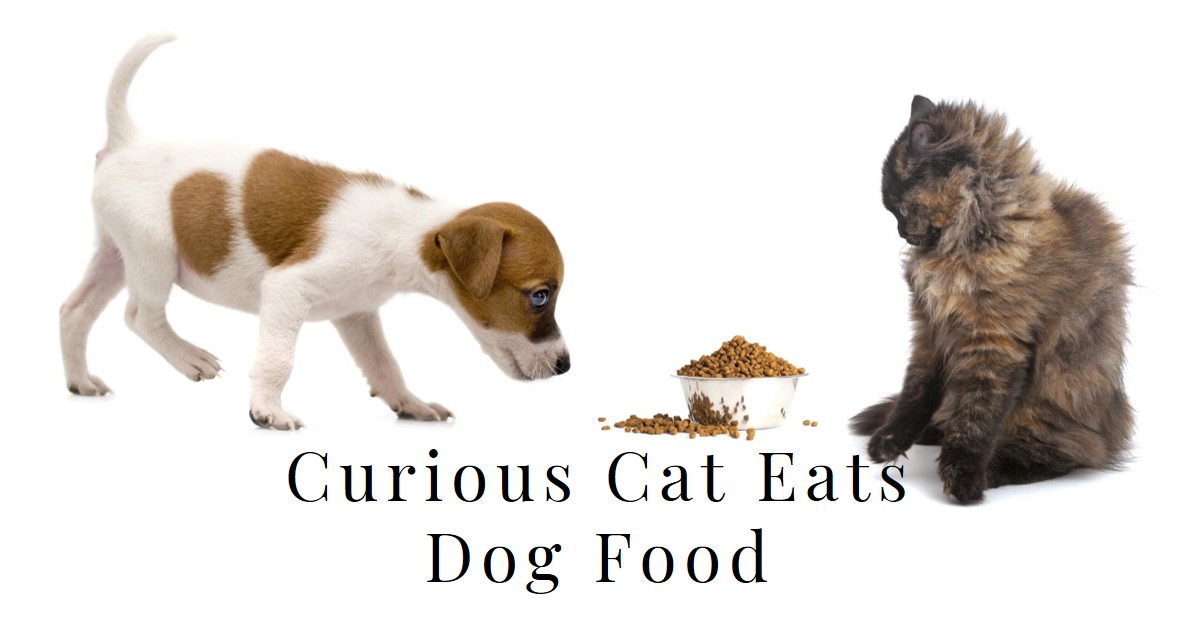
As a cat owner, you might be wondering What Happens If My Cat Eats Dog Food? or my feline friend accidentally munched on some dog food. While dog food isn’t toxic to cats, it doesn’t necessarily mean it’s good for them, either. This article will tell you about the potential consequences of a cat eating dog food, helping you understand the risks and how to handle the situation. Nutritional Deficiencies Dog food and cat food differ in their nutritional composition. Dog food is higher in protein and fat, which are essential for canine energy levels. However, cats require a higher amount of taurine, an amino acid crucial for heart and eye health, which is often lacking in dog food. Long-term consumption of dog food can lead to taurine deficiency in cats, causing serious health problems. Digestive Issues Cats have a shorter digestive tract than dogs, making them less efficient at processing carbohydrates. Dog food contains higher levels of carbohydrates compared to cat food, which can lead to digestive issues like diarrhoea, vomiting, and gas in cats. These digestive problems can cause discomfort and dehydration, requiring veterinary attention in some cases. Weight Gain and Obesity Dog food is typically higher in calories than cat food. If your cat regularly consumes dog food, it can lead to weight gain and potential obesity. Obesity in cats is associated with various health problems, including diabetes, arthritis, and respiratory issues. What to Do If Your Cat Eats Dog Food If you notice your cat has eaten dog food, don’t panic. Monitor your cat for any signs of digestive upset or changes in behaviour. If they seem normal, there’s likely no cause for concern. However, if your cat exhibits vomiting, diarrhoea, or lethargy, consult your veterinarian immediately. Potential Health Risks of Dog Food for Cats While not inherently toxic, dog food can pose several health risks to cats due to its differing nutritional composition compared to cat food. Here are some key concerns: Symptoms of Dog Food Consumption in Cats Here are some common symptoms of dog food consumption in cats: This is a common symptom, especially if the cat has consumed a large amount of dog food. The vomit may contain undigested food or bile. Loose or watery stools can indicate digestive upset caused by the dog food. Increased gas and bloating can be uncomfortable for your cat and may be a sign of difficulty digesting the food. How to Keep your Cat away from Dog’s Food Bowl? Here are some effective strategies to keep your cat away from the dog’s food bowl: Conclusion While dog food isn’t inherently toxic to cats, it’s not an ideal food source for them. The nutritional differences between dog food and cat food can lead to various health issues in cats, ranging from mild digestive problems to severe taurine deficiency. If your cat has accidentally eaten dog food, monitor their behaviour and consult your veterinarian if you notice any concerning symptoms. By understanding the potential risks and taking appropriate action, you can ensure your feline friend stays healthy and happy. Frequently Asked Questions No, dog food isn’t inherently poisonous to cats, but it can cause health issues due to its differing nutritional content. Occasional small bites are unlikely to cause major problems but monitor your cat for any concerning symptoms. Vomiting, diarrhoea, weight gain, lethargy, and changes in appetite are common signs. Switch them back to a proper cat food diet and consult your vet for advice on managing any potential health risks. Store dog food securely, feed pets separately, use deterrents, and provide enrichment for your cat. Also Read:
