OURPETTAILS

Best Dog Food for Rhodesian Ridgeback: A Guide to Optimal Nutrition

Best Dog Food for Rhodesian Ridgeback

Rhodesian Ridgebacks are strong, muscular, and highly active dogs that require a well-balanced diet to fuel their energy and maintain their health. To ensure your Rhodesian Ridgeback thrives, you need to focus on high-quality dog food that offers the right balance of proteins, fats, and carbohydrates, whether it’s a dry food option, homemade diet, or raw food diet. This article explores the best food for Rhodesian Ridgebacks, feeding charts, and frequently asked questions (FAQs) to help you make the best decisions for your dog’s nutrition. Best Dog Food for Rhodesian Ridgeback Reddit Recommendations Finding the best food for your Rhodesian Ridgeback can often lead you to recommendations from other pet owners. Reddit communities frequently share insights on high-quality dog food options that have worked well for other Ridgeback owners. Based on these recommendations, the following foods are highly rated: Dog Food Brand Key Features Orijen Original Dry Dog Food High in protein with fresh, raw animal ingredients, ideal for active breeds like Ridgebacks. Royal Canin Breed Health Nutrition Specially formulated for large breeds, supports joint and muscle health. Blue Buffalo Wilderness High Protein Grain-free, made with real chicken, supports energy levels and lean muscle mass. Acana Wild Prairie Dog Food Includes fresh, regional ingredients with no artificial preservatives. These brands offer excellent quality, focusing on the high-protein needs of Rhodesian Ridgebacks, ensuring they maintain their muscle mass and overall health. How Much to Feed a Rhodesian Ridgeback Puppy? Feeding a Rhodesian Ridgeback puppy requires careful attention to ensure proper growth without overfeeding. Here’s a simple feeding chart based on their age and weight: Age (Months) Weight (kg) Daily Feeding Amount (cups) 2-4 months 10-20 kg 2.5 – 3 cups 4-6 months 20-30 kg 3 – 4 cups 6-12 months 30-40 kg 4 – 5 cups 12-18 months 40-50 kg 5 – 6 cups Ensure that you’re feeding your puppy high-quality food that’s appropriate for large breed dogs to support their rapid growth during the first year. Rhodesian Ridgeback Feeding Chart (Adults) Adult Rhodesian Ridgebacks require a diet that maintains their energy and muscle mass without leading to obesity. The feeding amount should be adjusted based on activity level: Weight (kg) Activity Level Daily Feeding Amount (cups) 30-40 kg Moderate 3 – 4 cups 40-50 kg High 4 – 5 cups 50-60 kg Very Active 5 – 6 cups Always adjust the feeding amount based on your dog’s specific energy needs. For very active Rhodesian Ridgebacks, consider higher protein options to maintain muscle health. Best Dry Dog Food for Rhodesian Ridgebacks Dry dog food is a convenient option that provides balanced nutrition. The following dry food options are highly recommended for Rhodesian Ridgebacks: Dog Food Brand Key Features Taste of the Wild High Prairie Grain-free, with high protein from bison and venison, perfect for active Ridgebacks. Canidae PURE Limited Ingredient Great for sensitive stomachs, with minimal ingredients and high-quality protein. Wellness CORE Grain-Free Original Includes premium proteins and probiotics for digestive health. Merrick Grain-Free Dry Dog Food Packed with high protein content and includes real deboned beef. These dry food options are excellent for Rhodesian Ridgebacks, especially those with sensitive stomachs or food allergies. Rhodesian Ridgeback Raw Diet A raw diet can be a great choice for some Rhodesian Ridgebacks, especially those that benefit from a more natural and unprocessed food option. Here’s an example of a balanced raw diet: Food Type Daily Amount (for a 40 kg Dog) Raw Meat (Chicken, Beef) 500-800 grams Organs (Liver, Kidney) 100-150 grams Bone (Chicken Neck, Wings) 100-200 grams Vegetables (Carrots, Spinach) 100 grams Fish (Salmon) 50-100 grams The raw diet focuses on providing protein from raw meat, along with essential vitamins and minerals from organs and vegetables. Always consult a vet before switching to a raw diet. Homemade Dog Food for Rhodesian Ridgebacks Making homemade food for your Rhodesian Ridgeback is another option to ensure they receive fresh and balanced nutrition. A typical homemade meal could include: Ingredient Amount Lean Meat (Chicken, Turkey) 400 grams Brown Rice 100 grams Vegetables (Carrots, Peas) 50 grams Fish Oil (Omega-3) 1 teaspoon This homemade recipe provides protein, healthy fats, and carbohydrates to fuel your dog’s energy and support their overall health. FAQs for Feeding Rhodesian Ridgebacks Q1: What is the best food to feed a Rhodesian Ridgeback?A: The best food to feed a Rhodesian Ridgeback is one that is high in animal protein, low in fillers, and packed with essential nutrients. Brands like Orijen, Royal Canin, and Blue Buffalo offer great options that meet these requirements. Homemade diets or raw food diets can also be beneficial if they are properly balanced. Q2: What is the best raw food for Ridgebacks?A: The best raw food for Rhodesian Ridgebacks includes a balance of raw meats like chicken, beef, or lamb, organ meats (liver, kidney), bones for calcium, and small amounts of vegetables. Ensure the diet contains all necessary nutrients, and always consult with a vet before starting a raw diet. Q3: Are Rhodesian Ridgebacks food-driven?A: Yes, Rhodesian Ridgebacks can be very food-driven, which makes them easy to train using food rewards. However, it’s important to monitor their diet closely to avoid overeating and obesity, especially since they are large and active dogs. Conclusion Feeding your Rhodesian Ridgeback a high-quality diet is crucial for maintaining their health, energy levels, and longevity. Whether you opt for dry dog food, homemade meals, or a raw diet, ensure that their food contains the right balance of proteins, fats, and carbohydrates. Use feeding charts to guide portion sizes based on their age, weight, and activity level, and always consult with your vet when making major changes to their diet. With the right nutrition, your Rhodesian Ridgeback will thrive and remain a healthy, active companion for years to come. Also Read

Best Dog Food for Queensland Heeler: A Complete Guide to Optimal Nutrition

Best Dog Food for Queensland Heeler

Queensland Heelers, also known as Australian Cattle Dogs, are active, energetic working dogs that require a nutritious diet to keep up with their demanding lifestyle. Whether it’s a Blue Heeler or a Red Heeler, their dietary needs remain similar due to their shared breed characteristics. In this guide, we’ll cover the best food options for Queensland Heelers, including dry food, wet food, and homemade options. We’ll also discuss feeding charts, treats, and address common questions about their diet. Best Dog Food for Queensland Heeler The best dog food for Queensland Heelers needs to provide high-quality protein to support their active muscles, as well as essential nutrients for energy and coat health. Below are some top options: Dog Food Brand Key Features Royal Canin Australian Cattle Dog Food Specially formulated for Australian Cattle Dogs, supports joint and muscle health. Blue Buffalo Life Protection Formula Grain-free, high-protein option that supports energy and immune health. Wellness CORE RawRev High-Protein Includes raw, freeze-dried meat to satisfy the protein needs of working dogs. Merrick Backcountry Raw Infused Raw-infused kibble, great for highly active breeds like Queensland Heelers. Hill’s Science Diet Active Adult Balanced nutrition designed for active breeds, with a focus on joint and coat health. These options deliver the right balance of protein, fat, and carbs to maintain energy and stamina, while also supporting the dog’s joints and muscles. Best Dry Dog Food for Australian Cattle Dog Dry dog food is often the most convenient option, providing balanced nutrition while also promoting dental health through chewing. Here are the best dry dog food options for Australian Cattle Dogs: Dog Food Brand Key Features Taste of the Wild High Prairie Grain-free, with roasted bison and venison, great for active cattle dogs. Canidae All Life Stages Multi-Protein Includes multiple protein sources, ideal for families with more than one dog. Orijen Regional Red High in animal protein and fresh ingredients, excellent for a strong, lean body. Acana Wild Prairie Contains free-run chicken and turkey, perfect for high-energy breeds. Dry food options like these are ideal for keeping your Queensland Heeler energized and healthy throughout the day. Blue Heeler Feeding Chart by Weight Queensland Heelers should be fed according to their weight and activity level. Here’s a simple feeding chart to help guide you: Weight (lbs) Activity Level Daily Feeding Amount (cups) 30 – 40 lbs Moderate 1.5 – 2 cups 40 – 50 lbs High 2 – 2.5 cups 50 – 60 lbs Moderate 2 – 2.5 cups 60 – 70 lbs High 2.5 – 3 cups This chart gives an estimate of how much dry food your Blue Heeler or Queensland Heeler needs daily. Always adjust based on the brand of food and your dog’s specific needs. Best Treats for Blue Heelers Treats are great for training and rewarding your Queensland Heeler. Be sure to choose healthy options that complement their diet. Here are some top treats for Blue Heelers: Treat Key Features Zuke’s Mini Naturals Training Treats Low-calorie treats perfect for regular training sessions. Wellness CORE Protein Treats Protein-packed, grain-free treats great for muscle development. Blue Buffalo Wilderness Trail Treats Grain-free, high-protein treats that support their active lifestyle. Greenies Dental Chews Helps with dental health while satisfying their chewing instincts. Choosing high-quality, natural treats helps prevent overfeeding and ensures your dog remains fit and active. Australian Cattle Dog Feeding Chart Feeding an Australian Cattle Dog, whether a Queensland Heeler or Red Heeler, depends largely on their weight and activity level. Below is an additional feeding chart: Weight (kg) Feeding Amount (grams) 10 – 15 kg 180 – 220 grams 15 – 20 kg 220 – 300 grams 20 – 25 kg 300 – 350 grams 25 – 30 kg 350 – 400 grams Feeding your dog according to their weight helps maintain their ideal body condition and prevents health issues like obesity or joint problems. FAQs for Feeding Queensland Heelers Q1: What is the best food for a Queensland Heeler?A: The best food for a Queensland Heeler is high in animal protein and includes essential fatty acids for joint and coat health. Brands like Royal Canin, Blue Buffalo, and Wellness CORE are excellent choices. Ensure that the food contains ingredients to support their active lifestyle, such as glucosamine and omega-3 fatty acids. Q2: What should I feed Australian Cattle Dogs?A: Australian Cattle Dogs, including Queensland Heelers, thrive on a diet rich in animal proteins, whole grains, and vegetables. Dry kibble mixed with wet food or a homemade diet that includes lean meats like chicken and beef, along with rice and vegetables, is ideal. Always provide a balanced diet with essential vitamins and minerals. Q3: What should I not feed a Blue Heeler?A: Avoid feeding your Blue Heeler foods that are high in fats, such as processed human food, as this can lead to obesity and digestive issues. Avoid toxic foods like chocolate, grapes, onions, and garlic. Additionally, steer clear of artificial preservatives, fillers, and cheap dog food brands that offer low nutritional value. Conclusion Feeding your Queensland Heeler or Blue Heeler the right dog food is essential for their overall health and energy. Whether you choose Royal Canin for Australian Cattle Dogs or a grain-free option like Wellness CORE, ensuring the right balance of protein, fat, and carbohydrates is key to supporting their active lifestyle. Additionally, be mindful of their feeding amount based on weight and activity level, and supplement their diet with healthy treats. Proper nutrition will keep your Queensland Heeler strong, energetic, and ready for any adventure. Also Read

Best Dog Food for Miniature Poodle: A Complete Guide to Optimal Nutrition

Dog Food for Miniature Poodle

Feeding your miniature poodle the right diet is key to ensuring their health, energy, and longevity. Miniature poodles, like other small breeds, have specific dietary needs to support their active lifestyle, maintain their curly coats, and keep their digestive system in good shape. This guide will discuss the best dog food options for miniature poodles, along with some important considerations for homemade diets, foods to avoid, and feeding tips. 1. Best Dog Food for Miniature Poodle Choosing the right commercial dog food for your miniature poodle can be a game-changer for their health. Here are some of the top-rated dog food options available for this breed: Dog Food Brand Key Features Royal Canin Poodle Adult Specifically designed for poodles, supports coat health and digestion. Wellness CORE Small Breed Grain-free, high-protein food ideal for active miniature poodles. Blue Buffalo Life Protection Small Breed Features a balance of proteins, grains, and healthy fats for small breed health. Hill’s Science Diet Adult Small Paws Supports heart health and energy with balanced nutrition for small dogs. Royal Canin Toy & Miniature Poodle Puppy Specially formulated for toy and miniature poodle puppies, supports growth. These options provide balanced nutrition, tailored to small breed dogs like miniature poodles, to ensure optimal health. 2. Best Dog Food for Miniature Poodles with Sensitive Stomachs Miniature poodles can sometimes have sensitive stomachs, which require special diets that are gentle on the digestive system. Here are some top picks: Dog Food Brand Key Features Royal Canin Digestive Care Designed to be easy on the stomach and promote digestive health. Hill’s Science Diet Sensitive Stomach Contains prebiotics and fiber for gut health and easy digestion. Purina Pro Plan Sensitive Skin & Stomach Features salmon as a primary protein and is gentle on sensitive digestive systems. Sensitive stomach formulas help ensure your poodle maintains a healthy digestive system without irritation or food-related allergies. 3. Worst Dog Food for Poodles Not all dog foods are created equal, and some can be detrimental to your poodle’s health. Avoid the following types of food: Dog Food Type Reason to Avoid Foods with Artificial Preservatives Can lead to health problems and allergies over time. Foods High in Fillers Corn and soy provide little nutritional value and can trigger allergies. Cheap, Low-Quality Dog Food Often lacks the essential nutrients needed for healthy growth and maintenance. Sticking to high-quality dog foods ensures your poodle gets the nutrients they need without harmful additives. 4. Homemade Food for Toy Poodle Puppy For those who prefer preparing homemade meals for their toy poodle puppies, it’s important to ensure that the diet is nutritionally complete. Here is an example of a balanced homemade meal: Ingredient Benefits Lean Chicken or Turkey High in protein for muscle growth and development. Brown Rice or Quinoa Provides energy and fiber for digestive health. Pumpkin Excellent for digestion and helps prevent constipation. Carrots and Spinach Rich in vitamins and antioxidants, supporting eye and immune health. Fish Oil Supports coat health and adds essential omega-3 fatty acids. Make sure to consult with a vet or canine nutritionist to ensure that your homemade meals meet all your poodle’s dietary needs. FAQs for Feeding Miniature Poodles Q1: What food should I feed a Mini Poodle?A: You should feed your mini poodle high-quality dog food specifically designed for small breeds, such as Royal Canin Poodle food, Hill’s Science Diet Small Paws, or Blue Buffalo Small Breed. Opt for balanced formulas with good sources of protein, healthy fats, and carbohydrates. Q2: What is the best diet for poodles?A: The best diet for poodles is one that includes high-quality protein (chicken, turkey, or fish), healthy fats (fish oil or flaxseed), and digestible carbohydrates (brown rice, sweet potatoes). Poodles also benefit from dog foods that include omega-3 and omega-6 fatty acids to support their coat and skin health. Q3: How do I keep my mini poodle healthy?A: To keep your mini poodle healthy, provide a balanced diet, regular exercise, and proper grooming. Make sure to feed your dog the right amount of high-quality food, avoid overfeeding, and give them plenty of opportunities for mental and physical stimulation. Regular vet checkups are also essential for maintaining your dog’s health. Conclusion Feeding your miniature poodle the right dog food is key to ensuring they live a long, healthy, and happy life. Whether you choose a premium commercial dog food like Royal Canin or opt for homemade meals, always prioritize quality ingredients and balanced nutrition. By doing so, you’ll help your miniature poodle maintain optimal health, shiny coats, and high energy levels throughout their life. Also Read:

Best Dog Food for Cavalier King Charles Spaniels: A Comprehensive Guide for Optimal Nutrition

Best Dog Food for Cavalier King Charles Spaniels

Cavalier King Charles Spaniels are known for their affectionate nature, flowing coat, and compact size. Ensuring they receive the right nutrients through their diet is essential for their overall health and longevity. In this guide, we will explore the best dog food options for Cavalier King Charles Spaniels, both commercial and homemade, along with helpful feeding tips and frequently asked questions.Discover the best dog food for Cavalier King Charles Spaniels to keep your pup healthy and happy. Find top recommendations and tips for nutrition. 1. Best Dry Dog Food for Cavalier King Charles Spaniel Selecting the right dry dog food for your Cavalier King Charles Spaniel can help support their health, energy levels, and coat condition. Here are some of the best dry food options: Dog Food Brand Key Features Royal Canin Cavalier King Charles Adult Formulated specifically for Cavaliers, supports heart health and coat shine. Open Farm Small Breed Dog Food Organic and sustainably sourced ingredients, perfect for small breeds. Hill’s Science Diet Small & Mini Breed Ideal for small dogs, rich in nutrients for overall health and vitality. Wellness Core Small Breed Formula High-protein, grain-free option for healthy weight maintenance. These options cater to the specific dietary needs of small breeds like Cavalier King Charles Spaniels and support their overall well-being. 2. Homemade Food for Cavalier King Charles Spaniel If you prefer to prepare your Cavalier’s meals at home, it’s important to ensure the food is well-balanced and nutritionally complete. Here’s a sample of what a homemade meal could include: Ingredient Benefits Boiled Chicken or Turkey High-quality protein for muscle health and energy. Brown Rice or Quinoa Complex carbohydrates that provide lasting energy. Sweet Potatoes Rich in fiber and antioxidants, supports digestion. Green Beans and Carrots Packed with vitamins and minerals for immune support. Salmon or Fish Oil Rich in omega-3 fatty acids, great for skin and coat health. Homemade meals should include a good balance of protein, carbs, and healthy fats. Make sure to avoid harmful ingredients like onions, garlic, or artificial sweeteners. 3. Best Dog Food for Cavalier King Charles Spaniel Puppy Feeding a growing Cavalier puppy requires attention to detail to ensure they receive all essential nutrients. The following foods are ideal for puppies: Dog Food Brand Key Features Royal Canin Cavalier King Charles Puppy Specially formulated for puppies, supports immune system and healthy growth. Orijen Puppy Formula Grain-free, high in protein for growth and brain development. Nutro Ultra Puppy Small Breed Features a blend of superfoods for immune and brain development. Blue Buffalo Life Protection Puppy Provides essential nutrients for strong bones and healthy growth. Puppy food is designed to support the rapid growth and development of young dogs, making it crucial during the first year of life. 4. Royal Canin Cavalier King Charles Puppy and Adult Food Royal Canin is often recommended for Cavalier King Charles Spaniels due to its breed-specific formula that supports heart health, weight control, and coat condition. The specialized kibble shape is designed for their smaller jaws and promotes dental health as well. Food Type Benefits Royal Canin Cavalier King Charles Puppy Supports healthy growth, immune system, and brain development. Royal Canin Cavalier King Charles Adult Promotes heart health, healthy weight, and shiny coat. Both options from Royal Canin ensure that Cavaliers get the proper nutrients tailored to their unique needs. FAQs for Feeding Cavalier King Charles Spaniels Q1. What is the best adult dog food for a Cavalier King Charles Spaniel?A: The best adult dog food for a Cavalier King Charles Spaniel includes options like Royal Canin Cavalier King Charles Adult, Open Farm Small Breed Dog Food, and Wellness Core Small Breed Formula. These foods are specifically designed to meet the nutritional needs of small breeds, promoting heart health, energy, and a glossy coat. Q2. Can King Charles Cavaliers eat rice?A: Yes, King Charles Cavaliers can eat rice. Brown rice, in particular, is a healthy carbohydrate option that provides energy and fiber for digestion. It’s best served cooked and mixed with lean proteins like chicken or turkey. Q3. What should Cavaliers not eat?A: Cavaliers should avoid foods like chocolate, grapes, raisins, onions, garlic, and foods high in salt or fat. These ingredients can be toxic or lead to health issues like heart problems, digestive issues, and obesity. Q4. Is chicken good for Cavaliers?A: Yes, chicken is a great source of lean protein for Cavaliers. It supports muscle health, provides energy, and is easy on their digestive system. Make sure it is cooked and served without any seasonings. Conclusion Cavalier King Charles Spaniels thrive on a well-balanced diet that includes high-quality proteins, healthy fats, and digestible carbohydrates. Whether you choose commercial dry food like Royal Canin or Open Farm, or prefer homemade meals, it’s important to tailor the food to meet their specific needs, particularly their heart health and coat condition. Regular vet checkups and adjustments to their diet will ensure they remain healthy, happy, and energetic throughout their lives. Also Read:

Best Dog Food for Lhasa Apso: A Complete Guide for Healthy Nutrition

Best Dog Food for Lhasa Apso

Lhasa Apsos are small yet spirited dogs with a long, luxurious coat. Ensuring they get the right nutrients is crucial for their overall health and well-being. In this article, we’ll explore the best dog food options for Lhasa Apsos, including commercial and homemade food recommendations, along with an easy-to-follow feeding chart. We’ll also discuss the best practices for feeding this breed and answer some frequently asked questions. 1. Best Dog Food for Lhasa Apso in India Choosing the best dog food for your Lhasa Apso can be a bit challenging. Below are some of the top commercial dog food options for Lhasa Apsos, especially if you are in India: Dog Food Brand Key Features Royal Canin Lhasa Apso Adult Specifically formulated for Lhasa Apso, promotes healthy skin and coat. Farmina N&D Low-Grain Mini Breed Rich in protein and suitable for small breeds like Lhasa Apso. Pedigree Small Breed Affordable, designed for small dogs, contains essential nutrients. Hill’s Science Diet Small & Toy Breed Formulated for small breeds, supports overall health and longevity. These options are designed to meet the unique nutritional requirements of Lhasa Apsos, ensuring they remain healthy and active. 2. Homemade Food for Lhasa Apso Puppy For those who prefer feeding their Lhasa Apso puppy homemade food, here’s a balanced diet recommendation to ensure optimal growth: Ingredient Benefits Boiled Chicken or Turkey Excellent source of protein for growth and muscle development. Brown Rice or Quinoa Provides essential carbohydrates for energy. Carrots and Spinach Rich in vitamins for healthy skin, coat, and immunity. Boiled Pumpkin or Sweet Potato Great for digestion and packed with fiber. Cottage Cheese or Plain Yogurt Provides calcium and supports healthy bones. When preparing homemade meals, it’s important to offer balanced portions of protein, carbohydrates, and fiber. Make sure to avoid any toxic ingredients such as onions, garlic, and excessive salt. 3. Lhasa Apso Food to Avoid There are certain foods that should be strictly avoided when feeding your Lhasa Apso: Food to Avoid Reason Chocolate Contains theobromine, toxic to dogs. Grapes and Raisins Can cause kidney failure. Onions and Garlic Harmful to red blood cells, leading to anemia. Excessive Salt Can lead to sodium ion poisoning. Fatty Foods Can cause pancreatitis or obesity. These foods can be highly dangerous to your dog’s health, so it’s best to stick to dog-safe ingredients and avoid any table scraps. 4. Lhasa Apso Feeding Chart Proper feeding quantities are important to prevent overfeeding or underfeeding. Below is a daily feeding guide based on your Lhasa Apso’s weight: Weight of Lhasa Apso Daily Amount of Dry Food (Cups) 10 lbs (4.5 kg) 1/2 to 3/4 cup 15 lbs (6.8 kg) 3/4 to 1 cup 20 lbs (9.1 kg) 1 to 1 1/4 cups The feeding amounts should be adjusted based on your dog’s activity level, age, and health. Consult your vet for personalized advice. FAQs for Feeding Lhasa Apso Q1. What is the best food to feed my Lhasa Apso?A: The best food for your Lhasa Apso depends on their age, weight, and any specific dietary needs. For adult dogs, Royal Canin Lhasa Apso Adult is a great choice. For homemade meals, boiled chicken with brown rice and vegetables like carrots and spinach provides balanced nutrition. Q2. How much should a Lhasa Apso eat per day?A: The amount of food your Lhasa Apso needs depends on its size and age. On average, an adult Lhasa Apso weighing around 15 lbs (6.8 kg) should consume about 3/4 to 1 cup of dry food daily. Q3. Can my Lhasa Apso eat rice?A: Yes, Lhasa Apsos can eat rice. Brown rice is a healthy carbohydrate that provides energy, but it should be given in moderation as part of a balanced diet. Conclusion Feeding your Lhasa Apso the right diet is essential for maintaining its health, coat, and overall well-being. Whether you choose commercial dog food or prepare homemade meals, make sure the food is well-balanced, nutrient-dense, and free from harmful ingredients. Following the recommended feeding chart and avoiding toxic foods will ensure that your Lhasa Apso lives a long, happy, and healthy life. Always consult your vet before making any major changes to your dog’s diet. Also Read:

Best Food for Bullmastiff Puppy: A Complete Guide to Nutrition

Best Food for Bullmastiff Puppy

When raising a Bullmastiff puppy, providing the right nutrition is crucial for their growth and development. This guide will help you navigate the best food options, feeding charts, and even homemade food ideas to keep your Bullmastiff puppy healthy and happy. Whether you’re looking for recommendations in India or globally, we’ve got you covered! 1. Best Food for Bullmastiff Puppy in India Brand Type Price Range (INR) Benefits Royal Canin Maxi Puppy Dry Dog Food 4000 – 6000 per 15 kg Supports bone and joint health, high digestibility Drools Focus Puppy Large Breed Puppy Food 2500 – 4000 per 12 kg High protein content from real chicken, promotes immunity Pedigree Pro Puppy Large Dry Dog Food 3000 – 5000 per 10 kg Omega fatty acids for a healthy coat and brain development Arden Grange Puppy Hypoallergenic Dry Food 5000 – 7000 per 12 kg Ideal for sensitive puppies, no artificial additives Farmina N&D Low Grain Dry Dog Food 3500 – 5500 per 12 kg Grain-limited, packed with protein and nutrients 2. Bullmastiff Feeding Chart Age Food Type Frequency Portion Size 0-3 months High-Protein Puppy Food 4-5 times per day Small, frequent meals 3-6 months Large Breed Puppy Food 3-4 times per day Moderate portions 6-12 months Large Breed Puppy/Adult Food 2-3 times per day Larger, balanced meals 12+ months (Adult) Large Breed Adult Dog Food 2 times per day Full meal portions 3. Best Food for Bullmastiff Puppy Reddit Recommendations Brand Type Key Features Orijen Puppy Large Breed High-Protein Dry Food Grain-free, 85% animal ingredients Blue Buffalo Wilderness Large Breed Puppy Food High in DHA and ARA for brain and eye development Acana Large Breed Puppy WholePrey Ingredients Biologically appropriate food, balanced nutrients 4. How Much Does a Bullmastiff Eat Per Day? Age Portion Size (per day) Calories Type of Food 0-3 months 2-3 cups 600-800 calories High-protein puppy food 3-6 months 3-5 cups 800-1200 calories Large breed puppy food 6-12 months 5-6 cups 1200-1800 calories Balanced large breed food Adult Bullmastiff 6-8 cups 1800-2400 calories Large breed adult food 5. Bullmastiff Puppy Feeding Chart Age Food Type Meals per Day Portion Size (cups/day) 0-3 months High-Protein Puppy Kibble 4-5 meals 2-3 cups 3-6 months Large Breed Puppy Food 3-4 meals 3-5 cups 6-12 months Puppy or Adult Transition Food 2-3 meals 5-6 cups 12+ months (Adult) Large Breed Adult Food 2 meals 6-8 cups 6. Homemade Dog Food for Bullmastiff Ingredients Portions Nutritional Benefits Boiled Chicken 2 cups High in protein, easy to digest Brown Rice 1 cup Good source of carbohydrates, fiber-rich Sweet Potatoes 1/2 cup Rich in vitamins and antioxidants Green Beans 1/2 cup Low in calories, rich in fiber Carrots 1/4 cup Excellent source of beta carotene, improves vision 7. Best Dog Food for English Mastiff Brand Type Key Features Royal Canin Giant Breed Large Breed Dry Food Formulated for bone and joint health Hill’s Science Diet Large Breed Dog Food Balanced nutrients, high in protein Orijen Large Breed Grain-Free Dry Food Biologically appropriate, high protein content 8. Homemade Dog Food for Mastiff Ingredients Portions Benefits Turkey or Chicken 2-3 cups High protein for muscle growth and repair Quinoa 1 cup Great source of complex carbs and amino acids Spinach 1/2 cup Rich in iron and antioxidants Cottage Cheese 1/4 cup Contains calcium, good for bone health Salmon (cooked) 1/2 cup Omega-3 for coat health FAQs 1. What can I feed my Bullmastiff puppy?Bullmastiff puppies should be fed high-quality, large breed puppy food that is rich in protein and healthy fats. Options like Royal Canin Maxi Puppy or Orijen Large Breed Puppy food are ideal for growth and joint development. 2. What is the best diet for a Mastiff puppy?A Mastiff puppy should be fed a balanced diet consisting of protein-rich dry kibble, with added Omega fatty acids for coat health, and vitamins for bone and joint support. Grain-free diets like those from Orijen and Acana are popular choices. 3. How much does a Bullmastiff puppy eat?A Bullmastiff puppy will eat about 2-3 cups of food per day at 0-3 months, increasing to 5-6 cups as they grow older. By the time they are 12 months, they should be eating around 6-8 cups per day, depending on their activity level and weight. Conclusion Feeding your Bullmastiff puppy the right food from an early age ensures proper growth and prevents health issues later in life. High-quality dry dog foods like Royal Canin, Orijen, and Acana are excellent choices for large breed puppies. By following a well-structured feeding chart and keeping track of portions, you can ensure that your Bullmastiff puppy grows into a healthy, strong adult dog. Also Read

Best Dog Food for Keeshond: A Complete Nutritional Guide

Best Dog Food for Keeshond

Keeshonds are a beautiful and intelligent breed known for their lively nature and thick coats. To keep them healthy, you must provide them with the best diet tailored to their needs. In this article, we will cover the best dog food options, homemade meals, puppy food recommendations, and frequently asked questions (FAQs) to ensure your Keeshond thrives. 1. Best Dog Food for Keeshond Keeshonds require high-quality protein and fats to support their energetic and playful nature. The following table highlights some of the best commercial dog food options for your Keeshond: Dog Food Brand Key Features Royal Canin Medium Adult Formulated for medium breeds, helps maintain skin and coat health. Orijen Original Dog Food High in protein, contains fresh, whole-prey meats and vegetables. Blue Buffalo Life Protection Formula High-quality protein, no by-products, rich in antioxidants for overall health. Wellness CORE Grain-Free Grain-free, packed with high-quality proteins and healthy fats. Each of these options offers the right balance of nutrients to maintain the Keeshond’s coat, muscle mass, and energy levels. 2. Homemade Dog Food for Keeshond Homemade food is an excellent way to ensure your Keeshond gets fresh, nutritious meals. Below is a sample recipe table that includes balanced homemade food ingredients: Ingredient Benefits Lean Chicken or Turkey (Cooked) Provides essential protein for muscle development and energy. Brown Rice A healthy source of carbohydrates for energy. Carrots and Spinach Packed with vitamins for healthy skin, eyes, and immunity. Pumpkin or Sweet Potato Helps with digestion and provides dietary fiber. Boiled Eggs Contains healthy fats and proteins for skin and coat health. Ensure that any homemade food is well-balanced and includes the necessary nutrients for your Keeshond’s growth and development. Consult your vet before switching to a homemade diet. 3. Best Dog Food for Keeshond Puppy Keeshond puppies need extra nutrients to support their rapid growth and playful nature. Here’s a guide to the best dog food for Keeshond puppies: Puppy Food Brand Key Features Royal Canin Medium Puppy Designed for medium-breed puppies, supports immune system and bone growth. Hill’s Science Diet Puppy Contains high-quality proteins and DHA from fish oil for brain and eye development. Blue Buffalo Wilderness Puppy Grain-free, high in protein, contains antioxidants for puppy health. Purina Pro Plan Puppy Provides DHA for brain development and is easy on sensitive stomachs. These puppy foods are designed to promote healthy development, from strong bones to shiny coats, while supporting the puppy’s active lifestyle. 4. Keeshond Feeding Guidelines Keeshonds are medium-sized dogs with moderate energy levels. To ensure your Keeshond is getting the right amount of food, refer to the feeding guide below: Keeshond Weight Daily Food Amount (Dry Kibble) 25-30 lbs 1.5 to 2 cups per day 30-40 lbs 2 to 2.5 cups per day 40-50 lbs 2.5 to 3 cups per day Keep in mind that these are general guidelines. Adjust based on your dog’s activity level, metabolism, and specific needs. Frequently Asked Questions (FAQs) Q1. What is the best food for a Keeshond?A: The best food for a Keeshond should be rich in high-quality proteins, healthy fats, and carbohydrates to maintain their energy levels and coat health. Commercial brands like Royal Canin, Blue Buffalo, and Orijen are great choices. You can also offer a balanced homemade diet with lean meats, grains, and vegetables. Q2. How much to feed a Keeshond?A: An adult Keeshond typically requires between 1.5 to 3 cups of dry kibble per day, depending on their size and activity level. Puppies will need smaller, more frequent meals. Q3. What category is Keeshond?A: The Keeshond belongs to the non-sporting group, known for its versatility as a companion dog. Historically, Keeshonds were used as watchdogs and companions on Dutch barges. Conclusion Providing the best dog food for your Keeshond, whether store-bought or homemade, is essential for their overall health and well-being. From puppyhood to adulthood, a Keeshond requires a diet that supports its energy levels, maintains its gorgeous coat, and promotes healthy growth. Always monitor your dog’s health and adjust their diet as needed to ensure they remain fit and happy. Consult your vet before making any significant dietary changes to guarantee that your Keeshond’s nutritional needs are being met. Also Read:

Best Dog Food for Jack Russell: A Complete Guide

Dog Food for Jack Russell

Jack Russell Terriers are highly energetic, intelligent, and robust dogs that need a balanced diet to fuel their active lifestyle. Choosing the right food for your Jack Russell is key to maintaining their health and vitality. This guide will explore the best dog food options, homemade meals, and solutions for Jack Russells with allergies, along with frequently asked questions (FAQs). Let’s dive into the best practices for feeding your Jack Russell! 1. Best Dog Food for Jack Russell Terrier Jack Russell Terriers require a diet rich in proteins, healthy fats, and essential nutrients to support their active bodies. The following table highlights the best commercial dog food options: Dog Food Brand Key Features Royal Canin Jack Russell Formula Specially formulated for Jack Russells, rich in protein and essential vitamins. Blue Buffalo Life Protection Made with real meat, no by-products, and great for active dogs. Taste of the Wild Grain-Free High protein, grain-free formula, great for dogs with sensitive stomachs. Hill’s Science Diet Adult Contains high-quality protein and supports healthy muscles and energy levels. 2. Homemade Food for Jack Russell Terrier If you prefer to prepare homemade meals for your Jack Russell, it’s essential to provide a balanced diet. Here’s a sample of some homemade meal options: Food Ingredient Benefits Lean Chicken or Turkey (cooked) High in protein, supports muscle growth. Brown Rice or Sweet Potatoes Provides healthy carbohydrates for sustained energy. Carrots and Spinach Rich in vitamins, supports eye and skin health. Boiled Eggs Great source of protein and healthy fats for skin and coat. 3. Best Dog Food for Jack Russell with Allergies Jack Russells can sometimes have food sensitivities or allergies. Common allergens include chicken, grains, and dairy. The following are good options for dogs with allergies: Dog Food Brand Key Features Wellness Simple Limited Ingredient Contains a single source of protein, no fillers, and is easy on sensitive stomachs. Canidae PURE Grain-Free Made with limited ingredients and grain-free for dogs with allergies. Nutro Limited Ingredient Diet Free from common allergens like grains and dairy, rich in omega-3 and omega-6. 4. Best Dry Dog Food for Jack Russell Dry dog food is convenient and helps maintain dental health. Below are some of the best dry dog food options for Jack Russells: Dog Food Brand Key Features Royal Canin Jack Russell Adult Contains a special kibble shape that encourages chewing and supports dental health. Orijen Original Dry Dog Food Packed with fresh meats and vegetables, grain-free, and suitable for active dogs. Merrick Grain-Free Dry Dog Food High in protein, grain-free, and supports lean muscle development. 5. Best Dog Food for Chihuahua Jack Russell Mix For Chihuahua-Jack Russell mixes, a balance of high protein and moderate fat content is necessary to meet their energy demands. Dog Food Brand Key Features Nutro Ultra Small Breed Formulated specifically for small breeds with real chicken and whole grains. Wellness CORE Small Breed High-protein, grain-free, and supports healthy digestion and skin. Blue Buffalo Small Breed Contains high-quality meat, whole grains, and supports joint and bone health. 6. What Human Food Can Jack Russells Eat? Jack Russells can eat some human foods, but it’s important to know which are safe and which are not. Safe Foods Unsafe Foods Cooked Chicken, Beef, and Fish Chocolate, Grapes, Raisins Carrots, Sweet Potatoes Onions, Garlic Cooked Rice and Oatmeal Fatty Foods, Xylitol (in candies) 7. How Much Wet Food Should a Jack Russell Eat? Wet food can be a great addition to your Jack Russell’s diet, but portion control is important. Here’s a general guide for feeding wet food based on your dog’s weight and activity level: Weight (lbs) Amount of Wet Food (Cups/Day) 10-15 lbs ¾ – 1 ¼ cups 15-20 lbs 1 ¼ – 1 ½ cups 20-25 lbs 1 ½ – 1 ¾ cups Frequently Asked Questions (FAQs) Q1. What is the best food to feed a Jack Russell? A: The best food to feed a Jack Russell includes high-protein, nutrient-dense options. Royal Canin Jack Russell, Blue Buffalo, and Hill’s Science Diet are excellent commercial options. If you prefer homemade food, lean meats, rice, and vegetables make a balanced diet. Q2. What is the best protein for Jack Russell Terriers? A: The best protein for Jack Russell Terriers is lean meat such as chicken, turkey, or fish. These proteins provide the necessary amino acids for muscle growth and repair. Q3. What can’t Jack Russells eat? A: Jack Russells should avoid toxic foods like chocolate, grapes, onions, garlic, and anything containing xylitol. Additionally, fatty or greasy foods can cause digestive issues and should be avoided. Conclusion Choosing the best dog food for your Jack Russell Terrier ensures that your active and intelligent dog remains healthy and happy. A balanced diet rich in protein, healthy fats, and essential nutrients is crucial for their well-being. Whether you opt for commercial dog food like Royal Canin or prepare homemade meals, always monitor your Jack Russell’s health and adjust their diet as necessary. By paying attention to their specific needs, including allergies and sensitivities, you can help your dog thrive for years to come. Also Read:

Best Dog Food for Japanese Spitz Puppy: A Complete Guide

Dog Food for Japanese Spitz Puppy

Japanese Spitz puppies are energetic, playful, and full of life, and ensuring they have the right nutrition is key to supporting their growth, energy levels, and overall well-being. In this comprehensive guide, we’ll explore the best dog food for Japanese Spitz Puppy, feeding recommendations, and care tips for Japanese Spitz puppies. This guide will also include answers to frequently asked questions (FAQs) to help new and first-time owners. Let’s dive into the best practices for feeding your Japanese Spitz puppy! 1. Japanese Spitz Food Not to Eat It is crucial to be aware of foods that are harmful to Japanese Spitz puppies. Some common foods can be toxic or cause long-term health problems. Food Why It’s Harmful Chocolate Contains theobromine, toxic to dogs. Grapes & Raisins Can cause kidney failure. Onions & Garlic Damages red blood cells, leading to anemia. Avocado Contains persin, which can lead to vomiting and diarrhea. Alcohol Causes intoxication, potentially fatal. Caffeinated Beverages Can cause heart palpitations and muscle tremors. 2. Best Dog Food for Japanese Spitz Puppy Reddit Recommendations On Reddit, pet owners often recommend high-quality, balanced dog food options for Japanese Spitz puppies. Some of the top suggestions include: Dog Food Brand Key Features Royal Canin Puppy Formula Specifically formulated for small breeds, rich in protein and vitamins. Orijen Puppy Food High protein content with no grains, ideal for active puppies. Hill’s Science Diet Puppy Contains DHA for brain development and is easy on sensitive stomachs. Pedigree Puppy Food Affordable and contains essential nutrients for growth. 3. Japanese Spitz Food Chart It’s important to feed your Japanese Spitz puppy the right portions based on their age, size, and activity level. Below is a simple feeding chart to help guide you. Age Daily Portion Number of Feedings Per Day 2-3 months ½ to 1 cup of puppy food 4 times a day 4-6 months 1 to 1.5 cups 3 times a day 6-12 months 1.5 to 2 cups 2-3 times a day 1 year and older (adult) 1.5 to 2 cups 2 times a day 4. How to Take Care of a Japanese Spitz Puppy Caring for your Japanese Spitz puppy involves more than just feeding them properly. Here are some essential care tips: Care Tip Description Regular Exercise Japanese Spitz puppies are active and need regular exercise to stay healthy. Grooming Brush their coat 2-3 times a week to prevent matting. Veterinary Check-ups Schedule routine check-ups to monitor health and vaccinations. Socialization Expose them to different environments and people to avoid anxiety later in life. 5. Japanese Spitz Food Allergy Considerations Some Japanese Spitz puppies may have food sensitivities or allergies. Common allergens include grains, chicken, and certain preservatives. Always monitor your puppy for symptoms like itching, vomiting, or diarrhea. Allergen Symptoms of Allergy Grains Excessive itching, ear infections, gastrointestinal upset Chicken Vomiting, diarrhea, red or inflamed skin Preservatives Skin rash, hives, lethargy 6. Can Japanese Spitz Eat Human Food? While some human foods are safe for dogs, many are not. It’s essential to know what’s safe and what’s not for your Japanese Spitz puppy. Safe Foods Unsafe Foods Cooked Meat (chicken, beef) Chocolate, Grapes, Onions Carrots and Sweet Potatoes Raw Eggs, Fatty Foods Cooked Rice Xylitol (in candies and gums) 7. Best Shampoo for Japanese Spitz A good shampoo is essential for keeping your Japanese Spitz’s coat white and shiny. Some popular shampoos for this breed include: Shampoo Brand Key Features Earthbath All Natural Pet Shampoo Gentle and free of harsh chemicals, ideal for sensitive skin. Burt’s Bees Puppy Shampoo Safe for puppies, contains natural ingredients. Wahl Whitening Shampoo Helps brighten the coat while being gentle on the skin. Frequently Asked Questions (FAQs) Q1. What should I feed my Japanese Spitz puppy? A: It’s recommended to feed your Japanese Spitz puppy a high-quality, balanced diet made for small or medium-breed puppies. Brands like Royal Canin, Orijen, and Hill’s Science Diet offer excellent options. Q2. What is Japanese Spitz’s favorite food? A: Japanese Spitz puppies typically enjoy lean meats like chicken and beef. However, always ensure the meat is cooked and unseasoned. You can also mix it with their kibble for a balanced meal. Q3. Can Japanese Spitz eat rice? A: Yes, rice is a safe food for Japanese Spitz puppies and can be an excellent source of carbohydrates. It’s often recommended for puppies with sensitive stomachs or when dealing with digestive issues. Q4. How can I tell if my Japanese Spitz has a food allergy? A: Signs of food allergies in Japanese Spitz puppies include persistent itching, rashes, vomiting, diarrhea, and ear infections. If you suspect a food allergy, consult your veterinarian for advice. Conclusion Choosing the best food for your Japanese Spitz puppy is vital to their overall health and development. It’s essential to provide a balanced diet with proper portions, consider any potential allergies, and ensure they’re getting the nutrients they need. With proper care, the right diet, and regular veterinary check-ups, your Japanese Spitz puppy will grow into a healthy, happy adult dog. Also Read

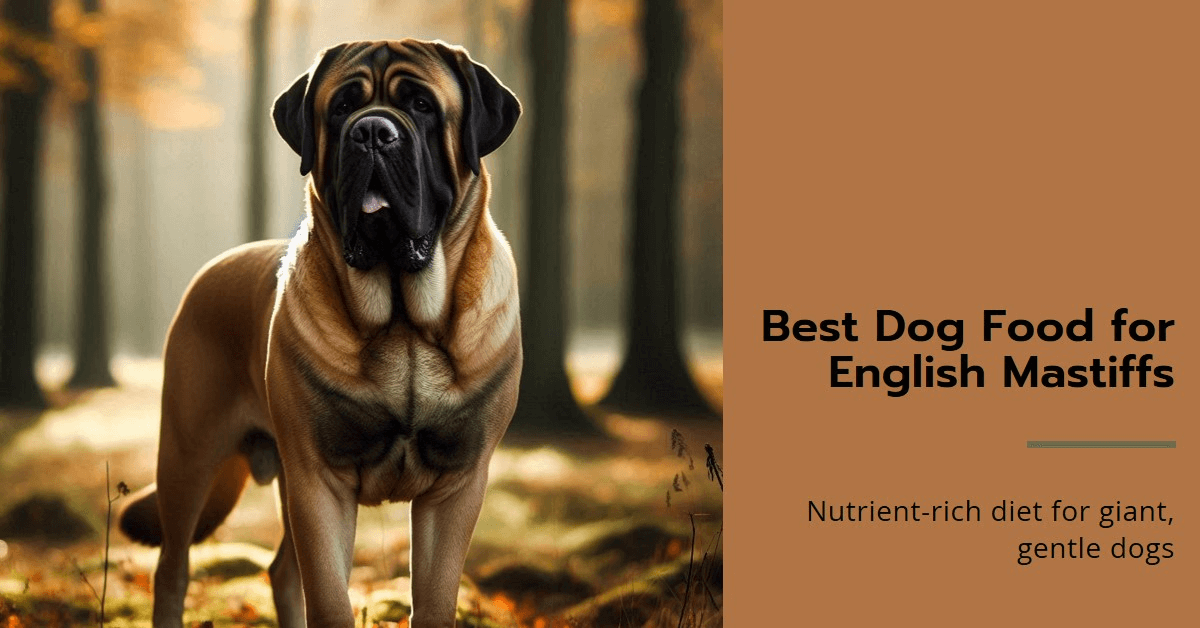
Best Dog Food for English Mastiff: A 2024 Ultimate Nutrition Guide

Dog Food for English Mastiff

English Mastiffs are giant, gentle dogs that require a balanced, nutrient-rich diet to support their large build and overall health. In this guide, we will explore the best dog food options for English Mastiffs, with insights on feeding charts, puppy care, and recommendations for Bullmastiffs as well. The information includes suggestions for large breed dogs and covers dry dog food options. 1. Best Dry Dog Food for English Mastiff Brand Type Price Range (INR/USD) Benefits Royal Canin Giant Breed Dry Dog Food 4000 – 6000 per 15 kg Supports bone and joint health, specially for large breeds Orijen Large Breed Grain-Free Dry Food 5000 – 7000 per 11 kg High protein content from fresh meat, promotes muscle growth Blue Buffalo Wilderness Dry Dog Food 3000 – 5000 per 10 kg Contains DHA, Omega 3 & 6, supports brain and coat health Hill’s Science Diet Large Breed Dog Food 3500 – 5500 per 14 kg Balanced nutrients, supports digestion and weight management Taste of the Wild Grain-Free Dry Food 4000 – 6000 per 12 kg Antioxidant-rich, promotes a strong immune system 2. Best Dog Food for English Mastiff (Reddit Recommendations) Brand Type Key Features Victor Hi-Pro Plus High Protein Dry Food Highly recommended for active English Mastiffs Merrick Grain-Free Dry Dog Food Contains real deboned beef, sweet potatoes for energy support Nutro Ultra Large Breed Dry Dog Food Nutrient-dense, contains lean proteins and whole grains 3. English Mastiff Food Chart Age Type of Food Feeding Frequency 0-6 months (Puppy) High-protein puppy food 3-4 times a day 6-12 months (Young) Large breed puppy food 2-3 times a day 12 months+ (Adult) Large breed adult food 2 times a day 4. Best Food for Bullmastiff Puppy Brand Type Price Range (INR/USD) Benefits Royal Canin Bullmastiff Breed-Specific Dry Food 4500 – 6500 per 12 kg Balanced diet for bone development, immunity, and muscle Canidae All Life Stages Dry Dog Food 4000 – 6000 per 14 kg Great for growing Bullmastiff puppies Diamond Naturals Puppy Large Breed Dry Food 3000 – 5000 per 12 kg Contains DHA, essential for brain and vision development 5. Best Dry Dog Food for Bullmastiff Brand Type Key Features Wellness Complete Health Grain-Free Dry Food Promotes strong bones and coat with high levels of Omega 3 Eukanuba Large Breed Dry Dog Food Formulated for joint health, contains glucosamine AvoDerm Natural Dry Dog Food Avocado-based, promotes skin and coat health 6. Best Large Breed Dog Food Brand Type Nutritional Benefits Nutro Ultra Large Breed Dry Dog Food Protein-rich, contains salmon and lamb for healthy muscles IAMS Large Breed Dry Dog Food Features prebiotics and fiber for digestive health Solid Gold Wolf King Grain-Free Dog Food Designed for large breeds, contains vitamins for joint support 7. What to Feed English Mastiff? Type of Food Benefits Serving Suggestion High-Protein Kibble Supports muscle development and maintains lean body mass 2-3 cups, twice a day Grain-Free Food Suitable for sensitive stomachs and allergies 2-3 cups, twice a day Homemade Meals Use boiled chicken, rice, vegetables for balanced nutrition As per dog weight and vet advice 8. English Mastiff Puppy Feeding Chart Age Food Type Daily Feeding 0-3 months Wet puppy food, milk 4-5 small meals 3-6 months Puppy kibble, mixed with wet food 3-4 meals per day 6-12 months Dry puppy food, meat-based diet 2-3 meals per day 12 months+ (Adult) Large breed adult food 2 meals per day FAQs 1. What is the best food for an English Mastiff?The best food for an English Mastiff should be high in protein, formulated specifically for large breeds, and provide essential nutrients for joint health and muscle development. Brands like Royal Canin Giant, Orijen, and Hill’s Science Diet are great options. 2. Do Mastiffs need special food?Yes, Mastiffs require food formulated for large breeds, with a higher calorie count and nutrients for joint support. They are prone to hip dysplasia, so food with glucosamine and chondroitin is important. 3. How much should an English Mastiff eat?Adult Mastiffs typically require 8-10 cups of food per day, divided into two meals. Puppies need smaller portions more frequently, depending on their age. 4. Should I feed my Mastiff wet or dry food?Dry food is preferred for English Mastiffs as it supports dental health, but wet food can be mixed in for variety and hydration, especially during their puppy phase. Conclusion Feeding your English Mastiff the right diet is crucial for their growth, health, and overall well-being. Choosing high-quality dry food, especially formulated for large breeds, can prevent health issues such as joint problems and obesity. Always consult with your veterinarian for personalized recommendations, especially for puppies and senior dogs. By ensuring your Mastiff gets the right nutrition, you’re helping them lead a longer, healthier life. Also Read: