

Best homemade food for Cats in 2024
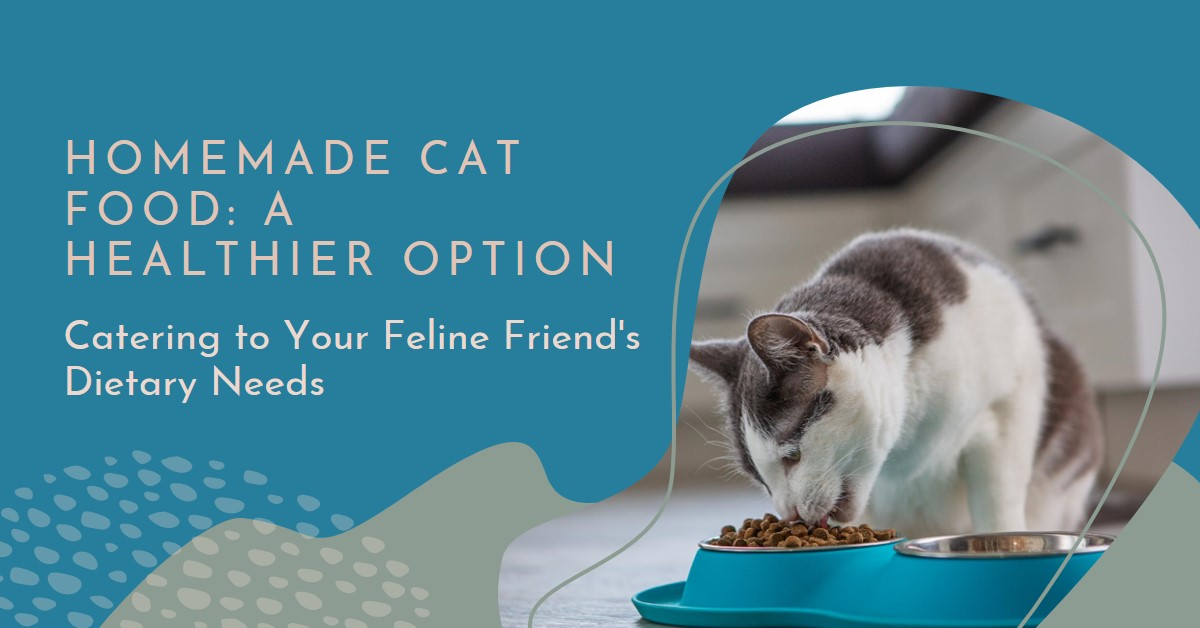
Cats, with their independent spirits and playful antics, have captured the hearts of millions worldwide. Responsible pet owners strive to provide the best possible care, including a nutritious and delicious diet. While commercial cat food offers convenience, the Best homemade food for cats allows greater control over ingredients, catering to specific dietary needs and preferences. This article will explain the best cat food homemade, exploring the benefits, challenges, and various recipes you can create to keep your feline friend happy and healthy. Benefits of Homemade Cat Food Challenges of Homemade Cat Food While the benefits are undeniable, preparing homemade cat food does present some challenges. Understanding Your Cat’s Nutritional Needs A cat’s diet should primarily consist of animal-based protein sources like chicken, turkey, fish, and organic meats. These provide essential amino acids, fats, and vitamins for maintaining muscle mass, energy levels, and overall health. Additionally, cats require moderate fat for energy and absorption of fat-soluble vitamins. While carbohydrates are not essential, a small amount can be included in their diet for variety and fiber. Crafting a Balanced Homemade Meal When preparing homemade meals for your cat, ensuring a balanced nutritional profile is crucial. Start with a high-quality protein source like cooked chicken or fish, constituting approximately 80% of the meal. Include a small amount of cooked vegetables or fruits for fiber and vitamins, and supplement with a high-quality cat vitamin and mineral mix to meet all nutritional needs. Sample Homemade Cat Food Recipe Here’s an example of a simple, homemade cat food recipe: Ingredients: Instructions: The Importance of Taurine in Your Cat’s Diet Taurine is an essential amino acid for maintaining your cat’s health. While cats can produce some taurine on their own, they primarily obtain it from their diet. Taurine is vital for several bodily functions, including: A deficiency in taurine can lead to various health problems in cats, including vision loss, heart disease, digestive issues, and neurological disorders. Therefore, ensuring your cat’s diet contains sufficient taurine is essential for their well-being. When preparing homemade cat food, include taurine-rich ingredients like chicken, turkey, fish, and organ meats. You can also consider adding a taurine supplement to their diet if recommended by your veterinarian. By providing your cat with a taurine-rich diet, you contribute to their overall health and well-being. Conclusion Providing your cat with homemade food demonstrates your love and commitment to their well-being. While it requires more effort than commercial options, the benefits are substantial, ranging from improved health and increased hydration to greater enjoyment of mealtimes. By carefully planning, sourcing ingredients, and consulting with a veterinarian, you can create delicious, nutritious meals that will keep your feline friend happy and healthy for years to come. Frequently Asked Questions 1. What are the benefits of feeding my cat homemade food? Homemade cat food offers several potential benefits over commercially available options. These include: 2. What are the challenges of making homemade cat food? Making homemade cat food requires more time and effort than simply purchasing commercial options. Additionally, ensuring the diet is balanced and complete is crucial to avoid nutritional deficiencies. Consulting with your veterinarian is highly recommended. 3. Can I feed my cat only homemade food? Yes, it is possible to feed your cat exclusively homemade food. However, working closely with your veterinarian to formulate a balanced and complete diet that meets all your cat’s nutritional needs is essential. 4. What should I do if my cat refuses to eat homemade food? If your cat hesitates to try homemade food cat, gradually introduce it alongside their regular diet. You can also try different recipes and flavors to find one they enjoy. If they still refuse, consult with your veterinarian for guidance. 5. Where can I find more information about homemade cat food? Several online resources and books provide detailed information about homemade cat food recipes and nutritional requirements. Additionally, your veterinarian can be a valuable source of guidance and support. Also Read: