

Dog Diet Chart for Weight Gain by Age: 2026 Complete Guide
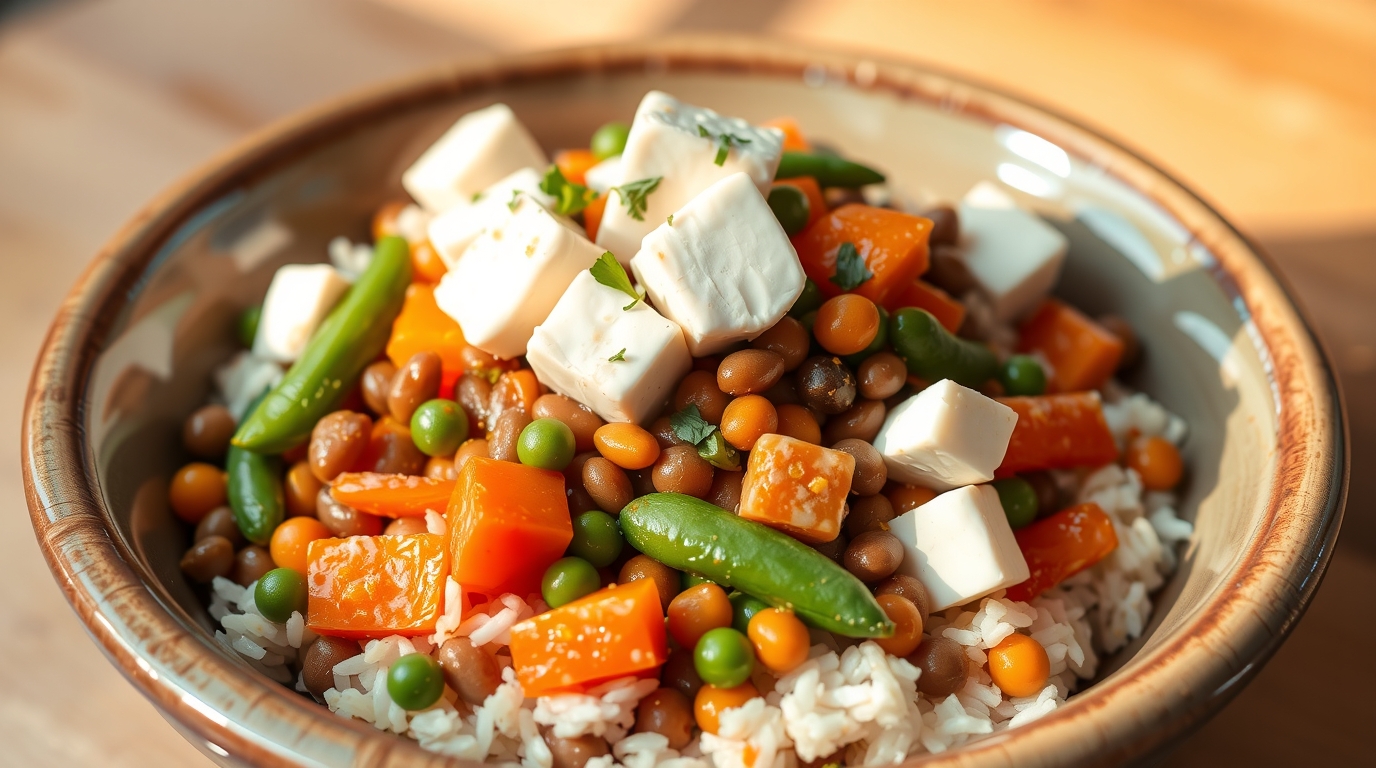
Gaining healthy weight in dogs isn’t about feeding more, it’s about feeding right. Whether your dog is underweight due to illness, poor nutrition, or high activity levels, understanding how much to feed based on age and weight is essential. In this comprehensive guide, we’ll break down a Dog Diet Chart for Weight Gain by Age, explain the right feeding portions by weight (kg), and even share a downloadable Dog Diet Chart PDF for easy reference. Why Your Dog Might Need a Weight Gain Diet Not all dogs who eat less are “picky eaters.” Some dogs lose weight because of fast metabolism, underlying illness, worms, or stress. Others may simply burn more calories than they consume especially energetic breeds like Labradors, Boxers, or Dobermans. A structured Dog Diet Chart for Weight Gain by Age ensures your pup gets the correct calories, nutrients, and feeding schedule for sustainable weight gain. Understanding Your Dog’s Calorie Needs Every dog has a unique Resting Energy Requirement (RER) and Daily Energy Requirement (DER). These depend on their age, weight, and activity level.Formula: RER = 70 × (body weight in kg)^0.75 Example:A 10 kg dog’s RER = 70 × (10)^0.75 = 394 kcal/day.To help them gain weight, feed 20–30% more calories than their maintenance needs. Dog Feeding Chart by Weight and Age The following Dog Feeding Chart by Weight and Age helps determine the right food quantity and frequency for weight gain. Dog Age Weight Range (kg) Meals per Day Calories Needed Notes Puppy (2–6 months) 2–10 kg 4 meals 400–800 kcal High-protein puppy food Adolescent (6–12 months) 10–20 kg 3 meals 900–1400 kcal Gradually shift to adult diet Adult (1–6 years) 20–35 kg 2 meals 1500–2000 kcal Include muscle-building protein Senior (7+ years) 15–30 kg 2 meals 1200–1600 kcal Add supplements for digestion This Dog Diet Chart for Weight Gain by Age helps balance nutrition for each life stage. Dog Diet Chart for Weight Gain by Age (Detailed Plan) Puppies (2–6 months) At this stage, your pup needs high-quality protein and fats to build strong bones and muscles. Pro Tip: Avoid overfeeding—frequent small meals help in healthy weight gain. Adolescents (6–12 months) This is a growth transition phase. Balance energy-dense foods with essential vitamins. Include omega-3 and omega-6 fatty acids for coat and joint health. Adults (1–6 years) Adult dogs require muscle-maintaining diets rich in animal proteins and good fats. How much to feed a dog by weight (kg): Senior Dogs (7+ years) Older dogs need easily digestible, moderate-fat diets to maintain weight without straining their organs. Add probiotics and joint supplements for overall vitality. Dog Diet Chart Vegetarian (Weight Gain Edition) If you prefer a vegetarian diet for your dog, focus on protein-rich and calorie-dense foods. Vegetarian Food Nutritional Benefit Paneer & Curd High-quality protein & calcium Boiled Lentils (Moong, Toor) Protein and fiber for digestion Brown Rice & Sweet Potato Energy and healthy carbs Oats with Milk Weight gain and muscle support Ghee (1 tsp/day) Healthy fat for coat and energy ✅Sample Dog Diet Chart Vegetarian (for Weight Gain): How Much to Feed a Dog by Weight (kg) Feeding amounts vary based on breed metabolism, activity, and digestion. Here’s a quick reference: Dog Weight (kg) Daily Food Quantity Calorie Range 5 kg 150–200 grams 300–400 kcal 10 kg 250–300 grams 500–600 kcal 20 kg 400–500 grams 900–1000 kcal 30 kg 600–750 grams 1300–1500 kcal 40+ kg 800–1000 grams 1800–2200 kcal Additional Tips for Dog Weight Gain Common Mistakes to Avoid Vet-Recommended Foods for Weight Gain Tracking Progress with a Dog Feeding Chart PDF Maintain a printable Dog Feeding Chart by Weight and Age where you log: You can customize your Dog Diet Chart for Weight Gain by Age PDF weekly and show it to your vet during checkups. Conclusion A well-balanced Dog Diet Chart for Weight Gain by Age ensures your pet grows strong, active, and healthy. Remember, weight gain should be gradual, focus on nutrition, not just calories. Use our Dog Feeding Chart by Weight and Age or Dog Diet Chart PDF as your go-to reference for portion control and nutrition planning. Whether you prefer a vegetarian dog diet chart or a non-veg meal plan, consistency and quality food are the secrets to success. Also Read: