

Dog Tail Position Chart: Understand Your Pup’s Mood
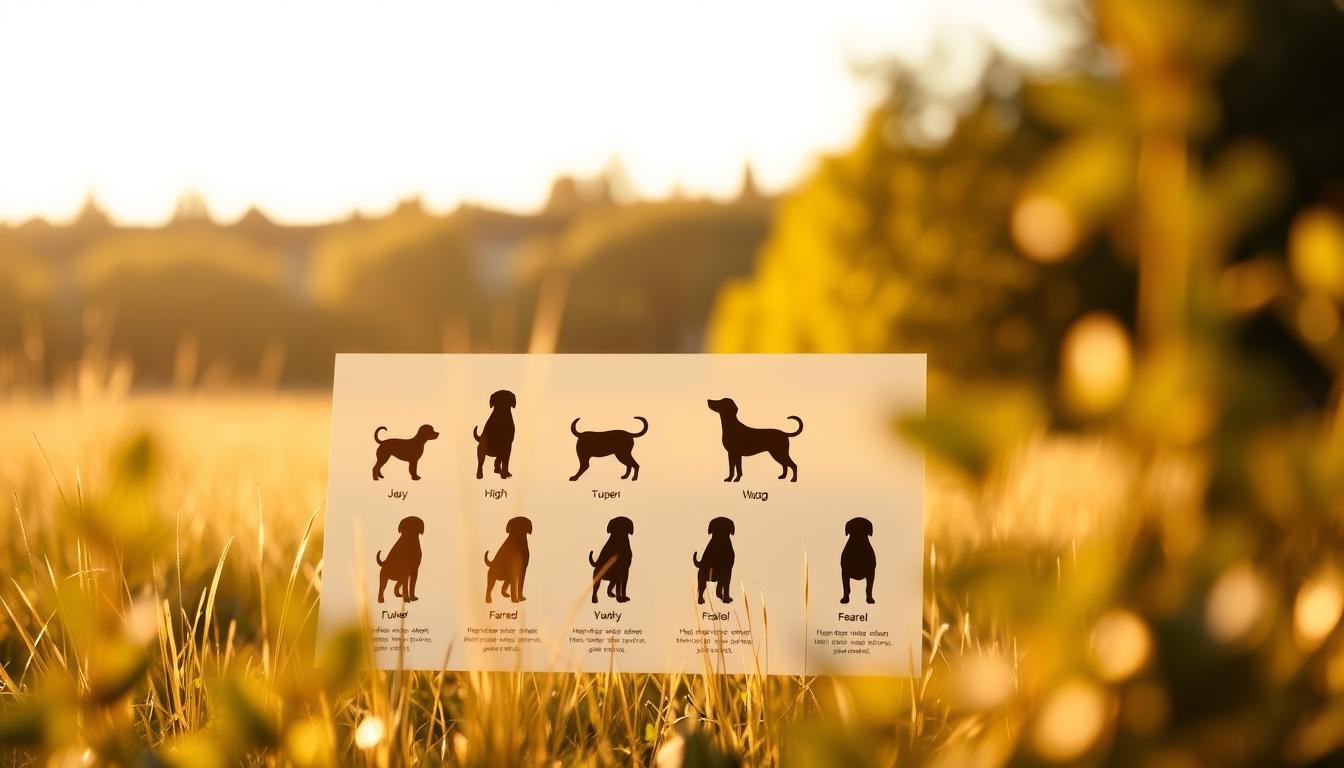
Your furry friend’s body language is a powerful tool for understanding their emotions. While barks and whines grab attention, their tail movements reveal subtle clues about how they’re feeling. Think of it as a built-in mood ring—every lift, tuck, or wag tells a story. This guide will help you decode those signals. Whether your pup’s tail is high and stiff or relaxed and loose, each position reflects their mindset. You’ll learn to spot signs of joy, anxiety, curiosity, or even irritation by observing their posture alongside ear and eye movements. By mastering this skill, you’ll strengthen your bond with your canine companion. Research from veterinarians and animal behaviorists shows that recognizing these cues improves trust and communication. Plus, it’s a fun way to feel closer to your four-legged family member! Key Takeaways Introduction: The Importance of Canine Body Language The secret to bonding with your pet lies in their silent language. While vocalizations like barks or whines are obvious, over 90% of their communication happens through physical signals. From ear tilts to paw lifts, every motion offers a glimpse into their mindset. Why does this matter? Recognizing these cues helps prevent misunderstandings. For instance, pinned-back ears paired with a lowered head often signal anxiety—not stubbornness. Similarly, a relaxed mouth and soft eyes usually mean contentment. By observing these details, you’ll respond more effectively to their needs. Emotions shape every movement. Excitement might trigger a full-body wiggle, while fear could freeze their posture. Experts emphasize combining tail behavior with other signals for accurate interpretations. A wagging tail alone doesn’t always mean joy—it’s the speed, height, and accompanying facial expressions that tell the full story. Mastering this language strengthens trust. As one trainer notes, “When owners tune into these signs, they build deeper connections.” It’s not just about decoding moods—it’s about creating a happier, safer space for your companion. Dog Tail Position Chart: Understanding Your Dog’s Emotions Ever wonder what your pup’s backside is really saying? Their rear-end movements aren’t just random—they’re a precise language packed with meaning. From joyful wiggles to cautious tucks, each motion reflects their inner world. A high, upright stance often signals alertness or confidence. Think of it like a flagpole—when raised, your pet feels curious or ready to engage. Lower positions, like a horizontal or slightly drooping posture, usually mean relaxation. But when it curls tightly beneath the body? That’s a clear sign of unease or fear. Contrary to popular belief, wagging doesn’t always equal happiness. Rapid side-to-side swings paired with loose hips suggest excitement. However, stiff, slow movements might indicate tension. As animal behaviorist Dr. Linda Harper notes: “Tail behavior is intentional—like words in a conversation. Speed and height add nuance to their message.” By pairing these cues with ear direction and facial expressions, you’ll unlock richer insights. For example, a wagging motion with pinned-back ears often means uncertainty, not joy. Recognizing these patterns helps you respond thoughtfully, whether offering comfort or giving space. Understanding this silent language transforms everyday interactions. You’ll catch subtle shifts in mood before they escalate, fostering trust and safety. It’s like learning a secret code—one that deepens your bond with every wag and wiggle. Anatomy of Canine Communication Your companion speaks volumes without a single bark—if you know where to look. Their body language flows through facial muscles, stance shifts, and even hair movements. Let’s explore the physical tools they use to express joy, fear, or curiosity. Ears, Eyes, and Mouth Signals Forward-pointing ears often signal curiosity, like when hearing a new sound. Flattened ones? Think stress or submission. Similarly, wide eyes show alertness, while squinting may mean discomfort. A relaxed mouth with a slightly open jaw suggests calmness, but lip-licking or yawning can hint at anxiety. Body Posture and Hackles A loose, wiggly stance usually means happiness. Raised fur along the back (hackles) often signals arousal—this could be excitement or tension. Crouching low with weight shifted backward? That’s a clear “I’m uneasy” message. Certified trainer Mia Carter notes: “Hackles aren’t always aggression. They’re like goosebumps—a reflex to strong emotions.” Signal Relaxed State Tense State Ears Soft, neutral angle Pinned back or rigid Eyes Soft gaze, normal blinking Staring or avoiding contact Mouth Slightly open, relaxed tongue Closed tight or excessive panting Posture Weight evenly distributed Stiff legs or lowered body These signals work together like puzzle pieces. A wagging body with soft eyes means playfulness, while raised hackles paired with a frozen stance suggests caution. By observing the whole picture, you’ll decode your pet’s mood accurately. Decoding Tail Positions: What Your Dog Is Telling You Unlock the secrets behind your companion’s silent messages by observing their rear-end expressions. Every lift, droop, or tuck serves as a live feed into their emotional world—if you know how to read it. High vs. Low: Confidence Meets Caution A raised, upright posture often reflects boldness or curiosity. Think of it as a flag at full mast—your furry pal feels engaged and self-assured. But when it lowers to hip level or dips slightly, they’re likely relaxed yet attentive. Extreme lows tell a different story. If their rear-end gear nearly brushes the ground, anxiety or submission is usually at play. Animal behavior expert Dr. Sarah Klein explains: “Height correlates with emotional intensity. The lower it goes, the more vulnerable they feel.” Wagging Wonders vs. Nervous Tucks Fast, sweeping motions with a wiggly body? That’s pure joy in motion. But a stiff, slow swing paired with tense muscles often signals uncertainty. Watch the base—if it’s rigid, proceed with caution. A tightly curled posture beneath the belly screams discomfort. This “tucked” stance commonly appears during storms, vet visits, or unfamiliar situations. Pair it with flattened ears, and you’ve got a clear distress signal. By connecting these signals with other cues—like ear direction or panting patterns—you’ll grasp their mindset accurately. It’s like learning a dialect of their native language, deepening trust through thoughtful responses. Interpreting Tail Wagging: Speed, Direction, and Style That happy wag isn’t just random—it’s a nuanced dialogue. Research shows tail wagging carries layered meanings based … Read more