

Japanese Dog Breeds: A Captivating Guide
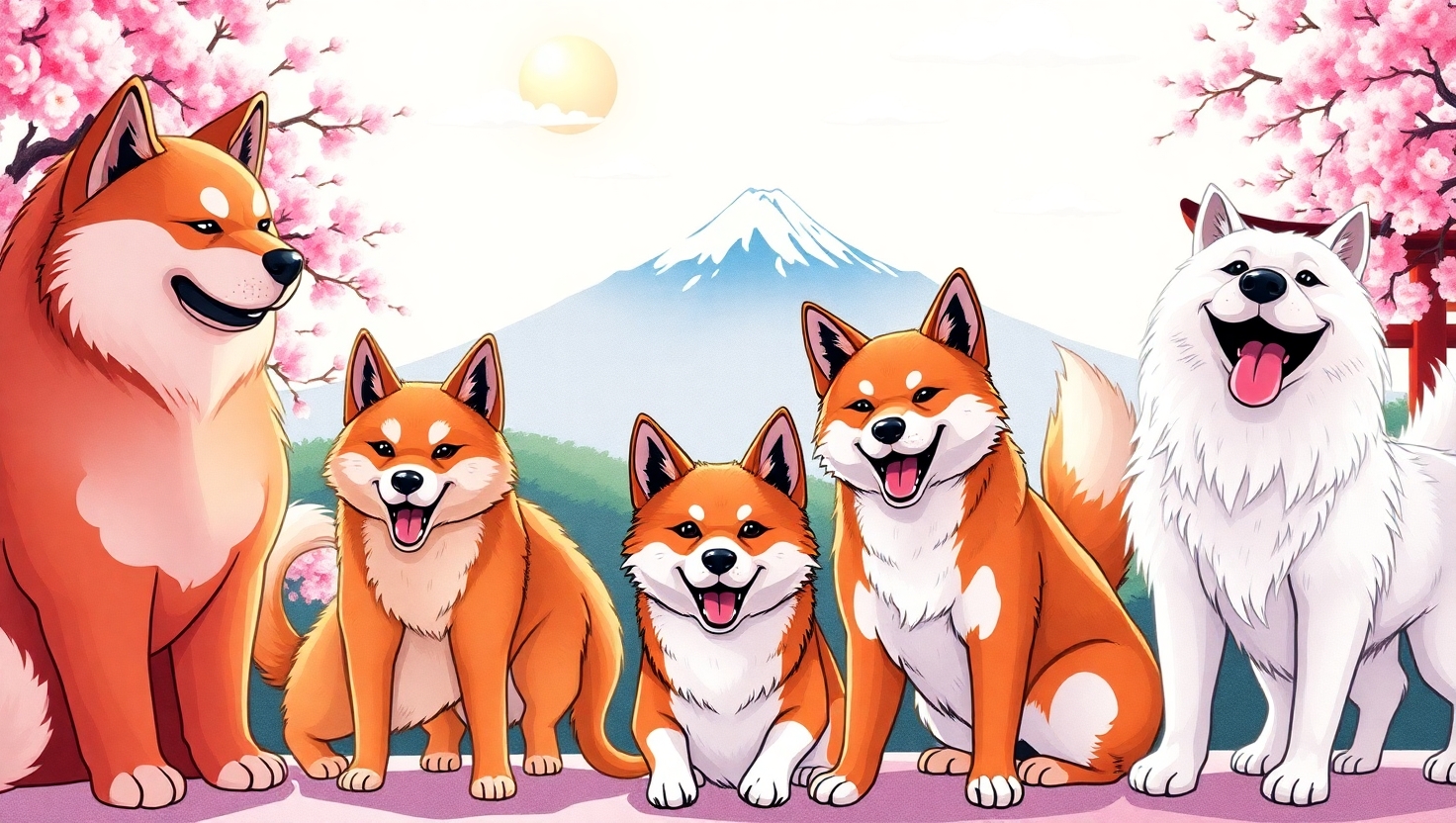
For thousands of years, humans have shared an extraordinary bond with their four-legged companions. Among these loyal friends, a group of canines stands out for their rich heritage and cultural importance. Six native varieties, known as Nihon-ken, have thrived in Japan for nearly 10,000 years, shaping traditions and winning hearts worldwide. Historical records reveal how deeply these animals influenced daily life. Ancient texts like The Pillow Book mention them roaming freely in early cities, while hunters relied on their skills during falconry expeditions. Artwork and burial customs further highlight their revered status across generations. Today, these remarkable canines transitioned from skilled hunters to cherished family members. Their unique traits—from striking appearances to spirited personalities—make them popular across continents. This guide explores their origins, differences between native and imported varieties, and what makes them exceptional companions. Key Takeaways Introduction to Japanese Dog Breeds Few animals hold as much cultural significance in Japan as its indigenous canines. Six distinct varieties, recognized as Nihon-ken, form an exclusive group protected by preservation societies. While the Shiba Inu enjoys global fame, others like the Shikoku remain hidden treasures—rare even in their homeland. These companions showcase remarkable diversity. Some stand tall as rugged mountain hunters, while others thrive as compact apartment pets. Their sizes and skills evolved to match specific roles—from bear tracking in snowy regions to guarding royal households. What unites them is a shared heritage of resilience. Centuries of selective breeding created animals equally suited for harsh outdoor work and modern family life. Their intelligence and loyalty shine whether patrolling forests or playing in suburban yards. Many imported types now live alongside these native treasures. However, the original six maintain unique traits shaped by Japan’s climate and traditions. Their curled tails, sharp senses, and spirited personalities tell stories of ancient partnerships between humans and animals. History and Cultural Significance of Japanese Canines Long before social media fame, these animals shaped a nation’s identity. Their story intertwines with art, rituals, and royal decrees across 15 centuries. Clay figures from ancient burial sites show collared companions, proving their status in early societies. Ancient Traditions and Literary References Archaeologists found terracotta haniwa figurines depicting collared animals from 300-538 CE. These artifacts reveal their sacred role in burial customs. Classic literature like The Tale of Genji describes them wandering freely through capital cities. During the Kamakura era (1185-1333), hunters relied on sharp-sensed partners for falconry. Their skills became legendary, celebrated in scrolls and oral traditions. This partnership forged a template for working relationships that lasted generations. From Imperial Ownership to Global Recognition One breed once belonged exclusively to royalty. Imperial households guarded their prized companions fiercely. This exclusivity ended in the 20th century when a loyal Akita’s story captured hearts worldwide. The tale of Hachikō, who waited nine years for his owner, became a national symbol. His statue at Shibuya Station now attracts millions. This devotion reflects values cherished across the country. Period Cultural Impact Lasting Legacy Kofun (300-538 CE) Burial figurines Spiritual significance Kamakura (1185-1333) Hunting partnerships Working breed standards Modern Era Global companionship Cultural ambassadors Today, these canines bridge past and present. From mountain hunters to urban family members, they adapt while keeping traditions alive. Their journey from palace guardians to international icons shows how deeply animals can shape human culture. Japanese dog breeds: Unique Characteristics Distinctive physical traits set these canines apart from other companions. Pointed ears, compact frames, and signature curled tails create their iconic silhouette. These spitz-type features aren’t just for show—they evolved for survival in harsh climates and demanding tasks. A double-layered coat acts as natural armor against extreme weather. The outer layer repels moisture while the undercoat provides insulation. This design means heavy shedding twice yearly—prepare for fur tumbleweeds during seasonal changes! “Their intelligence demands engagement. Boredom turns puzzle solvers into furniture artists.” Moderate to high energy levels reflect their working roots. Daily adventures keep them content, whether hiking trails or mastering agility courses. Mental challenges prove equally vital—interactive toys prevent mischievous creativity. Breed Coat Type Shedding Level Grooming Frequency Shikoku Medium double Seasonal Weekly brushing Kishu Short double Moderate Bi-weekly care Tosa Smooth single Low Monthly maintenance While all dog breeds need care, their requirements vary dramatically. From occasional wipe-downs to daily brushing marathons, matching your lifestyle ensures happy coexistence. Shiba Inu – The Iconic Japanese Companion Among Japan’s cultural treasures walks a spirited companion with foxy charm and ancient roots. This compact 17-23 pound canine carries millennia of history in its curled tail and alert posture. Surviving wars and near extinction, they’ve become global symbols of resilience wrapped in plush coats. Breed Origins and Hunting Heritage Archaeological evidence traces these fiery-red companions to 7000 B.C., making them one of Earth’s oldest surviving hunting partners. Their compact size belied fierce determination—mountain villagers relied on them to flush boar from dense underbrush. Post-WWII conservation efforts revived their numbers from just three bloodlines. Personality and Exercise Needs Don’t let the teddy bear looks fool you. These self-cleaning marvels combine feline fastidiousness with problem-solving intelligence. A bored Shiba becomes an escape artist or treats your couch to their signature high-pitched scream. While they adapt well to family life, their independent streak demands patient training. As one breeder notes: “They’ll obey—if they agree with your logic.” Perfect for active owners who appreciate spirited companionship over constant cuddles. Akita – Loyalty and Strength in Action Few companions command respect like the powerful yet devoted Akita. These majestic animals evolved from elite hunters to modern protectors, combining physical prowess with unwavering dedication. Standing 25-28 inches tall and weighing 70-100 pounds, their sturdy build hides specialized tools like webbed feet for snow travel and dew claws acting as natural ice picks. Historical Guardian Roles Originally bred to track bears in mountainous regions, Akitas developed extraordinary survival skills. Their thick double coat repelled freezing temperatures while their keen senses detected threats miles away. The legendary Hachikō demonstrated their fidelity by waiting nearly nine years at a train station, inspiring books and films that touched millions of people … Read more