

Printable Dog Safe Food Chart – Easy Reference Guide
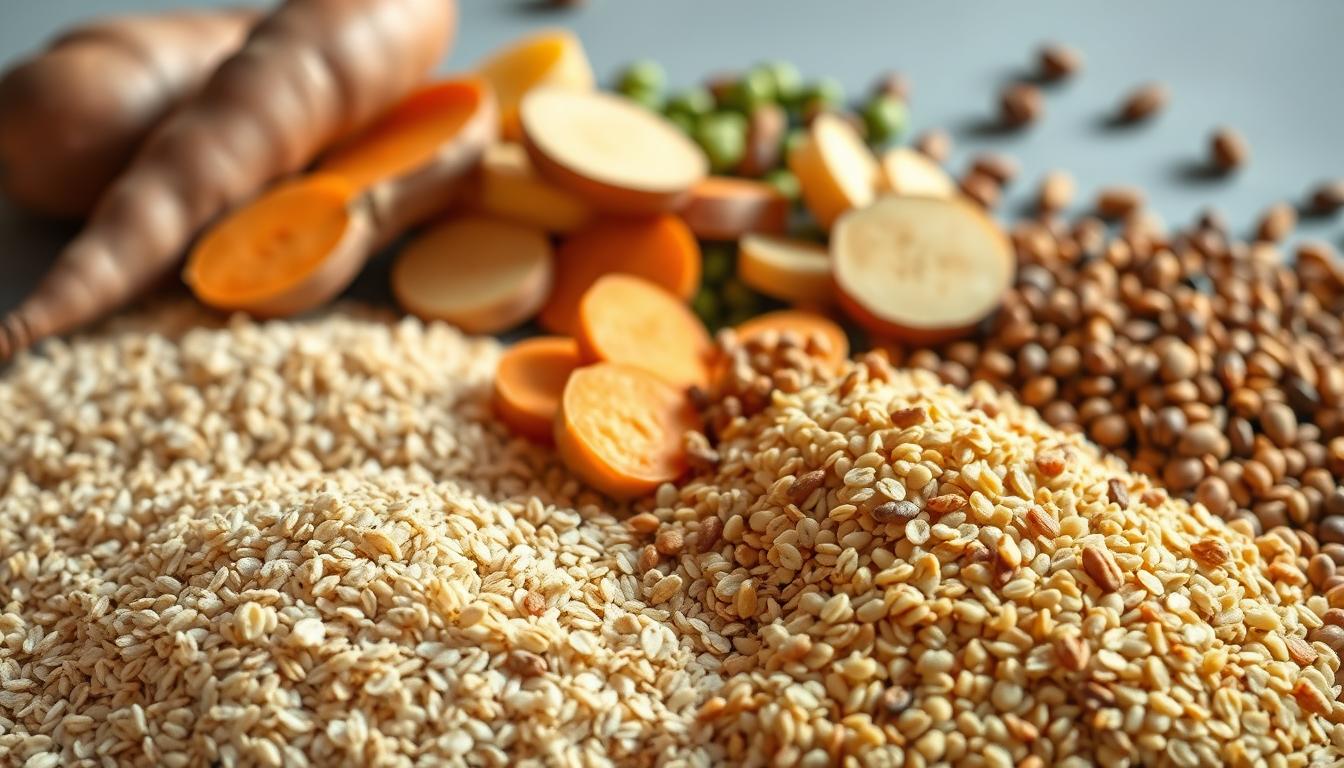
As a responsible dog owner, knowing what human foods are safe for your dog is key. Many foods are toxic to dogs, making it hard to keep track. A printable dog safe food chart is very helpful. This guide is a quick way to see safe and unsafe foods for your dog. It helps you make smart choices about their diet and treats. Having this chart on hand means you can keep your dog safe from harmful foods. It’s a must-have for any dog owner wanting a healthy and happy pet. Key Takeaways Why Every Dog Owner Needs a Food Safety Guide It’s easy to confuse a safe snack with a harmful treat for dogs. This is why a food safety guide is so important. Dog owners might unknowingly risk their pets’ health by giving them human food. Common Food-Related Emergencies in Dogs Dogs can face serious health issues from food. Chocolate, grapes, and onions are just a few common foods that are bad for them. Knowing these dangers is key to keeping your dog safe. Many dog owners don’t realize the risks of certain foods. For example, xylitol, found in many sugar-free products, can cause a big drop in blood sugar and even liver failure in dogs. The Importance of Quick Reference Resources A quick guide can save a dog’s life if they eat something bad. A safe foods for dogs chart makes it easy for owners to see what human foods are okay for their pets. These resources are not just useful; they’re vital for pet owners. By knowing what can dogs eat safely, owners can prevent poisoning and keep their pets healthy. Understanding Canine Digestion and Nutrition Dogs have a unique digestive system that’s different from humans. This is key for dog owners to know. It affects what their pets need to eat. How Dogs Process Food Differently Than Humans Dogs can eat both animal and plant foods. But, they digest more protein and fat from animal sources. Their shorter digestive tract and different gut shape change how they get nutrients. Dogs have more stomach acid than humans. This helps them digest raw meat and bones better. But, it’s not a rule that dogs should only eat raw food. Cooked and processed foods can also be good for them if done right. Essential Nutrients for Dogs Dogs need a balanced diet with proteins, fats, carbs, vitamins, and minerals. Proteins are key for muscles, bones, and tissues. Lean meats, fish, and eggs are good protein sources. Eggs are also great for dogs, providing protein and Omega fatty acids. Just make sure they’re plain, without seasonings or extra ingredients. Dogs also need essential fatty acids for skin and coat health. Plus, various vitamins and minerals for overall health. A balanced dog food or a homemade diet can meet these needs. Using a dog nutrition chart or a canine safe food list helps owners choose the right food. Always talk to a vet to find the best diet for your dog’s age, breed, and health. Safe Fruits for Dogs Fruits can be a great addition to your dog’s diet if you pick the right ones. Dogs need different nutrients than people, but some fruits offer important vitamins and minerals. These can help keep your dog healthy. Beneficial Fruits and Their Nutritional Value Some fruits are better for dogs because they’re packed with nutrients. Blueberries are full of antioxidants, which can fight inflammation and boost brain health. Apples, without seeds and cores, are good for fiber and vitamins A and C. Bananas also offer potassium and vitamins. How to Properly Prepare Fruits for Dogs To make fruits safe for your dog, follow a few steps. Always wash the fruits well to get rid of dirt and pesticides. Then, take out seeds, cores, and peels because they can be toxic or upset your dog’s stomach. For example, apple seeds have amygdalin, which can release cyanide. Also, remember to cut fruits into small pieces to avoid choking. While fruits are healthy, they shouldn’t be more than 10% of your dog’s daily calories. Most of their diet should be a balanced dog food. Safe Vegetables for Dogs Many vegetables are safe for dogs and give them important nutrients. Adding vegetables to your dog’s meals can be great. They are full of vitamins, minerals, and fiber. These help keep your dog healthy and happy. Nutrient-Rich Vegetables for Canine Health Some vegetables are super good for dogs because they’re packed with nutrients. Here are some: Vegetable Nutritional Benefits Preparation Tips Carrots Rich in Vitamin A Serve raw or cooked, sliced or grated Green Beans Low in calories, high in fiber Steam or boil until tender Sweet Potatoes Rich in Vitamin A and fiber Bake or boil, then mash or slice Peas Good source of protein and fiber Serve fresh or frozen, thawed Cucumbers Low in calories, high in water content Serve sliced or chopped Proper Preparation Methods for Vegetables To make sure vegetables are safe and healthy for your dog, proper preparation is important. Here are some tips: By adding these safe veggies to your dog’s meals and preparing them right, you can give them a nutritious and varied diet. This supports their health. Safe Proteins for Dogs As a dog owner, knowing the safe proteins for dogs is key for their health. Proteins are essential for their muscles, energy, and body functions. Dogs need a diet full of protein for dogs. It’s important to pick safe sources. Make sure to offer a variety of proteins and cook them right to avoid health issues. Lean Meats and Fish Options Lean meats and fish are great for protein for dogs. Choose lean meats like chicken, turkey, and beef. Cook them well and use lean cuts. Fish, like salmon and sardines, is also good because of its omega-3 fatty acids. Always remove bones, skin, and extra fat before giving these to your dog. Bones can choke or block intestines. Too much fat can cause pancreatitis. Plant-Based Protein … Read more