Wet Dog Food versus Dry Dog Food
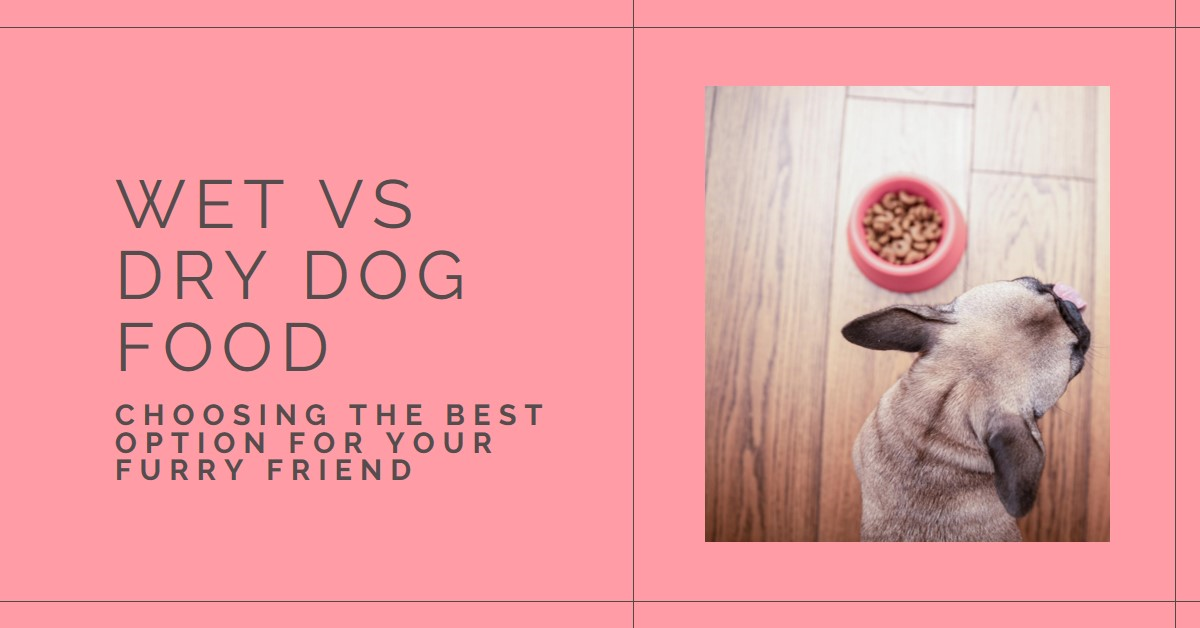
Choosing the best food for your dog is an important decision that can impact their health and well-being. With so many options available, deciding between wet and dry dog food can be overwhelming. Both types have their own unique advantages and disadvantages, and the best choice for your furry friend will depend on their individual needs and preferences. This Article will explain In Depth info about Wet Dog Food versus Dry Dog Food. Understanding the Differences: Wet vs. Dry Dog Food Wet dog food typically contains around 78% moisture, offering a higher water content than dry food. This can benefit dogs who don’t drink enough water or have urinary tract issues. Wet food also tends to be more palatable due to its stronger scent and taste, making it a good option for picky eaters. However, it is generally more expensive than dry food and requires refrigeration after opening, making it less convenient for storage. On the other hand, dry dog food contains around 10% moisture. It is more cost-effective and has a longer shelf life than wet food. Dry food is also easier to store and transport, making it a convenient choice for busy pet owners. However, some dogs may find dry food less appealing due to its lower moisture content and blander taste. Factors to Consider When Choosing Dog Food What Are The Main Ingredients To Look For In Both Types? Whether you opt for dry or wet dog food, scrutinising the ingredient list is crucial. Look for high-quality ingredients for both types that cater to your dog’s specific nutritional needs. For the kibble crunchers, look for ingredients like: For the gravy-gobbling gourmands, prioritize ingredients like: Conclusion Ultimately, the best dog food for your furry friend depends on their needs and preferences. Consider the abovementioned factors and consult with your veterinarian to make an informed decision. Remember, a healthy diet is essential for your dog’s overall well-being and can contribute to a long and happy life. Frequently Asked Questions A: The best type of food depends on your dog’s individual needs and preferences. Consult your veterinarian for personalised recommendations. A: Wet food generally has higher digestibility due to its higher moisture content. However, dry food can also be easily digested by most healthy dogs. A: Dry food’s crunchy texture can help scrape plaque and tartar off teeth. However, wet food can also contribute to dental health by stimulating saliva production. A: Dry food is generally more cost-effective per serving. However, wet food may be more appealing to picky eaters, potentially reducing food waste. A: Yes, mixing wet and dry food can be a good option for picky eaters or to increase water intake. However, consult your veterinarian to ensure the proper balance of nutrients. Also Read: